


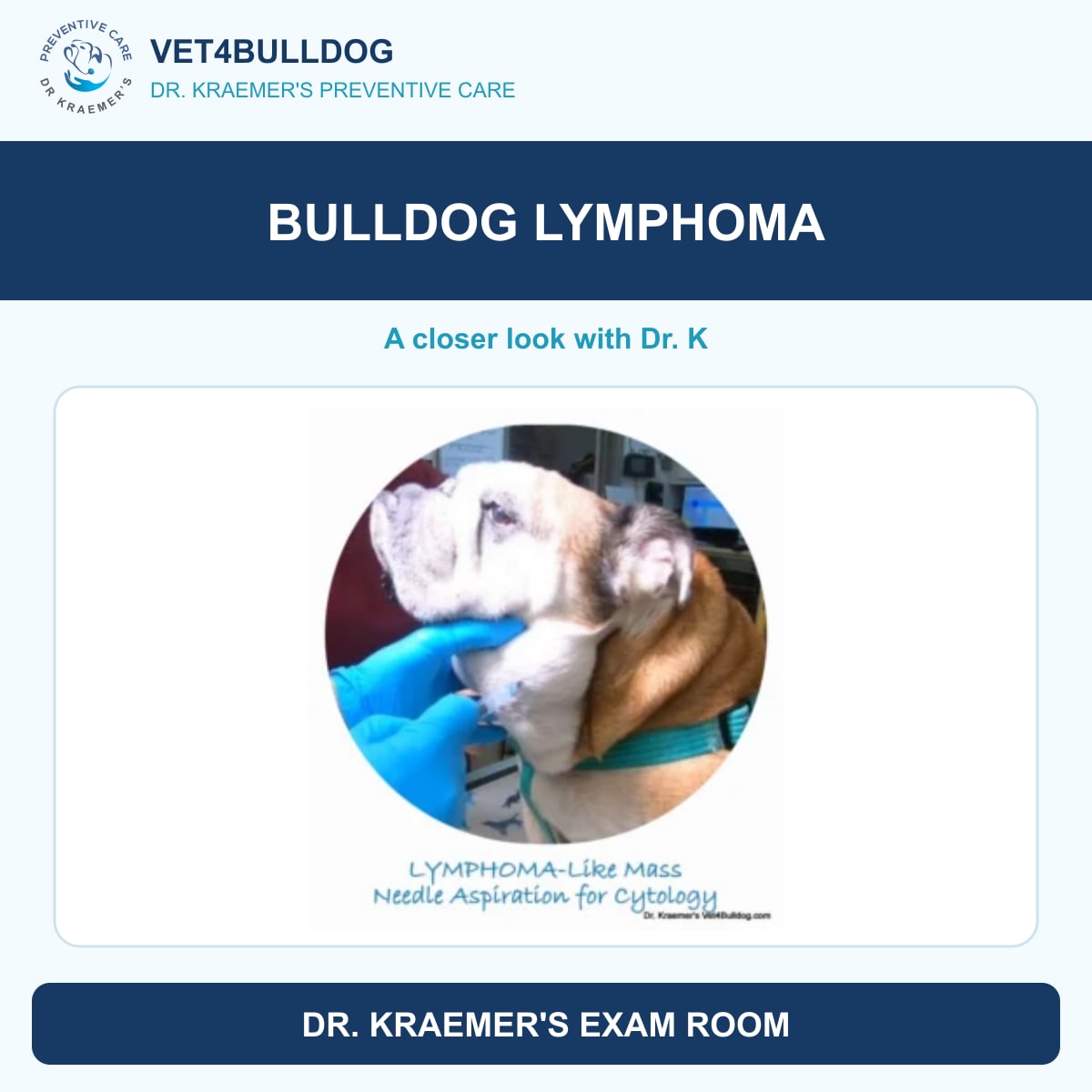
Firm, rubbery swellings under the jaw, or in front of the shoulders, in a dog who is eating, playing and behaving entirely normally. They do not hurt, which is why they get noticed by accident rather than because the dog complained. And the fact that he seems perfectly well is exactly what persuades people to leave it a fortnight and see. That waiting is the one thing on this page I would most like to talk you out of.
Now the part I wish someone would say out loud sooner, because the word chemotherapy brings a set of pictures with it from human medicine that do not transfer. In dogs the dose is chosen to protect quality of life rather than to cure at any cost, so most dogs keep their coat, keep their appetite and carry on being themselves between visits. Lymphoma also happens to be one of the cancers that responds best to treatment. If you are reading this at midnight having just felt a lump, that is the sentence to hold on to.
And one practical thing to carry into the appointment, because owners are not told to ask and it costs them. Ask that steroids are not started until a sample has been taken. Prednisone makes a dog look better fast, which is tempting for everyone in the room, but it muddies the diagnosis and it may make the treatment that follows work less well. A few days of patience at the start protects every option afterwards.
You are being neither. You are being a frightened owner at two in the morning with a search engine, which is the worst possible combination and one I have a lot of sympathy for.
First, the practical bit. Firm lumps in that position, on both sides, in a seven year old, need your veterinarian to look at them this week rather than when you next happen to be passing. Not because I know what they are, because I do not and neither does the internet, but because the quickest way out of the state you are in is a diagnosis. There are several things those lumps could be and some of them are a good deal more boring than the one keeping you awake.
Now the part I actually want to answer, because it is the question underneath the question. You are considering stepping back before anybody has told you what you are dealing with. Please do not make that decision yet.
If it does turn out to be lymphoma, that word does not mean what most owners think it means. Of the cancers I have dealt with in this breed, it is one of the more responsive to treatment, and dogs generally cope with that treatment far better than people expect, because the aim is a dog who feels well rather than a cure at any cost. There is also a real range of options rather than one brutal path, from a full protocol down to simple medication that keeps a dog comfortable.
So the order matters. Find out what it is, have the conversation with your veterinarian, and then decide. Deciding in advance of knowing is the only version of this that you might regret, and the fact that he is bright and stealing socks is not a reason to wait. It is quite normal early on, and it is covered further down this page.
Introduction To Bulldog and French Bulldog Lymphoma
Lymphoma, in bulldogs and French bulldogs, is also referred to as lymphosarcoma.
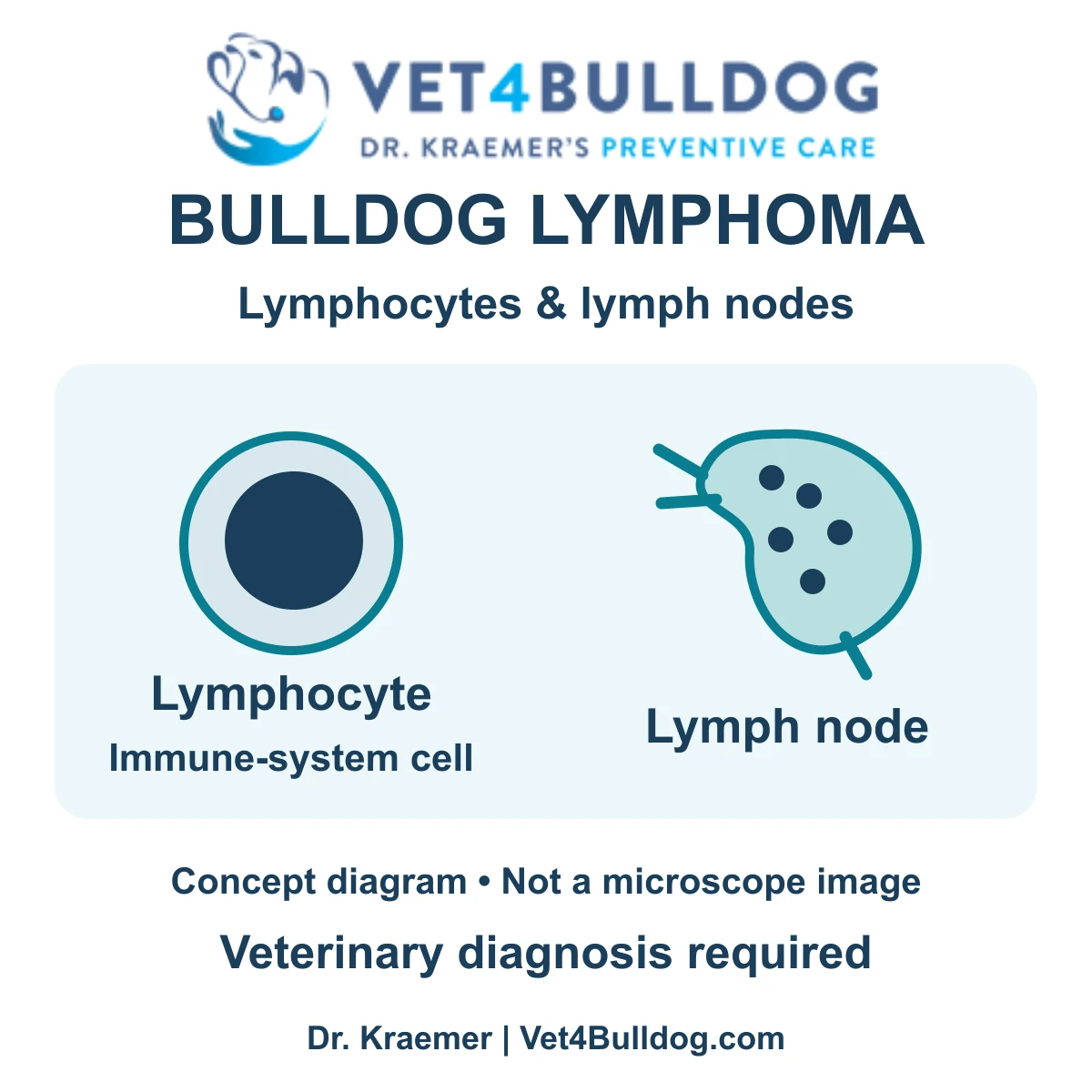
It is a cancer of the lymphatics and a white blood cell called a lymphocyte that is vital for your bully immune system and can be diagnosed in any body part that has lymphatics and lymphocytes.
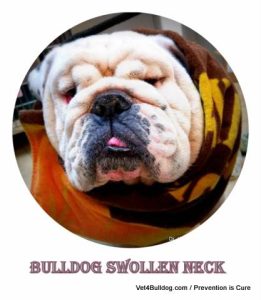
Lymphoma, like most types of cancer, is more common in older bulldogs.
Cancerous lymphocytes are classified as B-cell or T-cells
Bulldog Lymphoma Cancer 5 X MUST KNOW
- Lymphoma is a cancer of a white blood cell “lymphocyte” and the lymphatic system
- The most common lymphoma is one of the lymph nodes, others are GI, skin, chest, and bone marrow
- With treatment, bulldog lymphoma can go into remission but it is not a curable cancer
- Chemotherapy is the most common treatment and can be combined with bully therapeutic supplements
- Prevention and care include low stress, genetic selection, and bully therapeutic supplements
Welcome to Our “Prevention Over RX” Bulldog Community

Lymphoma in Bulldogs and French Bulldogs / Common Sites
- Lymph Node (multicentric), the most common site, representing nearly 80-90% of all lymphoma cases
- GI (alimentary): gastrointestinal
- CHEST (Mediastinum): the front part of the chest (thymus)
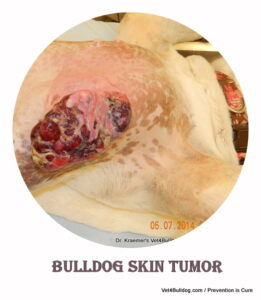
- SKIN (cutaneous): aggressive-looking ulcerative raised lesions
- Bone Marrow (Leukemia)
What Causes Lymphoma in Bulldogs and French Bulldogs?
The exact cause of lymphoma in dogs, as with many types of cancer, remains largely unknown.
Research indicates that it is likely multifactorial, involving a combination of genetic, environmental and possibly viral factors, among others.
- Genetic
- Viral
- Carcinogen exposure
- Chronic Stress
- Obesity & Diet
- Toxic Substance
Understanding the exact causes of lymphoma in bulldogs is an area of active research.
Identifying specific risk factors could lead to better prevention strategies and targeted treatments
What Are The Symptoms of Bulldog Lymphoma?
The clinical signs of lymphoma can vary widely and are influenced by factors such as:
- Location: the location of the cancer
- Type: the specific type of lymphoma
- Timing: how advanced the disease was at the time of diagnosis
The wide range of symptoms seen in lymphoma stems from the many functions of the lymphatic system and lymphocytes throughout the body, along with the disease’s capacity to involve multiple organs and tissues.
Below is a closer examination of how these factors shape the clinical presentation of lymphoma
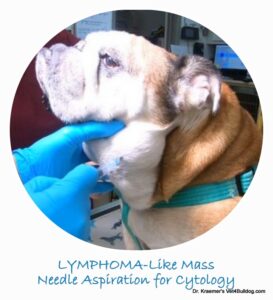
1. lymph node lymphoma (multicentric)
Characterized primarily by the enlargement of multiple peripheral lymph nodes.
This form of cancer can be relatively straightforward for bully owners to detect due to the visible or palpable swelling.
The most commonly observed enlarged lymph nodes are:
- Mandibular Lymph Nodes: Located in the neck under the jaw
- Axillary Lymph Nodes: Found in the armpits, swelling in this area might be less obvious unless it becomes significantly enlarged or the dog shows discomfort when lifting its legs.
- Inguinal Lymph Nodes: Located in the groin area, enlargement here can sometimes be spotted when a dog lays on its back or side, or during grooming.
- Popliteal Lymph Nodes: Situated behind the knee cap, these are also among the easier sets of lymph nodes for pet owners to detect through touch when the dog is in a relaxed position.
The enlargement of these lymph nodes is typically symmetrical and can progress from being barely noticeable to quite pronounced as the disease advances.
Caution: It’s important to note that while enlarged lymph nodes are a key feature of multicentric lymphoma, they can also be indicative of other conditions, such as infections or other immune responses
The lymphoma enlarged lymph nodes are not painful
2. GI Bulldog lymphoma
Bulldog with lymphoma affecting the gastrointestinal tract may show symptoms related to the digestive system, such as
- vomiting
- diarrhea
- weight loss
- loss of appetite

3. chest mediastinal lymphoma
When lymphoma affects the mediastinum, the area in the chest that houses the heart, trachea, and lymph nodes, its mass effect on the lungs or trachea can cause respiratory signs in your bulldog. These may include
- difficulty breathing
- coughing
- and increased breathing effort
4. skin cutaneous lymphoma
Lymphoma that affects the skin can lead to various skin changes, including
- redness
- ulcers
- raised
- itchy
- painful
- infected
Other common lymphoma symptoms
- Lethargy
- Fever
- Inappetence
- Weight loss
- Increased thirst/urination
- Swollen legs
- Trouble breathing/elevated respiratory rate
Feeling well is not the reassurance it seems
The thing that delays more of these cases than anything else is the dog looking well.
An owner finds a lump. They watch it for a week. The dog is eating, playing, bouncing around the house exactly as he always has, and every day that passes makes the lump feel less urgent. By the time they bring him to me, it is often weeks later, and the reason is always the same: he seemed absolutely fine.
He probably was absolutely fine. That is the part owners are never told. With this particular disease a dog commonly feels perfectly well early on, while the only outward sign is a lump that does not hurt. There is no reason for the dog to act unwell yet, so he does not, and his owner reasonably concludes there is nothing much wrong.
It is a bit like a warning light on a dashboard while the car still drives beautifully. Nothing about how it is driving tells you to stop. The light is the whole message.
So I would ask you to reverse the usual instinct here. With most things I am perfectly happy for you to watch and wait a few days and see what happens. With a firm lump that has appeared where a lymph node sits, particularly if there is more than one, do not use your dog’s mood as the test. Get it looked at while he is still stealing socks. The needle sample that answers it is quick and your veterinarian can usually do it in the consulting room.
Lymphoma Tumors in Bulldogs and French Bulldogs / Diagnosis
Diagnostic tests are needed to recognize lymphosarcoma and exclude other diseases.
- Blood Count (CBC): abnormal count and abnormal cells
- Blood Chemistry: some lymphoma cases will have high blood calcium level
- RADIOGRAPHS: chest X-rays may help rule out metastatic disease to the lungs and large chest mass
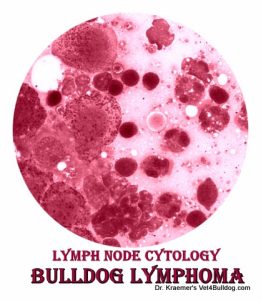
- FNA (fine needle aspirate): aspirating cell from an enlarged lymph node for cytological exam
- BIOPSY: for histopathology
- ULTRASOUND: to survey the abdomen for abnormalities
- Bone Marrow Aspirate
How To Prevent Lymphoma Tumors in Bulldogs and French Bulldogs?
While there is no guaranteed way to prevent lymphoma in dogs due to the complex interplay of genetic and environmental factors that contribute to the disease, certain strategies may help lower the risk or potentially improve the overall health and immune system of your bulldog.
PREVENTION OVER PRESCRIPTION
Here’s a closer look at these preventative strategies:
1. breeding selection lymphoma prevention
Genetic Screening: Choosing breeding animals with no history of lymphoma or related cancers in their lineage might reduce the risk for future generations.
2. lifestyle choices for lymphoma prevention
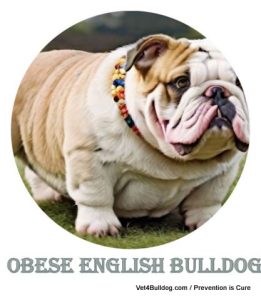
Exercise and Weight Management: Maintaining a dog’s healthy weight through regular exercise and a balanced diet can support overall health and potentially reduce cancer risk.
Obesity has been linked to an increased risk of various diseases, including some cancers, in both humans and animals.
3. diet Bulldog lymphoma prevention
- Balanced Nutrition: Feeding dogs a well-balanced diet suited to their age, breed, and health status can support their immune system.
- Reduced Carcinogen Exposure: Minimizing exposure to potential dietary carcinogens, such as those found in some processed foods or foods with artificial additives, could be beneficial.

4. stress-free environment lymphoma stress-free environment
Reducing Stress: Chronic stress can impact the immune system, potentially making dogs more susceptible to diseases. Providing a stable, enriched environment with regular routines, plenty of physical and mental stimulation, and minimal exposure to stressful situations may contribute to overall health.
5. bully therapeutic supplements for cancer
- Medical Mushrooms: Certain medicinal mushrooms, such as Reishi, Turkey Tail, and Shiitake, have been studied for their immune-boosting and anti-cancer properties.
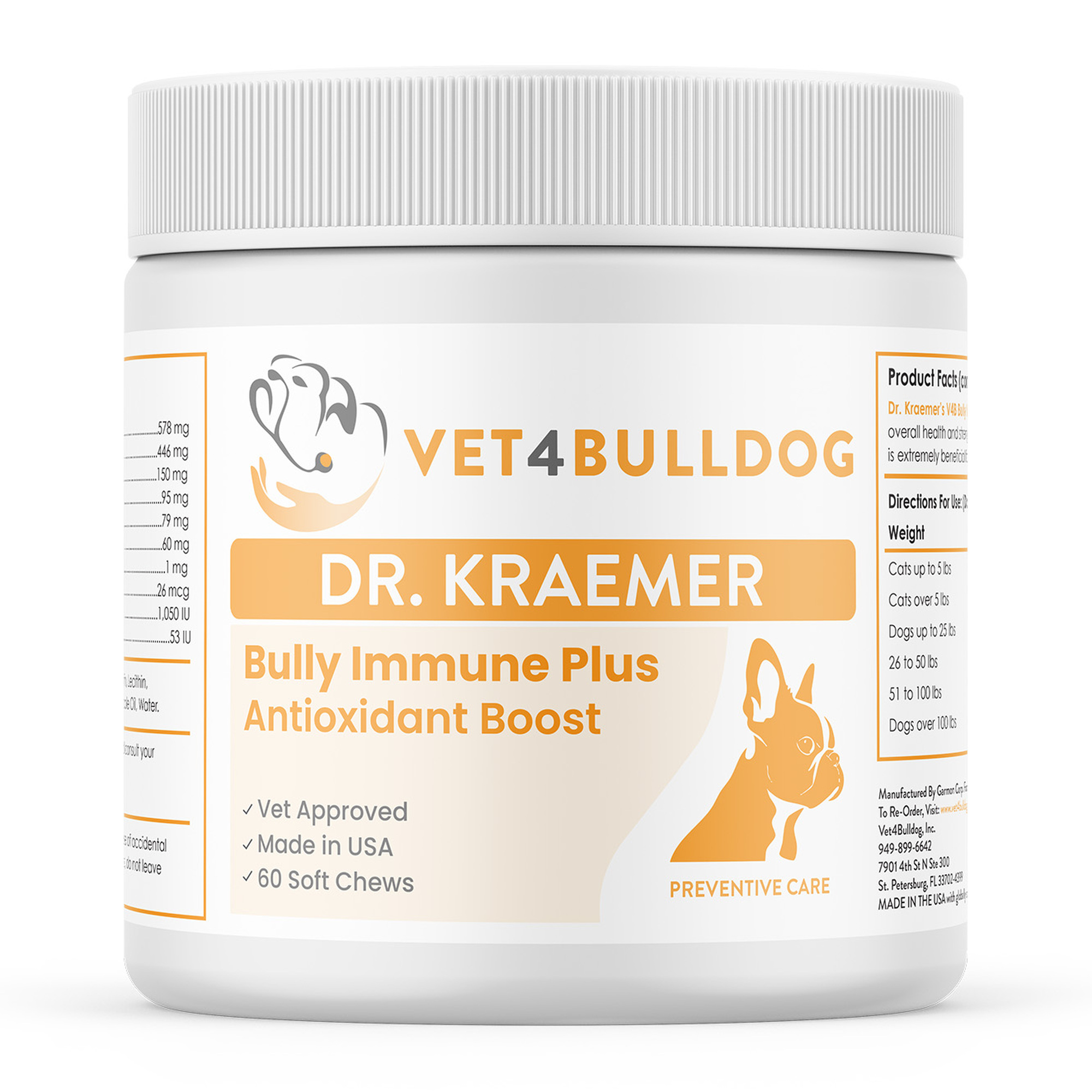
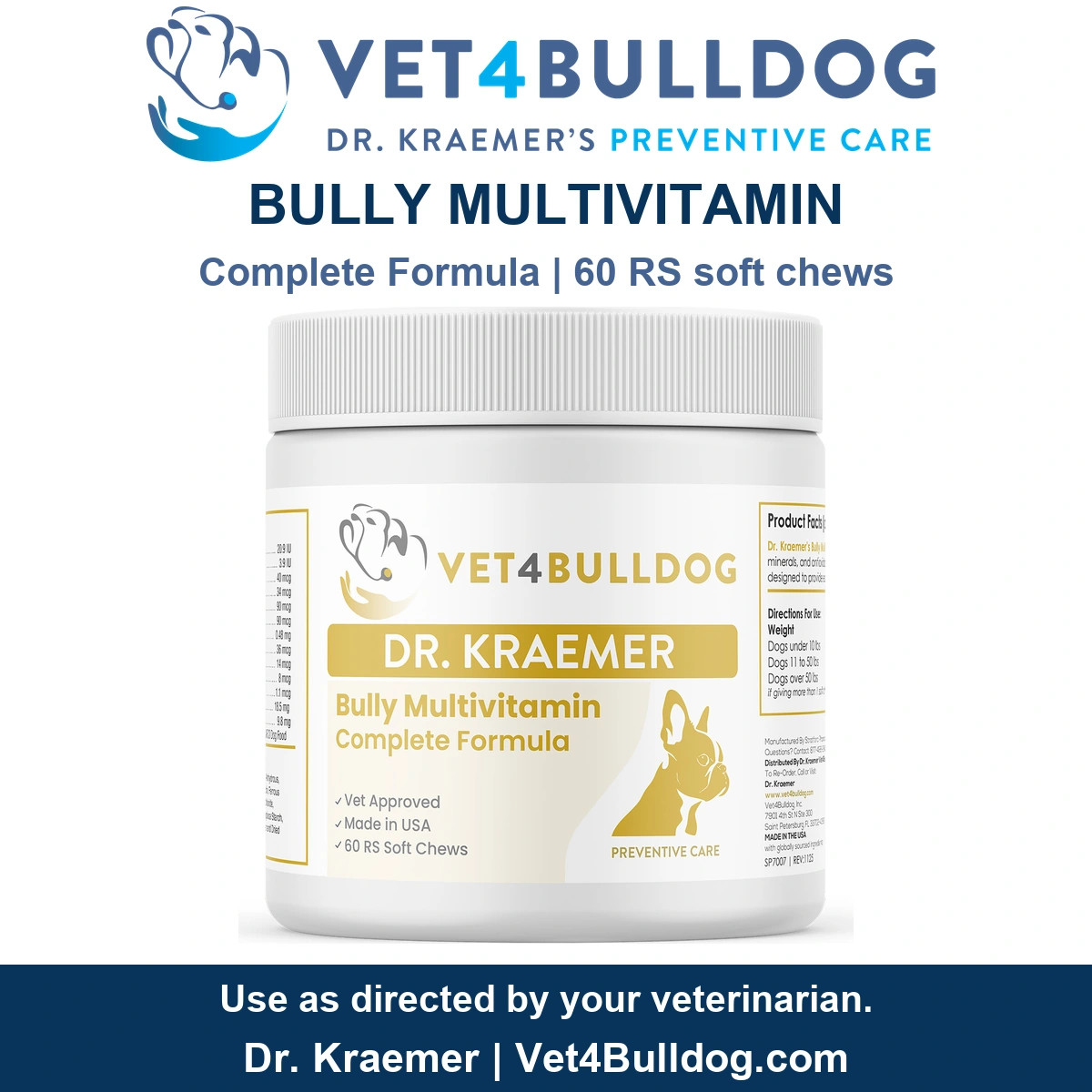
- Antioxidants, Vitamins, and Minerals: Supplements containing antioxidants (e.g., vitamins E and C), omega-3 fatty acids, and other specific vitamins and minerals may support immune health.
- Probiotics: Probiotics can support gut health, which is closely linked to overall immune function. A healthy gut microbiome may contribute to a stronger immune system, potentially influencing cancer risk.
- Essential Fatty Acids: Omega-3 fatty acids, found in fish oil and certain plant oils, have anti-inflammatory properties and may support immune health.
- V4B Bully Fish Oil
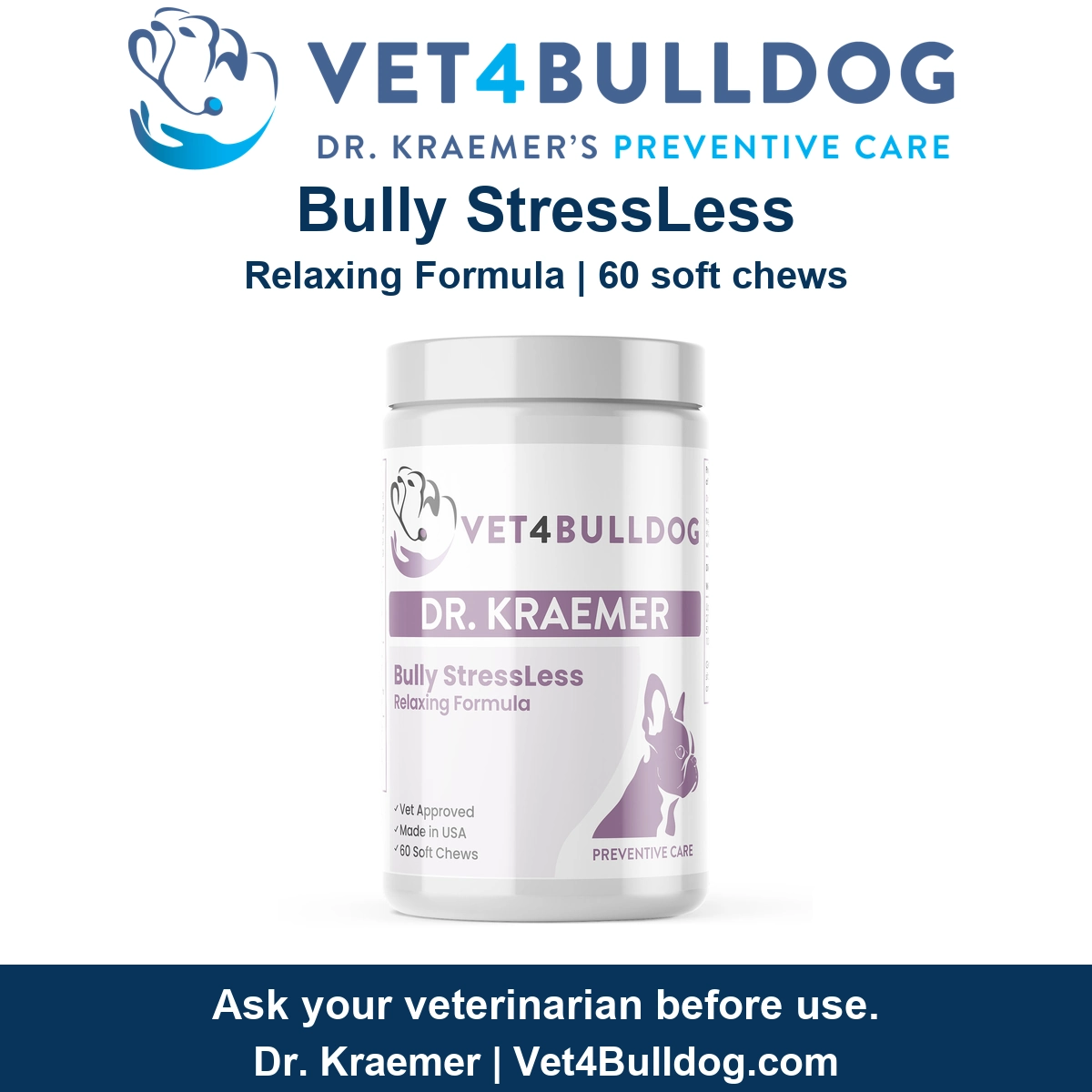
- Anti-anxiety and StressLess supplements may help calm anxious pets
- V4B Bully StressLess Formula
- V4B Bully HEMP Relax & Calm
How To Treat Lymphoma Tumors in Bulldogs and French Bulldogs?
Chemotherapy is the most common treatment employed in treating lymphoma in bulldogs, though alternative modalities like radiation and surgery may also be applicable in certain scenarios.
While chemotherapy can initially seem daunting, it’s commonly associated with concerns about potential side effects among pet owners. To assist you in making the best decision for both you and your pet, we’ve outlined a brief list of crucial considerations:
- Quality of Life: Your primary aim should be to extend your pet’s life while minimizing any associated discomfort.
- Side Effects: Unlike in humans, instances of hair loss or facial swelling are rare in dogs undergoing chemotherapy. Generally, pets tolerate treatment well with minimal side effects.
- Age and Physical Condition: Both the age and overall health of your pet should factor into your decision-making process.
- Cost: Financial considerations can play a significant role in determining the best course of action.
- Time Commitment: Certain aspects of the chemotherapy protocol may necessitate hospital visits and extended stays, so be prepared to commit time to your pet’s treatment.
- Lifestyle Preferences: Some owners may have a preference for alternative treatments.
By carefully weighing these factors alongside your veterinarian’s guidance, you can determine the most appropriate treatment plan for your pet’s specific needs and circumstances.
#1 Chemotherapy (gold standard) Treatment for Bulldog Lymphoma
- Multi-agent protocols (e.g., CHOP: cyclophosphamide, doxorubicin, vincristine, prednisone)
- Single-agent protocols (e.g., doxorubicin alone) for simpler regimens or when cost is a concern
Often well tolerated in dogs, with fewer severe side effects than in humans
#2 Treating Lymphoma With Prednisone or other corticosteroids alone
- Can temporarily shrink lymph nodes and improve comfort
- Not curative, and the benefit is usually short lived
- May make later chemotherapy less effective
#3 Lymphoma Cancer Treatment With Radiation Therapy
Mostly for localized lymphoma (rare) or as palliative care for specific problem areas
#4 Palliative Care For Bulldog and French Bulldog Lymphosarcoma Cancer
Focus on quality of life, controlling discomfort, appetite, and inflammation
Bulldog lymphoma chop protocol treatment
CHOP is an acronym for a chemotherapy protocol commonly used in the treatment of lymphoma in dogs. It consists of four drugs:
- cyclophosphamide
- doxorubicin
- vincristine
- prednisolone/prednisone.
CHOP protocols involve drugs with specific handling requirements and are typically administered by veterinary oncology specialists.
Hearing the word cancer is not the moment to decide
There is a conversation that happens in car parks, and I would like to head it off.
An owner hears the word cancer and, before anything else has been said, has already decided the question is when to let the dog go. I understand entirely why. For most people that word has only ever arrived attached to the worst possible news, and they are trying to protect their dog from suffering they can already picture.
Lymphoma does not deserve to be filed with the worst of them. It is one of the cancers that tends to respond to treatment rather than merely be endured, and veterinary treatment is built around a very different aim than the one people have seen in human medicine. The goal is a dog who feels well and behaves normally. Dogs on these protocols are usually out walking, eating and being nuisances, because any treatment that made them miserable would have failed on its own terms and would be changed.
There is also not a single path. There is a full protocol, there are gentler versions, and there is straightforward medication aimed purely at keeping a dog comfortable. Those are genuinely different choices with genuinely different costs, and they suit different families and different dogs.
What I am asking for is not that you treat. It is that you let your veterinarian lay the options out before you choose. Declining treatment after an honest conversation is a perfectly respectable decision that I have supported many times. Declining it in a car park, before anyone has explained what it would actually involve, is a decision made by fear rather than by you.
What The Prognosis For Bulldog and French Bulldog Lymphoma Tumors?
With chemotherapy, many dogs with lymphoma can achieve remission, meaning all signs of the disease temporarily disappear.
It’s important to understand that remission is not the same as a cure.
The length of time a dog stays free of symptoms, known as the disease-free interval, depends on factors such as the
- Type: type of lymphoma
- Health: You bulldog overall health
- Prior Treatments: In general the more treatments your bulldog had the shorter the remission and the faster the relapse..
A full chemotherapy protocol offers a longer remission. If prednisone is used alone as palliative care at home, remission duration and life expectancy are likely to be shorter, and shorter again where no treatment is given. Individual dogs vary a great deal, which is why the only figures worth your attention are the ones your own veterinarian or a veterinary oncologist gives you after looking at your dog, the type and the stage.
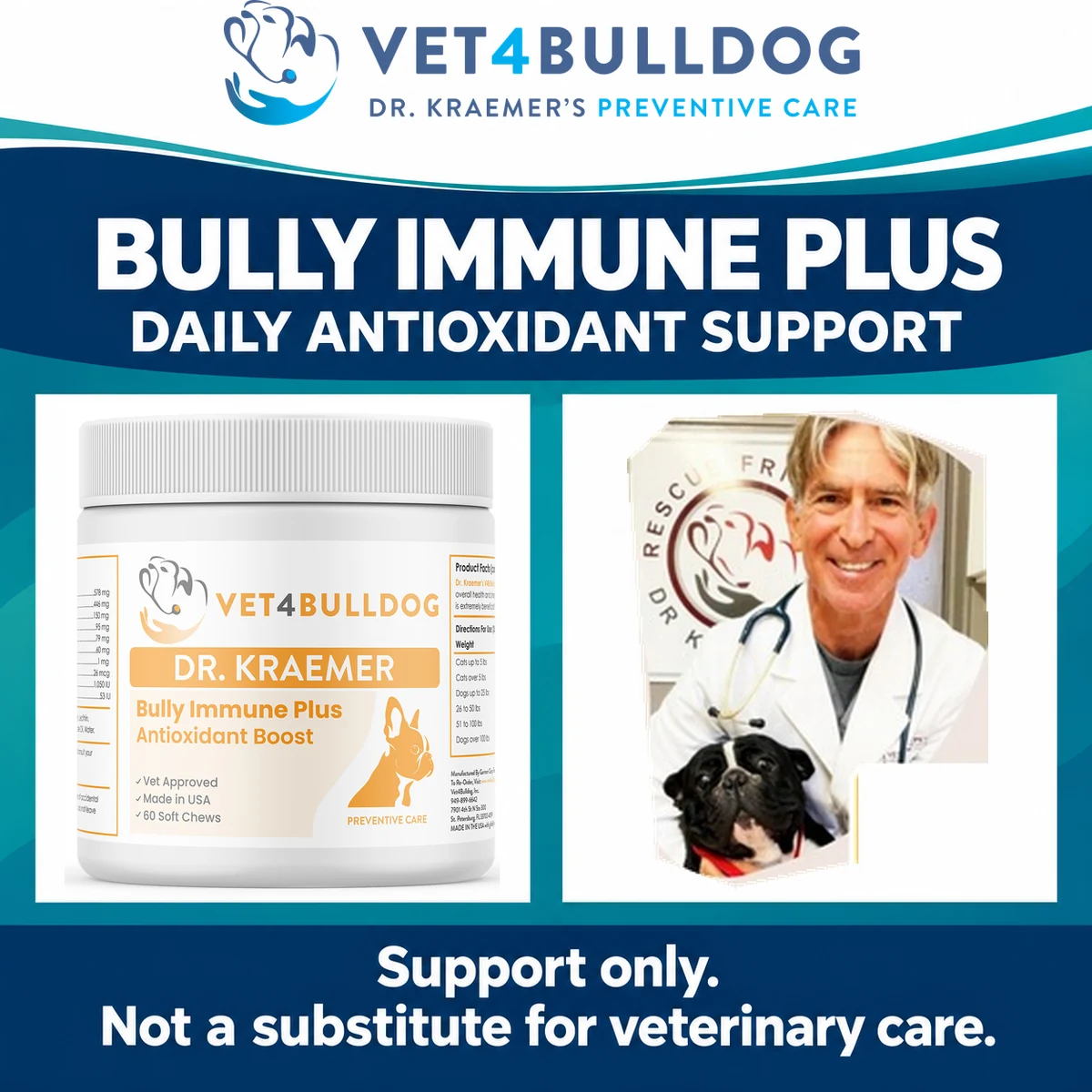
There is no supplement on this site, or on anybody’s site, that treats lymphoma. If you have landed here frightened and looking for something you can do tonight, the honest answer is that the thing worth doing is the appointment, not a purchase. I would rather lose the sale than take money from somebody in that particular moment.
Where a supplement may have a reasonable place is comfort and general condition alongside proper treatment, keeping weight and appetite up through a protocol. That is a conversation for the veterinarian or oncologist running the case and not a decision to make from a web page, because some supplements interact with chemotherapy drugs. Take the actual bottle to the appointment and let them read the label. If they say leave it out, leave it out, including ours.
If your own veterinarian has already said a supplement is reasonable for your dog, the adult range is where to look.
To be clear: supplements are not a cancer treatment and not a substitute for veterinary examination, diagnosis or treatment. This page is educational only.
I found a lump under his jaw but he seems completely fine. Can it wait?
I understand entirely why that question gets asked, because a dog who is bouncing around does not look like a dog with a problem. The difficulty is that painless, firm swellings in those particular places are the way this announces itself, and the dog feeling well tells you nothing either way. Getting it sampled is quick and it either sets your mind at rest or it buys you options while there are still plenty of them. Either outcome is better than a fortnight of checking it with your thumb every evening, which is what actually happens.
Will chemotherapy make him miserable? I am not putting him through that.
That instinct comes from watching humans go through it, and it is the single biggest misunderstanding I used to meet. Human protocols push toward cure and accept a rough ride to get there. Veterinary protocols are built the other way round, with quality of life as the thing being protected, so doses are gentler. Most dogs keep their hair, eat normally and behave like themselves between appointments, and a proportion get some mild gut upset that is managed as it comes. You are allowed to decide against treatment, and plenty of owners reasonably do, but please make that decision on what it actually involves rather than on the version in your head.
Our vet offered prednisone straight away. Should we start it?
Ask whether a sample can be taken first. I am not saying refuse it, and there are situations where a dog needs relief immediately and that judgment belongs to the vet in the room. What I am saying is that steroids shrink these swellings quickly, which makes everyone feel better and can make the diagnosis harder to read and the later treatment less effective. If the sample goes off first, nothing is lost and every door stays open. This is the most useful question an owner can ask at that first appointment and almost nobody knows to ask it.
Is treatment worth the money? I need to be honest about what we can afford.
You are allowed to say that out loud and a good vet will not think less of you for it. What I would want you to know is that it is not a single yes or no priced item. There is full multi-agent treatment, there are simpler and cheaper protocols, and there is proper palliative care aimed squarely at comfort, and all three are legitimate choices rather than a ladder with failure at the bottom. Ask for the options with the costs attached, in writing, before you decide anything. Owners who do that end up making calmer decisions than owners who are handed one plan.
Is there a diet that fights it?
No, and you will find plenty of people online who will tell you otherwise with great confidence. What does matter, and matters more than people expect, is that your dog keeps eating and holds his weight, because a dog in good body condition copes with treatment better than one who is losing ground. So the practical goal is calories he will actually eat rather than a theoretically perfect bowl he turns his nose up at. If appetite becomes the problem, say so early, because it is often fixable.
How will I know when enough is enough?
You will know sooner than you think you will, and you will doubt yourself anyway, which is normal and not a sign you are getting it wrong. The question I used to put to owners was not whether the dog is dying, it is whether the dog is still doing the handful of things that make him recognizably himself. Eating with interest, greeting you properly, settling comfortably. When most of that list is gone and not coming back, you have your answer. Have that conversation with your veterinarian before you need it rather than in the middle of a bad night, and write the list down together while everything is still calm.
More Help from Dr. Kraemer
A lump is rarely a diagnosis on its own, so these are the pages that cover what else it might be.
- Tumors, Growths and Cancer in Bulldogs and French Bulldogs
- 7 Causes of a Swollen Neck in Bulldogs and French Bulldogs
- 5 Common Tumors in Bulldogs and What You Should Know
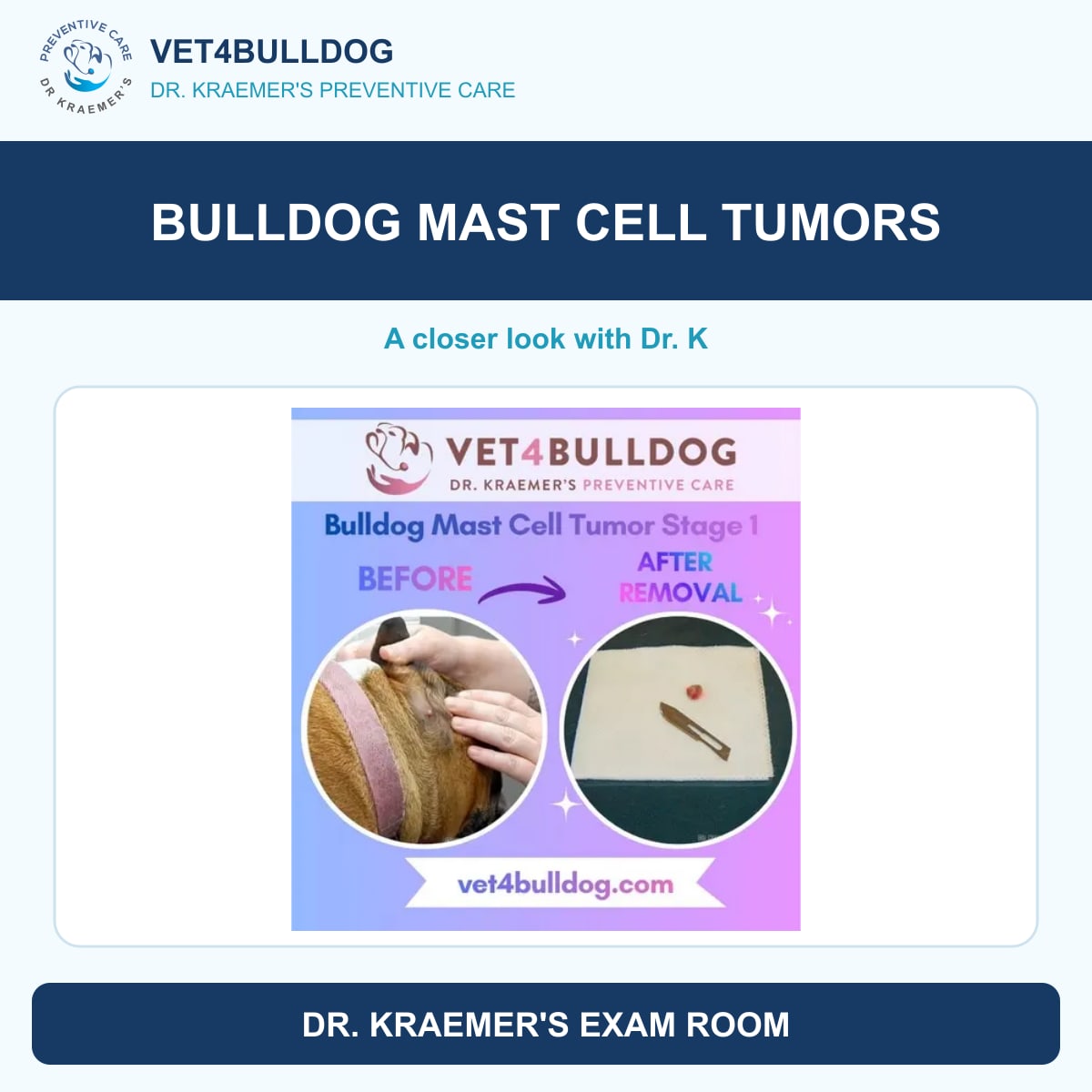
- Mast Cell Tumors in Bulldogs and French Bulldogs
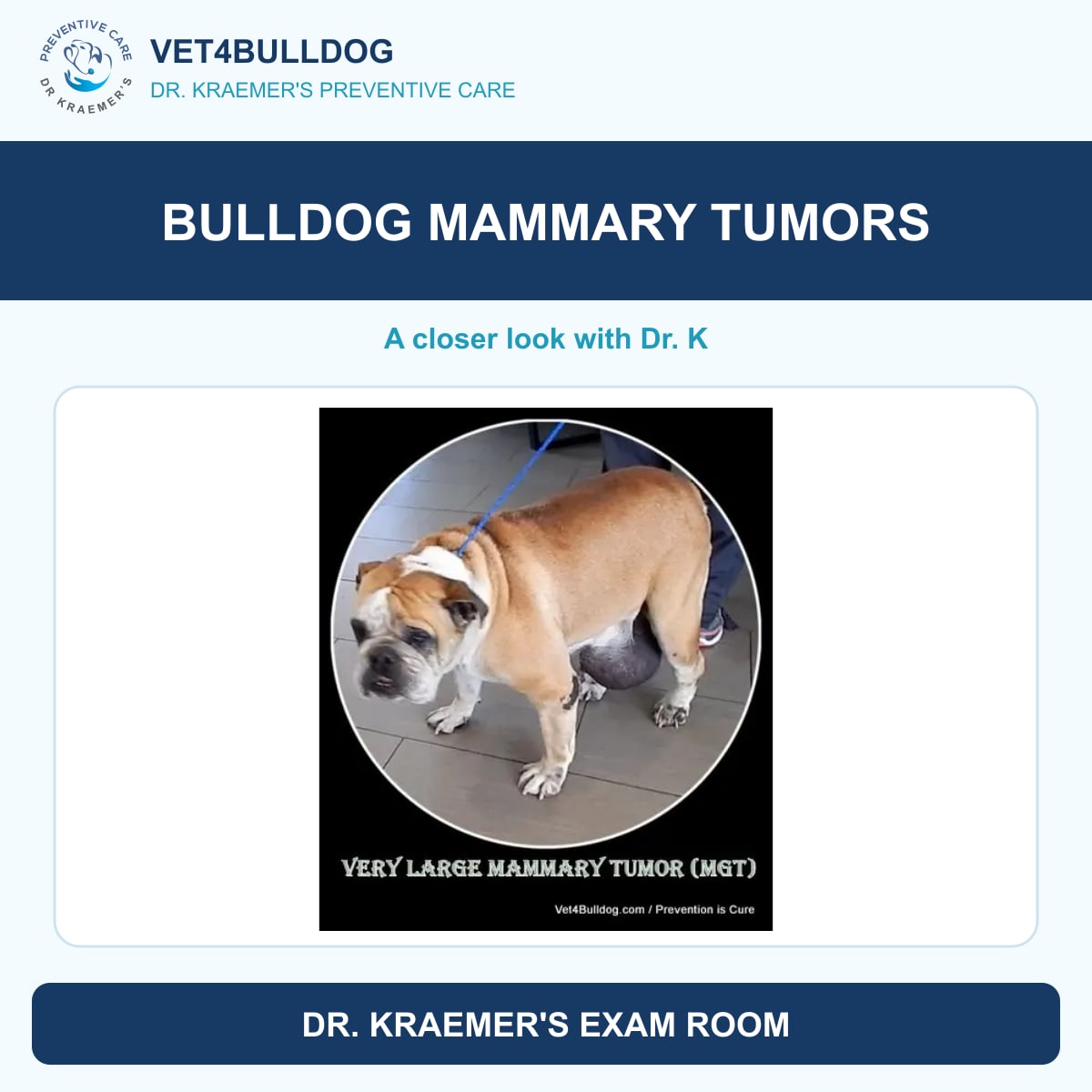
- Mammary Gland Tumors in Bulldogs and French Bulldogs
References
- Lymphoma in Dogs, Merck Veterinary Manual
- Malignant Lymphoma in Dogs, Merck Veterinary Manual
- Immune System Tumors in Dogs, Merck Veterinary Manual
- Drugs for Cancers and Tumors, Merck Veterinary Manual
Trusted by Vets ~ Recommended by Owners ~ Approved by Bulldogs