



Almost nobody who asks me about neutering is actually asking about neutering. They are asking about anesthesia. That is the fear underneath the question, it is a reasonable fear in a flat faced breed, and it deserves a straight answer rather than a reassuring one. This page gives you the medical case for and against, the age I recommend and why, and the five things worth sorting out before your bulldog goes under rather than after.
Common worries What age Behavior Medical benefits Timing Tips and warnings
Neutering French Bulldog puppies is a common and often recommended procedure. However, as the owner of an intact male bulldog, it’s wise to seek professional guidance when considering neutering.
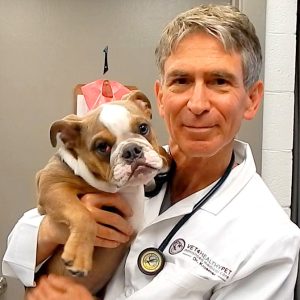
Neither of them is wrong exactly, and that is why the advice feels impossible.
Your breeder is pointing at something real. A brachycephalic dog is harder to anesthetize and harder to recover than a Labrador, and the risk sits mostly in induction and in the hour after he wakes up rather than in the surgery itself. Where that advice goes wrong is in the conclusion. The answer is not to avoid anesthesia for life, because sooner or later a bulldog needs it, often urgently and often at an age when he is in worse shape to take it. The answer is to have it done by a team that does this breed regularly, electively, on a healthy nine month old dog.
Your vet is right that it is routine, and I would only add one thing. Do not book it as a neuter alone. A bulldog under anesthesia is an opportunity, and there are usually two or three other things on the list that are better done in the same session than in a second one six months later. That is the conversation worth having before the date, which is what the tips further down this page are about.
Bulldog Neutering Risk and Reward Introduction
The neutering decision should be based on
- Life style
- Age of your pet
- Health of your pet
- and other personal considerations
Consult a Bulldog Veterinarian
Ideally, when consulting seek advice from a veterinarian who is experienced with bulldog breeds; their expertise ensures that decisions account for the breed’s unique health concerns and temperament traits, helping to achieve the best possible outcome.
The risks, benefits, and ideal timing for neutering a male bulldog are frequent topics during wellness exams for bulldog and French Bulldog puppies. It’s important to discuss these factors thoroughly so that bulldog owners can make informed decisions aligned with their dog’s health and lifestyle needs.
Each aspect plays a vital role in supporting your bulldog’s long-term well-being, considering his specific breed characteristics and potential health risks.
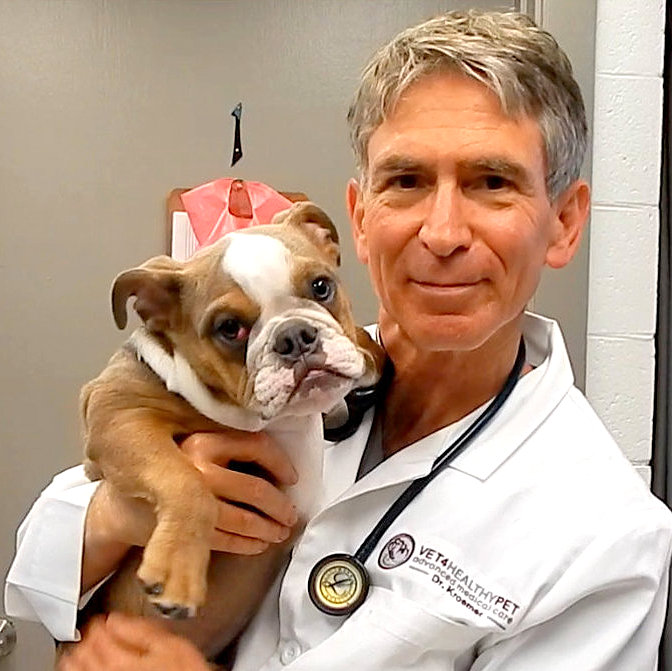
What Are the Most Common Neuter Concerns Expressed by Bulldog Owners?
The three most common concerns expressed by owners of intact male and intact female bulldog puppies are:
- “What are the anesthetic risks”❓
- “Are there potential adverse effects on their development and behavior?”❓
- “What would be the ideal timing of my bulldog’s neuter or spay procedure”❓
1. Are There Anesthetic Risks Associated with Neutering?
Neutering involves general anesthesia; thus, anesthetic concerns must be addressed by the attending veterinary team.
For more detailed information, please visit the article I published:
- Bulldog Sevoflurane versus Isoflurane Anesthesia
- “Anesthesia Safety in English Bulldogs and French Bulldogs”
2. Are There Any Health Risks Associated with Neutering?
Many alleged “side effects” bulldog owners associate with neutering are incorrect or should be viewed in the proper context.
Some of the most popular ones are:
- 🔍 “Dr. Kraemer, will neutering stunt my bulldog puppy’s growth?”
- 🔍”Dr. Kraemer, if I neuter my bully, will he gain weight and get fat?”
- 🔍”Dr. Kraemer, will neutering make my active bully lazy?”
Neutering Health Risk Answer
In reality, those concerns have more to do with:
- 🩺lifestyle
- 🩺improper feeding: (overfeeding)
- 🩺lack of physical activity
- 🩺 limited exercise and limited play

3. Will Neutering Change My Bulldog’s Personality?
Other myths alleged are the negative impact of neutering on your bulldog and French bulldog:
- 🔍”Dr. Kraemer, will neuter turn my good-tempered bully into a bad one?”
- 🔍”Dr. Kraemer, will neutering affect my bulldog’s aptitude?”
- 🔍”Dr. Kraemer, will neutering impact my bulldog’s disposition?”
Bulldog Neutering Impact on Personality Answer
Those are mostly unfounded assertions with little medical or clinical research validity.
The best way to ensure your bulldog and French bulldog puppies stay healthy, alert, and active is to
- 🩺Socialization: Socialize them early
- 🩺Playtime: Provide ample playtime
- 🩺Stimuli: Engage them with various stimuli
- 🩺Relaxation: Create a supportive, loving, and stress-free environment.

These steps promote physical health and contribute to their mental well-being.
Those are the true essential needs for your bulldog’s physique and intelligence.
Why eight months, not four
I recommend neutering once musculoskeletal development is finished, which in a bulldog is usually around eight months or a little later. The reason is that the hormones you remove are the same hormones that close the growth plates and finish the joints. Take them away early and the bones carry on growing for longer than they should, which changes the angles a bulldog is working with for the rest of his life. In a breed that already struggles with hips, knees and backs, that is not a trade I want to make for the sake of a few months.
Shelter medicine neuters much earlier, and it is right to, because the arithmetic there is about unwanted litters at scale and that outweighs everything else. Your dog is not in that arithmetic. You have the luxury of waiting until his frame is finished, so use it.
When Should I Neuter My Bulldog or French Bulldog Puppy?
Neutering at an early age is generally simpler and safer. Younger pets typically recover faster and with fewer complications.
What Are the Behavioral Benefits of Early Neutering?
➡️ Reducing Roaming and Escaping Behaviors: Neutering can significantly decrease the likelihood of your bulldog trying to roam or escape in pursuit of a female in heat.
➡️ Behavioral Benefits: Early neutering may help mitigate undesirable sexual behaviors commonly observed in intact males which makes management and training easier. These behaviors include:
- marking territory
- male-to-male aggression
- displays of dominance

What are the Medical Benefits of Early Neutering?
Perhaps the most compelling argument for early neutering is the prevention of several health issues that are more common in intact males, including:
➡️ Prostate diseases: Neutering reduces the risk of benign prostatic hyperplasia (BPH) and other prostate-related problems.
➡️ Testicular tumors: Removing the testes eliminates the risk of testicular cancer.
➡️ Perianal tumors: Perianal tumors are more common in intact males and can be prevented by neutering.
While the decision to neuter, and the timing of it, should be tailored to each bulldog and consider the owner’s circumstances and the dog’s health, these benefits provide strong incentives to consider early neutering for bulldog and French bulldog puppies.
When is the Best Timing to Neuter My Bulldog?
I recommend neutering your bulldog and French bulldog puppies once they have completed their musculoskeletal development, which typically occurs around 8 months of age or older. Timely neutering will ensure that growth is not adversely affected by the early removal of hormones essential for bone and joint development.
While early neutering is pivotal in preventing certain health issues, such as reproductive cancers and some behavior problems, it’s crucial to consider that your bulldog’s overall health is influenced by several other factors, including:
➡️Environmental Influences:
- immediate surroundings
- exercise routine
- exposure to toxins
- stress levels
➡️ Nutritional Factors: Proper nutrition is critical, and specific dietary considerations to
- avoid obesity
- support joint health
- maintain overall wellness.
➡️ Genetics: The genetic background of your bulldog dog plays a significant role in their susceptibility to certain health conditions. Understanding their lineage may provide insights into potential health risks and areas requiring proactive care.

Balancing these factors with the timing of neutering may help ensure a healthier life for your bulldog or French bulldog.
There are no immediate medical reasons to neuter a healthy bulldog puppy; however, opting to neuter while he is still in robust health can significantly reduce the risks associated with surgery.
Neutering a bulldog in good health often results in
- smoother anesthesia
- quicker recovery
- fewer complications post-surgery.

This preemptive approach also allows you to plan the procedure at a time that minimizes disruption to your pet’s routine and stress levels. Additionally, early neutering may help prevent the development of undesirable behaviors and certain health issues later on, providing immediate and long-term benefits to your dog’s health and well-being.
Neutering Bulldogs and French Bulldog Tips & Warnings
Below are essential bulldog neutering tips and warnings courtesy of Dr. Kraemer
#1 Neutering Behavioral Tip
Neutering could help prevent behavioral problems associated with sexual maturity.
#2 Neutering and Disease Prevention Tip
Neutering your English bulldog and French bulldog puppies at a young age could help prevent various medical conditions, such as
- Prostatic disease
- Perianal tumor
- Testicular tumor
- Scrotal hernia
- Prolapsed urethra
#3 Stem Cell Therapy & Cryobanking Tip
To reduce cost and risk, One option worth raising before the day of surgery we offer during the same session as your bulldog or French bulldog’s neuter surgery is stem cell “Cryobanking.” This process involves harvesting and storing your pet’s stem cells for future therapeutic use. These cells can be crucial in treating various age-related ailments and injuries later in your pet’s life, such as arthritis or other degenerative diseases.
By cryobanking stem cells during a routine procedure like neutering, you can secure a form of regenerative medicine for your pet’s future health needs without the need for an additional, separate surgical procedure. This makes efficient use of anesthesia but also provides long-term health benefits at a reduced cost.

#4 Combine with Other Surgical Procedures Tip
Other common bulldog procedures you should consider combining with neutering and spaying are
- otoscopic ear exam and deep flushing
- Cherry eye surgery
- entropion
- Distichiasis eyelash removal

#5 Prolapsed Urethra Tip
Neutering your bulldog and French bulldog puppy could help prevent bulldog prolapsed urethra.
#1 Anesthesia Risks Warning
Seeking a veterinary hospital that is knowledgeable about the specific anesthetic requirements of bulldogs and French bulldogs is crucial for ensuring the safety and well-being of your pet during any surgical procedure. Additionally, it’s essential to ensure that the medical team at the hospital is well-versed in breed-specific induction, recovery protocols, and monitoring techniques. This includes understanding the unique anatomical features of these breeds, such as their brachycephalic airways, which can pose challenges during anesthesia and recovery.
#2 Brachycephalic Syndrome Warning
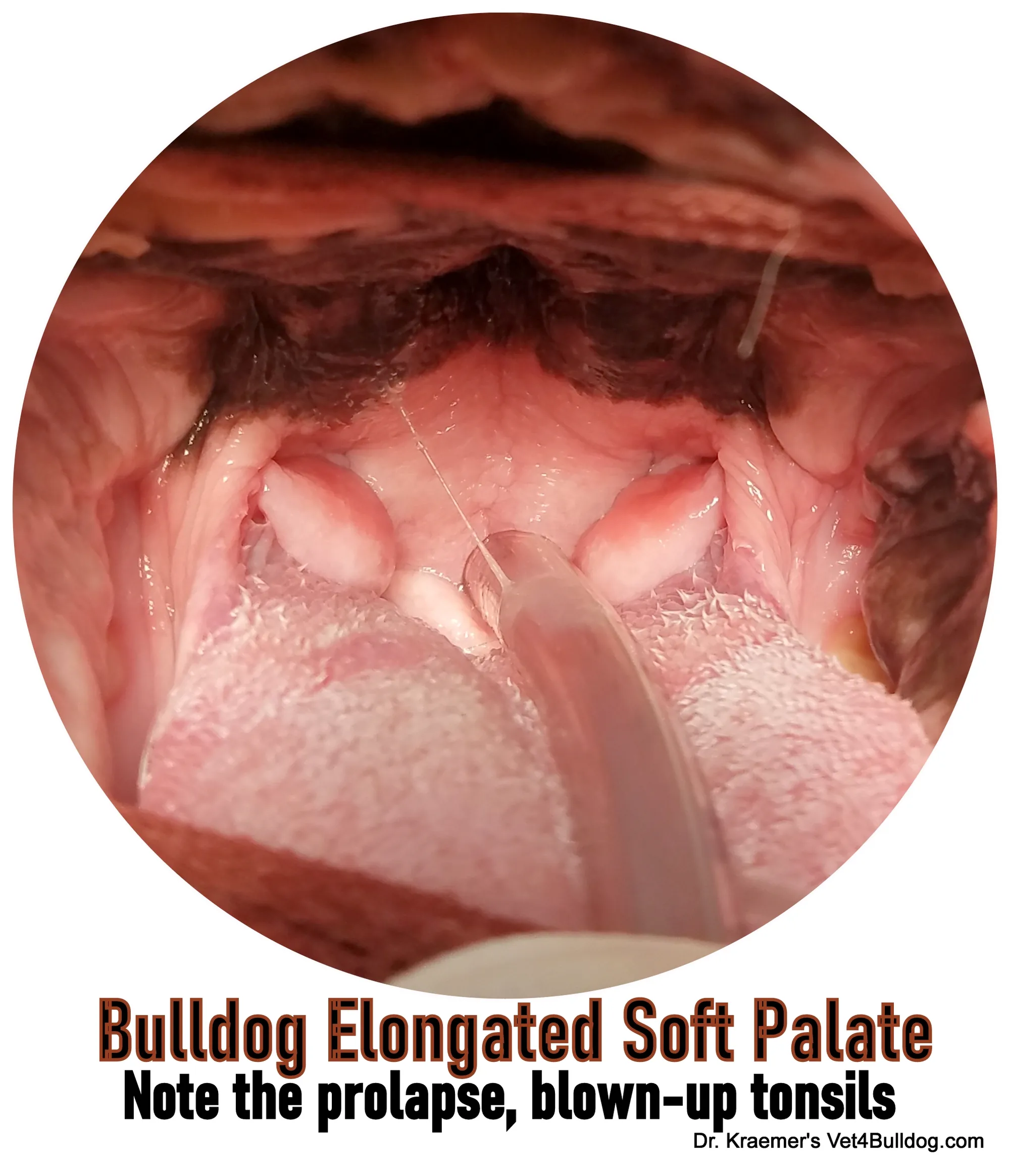
If your bulldog puppy is exhibiting any of the “flat face” brachycephalic syndrome problems, these airway issues should be repaired before or during the neuter procedure. The most common of those are elongated palate, everted saccules, and stenotic nares
#3 Bulldog Undescended Testicles Warning
If your English Bulldog or French Bulldog puppy has one or both testicles that have not descended, a condition called cryptorchidism, they should not be bred. This condition also increases the risk of testicular cancer.
- INGUINAL TESTICULAR HERNIA WARNING: In cases where the missing testicle is located in the inguinal area (near the groin), it is relatively accessible and can be surgically removed with relative ease.
- ABDOMINAL TESTICULAR HERNIA: However, if the testicle(s) are not found in the inguinal area and are suspected to be within the abdominal cavity, it requires a more invasive procedure called a laparotomy. This involves making a surgical opening in the abdomen to explore and locate the missing testicle(s) for removal.
#4 Bulldog Breeding Warning
If your bulldog is exhibiting medical problems that can be passed on to his or her offspring, I recommend that you avoid breeding him.
One anesthetic, several jobs
This is the part of the conversation owners most often have too late. A bulldog who is going under for a neuter is a bulldog who is already prepared, already fasted, already on the table with a tube in place and a team watching him. Anything else on his list that needs anesthesia is cheaper, safer and kinder done now than in a separate session later, because the risk in a brachycephalic dog is concentrated in going under and waking up, and doing it once instead of twice halves how often he faces that.
So bring the list. A cherry eye that has been coming and going. Eyelashes rubbing the cornea. Ears that have never had a proper look inside. A soft palate you have been told about and parked. If he is going to sleep anyway, that is the day to deal with them.
Neutering Bulldogs Veterinary Association Endorsements
Early-age spay/neuter procedures have been endorsed by the
- Association of Shelter Veterinarians (ASV)
- American Veterinary Medical Association (AVMA)
- American Animal Hospital Association (AAHA)
- Canadian Veterinary Medical Association (CVMA)
What age do you recommend?
Is anesthesia really more dangerous for a bulldog?
Will he get fat and lazy?
Will it change his personality?
Should I have anything else done at the same time?
One of his testicles never dropped. Does that change anything?
To be clear: whether and when to neuter your own dog is a decision for you and your veterinarian, taking his health, his conformation and your circumstances into account. Supplements are not substitutes for prescribed medication or veterinary care, and anything you plan to give before or after a procedure should be reviewed with the treating veterinarian so it fits the plan you are already following, particularly around an anesthetic. This page is educational and is not a diagnosis or a treatment plan for your own dog.
Veterinary Care and Supportive Products
More Help from Dr. Kraemer
Anesthesia and the airway are the two subjects behind most neutering questions, so start there:
- Anesthesia safety in English and French Bulldogs
- Sevoflurane versus isoflurane anesthesia
- Brachycephalic Obstructive Airway Syndrome (BOAS)
- Cherry eye
- Entropion
- What you can handle at home, and when to see the vet
About the Author
Roy Kraemer, DVM, is a veterinarian with extensive clinical experience caring for Bulldogs and French Bulldogs. His educational work emphasizes prevention, early recognition, appropriate at-home care, responsible medication use, and veterinary evaluation when a problem is persistent or severe.
Trusted by Vets ~ Recommended by Owners ~ Approved by Bulldogs
References
- American Veterinary Medical Association. Spay and neuter, elective procedures policy
- American Animal Hospital Association. Canine life stage guidelines
- Association of Shelter Veterinarians. Veterinary medical care guidelines for spay neuter programs
- Hart BL et al. Assisting decision making on age of neutering for dog breeds. Frontiers in Veterinary Science
Related Products