


What if I told you that the way most veterinarians, and most bulldog owners, approach healthcare is outdated and unnecessarily expensive? The familiar “problem → prescription → repeat” model is deeply ingrained, but it’s largely reactive and often short-sighted.
Are there smarter, safer, and more cost-effective ways?[👇]
Are there smarter, safer, and more cost-effective ways to support bulldog health before disease takes hold?
And can we proactively “biohack” our pets’ health long before prescriptions ever enter the picture?
A common example in veterinary medicine is how easily and frequently medications are prescribed.
What Are Some Common Veterinary Prescriptions?
Chances are that at some point in your bulldog’s life, they’ve been prescribed one of these three drug classes, at times without a thorough evaluation of the need, expected benefit, and potential risks.
Steroids
Steroids are commonly prescribed in veterinary clinics. Example is allergies as a quick, inexpensive way to control itching, often without fully considering their potential downsides.
These can include:
- Damage to the Gut Microbiome: gut dysbiosis
- Altering the Immune System: immune suppression
- Injuring the Liver: steroid hepatopathy
- Other systemic harming effects: kidneys, joints, adrenal etc.).
NSAIDs (Non Steroidal Anti-Inflammatory)
NSAIDs (“aspirin-like” medications) are commonly prescribed for arthritis, joint, and back pain. Potential risks include
- Gastric Ulcers
- Injuries to the kidneys
- Liver injuries
Antibiotics:
Antibiotics are frequently prescribed for presumed infections such as ear problems, allergies gastrointestinal upset, coughing, or sneezing without properly confirming whether a bacterial infection is actually present or whether antibiotics are truly necessary.
Repeated or unnecessary use can drive
- antibiotic resistance (including MRSP)
- disrupt the gut microbiome

Sometimes these medications are necessary. But other times, they’re prescribed without clear proof and testing.
Can Prescription RX Risks Be Reduced?
Here’s the thing: every prescription medication has potential side effects, and those risks often increase with long-term use. So it’s reasonable, and responsible, to pause and ask:
- Is this necessary?
- What’s the risk vs. reward?
- Is there another way?
What is Biohacking?
Biohacking isn’t anti-medicine. It’s about optimizing your bulldog and French bulldog body’s own biology to improve health, longevity, and quality of life, often with simple, low-cost tools.
7 Powerful Biohacks Every Bulldog Owner Must Know
Adopting even a few of these biohacks can meaningfully improve long-term health and quality of life.
#1 Pet Biohacking Through Lifestyle Optimization:
Small lifestyle changes are powerful, and mostly free.
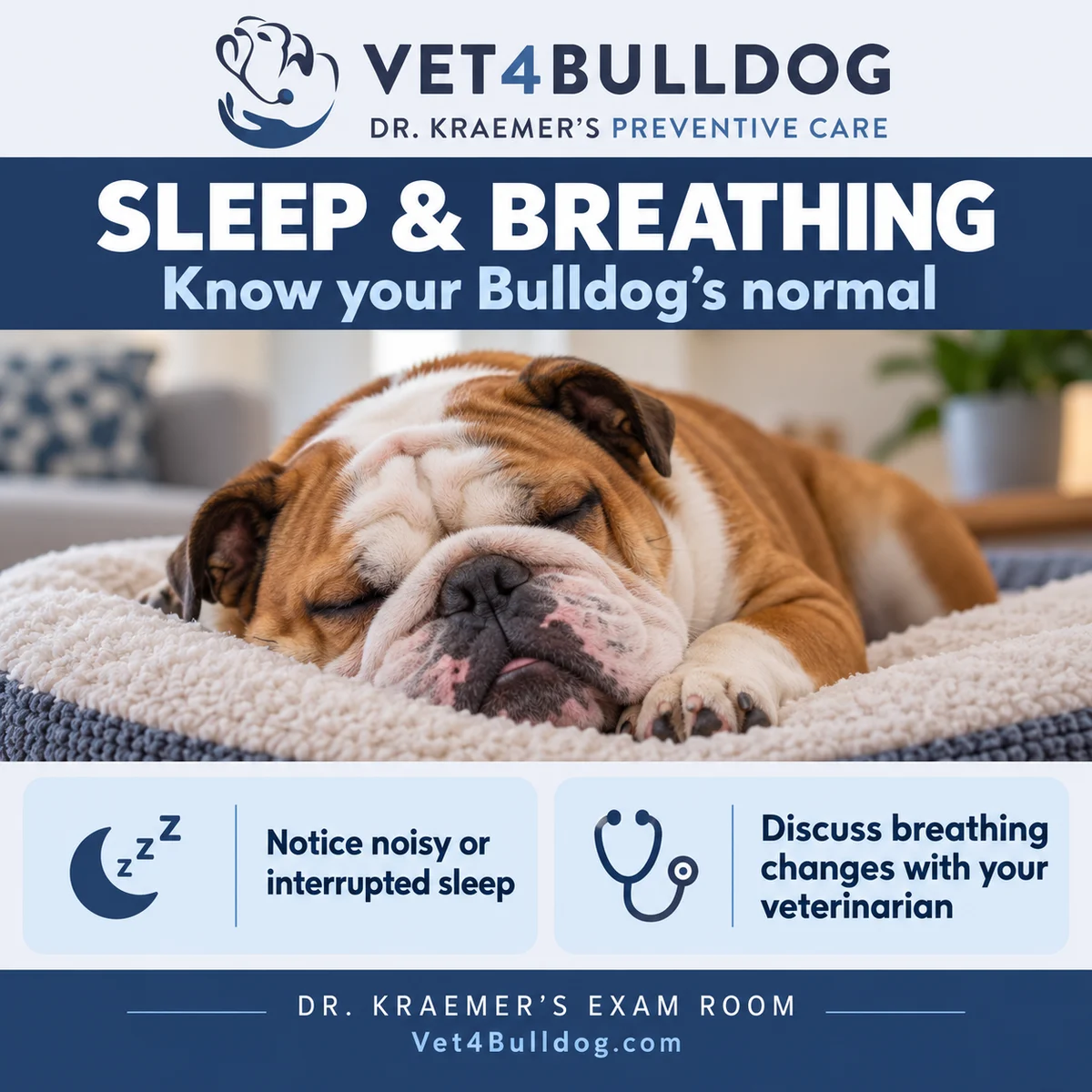
A. Pets Sleep Optimization
Bulldogs are prone to sleep disruption due to airway disease, apnea, and BOAS. Poor sleep affects:
- REM sleep
- Deep sleep
- Hormonal balance
- Cortisol levels
- Recovery
Better breathing = better sleep = better health.
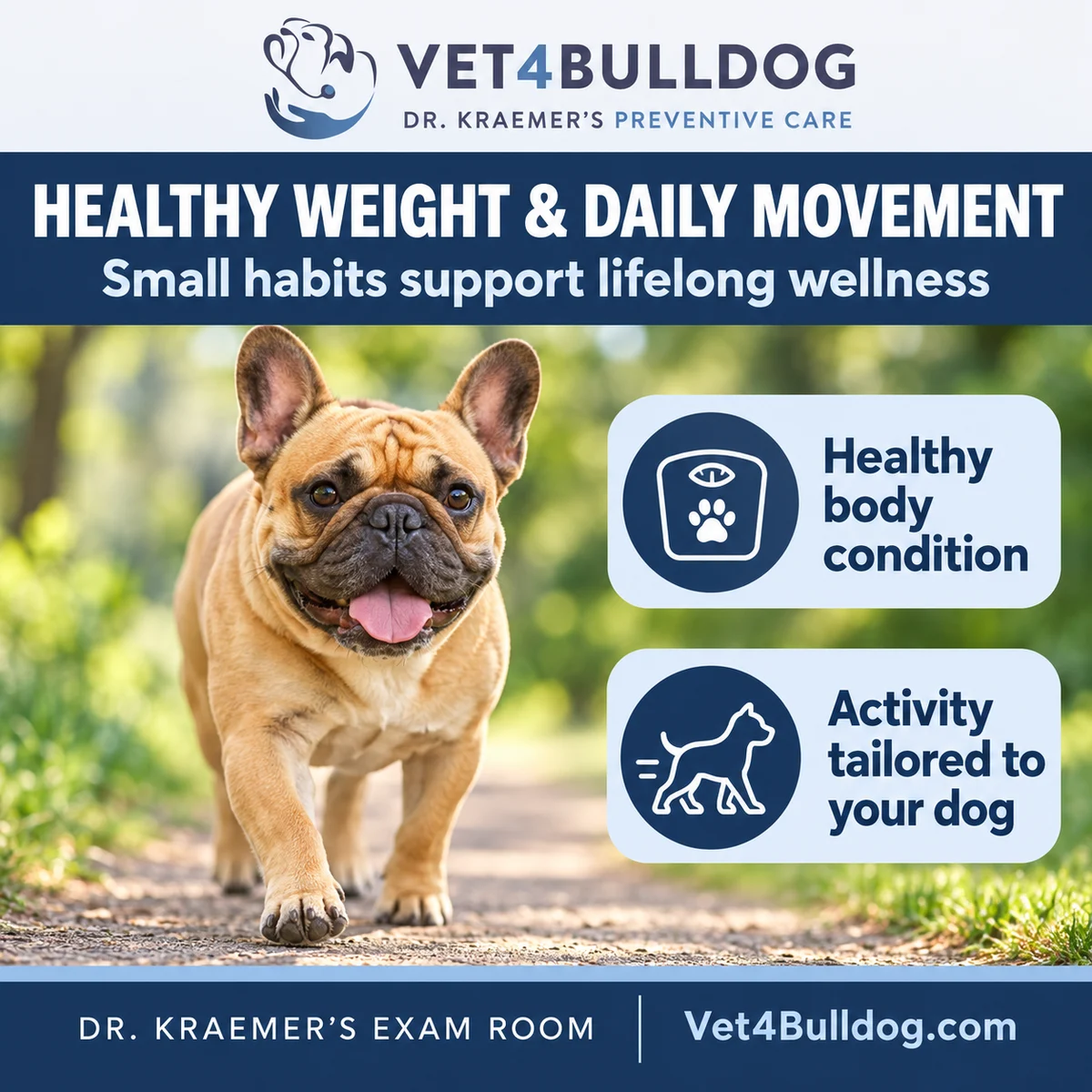
B. Physical Activity Biohacking
Daily playtime and conditioning:
- Maintain muscle mass
- Support joints
- Improve metabolism
- Help control weight
- Improve mental health
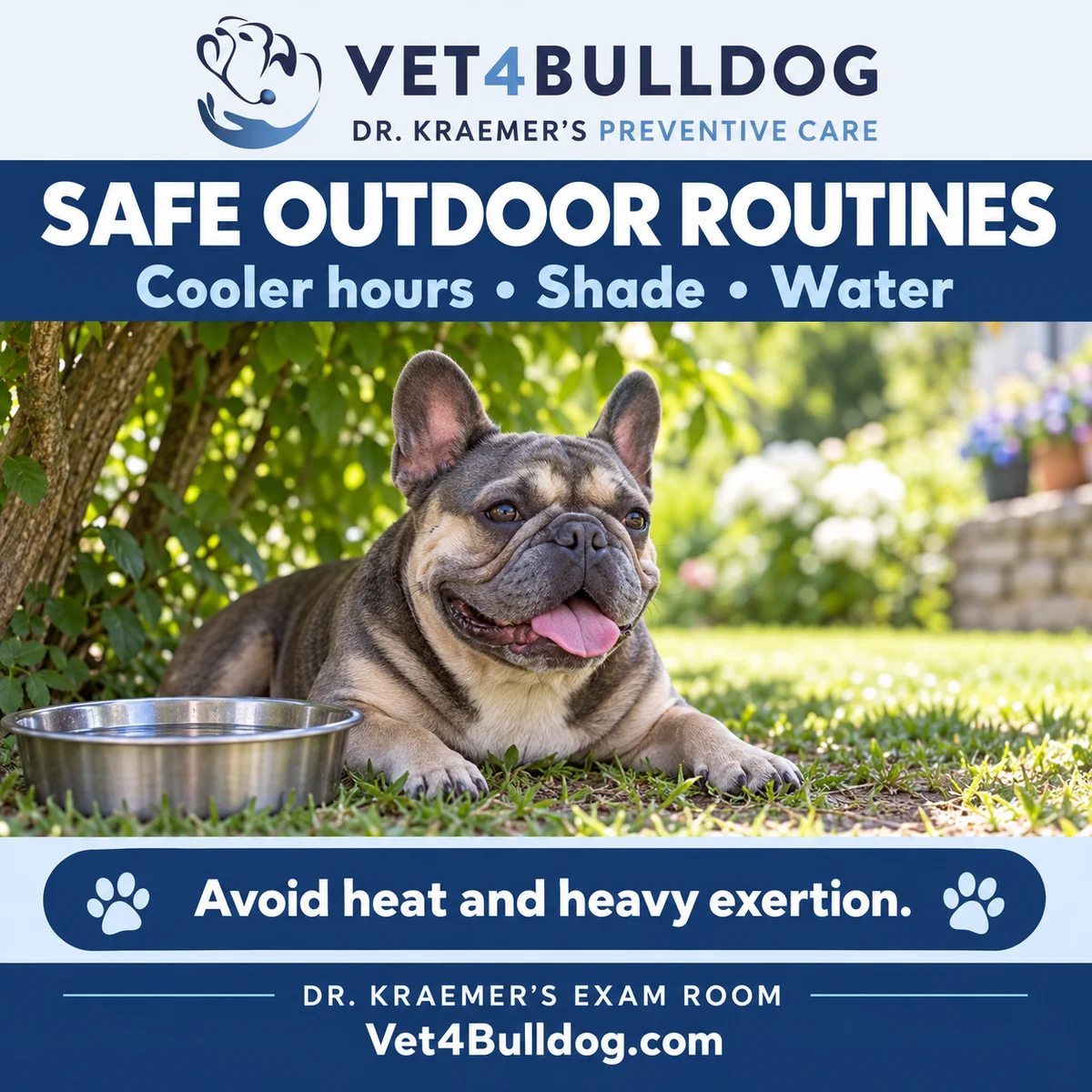
#2 Sunlight Exposure Biohacking
Natural light supports circadian rhythm, mood, and immune function for bulldogs too.
#3 Nutrition & Supplement Biohacking for Pets:
Quality, balanced nutrition and supplementation is a super biohacking tool
A. Nutritional Precision Biohacking
Optimizing gut health, immune function, and body composition. A good diet should include:
- Adequate proteins
- Sufficient Fiber
- Essential vitamins and minerals
- Customized macronutrient ratios
Food quality matters just as much as calories.
B. Microbiome Optimization Biohacking:
- Targeted prebiotics probiotics and digestive enzymes
- Fecal microbiota analysis
- Post-antibiotic gut restoration
- Prebiotic supplementation
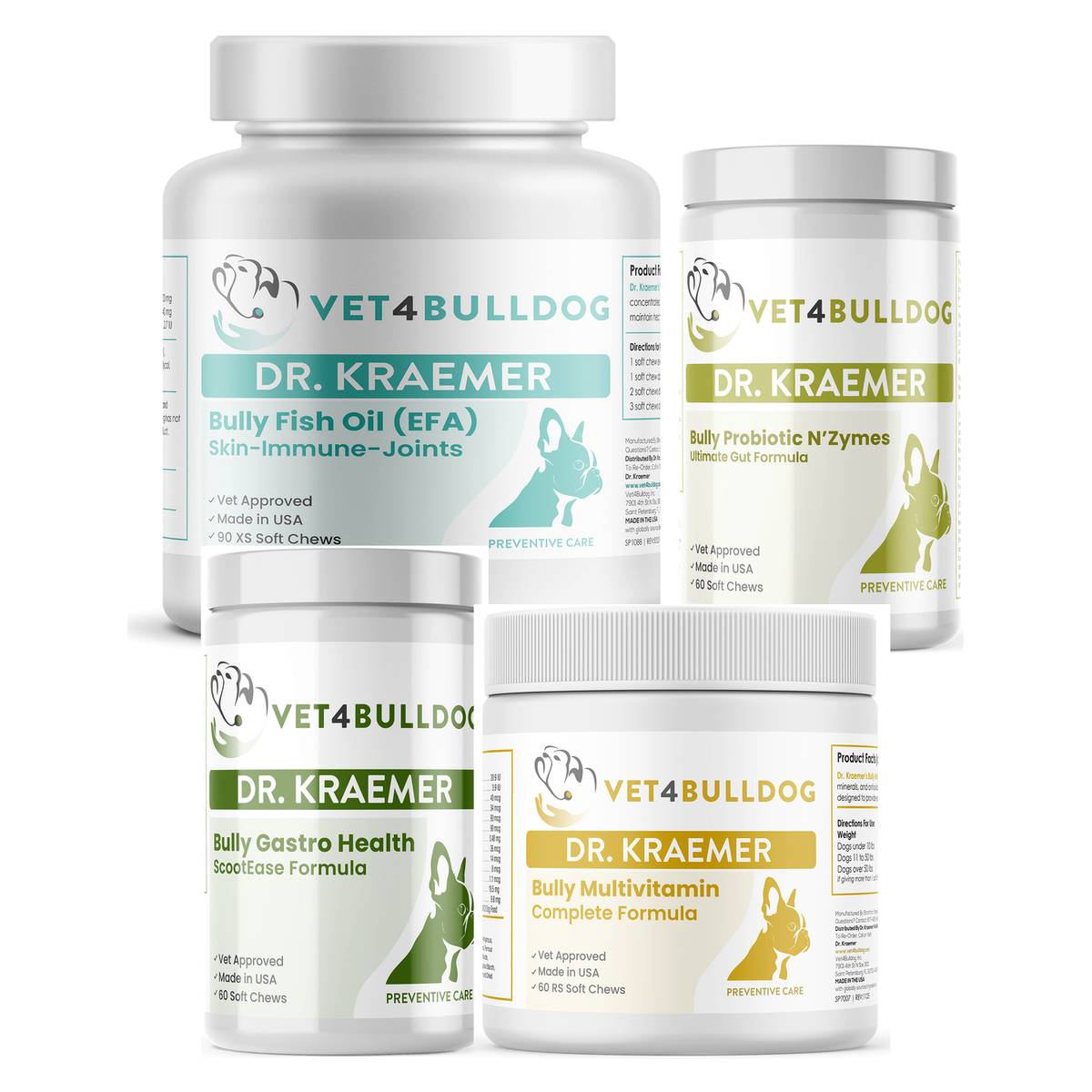
Strategic Biohacking Supplementation
Modern, highly processed foods can deplete:
- Micronutrients
- Gut microbiome diversity
- Immune resilience
Smart supplementation may include :
- Minerals & Vitamins
- Essential amino acids
- Essential fatty acids
- Fiber & Prebiotics
- Probiotics & Digestive Enzymes
- Immune & Antioxidents boosting
- Joints, Bones and Back Support

These aren’t “extras”, they’re often restoring what’s missing.
#4 Biohacking Through Monitoring
What gets measured gets managed.
- Monitor weight regularly
- Perform routine annual screening labs:
- blood
- fecal
- other diagnostics as appropriate
- Wearables: Wearable technology monitors vital signs and essential health markers, providing early alerts to developing medical conditions and supporting proactive.
- Continuous heart rate monitoring
- Respiratory rate tracking
- Activity & sleep analysis
- Temperature monitoring
Early detection = fewer medications later.
#5 New-Age & Emerging Biohacking Therapies
Cutting-edge options that may complement traditional care include:
Regenerative Medicine:
Tissue repair and joint longevity.
- Stem Cell Therapy & Cryobanking:
- PRP (Platelet-Rich Plasma)
- Exosome therapy

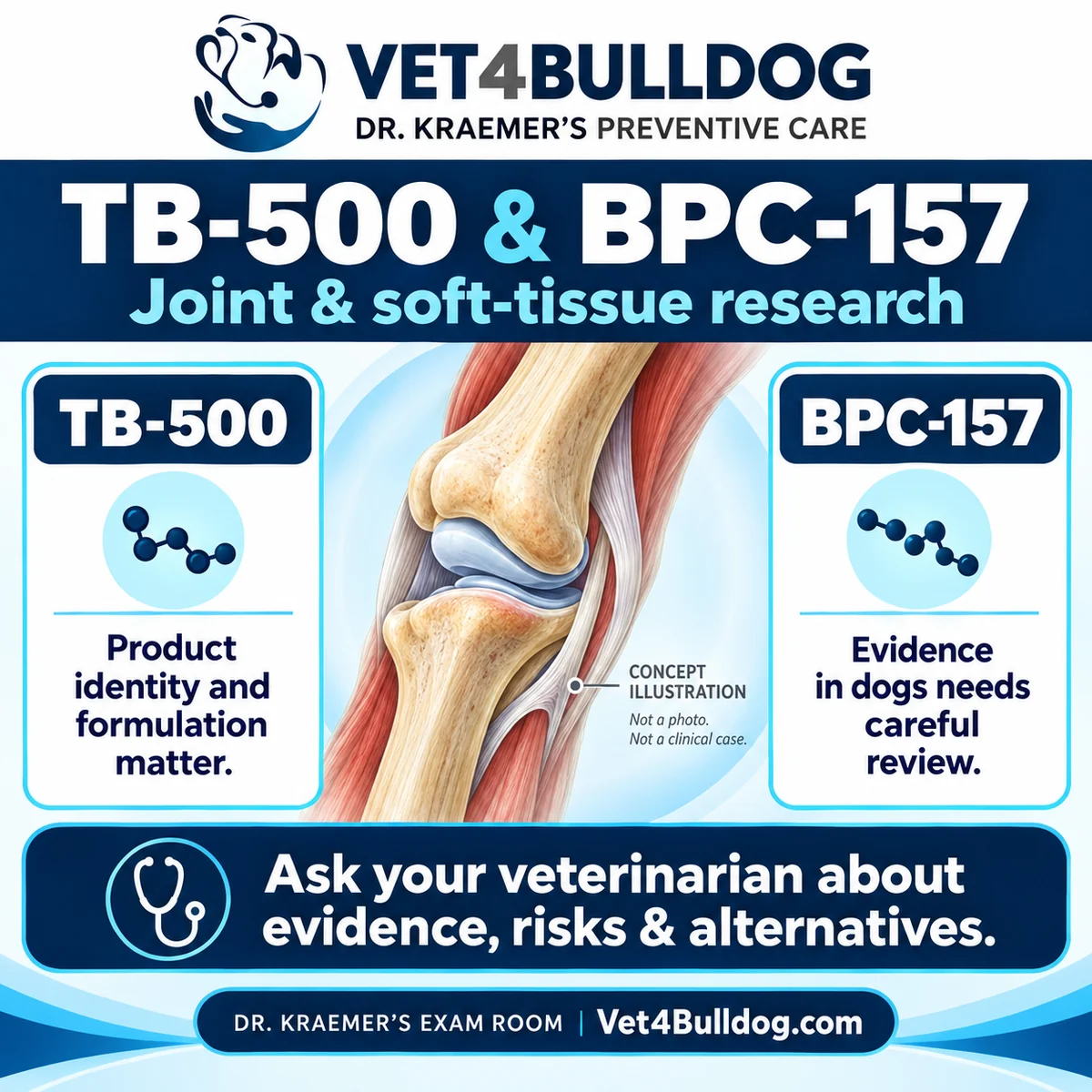
Peptides:
Peptides are an emerging field with potential benefits for healing, inflammation, immune support, muscle recovery, weight management, and longevity)
Genetic & Epigenetic Testing:
Personalized prevention tragedies, breed specific panels, markers and nutrigenomics
Healing Light & Energy Therapy:
Cellular repair and inflammation control.
- Cold Laser
- Red Light
- Pulse Electromagnetic Therapy
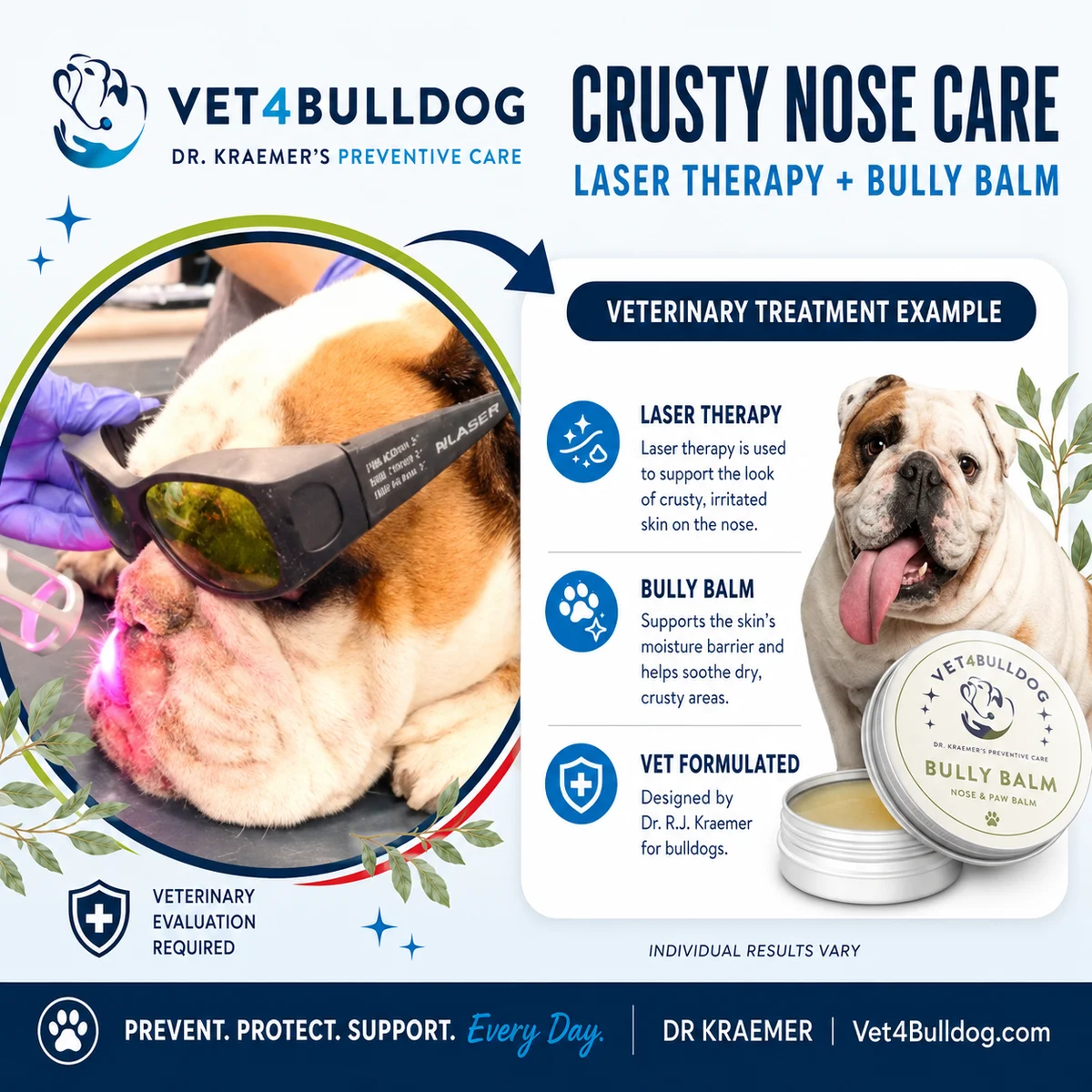
These therapies are evolving quickly and should be used thoughtfully and responsibly.
#6 Airway & Breathing Optimization Biohacking
Specific to bulldogs Increasing oxygen efficiency and long-term health span.
- Early BOAS evolution and repair
- Weight control
- Climate Control
- Stress Control
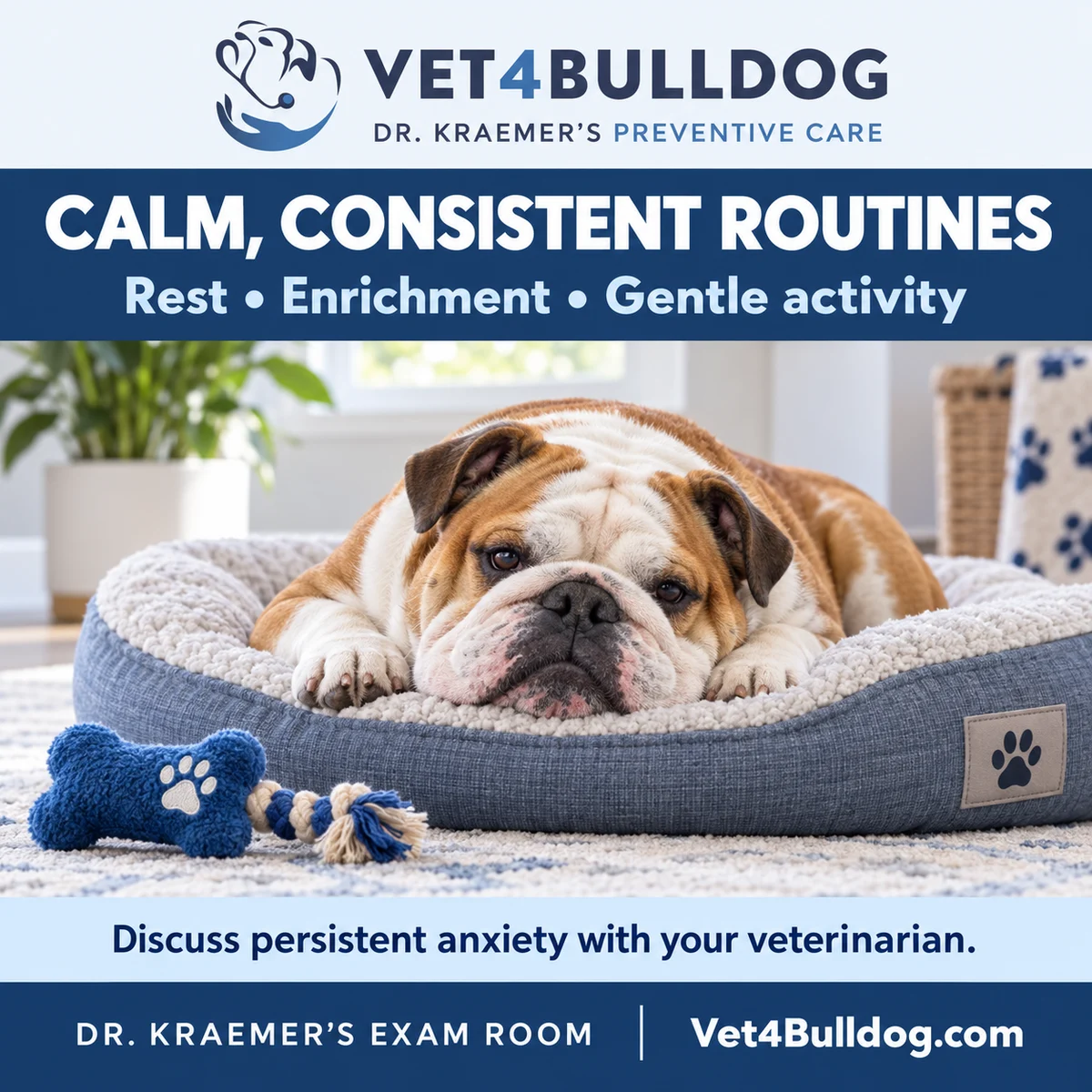
#7 Behavioral & Stress Biohacking
Chronic stress (including anxiety and chronic disease) negatively impacts immunity, digestion, and healing.
Calm & relax =Lower cortisol = better immune resilience.
- Enrichment protocols
- Sleep optimization
- Controlled environmental exposure
- Calm & Relax Therapeutic Supplements

Biohacking For Your Bulldog and French Bulldog: Final Thoughts
Biohacking isn’t about rejecting veterinary medicine; it’s about enhancing it.
When used properly, biohacking strategies can:
- Prevent disease
- Reduce medication dependence
- Improve outcomes
- Lower long-term costs
- Minimize side effects
Bulldog owners should feel empowered to ask questions and challenge the status quo:
Ask “How can I optimize health first, and use medication only when truly needed?”
Trusted by Vets ~ Recommended by Owners ~ Approved by Bulldogs
About the Author
Roy Kraemer, DVM is the founder of Vet4Bulldog and the V4B line of preventive care products for Bulldogs and French Bulldogs. A Tufts University veterinary school graduate, he built and ran a Southern California veterinary hospital dedicated exclusively to these two breeds, and spent over 20 years working almost entirely with them, including years of rescue work alongside So Cal Bulldog Rescue.
In practice he combined conventional medicine and surgery with regenerative therapies including stem cell treatment, PRP and therapeutic laser, alongside nutrition, topical therapy and supplements. His emphasis throughout has been preventive care and longevity rather than treating problems once they take hold. He has been asked to comment on Bulldog and French Bulldog health by Business Insider, HuffPost, The US Sun, NBC Los Angeles and the OC Register.
5 Conditions That Benefit from Peptides and Biohacking →
The companion piece to this one. Where owners usually start asking, and what is reasonable to expect in each.
What You Can Do While You Decide
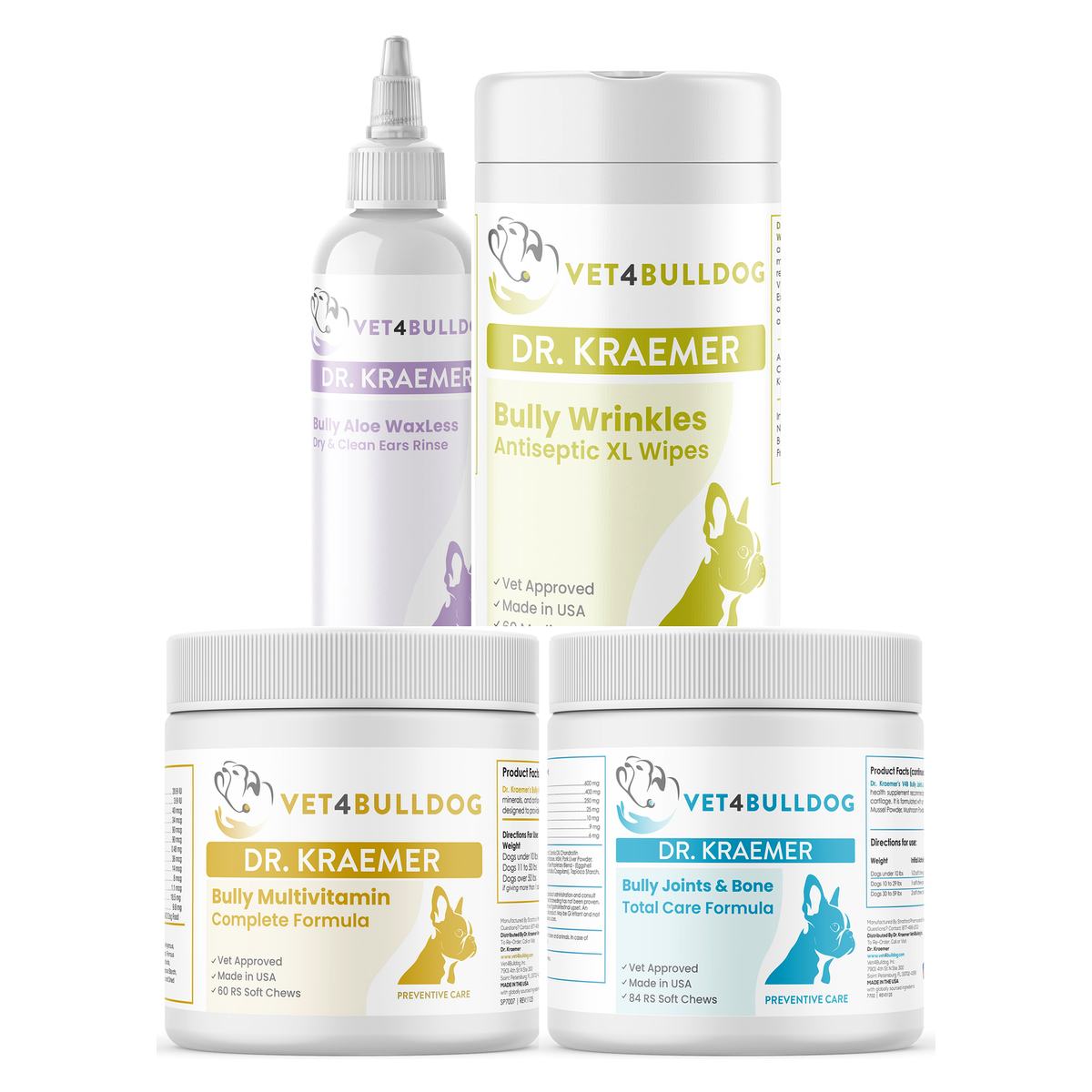
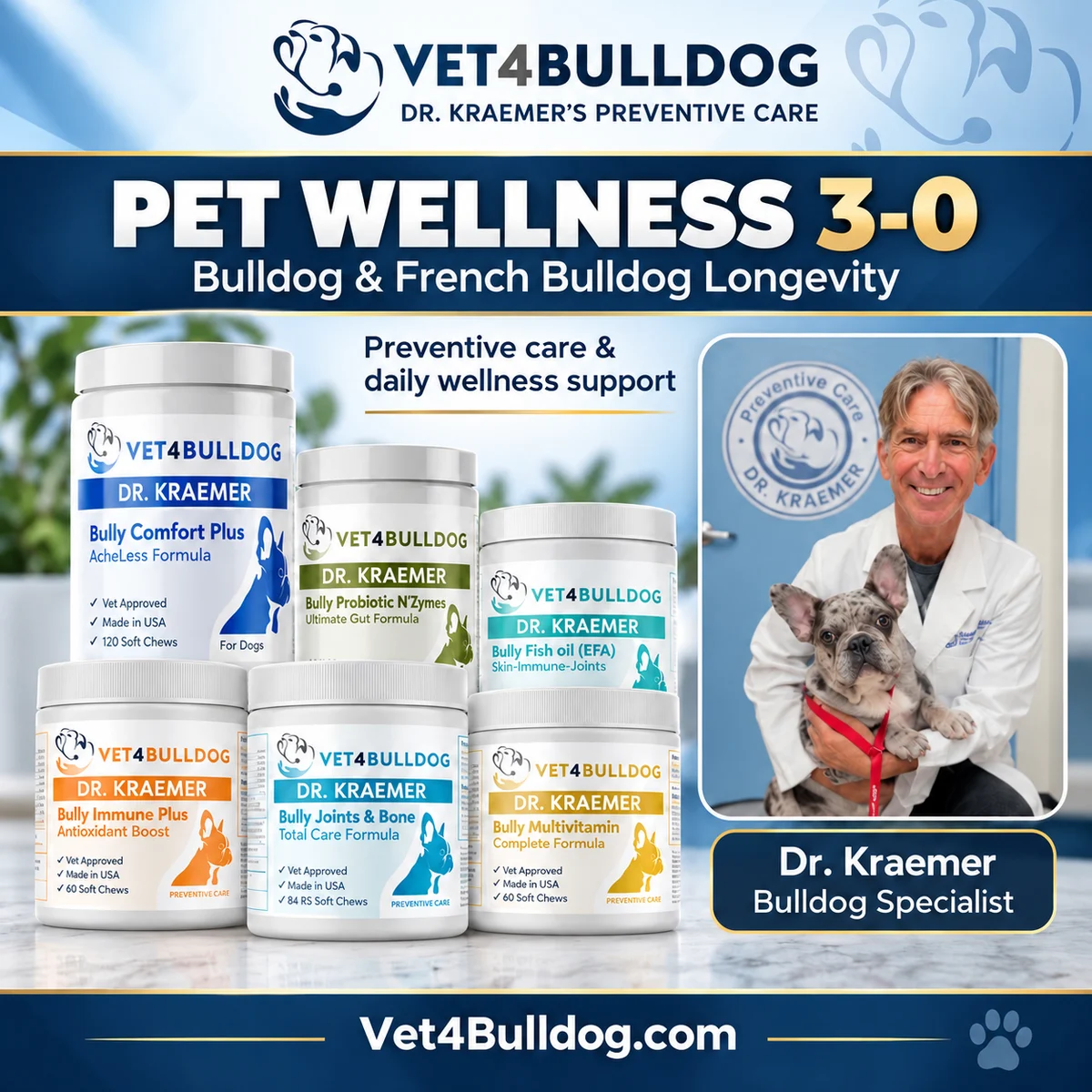
Most of biohacking is things you do rather than things you buy. These are the few worth buying, and they are where I would start, because they support the systems that the seven strategies above are trying to protect.
These may help support general condition and resilience, joint comfort and normal cartilage, normal skin barrier function and a healthy coat, and a normal digestive balance. Give any of it a good few weeks and judge it on the small changes rather than the dramatic one.
To be clear: nothing here is a substitute for veterinary examination, diagnosis or treatment, and nothing here is a reason to stop or change a medication your dog has been prescribed. If your dog is unwell, is being treated for a condition, or is already on medication, review any change with your veterinarian so it fits the plan you are already following. This article is educational and is not a diagnosis or a treatment plan for your own dog.
Trusted by Vets ~ Recommended by Owners ~ Approved by Bulldogs


The information provided on this platform is for general informational purposes only. It is not intended as a substitute for professional medical advice, diagnosis, or treatment. Always seek the advice of your veterinarian regarding any medical condition. It's important to always consider professional medical advice promptly and not to delay seeking it based on information you've read on this platform. Any reliance on the information provided here is entirely at your discretion.