


Your Bulldog used to lead the neighborhood walk. Now, halfway down the block, she stops and gives you that familiar look: you go ahead, I will supervise from here. Sometimes the explanation is sore joints, hot weather, or a breathing problem. Sometimes the heart is struggling to keep up. Dilated cardiomyopathy weakens the heart muscle, so the pumping chambers enlarge while the squeeze becomes less effective. In this one case, a bigger heart does not mean a stronger one. It is better recognized in other breeds than in ours, which is exactly why it gets missed in a Bulldog: the breathing and the tiring look like the airway, and nobody thinks to look further.
What it is Is it a bulldog disease Causes Grain-free food What you notice Diagnosis Treatment At home Outlook
Difficulty breathing, collapse, or blue or gray gums require emergency veterinary care. Do not wait for a routine appointment.
“Maisie is seven and she has always been the one dragging us round the block. The last few weeks she gets about halfway and then just stops and sits down. Our vet said her chest sounded fine last year. She is a Bulldog, so I assumed it was her breathing catching up with her, but she is also eating less and I noticed her belly looks fuller than it used to. Am I imagining a problem?”
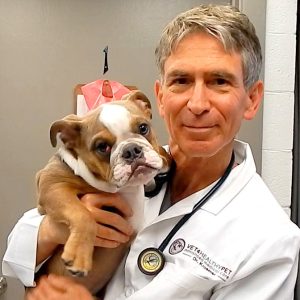
No, and I would not wait on this one.
Three things in that message belong together rather than apart: she stops partway through a walk she used to lead, she is eating less, and her belly looks fuller. Each on its own has several explanations. The three together describe a dog whose circulation may not be keeping up, and a fuller abdomen in particular is worth same-week attention rather than next-month attention.
The assumption about the breathing is the one I want to talk about, because it is the most common reason heart disease gets found late in this breed. A Bulldog who tires easily and breathes hard has an obvious suspect, and most of the time the airway is the right answer. But obvious is not the same as proven, and “she is a Bulldog” is the sentence that lets a heart go unexamined for a year. A chest that sounded fine last year tells you about last year.
Ask for a heart workup rather than a reassurance. Screening chest radiographs and an echocardiogram answer this properly, and if your veterinarian finds anything, ask to involve a cardiologist. If she becomes breathless at rest or her gums look blue or gray before you get an appointment, that is an emergency and not a question for email.
What Is DCM?
Dilated cardiomyopathy, or DCM, is a disease that weakens the heart muscle.
The heart’s pumping chambers enlarge, but their squeeze becomes less effective. In this case, a bigger heart does not mean a stronger one.
Why Is It Called Dilated Cardiomyopathy?
The name sounds complicated, but it describes the problem:
- Dilated: stretched or enlarged.
- Cardio: heart.
- Myopathy: muscle disease.
Think of a squeeze bottle that has become stretched and floppy and lost its elasticity. There may be plenty of room inside, but squeezing it no longer pushes the contents out effectively.
How Your Bulldog’s Heart and Lungs Work Together
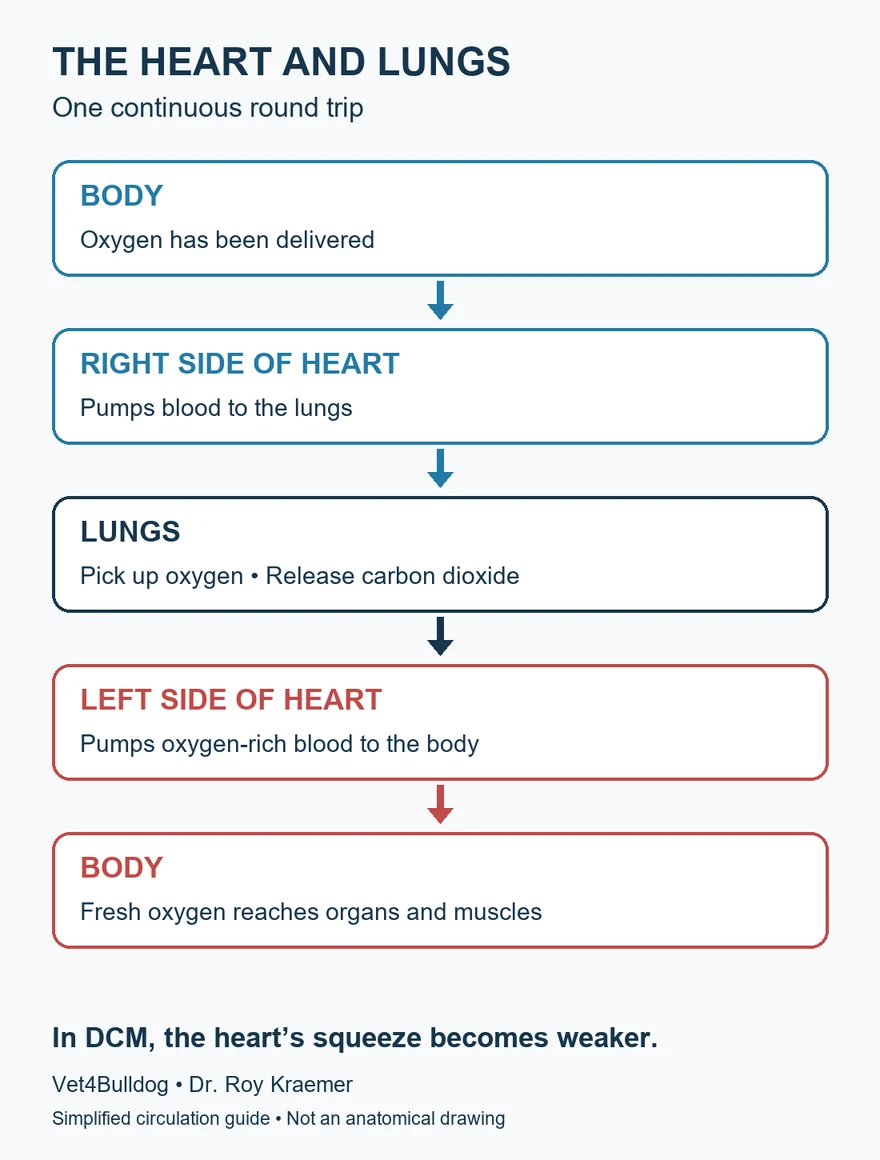
Imagine a delivery service that never closes. The heart is the pump, the blood vessels are the roads, and the blood carries deliveries of oxygen and nutrients. The lungs are where blood picks up fresh oxygen and drops off the carbon dioxide.
The round trip runs like this: the body and veins send blood that is low in oxygen and high in carbon dioxide to the right side of the heart, which pumps it to the lungs. There it drops the carbon dioxide and picks up fresh oxygen, travels to the left side of the heart, and goes out through the arteries to the body again.
What Is a Heart Valve?
The heart’s valves act like one-way doors, keeping blood moving in the right direction. When everything works well, your Bulldog’s muscles, organs and tissues receive what they need to walk, play and investigate whatever suspicious activity is happening near the refrigerator.
With DCM, the pump loses strength. Less blood moves forward with each beat, and pressure can build behind it.
What Happens Inside the Heart?
In DCM, the left ventricle, the main chamber that pumps blood to the body, usually becomes enlarged and contracts poorly.
Other chambers may enlarge too. The stretched heart can also develop an abnormal electrical rhythm.
Is DCM Common in Bulldogs and French Bulldogs?
Bulldogs and French Bulldogs are not among the breeds most strongly associated with inherited DCM. It is better recognized in other dog breeds.
That does not mean Bulldogs cannot develop it. Breed alone cannot rule out heart disease, particularly when a dog develops unexplained weakness, breathing changes or collapse.
DCM is usually an acquired condition recognized in adulthood. It differs from a heart defect that is present at birth, such as aortic stenosis and pulmonary stenosis, the heart valve diseases that are better known in this breed. Its also different then heart base tumor that are more common to bulldogs than most dog breeds and is associated pericardial effusion that can have similar presentation to DCM.
What Causes DCM?
DCM does not have one explanation for every dog.
- Inherited susceptibility plays a key role in certain breeds.
- Nutritional problems and some other conditions can also damage heart muscle or produce a similar pattern of weakness.
Your veterinarian will review your dog’s breed, family history, medications, and complete diet history.
What About Grain-Free Food and DCM?
Researchers have investigated an association between certain diets and DCM. However, grain-free is not a diagnosis, and adding grain is not a treatment plan.
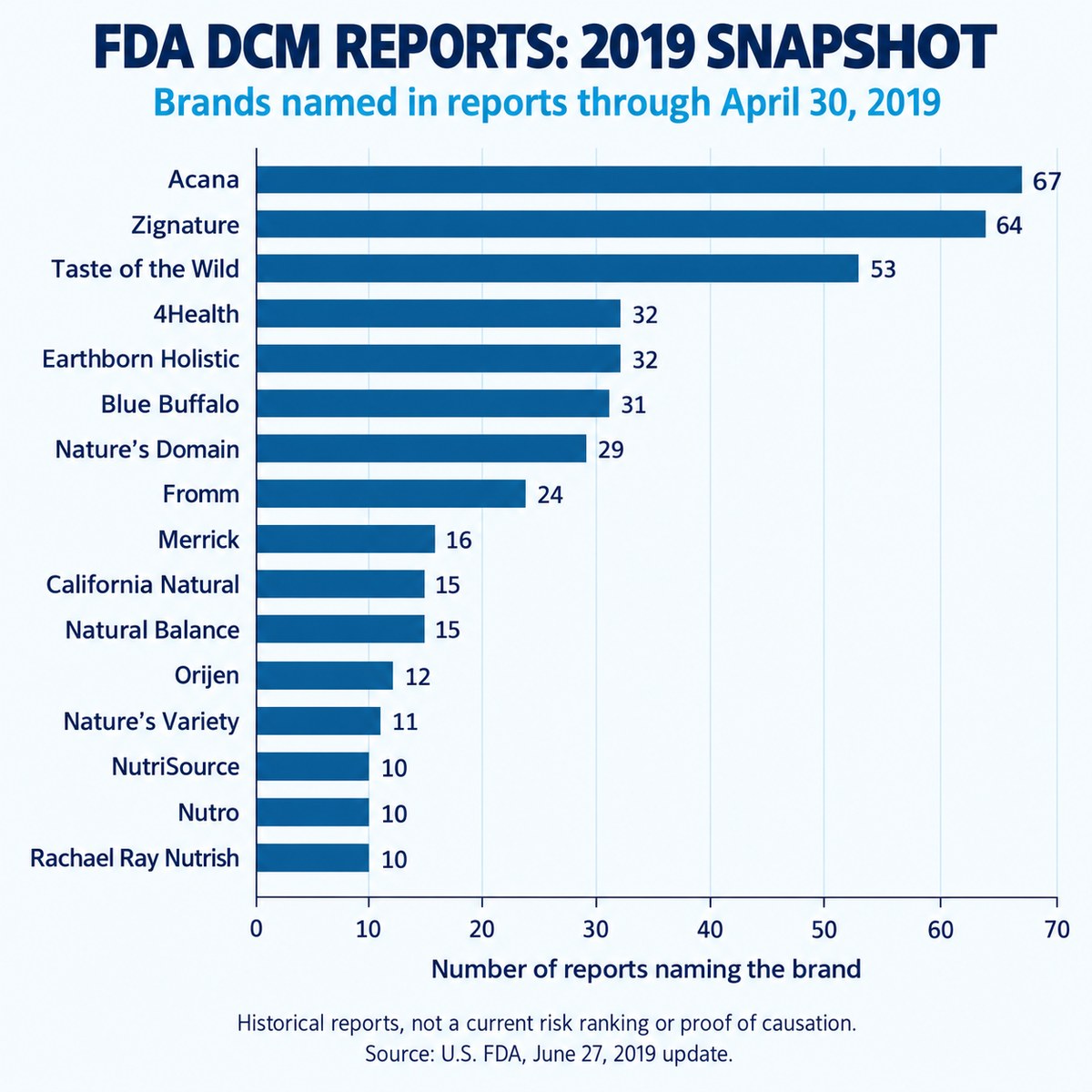
This is a conversation to have with your veterinarian using your dog’s actual diet history, not a label to avoid on principle.
If you want the longer version of this argument, I have written about it separately in grain-free diets for Bulldogs and French Bulldogs.
Can a Dog Have DCM Without Looking Sick?
Yes. Early DCM can be quiet. A dog may still eat, play and enjoy walks while changes are developing inside the heart. A routine examination might reveal an irregular heartbeat, an unusual pulse, or a murmur.
What Is a Heart Murmur?
A murmur is a whooshing sound caused by turbulent blood flow. With DCM, stretching of the heart can prevent a valve from closing properly, allowing some blood to leak backward.
A murmur does not automatically mean DCM, and a dog with DCM may have no obvious murmur. Further testing is needed to find the cause.
What Signs Might Owners Notice?
Watch for changes from your dog’s usual behavior:
- Falling behind on familiar walks.
- Tiring quickly or seeming unusually weak.
- Faster breathing or greater breathing effort.
- Coughing.
- Eating less.
- Fainting or collapsing.
- A gradually swollen belly.
For example, a dog who once followed you from room to room may begin staying on his bed. Another may need repeated breaks during a walk that previously felt easy.
These signs have several possible causes. In Bulldogs, airway disease can also cause breathing trouble and exercise intolerance, so it is important to identify the actual problem rather than assume the obvious one.
How Can a Weak Heart Cause Fluid in the Lungs or Belly?
Picture traffic backing up behind a roadblock.
When the left side of the heart cannot move blood forward effectively, pressure can rise in the blood vessels serving the lungs. Fluid may then leak into the lung tissue, making breathing difficult.
When pressure backs up in the veins returning blood from the body, fluid may collect in the abdomen.
What Is CHF, Congestive Heart Failure?
CHF is fluid buildup. DCM can cause CHF, but the two terms do not mean the same thing.
A dog can have DCM before heart failure develops, and a Bulldog may have CHF because of other heart conditions and disease.
Is CHF an Emergency?
Difficulty breathing, collapse, or blue or gray gums require emergency veterinary care. Do not wait for a routine appointment.
How Is DCM Diagnosed?
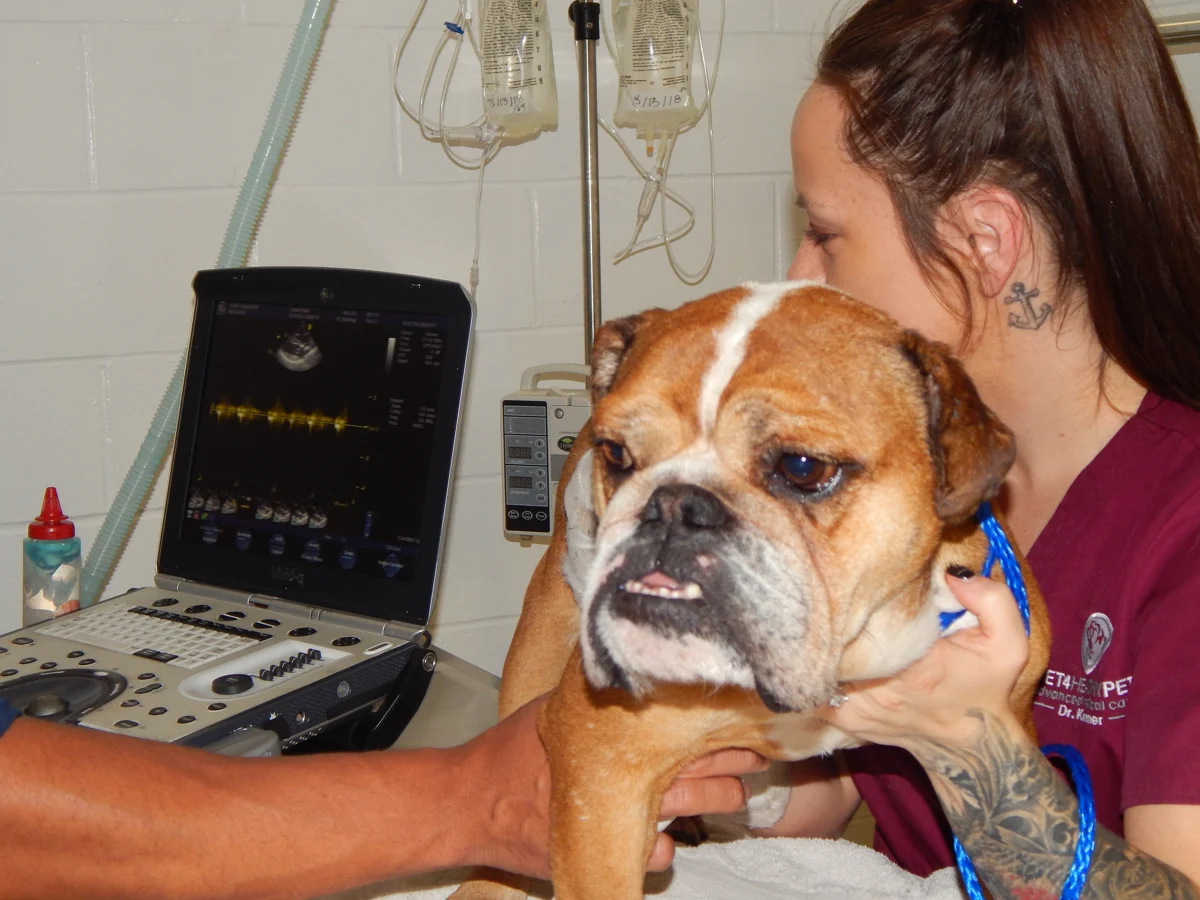
An echocardiogram, an ultrasound examination of the heart, is the key test. It shows the chambers, valves and movement of the heart muscle.
Think of the tests as answering different questions:
- Echocardiogram: how well is the pump squeezing?
- Chest X-rays: is the heart enlarged, and is there fluid affecting the lungs?
- ECG: is the electrical rhythm normal?
- Holter monitor: what happens to the rhythm over a longer period, usually during normal activities at home?
- Blood pressure: is it contributing to the picture?
Bloodwork and urine testing help assess the rest of the body and guide treatment. Taurine testing, thyroid testing, or other tests may be appropriate depending on the findings.
Not every dog needs every test.
Should My Bulldog See a Veterinary Cardiologist?
For suspected DCM and any heart disease, I recommend involving a veterinary cardiologist whenever possible. The cardiologist can confirm the diagnosis, evaluate pumping strength and rhythm, and help build a treatment and monitoring plan.
If your dog is struggling to breathe, emergency stabilization comes first. A referral appointment should never delay urgent care.
Do not let the flat face explain everything
The reason I wanted this article on the site is not that DCM is common in our breed, because it is not. It is that when it does happen in a Bulldog, it hides behind the one thing everybody already expects of a Bulldog. He tires on walks and he breathes hard, and both owner and veterinarian have an obvious explanation sitting right there in the shape of his face.
Most of the time the airway really is the answer. But “he is a Bulldog” is not a diagnosis, and it is the sentence that lets a heart go unexamined. If the tiring is new, or worse than it was, or does not fit the weather and the exercise, that deserves an exam and chest X-ray rather than a shrug.
And the part I say to every owner at the end of a cardiac consultation: labored breathing is an emergency.
How Is DCM Treated?
Treatment depends on how weak the heart is, whether fluid has accumulated and whether an abnormal rhythm is present. Your dog’s plan may include:
- Improving heart efficiency: to help the heart pump more effectively.
- Diuretics: to help remove excess fluid when congestion is present.
- Medication to reduce heart workload.
- Antiarrhythmic medication for irregular pace making
- Dietary changes for optimizing heart and circulatory health
- Oxygen: Dogs in a breathing crisis may also need oxygen supplementation and hospital care.
A useful comparison is helping a struggling water pump: improve its performance, reduce the resistance it works against, and relieve the backup.
What Can I Do at Home?
Consistent home care gives your veterinary team valuable information.
Give medications as prescribed, attend rechecks, and keep a simple record of appetite, activity, weight, and breathing changes.
Ask your veterinarian what level of exercise is appropriate.
Count the Resting Breathing Rate
This is the single most useful number an owner can collect. Count the breaths while your dog is asleep or resting quietly, not panting and not just back from a walk. Write it down with the date. What matters is the trend over a good few weeks rather than any single reading, and a rate that is climbing is worth a call. Labored breathing is an emergency regardless of the number.
Reduce Stress and Anxiety
A heart that is already working hard does not need adrenaline added to the job. Keep arrivals, departures and car travel as low-key as you can manage, avoid the hot part of the day, and keep excitement short rather than banning it. An anxious dog breathes faster and works harder at rest, which makes both the dog and your breathing counts harder to read.
Monitor Weight
Weigh your dog on the same scale, on the same day of the week, and write it down. Two different changes matter and they pull in opposite directions. Gradual gain adds load to a pump that is already struggling. Loss of muscle and condition is common in heart disease and is something your veterinarian will want to know about early, because it changes the feeding plan. A number written on a chart tells that story far better than an impression.
Can Diet or Bully Supplements Help?
Nutrition belongs in the care plan, but supplements cannot replace heart medication or repair every cause of DCM.
Your veterinarian may recommend a particular diet, appropriate sodium intake, and enough calories and protein to help maintain muscle.
Which Supplements Have a Role?
Selected supplements may have a role, and all of them belong in a conversation with the veterinarian managing the heart:
- Taurine: particularly when a deficiency or diet-associated problem is suspected.
- L-carnitine: considered in selected cases.
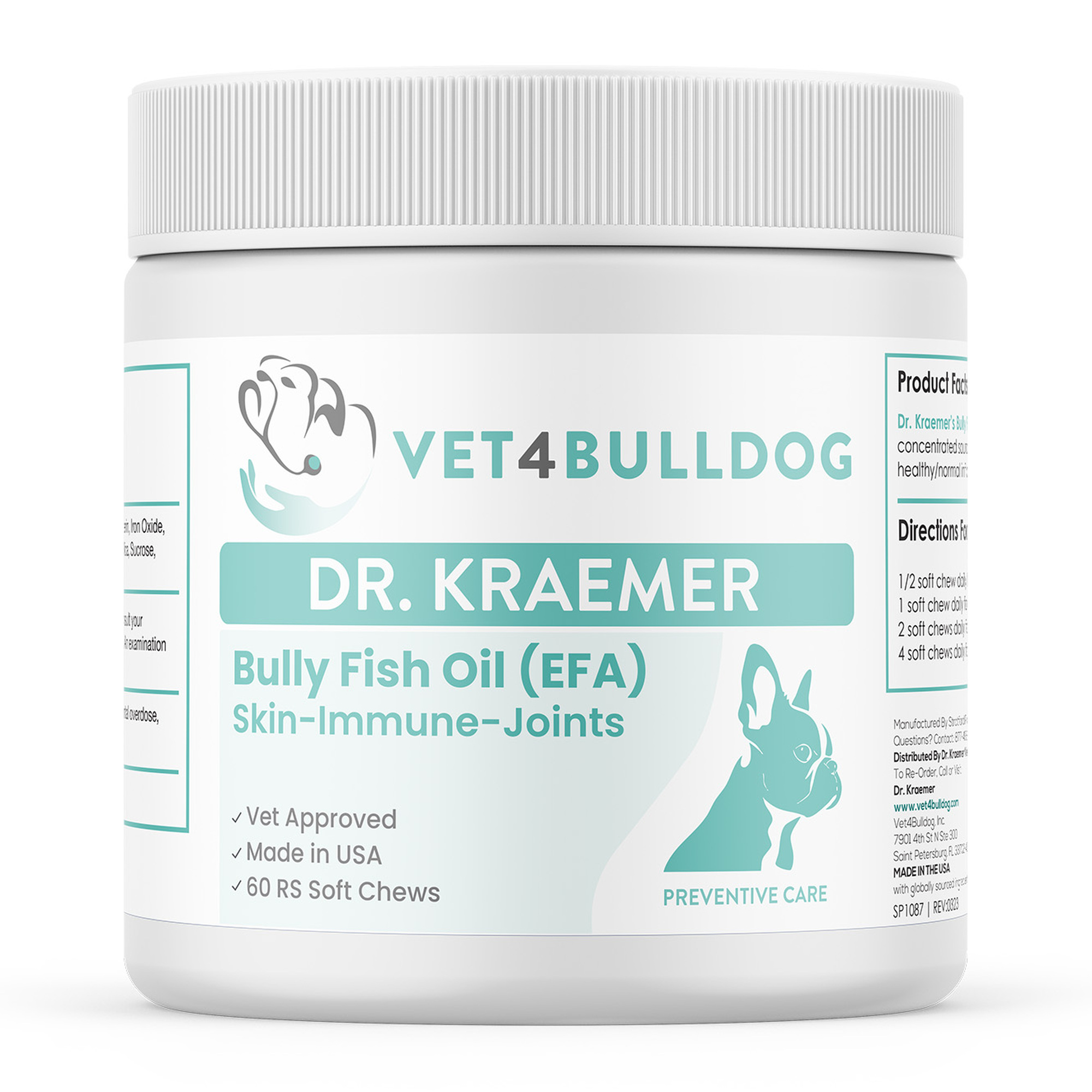
- Bully Fish Oil Omega 3 : may help support dogs with heart failure, particularly those losing muscle or eating poorly.
Multivitamins, immune-support and probiotics and digestive enzymes may help with general nutritional and wellness needs rather than with the heart itself. Bully StressLess & Calm might help anxious dogs. Discuss those with your vet so they fit the plan you are already following.
What Is the Outlook for a Dog With DCM?
DCM is serious, but its course varies.
The outlook depends on the underlying cause, the stage of the disease, the heart rhythm and the response to treatment. Dogs diagnosed before heart failure generally have a better outlook than dogs already experiencing congestion. Some nutrition-associated cases improve substantially with appropriate treatment and dietary correction.
Medication can improve comfort and may extend life. Your cardiologist can give a more useful estimate based on your own dog’s findings than any article can.
For our community, the most useful habit is noticing change. A shorter walk, a missed meal, a cough, or faster breathing during sleep may be your Bulldog’s way of telling you that something needs attention.
Do Bulldogs get DCM?
How do I tell heart trouble from a bulldog breathing problem?
My vet heard a murmur. Does that mean DCM?
Is grain-free food causing this?
Does she really need an echocardiogram?
What is a resting breathing rate and why does everyone keep asking for it?
Will taurine, fish oil or any supplement fix this?
What is the outlook?
Related Reading
- Grain-free diets for Bulldogs and French Bulldogs
- Tumors and growths, including the heart base tumors better known in this breed
- Brachycephalic airway syndrome, the thing this is most often mistaken for
- Heartworm disease and prevention
- Three common bulldog emergencies
- What you can handle at home, and when to see the vet
About the Author
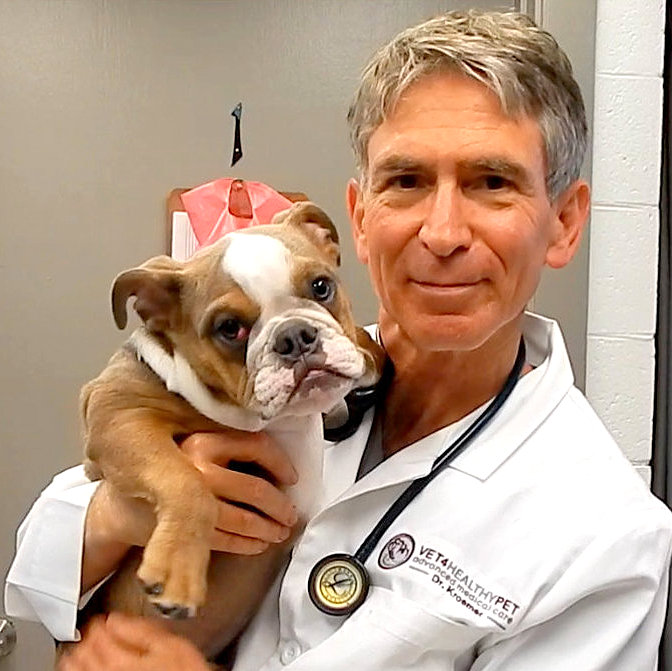
Roy Kraemer, DVM, is a veterinarian with extensive clinical experience caring for Bulldogs and French Bulldogs. His educational work emphasizes prevention, early recognition, appropriate at-home care, responsible medication use, and veterinary evaluation when a problem is persistent or severe.
Trusted by Vets ~ Recommended by Owners ~ Approved by Bulldogs
References
- Merck Veterinary Manual. Cardiomyopathy in Dogs
- American College of Veterinary Internal Medicine. Consensus guidelines for the diagnosis and treatment of canine chronic valvular heart disease and myocardial disease
- Freeman LM, Stern JA, Fries R, Adin DB, Rush JE. Diet-associated dilated cardiomyopathy in dogs, what do we know? Journal of the American Veterinary Medical Association
- US Food and Drug Administration. Investigation into potential link between certain diets and canine dilated cardiomyopathy
- Boswood A et al. Effect of pimobendan in dogs with preclinical myxomatous mitral valve disease, the EPIC study. Journal of Veterinary Internal Medicine