


Here is what the Food and Drug Administration actually reported, as opposed to what the internet did with it. In the reports of dilated cardiomyopathy that started the panic, the common thread was not the absence of grain. It was peas, lentils and other pulses sitting high on the ingredient list, and cases turned up in foods that contained grain too. The agency has not established a causal link, it has not asked for a single recall, and it has said plainly that it does not yet understand the connection.
That matters for your wallet as much as for your dog. An owner who reads a headline, throws out a half full bag and switches overnight to a grain-inclusive food that is also built on pulses has paid twice, bought themselves a week of loose stool, and changed nothing at all about the thing that frightened them.
So the useful question was never grain or no grain. It is who made this food, what is actually sitting in the first five ingredients, and whether your own dog does well on it. That is what the rest of this page is about, and I have left the awkward parts in.
Grain-free food and diets for French Bulldogs & Bulldogs are very popular among owners. In our day and age, due to overwhelming, accessible. instant, unfiltered, online content, looking at a food bag label is a challenge for pet owners.
You did a loving thing for a reason that is not quite right, and the loose stool is the entirely predictable price of doing it overnight.
Let me take the second part first, because it is the part bothering him today. Switching a dog from one food to another in a single evening upsets most dogs and upsets Bulldogs more than most. There is nothing sinister in what you are seeing. A slower changeover, mixing increasing amounts of the new into the old over a good few days, usually avoids it entirely. A probiotic may help him settle while his gut catches up.
Now the first part, and this is the bit the group post got wrong. The concern that started all this was never really about grain. When the FDA looked at the reports, the thing most of those diets had in common was peas, lentils and similar pulses sitting high in the ingredient list, and cases turned up in foods that contained grain too. The FDA has not established a link, has not asked for any recalls, and says plainly that it does not know the specific connection.
Which means the swap you made may not have changed the thing you were worried about at all. Plenty of grain inclusive foods are also built on pulses. If you only read the word grain on the front of the bag, you are reading the marketing rather than the recipe.
So I would not panic and I would not throw out any more food. Turn the bag over, look at where peas and lentils sit in the list, and take that to your veterinarian along with Bruno. That is a far more useful conversation than grain or no grain, and the FDA says the same thing: talk to your vet before changing your dog’s diet.
Grain-free Food Bulldogs and French Bulldogs Myth or Facts
- COST $: Are bulldog grain-free diets worth the extra money?
- BETTER: Are bulldog grain-free diets superior to other diets?
- HYPOALLERGENIC: Are bulldog grain-free diets hypoallergenic (do they prevent food allergies)?
- Carbo-Free: Are bulldogs on grain-free diets free from carbohydrates?
- SAFER: Are bulldog grain-free diets safer and healthier than other diets?
1. Bulldogs can not digest grain myth
FACT: Yes, they can! During domestication, dogs genetically evolved alongside humans, transitioning from predominantly meat-eating carnivores to present-day mixed-diet omnivores. Over thousands of years of domestication, bulldogs and French bulldogs have developed the digestive tools to handle a variety of grains. Both humans and dogs have become better suited to digesting grains, fruits, vegetables, and other starches.
2. carbohydrate-free pet food myth
Some bulldog and French bulldog owners choose to feed their pets a grain-free diet due to the mistaken belief that dogs’ diets should be limited to meat and free of carbohydrates. Grains are dry seeds harvested from flowering plants, Examples include:
- RICE
- CORN
- OATS
- QUINOA
- WHEAT
- BARLEY
FACT: In reality, the “grain-free” diet replaces them with other carbohydrate sources like:
- POTATOES
- LEGUMES
- Green Peas
- CHICKPEAS
- LENTILS
3. grains are bad for my Bulldog myth
In contrast to this erroneous popular belief, there are many nutritional benefits to grain portions in your dog food. FACT:
- Grains stimulate the growth of beneficial, “good” gastrointestinal bacteria (i.e., probiotics).
- Many grains provide your bulldog puppy with essential vitamins & minerals.
- The latest research has shown compelling evidence that grains are important to the general health of your bulldog puppy.
4. grain leads to French Bulldog allergies
FACT: Contrary to common belief, food allergies are not caused by carbohydrates but rather by the meat or protein portion of your bulldog’s meal (e.g., animal sources like chicken, beef, fish, lamb, etc.)  FACT Grains are mostly carbohydrates. It is proteins, not grains, that are usually the cause of bulldog food allergies. If your bulldog is allergic to grains, the treatment should be managed by your veterinarian, who will conduct a proper dietary elimination trial.
5. grain-free diets and food are superior myth
FACT: There is no scientific evidence that bulldog grain-free diets are superior to other common diets.
Bulldog Grain-Free Diet Associated Cardiomyopathy
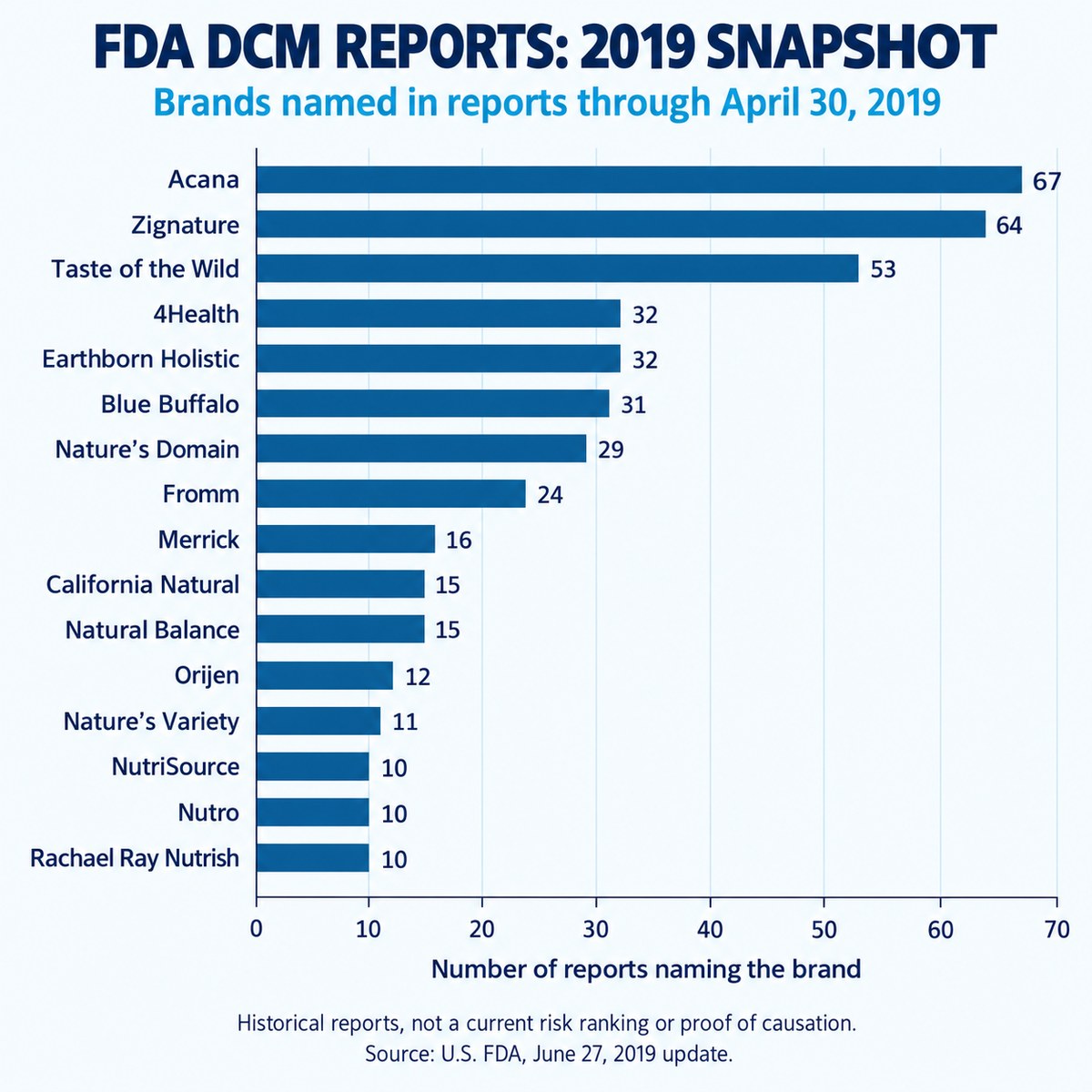
Recently (July 2019), an FDA news alert was published stating that there is a likely link between Grain diets and canine cardiomyopathy (heart disease that can lead to congestive heart failure). “In the cases where the dogs ate only a single primary diet and did not eat multiple foods, excluding treats, 90 percent reported feeding a Grain-Free food, the release states there appears to be an association with Grain-Free diets and the development of dilated cardiomyopathy (DCM).” “Upon investigation of all of the diets associated with both the taurine deficient and non-taurine deficient forms of DCM, a few key associations were apparent. Many dogs were being fed some variety of boutique (small manufacturer), exotic ingredients (non-traditional protein sources), or grain-free diets. These findings make up the basis of recommendations that have come from each study group and now the FDA.”
Bulldogs and French Bulldogs Grain-free Food Tips & Warnings
Below are selected grain-free diet tips and warnings courtesy of Dr. Kraemer 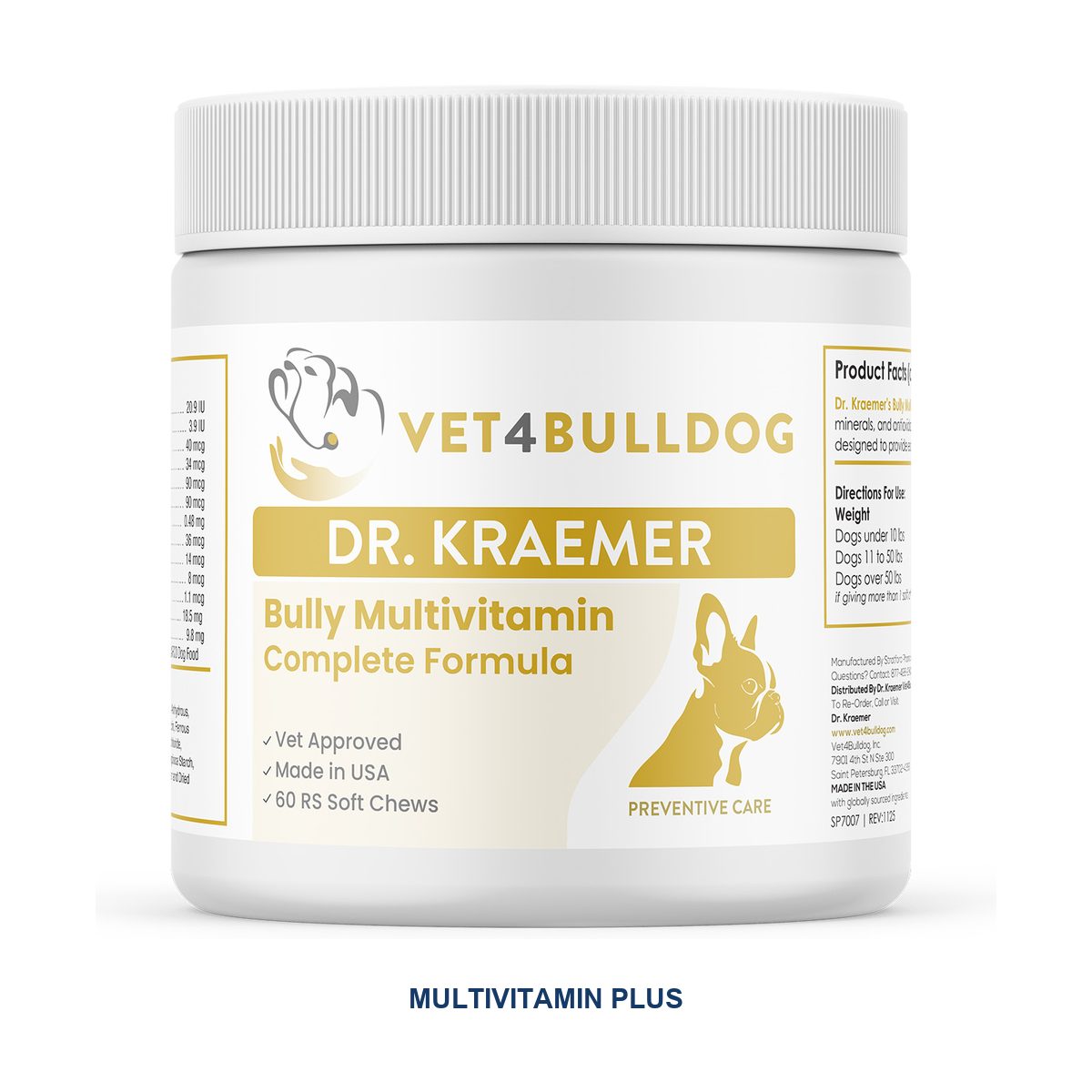
1. grain-free foodProtein tip
2. grain-free diet manufacturing tip
Whether a diet contains grains or not, you must buy your bulldog’s food from a reputable company with experienced pet food formulators. Ignore the enticing grain-free diet packaging and hyped language. Your focus should be on the manufacturer.
3. whole food Bulldog diets
Whole-food meals are better than processed ones. Just as your physician does not advocate regularly eating highly processed foods, the same principle should apply when choosing the best food for your bulldog.
4. whole grain pet food
5. human-graded pet diets tip
Human-grade pet diets are likely to be better regulated than animal-grade pet diets.
6. pet food label tip
Reading pet food labels and brochures is not easy, even for a professional, so assessing the quality of the ingredients based on the label is usually inadequate.
7. Bulldog food peer review tip
I typically recommend using one of the well-known and trusted dog food manufacturers, especially those who publish scientific studies in veterinary journals and make presentations at veterinary medical meetings.
8. Bulldog food more vs. less tip
Not all bulldogs are the same. Some might do better with more grain in their diet, while others might benefit from a reduced-grain diet.
9. food allergy trial duration tip
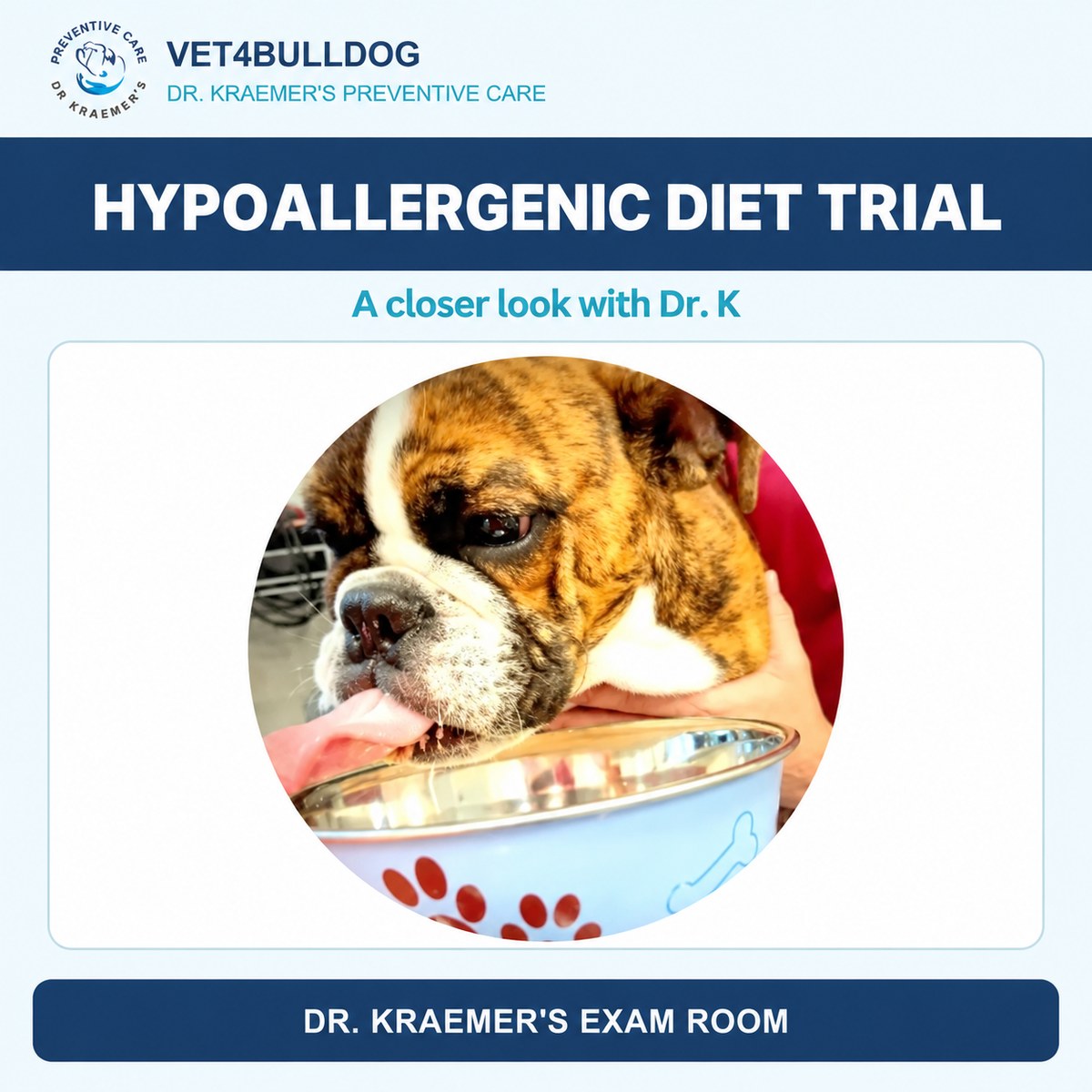
Grain-Free and Bulldog Food Allergy Trials
- Atopic Itch Dermatitis: 8-10 weeks trial on a prescription elimination hypoallergenic diet is the gold standard, rather than grain-free diets.
- GASTROENTERITIS: A 3-4 weeks trial on a prescription elimination hypoallergenic diet is the gold standard, rather than grain-free diets.
To find out more about food allergies and hypoallergenic diets, Click Here
10.Bulldog dietary grain benefits tip
Some grain is often better than no grain.
1. Bulldog poisonous foods warning
Offering fresh, organic, unprocessed fruits and vegetables to your bulldog is great; however, remember to avoid onions, grapes, and raisins. If you are unsure whether a certain food is safe for your bulldog to eat, always speak to your veterinarian
2. Bulldog food and dietsHype warning
I advise against selecting your bulldog and French bulldog puppy’s diet based on advertised and often hyped-up add-on supplements. These are typically more of a marketing tactic than rooted in real science and facts. The most commonly advertised supplements on food bag labels include
- fish oil (omega 3 and 6)
- glucosamine
- chondroitin
- MSM
- probiotics
As a general rule, the amount of active ingredients in these diets’ daily feeding recommendations is often insufficient to therapeutically impact a medical condition.
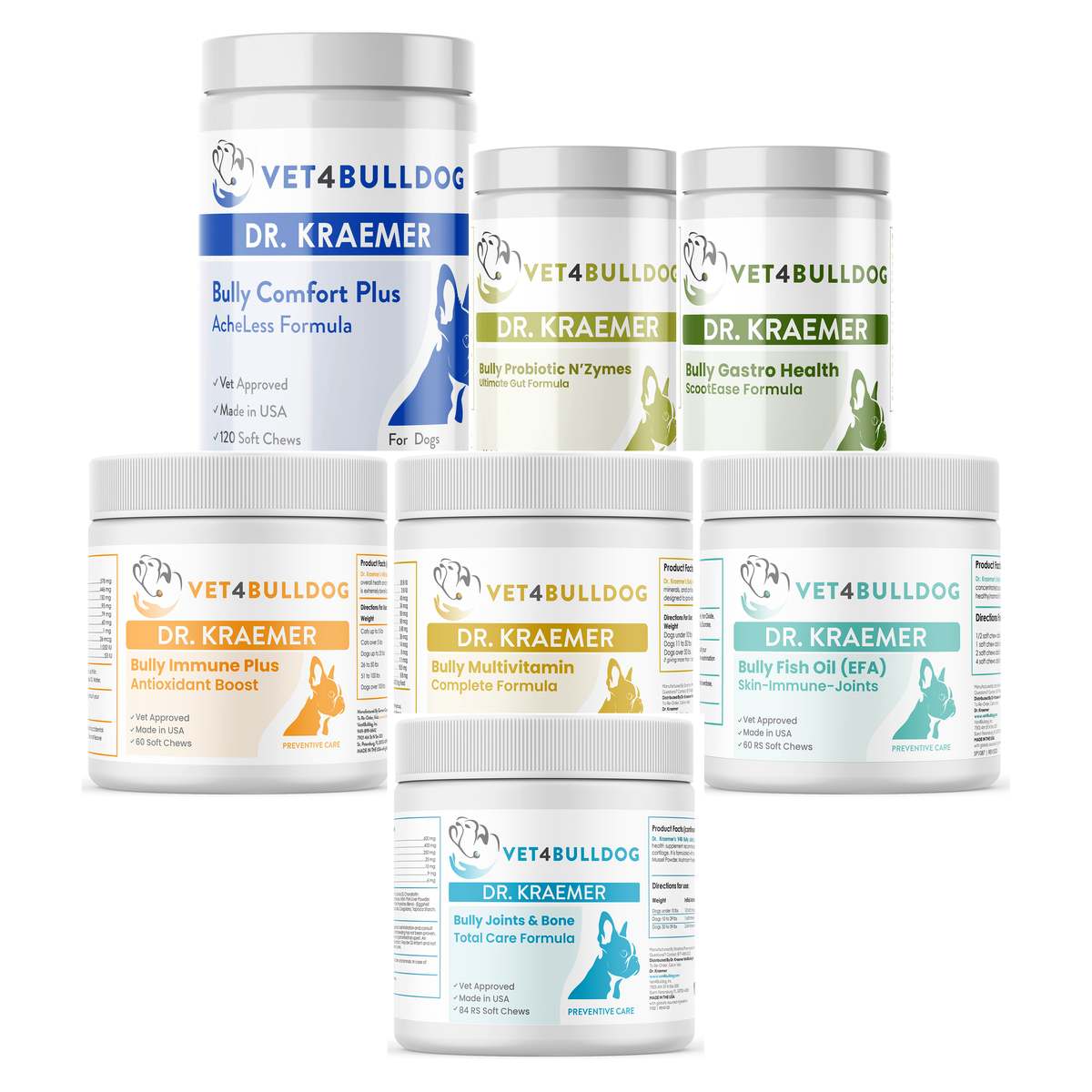
When supplements are medically indicated, I recommend administering them separately as standalone treatments.
3. dietary grain vs. protein warning
Grains should constitute less than one-third of your bulldog’s total diet; the remaining two-thirds should consist of meat, animal protein, fruits, and vegetables.
4. low-grade vs. high-grade pet food warning
Most commercial diets offer lower quality feed than human well-regulated (USDA)-grade pet diets.
5. pet food and immune-mediated disease warning
Lower-grade diets carry a higher risk of unwanted adverse effects such as allergies and immune-mediated diseases like IBD, primarily due to the increased likelihood of unwholesome elements and contaminants. 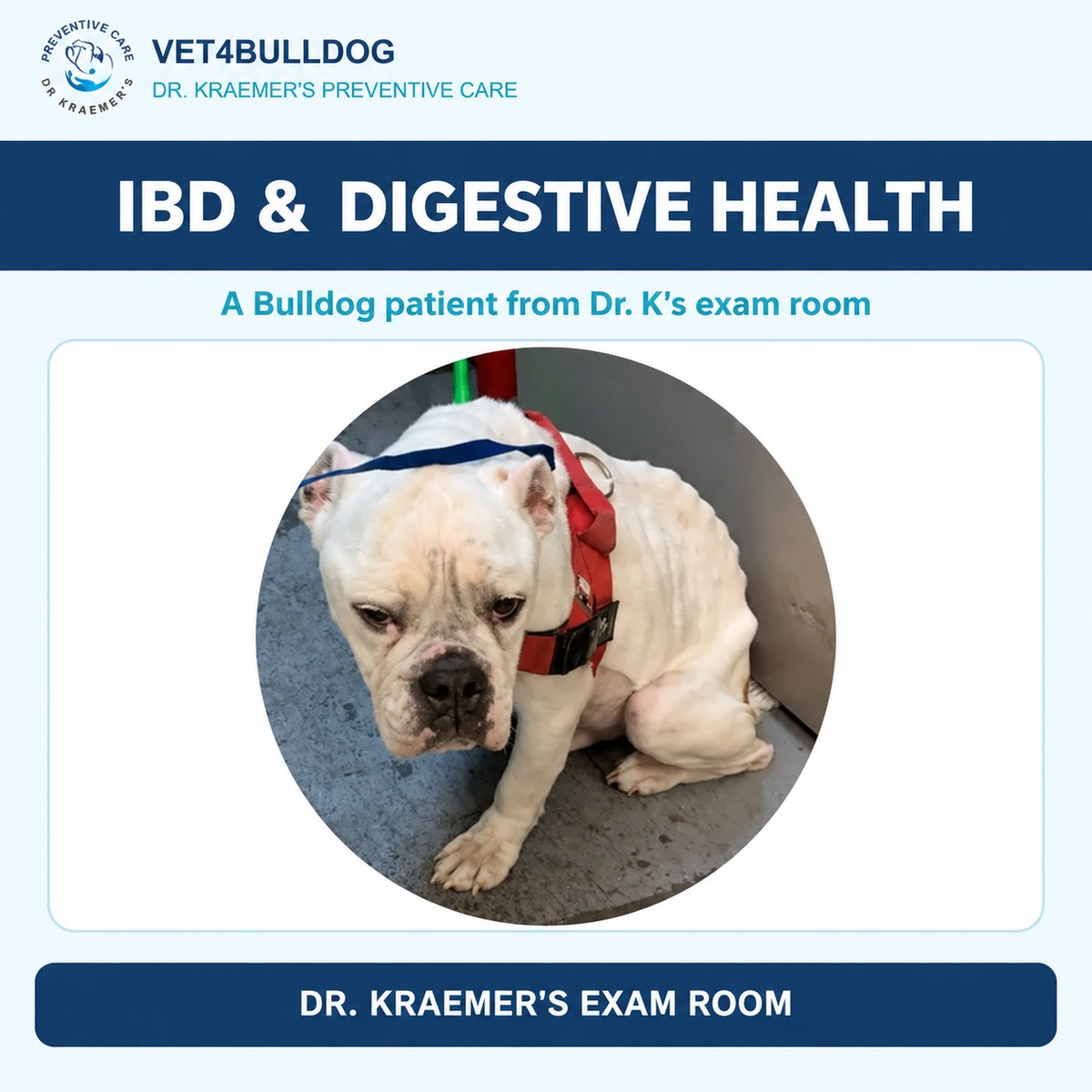
6. gluten-free pet diet warning
- rye oats barley wheat
and instead, opt for low-gluten grains like
- quinoa
- milo
- rice
- millet
7. Bulldog food contaminants warning
8. pet food color warning
9. protein source for Bulldog diets warning
I don’t recommend diets with a large portion of their protein derived from a grain source, because its bioavailability which is your bulldog’s ability to utilize that protein is marginal.
10. pet food obesity warning
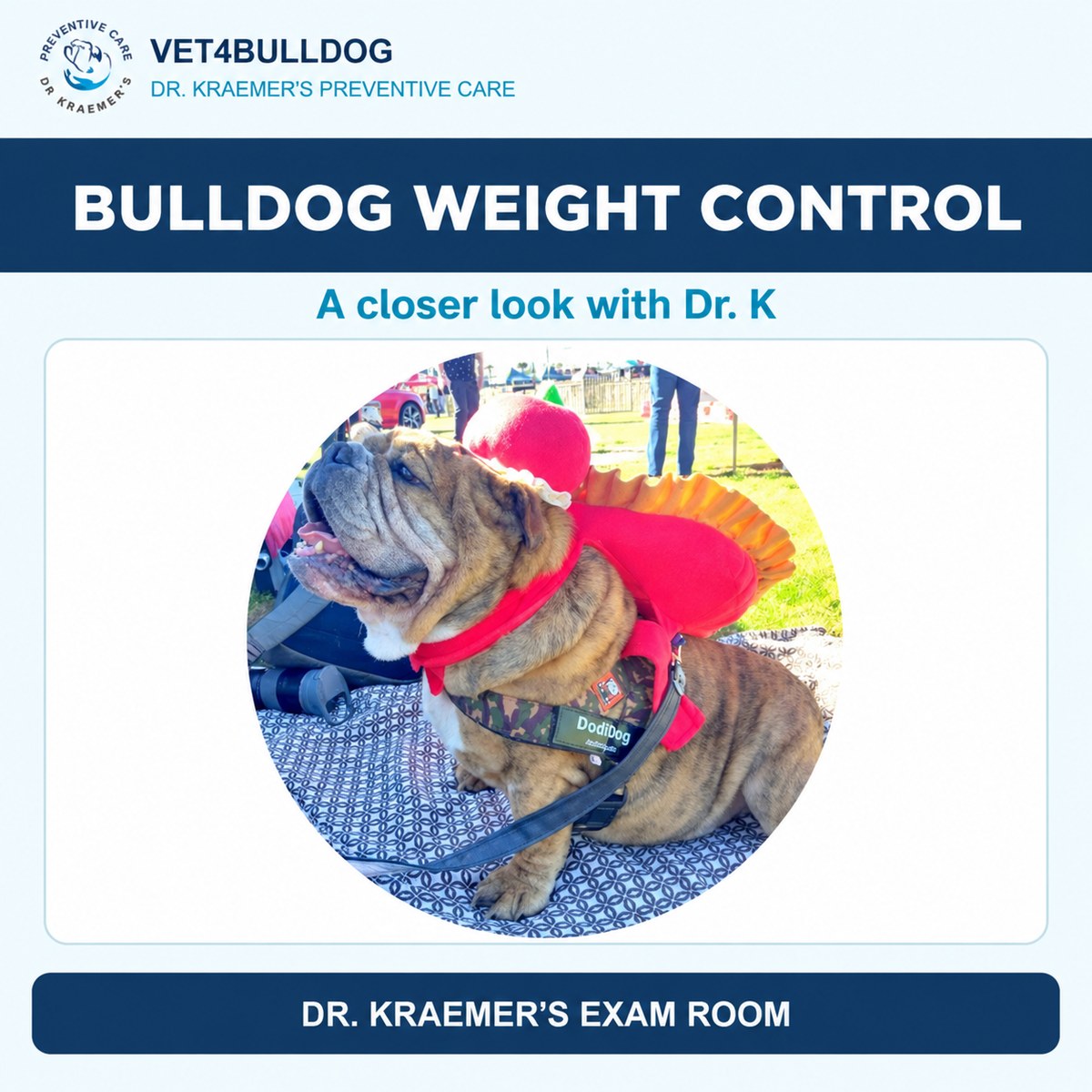
Too much grain will increase the chance of your bulldog becoming overweight.
Obesity is a major contributor to your bulldog and French Bulldog’s poor health and marginal quality of life.
11. quality vs. quantity Bulldog diets warning
Poor quality protein is a bigger problem than “too much protein,” even for bulldogs with kidney disease.
Your bulldog dietary emphasis should be on good, high quality, proteins.
The scare was never really about grain
This is the single most misunderstood subject in pet food, and the misunderstanding has cost owners a great deal of money and worry.
Here is what actually happened. The FDA began looking into reports of heart disease in dogs eating certain diets. The headline that reached owners was grain free food causes heart failure. That is not what the investigation found.
What the reports had in common was not the absence of grain. It was the presence of peas, lentils and other pulses high up the ingredient list. Cases appeared in foods that contained grain as well. The FDA has stated that it has not established a link, that it has no definitive information indicating these diets are unsafe, that it has not requested a single recall, and that it does not know the specific connection.
Read that again, because it matters. Not proven, not recalled, not understood. That is a very different sentence from the one circulating in owner groups.
It is a bit like hearing that people who got ill had all eaten at restaurants with red awnings, and concluding that red awnings are dangerous. The awning was not the point. Something else those restaurants had in common was.
Why I labor this: I have watched owners throw out a half full bag of perfectly good food, switch their dog overnight, give their dog a week of diarrhea, and land on a new food that contains just as many pulses as the old one. They took on the cost and the upset and changed nothing about the thing they were actually afraid of.
Grain-Free Pet Food DCM
If your bulldog suffers from a medical condition that requires a nonstandard or prescription diet, consult your veterinarian.
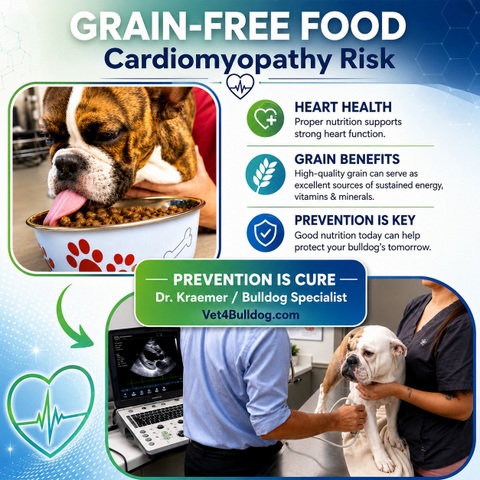
1. grain free diets & Bulldog heart disease (dcm)
2. pet dcm-associated grain-free food dcm presentation
3. Bulldog grain-free food dcm testing
Grain or no grain is the wrong question
If grain or no grain is the wrong question, what is the right one?
Turn the bag around and stop reading the front of it. The front is advertising. The claims that sell food to humans, grain free, ancestral, boutique, exotic protein, are written for you and not for your dog, and none of them tell you whether the food was ever fed to a dog before it was sold.
The questions I would actually ask about any food are dull and much more useful. Does the company employ a qualified veterinary nutritionist. Does it run feeding trials rather than only formulating on paper. Does it own its plants or at least name them. Will it tell you the calorie content and the nutrient levels if you ring and ask. A company that can answer those easily is telling you something real. A company that answers with adjectives is telling you something too.
Buying dog food on the front of the bag is like choosing a surgeon from the waiting room decor. It is the only thing you can see, and it is almost unrelated to the thing you care about.
And one more that outranks the bag entirely. A lean dog on a mid priced, properly tested food is in better shape than an overweight dog on the most expensive bag in the shop. If your budget has to go somewhere, put it into the amount rather than the brand.
Bulldog Grain-free Food Fact Checking Summary
“No grain,” “limited grain,” and “grain-free” diets are often considered the Holy Grail by many owners in the Bulldog community. It is not my intention to discourage you from using these diets, but rather to provide better information. The internet is filled with speculation, urban myths, and misinformation. Do your due diligence, seek credible sources, and make educated, fact-based decisions. 
Bulldog Grain Free Food Overcharge Warning
If your bulldog or French bulldog puppy enjoys the current grain-free diet you are feeding and performs as well or better on it compared to previous diets, then sticking with that no-grain diet might be beneficial. However, it’s important to recognize that some owners may be investing significant amounts based on false assumptions perpetuated by diet manufacturers, biased marketing campaigns, and profit-driven internet buzz.
Manufacture & standard ingredients
Choose a diet made by a well-established manufacturer. Feed a diet that contains standard ingredients.
Grain-free Food Dietary Change
If your bulldog diet is
- Boutique Bulldog Diet
- Exotic Ingredients Bulldog Diet
- Grain-Free Bulldog Diet
You may want to talk to your veterinarian about the FDA DCM announcement.
Plainly: nothing on this site makes a grain-free food safer, or a grain-inclusive food better. If the food is wrong for your dog then the food is the thing that has to change, and no capsule gets you out of that.
Where this range may have a reasonable place is the switch itself. A Bulldog gut takes change badly, and the couple of weeks after a food change is exactly when most owners lose their nerve and go back to the old bag. A probiotic may help steady things while the new food beds in over a good few weeks, which is less about the supplement and more about giving the new diet a fair trial.
If you have read the whole page and decided your dog genuinely does better without grain, that is a reasonable decision and it is yours to make. The grain-free selection is there for owners in that position.
To be clear: supplements are not a diet, not a treatment and not a substitute for veterinary examination, diagnosis or treatment. This page is educational only.
My Bulldog is on grain-free. Should I take him off it?
Not on the strength of a headline, and not overnight. If he is doing well, his coat is decent, his stool is formed and his weight is steady, the diet is working for him and sudden change buys you nothing but a mess to clean up. What is worth doing is reading the label properly. If peas, lentils, chickpeas or potato are sitting in the first few ingredients, that is the pattern the FDA reports kept bumping into, and it is worth raising with your own veterinarian at the next visit rather than acting alone tonight.
Did the FDA ban grain-free food, or recall it?
No, and this is the part that gets lost. The agency gathered reports, published the brand names that appeared most often, and said it had not established that grain-free diets cause heart disease. It requested no recalls. It has not closed the question either, which is the honest position. Treat it as an open investigation worth watching rather than a verdict, because that is what it is.
Is my Bulldog allergic to grain?
Probably not, and I say that having run a lot of food trials. True food allergy in this breed is far more often a protein, with chicken and beef well ahead of anything else, and grain sits a long way down that list. Grain became the villain because it is easy to print on a bag, not because it earned the position. If you are chasing an itchy dog, the protein is where the money is, and a proper elimination trial over a good few weeks is the only thing that actually answers it.
What should I actually look at on the label?
Three things, in this order. Who made it, because an established manufacturer runs feeding trials and has a veterinary nutritionist on staff and a boutique brand usually has neither. What the first five ingredients are, because that is most of the bag and everything after it is close to rounding error. And whether the food states that it meets a recognized nutritional standard for your dog’s life stage. Everything else on the front of the bag is marketing, including the photograph of the wolf.
How do I change food without a week of mess?
Slowly, and more slowly than the bag tells you. Think of it as introducing a new colleague rather than staging a takeover. A quarter new to three quarters old for several days, then half and half, then the reverse, and only then all new. If the stool turns loose, you have gone too fast, so drop back a step rather than abandoning the whole plan. A probiotic may help through the transition. Most food changes that get called a failure were simply rushed.
Is the expensive boutique food better than the big brand?
Honestly, often not, and sometimes the opposite. Price buys you packaging, a story and exotic ingredients, and none of those three has ever been shown to make a dog healthier. The big established brands are dull, and dull in nutrition is a compliment: it means decades of feeding trials and quality control. I have had plenty of owners spending a small fortune every month on the strength of a marketing campaign, and I would rather they spent it on dental care.
More Help from Dr. Kraemer
Food questions in this breed rarely stop at the bag, so these are the pages that usually matter next.
- The Best Food and Diet for Bulldogs and French Bulldogs
- Raw Diets for Bulldogs and French Bulldogs
- Food Allergy in Bulldogs and French Bulldogs
- Digestion and Dental Problems in Bulldogs and French Bulldogs
- Weight and Exercise in Bulldogs and French Bulldogs
References
- Questions and Answers: FDA’s Work on Potential Causes of Non-Hereditary DCM in Dogs, U.S. Food and Drug Administration
- FDA Investigation into Potential Link between Certain Diets and Canine Dilated Cardiomyopathy, U.S. Food and Drug Administration
- Nutritional Requirements of Small Animals, Merck Veterinary Manual
- Feeding Practices in Small Animals, Merck Veterinary Manual
Trusted by Vets ~ Recommended by Owners ~ Approved by Bulldogs