

Introduction To MCT (Mast Cell Tumor) in Bulldog and French Bulldog
Mast cells are crucial components of your bulldog’s immune system, playing significant roles in both allergic reactions and the defense against pathogens.
These cells are integral to the body’s initial defense mechanisms.
Mast Cell Tumors (MCT), Histamines & Antihistamines
Mast cells store histamine, which is released during the degranulation process of mast cells.
Histamine is primarily recognized for inducing:
- inflammation
- itching
- redness
- hives
- swelling
Where MCT Are Most Commonly Found in Bulldogs and French Bulldogs?
Mast cell tumors (MCTs) in dogs are a form of cancer that involves the uncontrolled proliferation of mast cells.
MCTs are frequently observed on the skin, representing the most prevalent form of skin tumor.
Other less common locations are :
- gastric
- bone marrow
- spleen
- liver
Bulldog Mast Cell Tumor (MCT) 5 X MUST KNOW
- MCT is mostly a skin tumor of older bulldogs
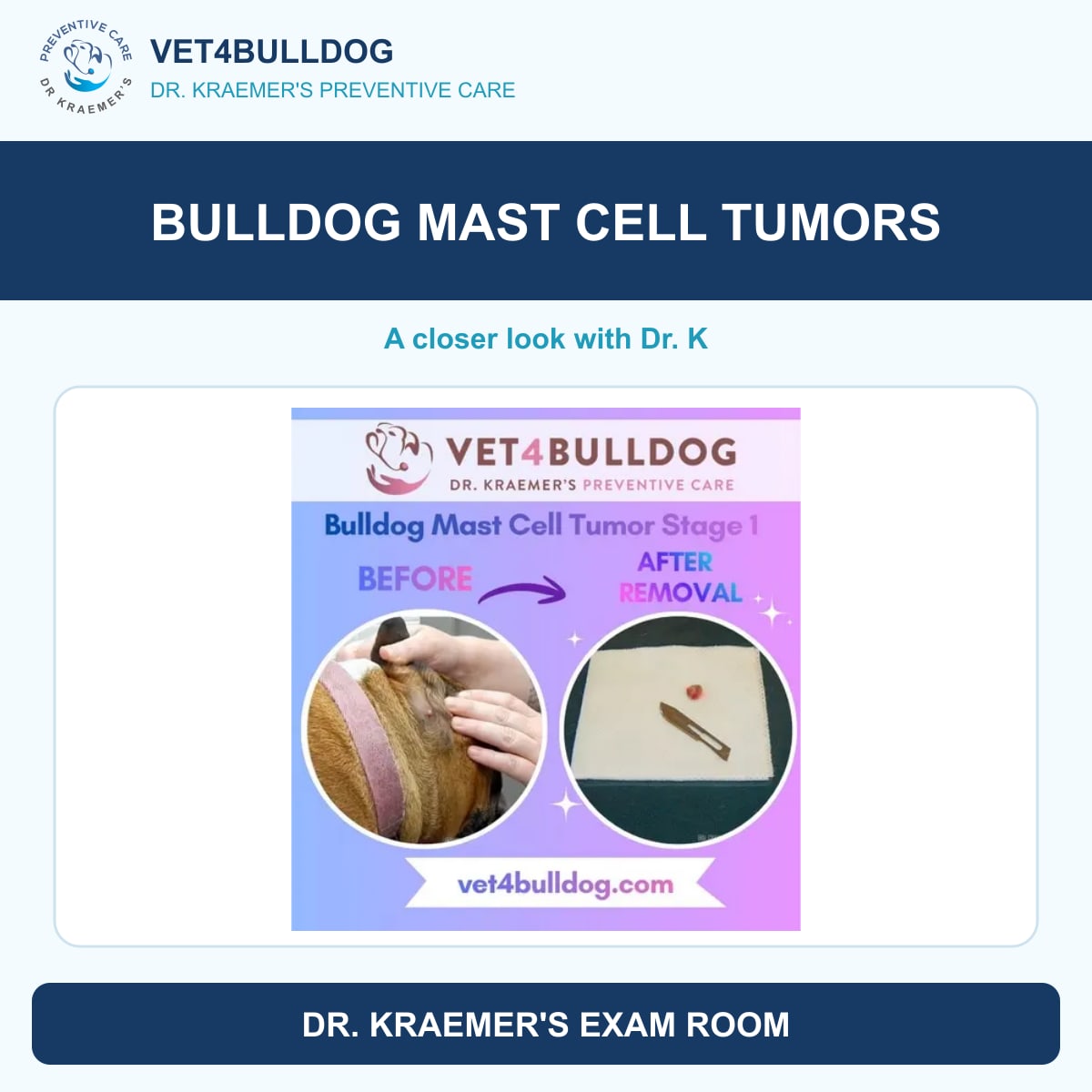
- In its benign early stage, it can present as a pea-sized, curable benign bump
- Late-stage MCT is very cancerous and carries a poor prognosis, early detection is critical
- Treatment includes excision, chemotherapy, and radiation
- Prevention includes Dr. Kraemer’s MCT Bundles
The Member of this Community Prefer Prevention Over RX

What Causes Mast Cell Tumors (MCT) in Bulldogs and French Bulldogs?
The origin is mostly unknown but they may have
- Viral origin
- Genetic
- Environmental
Bulldogs that develop mast cell tumors are typically older, although they can occur in dogs of all ages.
Mast Cell Tumors (MCT) in Bulldogs: APPEARANCE
The appearance of mast cell tumors in dogs can indeed be misleading, as they often manifest as small, innocuous, pea-sized bumps on the skin.
Alternatively, they can appear as larger, ulcerated growths. This variability in appearance can make them challenging to identify correctly.
Given this inconsistency, any raised skin mass, regardless of its size or appearance, should be subject to a professional evaluation.
This precaution is crucial because early detection and diagnosis can significantly impact the effectiveness of treatment and the overall prognosis for dogs with mast cell tumors.
BULLDOG MCT APPEARANCE:
- Pea-sized raised bump
- Growth
- Ulcerative mass
- Large irregular tumor (can be bleeding necrotic and infected)
BULLDOG GASTROINTESTINAL MCT SYMPTOMS:
- Loss appetite
- Vomiting
- Vomit with blood
- Abdominal pain
- Dark stool (digested blood from gastric ulcers)
Early detection it critical
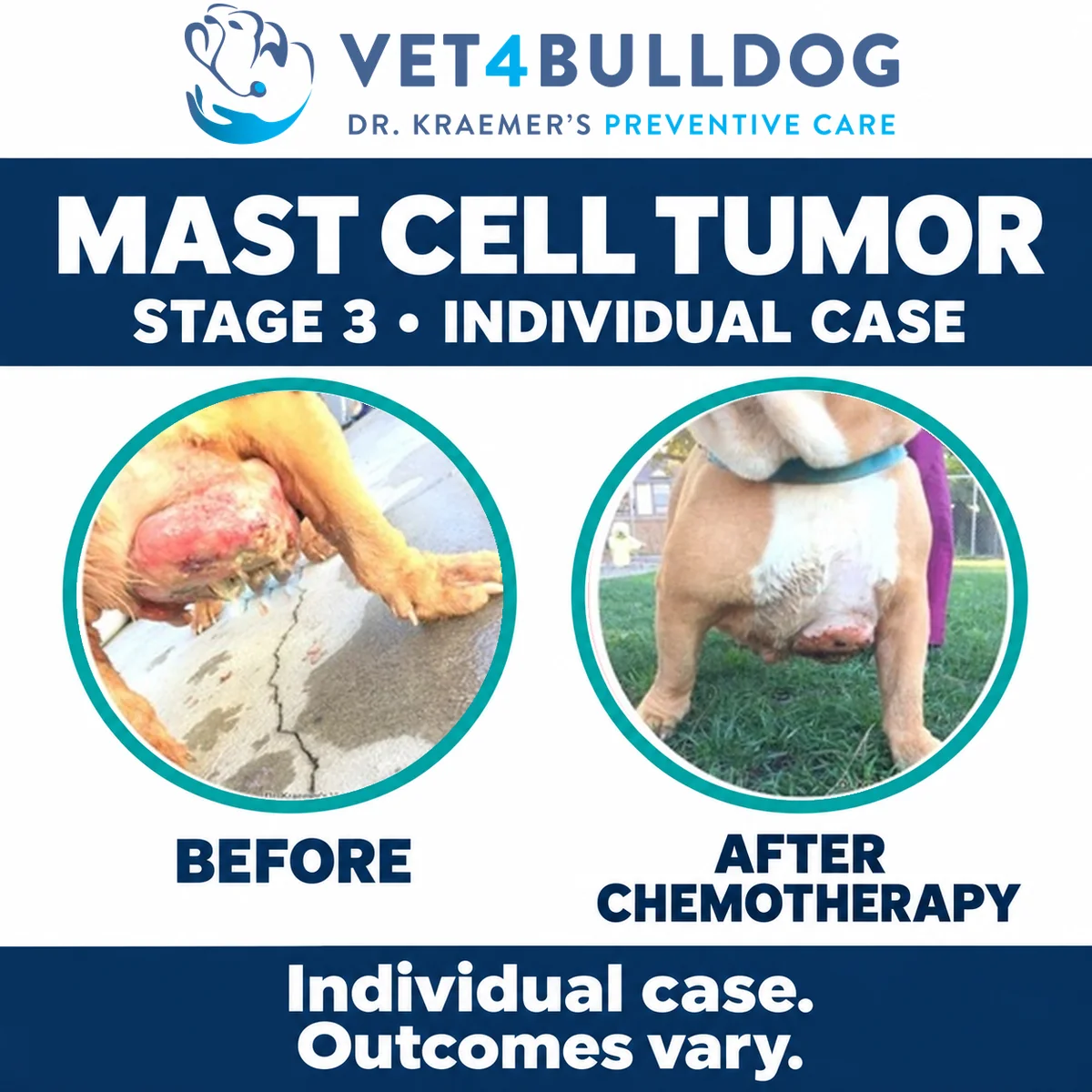
Bulldog and French Bulldog Mast Cell Tumor GRADING
The grading of bulldog mast cell tumors (MCT) based on biopsy (histopathology) findings is crucial for determining the prognosis and guiding the treatment plan. Here’s a more detailed look into the grading system:
MCT Grade I (Well-differentiated)
- Characteristics: These tumors are in an early phase of growth and are well-differentiated, meaning the mast cells still closely resemble their normal counterparts.
- Behavior: They tend to grow slowly and are less likely to spread (metastasize) to other body parts.
- Prognosis: The prognosis for dogs with Grade I mast cell tumors is generally good, as these tumors are typically benign

MCT Grade II (Moderately Differentiated)
- Characteristics: Grade II tumors are more advanced than Grade I. The cells are moderately differentiated, indicating they show more variation from normal mast cells and a higher degree of abnormality.
- Behavior: These tumors have somewhat unpredictable behavior. They may grow more aggressively and have a higher risk of local recurrence or metastasis compared to Grade I tumors.
- Prognosis: The prognosis for Grade II tumors can vary widely.
MCT Grade III (Poorly Differentiated)
- Characteristics: These are the most aggressive forms of mast cell tumors. The mast cells are poorly differentiated, meaning they bear little resemblance to normal mast cells and exhibit highly abnormal behavior.
- Behavior: Grade III tumors grow rapidly and are highly likely to spread to other parts of the body, including the lymph nodes, liver, spleen, and bone marrow.
- Prognosis: The prognosis for dogs with Grade III mast cell tumors is generally poor, due to the high likelihood of metastasis and the aggressive nature of the tumor.
The grading of mast cell tumors is a key factor in determining the most appropriate treatment approach and in predicting the overall outcome for the dog.
Early detection and treatment are critical for the best possible prognosis
Mast Cell Tumors (MCT) in Bulldogs: DIAGNOSIS
- Cytology: A needle aspirate for cytology: microscopic exam
- Biopsy: for histopathology
- Blood and Urine: General blood panels and urinalysis
- Imaging: looking for a large spleen and liver
- radiographs
- ultrasound

From Dr. Kraemer’s exam room
The grade tells you more than the size ever will
Owners come in holding a measurement. How many millimeters, has it grown, is it bigger than last month. I understand the instinct completely, because size is the one thing you can see from your side of the table. It is also the least useful number in this whole business. What the laboratory is grading is behavior, not bulk.
It is looking at how organized those cells are, and organization is what predicts whether this is a lump that ends with one good operation or a lump that needs a wider plan. A well behaved grade on a mass the size of a grape is a better morning than a badly behaved grade on something you could barely feel.
So when your veterinarian says they want to wait for the grade before planning the surgery, that is not delay and it is not indecision. That is them refusing to guess at the one piece of information that decides what the right operation is. In my own practice that wait was the most valuable few days in the entire case, and the owners who understood why were the ones who found it easiest to sit through.
How To Prevent Bulldog Mast Cell Tumor (MCT) ?
While the exact cause of mast cell tumors in bulldogs is not fully understood, there are steps bulldog owners can take to reduce the risk or manage the condition effectively.
Here are some preventive measures and lifestyle factors that may help:
#1 MCT Regular Screening
- Skin Checks: Routinely inspect your bulldog’s skin for any lumps, bumps, or abnormal growths.
#2 Lifestyle Effects on MCT
- Balanced Diet: Provide your bulldog with a balanced and nutritious diet tailored to their specific needs. A diet rich in antioxidants, vitamins, and minerals may help support overall health and potentially boost the immune system.
- Stress Management: Minimize stressors in your bulldog’s environment as much as possible. Stress can weaken the immune system, making the dog more susceptible to various health issues.
- V4B Bulldog StressLess Chew
- V4B Bully HEMP Relax & Calm
- Exercise: Regular exercise helps maintain a healthy weight, promotes circulation, and supports overall well-being. Consult with your veterinarian to establish an appropriate exercise routine for your bulldog.
Bulldog Cancer and Immune Support
- Immune Boosters: immune-boosting supplements or medications that may help support your bulldog’s immune system.
- GI Health: help support gut microbiome
- Antioxidants: Some antioxidants, such as vitamin E and vitamin C, have been suggested to support immune function and overall health. These can be included in your bulldog’s diet through appropriate food choices or supplements.
How To Treat Mast Cell Tumor in Bulldogs
The treatment for mast cell tumors (MCT) is multifaceted and depends on several factors, including
- your bulldog age
- overall health
- cost of treatment
- location of the tumor
- tumor grade
Here’s an overview of the main treatment approaches:
#1 MCT SURGICAL EXCISION
- Primary Treatment: For respectable tumors, surgical removal is typically the recommended course of action. Achieving wide and deep margins around the tumor is essential because the tumor cells often extend further into the surrounding tissue than is visible to the naked eye.
- Histopathology: After removal, the tumor should always be sent for histopathological examination. This analysis confirms whether the surgical margins are clear of tumor cells, indicating that the tumor was completely excised.
#2 MCT CHEMOTHERAPY
- Indications: Chemotherapy is considered for dogs with mast cell tumors that have metastasized (spread to other parts of the body) or for tumors with a high potential for metastasis, such as Grade III MCTs.
- Referral to Specialists: Veterinarians often refer patients to veterinary oncologists for chemotherapy treatment.
- Common Drugs: Various chemotherapy drugs are used to treat mast cell tumors in dogs. Common options include:
- prednisone
- palladia
- vinblastine
- lomustine (CCNU)
- cyclophosphamide.
The choice of drugs depends on the individual case, including the dog’s health status and the characteristics of the tumor.
#3 BULLDOG MCT RADIATION THERAPY
- Post-Surgical Treatment: Radiation therapy may be recommended following surgery, particularly if the pathology report indicates that tumor cells were found at the margins of the excised specimen. This suggests that the removal of the tumor might have been incomplete.
- Effectiveness: Radiation can be very effective in treating tumors that were not completely removed surgically, helping to destroy any remaining cancer cells and reduce the risk of recurrence.
#4 BULLY THERAPEUTIC SUPPLEMENTS FOR CANCER:
Supplementation can complement traditional treatment approaches for mast cell tumors in bulldogs. Here’s a closer look at some supplements that may be beneficial:
A. Immune Support For Cancer
- Beta-Glucans: These compounds may help stimulate the immune system, potentially aiding the body’s ability to fight off cancerous cells.
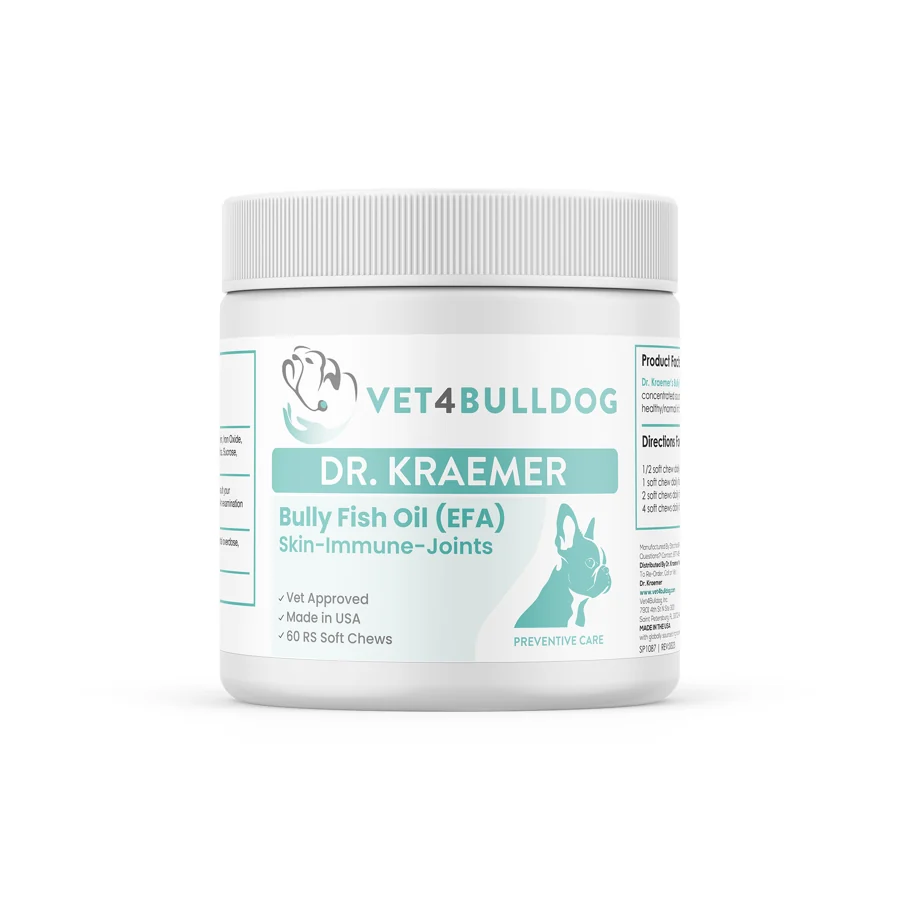
- Omega-3 Fatty Acids: Found in fish oil, omega-3 fatty acids have anti-inflammatory properties and may support overall immune function.
- Mushroom Extracts (e.g., Rishi, Turkey Tail): Certain mushrooms have immune-modulating effects and are believed to support the immune system’s ability to recognize and attack cancer cells.
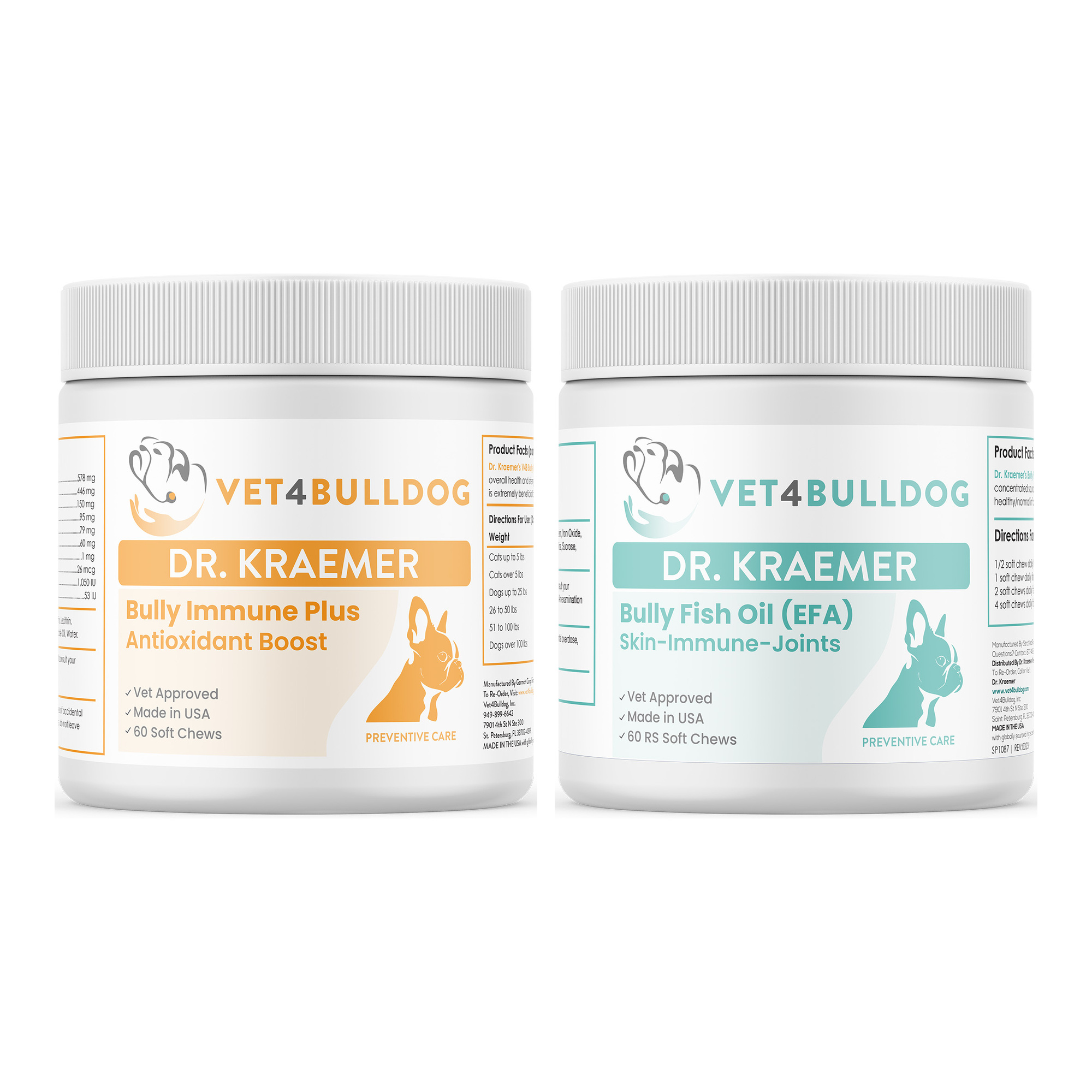
- Bully Fish Oil EFA
- Bully Immune Support
#2 Antioxidants For Bulldog Cancer
- Vitamin E: Acts as a potent antioxidant, helping to neutralize free radicals that can damage cells and contribute to cancer development.
- Vitamin C: Another powerful antioxidant that supports immune function and overall health.
- Selenium: Works with other antioxidants to protect cells from damage and support immune health.
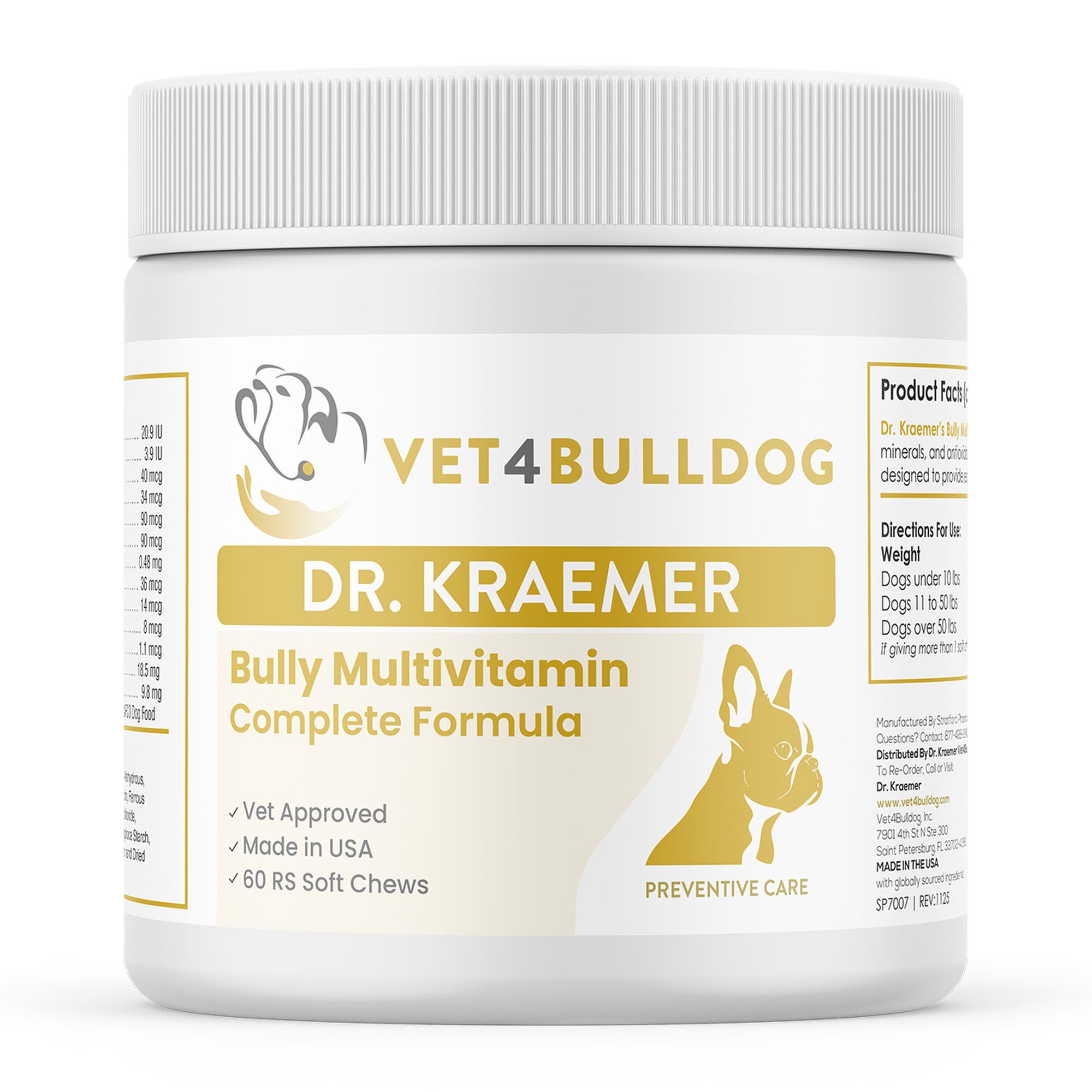
- Bully Multivitamin Formula
- Bully Immune & Antioxidants
#3 Vitamins & Minerals for Bulldog Cancer
- B-complex vitamins: are essential for cellular metabolism and overall health.
- Zinc: supports immune function and wound healing.
- Magnesium: is important for muscle and nerve function and overall health.
- Bully multivitamin Formula
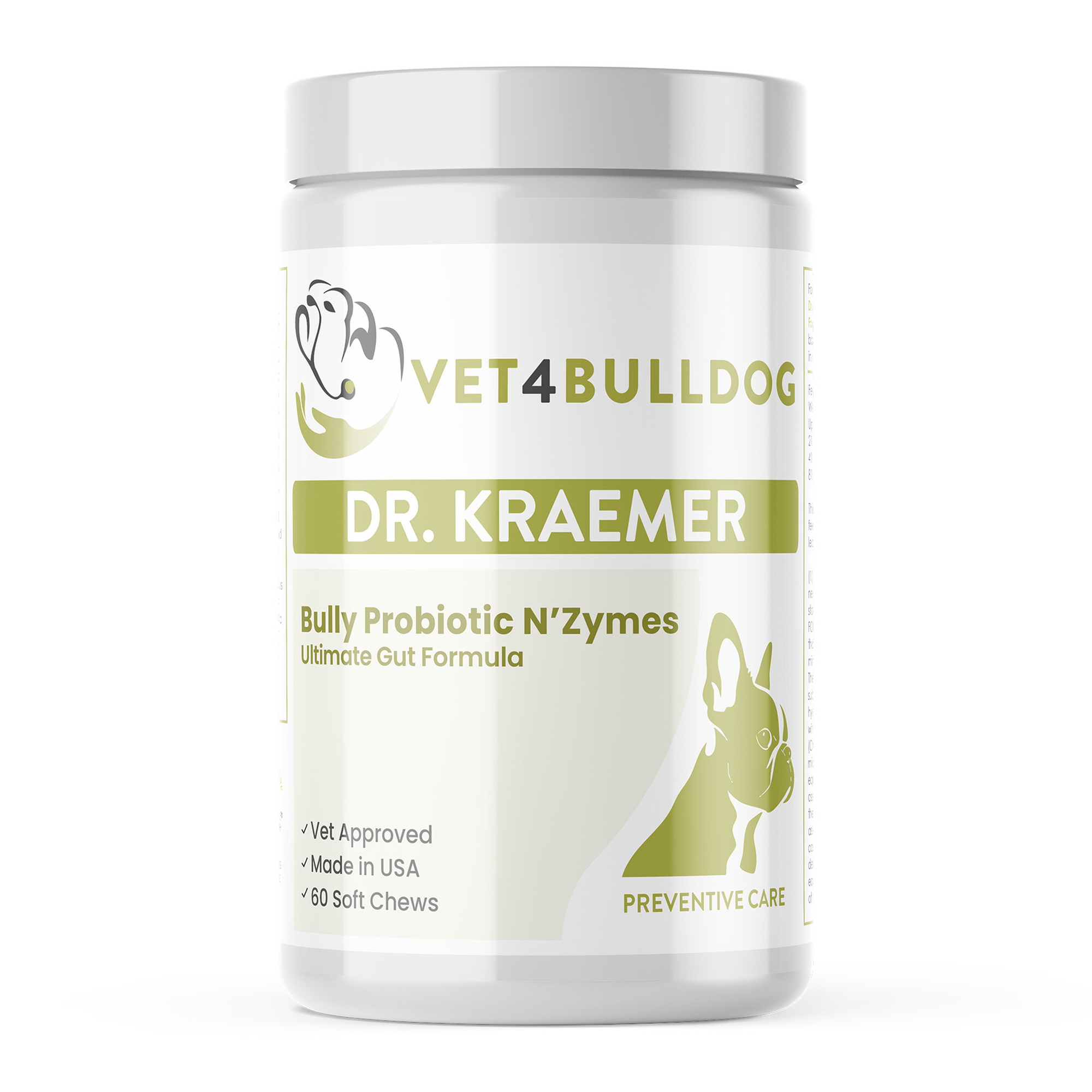
#4 Probiotics for Gut Health For Cancer
- Probiotic Supplements: Help maintain a healthy balance of gut bacteria, which is crucial for immune function and overall health. A healthy gut microbiome may also support the immune system’s ability to fight cancer.
- Bully Pre-Probiotics and Digestive enzymes
- Bully Probiotics Extra Strength LOAD UP
Calming Anti-Anxiety Supplements
- L-Theanine: Found in green L-Theanine has calming effects and may help reduce anxiety and stress in dogs.
- Chamomile: A natural herb with calming properties, often used to alleviate anxiety and promote relaxation in dogs.
- Bully StressLess
- Bully Hemp Calm & Relax
PRESCRIPTION RX FOR BULLDOG CANCER
- Anti gastric ulcer rx
- Pepcid C
- Prilosec
- Antihistamine
- Analgesics and itch control
MCT Mast Cell Tumor in Bulldogs TIPS & WARNINGS:
Below are a few selected MCT types and warnings, courtesy of Dr. Kraemer
#1 MCT SIZE CHANGE TIP:
MCT can fluctuate in size from one day to the next due to degranulation and associated allergic reactions When mast cells degranulate, they release these substances into the surrounding tissue, leading to localized inflammation and swelling. This inflammatory response can cause the tumor to appear larger and more prominent.
Conversely, factors such as the resolution of the allergic reaction or changes in the dog’s immune response may lead to a reduction in inflammation and swelling, resulting in the tumor appearing smaller or less pronounced. These fluctuations in size can sometimes be observed over a short period, with the tumor appearing to change in size from day to day or even within hours.
#1 BULLDOG MST SMALL-SIZE WARNING:
Early-stage Class 1 mast cell tumors (MCTs) are often overlooked or dismissed because of their small size and harmless appearance. These tumors might resemble simple skin bumps or minor lesions, leading to a delay in seeking veterinary care.
It’s crucial to understand that early detection and treatment of MCTs significantly enhance the likelihood of a favorable outcome.
#3 BULLDOG GASTROINTESTINAL MST WARNING:
While skin mast cell tumors (MCTs) are much more common in bulldogs, mast cell tumors can also occur in the gastrointestinal tract, including the stomach. Gastric mast cell tumors are less common but can present significant diagnostic and therapeutic challenges. These tumors can mimic the symptoms of gastric peptic ulcers due to the biological activity of the substances released by the mast cells, most notably histamine.
Histamine can increase gastric acid secretion, leading to ulceration of the gastric lining. This can result in clinical signs that are similar to those seen with peptic ulcers
The things that treat a mast cell tumor are a properly planned operation and, where it is needed, the medications or radiation your veterinarian or an oncologist will talk you through. No chew, no powder and no mushroom extract belongs on that list, and I would rather say so plainly than sell you a story.
What my range is for is the dog around the diagnosis. An older Bulldog carrying this is still an older Bulldog, with all the ordinary business of joints, gut, coat and nerves that goes with it, and a dog going through treatment has an appetite and a digestion worth looking after. Fish oil, a sensible multivitamin, a probiotic, something for the anxiety of repeated visits. These may help him feel more like himself while the real work happens elsewhere. They complement what your veterinarian has prescribed and they replace no part of it.
If that is what you are looking for, the cancer and tumor support range is the honest place to start. Take the bottles to your next appointment and let the person treating your dog see exactly what is going in.
To be clear: nothing here prevents, diagnoses or treats a mast cell tumor or any other cancer. Diagnosis and treatment are decisions for your veterinarian. This page is educational only and is not a substitute for veterinary examination, diagnosis or treatment.
He has a lump. Does every single lump need testing?
Every new lump needs someone qualified to put eyes and hands on it, and most of them will need a needle. Bulldogs collect lumps as they age and the great majority turn out to be nothing much. The trouble is that the harmless ones and the ones that matter are not reliably different to look at or to feel, which is exactly why guessing is the one approach I would rule out. A needle test is quick and inexpensive, and it turns a worry into a fact.
Why not just take it off and send it to the laboratory afterwards?
Because a mast cell tumor is not removed the way an ordinary lump is removed. It wants a deliberate margin of healthy tissue around it and underneath it, which is a different operation, planned differently. If it comes out as a simple lump removal and the laboratory then reports a mast cell tumor, you are looking at a second operation to widen a margin that should have been taken the first time. Second operations in the same spot are always harder. Test first, then plan the surgery around the answer.
The grade came back and I do not really understand it.
Ask your veterinarian to go through the report with you, line by line, and do not feel awkward about asking twice. In plain terms the grade is a description of how organized the cells are, and that is a statement about likely behavior rather than about size. It is the single piece of information that shapes what happens next, including whether anything beyond surgery is worth discussing. It is worth the appointment time to understand it properly.
Does diet or a supplement change the outcome?
Not in the way the internet will tell you it does, and I say that as someone who sells supplements. Nothing on a shelf treats this. What a good diet and sensible support may do is keep a dog in better general condition while he goes through treatment, which is worth having but is a different claim altogether. Please do not let a supplement conversation take the place of the conversation about the surgical margin, and please show every bottle to the vet treating him.
It was removed and the margins came back clean. Is that the end of it?
It is the best news available at that stage and it is worth being pleased about. It is not a reason to stop looking. A dog who has grown one of these is a dog who may grow another somewhere unrelated, so the habit of running your hands over him properly, and having anything new checked, is the thing to carry forward. Your veterinarian will tell you what sort of follow up fits this particular case.
He has more than one lump. Does that make it worse?
Not automatically, and this is a place where owners frighten themselves unnecessarily. Several lumps on an older Bulldog is a common finding and they are frequently several different, unremarkable things rather than one problem in several places. What it does mean is that each one has to be assessed on its own rather than lumped together by assumption. Your veterinarian may want to map them so that any change is obvious at the next visit.
More Help from Dr. Kraemer
A mast cell tumor sits inside the wider picture of lumps, growths and cancer in this breed, and these cover the rest of it.
- Tumors, growths and cancer in Bulldogs and French Bulldogs
- Mammary gland tumors in Bulldogs and French Bulldogs
- Lymphoma in Bulldogs and French Bulldogs
- Autoimmune disease in Bulldogs and French Bulldogs
- Prevention and wellness guide for the senior Bulldog
- Supplements, prevention and care for Bulldogs and French Bulldogs
If you have a question about your own dog, the Exam Room Q and A is where owners send them.
What I tell owners about supplements on this page
I have built a business on the belief that prevention beats prescription and that a well chosen supplement earns its place. So you can take what follows as straight rather than modest: nothing on my shelf, or on anybody else’s, treats a mast cell tumor. The things that treat it are surgery, and where it is needed, the medications and radiation your veterinarian or an oncologist will discuss with you. That is the sentence I would want said to me.
Where a supplement has a legitimate role is around the edges of that plan, and only alongside it. A dog going through treatment is a dog whose appetite, gut and general condition are worth supporting, and an older Bulldog carrying this diagnosis has all the ordinary business of being an older Bulldog on top of it. Fish oil, a sensible multivitamin, a probiotic, something for the anxiety that goes with repeated visits. These may help a dog feel more like himself while the real work is being done elsewhere.
They complement what your veterinarian has prescribed. They do not replace any part of it, and they treat nothing. One specific point, because owners read widely and arrive confused. If you have also read my page on autoimmune disease, you will have seen me argue hard against anything marketed to stimulate immunity. That is not a contradiction, it is a different disease: there the immune system is already overworking against the dog’s own tissue and the drugs are deliberately quietening it.
Here it is not. But the honest version is that the evidence for pushing immunity in cancer is thinner than the marketing suggests, which is why I would rather you spend the conversation on the surgical margin than on the supplement aisle. And the rule that covers all of it: bring the actual bottles to the appointment, every time, and let the person treating your dog see exactly what is going in. Not a list from memory. The bottles.
Dear Dr. Kraemer, I am writing about my nine year old English Bulldog Buster, who has developed a small skin mass on his right hind leg. I first noticed it a few days ago and it does not seem to be bothering him at all, but it came up so suddenly that I am worried. I have read that mast cell tumors can look like this. Should it be removed, or tested? Thank you, proud parent of Buster.
Tested, and then removed if the testing says so. In that order. You have asked the two questions in the wrong sequence, which is the most common and most understandable mistake owners make with a lump, so let me take them apart.
Here is the part that matters most, and it is the part that surprises people. The fact that it is small, soft and not bothering him tells us almost nothing. I have taken off lumps the size of a pea that turned out to need a wide margin and a conversation with an oncologist, and I have taken off unpleasant looking masses that were nothing of the sort. There is no reliable way to tell from the outside. The needle is what tells you, and it is a quick, inexpensive procedure your veterinarian can often do with Buster awake on the table.
Why the sequence matters: what the needle finds changes the surgery. A mast cell tumor is not removed the way an ordinary lump is removed. It needs a deliberate margin of healthy tissue around and beneath it, and that is a different operation, planned differently, sometimes in a different place on the surgery list. A lump that gets popped out quickly and only then sent to the laboratory is the situation nobody wants, because the second operation to widen a margin is always harder than the first operation done properly.
On the suddenness you have noticed: do not read too much into how fast it appeared, in either direction. What is worth paying attention to is change, and you are already doing the right thing by having noticed it at all. Put it in front of your veterinarian soon rather than waiting to see what it does, while it is still small enough that every option is open. That is the whole of my advice on this one.
References
- Mast Cell Tumors, American College of Veterinary Surgeons
- Overview of Tumors of the Skin and Soft Tissues in Animals, Merck Veterinary Manual
- Tumors of the Skin in Dogs, Merck Veterinary Manual
- Drugs for Cancers and Tumors, Merck Veterinary Manual
To be clear: supplements or topicals are not substitutes for prescribed treatment. If your dog is unwell, is being treated for a condition, or is already on medication, review any supplement or topical with your veterinarian so it fits the plan you are already following. This page is educational and is not a diagnosis or a treatment plan for your own dog.
Trusted by Vets ~ Recommended by Owners ~ Approved by Bulldogs