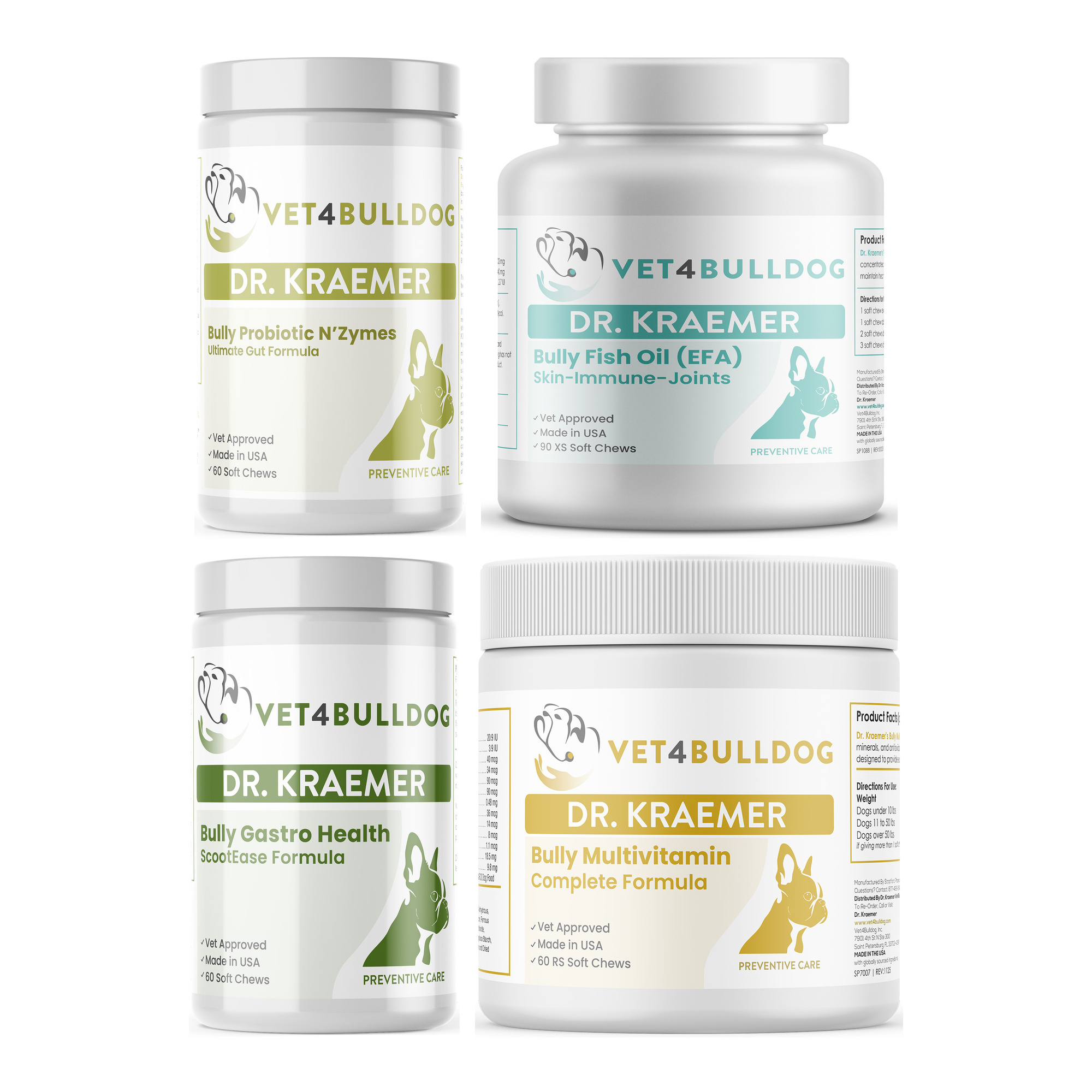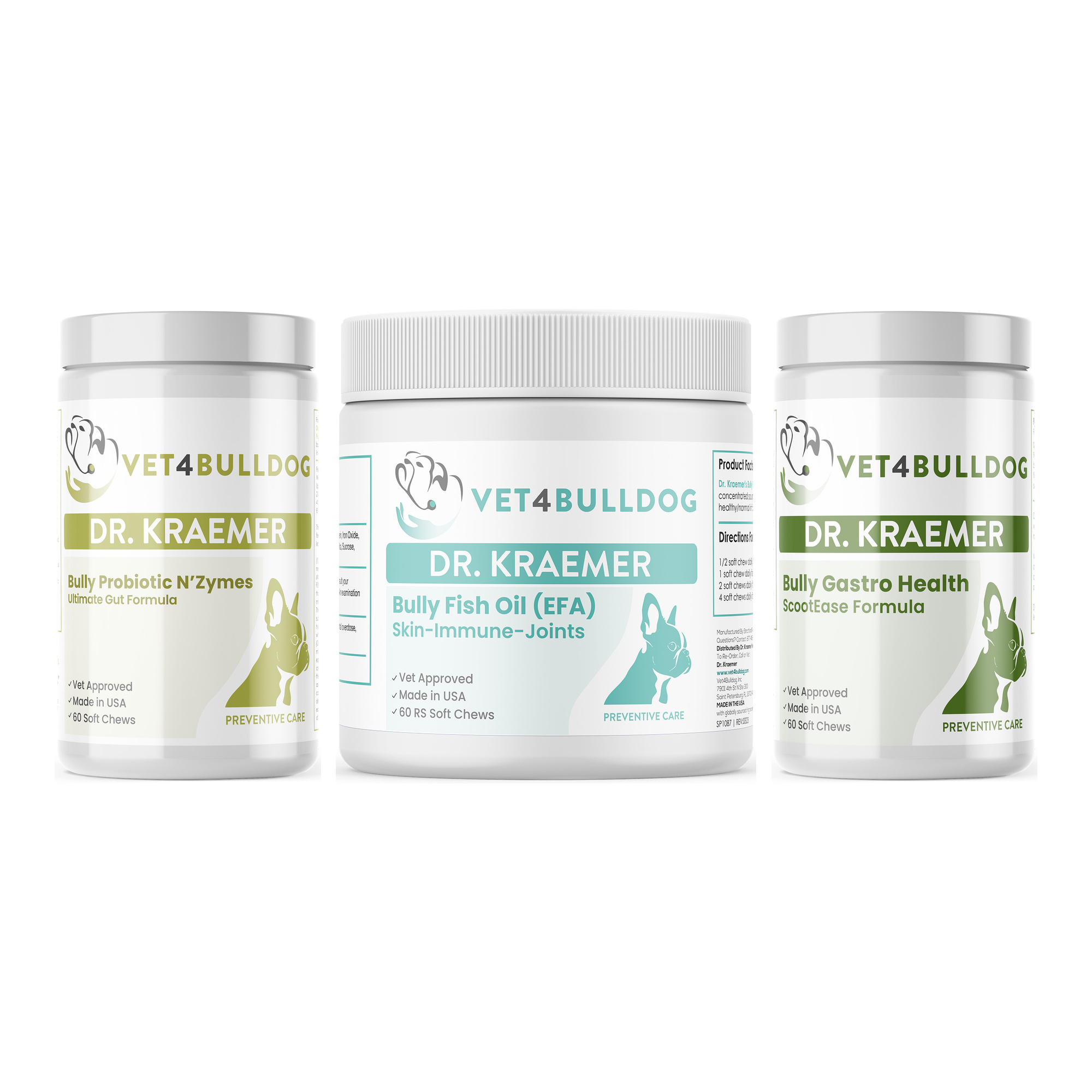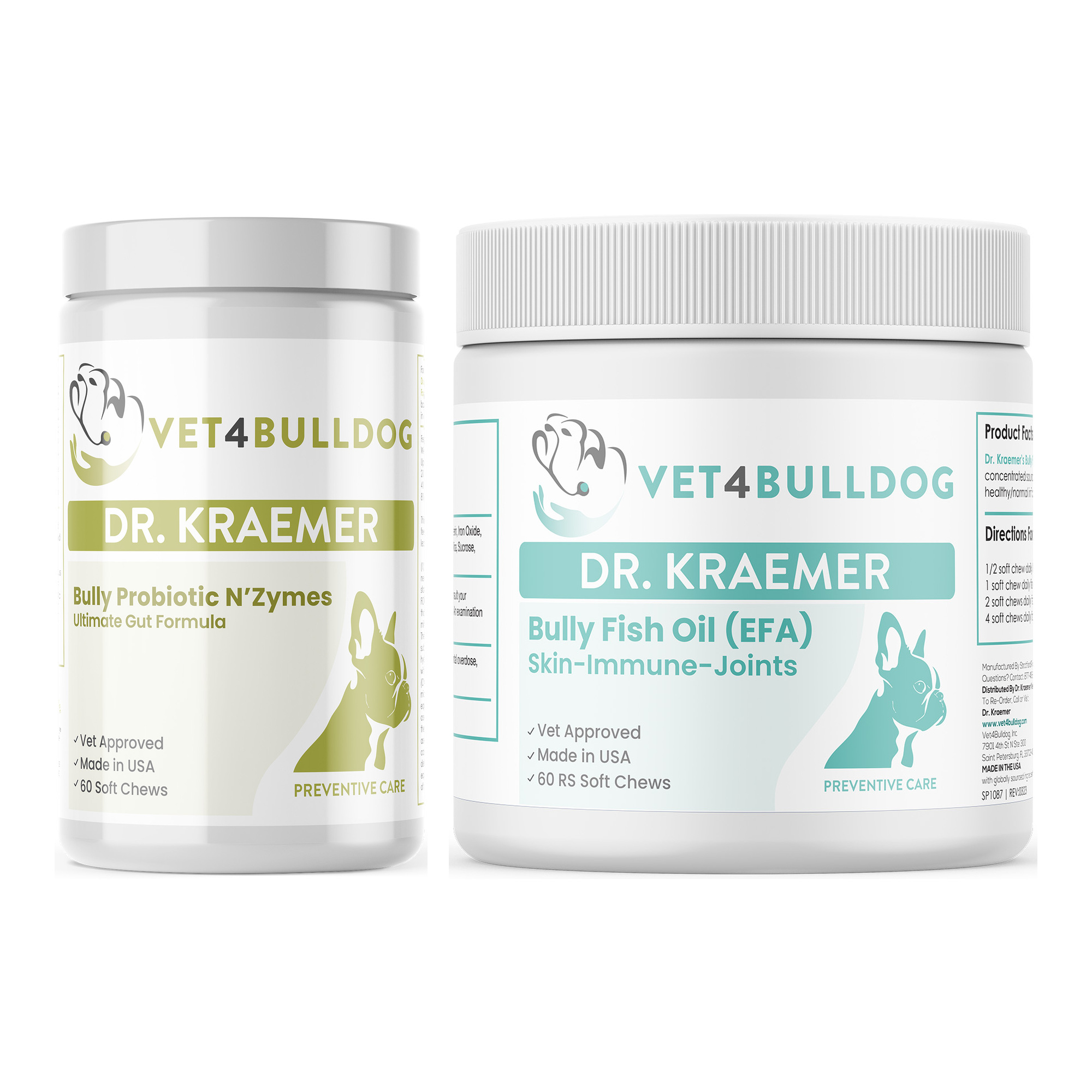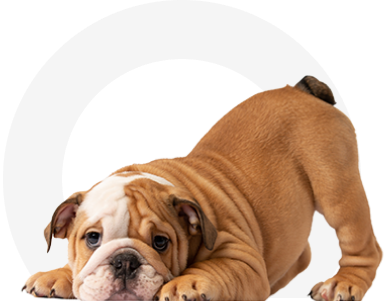

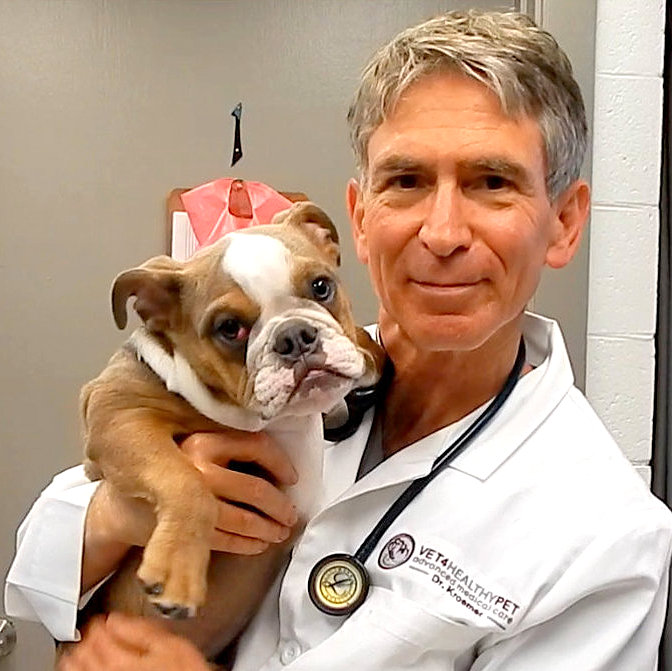


Bulldogs have difficult guts. Vomiting that comes and goes, loose stools that firm up and then do not, wind that clears a room, and a dog who reacts to a change of food the way other dogs react to a thunderstorm. “GI disease” is the umbrella a vet reaches for while working out which of a dozen quite different problems is actually in front of them. This page is the version of that conversation I would have in the exam room: how to tell an upset from a pattern, which conditions sit behind a bad Bulldog gut, what a vet is trying to rule in or out, and where food, bacteria and supplements genuinely fit. Plain language, no miracle claims.
What counts as GI disease The conditions behind it How a vet works it out The gut bacteria Enzymes Rule of thumb Owners ask
He may well be a sensitive dog. But I would stop and look at what has actually been tested here, because the answer is nothing.
Five foods in six months is roughly a food a month. A gut that has just been handed a new protein, a new fat level and a new fiber source needs time to settle before anyone can say whether the food suits it, and that settling period is longer than most owners are told. So what usually happens is exactly what you describe: a week of improvement, which is often just the gut reacting to change, then a return to baseline, then another bag. The dog never gets long enough on anything for a verdict.
A proper diet trial is one food, nothing else going into the dog, and long enough to mean something. Nothing else means no treats, no chews, no table scraps, no flavored medication if it can be avoided. One biscuit from a visitor resets it. That is unglamorous and it is where most trials fail, not in the choice of bag.
Before you start another one though, I would want the simple things ruled out, because a dog with a never quite right stool deserves a fecal test for parasites rather than another diet. Giardia in particular is easy to miss, common, and no food will clear it.
On what else may help: prebiotics, probiotics and digestive enzymes with a botanical fiber are what I use to steady a gut over the longer term, and they are worth starting, though they are support rather than a diagnosis. Discuss them with your veterinarian so they fit whatever plan he is on. What I would not do is buy a sixth bag this month.
What Counts as GI Disease in a Bulldog?
Almost every Bulldog has an off day. What turns an off day into GI disease is a pattern, and there are only two questions worth asking before you do anything else.
Is this a one off or is this his normal? A single bout that resolves and does not come back is an upset. The same thing every few weeks, or a dog whose stools have never really been right, is a pattern, and a pattern has a cause that is worth identifying rather than repeatedly settling. The practical version: keep a note on your phone. Dates, what came out, what he had eaten, whether anything unusual happened that week. Owners who arrive with four dated entries get a far better appointment than owners who arrive with “he has a sensitive stomach”, because the first one is evidence and the second one is a feeling.
Is it coming from the top end or the bottom end? This sounds crude and it is the most useful distinction on the page, because it points at completely different parts of the body. Vomiting, regurgitation, lip smacking, gulping and a dog who eats grass is the upper end: stomach, esophagus, and in this breed very often the airway dragging the gut along with it. Loose stools, straining, mucus, urgency and accidents is the lower end: intestine and colon. Plenty of Bulldogs have both, and saying so is useful information rather than a complication.
Two notes and a diary beat a sensitive stomach every time.
Where Is It Coming From? The Conditions Behind a Bad Bulldog Gut
GI disease is a description, not a diagnosis. These are the things that hide behind it in this breed, each with its own page here, so you can read the one that sounds like your dog rather than wading through all of them.
The lower end, stools and the colon
- Colitis and large bowel disease, the commonest reason for small, frequent, straining stools with mucus in them.
- Inflammatory bowel disease, where the lining itself is inflamed and the problem keeps returning.
- Giardia, which I have seen turn up at the end of more long, expensive, frustrating workups than anything else on this list.
- Intestinal worms and parasites, easy to rule out and embarrassing to miss.
- Anal gland problems, which look like a bowel problem to an owner and are not one.
The upper end, vomiting and swallowing
- Gastroenteritis, the acute upset that arrives suddenly and usually passes.
- Megaesophagus and reflux, where food comes back up undigested rather than being vomited.
- Pancreatitis, which deserves its own page and its own respect.
- Intestinal obstruction, the one on this list that is a true emergency rather than a management problem.
- Stomach and digestion problems, including the dental connection, because a mouth that hurts changes how a dog eats and a dog who gulps swallows air.
The things that drive it from outside the gut
- Food allergy and food intolerance, which in this breed shows up in the skin and the stools at the same time surprisingly often.
- The airway. A Bulldog who works hard to breathe swallows air, and a dog full of swallowed air is a dog with wind, discomfort and reflux. Owners treat the gut for months without anyone looking at the nose and the throat.
- Stress. Boarding, travel, a new dog, building work. A Bulldog gut is easily knocked off balance by life, which is covered further down.
How a Vet Works It Out
Nothing exotic, and knowing the order helps you understand why you are being asked for things that feel beside the point.
The cheap things come first because they are also the most likely to find something: a fresh stool sample, a proper history, and a hands-on examination including the mouth and the back end. A diet trial often comes next, run properly for a good few weeks with nothing else going in, which is where most of them fall apart because somebody gives a treat. Blood work looks past the gut at the organs around it. Imaging comes in when the question is whether something is physically in the way. Scopes and biopsies come last and answer the questions the earlier steps could not.
Two things make all of this faster. Bring a fresh stool sample you collected that morning, not one from Tuesday. And do not change three things at once, because then nothing that follows tells you anything.
Why the Gut Bacteria Matter in GI Disease
Everything below is the detail on what the gut bacteria are doing, where prebiotics and enzymes fit, and the mistakes that waste most of the money owners spend here. If what you actually want is help choosing a product, the probiotics page goes through that side of it in more depth.
Healthy bulldogs have a mix of live bacteria and microorganisms in their bowels, digestive tracts, mouths, and skin, collectively known as the “microbiome.” These bacteria are critical to your bulldog’s and French bulldog’s health, playing a crucial role in gut and body immunity, and the ability to fight infection.
The prebiotic, probiotic, and digestive enzymes help digestion and metabolism.
The two common probiotic groups in your bulldog’s GI tract are
- Lactic Acid producers
- Bifidobacterium
Bacterial Overgrowth and Dysbiosis in the Bulldog Gut
When the composition and function of “good probiotic gut bacteria” are compromised, it can significantly impact your pet’s gut health. If “bad gut bacteria” like E. coli take over and overwhelm the good probiotic bacteria, they can become unchecked and dominant, leading to a condition known as “bacterial overgrowth” or “Intestinal Dysbiosis.”
Intestinal Dysbiosis might lead to:
- Chronic diarrhea
- Weight loss
- Systemic disease
Bulldog gut probiotics good bacteria
The intestinal good bacteria are essential for:
- DIGESTION: healthy digestion
- BILE SYNTHESIS: biliary system function
- FATTY ACID SYNTHESIS
- VITAMIN B12 SYNTHESIS: avoiding vitamin B12 deficiencies related to illness
- NUTRIENTS CONVERSION: Probiotics may allow for the better conversion of food into nutrients.
- DETOX: Probiotics may help prevent toxins production by harmful intestinal bacteria and reduce toxins absorption.
The intestinal tract is home to millions of bacteria, most of which are beneficial to the pet.
How Stress Knocks a Bulldog’s Gut Off Balance
Stress and anxiety in any form can lead to dysbiosis, while intestinal dysbiosis can also trigger an endogenous stress response.
It is common to diagnose abused, abandoned, and malnourished dogs from county shelters with some stage of intestinal dysbiosis. These dogs often present with diarrhea and systemic diseases due to a damaged intestinal wall, increased gut permeability, and toxin leakage (“leaky gut“).
These toxins can affect the pet’s immune system and skin barrier, among other issues.
Ruffles The Rescued Bulldog Probiotic Case Study:
“Ruffles” was in a critical medical state when rescued by So Cal Bulldog Rescue (SCBR). Her probiotic BEFORE & AFTER transformation videos were dramatic.
She had to have surgery to correct her elongated soft palate and a hysterectomy and was placed on Dr. Kraemer’s therapeutic supplements, stress-free environment, proper nutrition, and affection & love. This prevent-and-treat multi-modular approach helped speed up “Ruffles” healing.
Most probiotics fail for boring reasons
When an owner tells me probiotics did nothing for their bulldog, it is almost never because probiotics do nothing. It is one of three dull things. They gave it for a week and stopped. They bought something with an impressive number on the front and nothing useful inside. Or the problem was never a gut flora problem to begin with, and no amount of good bacteria was going to fix a food she cannot tolerate.
Think of the gut as a lawn. Probiotics are seed. Prebiotics are the feed that lets the seed take. Scattering seed once on hard ground and coming back a week later to complain about the lawn is not a fair test, and that is roughly what most owners have done before they get to me.
So give it properly and give it long enough to judge, a good few weeks rather than a few days. And if nothing has shifted in that time, stop spending and go back to your veterinarian, because that result is information too. It usually means we are looking at the wrong thing.
Probiotics Mechanism of Action:
- GUT ADHESIONS: Prevent adhesions of bad bacteria to the GI mucosa.
- REDUCE BAD BACTERIA: Compete on available food (resources), thus reducing the number of bad bacteria.
- ANTI TOXIN: Reduce harmful toxins
- IMPROVES DIGESTION: Aid digestion
- IMMUNE BOOSTING: Enhance and stimulate the immune system (immune modulation)
Bulldog Digestive Enzymes
In addition to “good gut bacteria,” your bulldog and French bulldog also store digestive enzymes (lipase, amylase, and protease).
- Amylase helps break down carbohydrates
- Protease helps digest protein
- Lipase aids in the digestion of fats.
Bulldog digestive enzymes benefits
Bulldogs and French bulldogs’ digestive enzymes help:
- DIGEST & TRANSPORT: to digest and transport food.
- VITAMINS & MINERALS: The digestive enzymes collaborate with other important digestive elements, vitamins, and minerals.
- NUTRIENT UTILIZATION: Your bulldog digestive enzymes also help maximize nutrient utilization.
Digestive enzymes warning
- COMMERCIAL FOOD: your bulldog’s digestive enzymes are killed at high temperatures, therefore they are usually missing from commercial pet diets.
- MALABSORPTION & MALDIGESTION: digestive enzyme deficiency can lead to malabsorption and maldigestion.
Digestive enzymes and probiotic supplementation
Supplementing with bully pre/probiotics and digestive enzyme products containing cellulose appears to be particularly beneficial for pets with medical problems.
Adding functional digestive enzymes aids in
- breaking down various nutrients in the diet
- enhancing digestibility
- and facilitating rapid absorption in the GI tract.
Bulldog probiotics combined with digestive enzymes can improve the digestion and transportation of food.
Dr. Kraemer’s bully pre/probiotic with digestive enzyme supplementation may help prevent the depletion of your bulldog’s digestive enzymes and reduce their workload.
Bulldog Prebiotic Benefits
Prebiotics are mainly plant-derived nondigestible fibers. They may help with reducing inflammation and the growth of gut pathogens.
Dietary fibers like psyllium and pectin improve your bulldog’s fecal consistency due to their water-binding properties.
- GOOD BACTERIA: Bulldog Prebiotics stimulate the “good bacteria”
- DIGESTION: Bulldog Prebiotics improve the digestion of food nutrient
- HOMEOSTASIS: Bulldog Prebiotics maintain homeostasis and normal fecal material
Bulldog Probiotics Symbiotic Benefits
Symbiotic combines prebiotics and probiotics. This combination is synergistic and, thus, more powerful and effective than each.
The Bulldog Symbiotic Combo can be used therapeutically to combat:
- Harm by Antibiotics: antibiotics can harm your bulldog’s good bacteria
- Harm by Anxity: separation anxiety, traveling, and kenneling
- Harm by Stress: such as “colitis” and Stress diarrhea
- Harm by Parasite: Acute diarrhea due to intestinal worms, protozoa, and other microorganisms
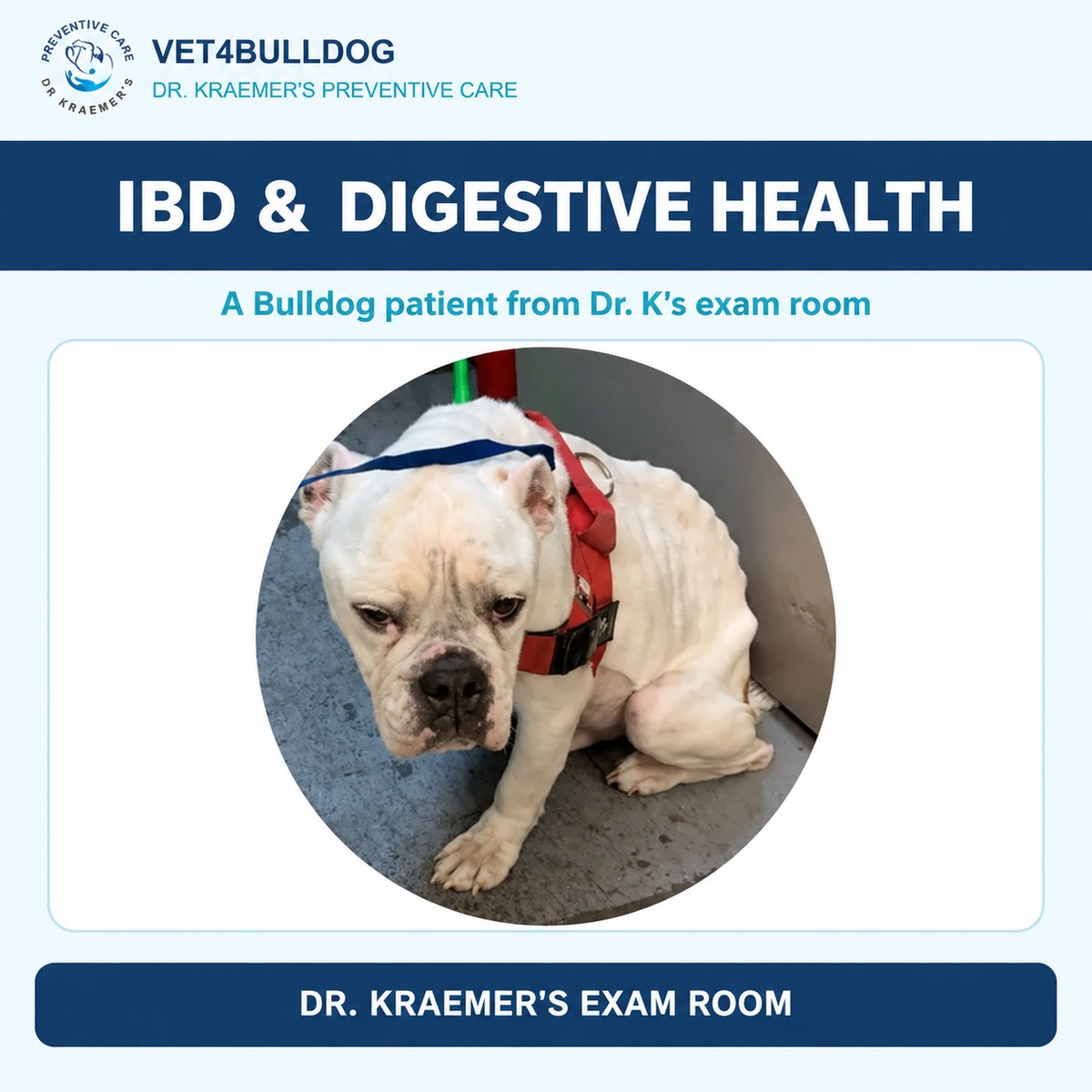
- Harm by Autoimmune Diseases: like inflammatory bowel disease (IBD)
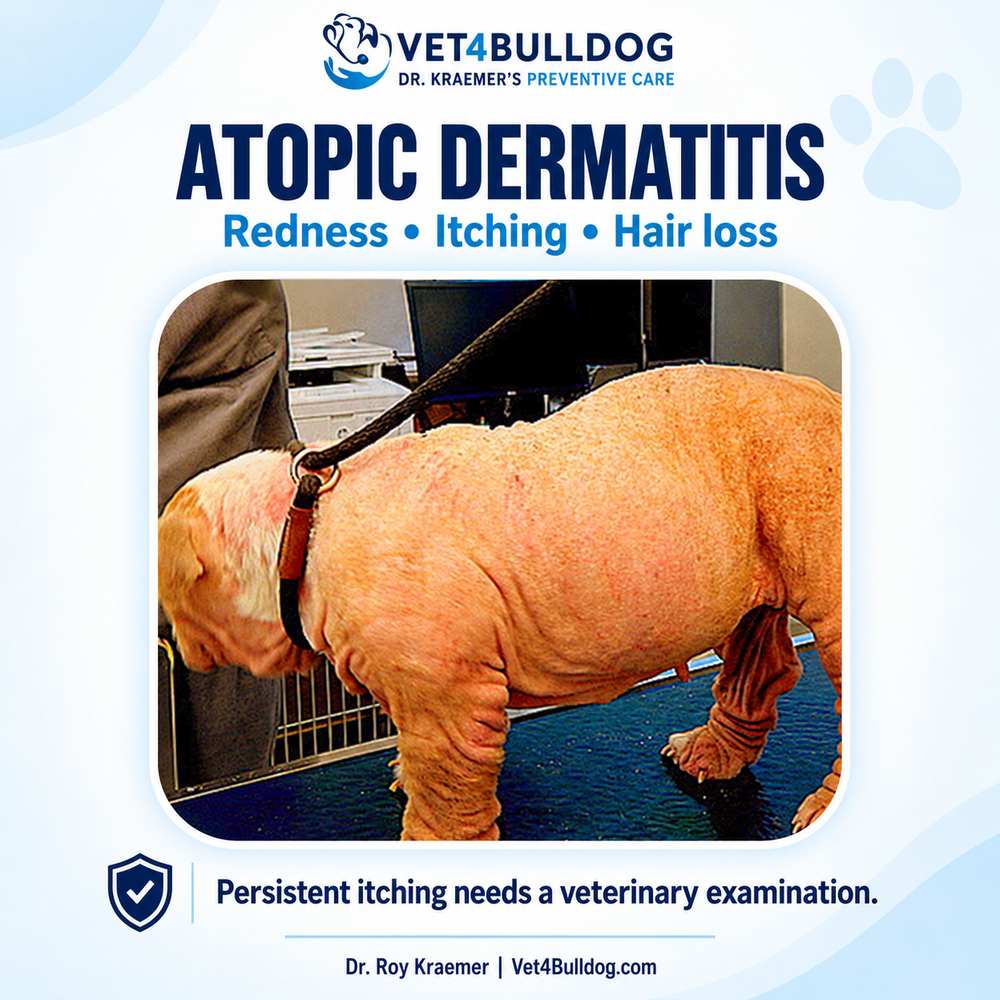
- Harm by Leaky Gut: This can lead to skin diseases like Atopic allergic dermatitis
- Harm by Immune Suppression: like immune suppression drugs
Symbiotics (prebiotics, probiotics, digestive enzymes) Are very safe.
They have minimal to no side effects and can be effective with or without traditional rx.
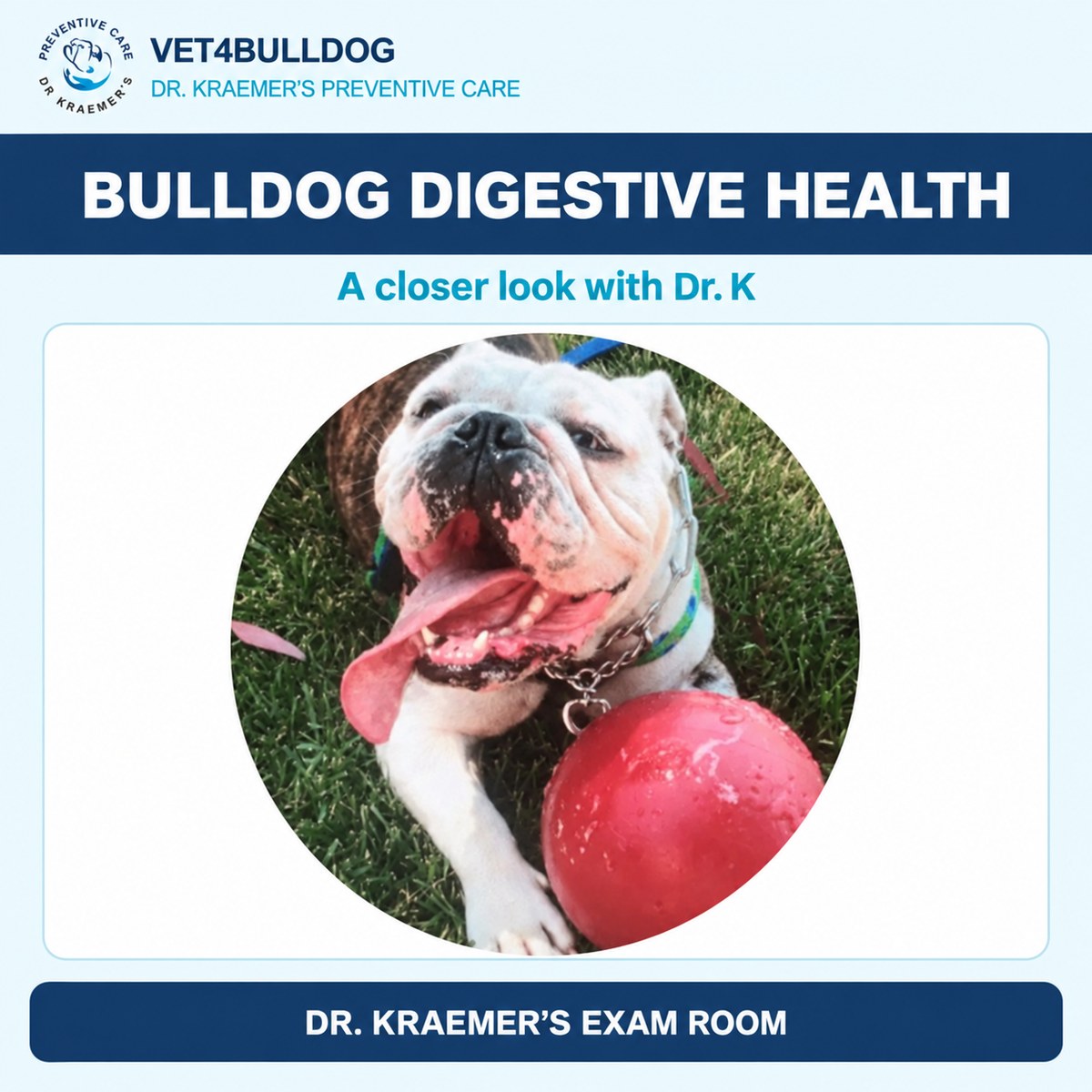
Gut bacteria & probiotic ultimate conditions
- DIET: Keep your bulldog and French Bulldog on a balanced diet, clean water
- CALM: Providing a healthy, stress-free environment
- EXERCISE & PLAY: Maintaining a good physical shape with daily exercise
- DRUGS: minimizing exposure to immune suppressant drugs and antibiotics.
Warning: Bulldog microbiome good bacteria can be affected by:
- FOOD QUALITY: The quality of your bulldog diet
- WATER QUALITY: Drinking water
- AIR QUALITY: Air pollution can reduce
- ADDITIVES: Chemical additivities
- STRESS: Anxiety
- ALLERGIES
- PRESCRIPTION RX

The fifth food in six months is the problem, not the answer
Here is the pattern I saw more often than any other on gut cases, and it is driven by good intentions.
The stool is loose. The owner changes the food. Within a few days it looks better, which is encouraging, so the new food gets the credit. A couple of weeks later it is loose again, so a different bag goes in the trolley. Repeat that four or five times and the owner arrives in my room with a list of foods that “did not work” and a dog whose gut has not had a settled fortnight all year.
Two things are going on. The first is that change itself produces change. A gut handed something new will often behave differently for a few days regardless of whether the new food is better, which is why the first week tells you almost nothing. The second is that a gut needs consistency to recover. Constant switching is itself a mild insult, so the dog is never given the quiet run it needs.
It is like repotting a plant every fortnight because it looks unhappy. Each move is defensible and the plant never gets to put roots down.
If a food trial is worth doing, do it properly: one food, nothing else by mouth, and long enough that the answer means something, which in practice is a good few weeks rather than days. Write down what the stool actually looks like rather than relying on memory. And before you start, have a fecal test done, because a parasite will make every food on the shelf look like a failure.
Probiotics for GI Disease Rule of Thumb:
Probiotics are not regulated as drugs in the United States and, thus, undergo minimal regulatory scrutiny.
Check for NANSC Quality Seal proving that the supplement was tested by independent quality testing
Please review my “Supplement Must Know / DO NO HARM” page HERE.
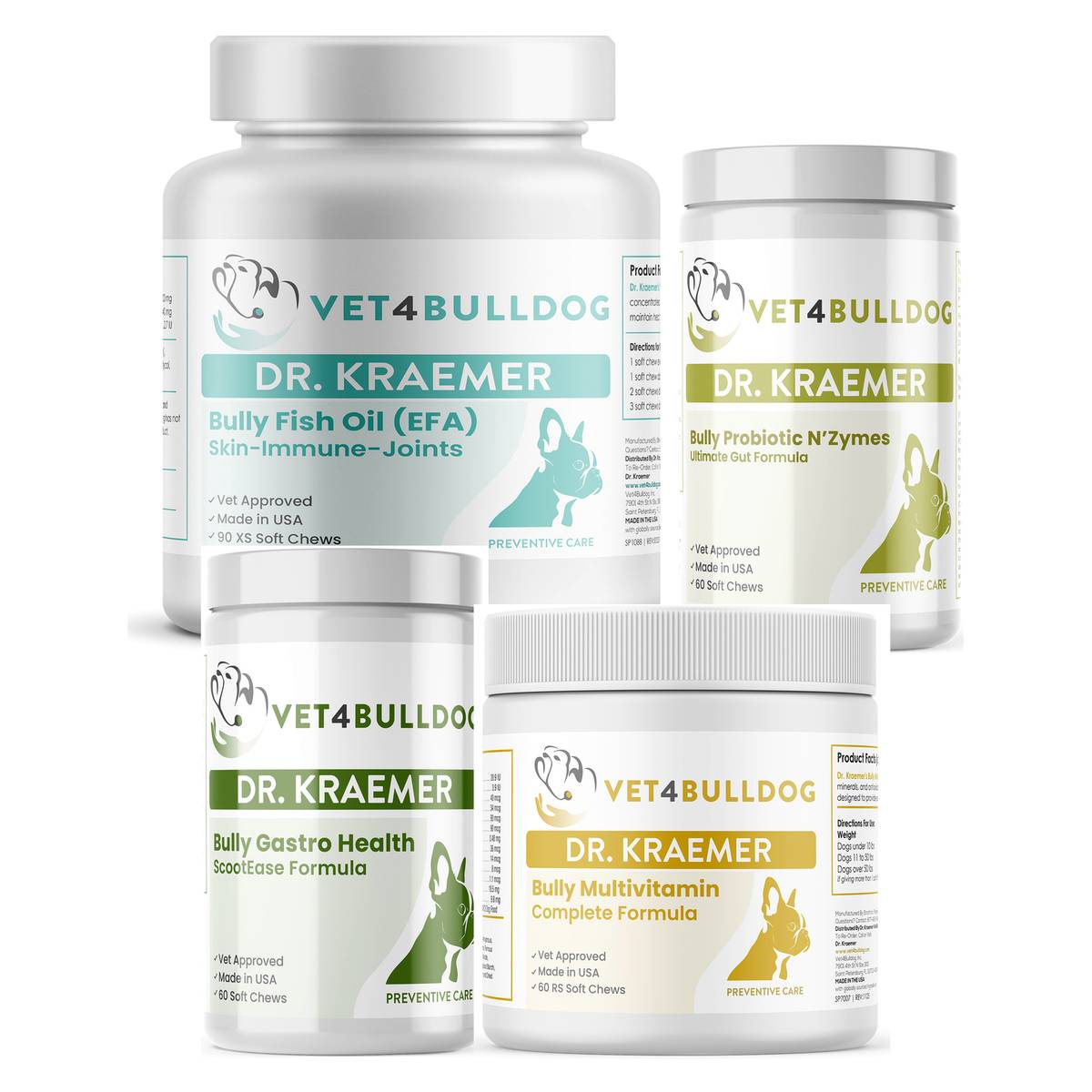
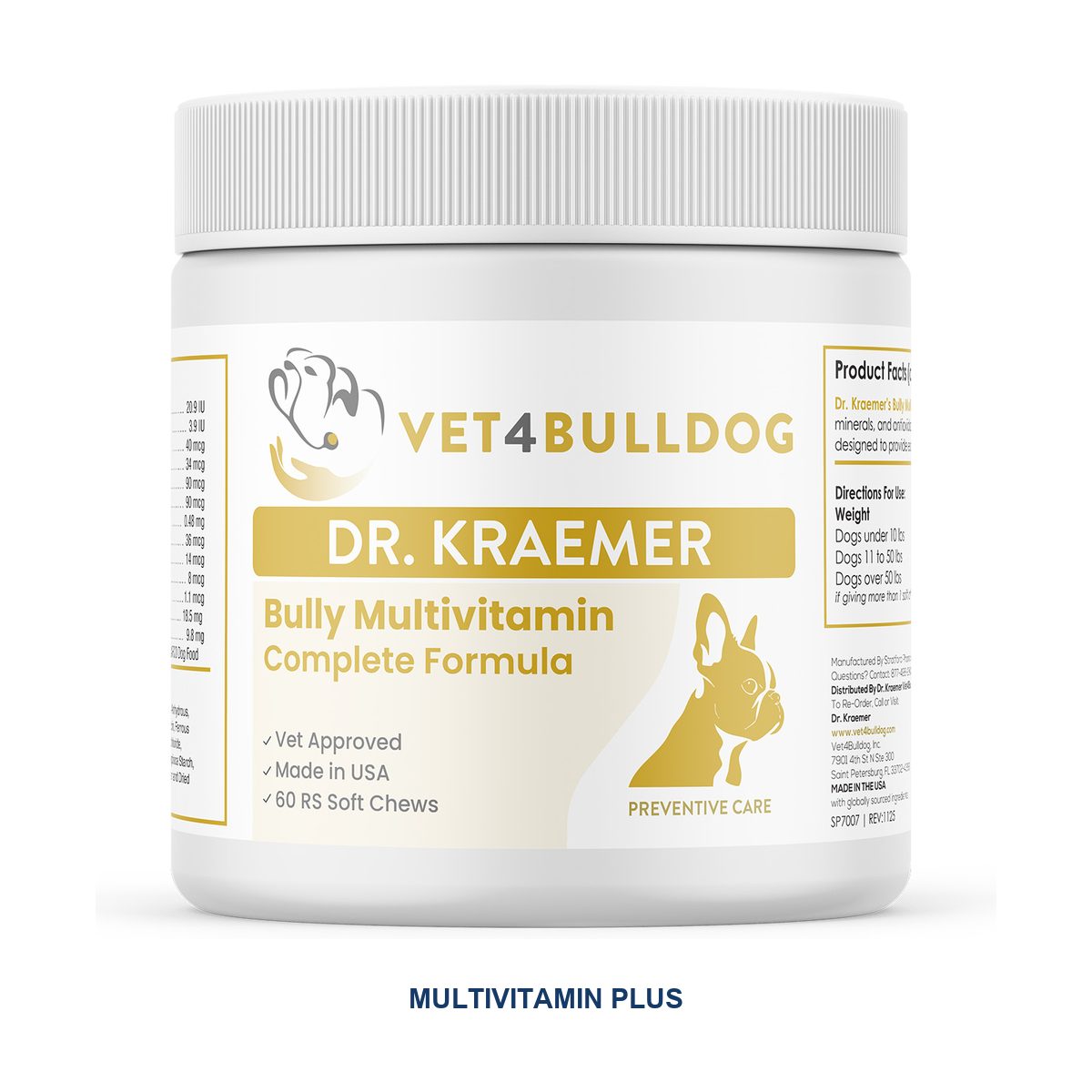
I will not pretend to be neutral here, so I will be transparent instead. We make a pre and probiotic with enzymes, and it is built the way this page argues it should be: the bacteria, the feed that lets them establish, and the enzymes in one daily chew, so none of the three gets quietly left out.
It may help a bulldog with the everyday loose stools, wind and sensitive stomach that come with the breed, and it is the sort of thing owners often use alongside what their veterinarian is doing rather than instead of it. If your dog has a problem that is not improving, getting worse or keeps coming back, that is a conversation for your vet, not a chew.
See the daily gut support chews
To be clear: supplements or topicals are not substitutes for prescribed treatment. If your dog is unwell, is being treated for a condition, or is already on medication, review any supplement or topical with your veterinarian so it fits the plan you are already following. This page is educational and is not a diagnosis or a treatment plan for your own dog.
Dr. Kraemer’s Bulldog Gut Tips and Warnings
Below are gut health tips and warnings courtesy of Dr. Kraemer
1. Pre/pro & digestive enzymes tip
Probiotics, digestive enzymes, and prebiotics may help:
- Support Immune modulation
- Support sensory mortar function
- Enhance GI mucosal barrier function
- Help to combat GI pathogens
2. Medical conditions probiotics may help with
Probiotics, digestive enzymes, and prebiotics might help a range of medical conditions, such as:
- Allergies
- Diabetes
- Liver disease
- Behavior disorders

3. Bulldog GI disease where probiotics may help
Probiotics, Digestive Enzymes, and Prebiotics might cause a range of GI conditions, such as:
- IBD
- Irritable bowel syndrome
- Ulcerative colitis
- Intestinal Dysbiosis
4. Positive impact of probiotics
There is some evidence that digestive enzymes, prebiotics, and probiotics can positively affect:
- Cancer
- Joint Disease
- Degenerative disease
- Proper puppy development.
- They can also impact anti-oxidants, thus helping the body fight harmful conditions.
5. Vitamin B12 in Bulldogs
Bulldog and French dysbiosis can be diagnosed with a blood test measuring folate and vitamin B12 (cobalamin) levels. Bulldogs suffering from intestinal dysbiosis typically have elevated folate levels and decreased vitamin B12 levels.
If your bulldog is suffering from dysbiosis, vitamin B12 supplementation is usually recommended. This can be administered either through weekly injections or given orally daily.
6. Bulldog probiotics good bacteria
Probiotics are the “good bacteria” in a bulldog, which, when administered in adequate amounts, can improve your bulldog’s gut wellness and overall health.
7. Probiotics for IBD
Pre and Probiotics also help combat GI diseases such as IBD (inflammatory bowel disease)
8. Bulldog probiotics microbiota
The intestinal microbiota includes
-
bacteria
protozoa
viruses
fungi.
An estimated hundred trillion microbial cells are present in your pet’s gastrointestinal tract, approximately ten times more than the number of host cells.
9. Bulldog immune system and probiotics
A well-balanced microbiota regulates your bulldog’s immune system, aiding in the defense against pathogens, and providing nutritional benefits. It also impacts obesity and possibly endocrine conditions such as diabetes, allergies, and inflammatory bowel disease (IBD) in bulldogs.
10. Antibiotic impact on probiotics
One major indication for probiotic treatment is in the prevention of “antibiotic-associated gastrointestinal side effects” (AAGS),
11. Bulldog vitamin B12 tip
The intestinal tract is home to millions of bacteria, most of which are beneficial to pets.
These intestinal bacteria are essential for digestion and the synthesis of vitamins like B12. Additionally, probiotics can enhance the conversion of food into nutrients, prevent toxin absorption, and mitigate damage caused by toxins produced by harmful intestinal bacteria.
12. Probiotics for Bulldog diarrhea tip
Probiotics might significantly shorten the duration of diarrhea secondary to acute gastroenteritis in dogs.
Probiotic administration was also shown to significantly decrease the duration of diarrhea.
13. Probiotics and immunity tip
Supplementing with probiotics may also help stimulate the immune function of the intestinal tract.
1. Probiotics damage due to toxin warnings
Specific factors that can disrupt the normal intestinal flora (i.e., bulldog good bacteria) of the bowel:
- STEROIDS: Immune Suppressants RX (like a steroid)
- ANTIMICROBIAL: Antibiotics, especially when used long-term
- STRESS: Stress & Anxiety due to boarding, hospitalization, Surgery, shipping, weaning from mom, separation
- CHRONIC DISEASE: Disease & Illness
- POOR NUTRITION: Low-Quality Diet
2. Antibiotics’ negative impact on the microbiome
Probiotics are living organisms and can be affected by drugs. Antibiotics can disturb the balance of the intestinal tract by killing friendly bacteria. When this happens, harmful bacteria and yeasts can move in.
Antibiotic usage should be carefully monitored.
3. Hypoallergenic diets warning
A food trial with an elimination hypoallergenic hydrolyzed protein should be initiated in conjunction with the pre-and/or probiotics before antibiotic usage.
4. Gut dysbiosis and probiotics warning
Bulldog and French Bulldog dysbiosis can be harmful due to the production of bacterial toxins or reductions in anti-inflammatory metabolites derived from bacteria.
Dysbiosis can also serve as a risk factor for the development of chronic gastrointestinal diseases in susceptible individual
5. Bacteria probiotic quality warning
Objective evaluations have shown that not all probiotics are created equal. In one study, not all the bacterial strains listed on the food label were found, and 26% of tested foods did not contain live bacteria. Additionally, up to two-thirds of probiotics labeled for animal use have failed quality testing.
6. Leaky guts warning
Bulldog intestinal dysbiosis can lead to intestinal permeability (leaky gut), allowing antigens to leak into the bloodstream. This can lead to serious medical conditions such as:
-
bulldog arthritis
bulldog atopic dermatitis
autoimmune diseases
He vomits every few weeks but is bright and eating well in between. Does that need looking into?
Should I just put him on a bland diet and see what happens?
What is the difference between a prebiotic, a probiotic and a digestive enzyme?
He is on antibiotics. Should I give the probiotic now or wait until the course is finished?
Can I just give him the yogurt from my fridge?
How long before I see a difference?
His stools are perfectly normal. Is there any point?
Every time we board him or change his food he gets loose stools. Is that a gut problem?
Does the bacteria count on the label matter, and does it need refrigerating?
More Help from Dr. Kraemer
A difficult gut is a symptom with a long list behind it. These pages cover the usual causes:
- Gastroenteritis, vomiting and diarrhea
- Inflammatory bowel disease
- Food allergy in Bulldogs
- Giardia, the parasite that is easy to miss
- Intestinal worms
- Anal gland problems
About the Author
Roy Kraemer, DVM, is a veterinarian with extensive clinical experience caring for Bulldogs and French Bulldogs. His educational work emphasizes prevention, early recognition, appropriate at-home care, responsible medication use, and veterinary evaluation when disease is persistent or severe.
References
- Merck Veterinary Manual. Chronic Enteropathies in Small Animals
- Merck Veterinary Manual. Colitis in Small Animals
- Merck Veterinary Manual. Principles of Treatment of Gastrointestinal Disease in Animals
- WSAVA Global Nutrition Guidelines
Trusted by Vets ~ Recommended by Owners ~ Approved by Bulldogs