



My French Bulldog Has Diarrhea: Is It Serious?
Most acute diarrhea in a bright, drinking, otherwise well Bulldog is self-limiting and settles within 24 to 48 hours. What matters is separating that from the cases that will not. Call your vet today if you see any of these:
- Black, tarry stool: digested blood from higher in the gut, not the same thing as a streak of fresh red
- Large volumes of blood, or blood with weakness or pale gums
- Repeated vomiting, especially if he cannot keep water down
- A puppy under six months, a senior, or a small or underweight dog they dehydrate fast and have fewer energy reserves
- Lethargy or a painful, tense belly. Collapse, pale gums or severe pain require emergency care now.
- Unproductive retching with a swelling abdomen this is an emergency, not gastroenteritis
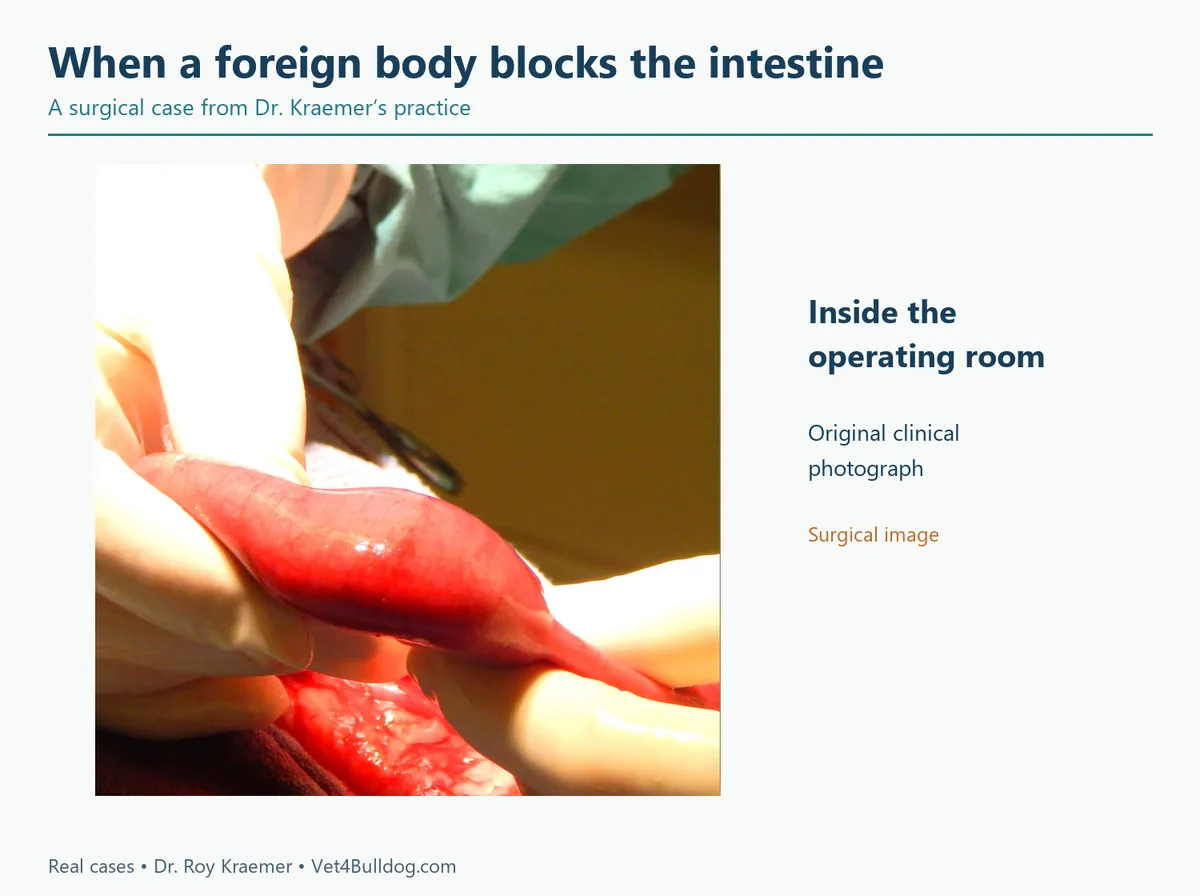
- Any chance he swallowed something: a toy, a bone, a sock. A foreign body obstruction can look exactly like a stomach upset at the start
- No improvement after 48 hours, or it keeps coming back every few days
Check hydration before anything else. Lift the skin over the shoulders: it should spring straight back. Press a gum until it blanches; color should return in under two seconds. If the skin tents or the gums are tacky or slow, he likely needs a vet rather than a supplement. If he is bright and drinking: ask your veterinarian whether a brief food pause is appropriate for your healthy adult dog, then offer small, frequent, bland meals as directed. Do not fast a puppy without veterinary guidance. Keep water available, and call promptly if he cannot keep it down. Ask whether a probiotic or fiber is appropriate for your dog. Bring a stool sample to the appointment.
Bulldog Gastroenteritis 5 X MUST KNOW
- Vomit and diarrhea are among the most common medical findings.
- Gastroenteritis can be severe, mild, short-term, or chronic.
- Treatment might range from a diet change, rest, and therapeutic supplementation to hospitalization, IV fluids, and drugs.
- Gastroenteritis can often lead to an imbalanced gut microbiome, dysbiosis, and leaky gut
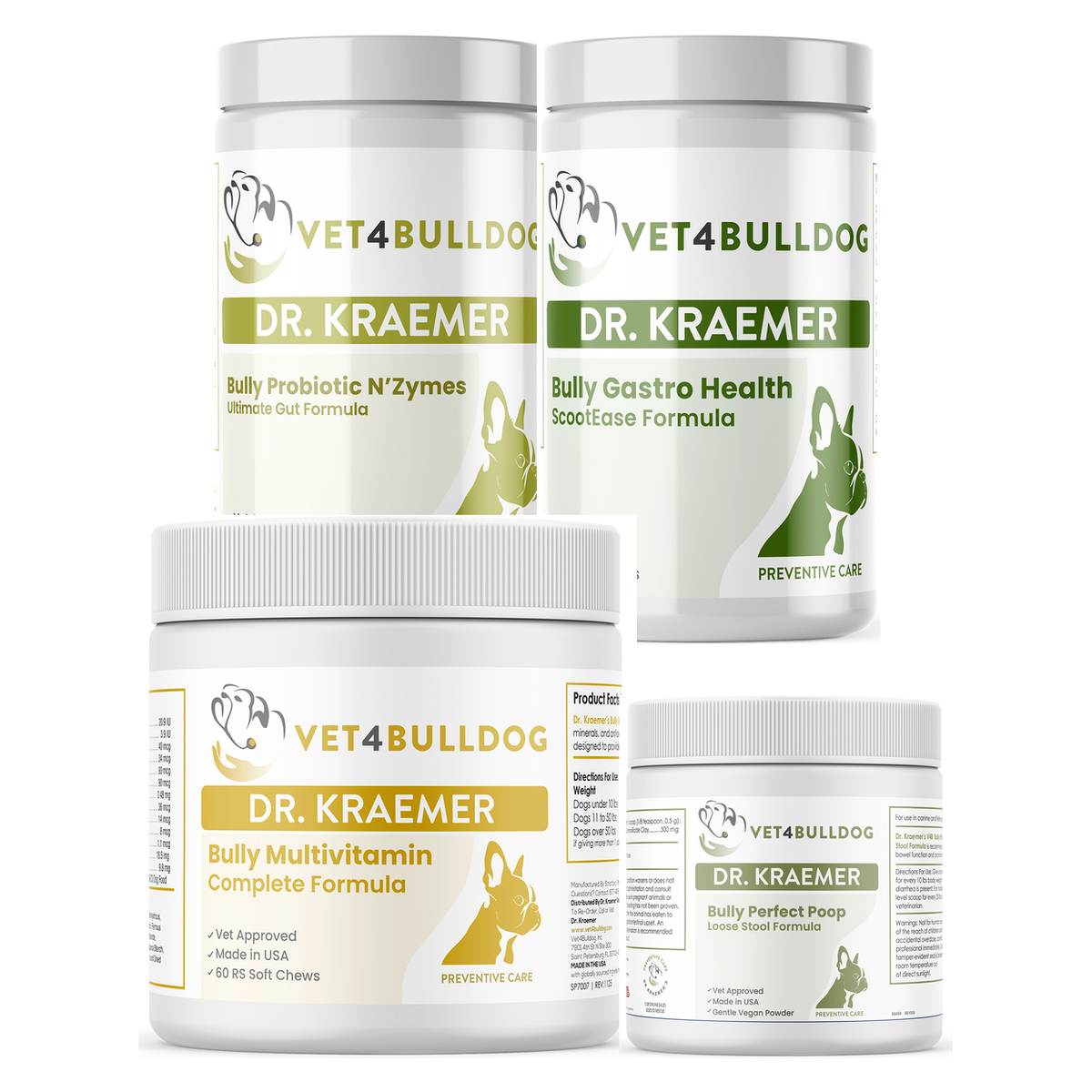
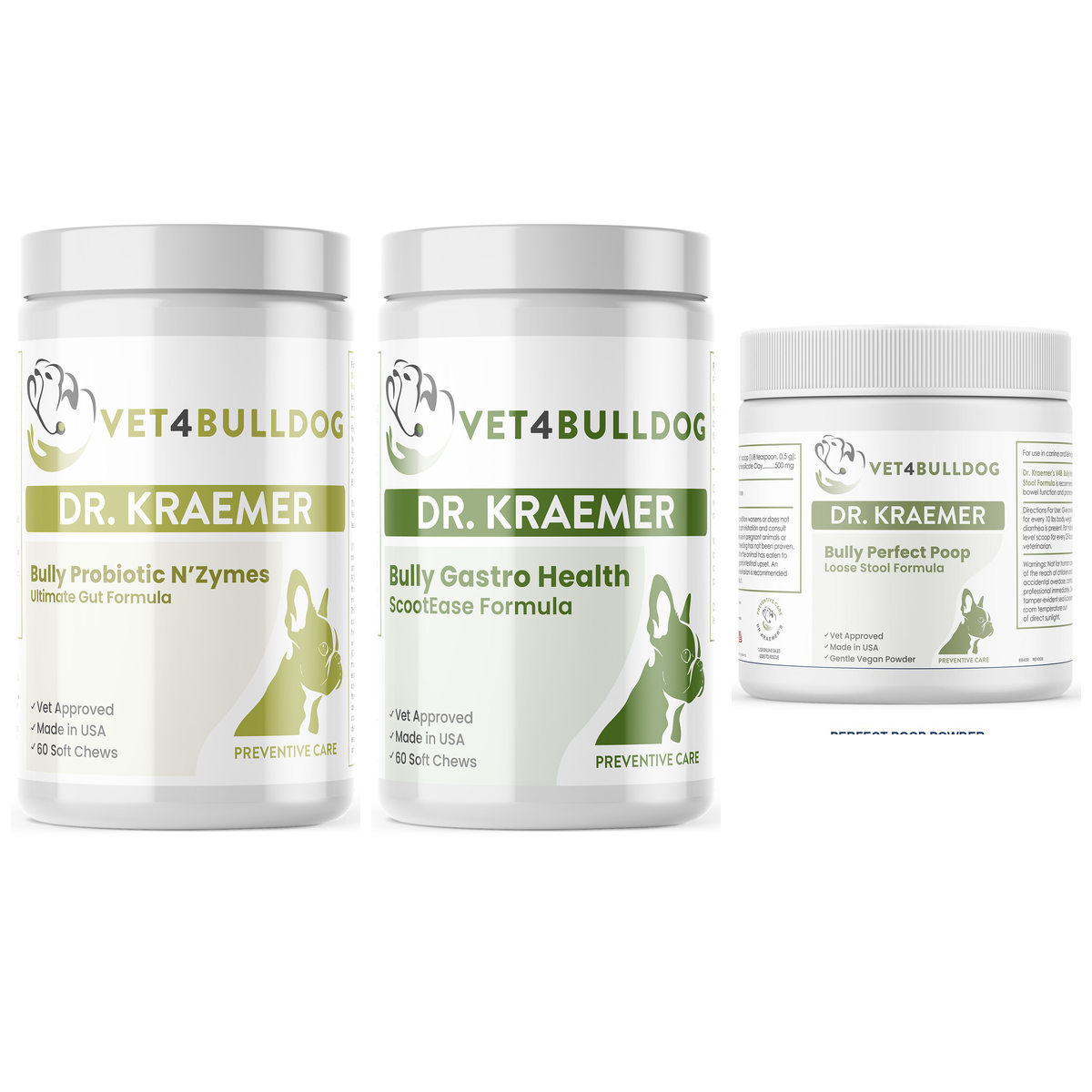
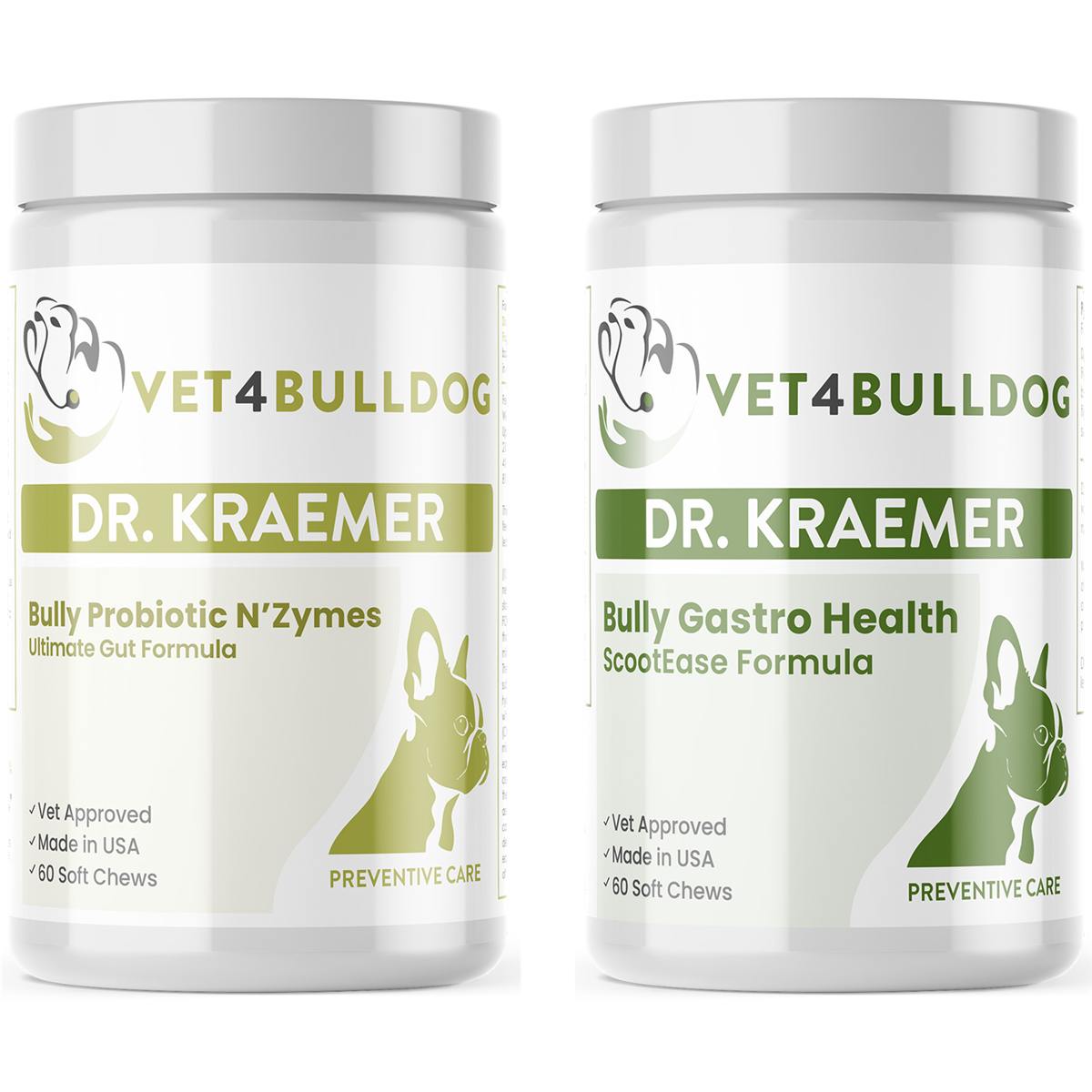
- Digestive-support products to discuss after veterinary assessment include
Welcome to Our “Prevention Over RX” Bulldog Community!
Managing Gastroenteritis in Bulldogs: CAUSE
Several factors can contribute to gastroenteritis in dogs, including those that alter the gut microbiome. Here’s a list of possible causes:
- Ingestion: garbage or spoiled food
- Raw food: contaminated raw food
- Stress diarrhea: often due to travel, anxiety, boarding, and noise.
- Parasites: intestinal worms, protozoa, and other microorganisms
- Viruses like parvovirus and coronavirus
- Food Allergy
- Drugs like antibiotics and steroids
- F. B (foreign body): toys, bones, etc
- Bacterial: like E. coli
- Hemorrhagic gastroenteritis: bloody
- Obstruction
- Chronic inflammatory disease: like IBD
- Inflammatory: colitis
- Cancer: like lymphoma
Many of those listed above affect the gut microflora causing dysbiosis and increased intestinal permeability
Gastroenteritis in Bulldogs and French Bulldogs / PRESENTATION
Your bully might present with some or all of the following clinical signs:
- Dehydration
- Depressed and lethargic
- Soft or Watery Diarrhea
- Dark Stool
- Nausea and Vomiting
- Abdominal Pain
- Frequent bowel movements
View a surgical photograph of a swallowed object causing an obstruction
Insider tip
Vomiting and Diarrhea in Bulldogs: DIAGNOSIS
- Fecal Test:
- Blood Tests
- Imaging:
- Radiographs
- Ultrasound
- Endoscopy

Managing Digestion Problems in Bulldogs/ PREVENTION
- Deworming
- Vaccinations
- Cover your garbage
- Avoid raw food
- A balanced, quality diet

Therapeutic Supplements for Bulldog Gastroenteritis
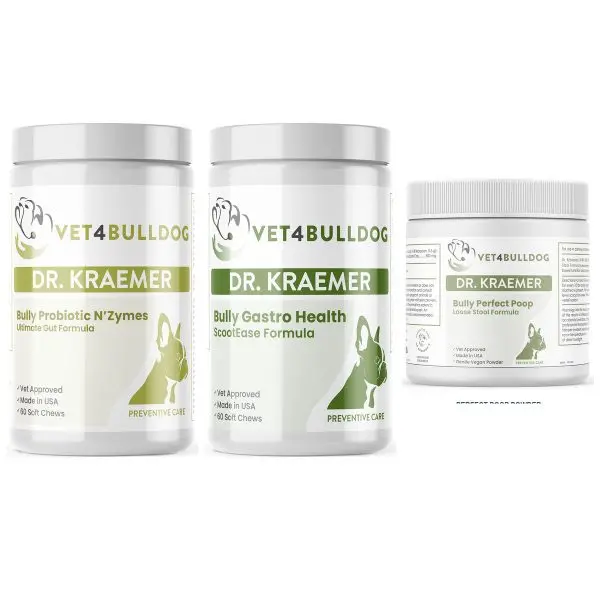
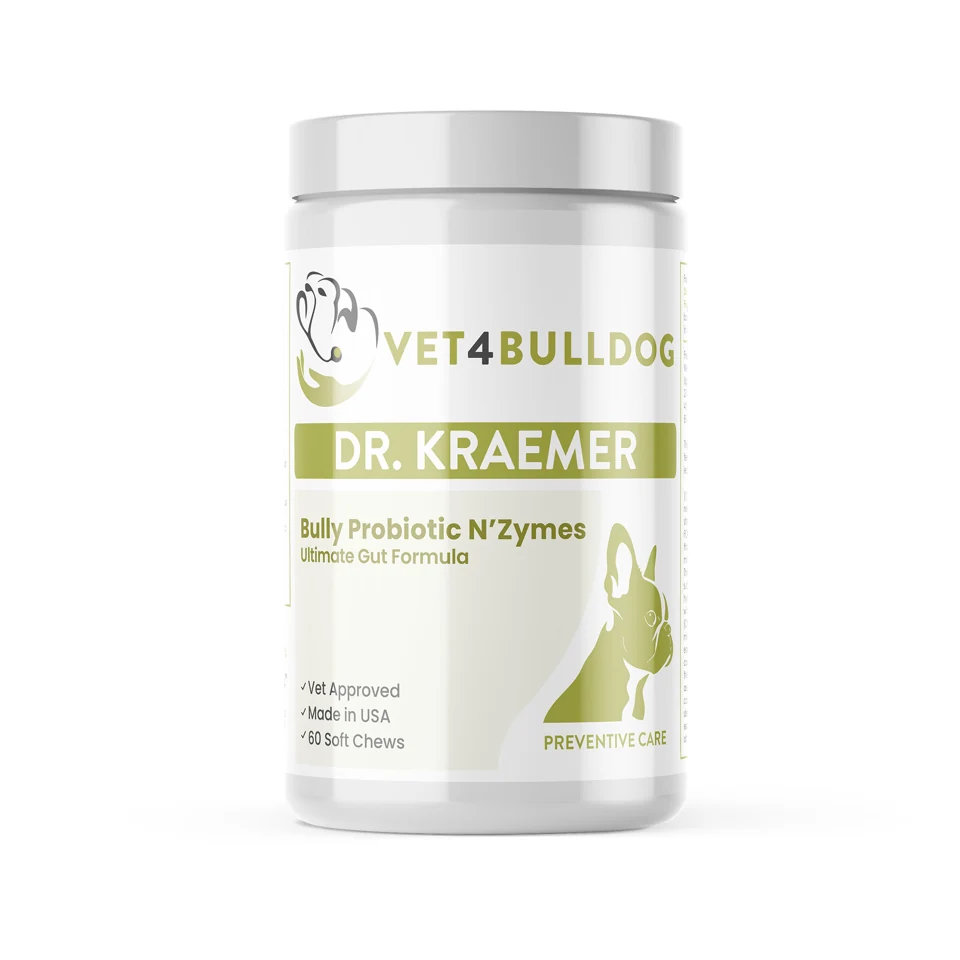
- Bully Probiotic LOAD UP: a concentrated probiotic formulation
- Bully Probiotic KEEP UP: Pre & Probiotic with Digestive Enzymes
- Bully Gentle Move: natural fibers
- Bully Immune Support: optional nutritional support when appropriate
For Bully Gastroenteric Affordable Bundles, click HERE
Treatment for Bulldog Gastroenteritis
Not all cases of bulldog gastroenteritis necessitate drug intervention; some could be mild and resolve by themselves in a few days with a holistic approach that includes:
- a bland diet
- proper hydration
- electrolytes
- bully therapeutic supplements
GASTROENTERITIS AGE VULNERABILITY WARNING:
Puppies and seniors should be closely monitored, and treatment may need to be more aggressive due to their vulnerable immune systems.
- Puppies can suffer from depleted sugars, while adults with kidney insufficiency are more vulnerable to dehydration
DIET CHANGE:
Blend simple ingredients into a diet, like white-boiled rice and boiled chicken. Prescription diets like Hill’s i/d and Purina EN
HYPOALLERGENIC DIETS:
A strict diet trial should follow your veterinarian’s plan. Gastrointestinal response may appear within weeks, but assessing food allergy can require a longer trial. Avoid extra treats and flavored products that interfere with the trial. Prescription diets like Hill’s d/d and Purina HA
FLUID REPLACEMENT:
Intravenous or subcutaneous fluids (fluids given into a vein or under the skin) that often includes electrolyte replacement
REST & CALM
Non-stressful environment and rest Bully anti-anxiety supplements 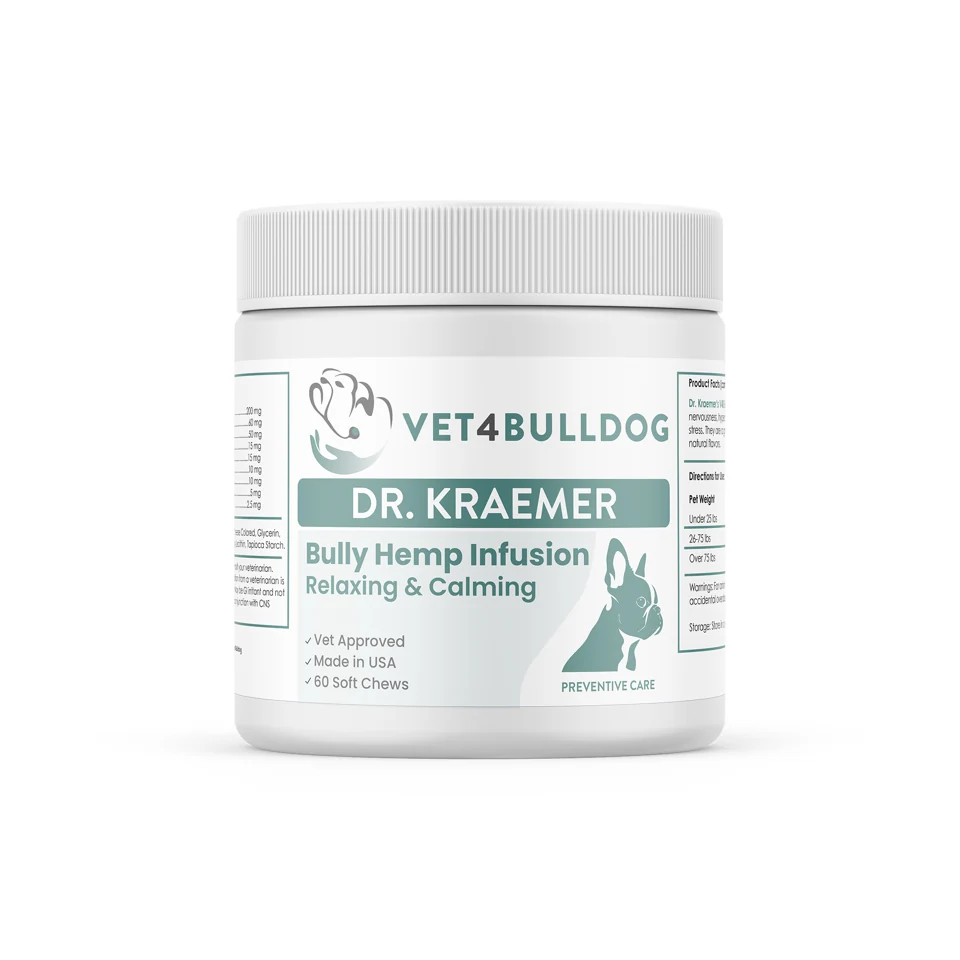 GASTROENTERITIS COMMON MEDICATION (RX)
- Anti vomit
- Anti-reflux
- Antibiotics only for specific indications, not routinely for uncomplicated diarrhea
- Deworming
- Steroids only for a diagnosed inflammatory condition after other causes are considered
At one year old with signs that keep coming back, I would stop changing the diet and start looking for a cause. Fecal test first, for worms and protozoa. Roundworm, Giardia and coccidia are common in young dogs, easy to miss, and no food or supplement will clear it. If that is negative and it keeps recurring, then a proper diet trial has value, but run one at a time and give it some time. On supplements: prebiotics, probiotics and digestive enzymes plus a botanical fiber are what I use to steady a gut long term, and they are worth starting. In puppies, seniors and sick underweight dogs I might add bully immune support and our multivitamin plus formula.
Gastroenteritis in Bulldogs: TIPS and WARNINGS
Steroid and Antibiotic WARNINGS
Prescription medication can adversely affect the gut and intestine microbiomes (good bacteria). Thus, it should be used with caution.
Bulldog Gastroenteritis STRESS WARNING
Boarding, noise, and travel can trigger or compound bulldog gastroenteritis.
Gastroenteritis DEHYDRATION WARNING
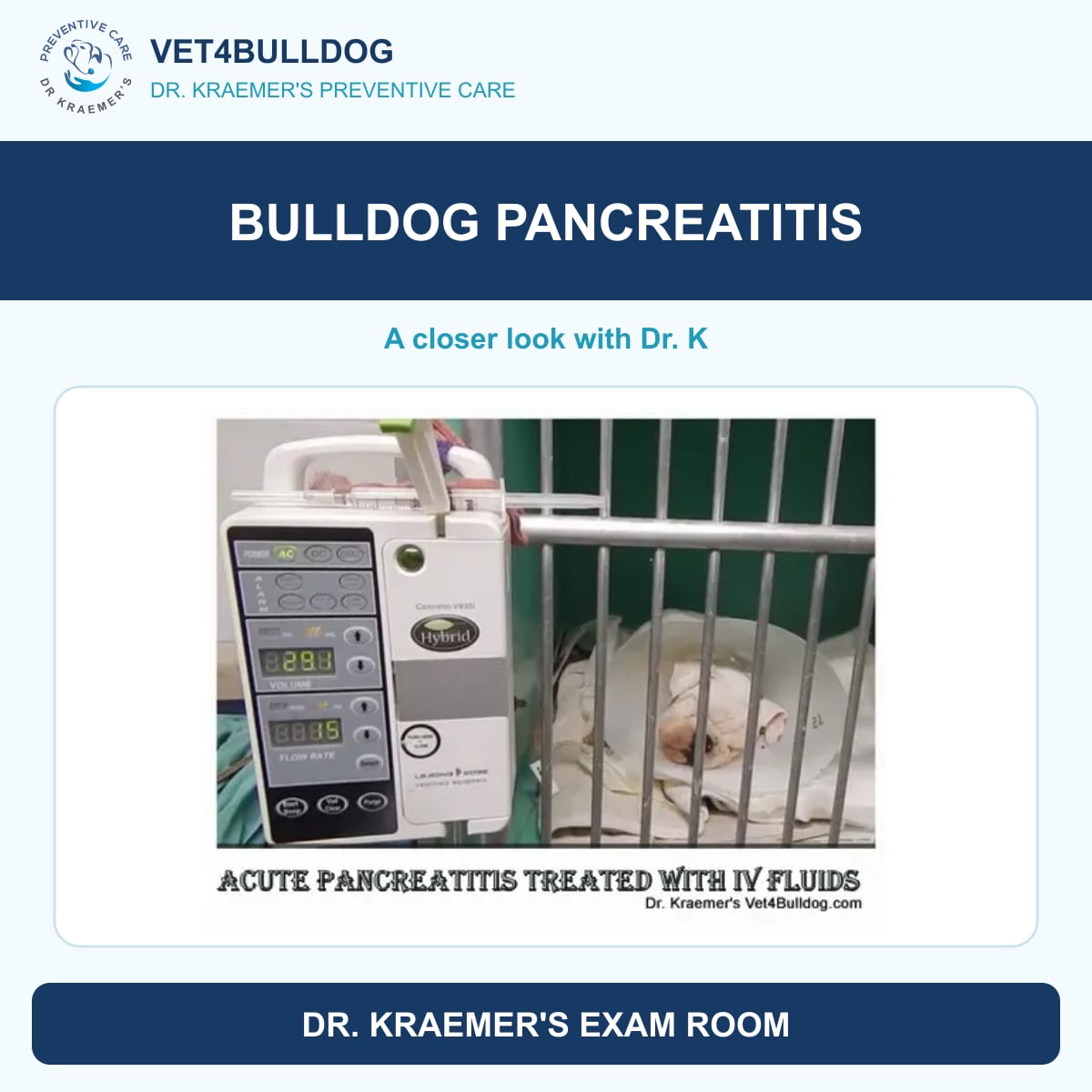
Fluid and electrolyte loss due to severe or persistent vomiting and diarrhea can lead to serious dehydration that often needs to be managed at the hospital (IV).
Bulldog Gastroenteritis: CHRONIC DISEASE WARNING
Persistent, chronic, and unresolved bulldog gastroenteritis warrants a visit to your veterinarian and frequently necessitates diagnostic tests. The test should include:
- fecal
- blood
- imaging.
How long should diarrhea last before I worry?
Should I fast my Bulldog?
What can I feed a Frenchie with diarrhea?
Is it gastroenteritis or colitis?
Will probiotics fix it?
Can stress cause it?
Recommended by Owners · Approved by Bulldogs
Veterinary Care and Supportive Products
If your Bulldog has bloody or black stool, repeated vomiting, lethargy, a painful belly, or diarrhea that has not settled in 48 hours, a veterinary examination is needed rather than another diet change. For day-to-day gut support and recovery after a flare, explore Vet4Bulldog digestion options selected for Bulldogs and French Bulldogs.
More Help from Dr. Kraemer
Every upset gut has a slightly different story. These real-world guides and answered questions may help you connect the dots:
- Five Bulldog gut health and probiotic must-knows
- Diarrhea and probiotics in Bulldogs
- Food allergy and stomach upset Q&A
- How to conduct a Bulldog hypoallergenic diet trial
- Grain-free diets in Bulldogs
- Are vets overprescribing antibiotics?
About the Author
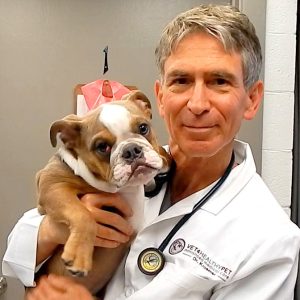
Roy Kraemer, DVM, is a veterinarian with extensive clinical experience caring for Bulldogs and French Bulldogs. His educational work emphasizes prevention, early recognition, appropriate at-home care, responsible medication use, and veterinary evaluation when disease is persistent or severe.
References
- WSAVA Global Nutrition Guidelines
- VCA Animal Hospitals. Gastroenteritis in Dogs
- CAPC Giardia Guidelines
Trusted by Vets ~ Recommended by Owners ~ Approved by Bulldogs