


“My four year old Frenchie has had loose stool on and off for most of his life. Everyone tells me to put him on a probiotic. Do they actually do anything, and does it matter which one I buy?”
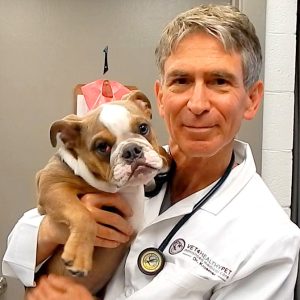
They can be genuinely useful, and yes, which one matters more than whether. Independent testing has repeatedly found pet probiotics that did not contain the strains printed on the label, and some with no live bacteria left in them at all, so look for the NASC seal rather than the marketing. Two practical points. Give it for a good few weeks, not for three days around an upset, because a gut community that took months to fall out of balance does not reassemble over a weekend. And if antibiotics are involved, give it through the course rather than waiting until the end. One honest caveat: loose stool that has run for years deserves an actual diagnosis rather than a supplement. Have him worked up properly, then use the probiotic to support whatever the answer turns out to be.
Introduction To Bulldog and French Bulldog Probiotics
Probiotics are live, beneficial bacteria that help maintain a healthy balance in your bulldog’s gut microbiome.
These microscopic allies play a big role in supporting your bulldog and French bulldog
- ➡️ immune function
- ➡️ resisting infections
- ➡️ aiding digestion
- ➡️ improving nutrient absorption
The two main families of probiotics that naturally inhabit your bulldog’s digestive system are:
-
Lactic Acid Bacteria
-
Bifidobacterium
Your bulldog’s intestinal tract is home to billions of bacteria, most of which are the good guys. When supported properly, this community of microbes helps keep your bulldog’s belly balanced and supports their gut health.
Bulldog Probiotics 5 X MUST KNOW
- The gut, skin, and mouth microbiome are critical to your bulldog’s health
- Drugs, stress, poor diet, and chronic disease can adversely affect the gut microbiome and cause dysbiosis
- Severe dysbiosis can lead to gut lining permeability and a leaky bowel that causes systemic disease
- Treatment includes
- stress reduction
- a quality diet
- botanical fiber
- prebiotics
- probiotics
- and digestive enzymes.
- Prevention includes stress reduction, minimal usage of drugs, and Dr. Kraemer’s Dysbiosis Probiotic Care Bundles
Members of this bulldog community prefer prevention over RX
Which tub, not whether
Let me start with the part owners are never told. The decision to give your Bulldog a probiotic is the easy half. The hard half is which tub you buy, and that is where most of the money gets wasted. When independent testers have gone looking, the results have been unkind: products that did not contain the strains printed on the label, and a fair number with no live bacteria in them at all. A probiotic is a living thing, and living things die on a warehouse shelf. So the useful question is never “should I give one”, it is “can this one prove what is inside it”. That is what the NASC seal further down this page is for, and it is the first thing I would look for on any tub, mine included.
The second thing I would correct is timing, because this is where good intentions go sideways. Owners tend to reach for a probiotic for three or four days around a tummy upset, see nothing dramatic, and shelve it. A gut community that has been knocked about by a course of antibiotics, a stressful boarding week or a bad run of diarrhea does not reassemble itself over a long weekend. Give it through the antibiotic course, not after it, and keep going for a good few weeks past the point where things look normal. If you are using it alongside something your veterinarian prescribed, that is usually fine, and it is still worth telling them.
The third point is the one I find most people have never considered. Commercial kibble is cooked, and heat is very good at destroying enzymes. So the food arriving in the bowl may be perfectly adequate on paper and still be hard work to break down and absorb. That is the reason the formulas I put together pair the probiotic with a prebiotic to feed it and enzymes to do the mechanical job, rather than selling the bacteria on their own. Bacteria with nothing to eat are a short story.
What is Bulldog Gut Microbiome? 🧬
The gut microbiome is a diverse and dynamic community of microorganisms, including:
- bacteria
- viruses
- fungi
- and other microbes
These microbes live in the digestive tract of both animals and humans. Far from being mere passengers, these tiny organisms play a powerful role in digestion, nutrient absorption, immune defense, and overall health.
A well-balanced microbiome helps
- Digestion: Break down food
- Immunity: Supports the immune system
- Wellness: Protects against harmful pathogens
- Balance: Influence mood
- Metabolic: Improve metabolism
- Health: Reduce the risk of chronic disease
But the microbiome isn’t just in the gut, your bulldog’s skin, mouth, and other areas also have their microbial ecosystems, each playing a key role in health and disease prevention.
What is Bulldog Skin Microbiome?🧬:
The skin microbiome is a rich microbial community living on your bulldog’s skin surface.
These microbes act as a:
- Defense: natural defense system
- Protect: helps protect against harmful pathogens
- Anti-Inflammatory: regulates inflammation
- Immune Boost: Support the immune response
- Skin Integrity: and maintain overall skin health and resilience
What is Your Bulldog Mouth Oral Microbiome?🧬:
Similarly, the oral microbiome is a complex community of bacteria that resides in the mouth. It plays essential roles in dental health, preventing tooth decay and gum disease, and even impacting the health of the entire body.
Each of these microbiomes is unique and vital to maintaining overall health and well-being.

What Causes Gut Dysbiosis in Bulldogs and French Bulldogs?
Bulldog gut dysbiosis refers to an imbalance in the gut microbiome, typically caused by an overgrowth of harmful bacteria and a reduction in beneficial microbes. This disruption can compromise digestion, immunity, and overall health.
Common causes of dysbiosis include:
- Rx Prescription Drugs: Overuse or unnecessary use of prescription medications, such as:
-
- Antibiotics
- Steroids
- Chronic stress or anxiety
- Underlying chronic diseases
GOOD VS. BAD BULLDOG GUT BACTERIA:
Your bulldog’s gut is home to a mix of beneficial and harmful bacteria, and keeping the right balance between the two is critical to their health.
✅ When the “good guys”: beneficial probiotic bacteria, are thriving, they may help support digestion, support immune function, and help the body resist disease.
❌ But if that balance is disrupted, and “bad bacteria” like E. coli gain the upper hand, your bulldog may suffer from bacterial overgrowth, a condition also known as intestinal dysbiosis.
🚨This imbalance can lead to digestive upset, weakened immune defenses, and systemic inflammation.
What Are The Symptoms of Bulldog Gut Dysbiosis?:
Intestinal Dysbiosis might lead to:
- Chronic diarrhea
- Vomiting
- Poor health
- Weight loss
- Flatulence (gas)
- Distended abdomen
- Leaky Bowel: that leads to systemic disease, such as skin disease
How Bully Probiotics Helps Bulldog Gut Dysbiosis and Leaky Bowel?
An overgrowth of harmful gut bacteria can damage the intestinal lining and increase gut permeability, a condition commonly known as leaky gut syndrome. When the intestinal barrier is compromised, it allows toxins, bacteria, and undigested food particles to “leak” into the bloodstream, triggering inflammation and immune responses that can affect your bulldog’s health and wellness.
Preventing & Treating Bulldog Dysbiosis and Leaky Gut:
Restoring microbial balance with:
- Prebiotics
- Probiotics
- Digestive enzymes
Addressing underlying causes such as:
- Poor diet
- Chronic stress
- Overuse of medications (e.g., antibiotics, steroids)
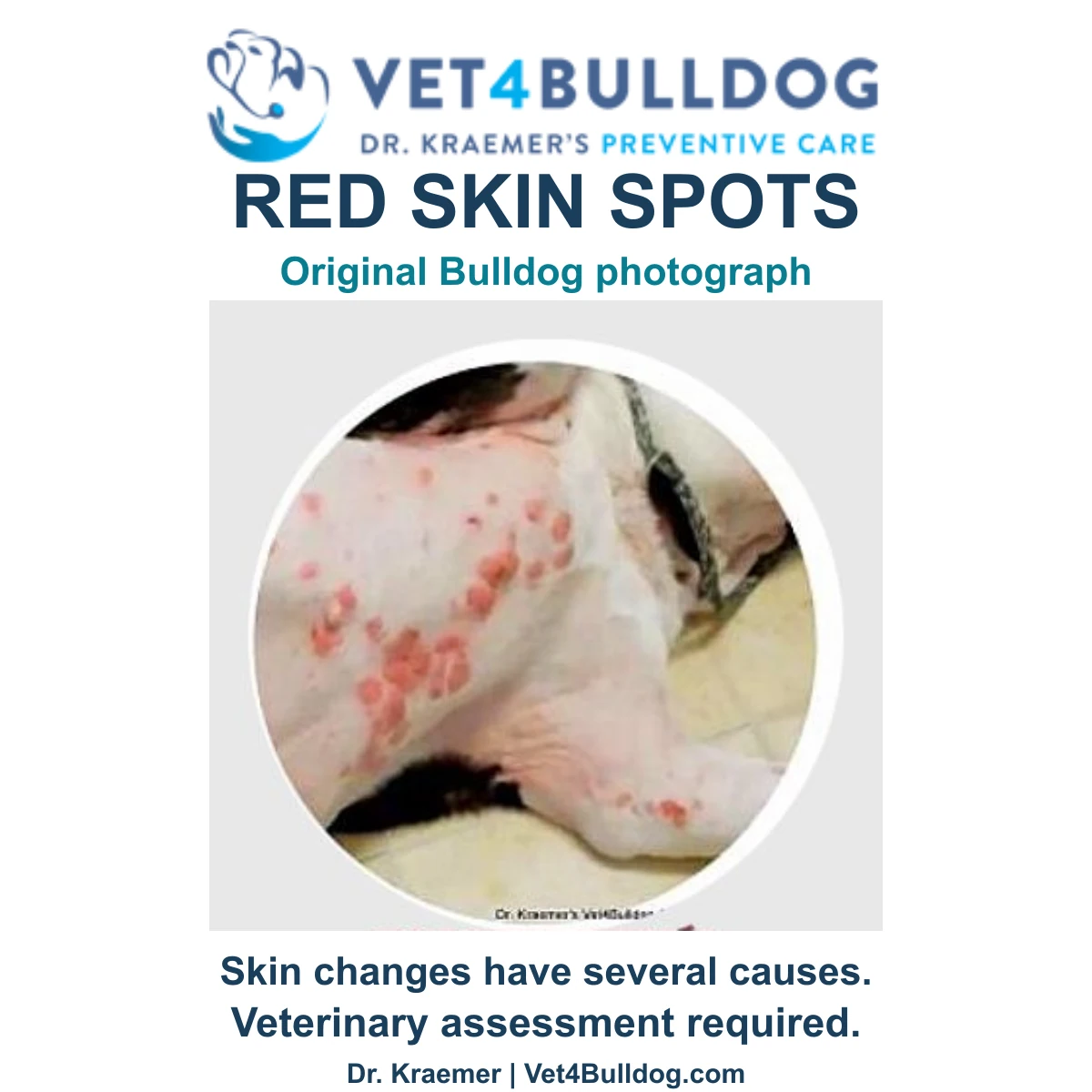
⚠️ A disrupted gut microbiome doesn’t just impact digestion, it can also affect skin health, contributing to allergies, irritation, and chronic skin infections.
Bulldogs and French Bulldogs Gut Good Bacteria Helps:
The intestinal bacterial microbiome is essential to:
- Digestion
- Synthesis of bile
- Synthesis of fatty acid
- Synthesis of vitamins like B12
In addition, probiotics may allow for:
- The better conversion of food into nutrients
- Preventing the production of toxins by the harmful intestinal bacteria
- Prevent toxin absorption
Bulldog Gut Microbiome Stress-Induced Dysbiosis:
Stress and anxiety can disrupt your bulldog’s gut microbiome, leading to an imbalance known as intestinal dysbiosis. But the cycle doesn’t stop there, dysbiosis itself can trigger internal stress responses, creating a vicious loop that’s hard to break without intervention.
This pattern is especially common in rescue bulldogs that have experienced abuse, abandonment, malnourishment, rescue, or time in county shelters. These dogs often arrive with weakened digestive and immune systems, and many are diagnosed with some form of gut dysbiosis.
Symptoms may include:
- Chronic or intermittent diarrhea
- Inflammation and poor nutrient absorption
- Signs of systemic illness
STRESS INDUCES LEAKY GUT
Over time, dysbiosis can damage the intestinal lining, leading to increased permeability, a condition known as leaky gut. When the gut barrier is compromised, toxins, bacteria, and undigested food can leak into the bloodstream. This can trigger widespread inflammation, compromise the immune system, and contribute to skin problems, allergies, and other chronic health issues.
“Ruffles” the Rescue Bulldog Probiotic Case Study:
“Ruffles” was in a dire medical condition when she was rescued by So Cal Bulldog Rescue (SCBR). The transformation she underwent, captured in the BEFORE & AFTER videos, was nothing short of remarkable.
The essential ingredients for “Ruffles'” speedy healing were:
- dedicated care by the rescue foster
- stress-free environment
- proper nutrition
- affection & love
- Dr. Kraemer’s Bully Therapeutic Supplements
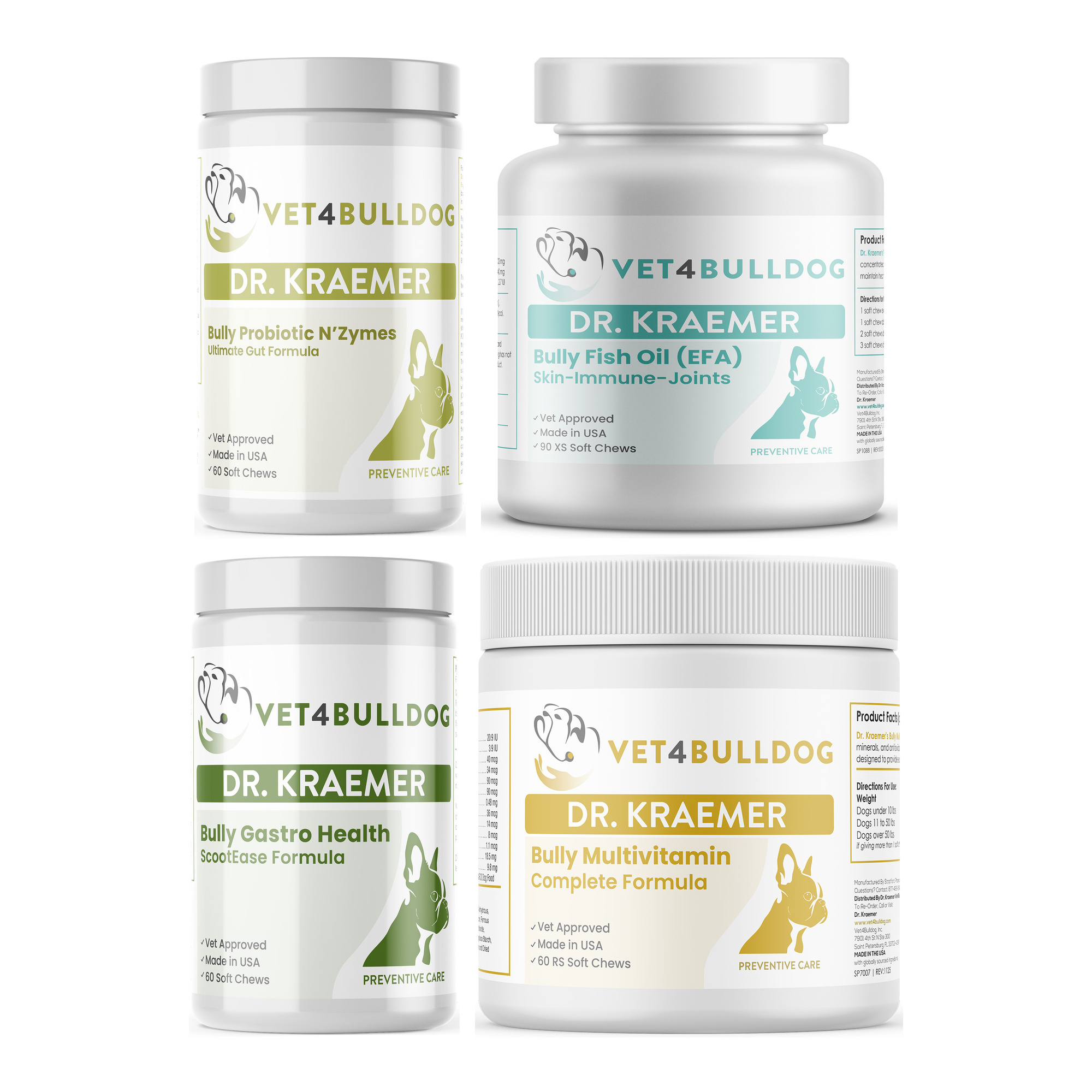
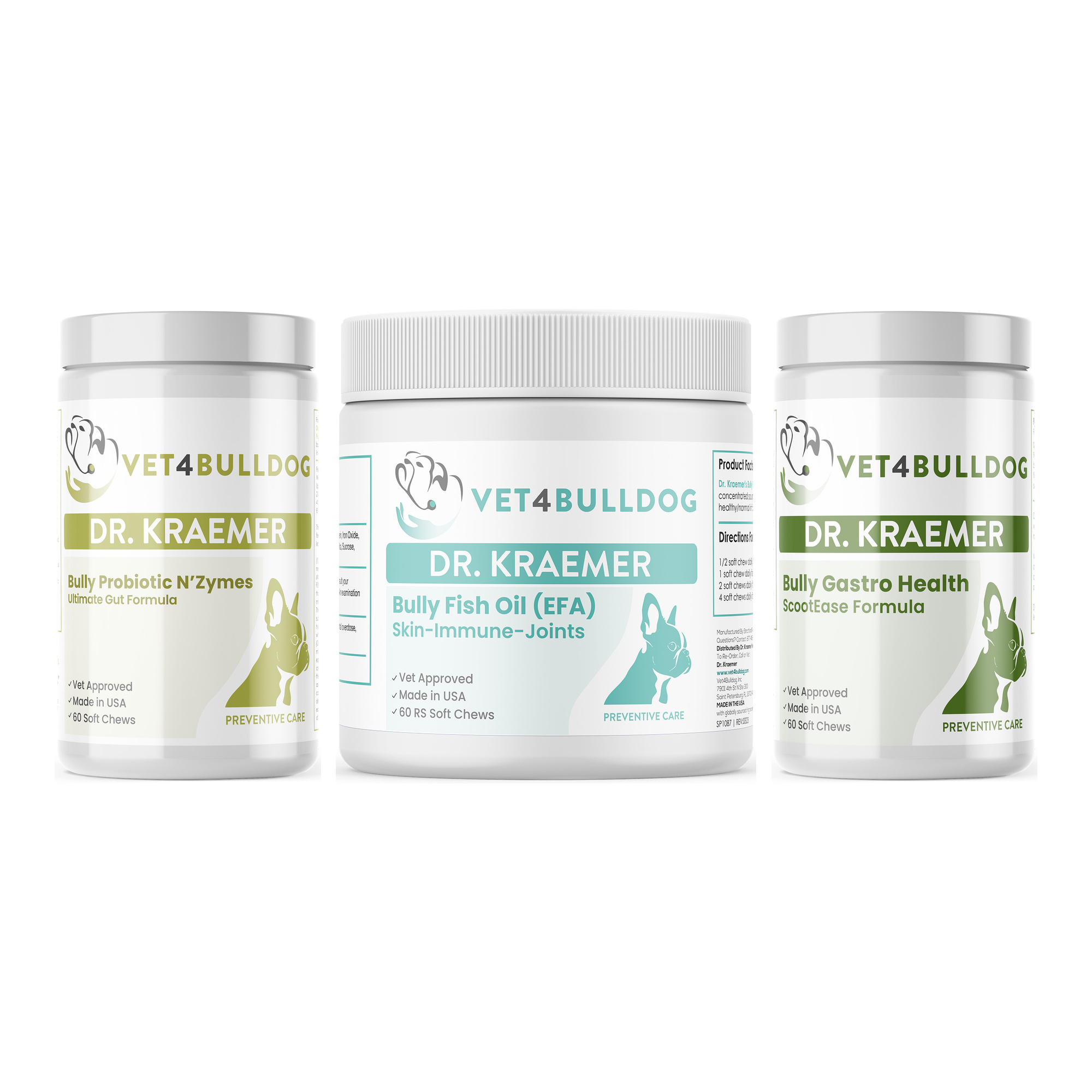
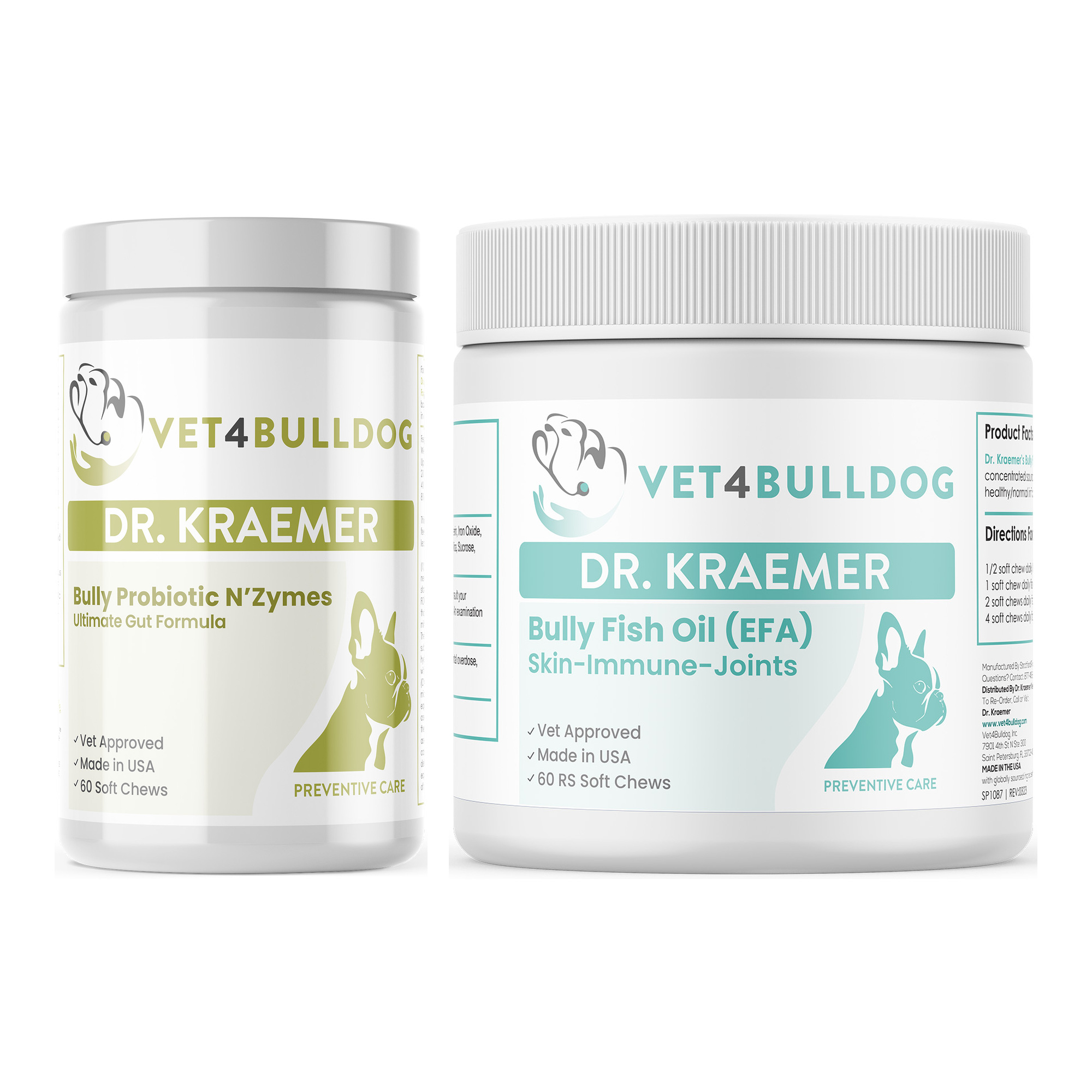
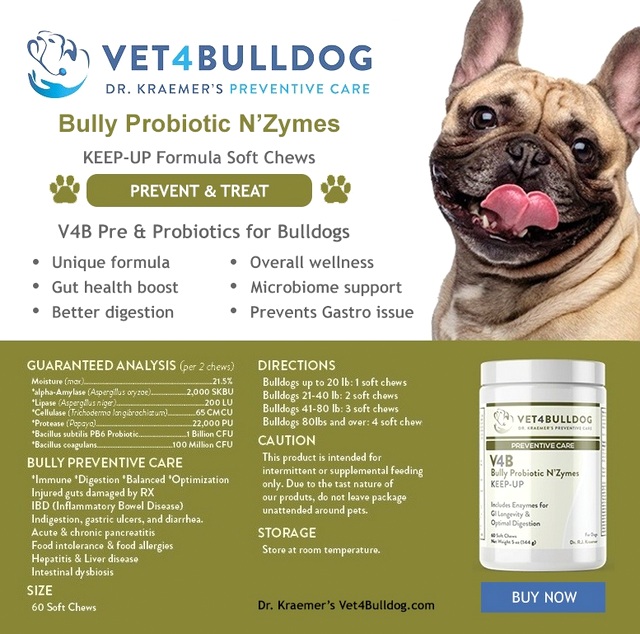
- Bully Pre / Probiotics N’ Zyme KEEP-UP: with prebiotic and digestive enzymes
- Bully Immune Boost Formula
- Bully HEMP Relax & Calm
- Bully Gentle Move Formula
- Bully Fish Oil EFA
- Bully Multivitamin Formula
How Probiotics Work for Bulldogs and French Bulldogs?
Probiotics play a vital role in maintaining a healthy gut by using several smart strategies to keep harmful bacteria in check and support overall health. Here’s how they work:
- Block Bad Bacteria: Probiotics prevent harmful bacteria from attaching to the gut lining, acting like bouncers at the door of your bulldog’s digestive system.
- Compete for Resources: By consuming nutrients and occupying space, beneficial bacteria crowd out the bad guys and help maintain a balanced microbiome.
- Neutralize Toxins: Probiotics help reduce the production and effects of harmful bacterial toxins in the GI tract.
- Aid Digestion: They assist in breaking down food and improving nutrient absorption, especially important for bulldogs prone to digestive issues.
- Boost the Immune System: Probiotics may help support and modulate the immune response, which in turn may help your bulldog resist infections and moderate inflammation.
Bulldog and French Bulldog Probiotics and Digestive Enzymes
In addition to beneficial gut bacteria, your Bulldog and French Bulldog also rely on digestive enzymes, including amylase, protease, and lipase, to properly break down food and absorb nutrients.
- Amylase breaks down carbohydrates
- Protease digests proteins
- Lipase helps digest fats
These enzymes are essential for efficient digestion and nutrient transport.
However, they are often destroyed by high heat during the processing of commercial pet foods, making them scarce in many bulldog diets.
⚠️Without sufficient digestive enzymes, your bulldog may suffer from maldigestion and malabsorption, which can lead to poor nutrient uptake, gastrointestinal distress, and chronic health issues.
Supplementing with digestive enzymes can:
- 🌿Support and protect your bulldog’s digestive system
- 🌿Improve nutrient absorption
- 🌿Reduce the workload on the pancreas
- 🌿Enhance energy and overall vitality
Supplements containing cellulase offer additional support, especially for an ill bulldog.
Cellulase helps break down cellulose in plant cell walls, unlocking nutrients that might otherwise go undigested.
Incorporating functional digestive enzymes into your bulldog’s daily routine can make a noticeable difference in gut health, energy levels, and overall well-being.
Benefits of Dr. Kraemer’s Bulldog Prebiotic
Prebiotics are nondigestible fibers, mainly sourced from plants, that serve as food for the beneficial bacteria in your bulldog’s gut. These fibers may help moderate inflammation and encourage an environment less hospitable to harmful gut pathogens, supporting a balanced and healthy microbiome.
How Prebiotics Work in Bulldogs?
Prebiotics play a vital role in maintaining gut health by:
- Stimulating the growth of beneficial bacteria in the digestive tract
- Enhancing nutrient digestion and absorption from food
- Supporting a balanced microbiome by nourishing good bacteria and suppressing harmful ones
- Promoting gastrointestinal homeostasis, leading to the formation of normal, well-formed stool
By feeding the “good guys” in your bulldog’s gut, prebiotics help create a healthier, more resilient digestive system.
Benefits of Dr. Kraemer’s Bulldog Gentle Move Therapeutic Fiber Supplement
Certain dietary fibers may help improve your bulldog’s stool quality by binding water in the gut, promoting better-formed and easier-to-pass feces.
- Dr. Kraemer’s V4B Bully Active Botanical Fiber Formula
Dr. Kraemer’s Bulldog Symbiotics: A Gut Health Power Duo
Symbiotics are a powerful combination of prebiotics and probiotics, and when it comes to Bulldogs and French Bulldogs, they’re a game-changer for gut health.
This synergistic pairing means the prebiotics feed and support the probiotics, allowing the beneficial bacteria to thrive and work more effectively. Together, they’re more powerful and effective than either one alone, helping to restore balance, improve digestion, and strengthen immune function.
Dr. Kraemer’s Bulldog Probiotic Symbiotic May Help PREVENT & TREAT
- HARM FROM RX: Antibiotics can harm your bulldog’s good bacteria
- ANXIETY HARM: Stressful events like travel, boarding
- STRESS HARM: Stress colitis, Stress diarrhea
- PARASITIC HARM: Acute diarrhea due to endoparasites and other harmful microorganisms
- AUTOIMMUNE DISEASE: Like IBD (intestinal inflammation)
- SKIN ALLERGY: Atopic dermatitis (improving skin barrier integrity )
- IMMUNE SUPPRESSION: Bulldog and French Bulldog Puppies to help improve their immune system
Prebiotics, probiotics, digestive enzymes are very safe with minimal to no side effects and can be effective with or with traditional Rx.
What Factors Can Negatively Impact Bulldog Probiotics?
Several elements can reduce the effectiveness of gut-supporting supplements in Bulldogs and French Bulldogs, including:
- Poor diet quality: Highly processed foods can lack the nutrients needed to support gut health
- Contaminated or low-quality drinking water: Can introduce harmful substances and disrupt microbial balance
- Air pollution & environmental toxins: May contribute to inflammation and gut microbiome imbalance
- Chemical additives & preservatives: Often found in commercial diets and treats, these can harm beneficial bacteria
- Chronic anxiety or stress Alters gut-brain signaling and disrupts microbiome stability
- Allergies: Trigger inflammation that can damage the gut lining
- Prescription medications (e.g., antibiotics, steroids): Can kill off beneficial bacteria and contribute to dysbiosis
To get the most out of probiotic, prebiotic, and enzyme supplementation, it’s essential to support your bulldog with a holistic approach that includes
⚕️clean nutrition
⚕️stress management
⚕️ and minimal exposure to toxins.
Gut Dysbiosis in Bulldogs and French Bulldogs / PREVENT & TREAT
Keeping your bully on a
- Balanced, nutritious food
- Clean water
- Playful, stress-free environment
- Sound physical shape
- Daily play & exercise
- Minimal exposure to immune suppressants and prescription RX.
Probiotics for Bulldogs and French Bulldogs RULE OF THUMB:
In the United States, probiotics are classified as supplements, not drugs, which means they’re not subject to the same rigorous FDA oversight. As a result, quality and effectiveness can vary widely between products.
To ensure you’re choosing a safe and effective probiotic for your Bulldog or French Bulldog, look for the NASC Quality Seal (National Animal Supplement Council). This seal indicates the supplement has undergone independent testing for purity, potency, and manufacturing standards.
🔍 Always check for the NASC seal to confirm:
- Independent quality testing
- Verified ingredient integrity
- Manufacturer accountability

For more guidance on safe and effective supplementation, visit Dr. Kraemer’s “Supplement Must Know / DO NO HARM” page HERE
First the honest part. No supplement rebuilds a gut on its own, and nothing in my range is a substitute for what your veterinarian prescribes. What the clean food, the calmer house and the unhurried walk do is the real work. What these may help with is the part owners cannot do by hand: putting live bacteria back, feeding them so they stay, and giving the digestion some mechanical help while the lining settles.
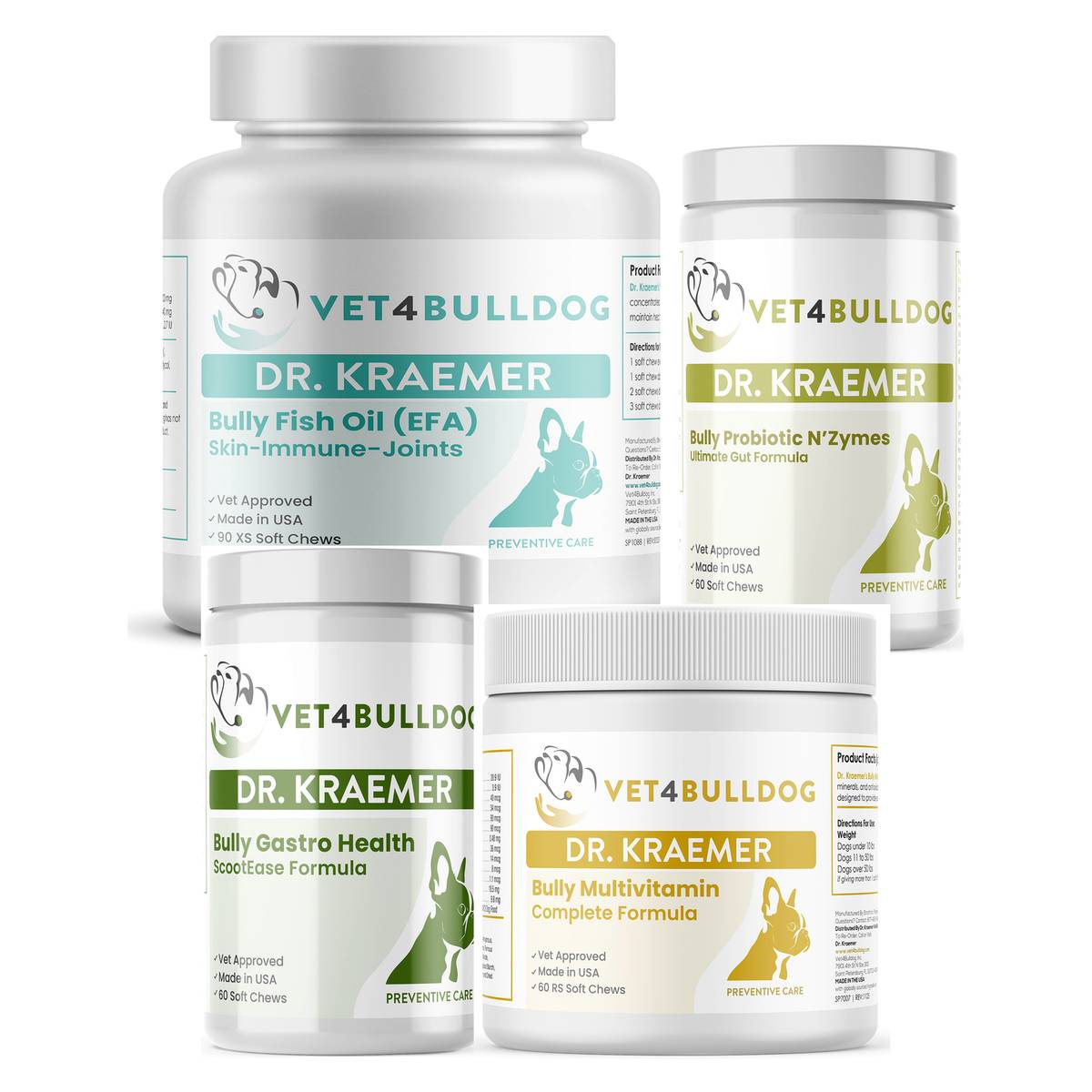
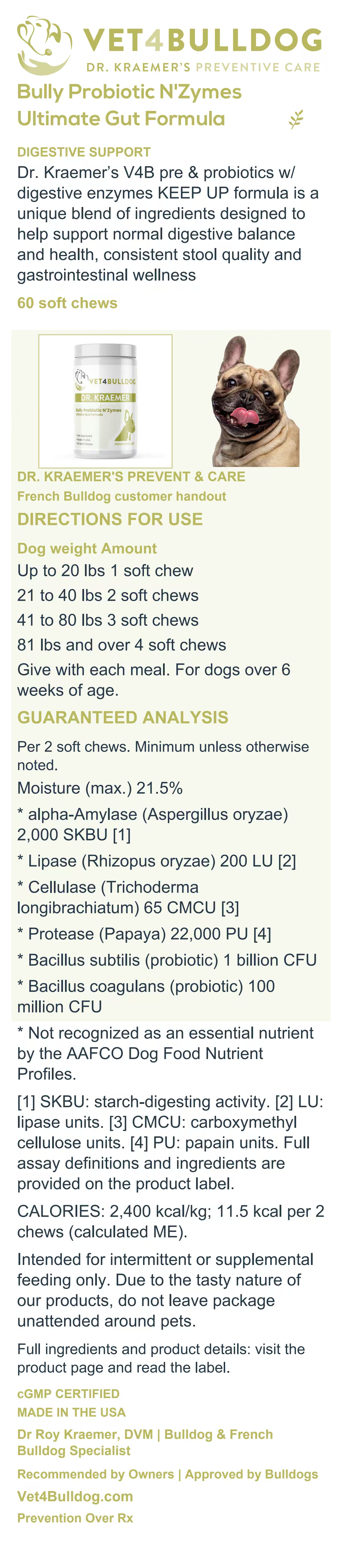
The reason I sell these as combinations rather than a tub of bacteria is the point made higher up the page. A probiotic on its own arrives with nothing to eat. So the Basic bundle pairs the probiotic with its prebiotic fiber, the Essential bundle adds the digestive enzymes, and the Ultimate bundle is the one I would reach for after a long antibiotic course or for a rescue arriving in poor shape. If you would rather start with a single item, the Pre and Probiotics N’ Zyme KEEP-UP chew is the everyday version, and the Gut Health Core bundle is the stronger load-up.
Two companions worth knowing about, because gut trouble rarely travels alone. Stress feeds dysbiosis and dysbiosis feeds stress, so the StressLess and Calming Aid may help where boarding, travel or a nervous disposition is part of the picture. And when the stool itself is the complaint, the Gastro Gentle Move fiber formula may help it hold its shape over a good few weeks.
See the prebiotic and probiotic range
MANUFACTURING STANDARDS: V4B products are manufactured to the highest quality specifications in FDA-registered facilities under strict CGMP (“Current Good Manufacturing Practices”) standards.
To be clear: supplements are not substitutes for prescribed treatment. If your dog is unwell, is being treated for a condition, or is already on medication, talk to your veterinarian before adding anything, including mine. The decision belongs with the vet who is examining the dog.
The week after the antibiotics is the one that counts
If there is one week in a Bulldog’s year when this page earns its keep, it is the week he is on antibiotics. A course does its job on the infection you are treating, and on the way through it also thins out the population in the gut that had nothing to do with the problem. That is why so many owners tell me the skin infection cleared and then the stool fell apart, and why the dog who has been round that loop several times is often the one with the touchiest digestion of the lot.
Two practical points, and they are the ones most often got wrong. Give the probiotic a few hours away from the antibiotic dose rather than alongside it, because there is no sense handing the two to the gut at the same moment. And keep going for a good few weeks after the course has finished, not just during it. Rebuilding takes longer than emptying, and stopping on the last antibiotic day is the point at which most people stop.
The part I want to be plain about: none of this is a reason to skip the antibiotic, to shorten the course, or to treat a sick dog with a supplement. If your veterinarian has prescribed something, finish it. A probiotic sits alongside that decision, it does not compete with it.
Bulldog Probiotics and Gut Dysbiosis Tips And Warnings:
Below are selected probiotics and gut dysbiosis tips and warnings, courtesy of Dr. Kraemer
#1 🩺 Bulldog Gut Harming Factors Tip:
Specific factors that can disrupt the normal flora (i.e. bulldog good bacteria) of the bowel include:
- Immune suppressant RX (like a steroid)
- Antibiotics, especially when used long-term
- Stress & Anxiety due to boarding, hospitalization, Surgery, shipping, weaning from mom, and separation
- Disease & Illness
- Low-Quality Diet
#2 🩺 Bulldog and French Bulldog Probiotics Tip:
Probiotics, Digestive Enzymes, and Prebiotics may help:
- Support Immune modulation
- Support normal gut motility
- Enhance GI mucosal barrier function
- Help to combat GI pathogens
#3 🩺 Bulldog Medical Conditions Supported by Probiotics Tip:
Probiotics, Digestive Enzymes, and Prebiotics might help a range of medical conditions, such as:
- Diabetes
- Liver disease
- Behavior disorders
- IBD
- Irritable bowel syndrome
- Ulcerative colitis
- Intestinal Dysbiosis
- Skin and Ear Disease
- Allergies
#4 🩺Bulldog and French Bulldog Probiotics Benefits Tip:
There is some evidence that digestive enzymes, prebiotics, and probiotics can positively affect:
- Cancer
- Joint Disease
- Degenerative disease
- Proper puppy development.
Probiotics may also help reduce oxidative stress, which supports the body as it copes with harmful conditions.
#5 🩺 Bulldog Probiotics and Vitamin B12 Benefits Tip:
Gut dysbiosis can be diagnosed with the help of blood tests that measure folate and vitamin B12 (cobalamin).
Bulldogs suffering from intestinal dysbiosis usually have folic acid testing above normal and vitamin B12 testing below normal. If your bulldog is suffering from dysbiosis, vitamin B12 supplementation is usually recommended. It can be given by a weekly injection or orally (daily)
#6 🩺Bulldog Gut Good Bacteria and Probiotic Tip:
Probiotics are live culture microorganisms of a bulldog’s “good bacteria”, which, when given in adequate amounts, may help support your bulldog’s gut wellness and general health
#7 🩺 Bulldog IBD and Probiotics Tip:
Prebiotics and Probiotics also help combat GI diseases such as IBD (inflammatory bowel disease)

#8 🩺Probiotics and Bulldog Microbiota Tip:
Your Bulldog or French Bulldog’s gastrointestinal tract is home to a massive and diverse microbial world, not just bacteria, but also protozoa, viruses, and fungi.
It’s estimated that their gut contains over 100 trillion microbial cells, that’s about 10 times more microbes than actual body cells! This bustling microbiome plays a critical role in digestion, immunity, and overall health.
#9 🩺Probiotics and Their Effect on Bulldog Immune System Tip:
A healthy, balanced microbiota regulates your bulldog’s immune system, thus helping in the defense against pathogens, and also provides nutritional benefits, that impact bulldog obesity and possibly endocrine conditions like bulldog diabetes, allergies, and IBD.
#10 🩺 Probiotics and Antibiotics Tip:
One major indication for probiotic treatment is in the prevention of “antibiotic-associated gastrointestinal side effects” (AAGS),
#11🩺 Probiotics and Vitamin B12 Tip:
Your bulldog’s intestinal tract is home to millions of bacteria, and the good news is, most of them are beneficial!
These helpful microbes play a vital role in:
- Digestion: breaking down food and converting it into usable nutrients
- Vitamin synthesis: especially important vitamins like B12
- Defense against toxins: preventing absorption and neutralizing harmful substances produced by “bad” bacteria
Adding probiotics to your bulldog’s routine may enhance nutrient absorption and help protect the gut lining from toxic damage, promoting better overall health.
#12 🩺Treating Diarrhea with Probiotics Tip:
Probiotics may significantly reduce the duration of diarrhea caused by acute gastroenteritis in bulldogs. Studies have shown that administering probiotics can notably shorten the length of diarrheal episodes.
#13 🩺Improving the Immune System with Probiotics
Supplementing with probiotics may also help stimulate the immune function of the intestinal tract.
#1 ⚠️Antibiotics and Bulldog Gut Health Warning:
Antibiotics can disrupt the delicate balance of the intestinal microbiota by killing both harmful and beneficial bacteria indiscriminately. This disruption may allow harmful bacteria and yeasts to overgrow, potentially causing various health problems.
#2 ⚠️Bulldog Bad Gut Bacteria Warning:
Bulldog and French bulldog Dysbiosis can be deleterious due to the production of bacterial toxins or reductions in anti-inflammatory metabolites derived from bacteria.
Dysbiosis could also serve as a risk factor for the development of chronic GI disease
#3 ⚠️ Probiotic Quality Warning:
Objective evaluations have shown that all probiotics are not created equal. In one study, no evaluated food contained all the bacterial strains listed on the label, and 26% of tested foods did not contain live bacteria. Additionally, up to two-thirds of probiotics labeled for animal use have failed quality testing.
#4 ⚠️ Leaky Gut Warning:
Intestinal dysbiosis in Bulldogs can cause increased intestinal permeability, commonly known as leaky gut. This allows antigens to leak into the bloodstream, which may contribute to conditions such as arthritis, atopy, and autoimmune diseases in Bulldogs.
#5 ⚠️Probiotic Manufacturing Quality Control Warning:
Probiotics are not prescription drugs; thus, they only undergo minimal regulatory scrutiny.
Please review my “Supplement Must Know / DO NO HARM” page HERE.

How do I know a probiotic is actually any good?
Can I give a probiotic at the same time as antibiotics?
How long before I see anything?
Can I just use a human probiotic from the pharmacy?
His food says it already contains probiotics. Is that enough?
Why would a gut supplement have anything to do with his skin?
More Help from Dr. Kraemer
- GI disease in Bulldogs and French Bulldogs
- IBD, inflammatory bowel disease in Bulldogs
- Colitis in Bulldogs and French Bulldogs
- Pancreatitis in Bulldogs and French Bulldogs
- Food allergy in Bulldogs and French Bulldogs
Trusted by Vets ~ Recommended by Owners ~ Approved by Bulldogs
Shop the Pre and Probiotic Chews →
References
- Suchodolski JS. Analysis of the gut microbiome in dogs and cats. Veterinary Clinical Pathology
- World Small Animal Veterinary Association. Global Nutrition Guidelines
- Merck Veterinary Manual. Malabsorption Syndromes in Small Animals