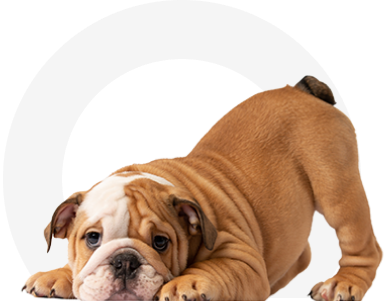

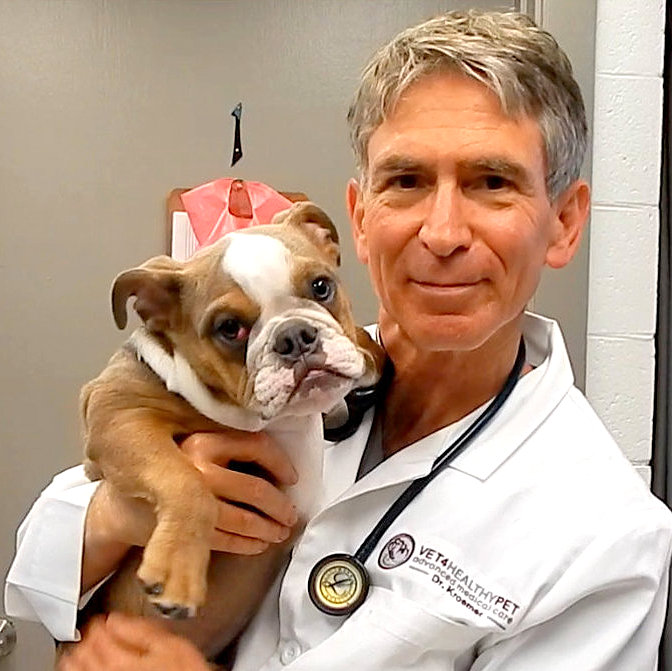


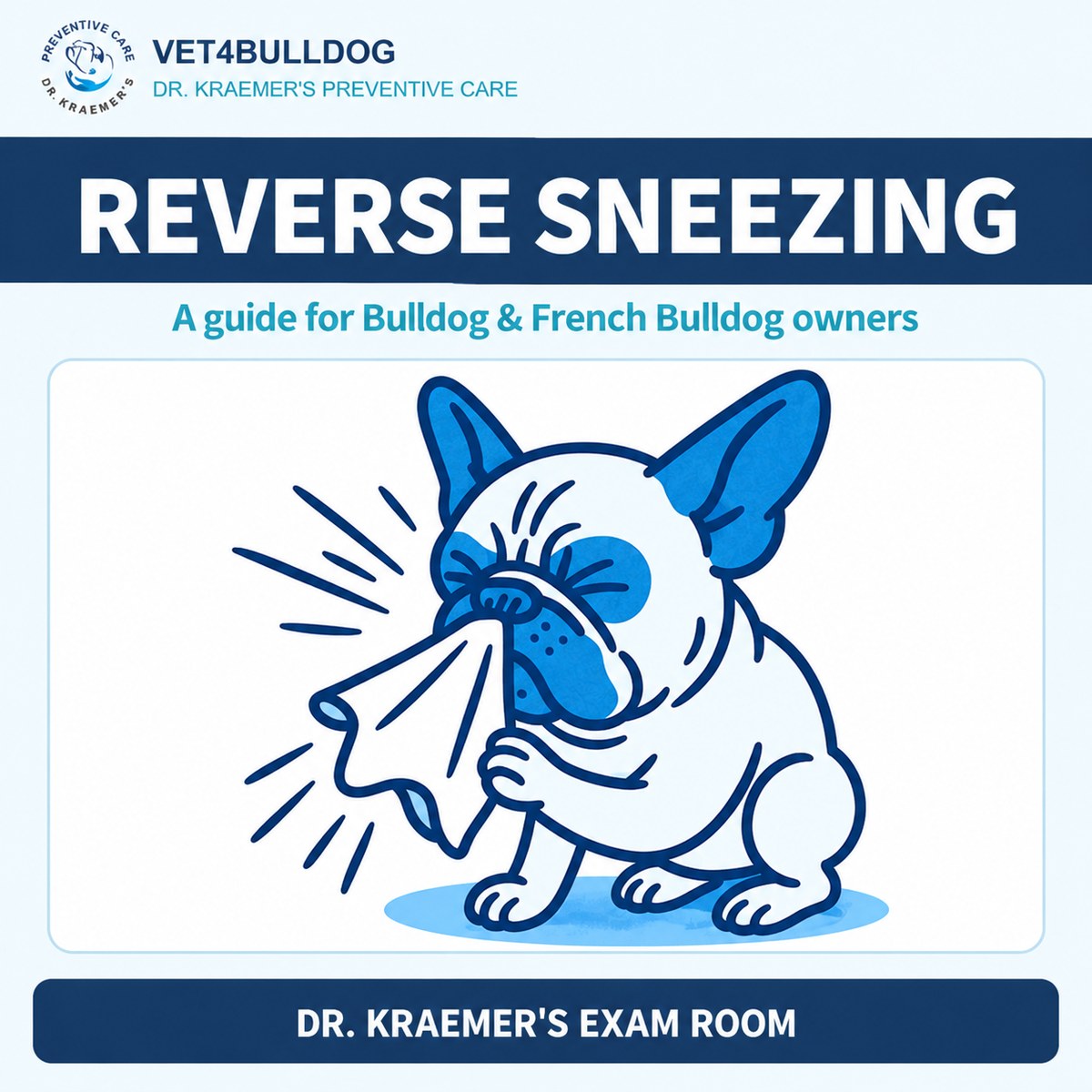
A reverse sneeze is a spasm at the back of the throat. The dog pulls air inward through the nose in hard, noisy bursts instead of pushing it out the way an ordinary sneeze does. Nothing is stuck and nothing is blocked, which is why it stops on its own and why your dog is completely normal seconds later.
Almost every Bulldog and French Bulldog does it from time to time. The crowded airway this breed is born with leaves very little room at the back of the nose and throat, so it takes less to set off that spasm than it would in a longer nosed dog.
What actually matters is not how dramatic any single episode looks. It is how often they are happening, and whether that has changed. This page covers both: what to do in the moment, and when a change in the pattern is worth a conversation with your veterinarian.
No, you should not have known, and you are not an idiot. You did exactly what I would want an owner to do the first time they see something frightening in their dog. Please do not let the embarrassment stop you going next time.
I will tell you what I tell everyone who has had that night. The first time you see a reverse sneeze it is genuinely alarming. The posture you described, elbows out, neck stretched, is the dog bracing, and the noise sounds like the air is not going in. Owners film it. Owners cry. I have had people arrive at my clinic convinced they were bringing me a dog who had choked, and the dog walks in happy as anything.
What is actually happening is close to the opposite of what it looks like. Air is going in, sharply, through the nose, while the soft palate is being pulled tight. It is a spasm rather than an obstruction. That is why it ends on its own, usually within a minute or so, and why your dog is normal the moment it stops rather than exhausted the way she would be after a genuine struggle for air.
So the money was not wasted. You now know what it looks like, you know your dog, and you have a vet who has examined her and found nothing. That is worth three hundred dollars the first time.
What I would do now is simply keep an eye on how often it happens rather than how dramatic each one is. That is the part that actually tells you something, and there is more on it further down this page.
Introduction To Bulldog and French Bulldog Reverse Sneezing
If you’ve ever heard your bulldog suddenly start honking and snorting like an angry little goose, you’ve met the infamous reverse sneeze.
It’s common in our flat-faced “brachy” breeds (English and French bulldogs especially) and can happen at any age.
The first time you see it, it can give you and your bully a wicked scare.
What Are The Symptoms of Bulldog Reverse Sneezing?
It usually looks like this: your bully
- freezes
- stretches their neck
- flares their elbows
- and starts a rapid series of snorts or honks, as if they’re trying to blow out something stuck in their nose.
Then, just as suddenly, it stops, and they go back to life as if nothing happened.
When Your Squishy-Faced Sweetheart Sounds Like a Goose
Bulldog And French Bulldog Reverse Sneezing 5 Must Know!
- Scary but Short-Lived: Reverse sneezing can look alarming, but it usually lasts only a few seconds.
- Cause in Most Breeds vs. Bulldogs: In many breeds, the cause is idiopathic (unknown). In Bulldogs and French Bulldogs, however, it’s often linked to BOAS (Brachycephalic Obstructive Airway Syndrome).
- Other Possible Triggers: Allergies, foreign bodies (like foxtails), nasal mites, fungal infections, or even pressure from a neck collar and leash can set it off.
- Simple Ways to Break the Episode: Gently pressing the “Adam’s apple” to trigger swallowing, or briefly covering the nostrils, may help stop the spasm.
- Supportive Care: Calming and immune-boosting Bully Therapeutic Bundles may provide additional support for prevention and overall wellness.
Members of this bulldog community prefer prevention over RX

Why Reverse Sneezing Happens In Bulldogs and French Bulldogs?
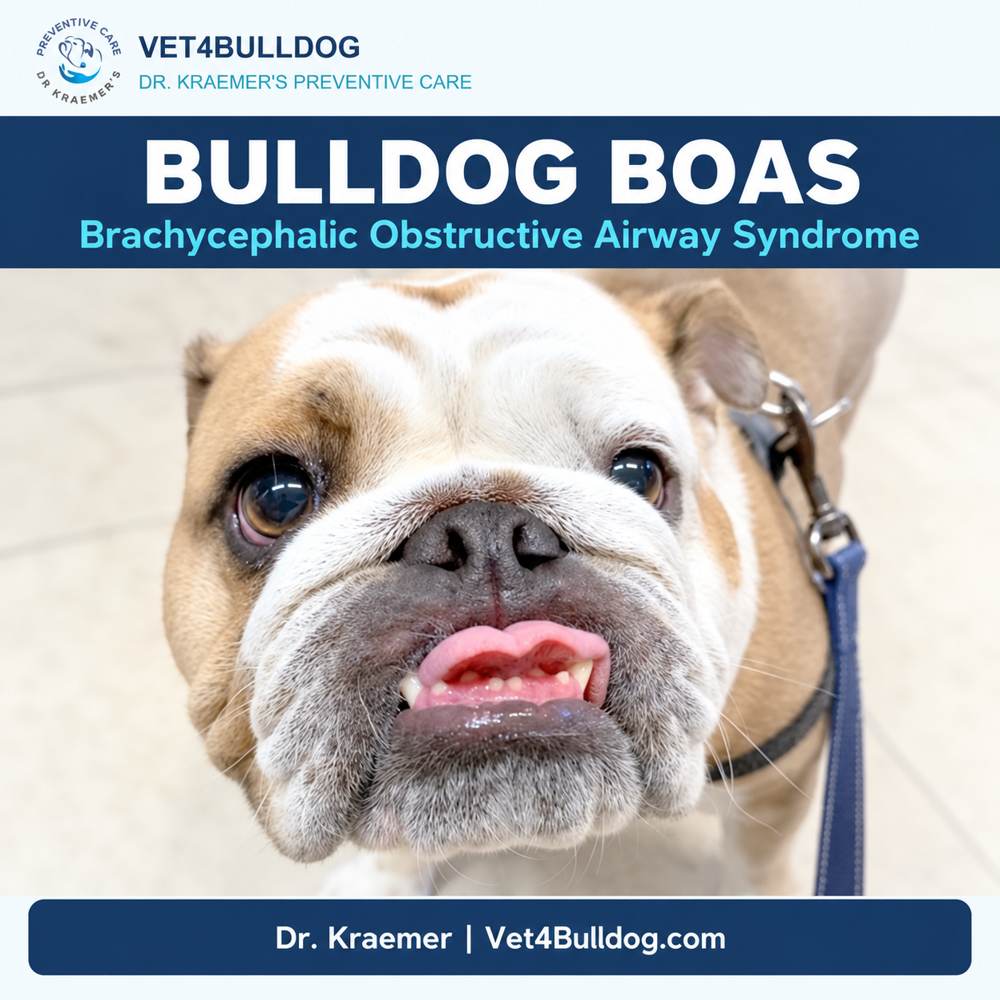
Sometimes the cause is a mystery (idiopathic, in vet-speak). But in bulldogs, the #1 culprit is BOAS (Brachycephalic Obstructive Airway Syndrome.)
BOAS means their flat compressible face can cause a multiple serious, debilitating airway obstructive problems such as:
- Elongated soft palate (like a little curtain flapping in the airway)
- Pinched nostrils
- Thick swollen tongue
- Everted laryngeal saccules (blown up laryngeal tissue)
- Hypoplastic trachea (narrow windpipe)
- Thick nasal plates
All these can make the airway narrower, creating more suction and pressure when your bully breathe in.
That extra “pull” can irritate the throat and sinuses, triggering a reverse sneeze.
Other Possible Causes of Bulldog Reverse Sneezing
- Allergies (dust, pollen, perfumes, cleaning sprays)
- Nasal mites
- Nasal fungal infections
- Foreign objects (like foxtails
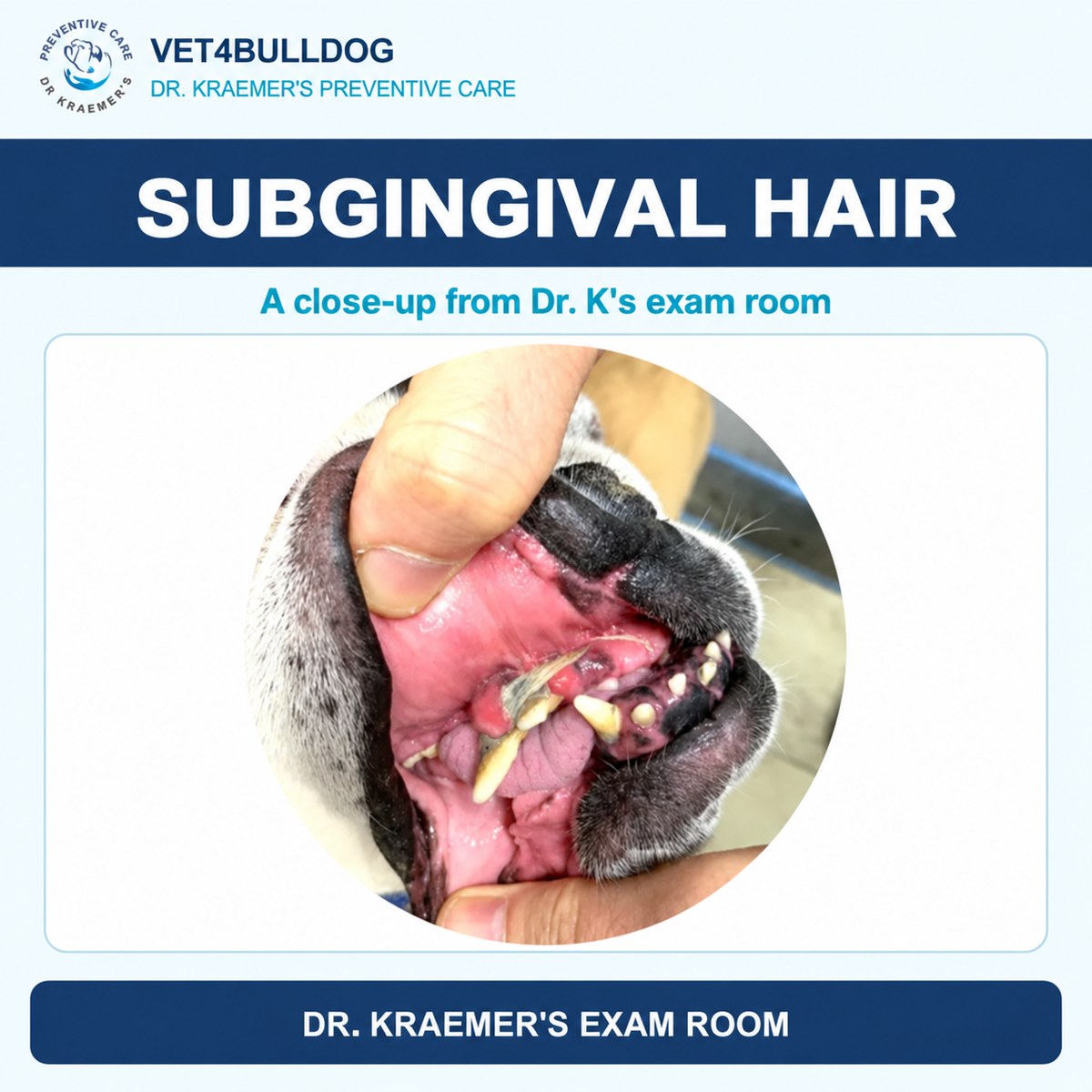
- Dental issues (like subgingival hair stuck under the gums, leading to a nasal fistula)
- Collar or leash pressure on the neck
How To Prevent and Treat Bulldog Reverse Sneezing?
Preventing and treating reverse sneezing depends on underling cause
#1 BOAS Surgery
Early repair of obstructive features can be life-changing. Opening the nostrils and trimming the elongated palate are the most common fixes.
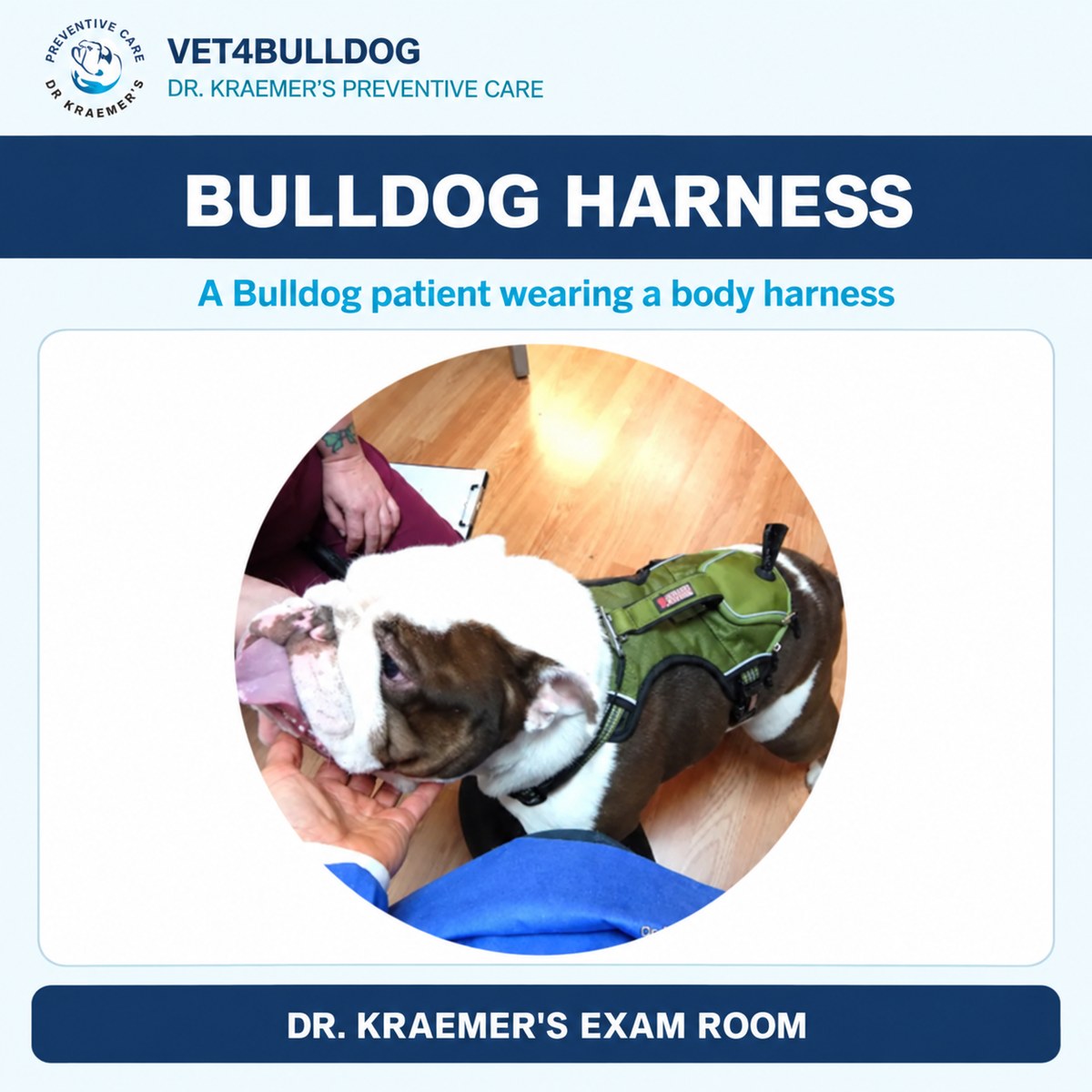
#2 Harness Instead of Neck Collar
No more neck pressure from collars and leash.
#3 Reduce Allergens and Irritants
Use air purifiers, avoid strong fragrances, keep dust down, choose pet-safe cleaners.
#4 Parasite prevention
Keep mites at bay with vet-approved preventatives.
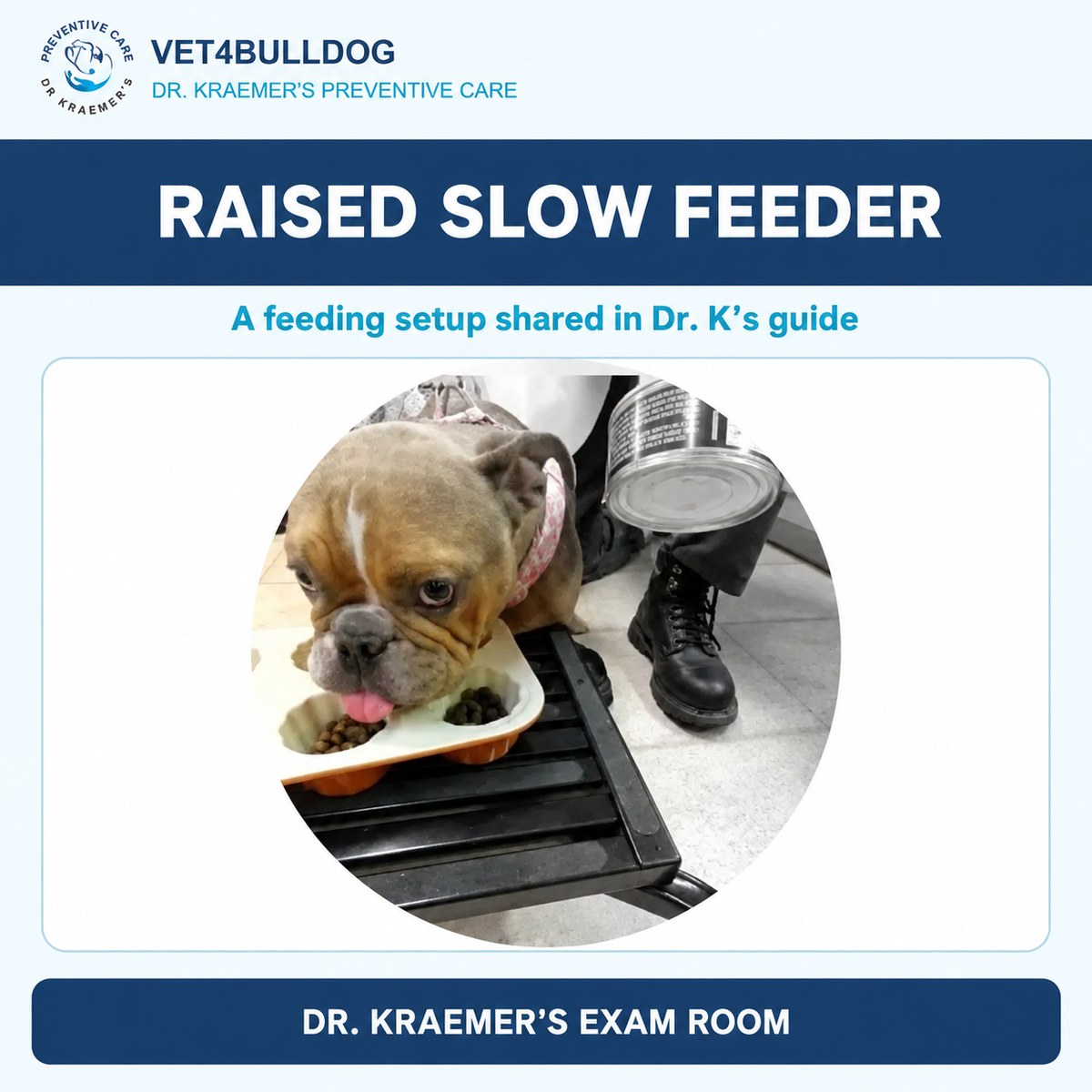
#5 Hydrating and feeding changes
Slow feeders, raised bowls, and keeping mealtime calm may help.
#6 Natural calming and bully supplements
may help prevent and manage reverse sneezing. 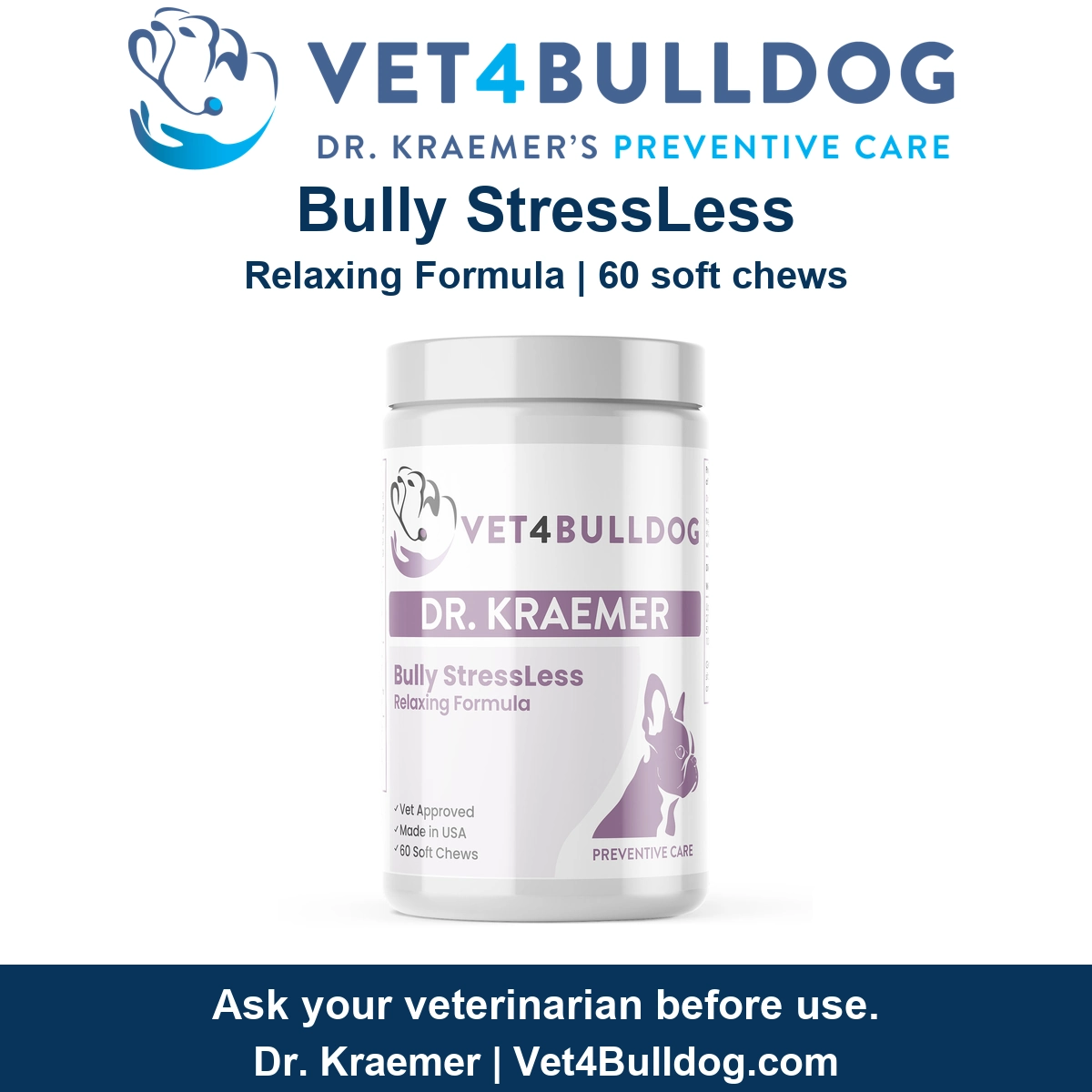
#7 Antihistamine trial
Sometimes helpful for allergy-related sneezing (check with your vet first).
#8 Trigger check
Take your bully outside; if the sneezing stops, it might be an indoor irritant.
#9 Environmental Allergen Filters:
HEPA indoor air filters, AC filters, etc
It looks far worse than it is
Almost nothing I see frightens owners as reliably as this, and almost nothing turns out to be less dangerous.
Here is the thing that makes it so convincing. Every instinct you have says a dog making that noise, in that posture, cannot breathe. In fact the air is going in. A reverse sneeze is a spasm at the back of the throat where the dog pulls air inward through the nose in hard, noisy bursts, rather than pushing it out the way an ordinary sneeze does. Nothing is stuck and nothing is blocked.
Think of a hiccup. A hiccup is a spasm of the diaphragm, it looks and sounds involuntary and slightly alarming the first time you see it in a baby, and it resolves itself. This is the same category of event, just louder and at the wrong end of the breathing cycle.
The giveaway is what happens afterwards. A dog who has genuinely been short of air is tired, anxious and slow to settle. A dog who has just reverse sneezed shakes himself off and goes back to whatever he was doing within seconds. If you only remember one thing from this page, remember to look at your dog thirty seconds after it stops rather than during.
During an episode, the most useful thing you can do is also the least satisfying: stay calm and keep it short. Your dog is reading your panic, and a tense dog takes longer to come out of it than a relaxed one. Talk to her normally. Do not hold her mouth shut, do not pull on her collar, and do not put your fingers in her throat looking for something that is not there.
What to Do During a Bulldog and French Bulldog Reverse Sneezing Episode?
- Stay calm: your bulldog will, too.
- Gently massage their throat.
- Briefly cover their nostrils for a second or two: this encourages swallowing and can reset the airway.
How often matters more than how dramatic
Now the other half of it, because I do not want this page to simply tell you not to worry.
Every Bulldog I have ever met reverse sneezes occasionally. On its own, an episode means very little, and chasing each one gets you nowhere. What is worth your attention is the pattern. A dog who does this now and again is a Bulldog being a Bulldog. A dog who has started doing it most days, when he used to do it once a month, is telling you something has changed.
A reverse sneeze is not a diagnosis. It is a signal that something is irritating the back of the nose and throat, and in this breed there is rarely a shortage of candidates. The airway they are born with crowds that space to begin with. Add seasonal allergens, dust, a new cleaning product, a scented candle, smoke, a collar pulling on the throat, or less commonly something living up there such as nasal mites, and the same spasm happens more often.
So the useful habit is not panic and it is not dismissal. It is counting. Note roughly how often it happens over a few weeks, and whether anything in the house or the season changed around the time it increased. That is a far more useful thing to hand your veterinarian than a video of one dramatic episode, and it is the kind of record that turns a shrug into an actual answer.
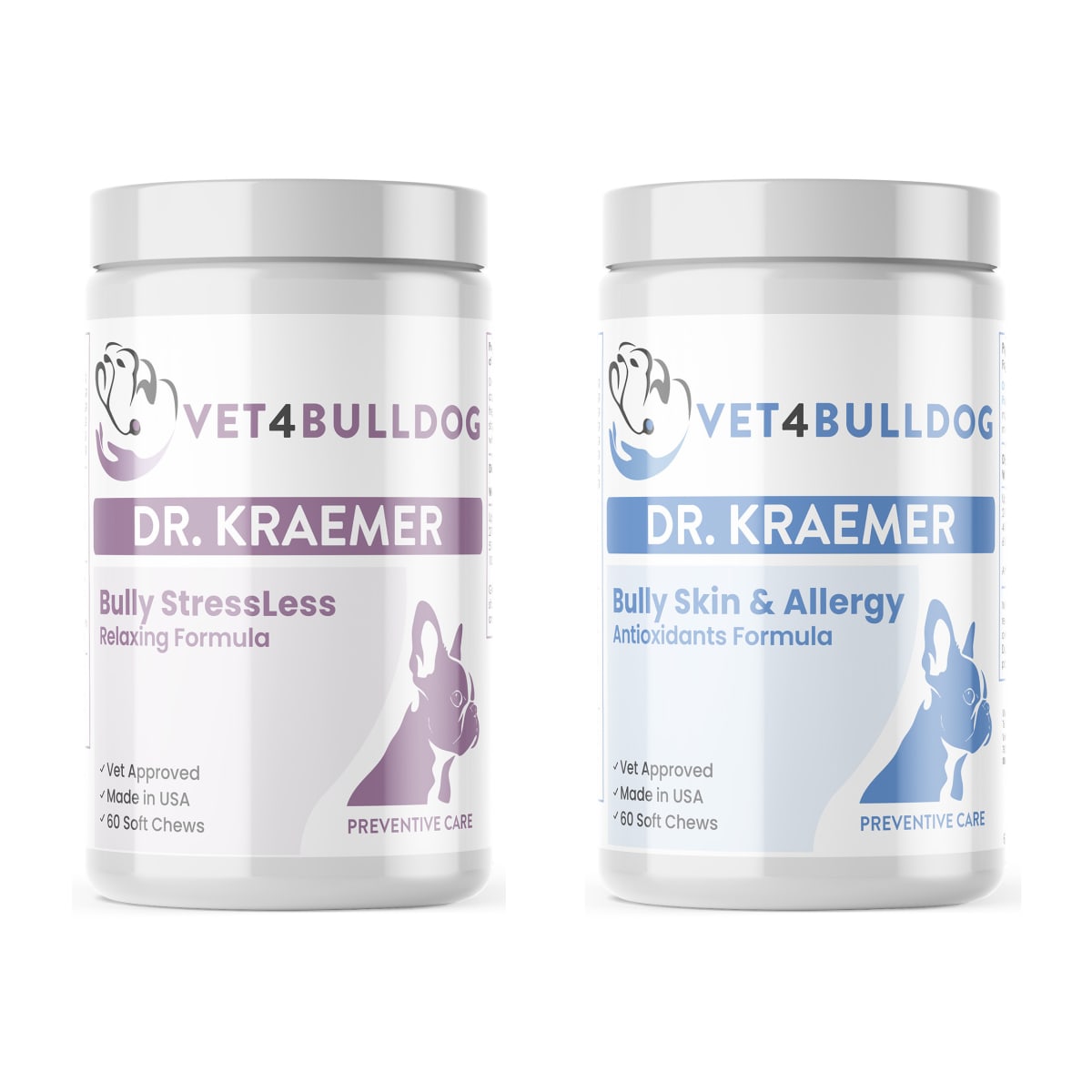
If it has clearly become more frequent, that is a conversation for your veterinarian rather than something to manage at home. Skin and allergy support may help a dog whose trigger turns out to be environmental, alongside whatever your vet advises rather than instead of it.
When to See the Vet for Reverse Sneezing?
If your bulldog’s reverse sneezing is frequent, severe.
Or comes with other symptoms like nasal discharge, vomiting, nosebleeds, or signs of illness, it’s time for further testing.
Your vet may recommend X-rays, nasal exams, cultures, or biopsies to rule out more serious conditions.
Dr. Kraemer’s Reverse Sneezing Summary:
✅ Bottom line: Reverse sneezing in bulldogs is usually harmless.
But because of their unique anatomy, it’s worth keeping an eye on the frequency and severity.
With a little prevention and some smart care, you may help your bully breathe easier, and honk less.
Let me be straight with you. There is no supplement that shortens an episode, and if your dog is mid reverse sneeze the only useful things are free: stay calm, keep it short, and leave his throat alone.

Where this range has a place is the pattern rather than the episode. When reverse sneezing has become more frequent, the usual drivers in this breed are an airway with no room to spare and an irritated nose and throat, often seasonal. Respiratory and airway support, and skin and allergy support where an environmental trigger is suspected, may help on that broader front over a good few weeks, alongside whatever your veterinarian advises rather than instead of it.
If his everyday breathing is the real worry rather than the occasional honking fit, that is a larger conversation and it belongs on the brachycephalic airway page. A good deal of what Bulldogs live with is treatable, and plenty of owners have never been told so.
To be clear: supplements or topicals are not substitutes for prescribed treatment. If your dog is unwell, is being treated for a condition, or is already on medication, review any supplement or topical with your veterinarian so it fits the plan you are already following. This page is educational and is not a diagnosis or a treatment plan for your own dog.
Is reverse sneezing the same as a collapsing windpipe?
Should I film it to show my veterinarian?
Does holding his nostrils closed help?
He does it after drinking or after a walk. Is that normal?
Can allergies cause reverse sneezing?
Will airway surgery stop it?
More Help from Dr. Kraemer
Reverse sneezing in this breed usually points back at the airway, so these are the pages worth reading next.
- Brachycephalic Obstructive Airway Syndrome (BOAS)
- Elongated Soft Palate in Bulldogs and French Bulldogs
- Stenotic Nares (Pinched Nose) in Bulldogs and French Bulldogs
- Hypoplastic Trachea in Bulldogs and French Bulldogs
- Kennel Cough in Bulldogs and French Bulldogs
- Atopic Dermatitis and Allergy in Bulldogs and French Bulldogs
References
- Rhinitis and Sinusitis in Dogs, Merck Veterinary Manual
- Clinical Signs of Respiratory Disease in Animals, Merck Veterinary Manual
- Canine Nasal Mites, Merck Veterinary Manual
- Causes of Respiratory Disease in Animals, Merck Veterinary Manual
Trusted by Vets ~ Recommended by Owners ~ Approved by Bulldogs