


How to Keep Your Squishy-Face Pneumonia-Proof
Pneumonia in bulldogs and French bulldogs is way more common than in most other breeds.
Why? Because our adorable flat-faced babies come with some… special edition features. The good news? [👇]
Many cases are preventable, especially when caught early.
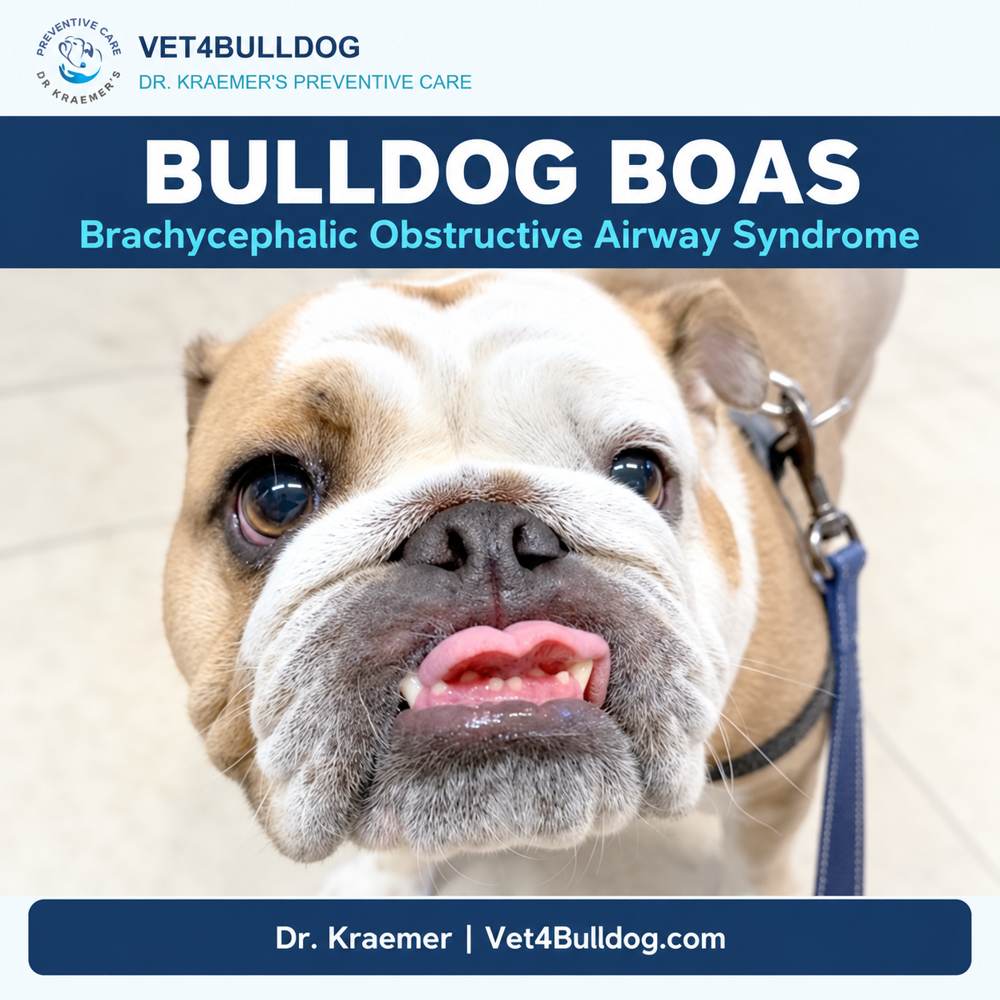
Let’s break down the Top 3 Causes of pneumonia in bulldogs
#1: Pneumonia Due To BOAS
, The Big huff & puff Trouble Maker
BOAS (Brachycephalic Obstructive Airway Syndrome) is the Queen Bee of bulldog respiratory issues.
BOAS makes it harder for bulldogs to breathe and more likely for them to
- retch
- reflux
- regurgitate
- and vomit
And all that “coming back up” can get aspirated (inhaled) into the lungs, leading to pneumonia.
Pneumonia due to BOAS is likely to worsens with age and is associated with increased chest and abdominal pressure, as well as an increase of your bulldog vasovagal tone.
If your bulldog sounds like Darth Vader doing CrossFit, BOAS is waving hello.
👉 Learn more about Bulldog BOAS, symptoms, prevention, and treatment, click HERE
#2 Pneumonia Due to Megaesophagus
The “Food Pocket” Regurgitation Problem
Megaesophagus means part of your dog’s esophagus becomes stretched out like a little pouch. Food collects there instead of sliding smoothly into the stomach.
And what happens next? It comes right back up.
Regurgitated food = major risk for aspiration pneumonia.
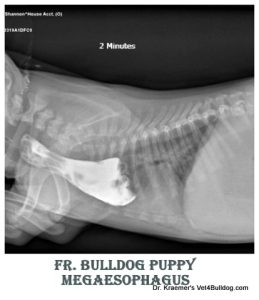
What Causes Bulldog Megaesophagus?
Most often megaesophagus is due to chronic esophagitis, usually caused by:
- Long-term reflux (often tied to BOAS)
- Hiatal hernia
- Bulldog GERD (yes… they get it too!)
So when your bulldog “spits up” without warning, that’s not being naughty, it may be megaesophagus warning.
👉 Learn more about Bulldog Megaesophagus, symptoms, prevention, and treatment, click HERE
#3: Pneumonia due to Post-Anesthesia Complications
, A Big One for Bulldogs
Here’s something many bulldog moms don’t know, Not all veterinary anesthesia protocols are bulldog-friendly.
Bulldogs have unique anatomy, and if pre-op, anesthesia, and recovery protocols aren’t tailored to the breed, things can go downhill FAST.
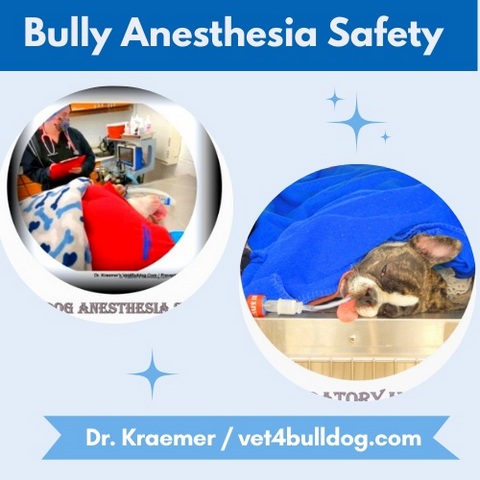
What Cause Anesthetic Pneumonia?
- Laryngeal edema
- Airway collapse
- Regurgitation
Pneumonia Warning: Some vets recommend elective surgeries (like spay/neuter) before addressing BOAS, which can be risky and sometimes catastrophic.
If the bulldog airway isn’t optimized first, anesthesia can become a dangerous event rather than a routine one.
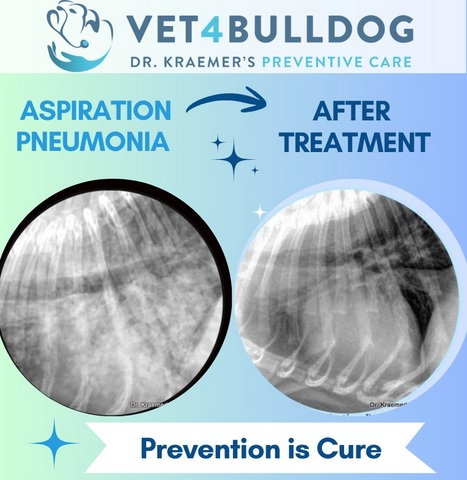
👉 Learn more about Bulldog Anesthesia Safety, click HERE
Summary, Bulldog Pneumonia Must Know
- Life Threatening: Pneumonia in bulldogs, is common, serious, and expensive
- BOAS Related: It often starts with BOAS-related reflux and aspiration
- Preventable: Is largely preventable
How Best To Prevent Bulldog Pneumonia?
- Address BOAS early in life
- Avoid unnecessary anesthesia
- When anesthesia is needed, choose a veterinarian who follows bulldog-specific anesthetic protocols
- Monitor for reflux, regurgitation, or sudden breathing changes

👉 Learn more about Bulldog Pneumonia, symptoms, prevention, and treatment, click HERE
Trusted by Vets ~ Recommended by Owners ~ Approved by Bulldogs
About the Author
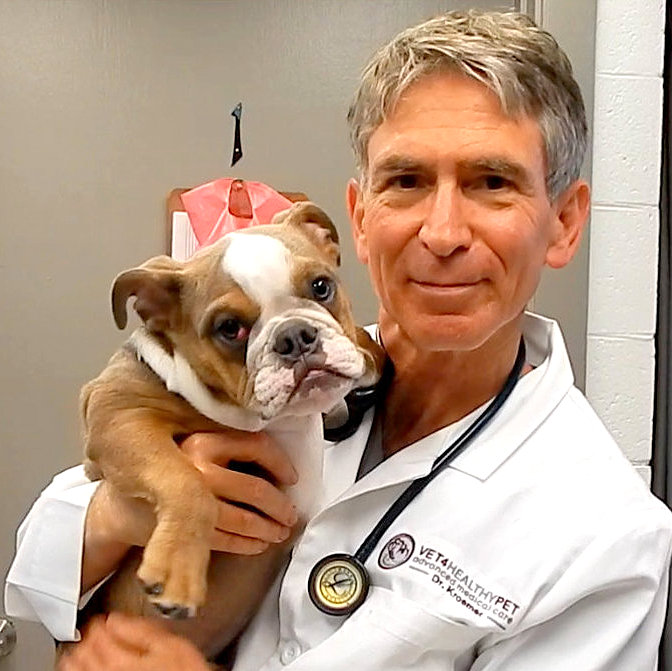
Roy Kraemer, DVM is the founder of Vet4Bulldog and the V4B line of preventive care products for Bulldogs and French Bulldogs. A Tufts University veterinary school graduate, he built and ran a Southern California veterinary hospital dedicated exclusively to these two breeds, and spent over 20 years working almost entirely with them, including years of rescue work alongside So Cal Bulldog Rescue.
In practice he combined conventional medicine and surgery with regenerative therapies including stem cell treatment, PRP and therapeutic laser, alongside nutrition, topical therapy and supplements. His emphasis throughout has been preventive care and longevity rather than treating problems once they take hold. He has been asked to comment on Bulldog and French Bulldog health by Business Insider, HuffPost, The US Sun, NBC Los Angeles and the OC Register.
Trusted by Vets ~ Recommended by Owners ~ Approved by Bulldogs


The information provided on this platform is for general informational purposes only. It is not intended as a substitute for professional medical advice, diagnosis, or treatment. Always seek the advice of your veterinarian regarding any medical condition. It's important to always consider professional medical advice promptly and not to delay seeking it based on information you've read on this platform. Any reliance on the information provided here is entirely at your discretion.