


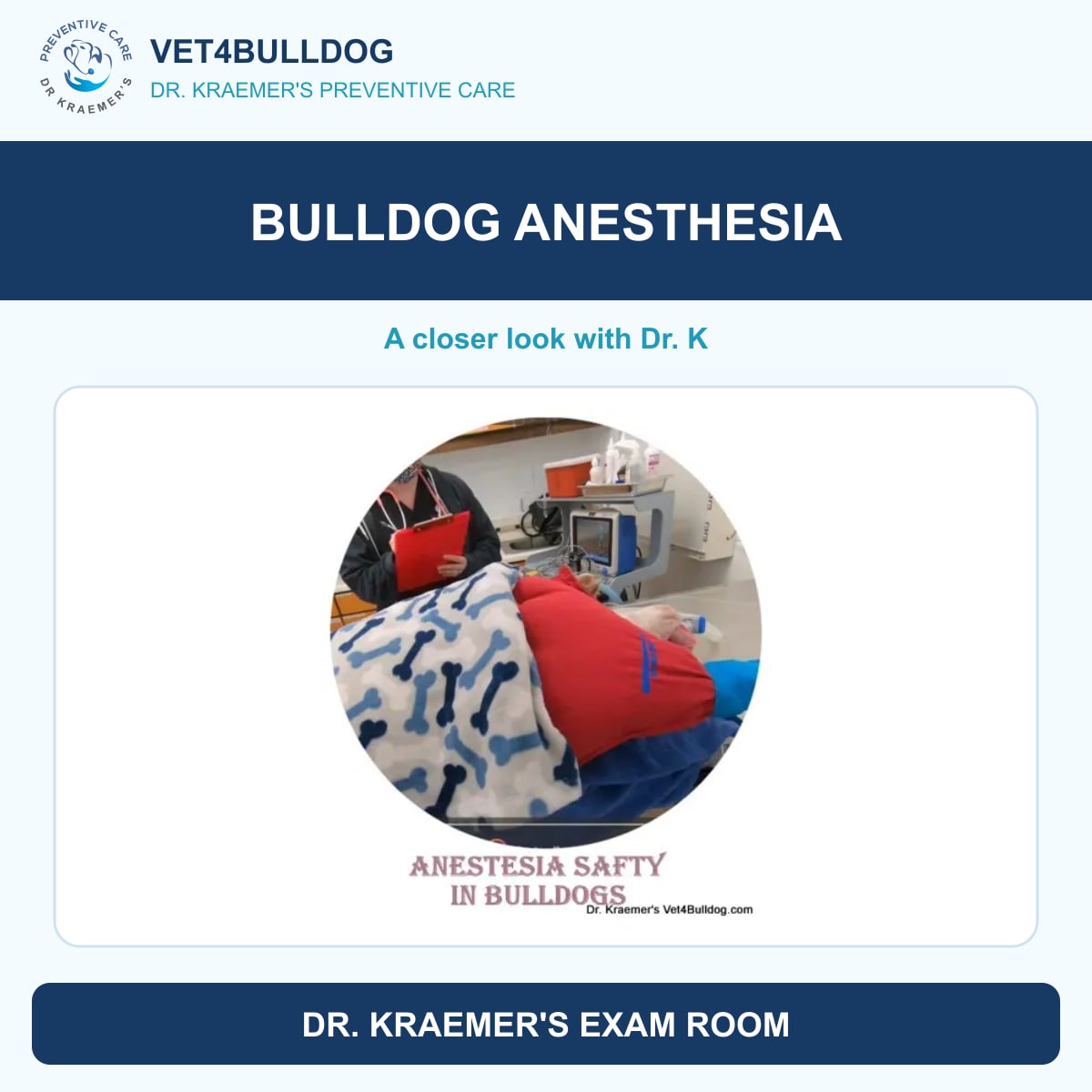
Subject: RE: Bulldog Anesthetic Sudden Death
Dear Dr. Kraemer, my family and I are heartbroken and devastated. Our beloved two year old French Bulldog, Lola, is gone. We took her in for a routine spay, and the vet assured us she was healthy. But then we received the call that she had passed away during surgery. We are struggling to understand how this could have happened. Could you please review her medical records and help us understand what might have gone wrong? Sincerely, Tim and Janet.
Tim, Janet. I am so sorry. Two years old, taken in for something routine, and she did not come home. There is no version of that which is bearable, and nothing I write here will make it so. Please do not let anyone hurry you past it.
I have to be honest with you about the request itself, because you deserve honesty more than you deserve comfort right now. I am not going to review Lola’s records and tell you what went wrong. Not because I do not care, but because I cannot do it properly. I was not there, I did not examine her, I did not see what her airway looked like or how she was while she went to sleep, and a set of notes read cold by a stranger is exactly the way wrong conclusions get drawn about people who may have done everything right. If you want her case reviewed, ask the practice directly for her full records, and ask whether an independent specialist can look at them. That is a reasonable request and a good practice will not flinch at it.
What I can tell you is the general thing, and I want to be careful that you do not read it as an answer about Lola, because it is not. This breed carries more anesthetic risk than most, and the reason is the airway they were bred to have. A dog who works hard to breathe while wide awake has very little in reserve when a drug takes part of that effort away. The dangerous stretch is often not the surgery at all. It is the recovery, in the minutes after the breathing tube comes out, when a swollen or crowded airway has to do the whole job alone and the dog is too drowsy to fight for it. That is why how a Bulldog is watched while waking matters as much as how she is put to sleep.
What I would not want you to take from this is that you were careless. You took a healthy young dog for a routine, sensible, responsible procedure, the same one that prevents several of the diseases I write about elsewhere on this site. That was a good decision made by good owners. Some risk cannot be designed away, and carrying it with you as blame is a weight you did not earn.
If there is anything useful to be made of this, it is for the owners reading over your shoulder. Ask the questions on this page before the next Bulldog in your life goes under. Ask who monitors her, ask how she is watched while she wakes, ask whether they have oxygen ready for afterwards. Most practices answer those well. The asking is still worth it.
Anesthesia Risks in Bulldogs and French Bulldogs Introduction:
The breeds of English Bulldog and French Bulldog pose a considerable anesthetic challenge due to their inherent risk factors, most notably their brachycephalic skull shape and narrowed airways make them prone to breathing difficulties, even in normal circumstances.
Bulldogs under general anesthesia face a significant challenge in relaxing the upper respiratory muscle because they cannot passively maintain open airways like other breeds. Consequently, they necessitate active compensatory hyperactivity of their remaining upper airway muscles to ensure steady breathing.
This heightened demand on their respiratory system increases the risks associated with anesthesia in bulldogs.
MUST DO ANESTHESIA SAFETY IN BULLDOGS:
Following this, his short list is imperative to guarantee their safety throughout the procedure.
➡️ Pre-anesthesia exams and tests
➡️ Anesthetic team training
➡️ Vigilant monitoring
➡️ Specialized techniques
➡️ Customized bulldog anesthetics
➡️ Endotracheal intubation
Anesthesia in bulldogs and French bulldogs is riskier than in other dog breeds
Bulldog Anesthesia Safety 5 X MUST KNOW
- Bulldogs are a high anesthetic risk that requires expertise and experince
- Bulldogs suffering from BOAS are at a higher risks
- Screening tests, Pre-oxygenation, customized protocol, intubation, and monitoring are critical
- The post-anestesia recovery period is the most dangerous for the inexperienced team
- Prevention and care include Dr. Kraemer’s Bulldog Airway Bundles.
Our Bulldog Community Prefer Prevention Over RX

Anesthesia Safety in Bulldogs and French Bulldog BOAS Warning ⚠️
Given the additional narrowing and obstruction in their already compromised airways, bulldogs and French bulldogs affected by Brachycephalic Obstructive Airway Syndrome (BOAS) encounter heightened challenges during anesthesia.
Bulldog BOAS further complicates the anesthetic challenges.

Which BOAS Poses The Most Risks to Bulldogs Undergoing Anesthesia?
The most common BOAS conditions adversely impacting bulldog anesthesia are:
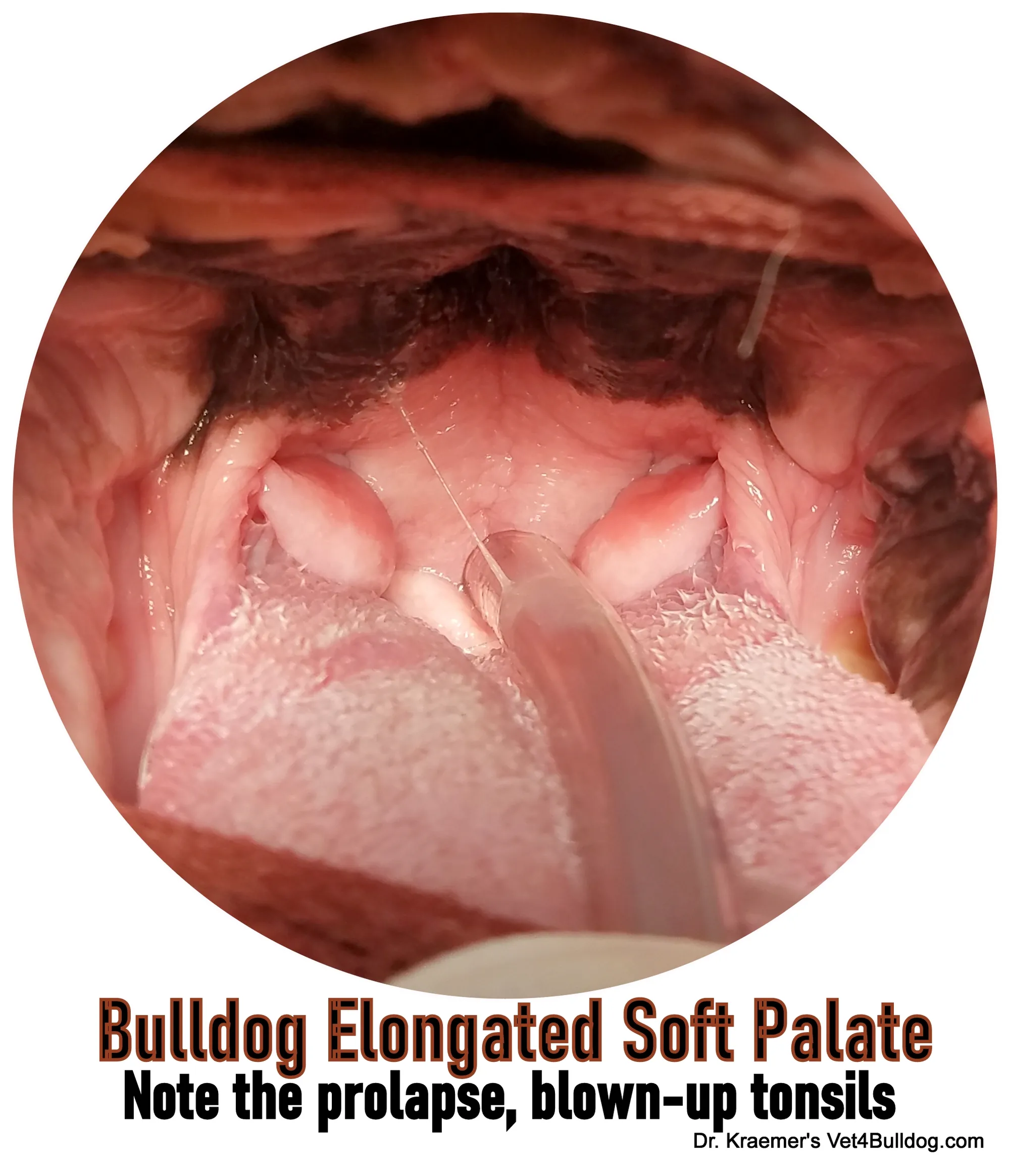
#1🚨 ELONGATED SOFT PALATE RISK TO ANESTHESIA:
Bulldogs with BOAS often possess abnormally long soft palates that can partially obstruct the airway, especially when relaxed during anesthesia.
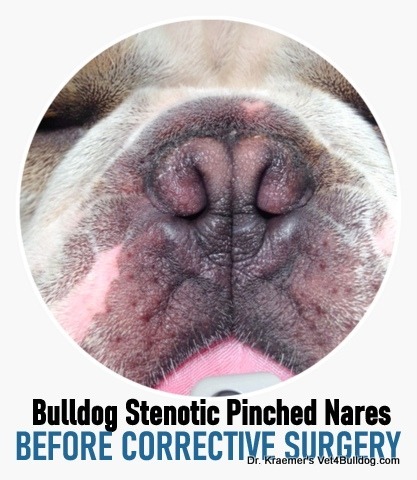
#2🚨 STENOTIC PINCHED NOSE RISK TO ANESTHESIA:
Narrowed collapsed pinched nostrils further limit air intake, increasing the effort required for breathing.
#3🚨 EVERTED LARYNGEAL SACCULES RISKS:
Chronic BOAS can lead to everted air sacs in the larynx, which will exacerbate airway obstruction.

What Anesthesia Complications Are Due to Bulldog BOAS?
Common complications during anesthesia due to bulldog brachycephalic obstructive airway syndrome, include:
➡️ Hypoxia: inadequate oxygen intake due to the increased effort required for breathing.
➡️ Hypercapnia: accumulation of carbon dioxide in the blood due to difficulty exhaling.
➡️ Respiratory failure: a complete inability to breathe effectively.
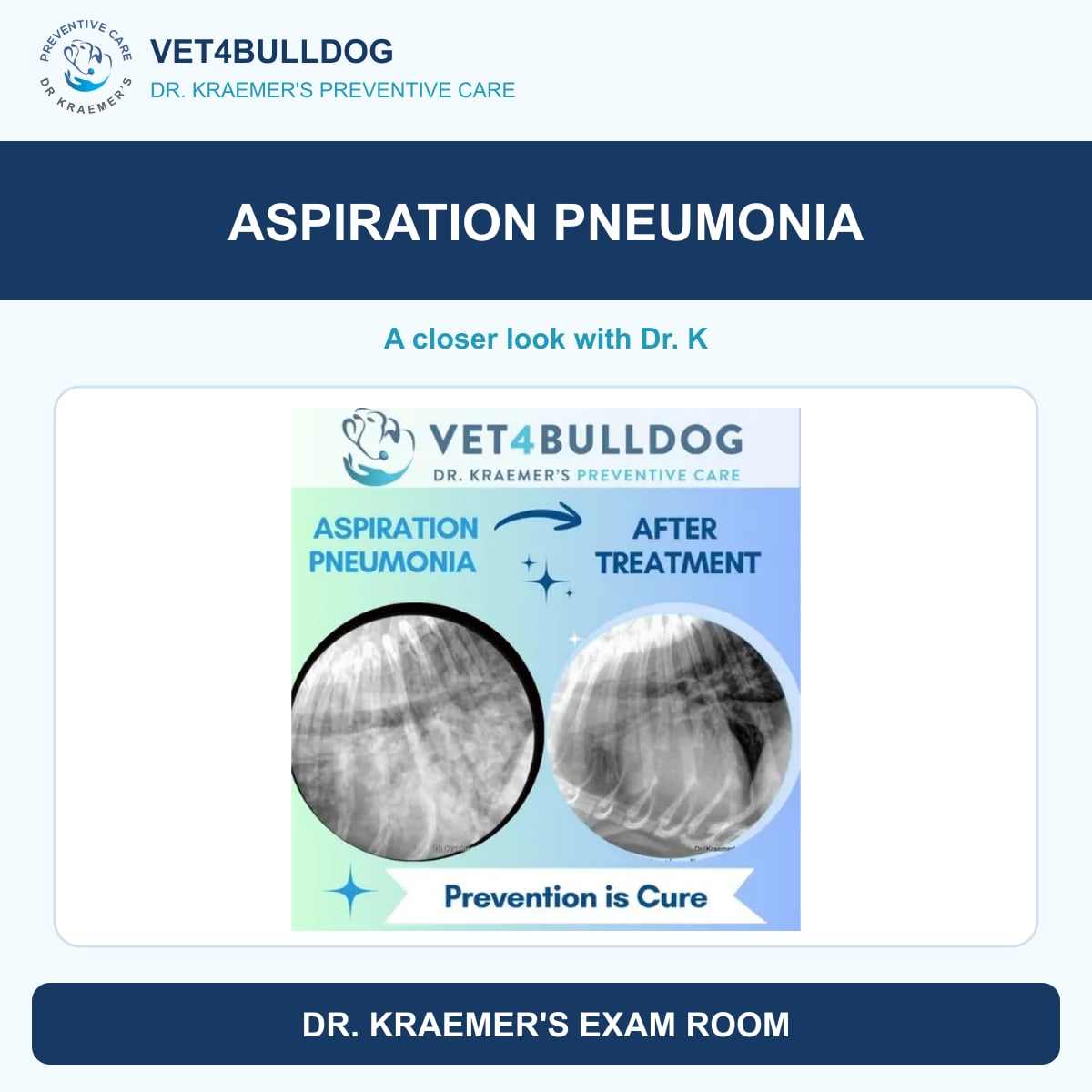
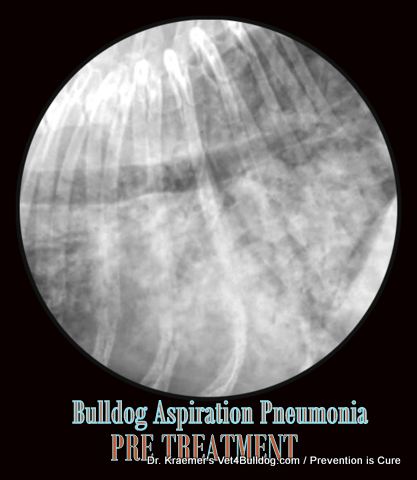
➡️ Reflux and regurgitation: These factors combined can increase the risk of aspiration pneumonia, a life-threatening condition where lung inflammation occurs due to the inhalation of foreign material like stomach acid or food particles.
Therefore, bulldogs and French bulldogs with BOAS necessitate more active respiratory compensation than those without the syndrome. Due to these considerations, the veterinary anesthetic team must take extra precautions when anesthetizing bulldogs and French bulldogs with BOAS.
🚨 Bulldogs and French bulldogs suffering from elongated soft palate and stenotic nares are at higher anesthetic risk than other bulldogs.
#1 Bulldog Anesthesia High Vagal Tone Risks and BOAS
Brachycephalic dog breeds like bulldogs and French bulldogs, especially those suffering from BOAS, tend to exhibit a higher vagal tone compared to other breeds. The vagus nerve, a key component of the parasympathetic nervous system, significantly influences functions such as:
- digestion
- heart rate
- respiration
An increased vagal tone may result in a
- decelerated heart rate
- heightened gastrointestinal motility
- bronchoconstriction.
#2 BULLDOG ANESTHESIA AND VASOVAGAL REFLEX:
The vasovagal reflex is defined as a reaction prompted by an increased vagal tone and a sudden drop in blood pressure.
Symptoms associated with the vasovagal reflex include
- nausea
- vomiting
- fainting
- bradycardia: slow heartbeat
#3 BOAS and ASSOCIATED GI COMPLICATIONS:
Bulldogs are susceptible to a range of respiratory and digestive complications due to their narrowed airways and anatomical constraints.
Symptoms such as vomiting and gagging are common in bulldogs who suffer from brachycephalic obstructive airway syndrome (BOAS).
They are often provoked by:
- enhanced vasovagal reflux
- increased inspiratory effort
- swallowing difficulties.
Why Bulldog Anesthesia is Associated With Aspiration Pneumonia?
During episodes of retching, gagging, or vomiting, there is a substantial risk of inhaling foreign material, potentially leading to aspiration pneumonia. This condition poses a life-threatening threat due to the inflammation and infection it can cause in the lungs.
Managing regurgitation, reflux, retching, gagging, and vomiting is paramount before any anesthesia procedure in bulldogs, particularly those with brachycephalic syndrome (BOAS).
The relaxation of the upper respiratory muscle during anesthesia further diminishes the capacity to clear aspirated material, heightening the risk of pneumonia.
BOAS bulldogs with their narrowed airways and compromised cough reflex, are particularly vulnerable to aspiration and its severe consequences.
The part of the anesthetic that worries me most
Ask most owners when the dangerous moment is and they will say during the operation. For this breed, often it is not. It is the recovery.
While a Bulldog is anesthetized for surgery there is a tube in her windpipe doing the most important job in the room, which is holding the airway open. Her breathing is being watched, her oxygen is being measured, and somebody is paying attention to her and nothing else. Then the procedure ends, the tube comes out, and all of that responsibility transfers in a single moment to an airway that was crowded to begin with, belonging to a dog too drowsy to fight for it.
So when I am asked what separates a practice that is comfortable with Bulldogs from one that is merely willing, my answer is rarely about drugs. It is about that handover. Do they leave the tube in longer than they would for another breed, until she is genuinely ready. Is somebody physically watching her while she wakes rather than checking in. Is oxygen to hand, not in another room. Those three things cost nothing but attention, and attention is exactly what this breed needs.
You are entitled to ask all of it, and asking is not rude. Any team that does this work properly will be pleased you asked, because it is the part they are proud of.
Anesthesia in Bulldogs and French Bulldogs Owners Due Diligence:
Here is a bulldog anesthetic safety shortlist for owners:
1. VETERINARY TEAM
Engaging in a detailed conversation with your veterinarian regarding your bulldog’s anesthetic and recovery considerations is crucial for ensuring a safe and successful outcome. Make sure that the doctor and team in charge of the procedure are trained and experienced with the bulldog breeds.
2. MEDICAL HISTORY
Provide information about your bulldog’s age, health history, and any existing breathing issues. Discuss any past anesthetic experiences your bulldog may have had and any assoicated complications encountered.
3. ANESTHETIC PROTOCOLS:
Ask about the specific anesthetic protocols and medications planned for your bulldog’s procedure. Ensure that the team has experience with brachycephalic breeds and is aware of the associated risks, such as:
- Hypoventilation
- BOAS
- Laryngeal collapse
- Gagging and aspiration
Discuss the planned monitoring equipment and techniques to ensure your bulldog’s safety during the procedure and recovery.
4. PAIN MANAGEMENT
Understand the post-operative care plan, including strategies for pain management and monitoring for potential issues like extubation, respiratory distress, and vomiting. Discuss the discharge instructions thoroughly, and ensure you are well-prepared to support your bulldog’s recovery at home.
5. OPEN COMMUNICATION AND TRUST
Feel empowered to ask questions and express any concerns you may have. Clarify any ambiguous information, and ensure you have a comprehensive understanding of the procedure’s risks and benefits.
Proactive communication and informed decision-making are key to minimizing risks and enhancing your bulldog’s comfort and safety during and after the anesthetic procedure. This will help you approach the event with confidence and peace of mind.
Choose a veterinarian and surgical team you trust, one that can offer personalized care and address your specific queries with expertise.
Oxygen Impact on Bulldog Anesthesia Safety:
Dr. Kraemer’s “Bully Anesthetic Protocol” is a proactive approach to address the specific challenges these brachycephalic breeds face during anesthesia.
1. BOAS Pre-Oxygenation:
Bulldogs, and especially those with BOAS, often have compromised airways and reduced respiratory efficiency. Pre-oxygenation with 100% oxygen helps increase the oxygen reserves in their blood, preparing them better for the potential decrease in oxygen intake during anesthesia.
Pre-Oxygnation help prevent hypoxia (oxygen deficiency) and its associated complications.

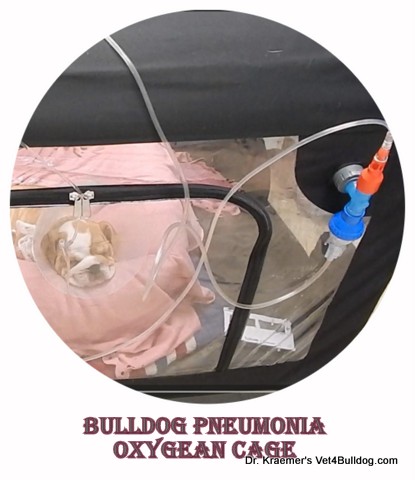
2. Oxygen cage post-anesthesia:
Recovery from anesthesia can be challenging for bulldogs due to lingering respiratory depression and airway difficulties. Providing supplemental oxygen in a cage can further support their oxygen levels and help them breathe more comfortably during this critical period.
This can minimize the risk of respiratory distress and hypoxemia.
What is Dr. Kraemer’s Bulldog Anesthesia Custom Protocol
To ensure your bulldog’s safety and comfort, it is critical to address the distinctive challenges and vulnerabilities encountered during anesthesia by brachycephalic breeds
Dr. Kraemer’s protocol emphasizes the importance of:
1. Tailoring Anesthesia for Brachycephalic Breeds:
Recognizing the unique needs of bulldogs and adjusting the anesthetic plan accordingly to ensure their safety and well-being.
2. Proactive Respiratory Support:
Utilizing strategies like pre-oxygenation and post-operative oxygen therapy to prevent complications and promote a smooth recovery.
3. Individualized Care:
Adapting the protocol to each bulldog’s specific health status and anesthesia needs.
While no medical procedure can guarantee 100% success, your veterinarian’s commitment to a specialized protocol for bulldogs shows a commendable level of awareness and care.

4. Vomiting and Laryngeal Edema Anesthetic Precautions:
Bulldogs are prone to vomiting and regurgitation, especially due to compromised breathing and relaxed upper respiratory muscles during anesthesia. To address these risks, our recommended protocol includes the following measures:
💉Antiemetics and Antinausea Medications: These medications are administered to suppress nausea and vomiting, effectively reducing the associated risks.
💉Anti-inflammatories: Swelling of the larynx can further obstruct the already narrowed airway in bulldogs. The protocol may include short-acting steroids and anti-inflammatory medications to manage edema and swelling, ensuring a safer procedure.
5. Endotracheal Intubation:
The placement of a breathing tube directly into the trachea helps bypass the upper airway and ensures adequate ventilation.

6. Anesthesia Safety and Pain Management:
Proper pain control is essential not only for the bulldog’s comfort but also to minimize the requirement for deeper anesthesia, which can further depress their respiratory system. The protocol likely includes customized pain medication for the specific procedure.
7. Anesthesia Safety and Anti-Anxiety Medication:
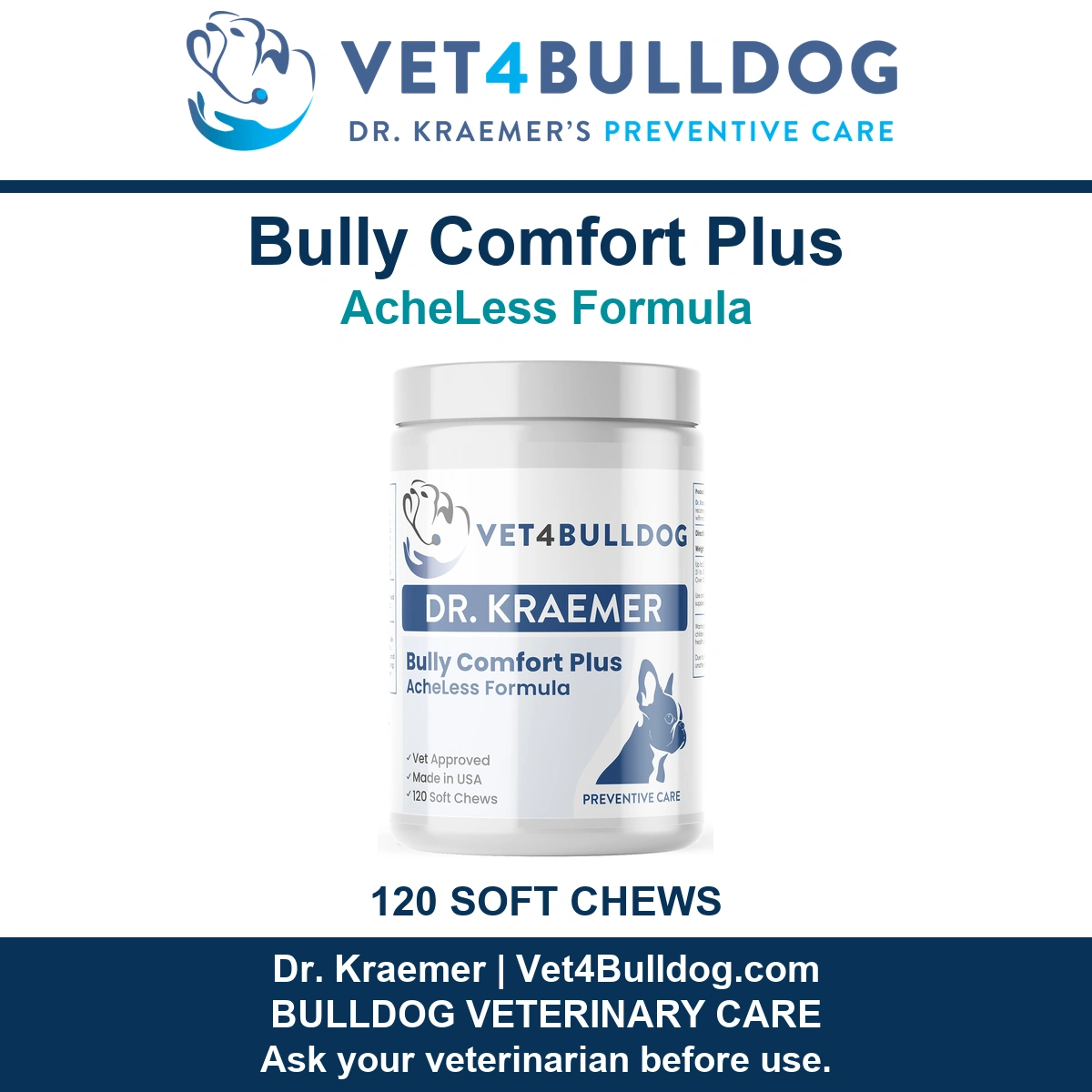
Anesthesia can be particularly stressful for bulldogs with respiratory difficulties. Anxiety can worsen these issues, making the situation more challenging. Administering anti-anxiety medication may help calm your bulldog, promoting a smoother and safer anesthetic experience.
8. Bulldog Anesthesia Safety ECG & LAB:
Conducting pre-anesthetic screening tests demonstrates a strong commitment to minimizing risks and ensuring the safety of bulldogs, especially those with special needs, during anesthesia. Here’s a breakdown of the specific tests and their benefits:

A. Heart-Healthy Screen Electrocardiogram (ECG):
This test evaluates the heart’s electrical activity, identifying potential rhythm abnormalities or underlying heart disease. Early detection of heart issues is crucial before anesthesia, as complications could be amplified during the procedure.
Cardiologist Report: Having a cardiologist interpret the ECG and provide a professional evaluation adds an extra layer of assurance and expertise, particularly for bulldogs predisposed to certain heart conditions.
B. Pre-Anesthetic Blood and Urine Lab Work:
This examination of blood and urine values offers vital information about your bulldog’s overall health and organ function. It can uncover issues such as anemia, kidney or liver disease, and electrolyte imbalances, impacting anesthesia safety and recovery.

C. Blood Pressure Monitoring
Blood pressure is crucial for bulldogs, particularly those with potential respiratory difficulties. Monitoring blood pressure during anesthesia is essential, as elevated blood pressure can worsen existing breathing problems and increase risks. Knowing your bulldog’s baseline blood pressure and closely monitoring it allows for prompt intervention if significant changes occur, ensuring safer anesthesia management.

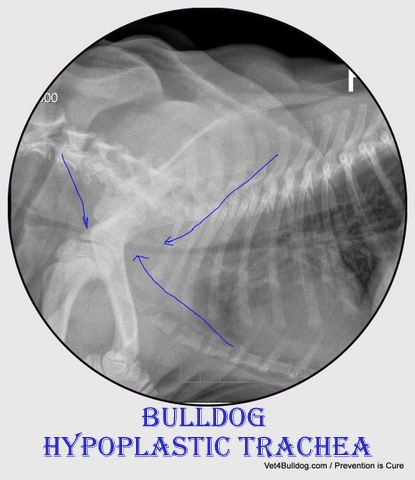
Chest Radiographs for BOAS Cases:
In bulldogs with Brachycephalic Obstructive Airway Syndrome (BOAS), chest X-rays offer valuable insights into the severity of airway narrowing and associated anatomical abnormalities.
Bulldog and French Bulldog Anesthesia Risks & Safety Summary:
✅ EARLY IDENTIFICATION: Identifying pre-existing health concerns early allows for the optimization of the anesthetic plan and the implementation of necessary supportive measures during the procedure.
✅ MEDICAL TEAM: A skilled medical team tailors the anesthetic approach and applies specific strategies to manage your bulldog’s breathing throughout the procedure and recovery.
✅ PRE-ANESTHESIA SCREENING: Dr. Kraemer’s comprehensive pre-anesthetic screening test recommendations reflect a meticulous and responsible approach to bulldog anesthesia. These thorough evaluations offer several key benefits
✅ ADDRESSING PRE-ANESTHESIA MEDIAL CONDITIONS: Identifying and managing pre-existing conditions and potential complications significantly reduces the risks associated with anesthesia, ensuring improved safety and comfort for bulldogs by tailoring the anesthetic approach to their specific needs.
What is honestly worth having at home, and when
Let me separate two things that get muddled, because this is a page where selling the wrong idea could do real harm.
Nothing in my shop makes an anesthetic safer. Not one thing. The safety of an anesthetic is decided by the airway your dog was born with, the team giving it, the monitoring they use and the attention she gets while she wakes up. No chew influences any of that, and if you are weighing a procedure, the right place to spend your effort is on the questions above rather than in my store.
Where something at home has an honest job is around the edges of the day. A dog who arrives wound up is harder work for everyone, and calming support given in the lead up to a visit may help her go in steadier. Afterwards there is a recovery to get through, often with restricted activity, sometimes with a sore patient who would rather be doing something else. Support for a dog who is unsettled, and general support for an older body doing the work of healing, may help that stretch go more smoothly.
Two cautions, and please take both seriously. Anything you give in the days before an anesthetic must be known to the people giving it, which means telling them in advance rather than mentioning it afterwards. And never withhold food or water on your own initiative, or start something new the night before, because the fasting instructions are theirs to give and getting that wrong has consequences of its own.
Bulldog and French Bulldog Anesthesia TIPS & WARNINGS:
Below are selective bulldog anesthesia tips and warnings courtesy of Dr. Kraemer
#1 🩺 SEVOFLURANE TIP:
Advantages of sevoflurane for bulldogs:
- Swift induction and recovery
- Reduced respiratory depression
- More predictable depth of anesthesia
Most veterinary hospitals use isoflurane for anesthesia due to its lower cost. However, Dr. Kraemer’s choice of sevoflurane highlights several key aspects:
✅ Prioritizing Patient Safety and Well-Being: Choosing sevoflurane, despite its higher cost, reflects a commitment to the highest safety standards for bulldogs, ensuring their well-being and minimizing risks associated with anesthesia.
✅ Customizing Anesthesia to Breed-Specific Needs: Recognizing the unique challenges of bulldogs and adapting the anesthetic plan to meet their specific needs underscores a tailored approach to minimize risks and optimize outcomes.
✅ Continual Improvement in Veterinary Practice: Using sevoflurane demonstrates Dr. Kraemer’s dedication to advancing veterinary care by incorporating the latest and safest anesthetic medications, providing the best possible care for his patients.
Sevoflurane is regarded as the gold standard in human anesthesia and is considered the safest and most reliable inhalant anesthetic available.
#2 🩺 BULLDOG ANESTHESIA SAFETY MONITORING TIP:
During the anesthetic procedure, all our bulldogs are carefully supported and monitored.
- IV FLUID: On a constant IV fluid drip to maintain circulatory hydration and perfusion.
- ECG MONITOR: Your bulldog will be attached to an ECG
- TEMPERATURE MONITOR: Provide a heated table and heated blankets
- HEART RATE MONITOR
- PULSE OXIMETER: monitoring tissue oxygen saturation.
- CAPNOGRAPHY: monitoring of the concentration or partial pressure of carbon dioxide (CO).
- RAISPERTORY RATE MONITOR
- PAIN-CONTROL: pain control helps to maintain safety and comfort.
Among others, pain management helps maintain optimal blood pressure, heart rate, and respiration
#3 🩺BULLDOG ANESTHESIA SAFETY RECOVERY TIP:
After anesthesia, in contrast to other breeds, we keep the endotracheal tube in place for as long as we can. Bulldogs will tolerate the tube even if it is semi-awake and this will ensure patent airways till the patient is fully awake and breathing on his own
#4 🩺 BULLDOG ANESTHESIA SAFETY TEMP TIP:
For post-anesthesia home monitoring, it’s important to keep your bulldog in a well-ventilated area. If you notice excessive panting, check their temperature. If their temperature exceeds 100°F, turn on a fan and direct it toward your bulldog to help cool them down.
Your bulldog gums and tongue color rule of thumb: Pink=Good, Blue=Bad
#5 🩺 CALM & RELAX ANESTHESIA SAFETY TIP:
At home, keep your bully relaxed and stress-free. If necessary, ask for tranquilizers.
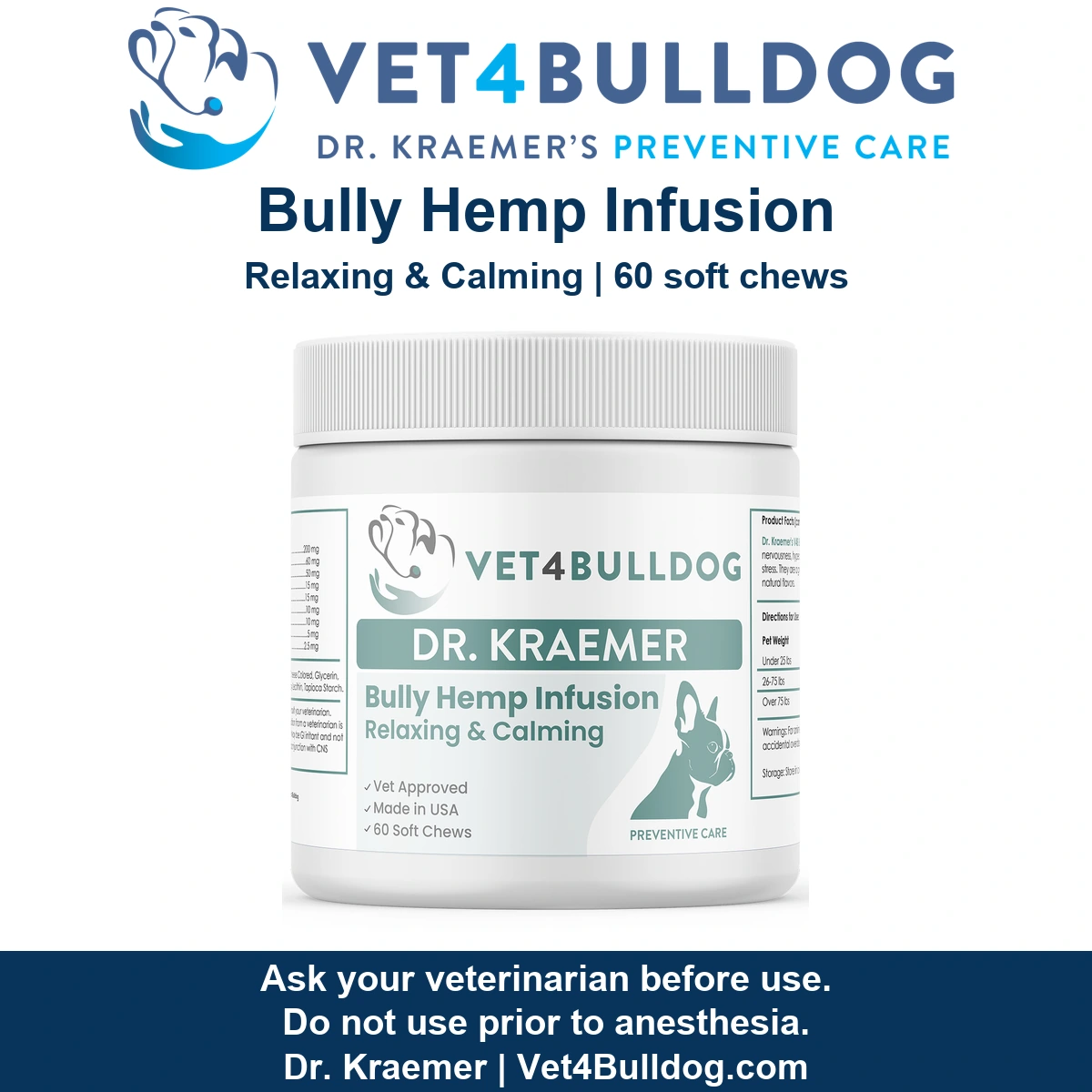
#1 ⚠️ BOAS WARNING:
During the induction process, we carefully examine the palate and saccules, particularly in cases of Brachycephalic Obstructive Airway Syndrome (BOAS). If any abnormalities are detected, they are promptly addressed to prevent potential post-anesthesia complications, such as laryngeal edema.
For elective surgeries, they may be performed on the same day as the BOAS surgical correction or rescheduled for approximately two weeks later, depending on the specific circumstances.
#2 ⚠️ ASPIRATION PNEUMONIA WARNING:
If there is a history of gagging, vomiting, and, of course, coughing, we always take chest X-rays before putting your bully “under” to rule out pneumonia (see our chapter on Aspiration Pneumonia).
#3⚠️ BULLDOG ANESTHESIA COMPLICATIONS WARNINGS:
Contrary to what you might believe, my biggest concern is not the duration of time that your bully is under anesthesia but rather the post-anesthesia recovery stage.
Complications like laryngeal edema, pneumonia, and pulmonary and cardiac irregularities, typically erupt after extubating and are potentially deadly.
We always keep a “bulldog-certified” staff member seated next to your bulldog for the first hour of recovery to constantly monitor vital signs:
- color
- respiration
- heart rate
- temperature
#4 ⚠️BULLDOG POST-ANESTHESIA HOME CARE WARNING:
I don’t recommend keeping bulldogs unattended for the first 12 to 24 hours after an anesthetic procedure

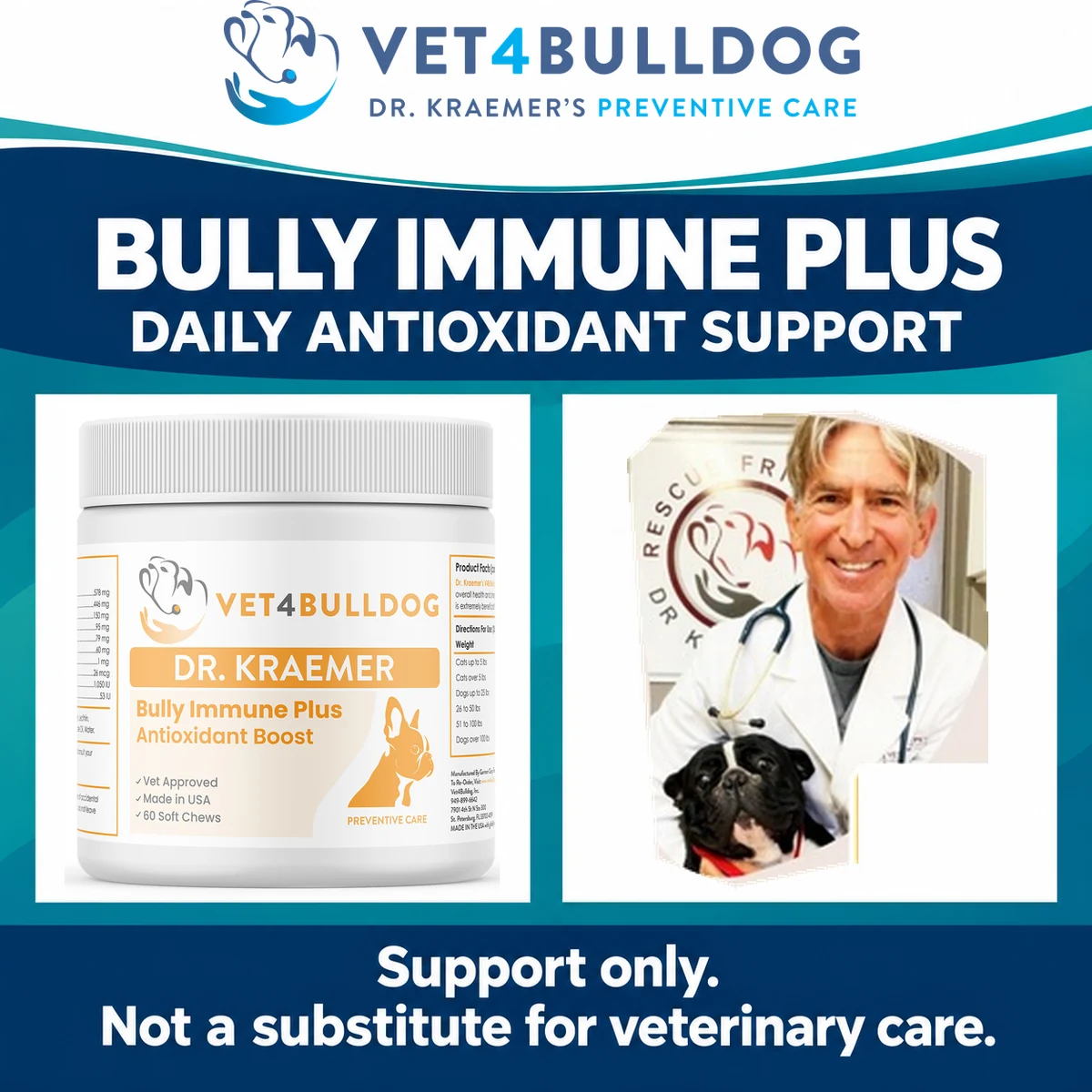
I want to be blunt on this page, because getting it wrong here could cost a dog. The safety of an anesthetic comes down to the airway she was born with, the team giving it, the monitoring they use and the attention she gets while she wakes up. No supplement touches any of that. If you are weighing a procedure, spend your effort on the questions further up this page, not in my shop.
Where something at home earns its place is around the day rather than during it. A dog who arrives wound up is harder work for everybody, and calming support in the lead up may help her go in steadier. Afterwards there is a recovery to get through, often with restricted activity and a patient who would rather not be resting, and support for an unsettled dog or an older body doing the work of healing may help that stretch pass more easily.
Two cautions, both of which matter more than anything I could sell you. Tell the practice in advance about anything she is taking, well before the day rather than afterwards. And never change her food, water or routine the night before on your own initiative, because the fasting instructions belong to the people giving the anesthetic.
If that is what you are after, the calming and stress support range is the honest place to look.
See the calming and stress range →
To be clear: nothing here makes anesthesia safer, and nothing here treats any airway condition. Every decision about anesthesia, sedation, fasting and medication belongs with your veterinarian. This page is educational only and is not a substitute for veterinary examination, diagnosis or treatment.
Should I just avoid anesthesia in a Bulldog altogether?
No, and that conclusion does more harm than the risk it is trying to dodge. Bulldogs need anesthetics, sometimes for things that are themselves far more dangerous than the anesthetic, and avoidance tends to mean a procedure happens later as an emergency in a worse dog. The useful response to higher risk is not avoidance, it is choosing carefully who gives it and preparing properly.
What should I actually ask before booking?
Ask how often they anesthetize brachycephalic dogs, who physically monitors her and what they monitor, how long they keep the breathing tube in, whether somebody stays with her while she wakes rather than checking in periodically, and whether oxygen is available for afterwards. You are not testing them. A team that does this work well will answer easily and will not mind being asked.
Are pre-anesthetic blood tests really necessary?
They are worth having, and in this breed I would want more than the minimum. Bloodwork tells the team about organs that have to process the drugs, and depending on the dog your veterinarian may also want to look at the heart and the chest before deciding. That is not upselling, it is finding out what they are dealing with before they commit. Ask what they recommend for this particular dog rather than what the standard package includes.
Does it need a specialist?
Not always, and plenty of general practices handle Bulldogs very well. What matters is experience with the breed and the monitoring to back it up, not the title on the door. If the procedure is complex, or your dog has a known airway or heart problem, ask whether referral is worth considering. Your own veterinarian is usually the most honest guide to where the line sits.
What should I expect at home afterwards?
Expect her to be quieter than usual and to follow the aftercare instructions exactly, particularly anything about activity, food and keeping her cool. I would not leave a Bulldog unattended for the first stretch after an anesthetic. If anything about her breathing, her comfort or her alertness worries you during the recovery, ring the practice that treated her rather than waiting to see. That call is never a nuisance.
Should I give her anything before or after?
Only after telling the practice, and tell them in advance rather than on the day. Calming support in the lead up may help a wound up dog arrive steadier, and general support may help the recovery, but nothing you give at home changes the safety of the anesthetic itself. Never alter food, water or fasting on your own initiative, because those instructions belong to the people giving it.
More Help from Dr. Kraemer
The airway is the heart of this subject, so these are the pages that explain what the anesthetist is working around.
- Brachycephalic airway syndrome in Bulldogs and French Bulldogs
- Elongated soft palate in Bulldogs and French Bulldogs
- Stenotic nares in Bulldogs and French Bulldogs
- Aspiration pneumonia in Bulldogs and French Bulldogs
- Spaying Bulldogs and French Bulldogs, risk and reward
- Prevention and wellness guide for the adult Bulldog
If you have a question about your own dog, the Exam Room Q and A is where owners send them.
References
- 2020 AAHA Anesthesia and Monitoring Guidelines for Dogs and Cats, American Animal Hospital Association
- Brachycephalic Syndrome, American College of Veterinary Surgeons
Trusted by Vets ~ Recommended by Owners ~ Approved by Bulldogs