


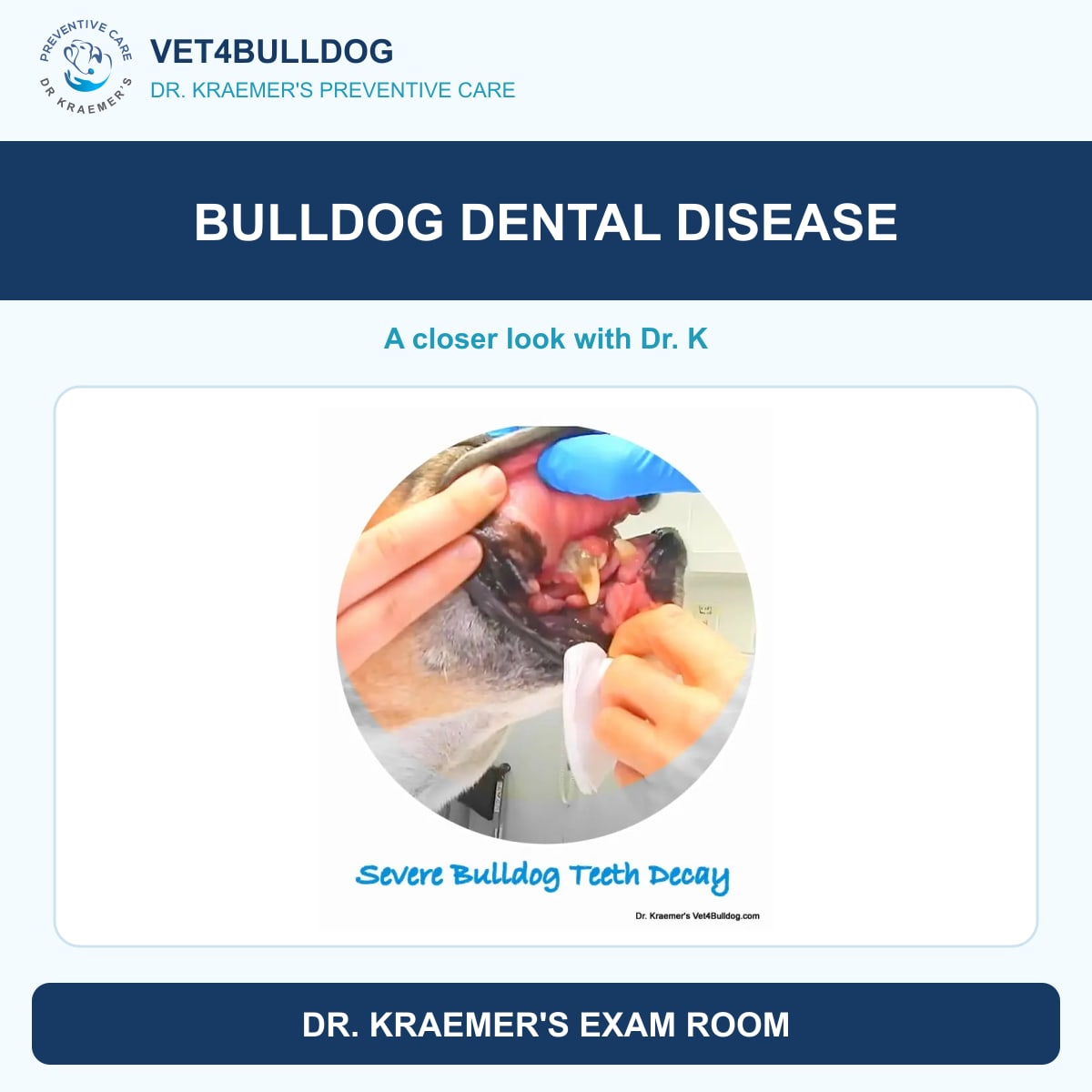

Most Bulldogs over the age of three have dental disease, which makes it the single most common medical problem in the breed and also the one owners notice last. It is quiet, it is slow, and by the time the breath is bad enough to comment on, the part you cannot see has usually been going on for a while. Bulldogs are dealt a difficult hand here: the same shortened jaw that gives them their face leaves the teeth crowded into a space built for fewer of them. This page covers how it progresses, why it matters well beyond the mouth, and the one thing that does more good than everything else combined, which costs nothing and takes two minutes a day.
How it develops The four stages Whole body risk Prevention Scale and polish My rule of thumb
Introduction To Bulldog and French Bulldog Dental Problems 🦷
Dental disease is among the most common health issues affecting Bulldogs and French Bulldogs. Studies show that 85% of dogs and cats over the age of three suffer from some form of periodontal disease, making it the number one medical concern in companion animals.
This article outlines the typical progression of dental disease in Bulldogs, beginning with plaque formation and leading to tooth loss and systemic health risks if left untreated.
Common Forms of Bulldog Dental Disease
➡️ Plaque: A soft, sticky film of bacteria that forms on the teeth
➡️ Tartar (Calculus): Hardened plaque that attaches firmly to the tooth surface
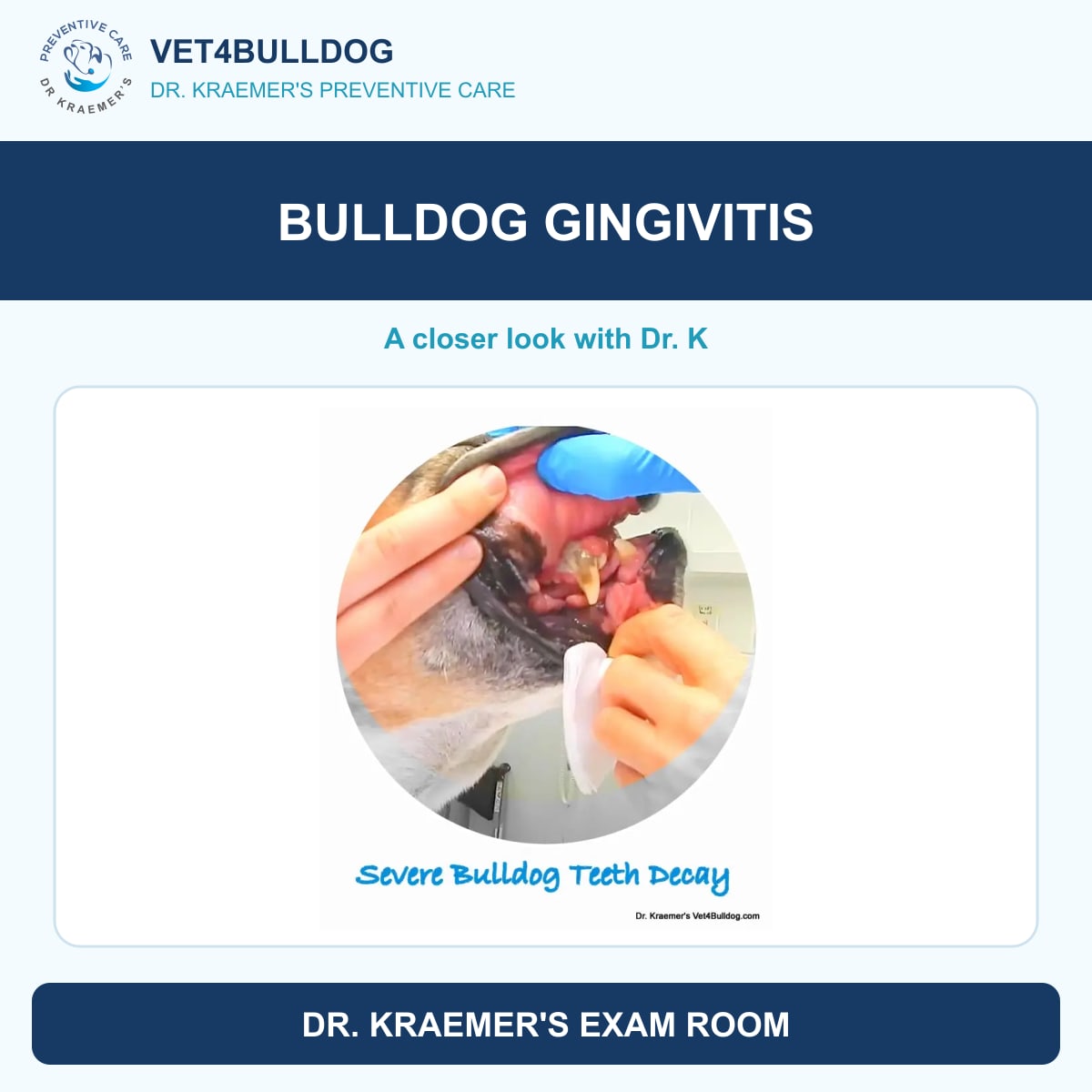
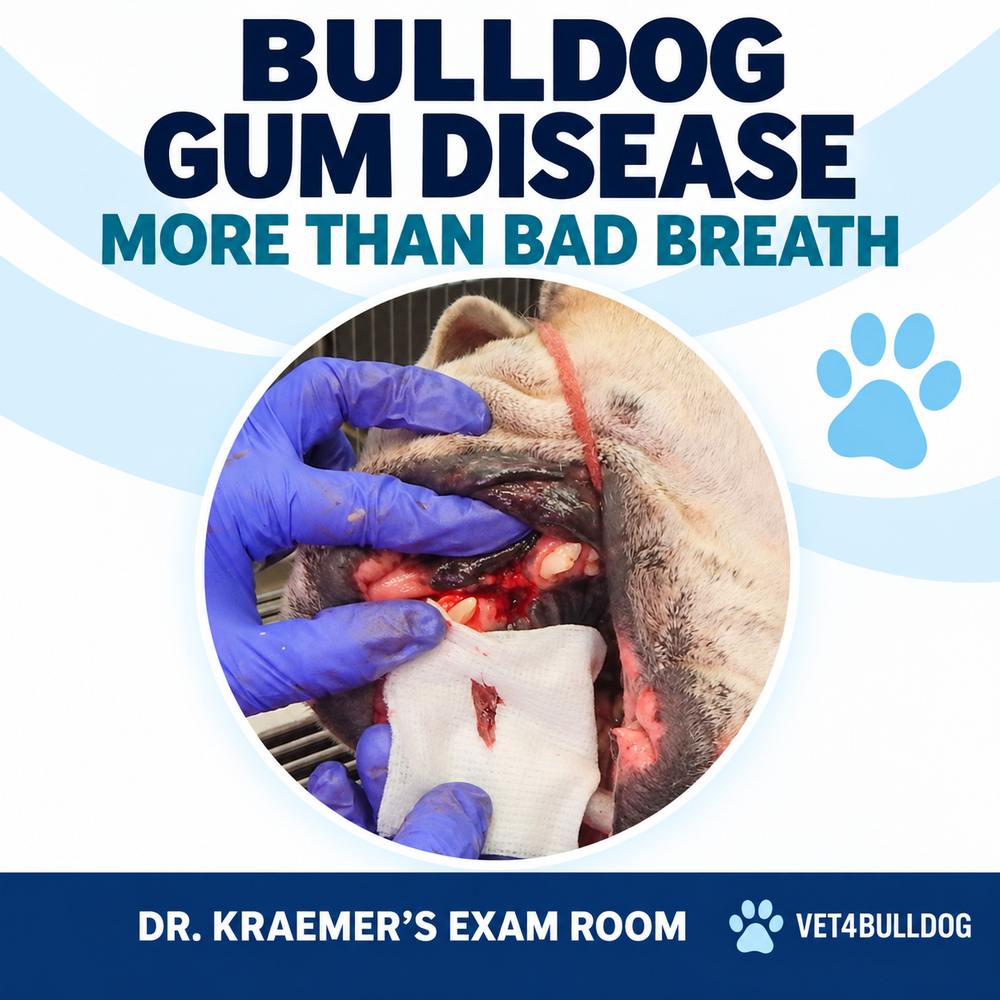
➡️ Gingivitis: Inflammation of the gums, often the first visible sign of dental disease
➡️ Gum Disease: A general term for infections and inflammation of the gum tissue
➡️ Periodontitis: Advanced gum disease where infection spreads beneath the gum line, damaging bone and supporting structures of the teeth
Anaerobe bacteria are the most common cause of periodontitis.
I understand the hesitation, and the honest answer is that what you can see from the outside is the least informative part of that mouth.
Periodontal disease happens below the gum line. The brown you can see is calculus sitting on the crown. The disease is underneath it, in the attachment that holds the tooth in the jaw, and a tooth can be losing its foundation while the visible part looks perfectly respectable. That is why dogs eat normally almost all the way through this. They are extremely good at carrying on, and a dog who still eats is not a dog without a problem.
The x-rays in that quote are the part I would not skip, because they are the only way anyone sees the bone. I have opened mouths that looked like a light cleaning and found teeth with most of their support gone, and I have been pleasantly surprised the other way too. Without films it is guesswork, and a scale and polish without them is a cosmetic exercise that leaves the disease where it was.
On putting it off a year. The cost of waiting is not usually a worse smell. It is that teeth which could have been treated become teeth that have to come out, so next year’s quote is bigger and the surgery is longer. The discomfort side of it is real too, and quiet, and it is the thing owners most often notice only in hindsight when the dog is brighter afterward.
What you can do in the meantime, and from now on, is the part that decides how often this comes around. Daily is what matters, not heroic. Brushing if he will allow it, and a water additive, antiseptic dental wipes or a dental chew if he will not. Our dental topicals work at the gum margin, which is exactly where this starts, and they sit alongside what your veterinarian does rather than instead of it. None of it reverses what is already under the gum, which is why the dental itself still needs doing.
What is The Sequence of Dental Disease Development?
1️⃣🚫 Pellicle Formation: The process begins with the formation of a pellicle, a thin protein film that naturally develops on the surface of the teeth. This occurs even in healthy Bulldog puppies.
2️⃣🚫 Bacterial Colonization: The pellicle provides an ideal surface for bacterial adhesion. Initially, aerobic bacteria begin to colonize the teeth.
3️⃣🚫 Plaque Accumulation: Within just a few days, the bacterial colonies grow, and the plaque layer thickens.
This early plaque is composed mainly of
- bacteria
- food particles
- and saliva.
4️⃣🚫 Anaerobic Shift: As plaque accumulates and oxygen becomes scarce beneath the gumline, anaerobic bacteria, including motile rods and spirochetes, begin to dominate. These bacteria thrive in low-oxygen environments and are more harmful to oral tissues.
5️⃣☠️ Endotoxin Release: Anaerobic bacteria release endotoxins, which are toxic to gum tissues and can initiate a destructive immune response. These endotoxins not only damage local oral tissues but can also contribute to systemic disease affecting the
- heart (endocarditis)
- kidneys (glomerulonephritis)
- liver (hepatitis)
- gut microbiome (dysbiosis and leaky gut)
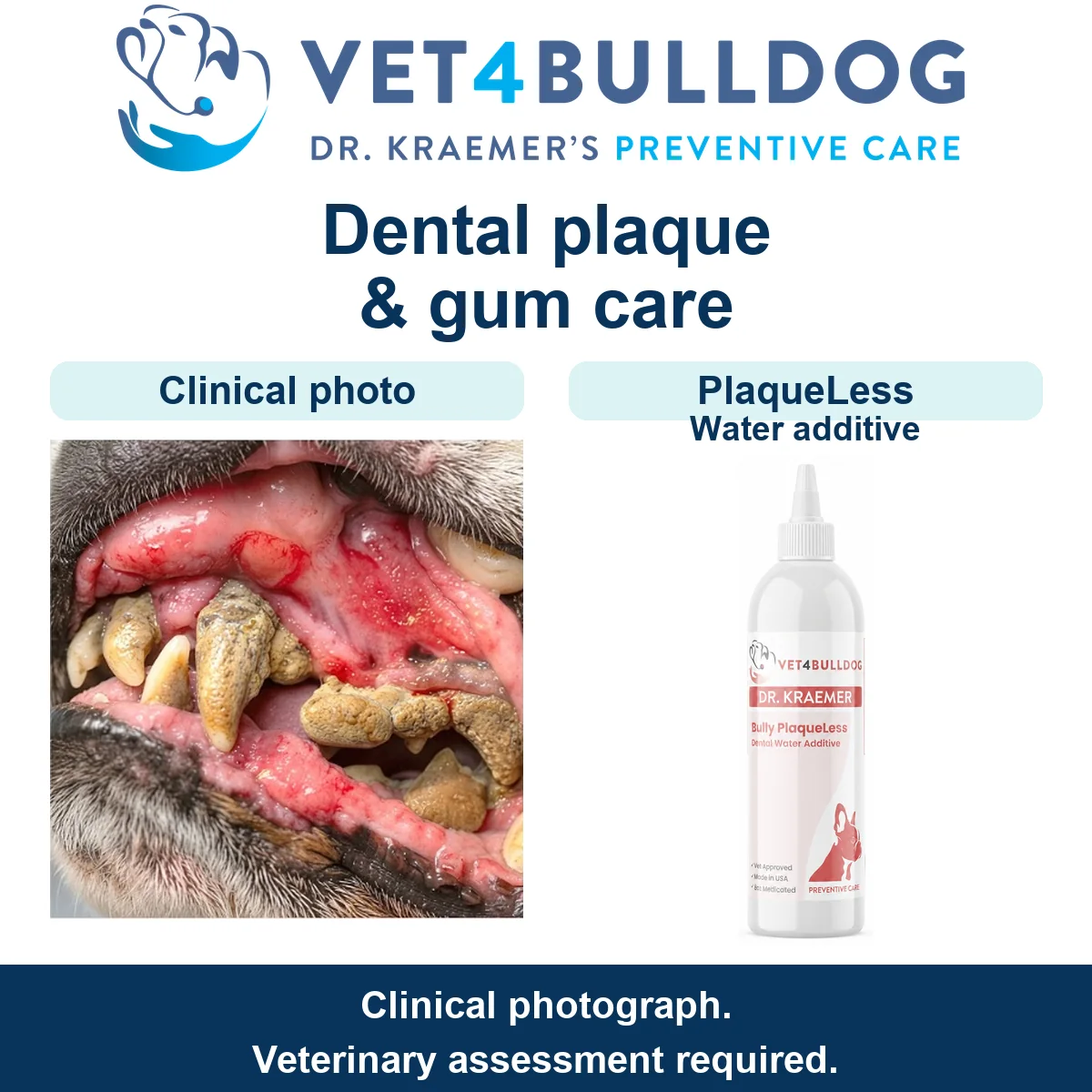
4 Stages of Bulldog and French Bulldog Dental Disease
Stage 1️⃣: Inflammation
Stage 2️⃣ : Edema, gingival bleeding upon probing
Stage 3️⃣: Pustular discharge, slight to moderate bone loss
Stage 4️⃣: Mobility and severe bone loss
” 85% of dogs and cats over the age of 3 have dental disease, making it their #1 medical problem.”
Systemic Illness Risks from Dental Disease in Bulldogs and French Bulldogs
Untreated dental disease doesn’t just affect the mouth, it can impact your bulldog’s entire body. Bacteria from infected gums can enter the bloodstream and contribute to serious health problems, including:
➡️Heart Valves: Endocarditis and other cardiac complications
➡️Brain: Inflammation and potential neurological effects
➡️Kidneys: Reduced function or chronic kidney disease
➡️Liver: Liver inflammation and impaired detoxification
➡️ Digestive Tract: Imbalance of gut bacteria and gastrointestinal irritation
Dental disease is a whole-body risk. Preventing it protects your bulldog’s health far beyond the mouth.
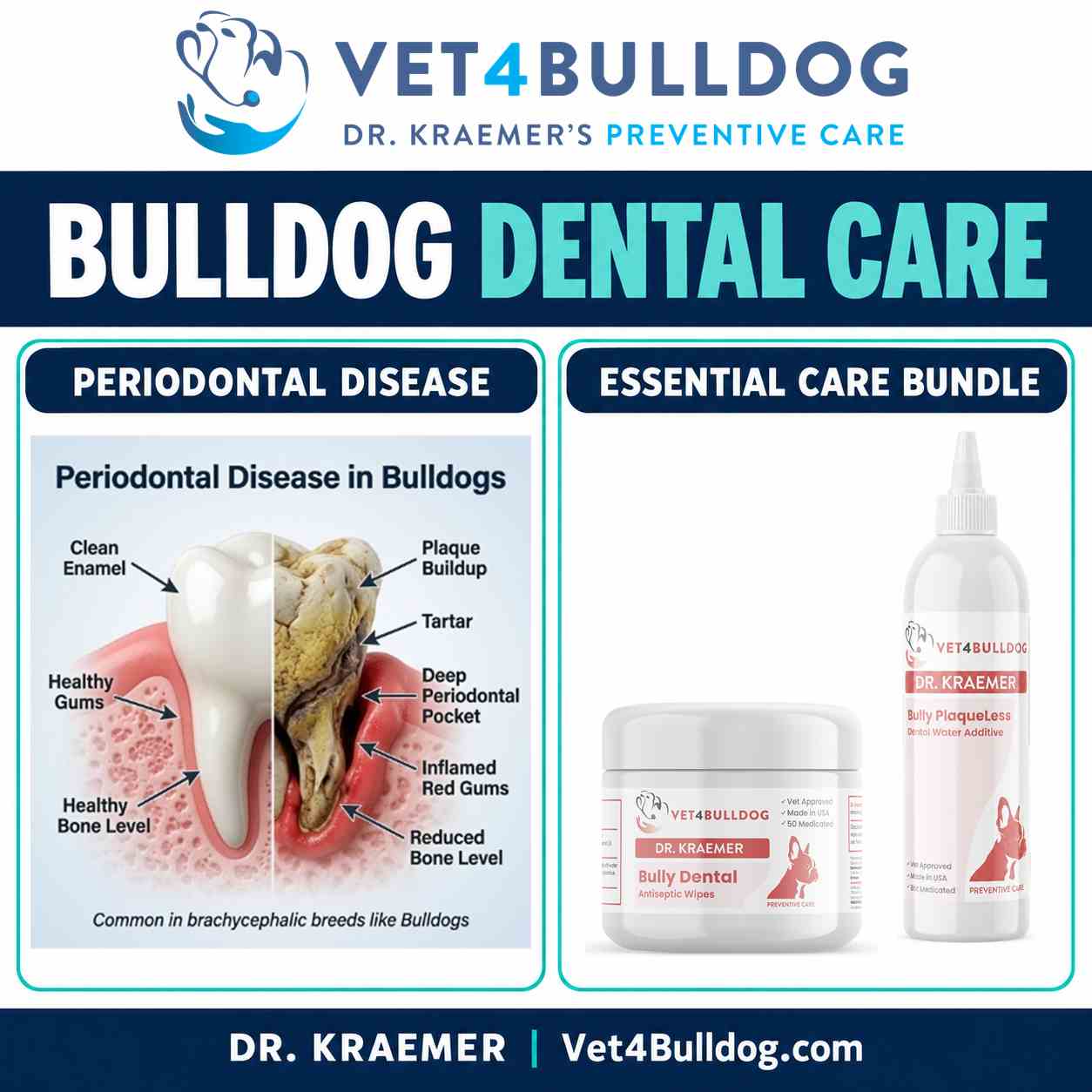
Anesthesia free is not a shortcut
I know why owners ask about anesthesia free cleaning, and the worry behind it is reasonable. Putting a flat faced dog under is not the same as putting a Labrador under, and anyone who tells you otherwise has not thought about it hard enough. So I understand the appeal of something that promises clean teeth with none of that.
Here is what it actually buys you. Scraping the visible part of the tooth removes the part you can see and leaves everything below the gum line, which is precisely where periodontal disease lives. There are no radiographs, so nothing hidden is found. There is no probing, so pockets are not measured. The dog looks better and is not better, and the owner goes home reassured about a mouth that is quietly getting worse. That is the part I object to most: not that it does little, but that it convinces you nothing more is needed.
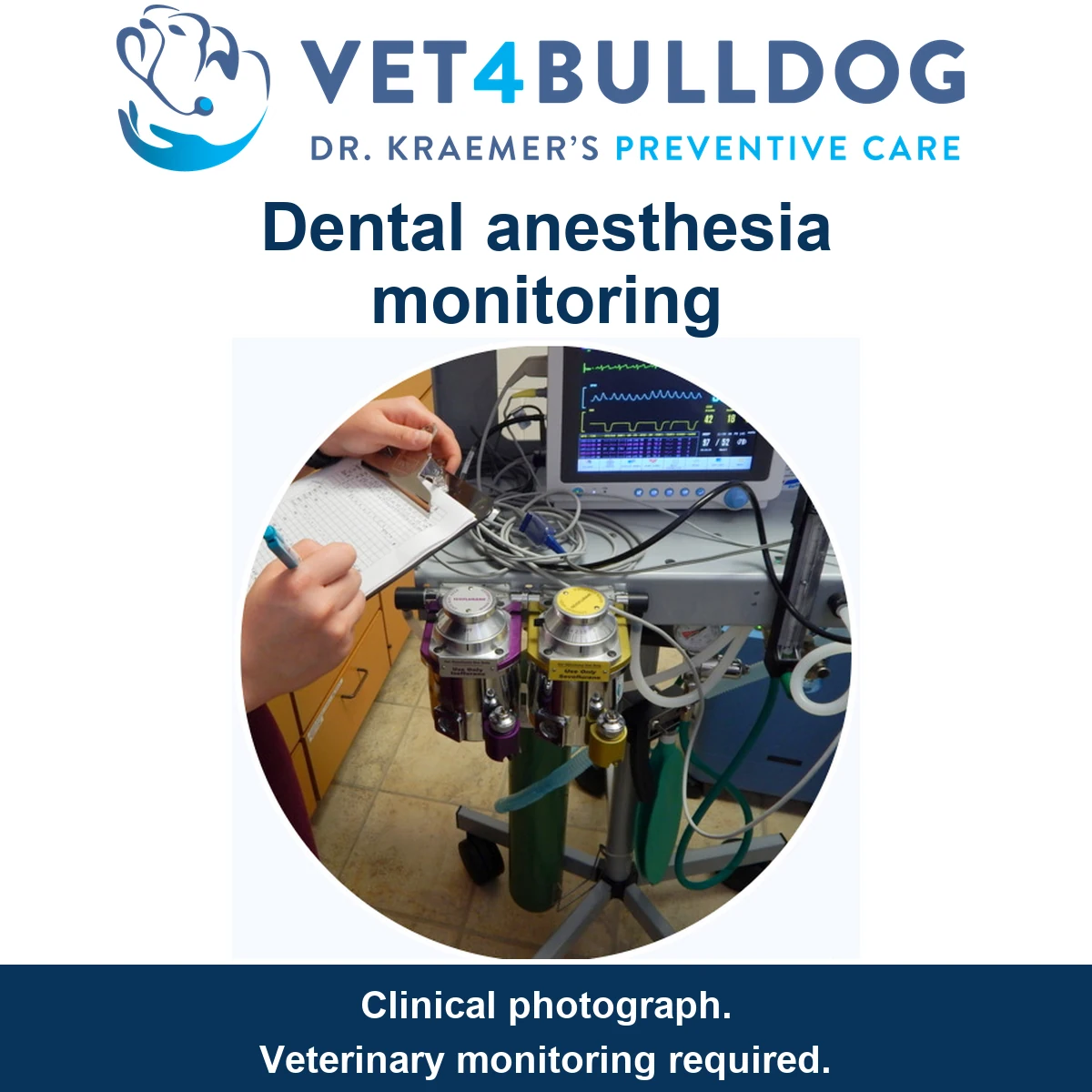
The honest answer to anesthesia anxiety is not avoidance, it is a team that takes the airway seriously. Ask what pre-anesthetic testing they do, who monitors the dog and with what, how the airway is managed in a brachycephalic patient, and how quickly he is up afterwards. A practice that answers those easily is the one to use. That conversation is worth far more than avoiding the procedure altogether.
How to Prevent Bulldog and French Bulldog Dental Problems?
There are a few simple steps you can take to help prevent bulldog dental problems
#1 Bulldog Daily Teeth Brushuing Benefits:
Daily toothbrushing, with or without dog-safe toothpaste, is one of the most effective ways to prevent dental disease in Bulldogs and French Bulldogs. Regular brushing helps remove plaque before it hardens into tartar and leads to gingivitis, bone loss, or more severe periodontal issues.
Given the breed’s predisposition to dental problems due to their compact jaws and crowded teeth, Bulldogs benefit greatly from a consistent oral hygiene routine. While specialized enzymatic pet toothpaste can enhance the effect, the mechanical action of brushing alone plays the most critical role in reducing plaque and maintaining healthy gums.
Training your bulldog to accept toothbrushing early on, using gentle techniques and positive reinforcement, can significantly reduce plaque build up and the need for future dental procedures.
🪥 improve long-term oral health
🪥 reduce the need for frequent dental procedures under anesthesia.
#2 Dr. Kraemer’s Bulldog Dental Therapeutics
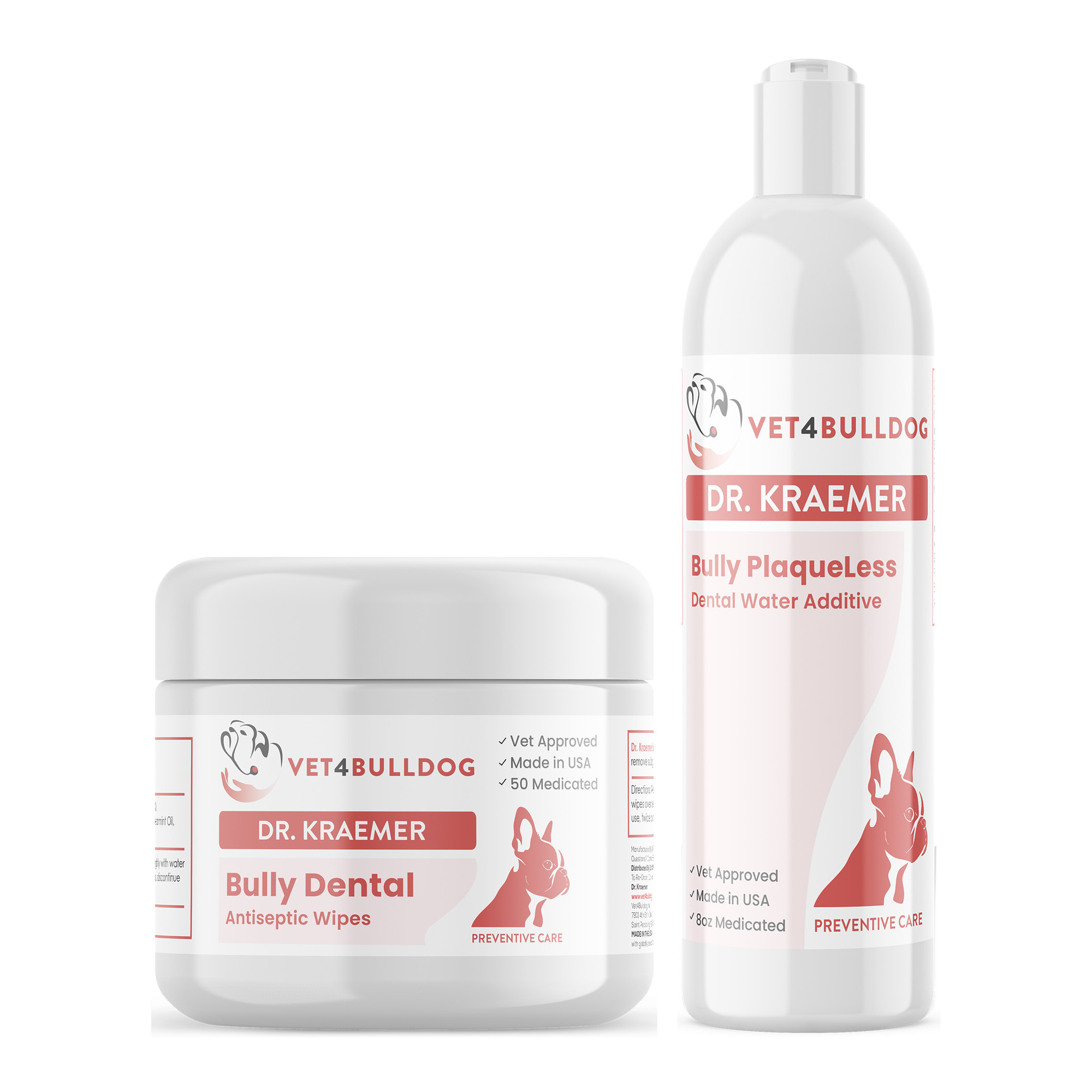
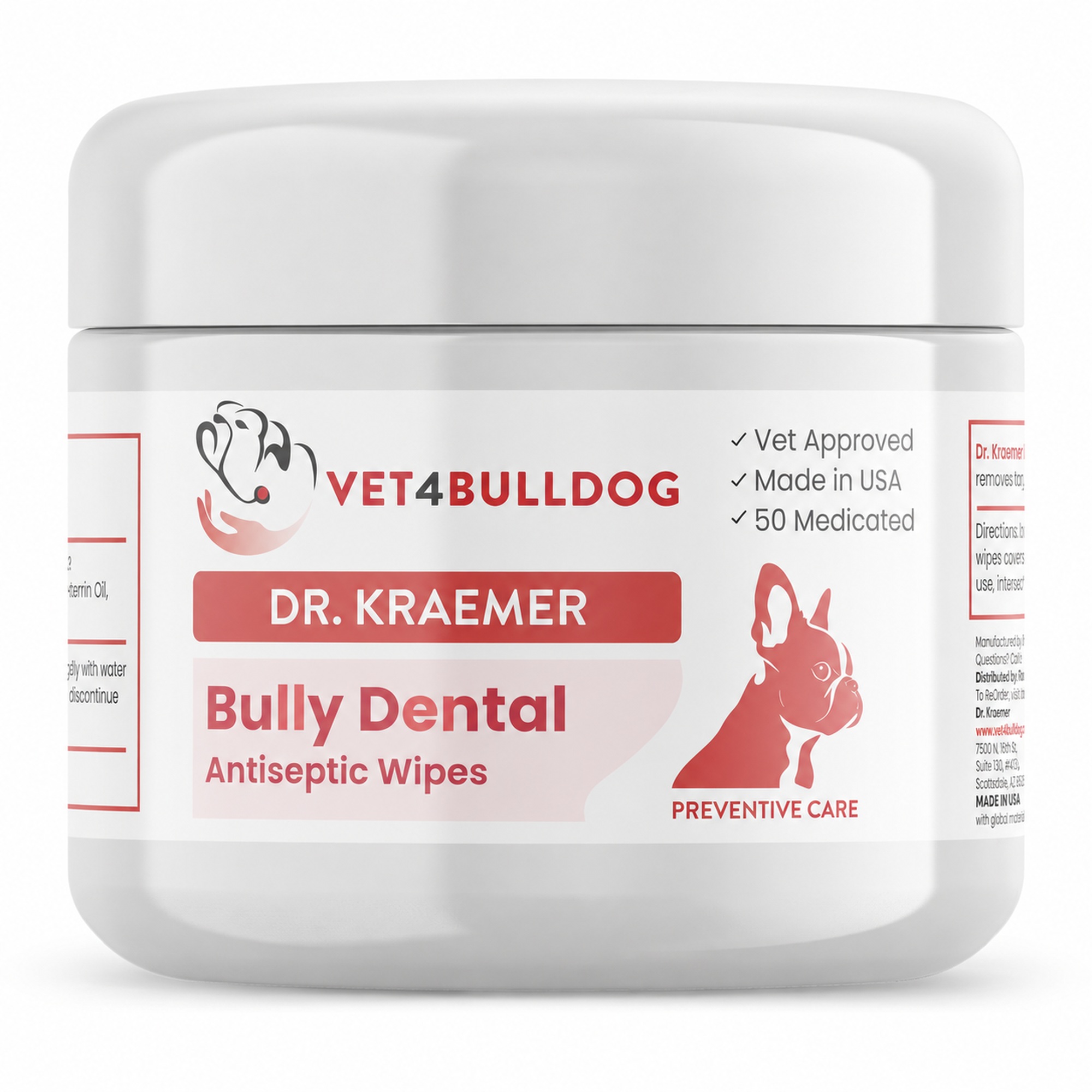
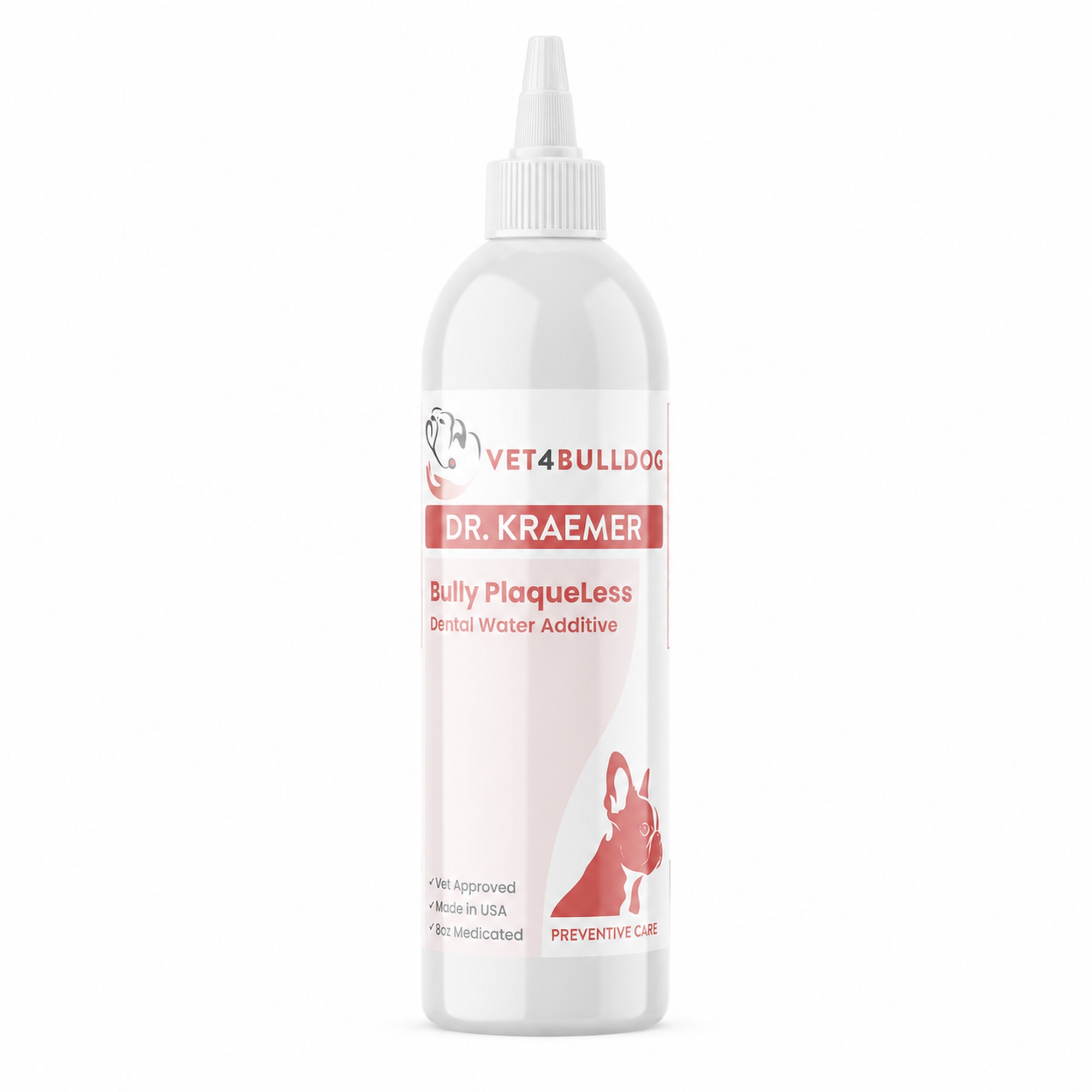
In addition to professional dental cleanings and daily brushing, nonprescription dental therapeutics play a valuable role in maintaining oral health in Bulldogs and French Bulldogs. Dr. Kraemer’s V4B (Vet4Bulldog) line of dental products offers both topical solutions and oral supplements designed specifically for the unique needs of bully breeds.
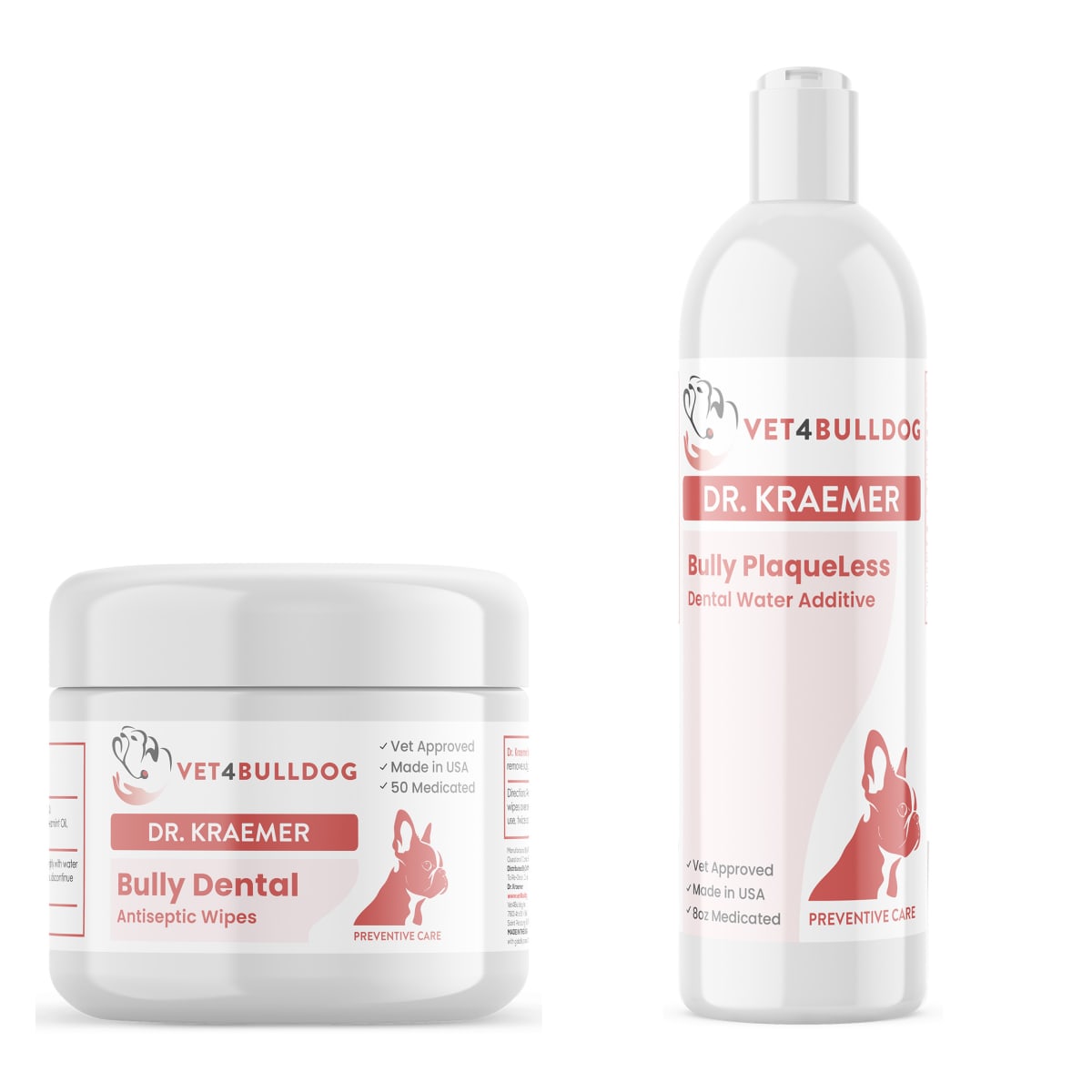
🌿V4B Bully Dental Antiseptic Wipes: Easy-to-use, medicated wipes that reduce
- plaque buildup
- freshen breath
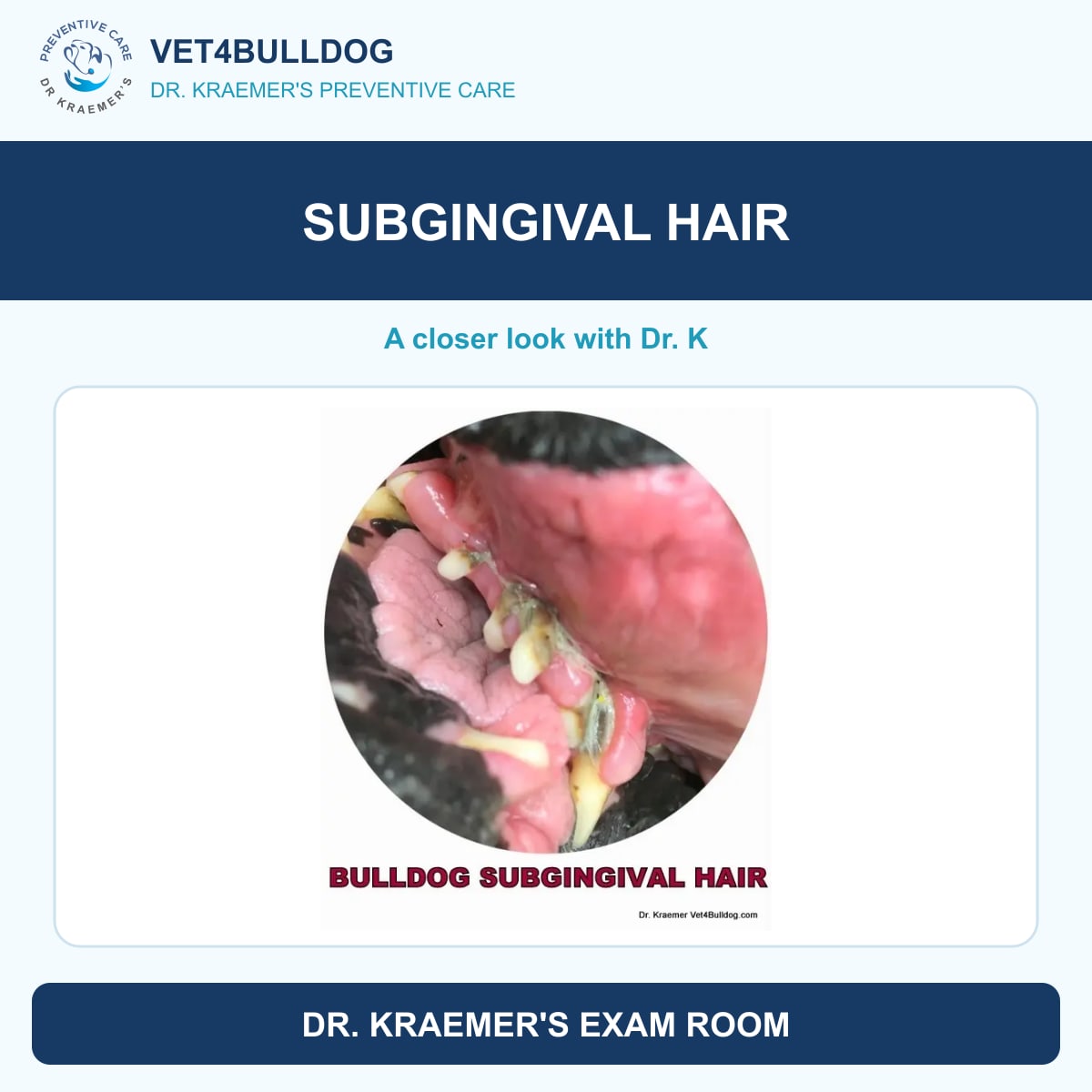
- remove subgingival hair
- support healthy gums
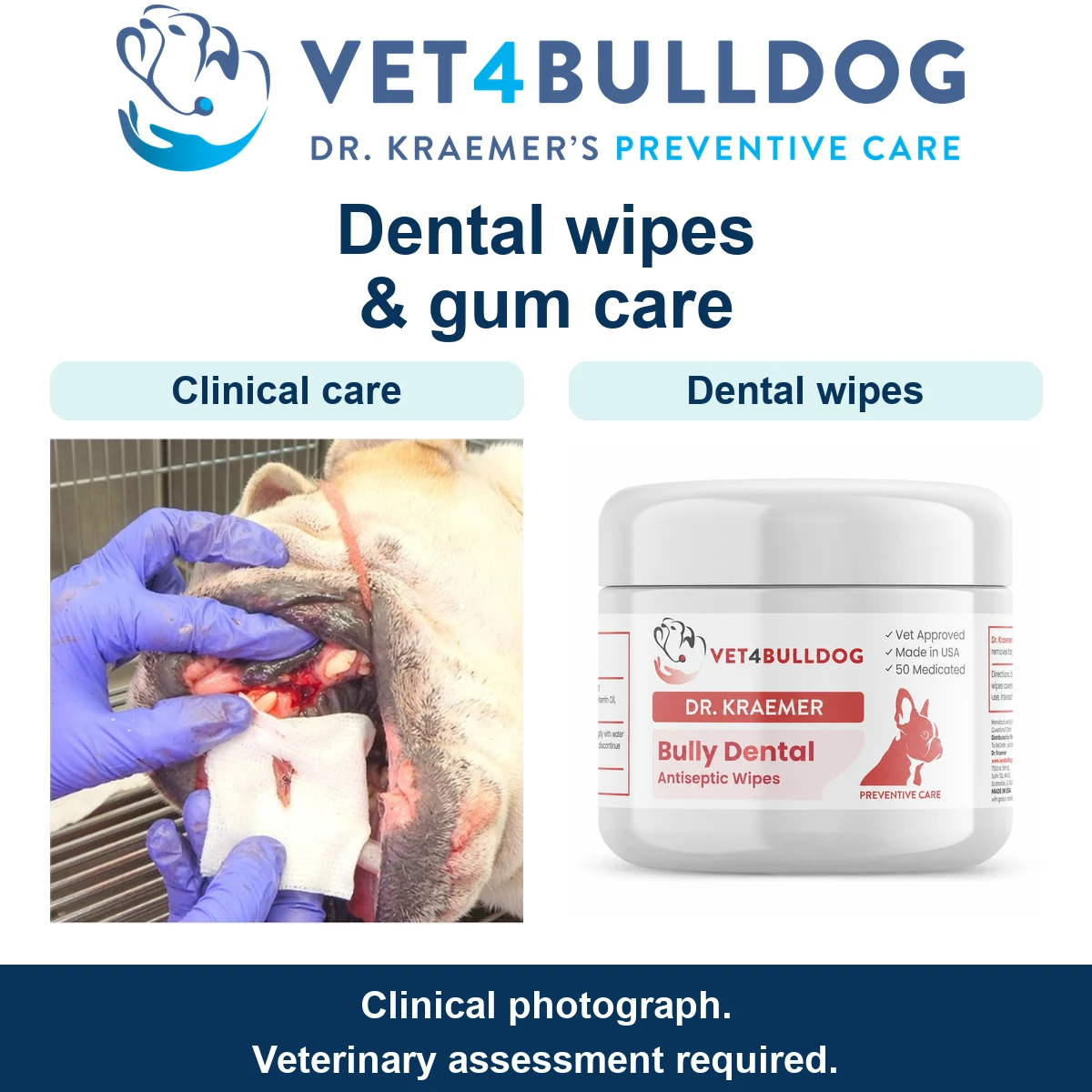
🌿V4B Bully Dental Water Additive: A tasteless, easy-to-administer formula added to drinking water to help fight plaque and bacteria.
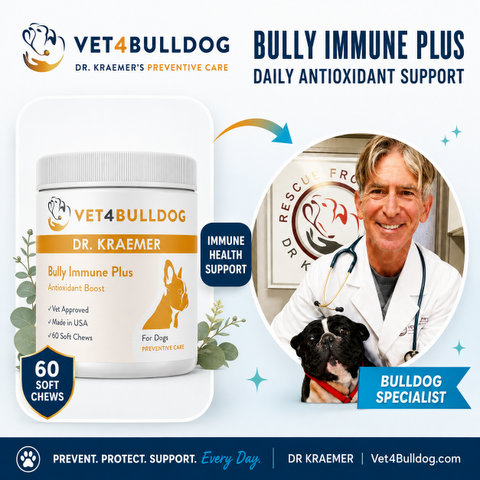
🌿V4B Bully Immune Support: Enhances the immune response, which is crucial in fighting oral inflammation and infection.
🌿V4B Bully Comfort & AcheLess: A natural anti-inflammatory supplement that supports gum comfort and reduces oral discomfort associated with dental disease.
🌿V4B Bully Probiotic & Digestive Enzymes: help replace the normal important microbiome
These products are safe for daily use, require no prescription, and can be an effective addition to a comprehensive dental care routine
#3 Bulldog Routine Oral Exam:
Your bulldog puppy should have their teeth checked at least once a year. Your bulldog and other pets may require dental care if:
• Presence of a red stripe along the gum line
• Unpleasant odor from the mouth
• Reluctance to chew
• Change in chewing behaviors
• Inability to see the teeth due to calculus accumulation
• Broken or discolored teeth
• Loose teeth
• Draining or swelling around the face or jaw
• Decreased appetite
• Swelling or enlargements of the oral tissues
• Difficulty swallowing
• Rubbing the face with a paw (sometimes resulting in eye irritation)
• Rubbing the face on the floor or other surfaces
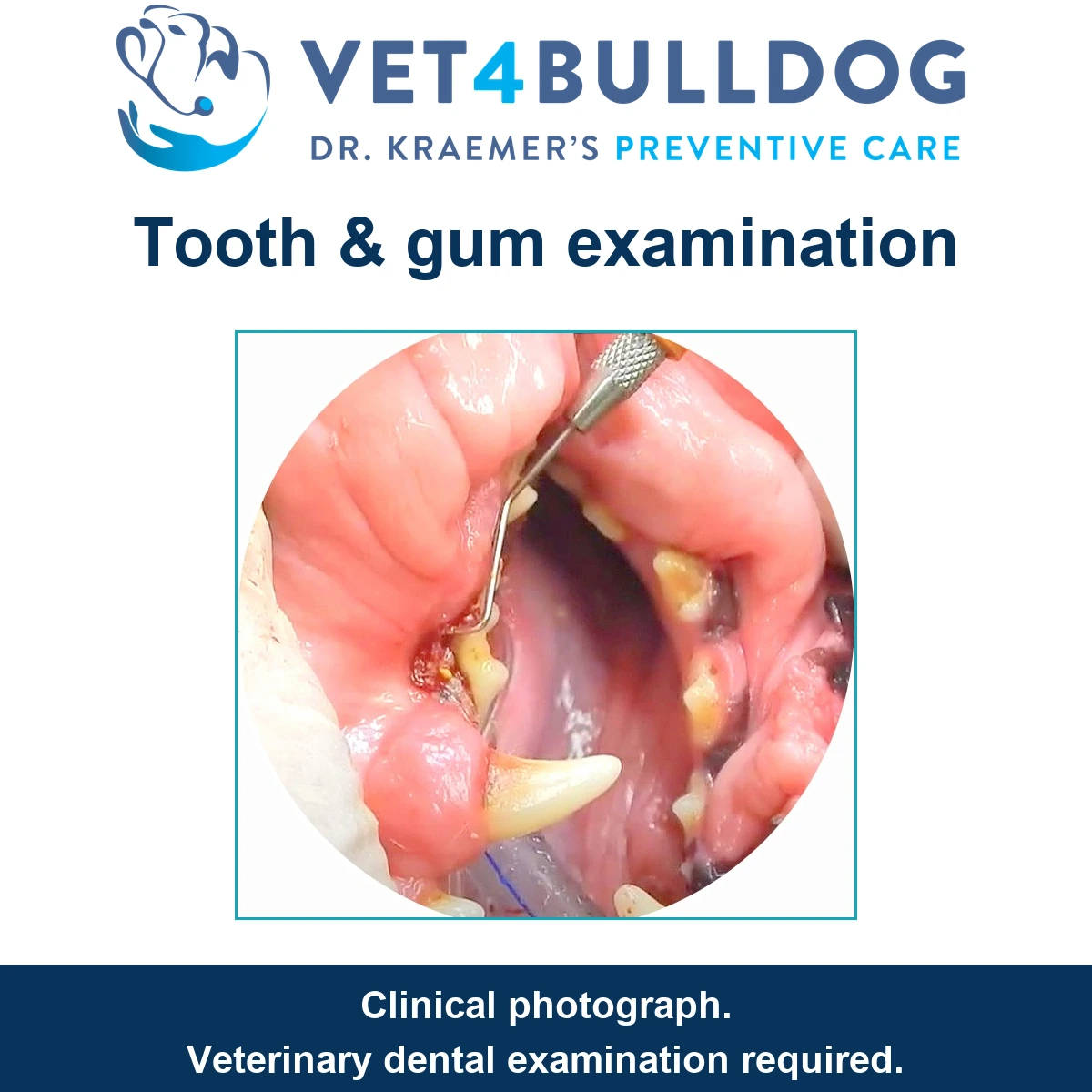
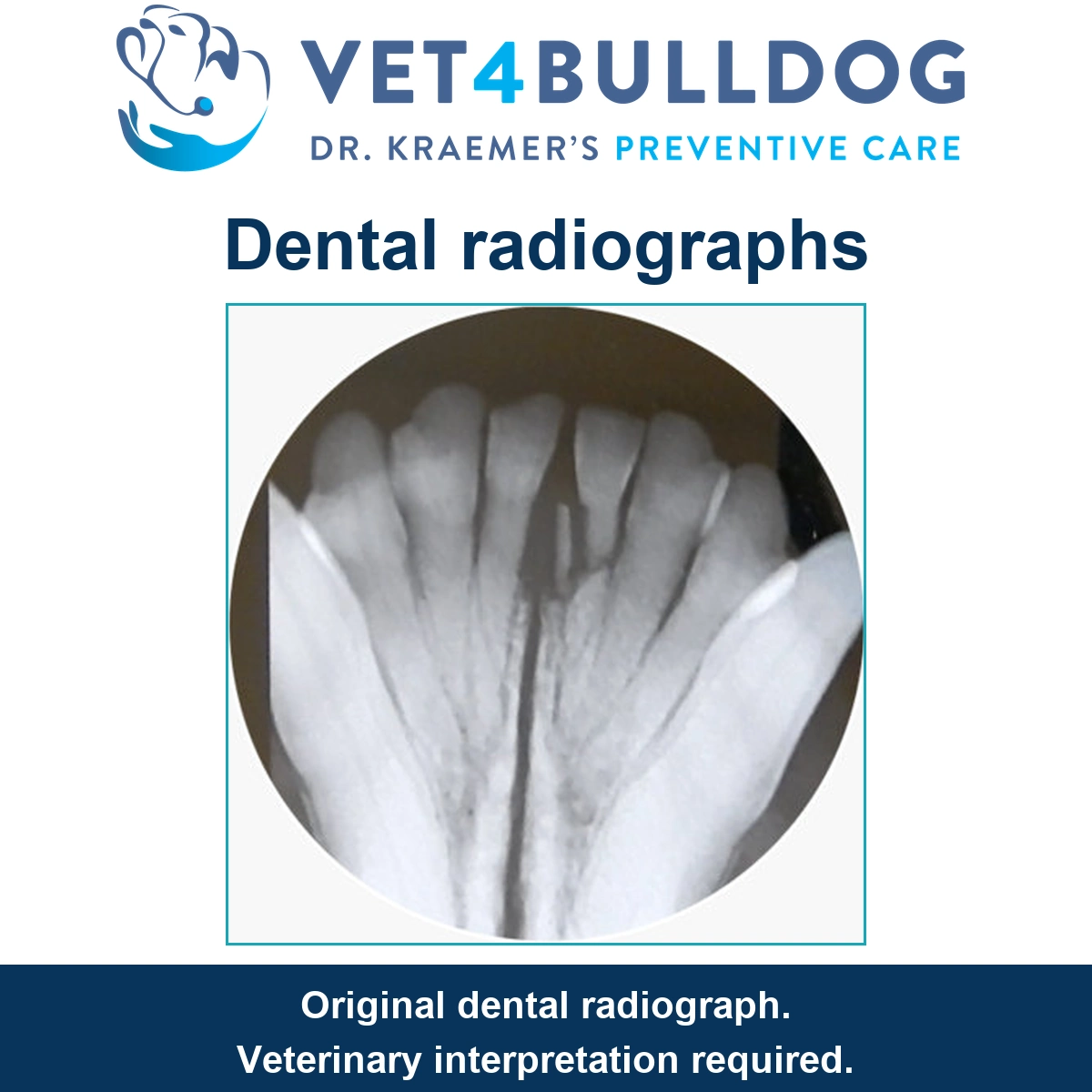
#4 Bulldog and French Bulldog Dental Radiographs
Dental radiographs are essential for diagnosing conditions that are not visible during a routine oral examination. These include issues occurring below the gum line, such as
- impacted teeth
- infected or abscessed roots
- bone loss, and cavities
All of which are common in Bulldogs and French Bulldogs due to their unique craniofacial anatomy.
Bulldog dental anesthesia
Because precise imaging is required, dental radiographs must be performed under general anesthesia to ensure the dog remains still and comfortable.
For optimal diagnostic accuracy and safety, a professional-grade dental X-ray unit and trained veterinary staff with dental expertise are necessary. Proper technique and equipment significantly improve the detection of hidden pathology and support effective treatment planning.
#3 Bulldog Dental Scale and Polish
A thorough dental cleaning, commonly referred to as dental scaling and polishing, is a key component in the prevention and treatment of periodontal disease in Bulldogs and French Bulldogs.
To perform this procedure safely and effectively, general anesthesia is required. This ensures that the dog remains still and pain-free during the process, allowing the veterinary team to:
🩺 ORAL EXAM Conduct a comprehensive oral examination, including probing for periodontal pockets
🩺 DENTAL READIOGRAPHS: Obtain dental radiographs to detect disease below the gum line
🩺 DENTAL SCALING: Perform scaling (removal of plaque and tartar from above and below the gum line)
🩺DENTAL POLISH: Complete polishing to smooth the tooth surfaces and slow future plaque buildup
⚠️Bulldog anesthesia safety
⚠️Due to the brachycephalic (short-nosed) anatomy of Bulldogs, anesthesia must be administered with special care by a trained veterinary team using appropriate monitoring and airway management techniques. When performed correctly, dental scaling and polishing is a safe and highly beneficial procedure that supports long-term oral health.
The part that matters is under the gum line
Owners judge a mouth by color. White is good, brown is bad, and a quick look over the lip tells you where you stand. I understand it, and it is the wrong instrument.
Everything that decides whether a tooth stays or goes happens where you cannot see it: the attachment between tooth and bone, and the bone itself. Calculus on the crown is the part you can see, and it is more a symptom than the disease. I have seen mouths with modest brown staining where the x-rays showed teeth standing in very little bone, and mouths that looked dreadful where the foundations were sound and a thorough cleaning was most of the answer.
It is an iceberg, and the visible part is not the part that sinks ships.
That is the whole argument for dental radiographs under anesthesia, and it is why I am firm about anesthesia free scaling. Scraping the crowns of a conscious dog removes the part you were using to judge the mouth and treats none of the disease, so the owner leaves reassured about a problem that has not been looked at, let alone addressed.
It is also the argument for daily home care, and this is the hopeful half. The disease begins at the gum margin, which happens to be the one place a brush, a wipe, a water additive or a chew can actually reach. You cannot clean under the gum at home, and you can keep the margin clean enough that less of it gets under there in the first place.
Dr. Kraemer’s Bulldog Dental Cleaning Rule of Thumb 👍
🦷 Professional dental cleanings for bulldogs should always be performed under anesthesia!
⚠️ Anesthesia-free dental cleanings are strongly discouraged and not recommended by the American Animal Hospital Association (AAHA) or the American Veterinary Dental College (AVDC).
Before anything with a price on it: daily brushing is the most effective dental care there is, and it costs nothing. What does the work is the mechanical action rather than the toothpaste, so a soft brush and thirty seconds a side beats an expensive paste used once a week. Start young if you can, go slowly if you cannot, and accept that some days you will only manage the outside surfaces, which is still where most of the plaque sits.
The reason our dental range exists is that plenty of Bulldogs will not accept a brush, and a routine that does not happen is worth nothing. The antiseptic dental wipes are the realistic middle ground, and the water additive asks nothing of the dog at all. These are topicals and supplements, so they sit alongside what your veterinarian recommends rather than in place of it, and the point worth being clear about is that none of them remove tartar that has already hardened onto a tooth. Once it is attached, only a scale and polish takes it off. What these do is slow down how fast it comes back, which may help stretch the gap between professional cleanings over a good few weeks and months of consistent use.
To be clear: supplements or topicals are not substitutes for prescribed treatment. If your dog is unwell, is being treated for a condition, or is already on medication, review any supplement or topical with your veterinarian so it fits the plan you are already following. This page is educational and is not a diagnosis or a treatment plan for your own dog.
Bulldog Dental Tips & Warnings
The selected dental tips and warnings are courtsy of Dr. Kraemer
#1 ⚠️Bulldog Anesthetic Dental Cleaning Warining:
It’s natural for Bulldog and French Bulldog owners to be concerned about the use of anesthesia. However, dental cleanings without anesthesia are inappropriate and unsafe for several critical reasons:
Legal and Licensing Warning: In the United States and Canada, only licensed veterinarians are legally permitted to perform dental procedures and in some cases RVT (registered veterinary nurse). Anyone else performing dental services on your bulldog is illegally practicing veterinary medicine and may face criminal charges.
Always prioritize your bulldog’s safety and dental health by choosing a qualified veterinary team that follows established medical guidelines.
#2 ⚠️Bulldog Dental Cleaning Without Anesthesia: Ultrasonic Scaler Warning
Anesthesia-free dental procedures in Bulldogs and French Bulldogs can result in incomplete exams and inadequate cleaning.
Ultrasonic Scaler Danger Without Anesthesia:
Dental tartar is firmly adhered to the surface of your bulldog’s teeth and requires ultrasonic or sonic power scalers for proper removal. These instruments have sharp working tips and must be used with precision.
When a bulldog is awake and unrestrained, even minor movements can result in:
🚨Pain during scaling
🚨Injury to the gums, tongue, or other oral tissues
🚨Biting risk to the person performing the cleaning
Without anesthesia, it is impossible to safely and thoroughly clean the teeth or assess the full extent of dental disease below the gumline.
#3 ⚠️Bulldog Dental Without Anesthesia: False Sense of Security Warning
Anesthesia-free dental cleanings create a dangerous illusion of health and effectiveness.
True professional dental care includes:
⚕️Scaling above and below the gum line
⚕️Cleaning within the gingival pockets: the critical subgingival space where periodontal disease begins
⚕️Polishing to smooth the enamel and reduce future tartar buildup
In Bulldogs, as in all dogs and cats, accessing and thoroughly cleaning beneath the gum line cannot be done safely or effectively while the pet is awake.
Simply removing visible tartar from the tooth surface is cosmetic and does little to treat or prevent dental disease. Worse, it gives owners a false sense of security while the real disease continues unchecked below the surface.
🚨Subgingival cleaning in pets is impossible without anesthesia.
#4 ⚠️ Bulldog Dental Cleaning Without Anesthesia: Oral Exam Warning
A complete oral examination is a critical part of any professional dental procedure.
Without anesthesia, a full and thorough exam is impossible.
In an awake bulldog, the following limitations apply:
🚨Inner (lingual) tooth surfaces: those facing the tongue, cannot be properly visualized
🚨Hidden areas of disease or pain may go undetected
🚨Important conditions like fractured teeth, oral tumors, or deep periodontal pockets may be completely missed
Skipping anesthesia means skipping the opportunity to truly assess your bulldog’s oral health.
#5 ⚠️ Bulldog Dental: Toxins Warning
Anaerobic bacteria thrive below the gum line and are a major cause of dental disease in bulldogs.
These bacteria release endotoxins, which can:
🚨Destroy surrounding gum tissue
🚨Erode the supporting bone
🚨Ultimately leads to tooth loss
Without proper subgingival cleaning, only possible under anesthesia, these harmful toxins continue to damage your bulldog’s mouth silently and progressively.
#6 ⚠️ Bulldog Dental Disease: Systemic Health Warning
Periodontal disease in Bulldogs and French Bulldogs doesn’t just stay in the mouth. Bacteria from infected gums can enter the bloodstream and travel to vital organs, where they may:
🚨Damage heart valves (endocarditis)
🚨Impair kidney and liver function
🚨Even contribute to neurological issues affecting the brain
Dental disease is more than just bad breath, it’s a serious medical condition that can compromise your bulldog’s overall health and lifespan.
#1 🩺 Bulldog Dental Anesthesia: Safety Tip
While no anesthetic procedure is entirely risk-free, the modern protocols used in our veterinary hospital significantly reduce risk, especially when compared to the long-term health benefits of professional dental care for your bulldog.
At our facility, Dr. Kraemer implements bulldog-specific anesthetic protocols, tailored to the unique needs of the breed. We use only Sevoflurane inhalation anesthesia, a safer, faster-acting alternative to the more commonly used (and less expensive) Isoflurane.
Every bulldog dental patient is also intubated with a cuffed endotracheal tube, which provides three key benefits:
⚕️Ensures safe cooperation from a patient unable to understand or remain still during the procedure
⚕️Prevents pain and distress during examination and treatment
⚕️Protects the airway: greatly reducing the risk of aspiration and life-threatening inhalation pneumonia
These safety measures help ensure your bulldog receives the care they need with minimal risk and maximum comfort.
#2 🩺 Bulldog Dental Care: Antibiotics Tip
In some cases, pre-dental antibiotics may be recommended for Bulldogs and French Bulldogs, especially when:
💊 There is advanced periodontal disease
💊 Tooth extractions are anticipated
These antibiotics help reduce bacterial load and inflammation before the procedure, improving safety and outcomes. Always follow your veterinarian’s guidance on antibiotic use tailored to your bulldog’s specific condition.
#3 🩺 Bulldog Dental Care: Pain Control Tip
Pain management is essential following any dental procedure involving extractions.
Every Bulldog or French Bulldog who undergoes tooth extraction should be sent home with appropriate pain medication to ensure:
⚕️Comfort during recovery
⚕️Faster healing
⚕️Reduced stress and inflammation
#4 🩺 Bulldog Dental Care: Polishing & Fluoride Tip
Every professional dental cleaning for Bulldogs and French Bulldogs should include:
⚕️Polishing to smooth the tooth surfaces and remove microscopic abrasions that attract plaque
⚕️Fluoride treatment to strengthen enamel and help prevent future infection
These final steps are essential for maintaining oral health and reducing the risk of rapid tartar re-accumulation.
#5 🩺Bulldog & French Bulldog Dental Prophylaxis Tip:
To support your bulldog’s oral health before and after professional dental cleaning, I recommend daily dental home care that includes:
🌿Antiseptic oral wipes to reduce bacterial buildup
🌿Dental water additives, such as Dr. Kraemer’s Dental Defense, to help control plaque and freshen breath (
Consistent at-home dental care is essential to maintain the results of professional cleanings and help prevent future periodontal disease.
#6 🩺 Bulldog & French Bulldog Teeth Scaling Tip
A complete dental cleaning for Bulldogs and French Bulldogs should include both:
⚕️Ultrasonic scaling: to efficiently break up and remove tartar above and below the gum line
⚕️Hand scaling: to access hard-to-reach areas and ensure thorough cleaning of all tooth surfaces
This dual approach is essential for removing plaque and tartar buildup, preventing periodontal disease, and protecting your bulldog’s long-term oral health.
#7 🩺 Bulldog Dental Care: Extractions Tip
Tooth extractions in Bulldogs and French Bulldogs should be considered when:
-
The bone surrounding the tooth is infected
-
The tooth is fractured with root exposure
For all extractions, we strongly recommend:
⚕️Local nerve blocks using a local anesthetic to manage pain
⚕️Surgical closure of the extraction site to reduce infection risk, minimize discomfort, and promote faster healing
Proper technique during extractions ensures a safer procedure and a more comfortable recovery for your bulldog.
Can he have his teeth cleaned without anesthesia? I am nervous about putting a Bulldog under.
He will not let me anywhere near his mouth with a brush. Now what?
His breath is awful. Is that just a Bulldog thing?
Do dental chews and bones work?
He is eating normally, so his teeth cannot be that bad, surely?
Why do they want radiographs for what is just a cleaning?
Could a course of antibiotics clear it up instead of a procedure?
More Help from Dr. Kraemer
Dental disease in this breed does not stay in the mouth. These pages go further:
- Gingivitis and gum disease
- Subgingival hair, a Bulldog specific problem
- Digestion and dental problems
- Anesthesia in Bulldogs, and how it is made safer
- The best food and diet for Bulldogs
- Spay and neuter, and the anesthetic conversation
About the Author
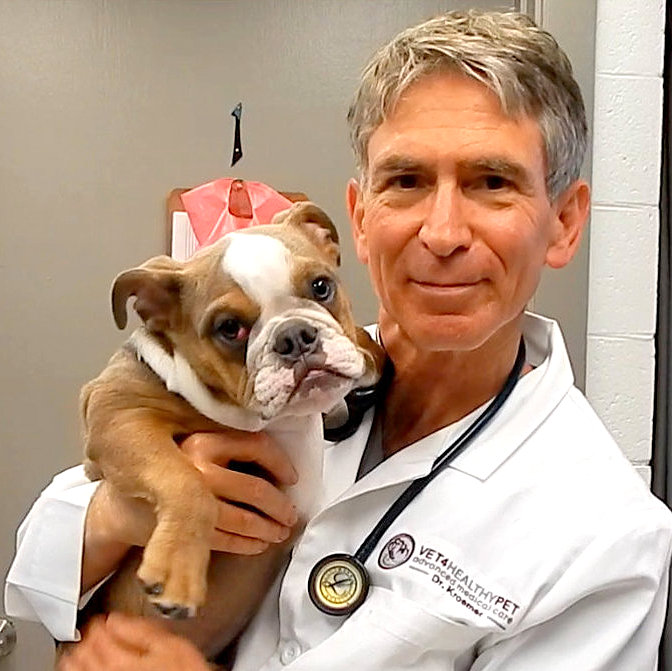
Roy Kraemer, DVM, is a veterinarian with extensive clinical experience caring for Bulldogs and French Bulldogs. His educational work emphasizes prevention, early recognition, appropriate at-home care, responsible medication use, and veterinary evaluation when disease is persistent or severe.
References
- Merck Veterinary Manual. Periodontal Disease in Small Animals
- Merck Veterinary Manual. Dental Disorders of Dogs
- Merck Veterinary Manual. Tooth Resorption in Small Animals
- AAHA. Dental Care Guidelines for Dogs and Cats
Trusted by Vets ~ Recommended by Owners ~ Approved by Bulldogs