


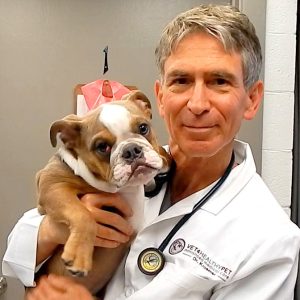
Frog sitting is a compensation for hip laxity, so your instinct is reasonable. What I would not do is jump from a frog sit to a diagnosis, or from a diagnosis to a surgical consult. Hip dysplasia in a bulldog is not the same disease it is in a shepherd. Many bulldogs carry dysplastic hips on film with little or no arthritis and no meaningful pain, and the grave prognosis owners get handed is usually borrowed from other large breeds. At 18 months the useful work is all preventive and all within your control. Keep him genuinely lean, because every extra pound loads that joint on every step. Exercise him on grass or in water, and cut out the jumping, the stairs, the hard turf and the quick turns. Get him off slippery floors. Feed a large breed formulation so the bone grows at the right speed. And get chondroprotectants and fish oil into him daily, starting now rather than when he is sore. One caution: if Zeus ever goes properly lame on one back leg, do not assume it is the hip. In this breed that is usually the knee.
Hip Dysplasia in Bulldogs and French Bulldogs INTRODUCTION:
Hip dysplasia is an orthopedic condition common to bulldogs and French bulldogs, and it is not uncommon to detect it at a young age, often incidentally, when radiographs are taken. You may notice characteristic movements such as the
- “exotic belly dancer side-to-side pelvis motion”
- “frog sitting” stance, where the dog sits with one or both hind legs spread out.
These behaviors indicate the dog’s efforts to compensate for the looseness or laxity in their hip. ❓How big of a concern is this? ❓Is your bulldog suffering? ❓Should you consider surgery?
Five Things to Know About Bulldog Hip Dysplasia
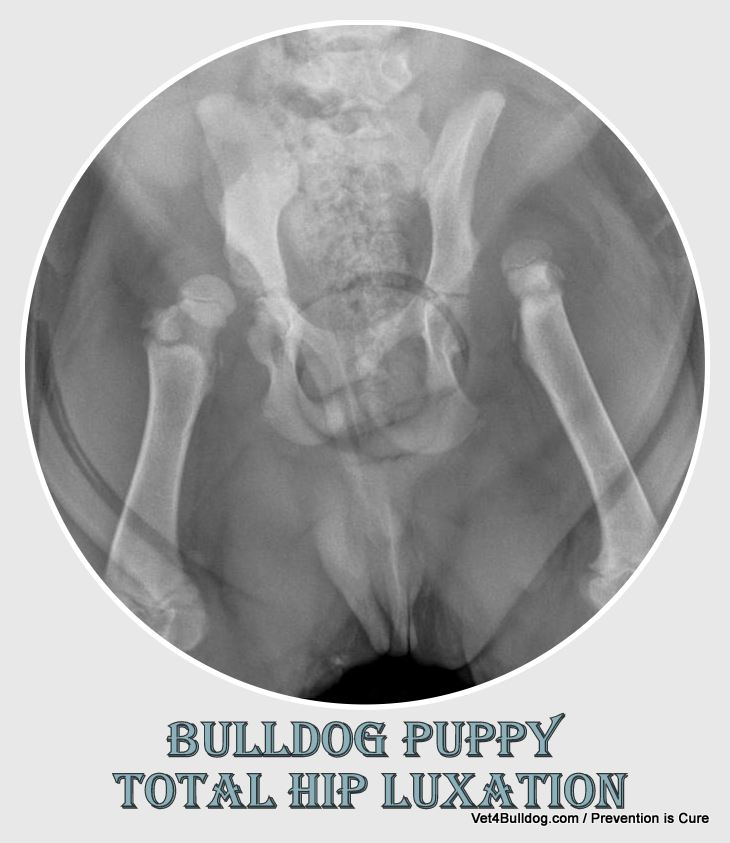
- Hip luxation and dysplasia are common in bulldogs
- It is often an incidental radiographic finding
- The common clinical signs associated with hip problems in most breeds are often due to knee problems in bulldogs
- Treatment includes pain control weight reduction and therapeutic bully supplements
- Prevention includes Dr. Kraemer’s Hip Dysplasia Care Bundles
Welcome to Our Prevention Over RX Bulldog Community!
Hip Dysplasia in Bulldogs and French Bulldogs ANATOMY:
The hip joint articulation in bulldogs is a “ball and socket” type joint.
BULLDOG HIP JOINT BALL & SOCKET:
This anatomical structure is designed to allow a wide range of motion. The femoral head (the “ball”) at the top of the femur (thigh bone) fits into the acetabulum (the “socket”), a concave portion of the pelvis. The femoral head and the acetabulum are congruent in a healthy hip joint, allowing smooth and stable movement. When the congruence of this joint is disrupted, your bulldog puppy might present with hip laxity, subluxation, and dysplasia ➡️ Hip laxity refers to looseness or instability in the hip joint whereby the femoral head and the acetabulum do not fit as snugly as they should. ➡️ Subluxation is a partial dislocation of the hip joint. In this condition, the femoral head is partially out of the acetabulum but not completely dislocated. ➡️ Hip Luxation: a complete dislocation of the ball (femoral head) from the socket (acetabulum) 
What Causes Hip Dysplasia in Bulldogs and French Bulldogs?
🚨The cause can be multifactorial:
1. HIP STRUCTURAL ABNORMALITY
- Shallow hip socket
- Short femoral neck
- Abnormal femoral head
- Abnormal soft tissue and ligament attachments.
2. HIP DYSPLASIA DUE TO GENETICS & ENVIRONMENT:
Bulldog and French bulldog hip dysplasia are multifactorial and polygenetic; thus, the disease’s outcome and severity depend on the interaction between your bulldog’s genetic susceptibility and exposure to environmental stressors.
What are Hip Dysplasia Symptoms in Bulldogs and French Bulldogs?
Keep in mind that bulldogs with hip dysplasia often don’t exhibit anything clinically, while other times they might exhibit:
- Stiffness
- Climb & Jump: Difficulty climbing stairs and jumping
- Pain: Crepitus and pain when the hip is extended or abducted
- Muscle Atrophy: Disuse atrophy (Muscle mass loss) of the dysplastic leg
- “Speedo Swimming Suit” (skinny hips, puffed shoulders) due to compensation and weight shifting to the front (shoulders, torso).
- Range of Motion: Decreased range of motion of the hip joint.
- Limp: Lameness or unloading of the dysplastic leg during exercise.

BULLDOG HIP PHYSIOLOGY:
There are two common physiological conditions underscoring bulldog hip dysplasia: 1. Abnormal collagen and fiber development in the joint capsule and ligament of the femoral head. 2. Abnormal endochondral ossification of the acetabulum results in joint incongruency.
How to Prevent Hip Dysplasia in Bulldogs and French Bulldogs?
Preventing hip dysplasia, especially in breeds predisposed to the condition like bulldogs, involves a combination of
- genetic
- Supplements and nutritional
- lifestyle factors
While it’s impossible to guarantee that a bulldog will never develop hip dysplasia, these measures can significantly reduce the risk and severity of the condition. Let’s break down the preventive measures you mentioned:
1. Choose a Reputable Breeder
- Genetic Screening: A reputable breeder should provide evidence of hip dysplasia screening for both parents. This is often done through organizations like the Orthopedic Foundation for Animals (OFA) or the PennHIP method. Screening can help ensure that parents with good hip scores are bred, reducing the likelihood of passing on predispositions to hip dysplasia.
- Transparency: A trustworthy breeder will be transparent about the lineage and health of their breeding dogs and will openly share any health testing results.
- Breed Standards: Breeding to the standards set by kennel clubs and breed organizations can also help minimize the risk of hereditary conditions.
2. Maintaining a Lean Body Weight
- Weight Management: Keeping your dog at a healthy weight is crucial. Excess weight puts additional stress on the joints.
- Regular Exercise: Regular, moderate exercise helps strengthen the muscles around the joints, providing better support and stability. Controlled activity over grass or in water is best. Avoid jumping, stairs, skateboarding, quick turns, and hard turf.
3. Appropriate Nutrition
- Large-Breed Puppy Diet: Diets formulated for large-breed puppies are designed to support slower growth and healthy bone development.
- Balanced Nutrition: Ensuring your puppy or dog receives balanced nutrition with the correct levels of calcium and phosphorus is essential for healthy bone and joint development.
4. JOINT BULLY THERAPEUTIC SUPPLEMENTS
- Supplements: Supplements such as glucosamine, chondroitin, and omega-3 fatty acids may help support joint health.
SUPPLEMENTS FOR BULLDOG HIP DYSPLASIA:
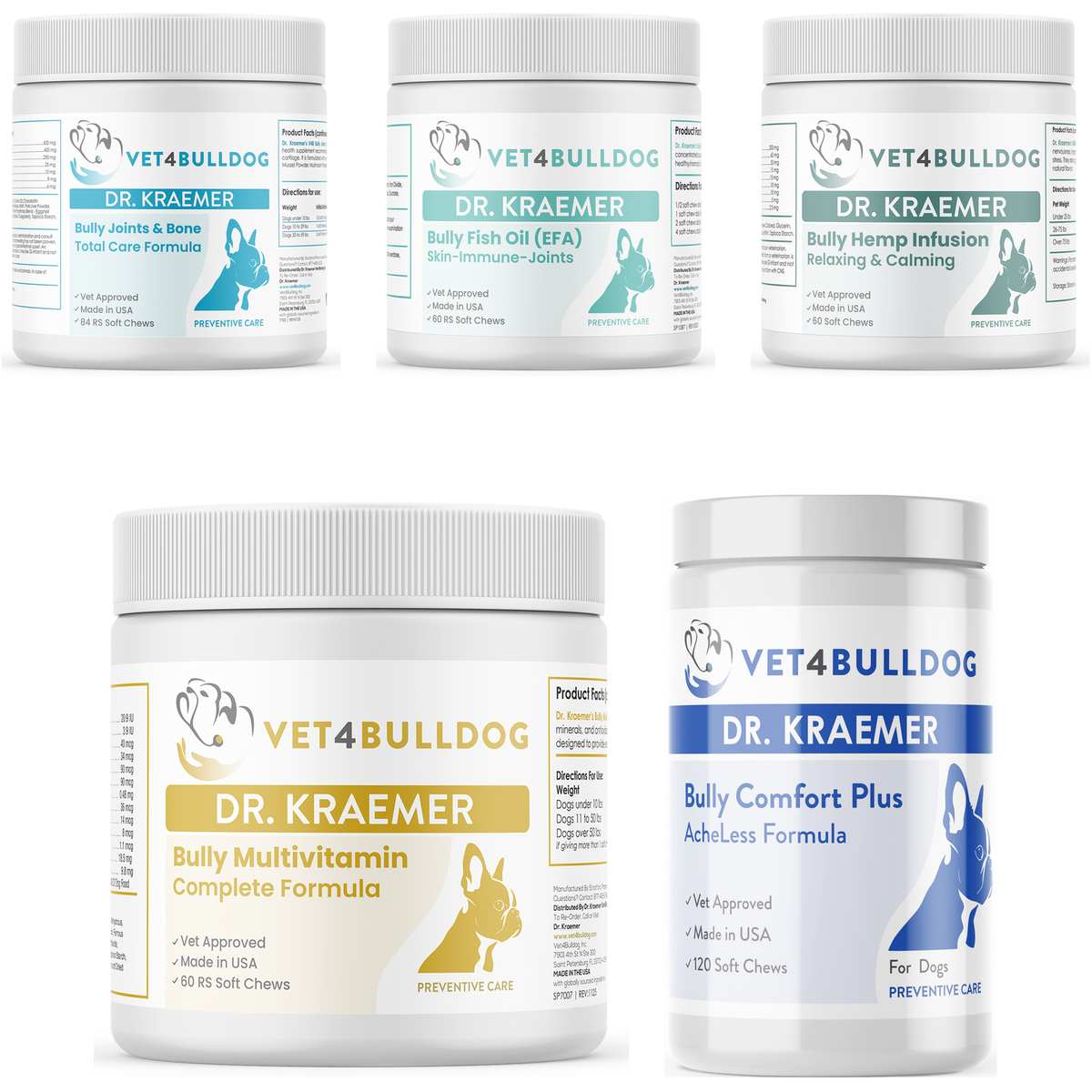
To help prevent and control pain, inflammation, and arthritis, chondroprotectants, and fish oil therapeutic supplements are recommended.
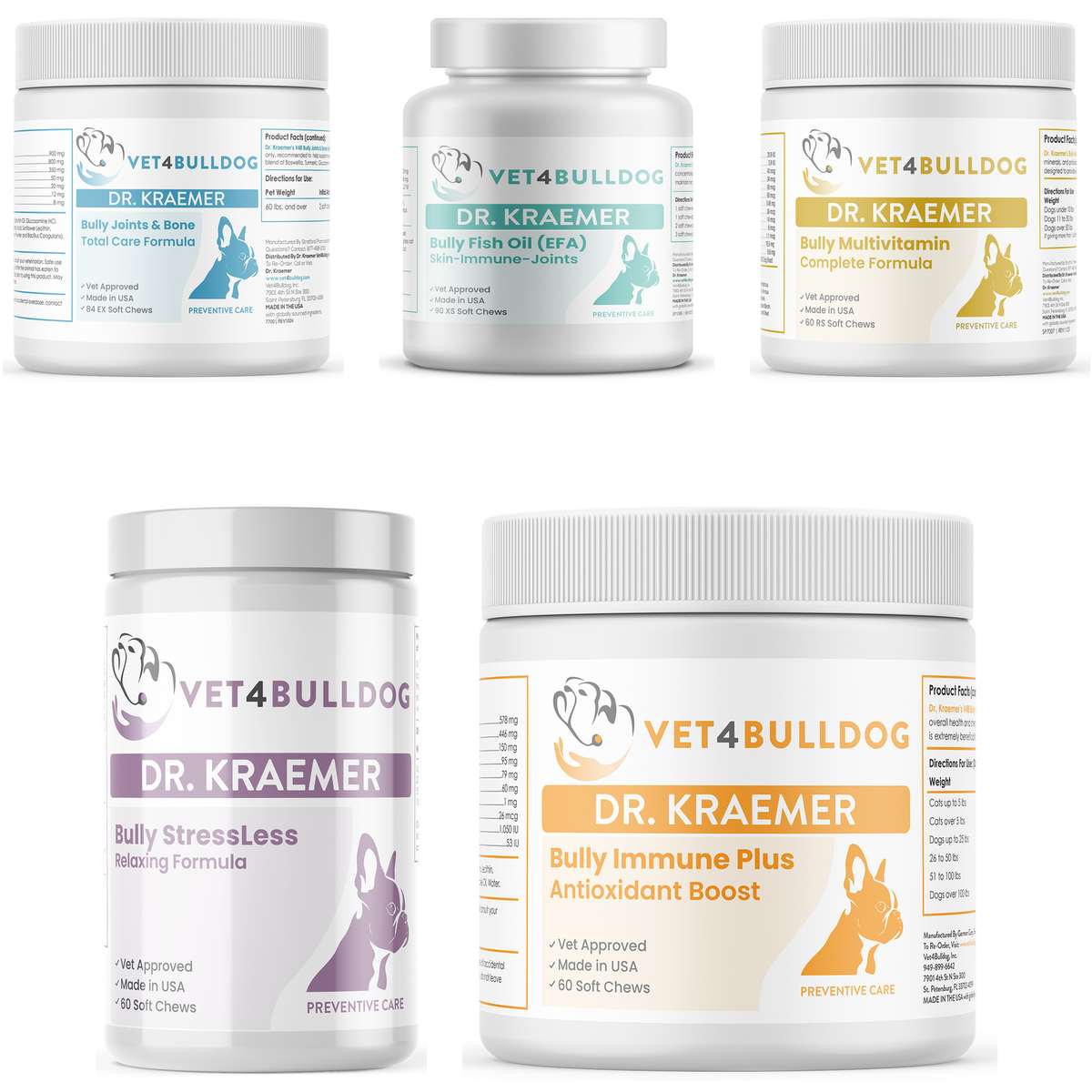
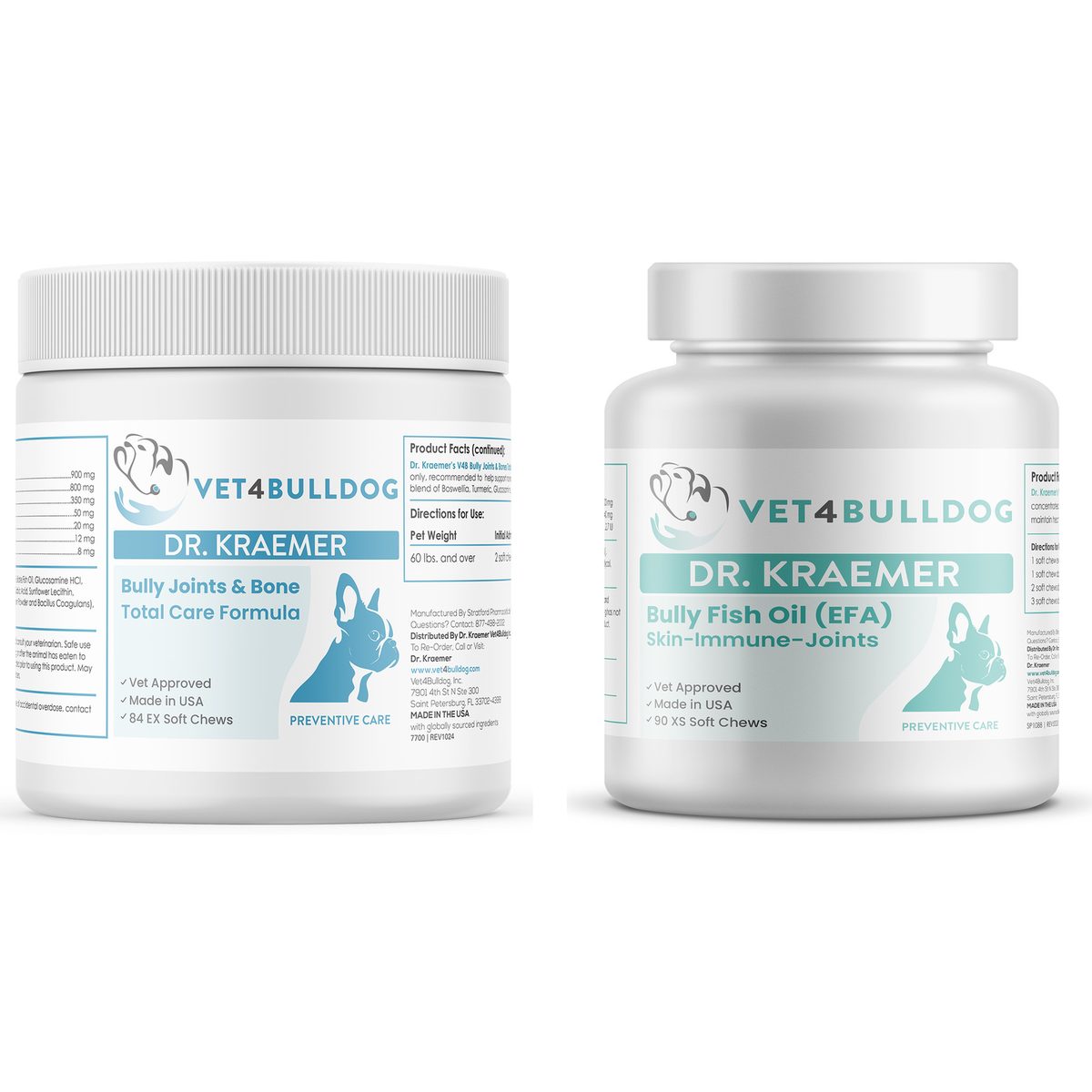
- Dr. Kraemer’s V4B Bully Joint and Bone Total Care
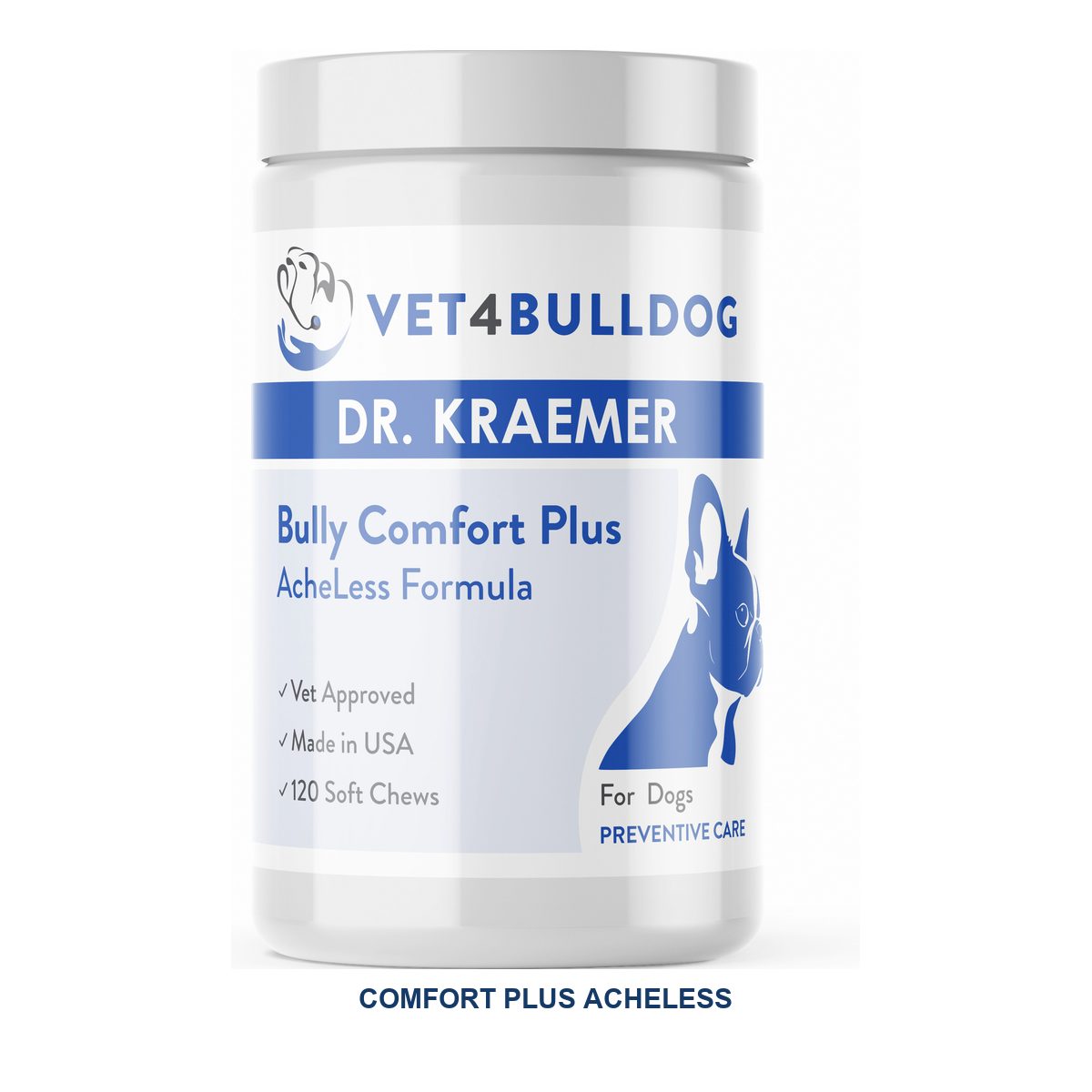
- Dr. Kraemer’s V4B Comfort Plus
- Dr. Kraemer’s V4B Fish Oil
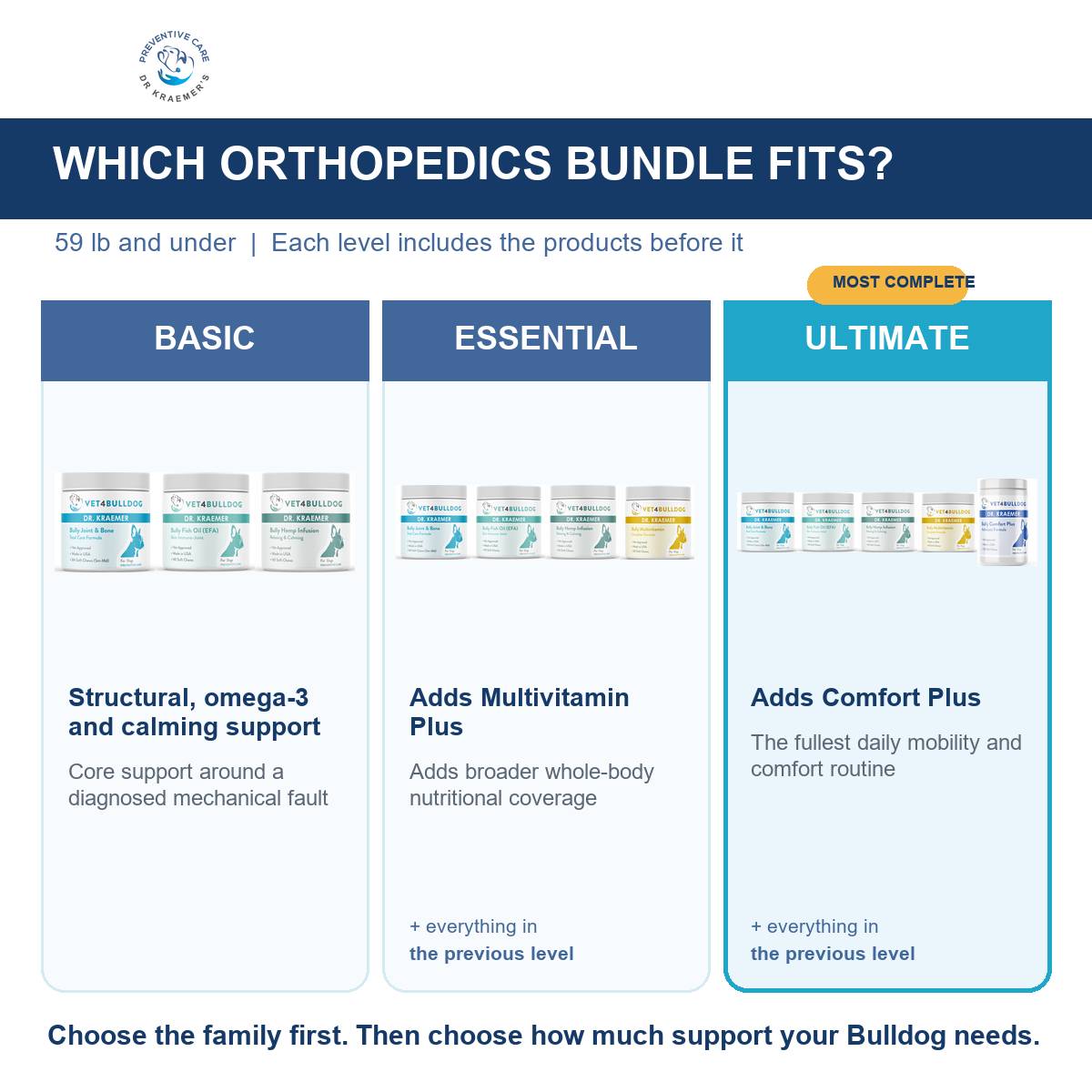
- V4B Bully Arthritis Pain and Ache Basic Bundle

Hip Dysplasia in Bulldogs and French Bulldogs TREATMENT
Ideal treatment requires a combination of prescription medication, regenerative therapies, and bully therapeutic supplements
1. HIP DYSPLASIA PRESCRIPTION RX:
NSAIDs, Gabapentin, Tramadol
- Positive: Pain control, Anti-Inflammatory, Stress Relief
- Negative: potential unwanted side effects
- Other: Systemic, $$
2. HIP DYSPLASIA / REGENERATIVE MEDICINE:
Stem Cell Therapy, Cryobanking & PRP
- Positive: Pain control, Anti-Inflammatory
- Positive: Healing, regenerative properties
- Positive: Can be cryobanked and held for additional treatment for the life of your bulldog.
- Positive: can be extracted during elective surgery and cryobanked for future needs.
- Positive: Can help treat other medical conditions.
- Negative: Extraction of stem cells involves short-term anesthesia.
- Other: Systemic (Intravenous) & Local (joints, intrathecal, etc), $$$
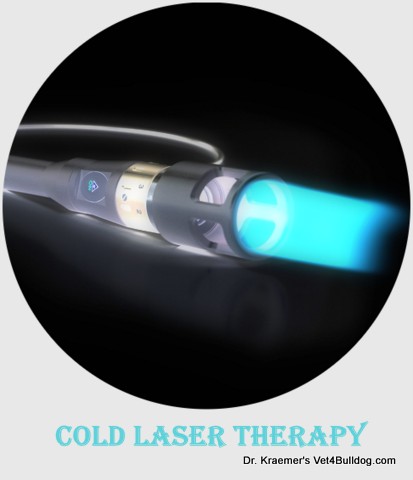
 3. HIP DYSPLASIA NON-RX DEVICES: tPEMT, Cold Laser Therapy
- Positive: Pain control, Anti-Inflammatory, and Healing
- Other: local only (at the site of the injury), $$
4. HIP DYSPLASIA BULLY THERAPEUTIC SUPPLEMENTS:
- V4B Bully Joint and Bone Total Care
- V4B Fish Oil EFA Joints-Immune-Skin
- V4B Comfort Plus Formula
- V4B StressLess Chews
- V4B Bully Arthritis Pain and Ache Basic Bundle
Dr. Kraemer’s therapeutic supplements are:
➡️ EASY: Chews and treats are easy to administer. ➡️ THERAPEUTIC: Can help treat other medical conditions (V4B Fish Oil). ➡️ ECONOMICAL: Systemic, $ (low cost).
HIP DYSPLASIA: OTHER THERAPIES
- FDA-approved CBD oil
- Physiotherapy
- Acupuncture
Bulldog and Fr. Bulldog Hip Dysplasia CORRECTIVE SURGERIES:
- Double or triple pelvic osteotomy (DPO/TPO)
- Femoral head osteotomy (FHO)
- Total hip replacement (THR)
⚠️ BULLDOG HIP DYSPLASIA SURGERY WARNING:
In 20 years, out of thousands of bulldogs I have seen with hind leg limps, only a few were directly related to dysplasia. I can count on one hand the ones who required hip/pelvic corrective surgery. Important: Should your vet suggest corrective hip surgery, it’s crucial to consult with specialists who are well-versed in both the breed and the surgical procedure. Ensure that X-rays of both the right and left knees and hocks are taken and analyzed to help exclude any other underlying orthopedic conditions.
HIP DYSPLASIA PRE-SURGERY MUST-DO:
Before consenting to hip surgical correction, your vet must exclude more likely underlying orthopedic conditions, such as
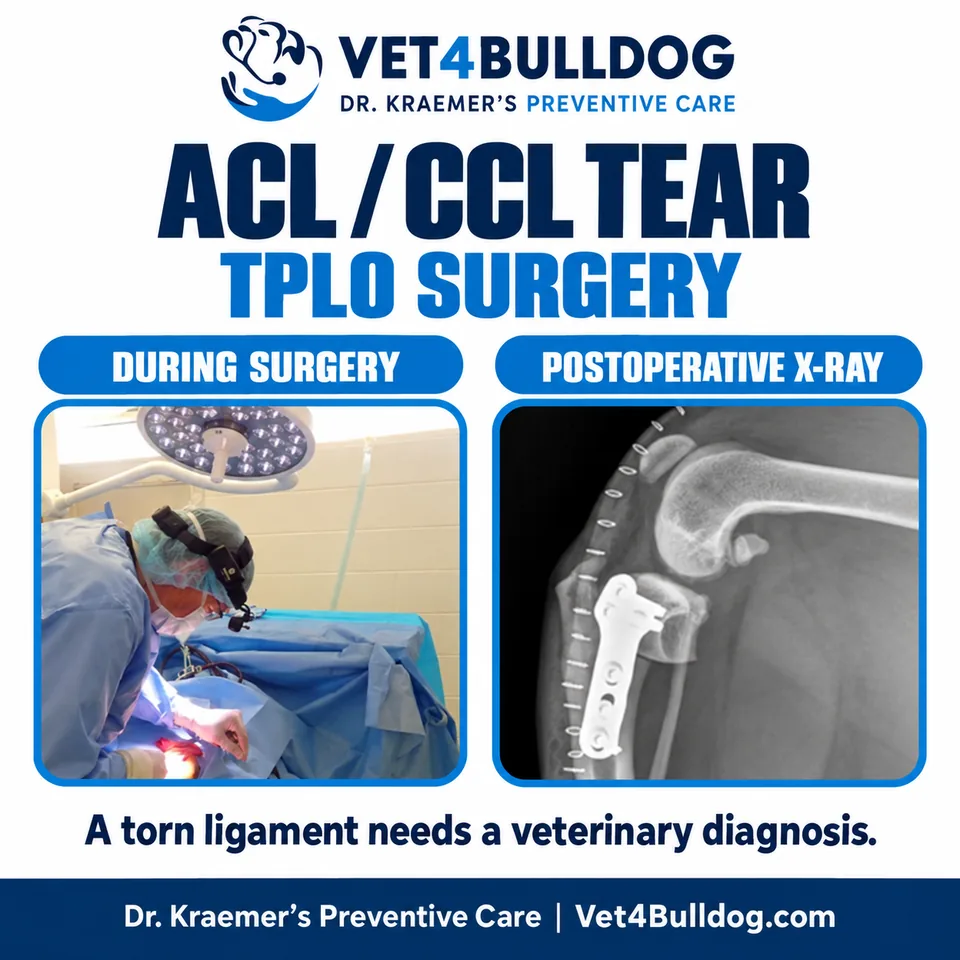
- Cranial cruciate ligament (ACL Tear)
- Bulldog Medial Patella Luxation (MPL).
TRAUMATIC BULLDOG HIP DYSPLASIA SLING REPAIR
Traumatic injuries, such as being struck by a car, can cause a different kind of hip luxation. A closed reduction with an Ehmer sling, a non-surgical technique intended to realign the hip joint back into its socket, is frequently effective in treating this kind of dislocation. After the reduction, the Ehmer sling is applied to keep the leg in a position that prevents the hip from dislocating again during the healing process. It does this by supporting the joint, keeping the hind leg elevated and rotated inward, which limits movement and promotes proper stabilization of the joint. This technique is preferred for its minimally invasive nature and can lead to successful outcomes if applied correctly and promptly after the dislocation. However, its success largely depends on the timing of the application and the condition of the hip joint after the injury. 
Hip Dysplasia in Bulldogs and French Bulldogs TIPS & WARNINGS:
Below are a few selective hip dysplasia tips and warnings courtesy of Dr. Kraemer:
#1 🩺 BULLDOG HIPS: BREEDER TIP
Carefully choose a reputable bulldog breeder. If you want to go the extra mile, obtain a certificate from the Orthopedic Foundation of Animals to prove that the puppy’s parents do not have hip or elbow dysplasia, or any other deformities.
#2 🩺 BULLDOG HIP DYSPLASIA FLOOR SURFACE TIP:
Avoid slippery floors and surfaces.
#3 🩺 BULLDOG HIP DYSPLASIA DIET TIP:
English bulldog puppies should be fed a “large breed” puppy diet to prevent rapid, premature bone growth
#1 ⚠️ HIP DYSPLASIA-ASSOCIATED ARTHRITIS WARNING:
Hip dysplasia does not necessarily mean a life of pain and severe mobility problems for every affected dog. The assumption that hip dysplasia in bulldogs will always result in severe pain and arthritis, as often seen in other large breeds, may not be accurate. Bulldogs may not show signs of pain in ways that owners or even some veterinarians typically expect. This breed-specific resilience and the variability in how hip dysplasia progresses highlight the importance of a customized approach to diagnosis and management. 
#2 ⚠️ HIP DYSPLASIA DIAGNOSTIC ERROR WARNING
When a bulldog presents with non-weight-bearing lameness, it’s critical to consider other common conditions like Cranial Cruciate Ligament (CCL, similar to the ACL in humans) tears or Medial Patella Luxation (MPL) as potential causes. Both conditions are prevalent in Bulldogs and can lead to acute pain and lameness, often requiring different management strategies or surgical interventions compared to hip dysplasia. 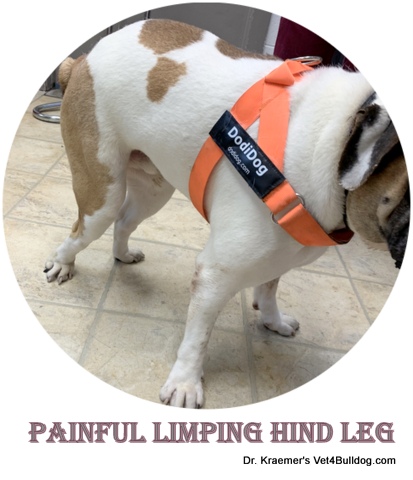 Hip dysplasia in bulldogs is not synonymous with osteoarthritis and chronic pain. Some of you have seen the dysplastic radiographs of your bulldog and have been told about the grave prognosis and the associated pain and disability. This erroneous statement is based on our experience with other large breeds, leading to the mismanagement of bulldogs with hip dysplasia. In contrast to other large breeds, the majority of those findings are incidental to bulldogs. Many bulldogs have no or minimal arthritis. If your bulldog is experiencing hind leg discomfort or limping, look below the hip joint.
🚨The knees are the most likely cause in most cases.
#3 ⚠️ BULLDOG HIP DYSPLASIA SURGERY WARNING:
In 20 years, out of thousands of bulldogs I have seen with hind leg limps, only a few were directly related to dysplasia. I can count on one hand the ones who required hip/pelvic corrective surgery.
Bulldog and Fr. Bulldog Hip Dysplasia Summary:
Again, if corrective hip surgery is recommended, please seek additional opinions from specialists experienced with the breed and the procedure, and make sure that radiographs are taken of the right and left knees and hocks to help rule out other underlying orthopedic problems. 
Insider tip
My bulldog frog sits. Does that mean hip dysplasia?
Is a dysplastic hip on the X-ray bad news?
My bulldog is limping on a back leg. Is it the hip?
What are the signs I should actually watch for?
How do I prevent it?
Which supplements, and when?
When is surgery actually the answer?
Veterinary Care and Supportive Products
A bulldog that is non-weight-bearing on a hind leg, or losing muscle on one side, needs an examination with radiographs of the hips, both knees and both hocks, because the treatment is completely different depending on which joint it is. No supplement corrects a shallow socket. What supplements do is protect cartilage and control the inflammation and pain that can follow, which is why starting early matters more here than almost anywhere else.
The Orthopedics Vital Bundle
More Help from Dr. Kraemer
A hind leg limp in a bulldog has several possible sources. These are the ones I check before I blame the hip:
- ACL tear in Bulldogs and French Bulldogs
- Medial patella luxation (MPL)
- Elbow dysplasia in Bulldogs and French Bulldogs
- Bulldog arthritis and arthritic pain
- Stem cell therapy for dogs and cats
- Bulldog pain and pain control
About the Author
Roy Kraemer, DVM, is a veterinarian with extensive clinical experience caring for Bulldogs and French Bulldogs. His educational work emphasizes accurate diagnosis before treatment, prevention, weight and mobility management, responsible medication use, and a second opinion before irreversible orthopedic surgery.
Trusted by Vets ~ Recommended by Owners ~ Loved by Bulldogs
References
- Orthopedic Foundation for Animals. Hip Dysplasia Screening
- University of Pennsylvania. PennHIP Method
- Merck Veterinary Manual. Hip Dysplasia in Dogs