
Bulldog resting on a white surface, indoors.

Bulldog Respiratory / Sinuses Issues

Bulldogs and French Bulldogs are prone to a wide range of painful and debilitating breed-related medical conditions. Most can be prevented and safely treated at your home, at a minimal cost.

Category:   Respiratory / Sinuses

Aspiration Pneumonia

bulldog pneumonia oxygen emergency care

What is that?

Aspiration (or inhalation) pneumonia is a condition in which your bulldog inhaled gastric material such as ingesta or acid. The foreign toxic material leads to your bulldog lungs becoming inflamed, reactive, and infected.

Symptoms

Pneumonia bulldogs typically present with a cough, fever, anorexia, and hacking and retching. Difficult Breathing, cyanosis, and potential life-threatening cardio, circulatory and respiratory collapse.

Everted Laryngeal Saccules

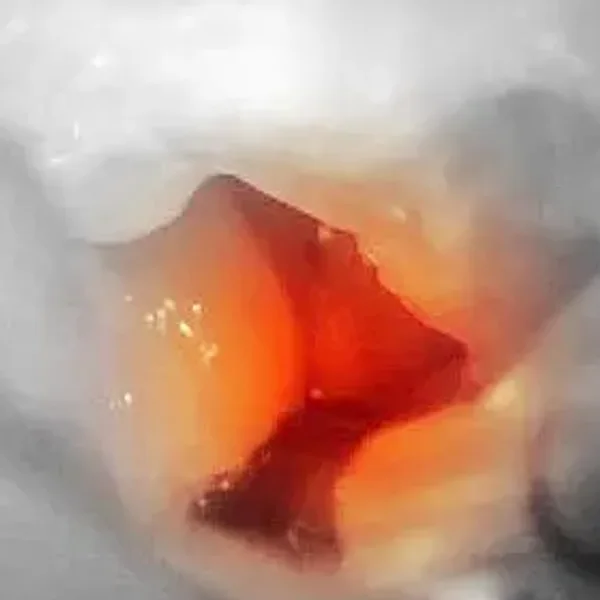
Bulldog Laryngeal Saccules Clinical Photo

What is that?

Everted Laryngeal Saccules are a secondary outcome to the better-known primary bulldog obstructive airway syndrome conditions (BOAS). When the saccules evert, they appear as bulging tissue at the two sides of the larynx.

Symptoms

Noisy respiration and intolerance to any excitement, exercise, and activities. Hacking retching and regurgitation are common.

Hypoplastic Trachea

Hypoplastic trachea in a bulldog, the narrowed windpipe marked with arrows

What is that?

Hypoplastic Trachea is part of the flat face (brachycephalic) syndrome. The narrowed trachea diameter impairs dynamic airflow and can compound the restricted airflow caused by the breed-elongated palate and pinched (stenotic) nose.

Symptoms

Whistling-sounding breathing. Difficult breathing, stridor, exercise intolerance, retching.

Laryngeal Collapse

Bulldog Laryngeal Collapse

What is that?

Long-lasting BOAS (Brachycephalic Obstructive Airway Syndrome) will lead to fatigue of the laryngeal cartilage, cartilage atrophy, and irreversible end-stage laryngeal collapse.

Symptoms

Severe noisy respiration exacerbated by any excitement or/and activity. Debilitating and life-threatening, cyanosis, retching, and often secondary aspiration pneumonia.

1 2