
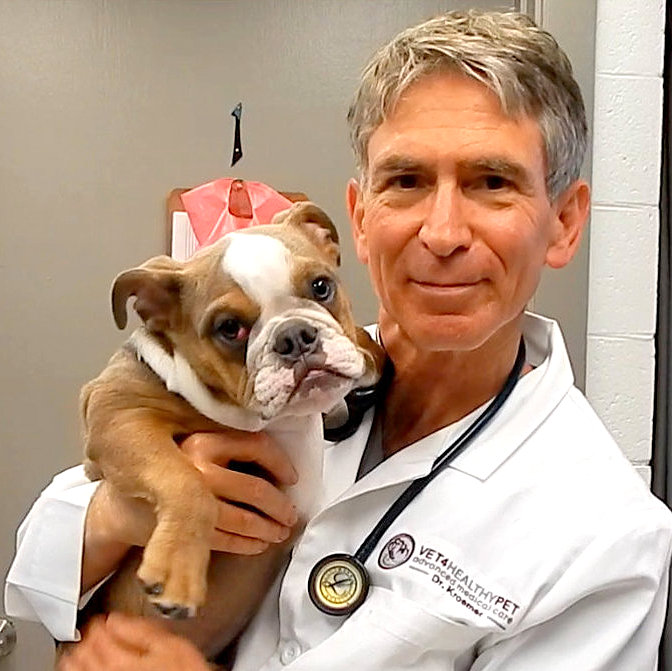


Introduction to Bulldog and French Bulldog Colitis
Colitis is an inflammation of the large intestine (colon) that can present as either acute, with a sudden onset, or chronic, with varying levels of severity. It may range from mild and intermittent episodes to a severe, persistent condition.
What Causes Colitis Bowel Disease in Bulldogs?
Colitis can be attributed to various underlying factors, including:
INFLAMMATORY
- Granulomatous (histiocytic ulcerative) colitis, an uncommon condition seen particularly in young Boxers and French Bulldogs
- IBD
INTESTINAL WORMS
- roundworm
- whipworm
- hookworm
- tapeworm
PROTOZOA
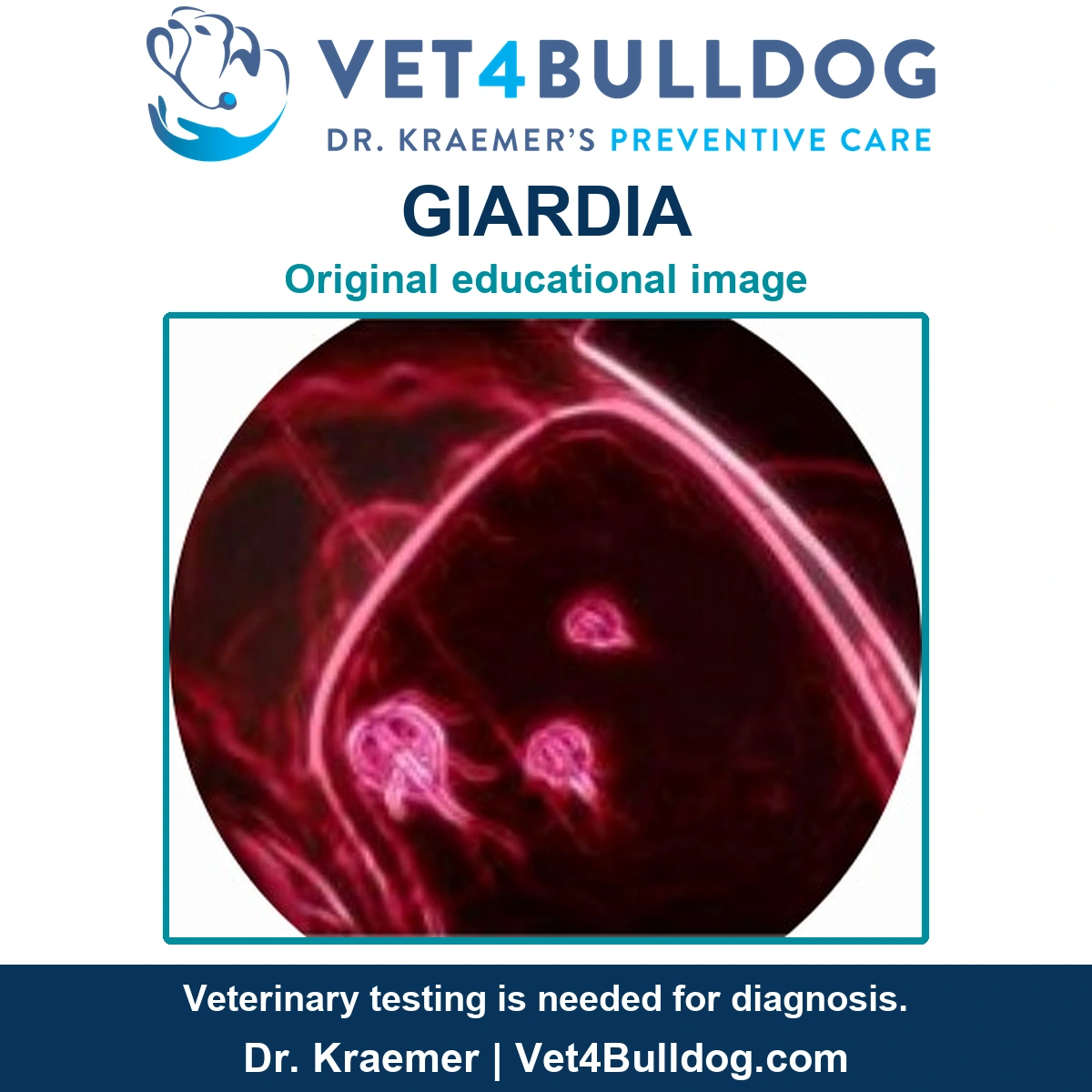
- Giardia
- Coccidia
- Cryptosporidium
DIETARY:
- food allergy
- dietary intolerance
- Fiber deficiency
BACTERIA & VIRUS:
- Certain bacterial infections; a positive fecal result needs clinical interpretation
- Parvovirus
- E. coli
- Salmonella
CANCER
- Colon Cancer
- Rectal or colonic polyps, which may be benign; testing determines their nature
STRESS & ANXIETY
- Travel
- Boarding
RX-INDUCED DYSBIOSIS
- Steroids
- Antibiotics
What Are the Symptoms of Bulldog Colitis?
Colitis affects the large intestine (colon), and it typically presents in three ways:
#1 Bulldog Colitis Diarrhea
- Frequent defecation
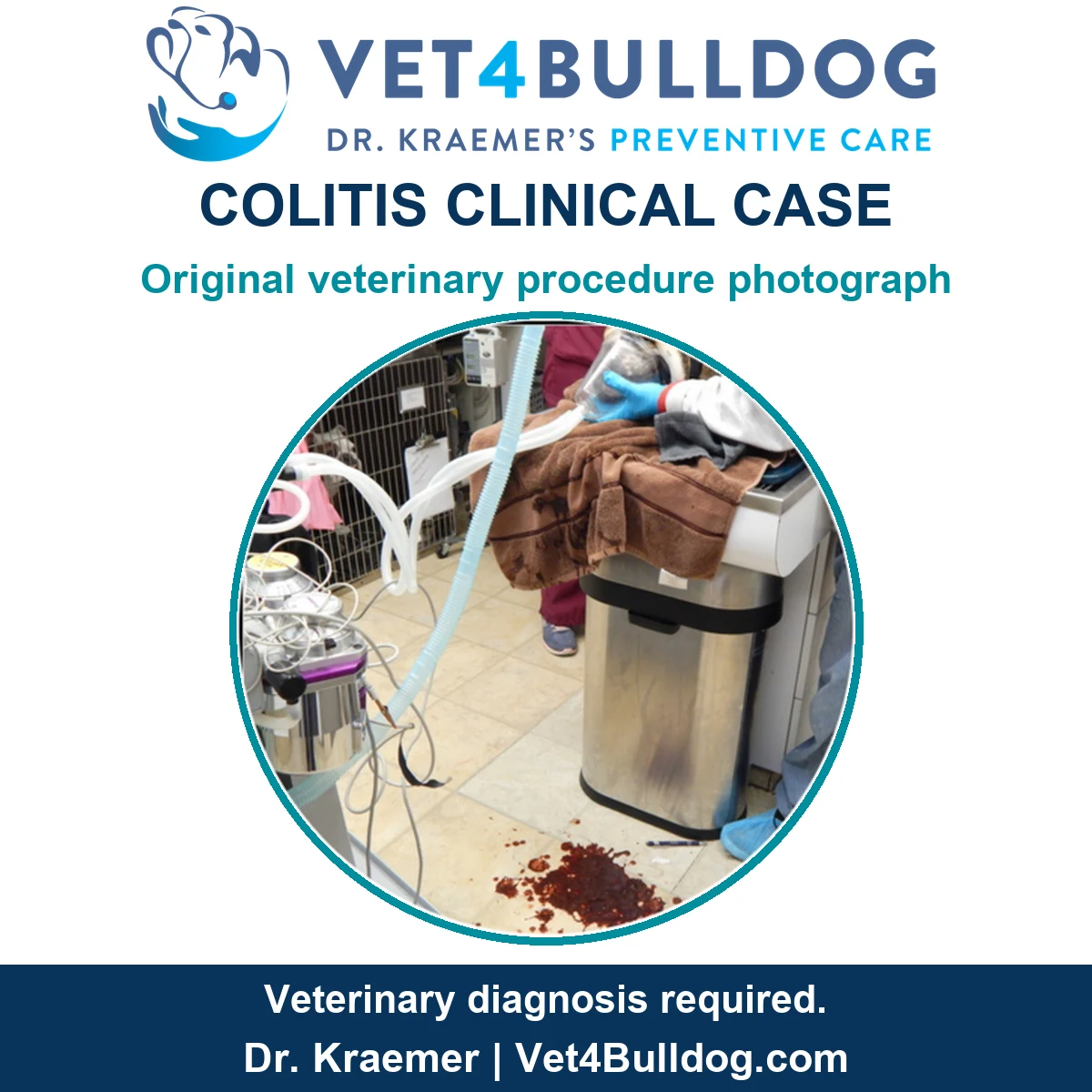
- Fresh red blood in the stool
- Straining to defecate
- Mucus in the stool (jelly)
#2 Discomfort Associated With Bulldog Colitis
- Abdominal pain (may hunch or show discomfort)
- Excessive gas (flatulence)
- Borborygmi (loud gut sounds or rumbling stomach)
Vomiting is less common than diarrhea and is more common in gastrointestinal disease
#3 Other Bulldog Colitis Symptoms
- Scooting: due to rectal irritation, which can also point to anal gland disease
- Lethargy (in severe cases)
- Loss of appetite (occasionally)
- Weight loss (if chronic or severe)
- Dehydration (in severe cases)
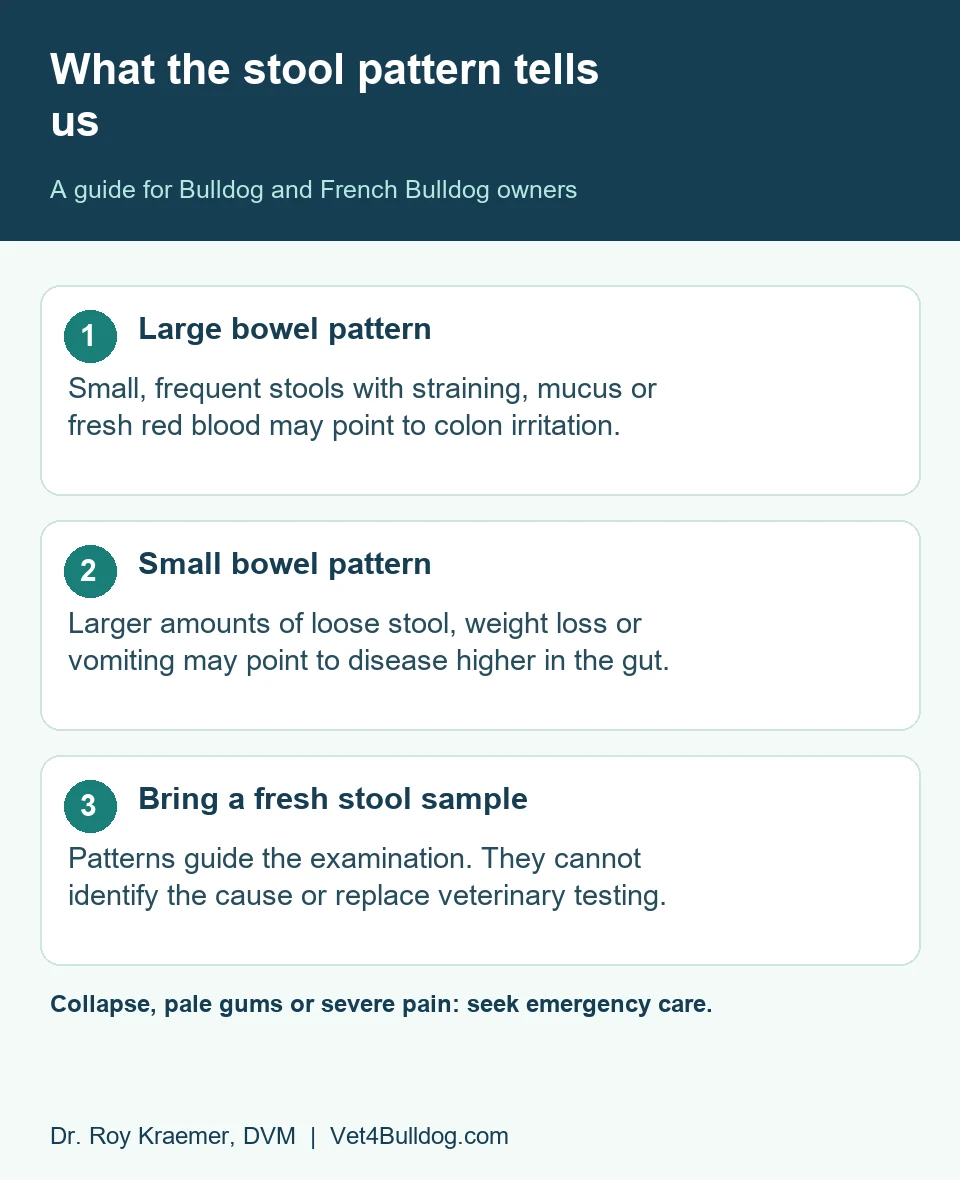
What is the Difference Between Bulldog Enteritis and Colitis?
Large bowel diarrhea (colitis): small, frequent stools with mucus or blood
Small intestinal diarrhea (enteritis): large-volume stools, weight loss, vomiting
Persistent Diarrhea and Vitamin B12
Persistent diarrhea can cause dehydration and electrolyte loss. Marked weight loss or low vitamin B12 may suggest small-intestinal or pancreatic disease alongside the colon problem. Your veterinarian may check B12 and other blood values rather than assuming colitis alone explains them.
Insider tip
How Your Veterinarian Diagnoses Colitis
The work-up depends on your Bulldog’s symptoms and how long they have been present. Not every dog needs every test.
- History and examination: Your veterinarian asks about diet, symptoms and previous treatment. A rectal examination may help detect polyps or other problems.
- Stool testing: Checks for worms and protozoa. Parvovirus testing may be appropriate in some cases.
- Blood and urine tests: Assess general health and help investigate other causes of diarrhea.
- Pancreatic and vitamin tests: Selected dogs may need testing for pancreatic problems, vitamin B12 or folate.
- Diet trial: Your veterinarian may recommend a suitable fiber-containing or hypoallergenic diet.
- Imaging or biopsy: Persistent or severe cases may need X-rays, ultrasound or colonoscopy with tissue samples.
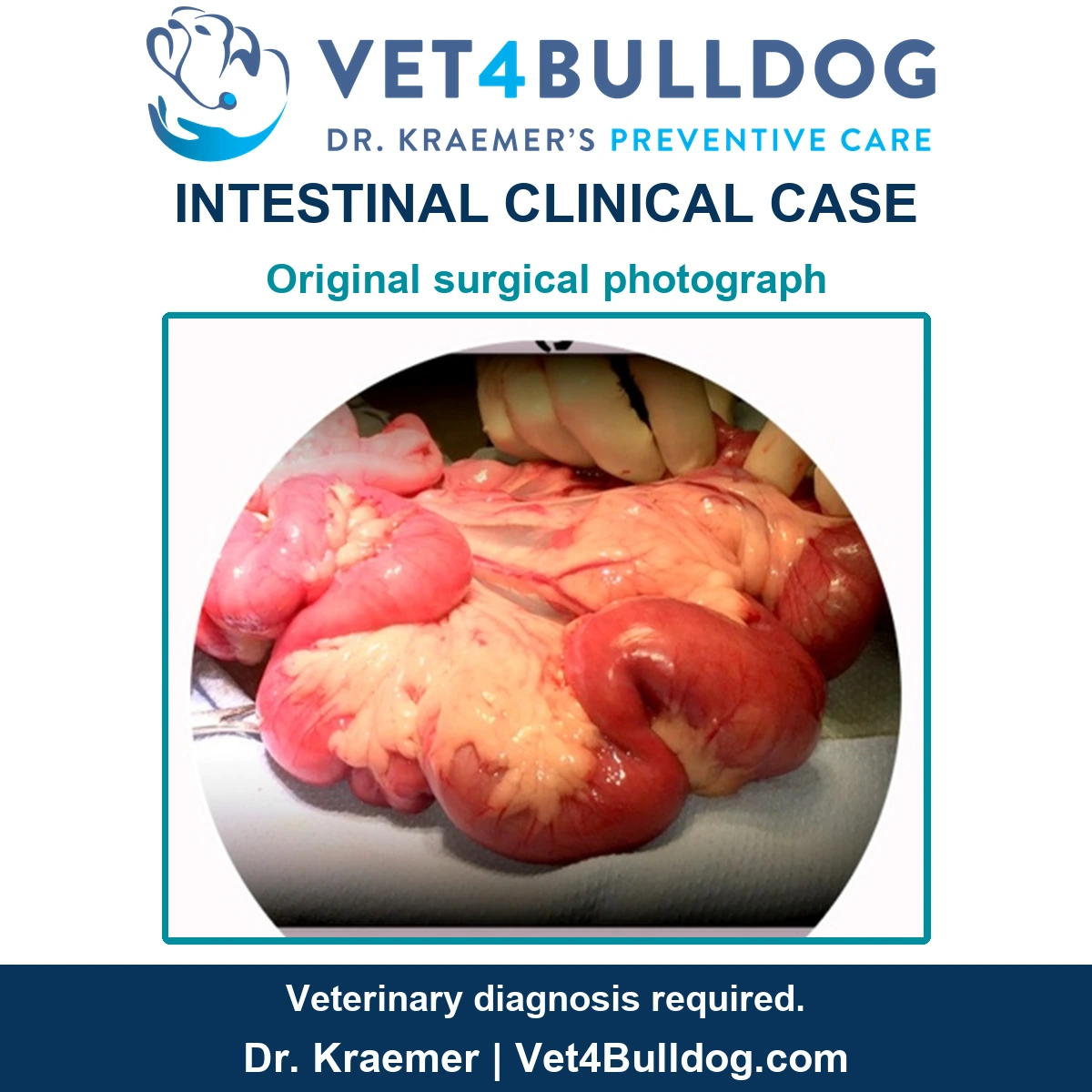
Colitis in Bulldogs and French Bulldogs PREVENTION:
A balanced diet, appropriate weight, stress management and veterinarian-directed parasite control may help reduce some risks. Fiber may help selected patients. Use prescription medicines only as directed, and do not stop prescribed treatment without speaking to your veterinarian.
A suitable complete diet comes first. Supplements are optional and should fit the individual dog.
Therapeutic Supplements for Bulldog and French Bulldog Colitis
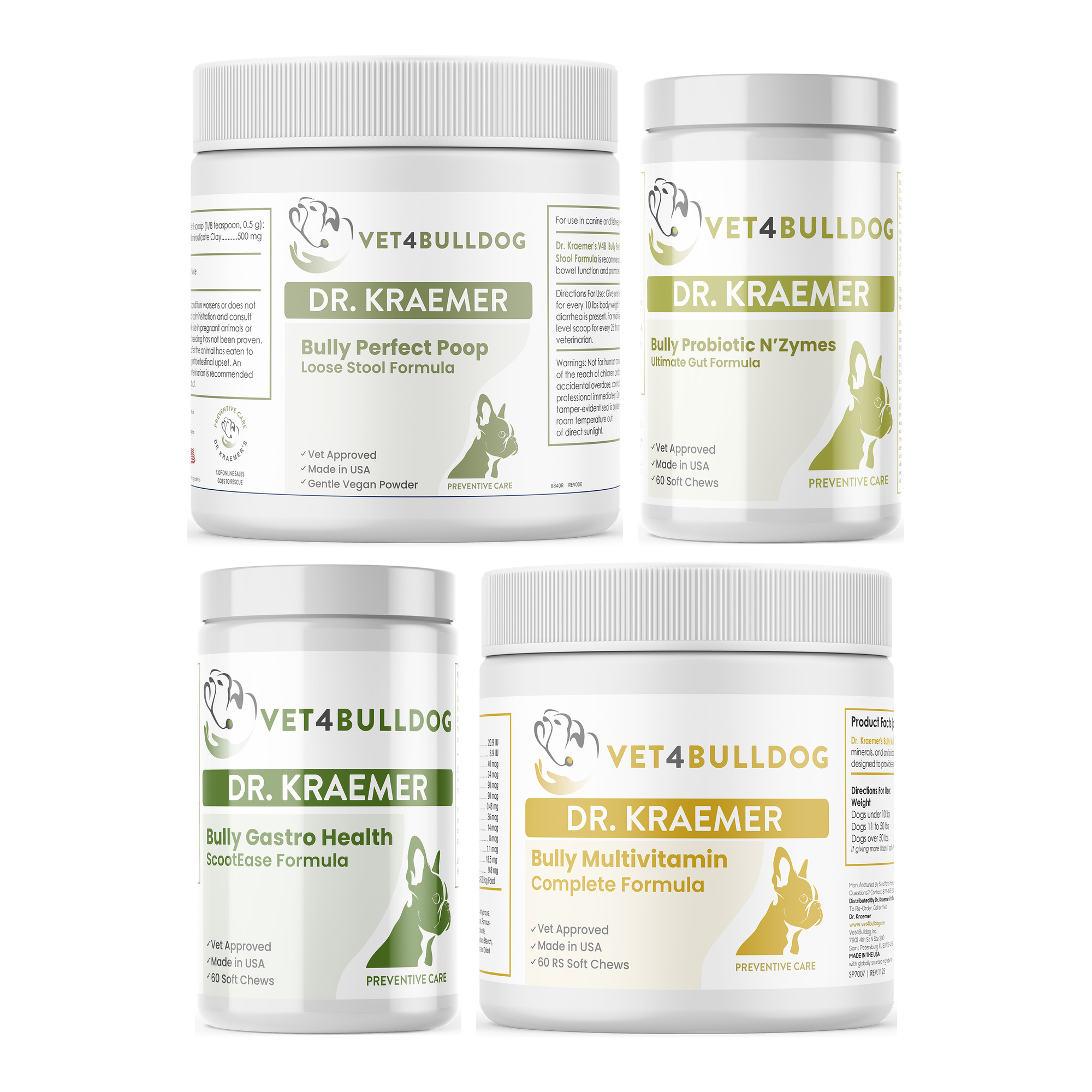
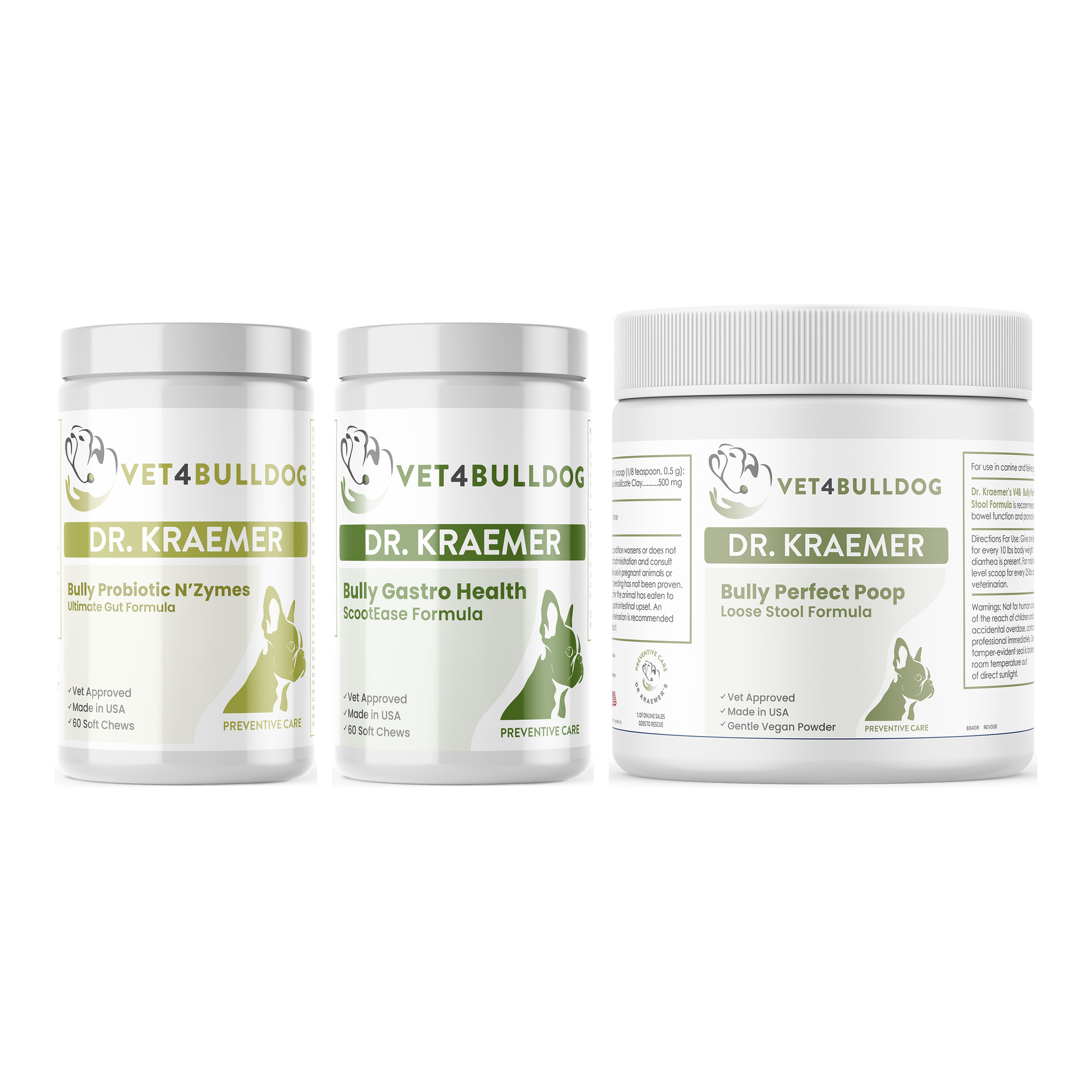
Selected digestive-support products may complement a veterinary plan. They do not treat every cause of colitis or replace diagnostic testing. Options to discuss include
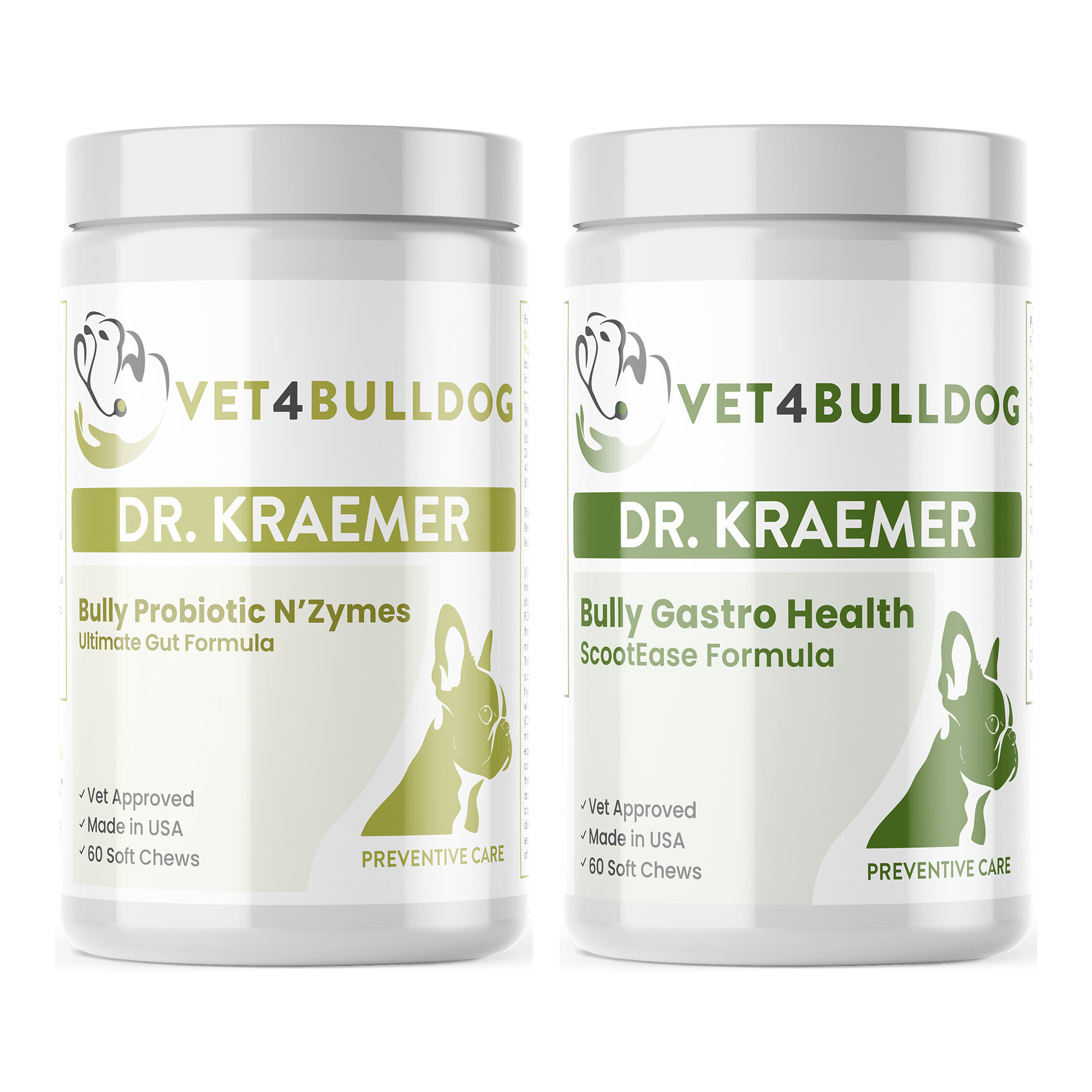
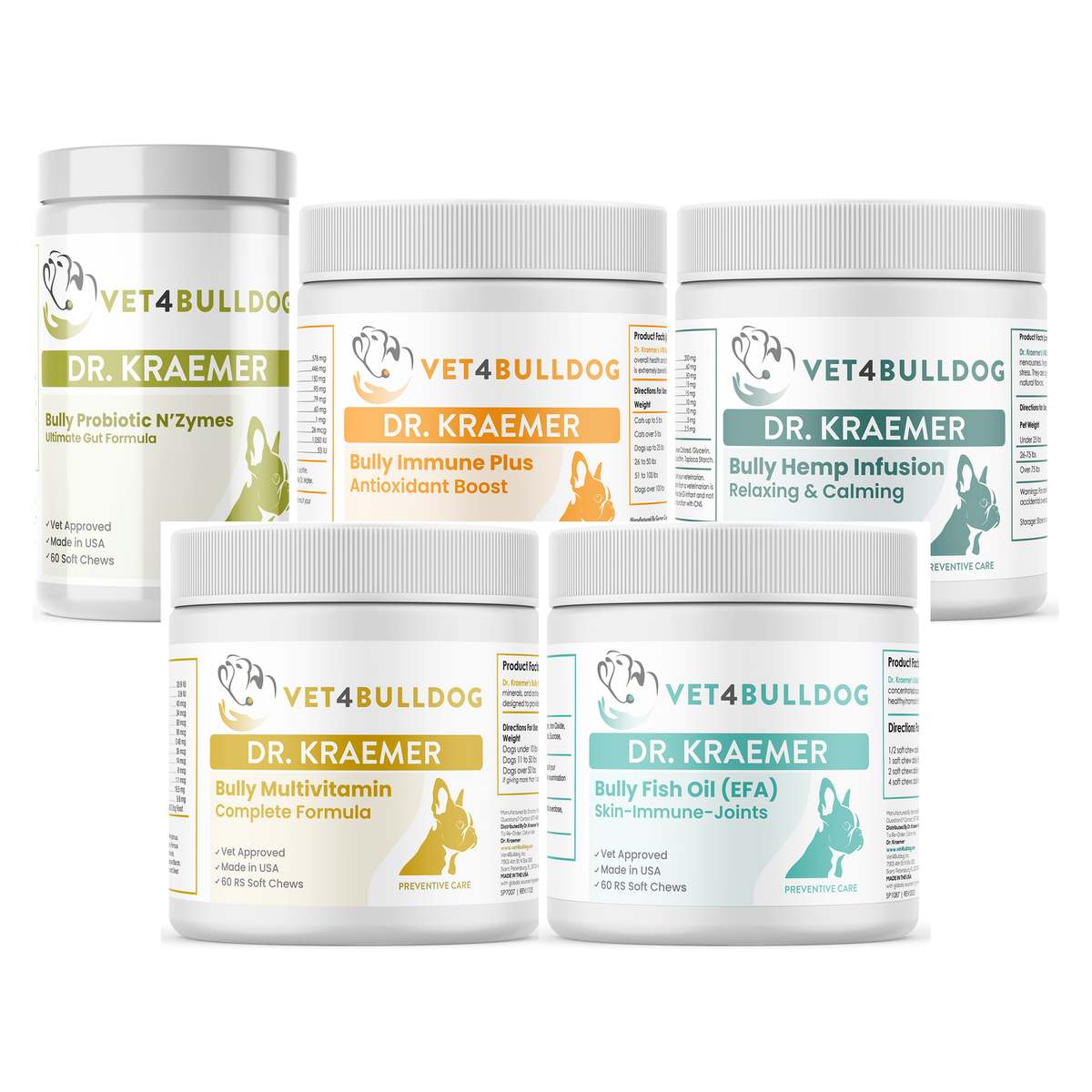
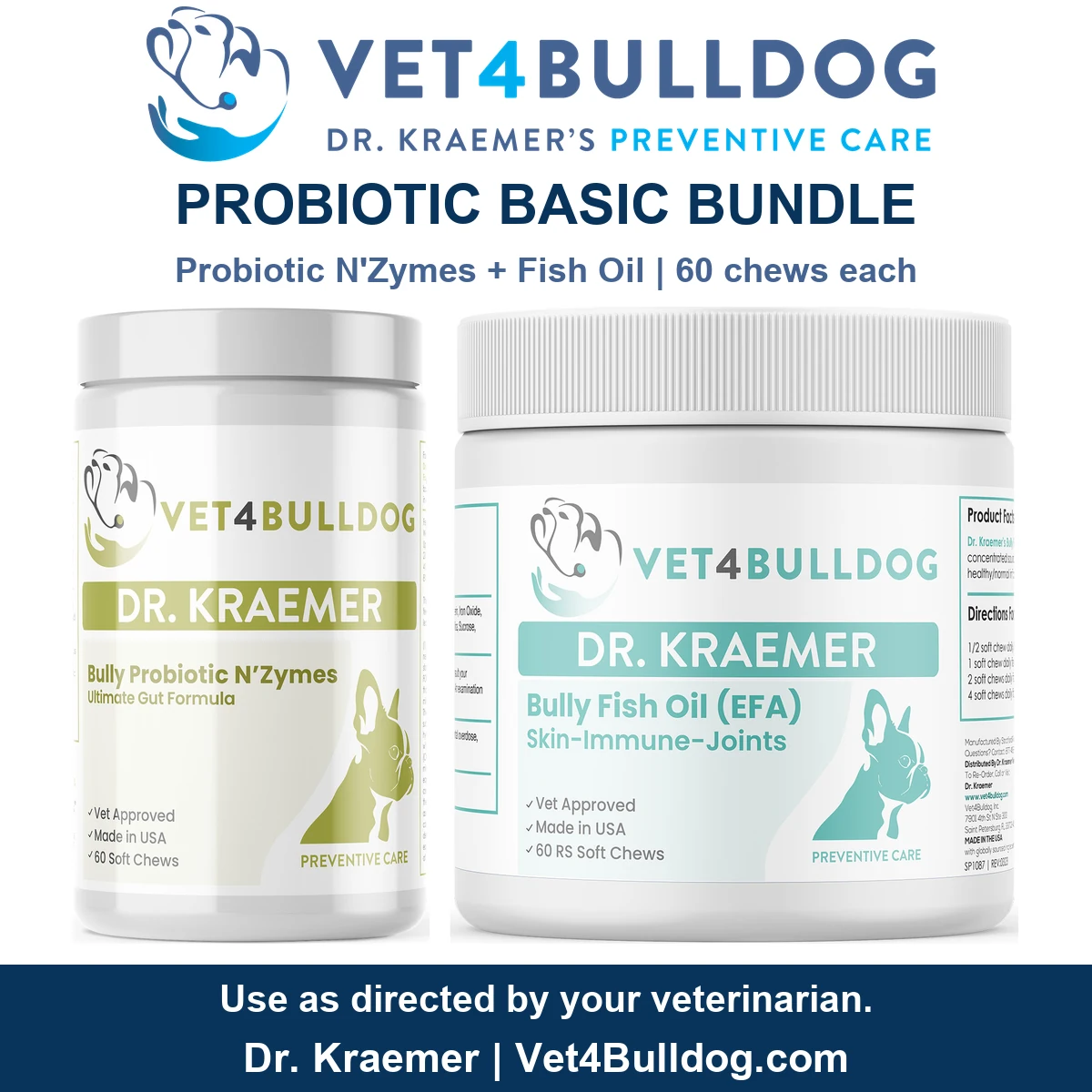
#1🌿 Prebiotics, Probiotics, and Digestive Enzymes Bully Therapeutics
Bully Probiotics with Digestive Enzymes may support the gut microbiome in selected dogs; effects vary with the formulation and underlying problem.
#2🌿Immune Boosting for Bulldog Colitis
Colitis does not automatically mean a weak immune system. Immune-support supplements do not replace treatment for an infection or inflammatory bowel disease.
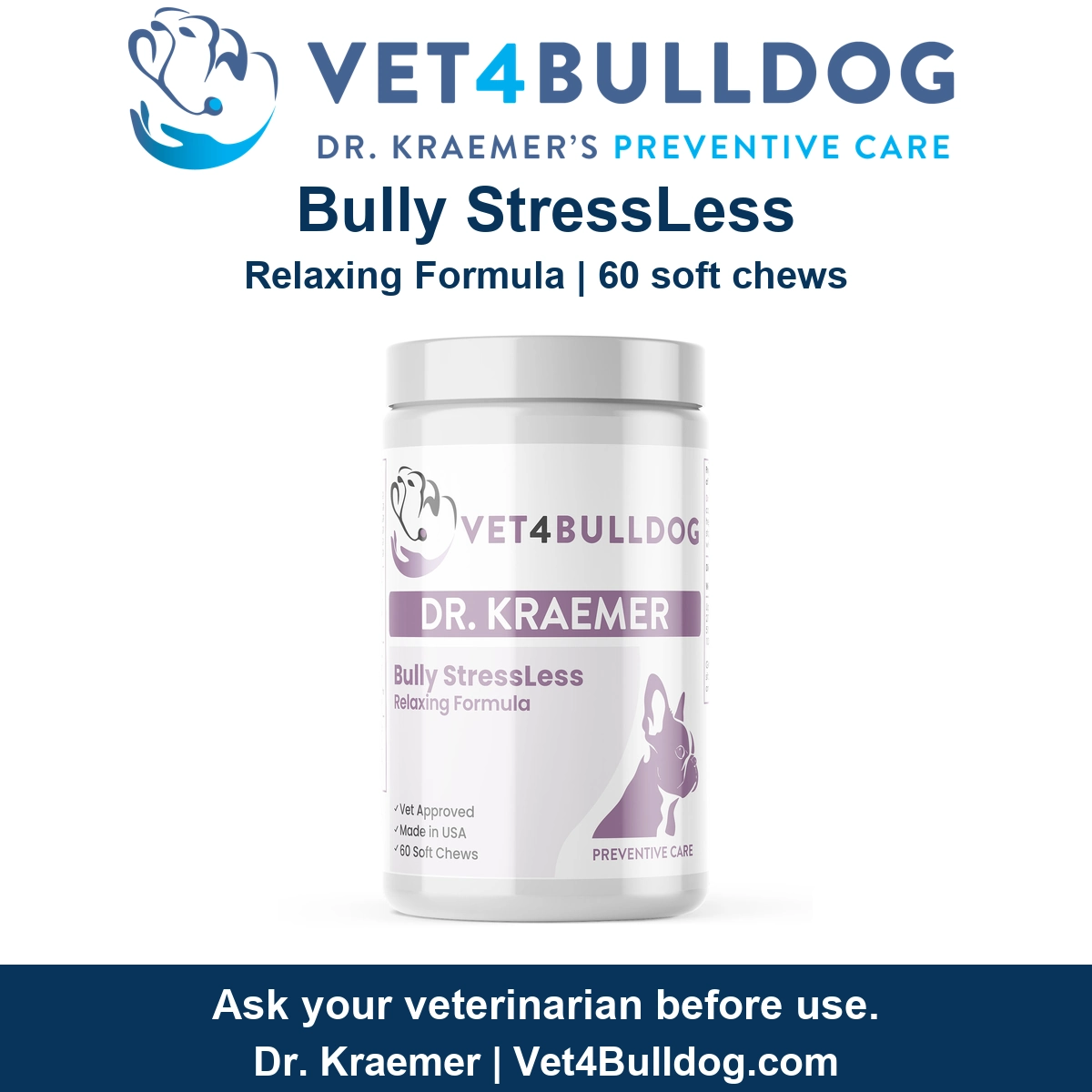
#3🌿Calming & Relaxation for Bulldog Colitis
Stress can be a major trigger and contributor to colitis.
- Calm environment
- bully StressLess & Calm supplements
- Bully HEMP Calm & Relax
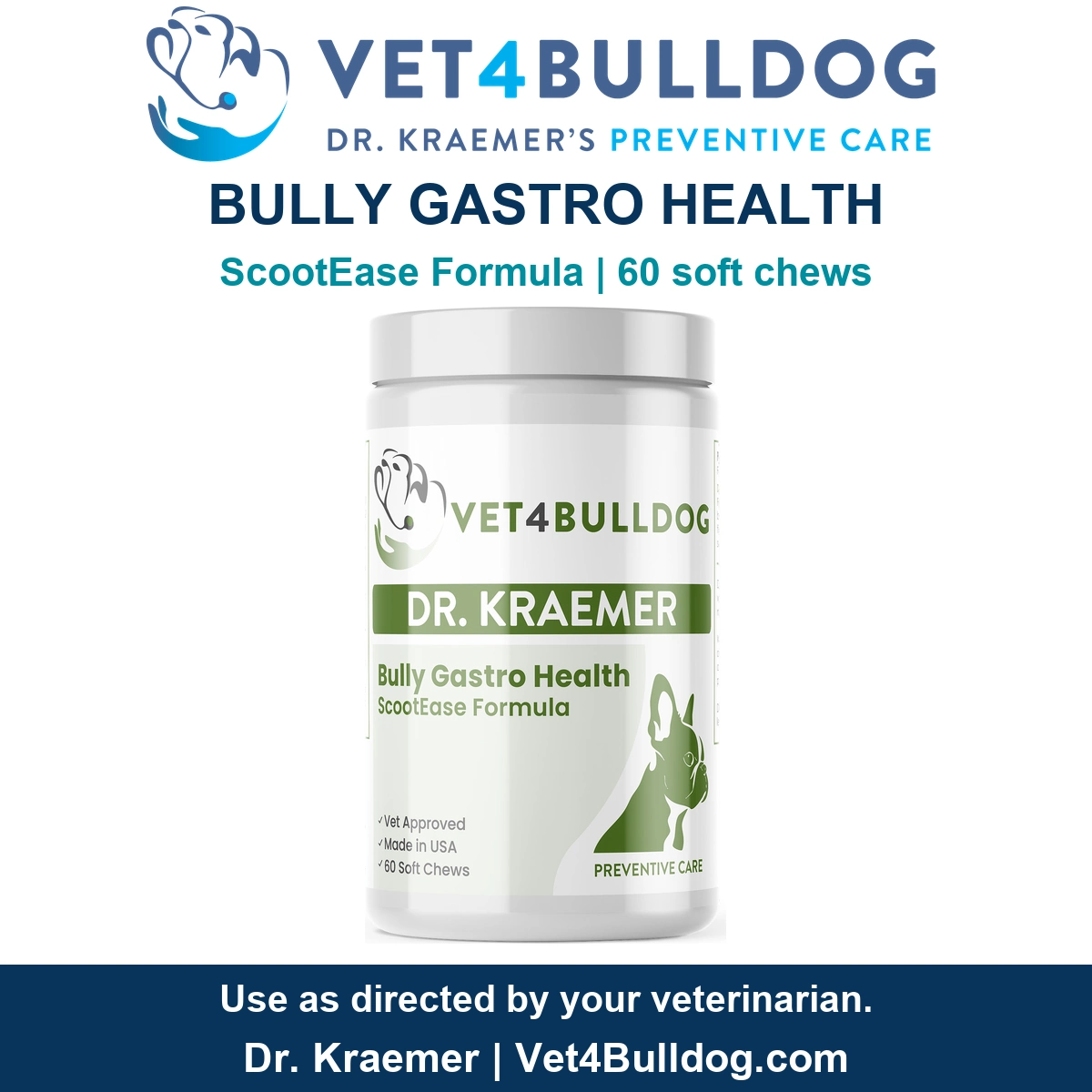
#4🌿Botanical Natural Fiber for Bulldog Colitis
Many types of bulldogs with colitis benefit from bully fiber supplementation
Bulldog Colitis Treatment
Treatment for colitis mostly depends on the underlying cause.
A suitable diet is an important part of care. Supplements should be selected for the individual dog and the underlying cause.
Feeding plan: Ask your veterinarian what to feed and whether any food pause is appropriate. Do not fast puppies or vulnerable dogs without veterinary guidance. ➡️ Dewormers:
- Panacur (fenbendazole)
Antibiotics: only when clinically indicated
These are prescription examples, not a shopping list. Your veterinarian selects a medicine for a specific diagnosis; antibiotics are not routine treatment for uncomplicated diarrhea.
- Tylosin
- Flagyl (metronidazole)
- Baytril (enrofloxacin)
- Amoxicillin
Prescription diets:
- High-fiber and low-fat blended diets
- Hypoallergenic prescription diet
Medicines for nausea or vomiting
- Cerenia (maropitant)
- Reglan (metoclopramide)
Hydration
- SQ fluid
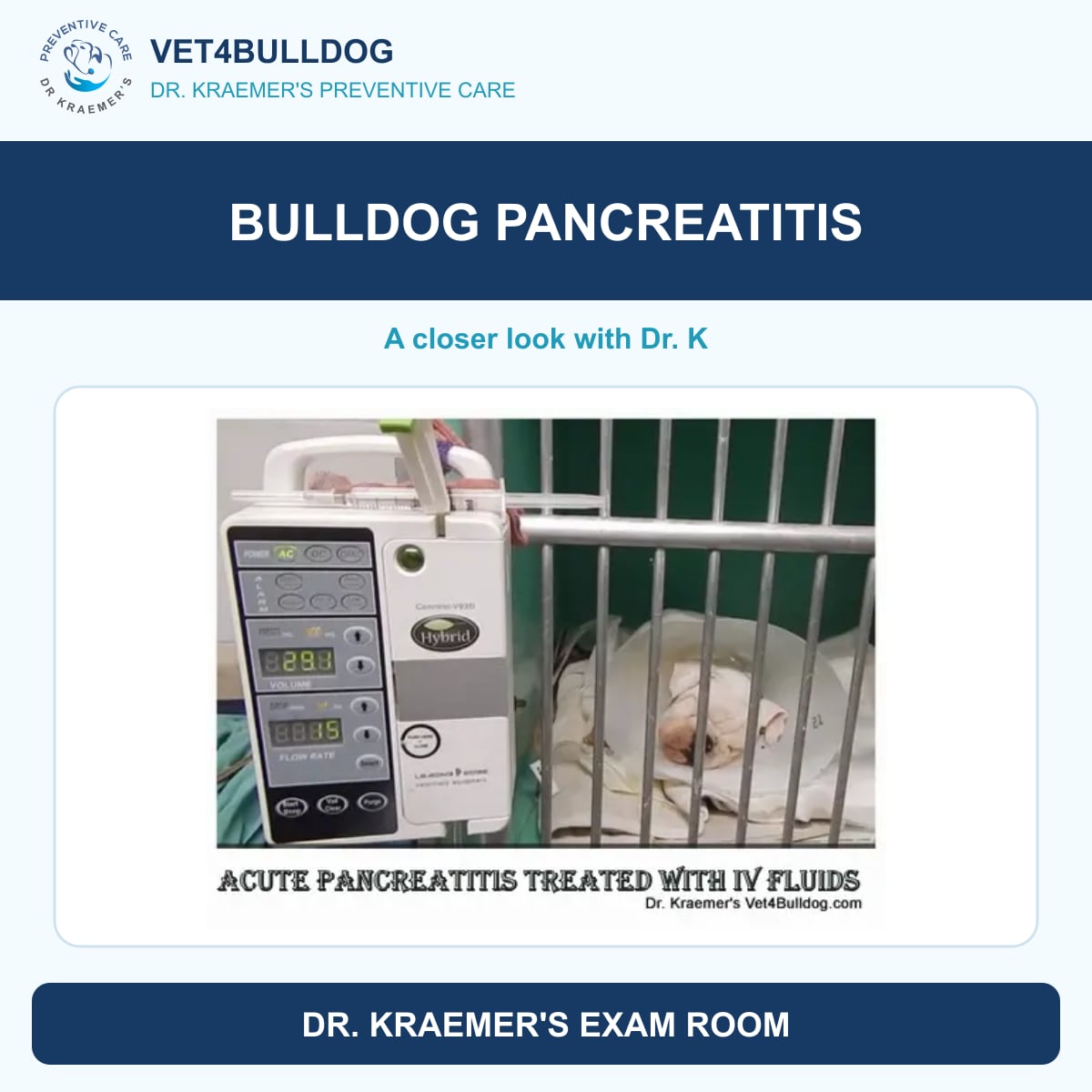
- IV fluid (acute or severe)
- Water added to suitable food if advised; avoid broth containing onion or garlic
Immune Suppressant RX (for autoimmune colitis):
- Steroids
- Imuran (azathioprine)
- Cyclosporine
IMMUNE SUPPRESSANTS CAUTION:
Immune suppressants, such as steroids, are commonly prescribed for immune-mediated diseases like Inflammatory Bowel Disease (IBD) and are often required at high dosages. 🚨Use with caution due to potential side effects.
- including immune suppression
- increased infection risk
- metabolic disturbances
✅ Before starting cortisone treatment, a biopsy should confirm the diagnosis
“Max is four and keeps having episodes of loose stool, and sometimes there is a bit of blood in it. Could this be colitis, and which of your supplements should I be using?”
Recurring loose stool with fresh blood does fit colitis, and Frenchie’s are over-represented for one form of it in particular. But I would not reach for a supplement first. Recurring episodes need a cause, and the cheap, high-yield step is a fecal test for worms and protozoa. Giardia is common, easy to miss, and no probiotic will fix it. If that is clear and it keeps recurring, a diet trial and bloodwork come next. Once a parasite is ruled out, prebiotics, probiotics and digestive enzymes plus botanical fiber are what I use to steady the colon long term. Bring me a stool sample before you bring me a supplement question.
Dr. Kraemer’s Tip for Bulldog and French Bulldog Colitis:
Below are selective colitis tips courtesy of Dr. Kraemer
#1 Breeders and Pet Stores Tip:
Many bulldogs are purchased from breeders, pet stores, and rescue groups, all of which involve heavy exposure to other dogs and to contagious parasitic disease.
Your veterinarian may recommend deworming even after a negative stool test, especially when whipworms remain a concern.
Insider tip
#2 Colitis Palliative Drugs Tip:
Avoid repeatedly treating recurring diarrhea with antibiotics without reassessing the cause. A response to a drug does not by itself prove a bacterial infection.
#3 Bulldog Colitis Antibiotic Tip:
In a young French Bulldog with persistent bloody diarrhea, consider granulomatous colitis. Biopsy and bacterial culture with susceptibility testing can guide treatment, including whether enrofloxacin is appropriate.
Is blood in my Bulldog’s stool an emergency?
How is colitis different from ordinary diarrhea?
Should I fast my Bulldog?
Will a probiotic fix it?
Can stress really cause colitis?
Are antibiotics the answer?
Recommended by Owners · Approved by Bulldogs
Veterinary Care and Supportive Products
If your Bulldog has black tarry stool, large volumes of blood, repeated vomiting, lethargy, or refuses to eat, that is a same-day veterinary visit. For long-term colon and microbiome support, explore Vet4Bulldog digestion options selected for Bulldogs and French Bulldogs.
More Help from Dr. Kraemer
Every upset gut has a slightly different story. These real-world guides and answered questions may help you connect the dots:
- Five Bulldog gut health and probiotic must-knows
- Diarrhea and probiotics in Bulldogs
- Food allergy and stomach upset Q&A
- How to conduct a Bulldog hypoallergenic diet trial
- Grain-free diets in Bulldogs
- Are vets overprescribing antibiotics?
Trusted by Vets ~ Recommended by Owners ~ Approved by Bulldogs
References
- WSAVA Global Nutrition Guidelines
- MSD Veterinary Manual. Colitis in Small Animals
- CAPC Giardia Guidelines
To be clear: supplements or topicals are not substitutes for prescribed treatment. If your dog is unwell, is being treated for a condition, or is already on medication, review any supplement or topical with your veterinarian so it fits the plan you are already following. This page is educational and is not a diagnosis or a treatment plan for your own dog.