


Bulldogs, and French Bulldog puppies, are known for their affectionate and social nature, often forming strong bonds with their owners and families. However, this closeness can sometimes lead to anxiety issues, particularly when they are left alone or placed in unfamiliar environments such as boarding facilities.
Boarding anxiety adds another layer of stress for these dogs. When placed in a foreign location, being surrounded by unfamiliar sights, sounds, and smells, is likely to amplify their anxiety. Additionally, being separated from their owners for an extended period of time can further distress them.
Separation anxiety is a common issue, especially for those who are overly dependent on their owners or whose routines are unpredictable.
Bulldog Anxiety and Age
Senior Bulldogs and Pain: Anxiety is usually associated with young bulldogs, but older ones can also suffer from it due to the physical discomfort associated with aging. As your bulldogs age, they may experience a decline in physical health, such as arthritis, vision or hearing loss, or other age-related ailments. These physical discomforts can lead to increased dependency on their owners and heightened anxiety when separated from them.
Cognitive Dysfunction: Additionally, older dogs may experience cognitive decline, known as canine cognitive dysfunction (CCD) or doggy dementia, which can also contribute to separation anxiety. Dogs with CCD may become more disoriented, forgetful, and anxious, particularly when separated from familiar surroundings or routines.
The leaving is the part to practice
Owners almost always try to fix this at the wrong end. They make the goodbye longer and warmer, because that feels like kindness. To the dog it is a five minute announcement that something bad is about to happen, and she is in pieces before the door has closed.
What tends to work is dull and slightly counterintuitive. Leaving becomes a non event. Coat on, keys up, out of the door, no speech. Come back and ignore her for a minute before saying hello. Then practice leaving when you are not actually going anywhere, for one minute, then five, so that the sound of the keys stops meaning abandonment and starts meaning nothing much.
Give any of this a good few weeks before you judge it, and get a trainer involved early rather than late. On medication I will say what I always say. It has a real place in a dog who is suffering and cannot learn while she is that frightened, and your veterinarian is the one to make that call. What it should not be is the first thing tried because it is quicker than changing the routine.
She is not being difficult, and I do not think those are three separate problems either.
Start with what you described about the door. A dog who chews the thing standing between her and you is not bored and is not getting even. She is trying to follow you, and she is frightened. That is why destruction in these cases is at exits and windows rather than spread around the room, and it is why punishing it afterward makes it worse rather than better: the fear was the cause, so adding fear adds fuel.
Now the part your veterinarian may not have joined up, and I would raise it out loud at the next visit. A dog living with sustained stress does not keep it in her head. It shows in the gut, as loose stools that come and go with nothing else to explain them, and it shows in the skin, as flares in a dog who was previously manageable. That is not a theory about dogs being sensitive souls. Stress hormones affect the gut and dampen the immune response, which is also why anxious dogs seem to pick things up more easily.
So I would treat this as one problem with three faces. The most useful money here is usually a behaviorist or a good trainer rather than anything from a shelf, and I say that as somebody who sells supplements. Practice the leaving in very small doses, keep arrivals and departures dull, and ask your veterinarian whether medication has a place while the training does its work, because in a genuinely frightened dog it often does.
Alongside that, prebiotics and probiotics may help steady a gut that keeps being knocked about, and calming support may help take the edge off. Both are support rather than treatment, and a good few weeks is a fair trial. If the skin flares, treat the skin on its own merits at the same time rather than waiting for the anxiety to be solved first.
Anxiety in Bulldogs and French Bulldogs / Type and Cause
Additional sources can contribute to your bulldog’s mental anxiety; below are a few common examples:
- Noise Phobias: Loud noises such as t
- thunderstorms
- fireworks
- construction sounds
- garbage truck
- home appliances
- Fear: Bulldogs can develop fears of certain objects, situations, other pets, or people. This fear can manifest as anxiety or avoidance behaviors.
- Boarding and Kenneling: As previously mentioned, boarding and kenneling can be stressful experiences for Bulldogs and French Bulldogs due to the unfamiliar environment and separation from their owners.
- Daycare: While daycare can provide socialization and stimulation for dogs, it can also be overwhelming for some bulldogs, especially if they are not used to being around other dogs for extended periods of time.
- New Pets or Residents: Introducing a new pet or family member into the household can disrupt the established dynamics and cause anxiety in bulldogs.
- Past Trauma: Bulldogs, like people, can carry emotional trauma from previous experiences such as abuse, neglect, or mistreatment.
- Family death or illness: can be very emotional to your pet and lead to a period of stress and depression
- Socialization: insufficient socialization

Anxiety in Bulldogs and French Bulldogs / Symptoms
- Vocalization: This includes barking, howling, and whining, which can be expressions of distress or a call for attention or reassurance.
- Destructive Behaviors: Bulldogs may engage in destructive behaviors such as chewing furniture, scratching doors, or digging.
- House Soiling: Accidents in the house, such as urinating or defecating indoors.
- Clinginess: Bulldogs may become excessively clingy or attached to their owners, seeking constant reassurance and attention as a coping mechanism for their anxiety.
- Depression: Some bulldogs may become withdrawn, lethargic, or exhibit signs of depression when experiencing chronic or severe anxiety.
- Loss of Appetite: Bulldogs with boarding anxiety may refuse to eat or drink while in a boarding facility, leading to weight loss and further stress.
- Hiding: Fearful bulldogs may seek hiding spots to escape from perceived threats or sources of anxiety, such as loud noises or unfamiliar environments.
- Shaking: Full-body shaking or trembling can occur in bulldogs experiencing intense fear or anxiety, especially in response to loud noises or traumatic events.
- Escape Attempts: Extreme fear or panic can drive bulldogs to attempt escape, leading to behaviors such as trying to break through windows or doors.
- Aggressive Posturing: Bulldogs may exhibit aggressive behaviors such as growling, baring teeth, or flattening their ears backward when feeling threatened or anxious.
- Panic Attacks: In cases of severe separation anxiety, bulldogs may experience panic attacks characterized by intense stress, agitation, and physical symptoms such as rapid breathing or trembling.
Ignored and left untreated will lead exasperate the problem
Separation and Anxiety in Bulldogs / Prevention
Prevention and management strategies play a crucial role in minimizing anxiety in bulldogs and French bulldogs.
Here are some effective methods for preventing anxiety:
- Early Socialization: Exposing your puppy to a variety of people, animals, and environments from a young age may help them become well-adjusted and confident adults. Early socialization helps reduce fear and anxiety related to new experiences.
- Stress-Free Environment: Providing a loving, stress-free, and relaxed home environment is essential for mental well-being.
- Minimizing household chaos
- Maintaining a predictable routine
- Offering plenty of positive interactions
- Regular Exercise and Playtime: Bulldogs are active dogs despite their laid-back appearance and benefit from regular exercise and play. Physical activity helps reduce stress and promotes mental and physical well-being.
- Balanced Diet and Good Health: A nutritious and balanced diet helps ensure bulldogs remain in good health. Physical ailments and discomfort can contribute to anxiety, so maintaining overall wellness is crucial.
- Routine & Regularity: Bulldogs thrive on routine and predictability. To help create a sense of security and stability, establish consistent
- feeding times
- walking schedules
- household routines
- Dog Walker or Daycare: Hiring a dog walker or enrolling bulldogs in doggy daycare can provide additional socialization, exercise, and mental stimulation, particularly for owners with busy schedules.
- Playmates: Providing bulldogs with opportunities for social interaction with other dogs can be beneficial for their mental well-being. Playdates or trips to the dog park allow bulldogs to engage in natural social behaviors and burn off excess energy.
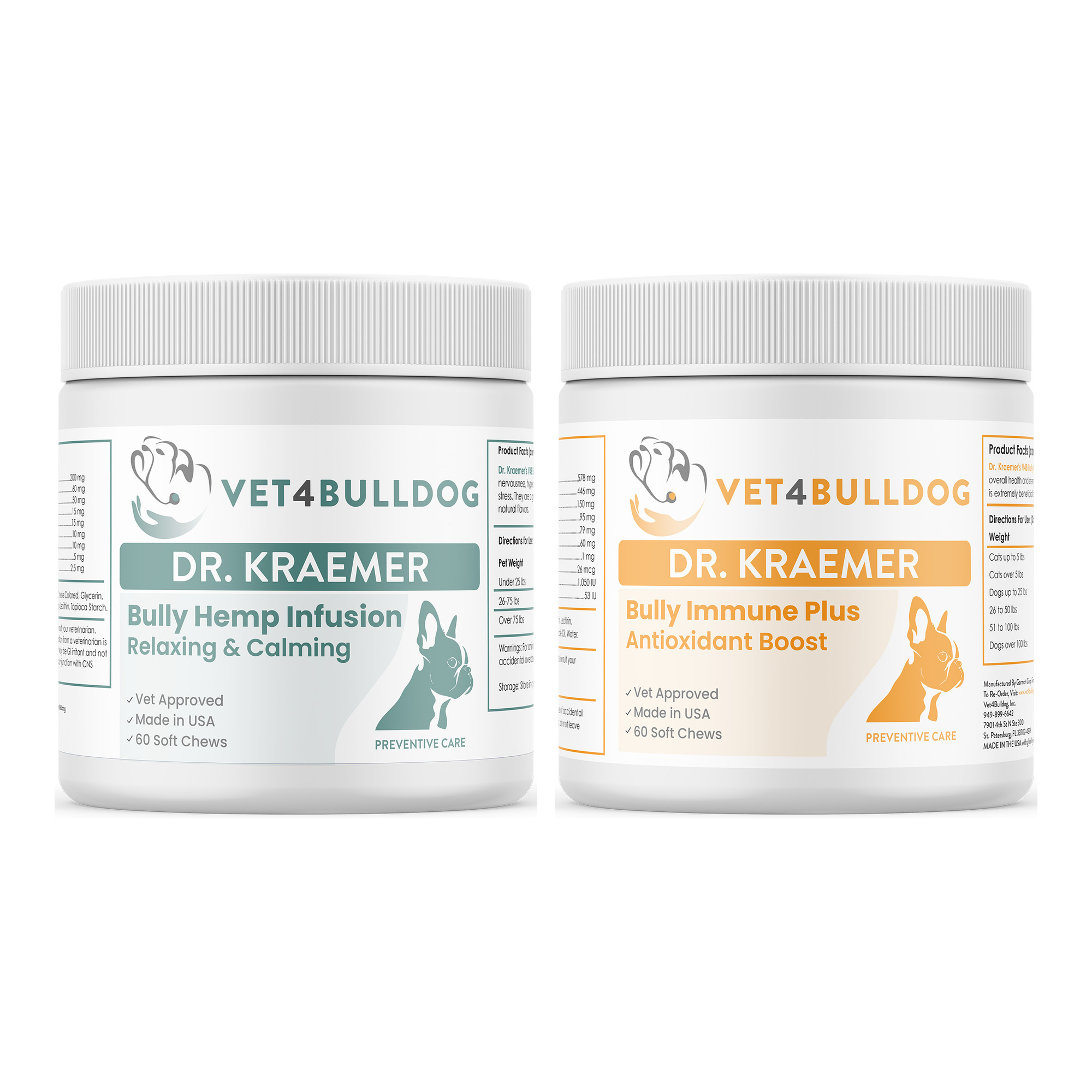
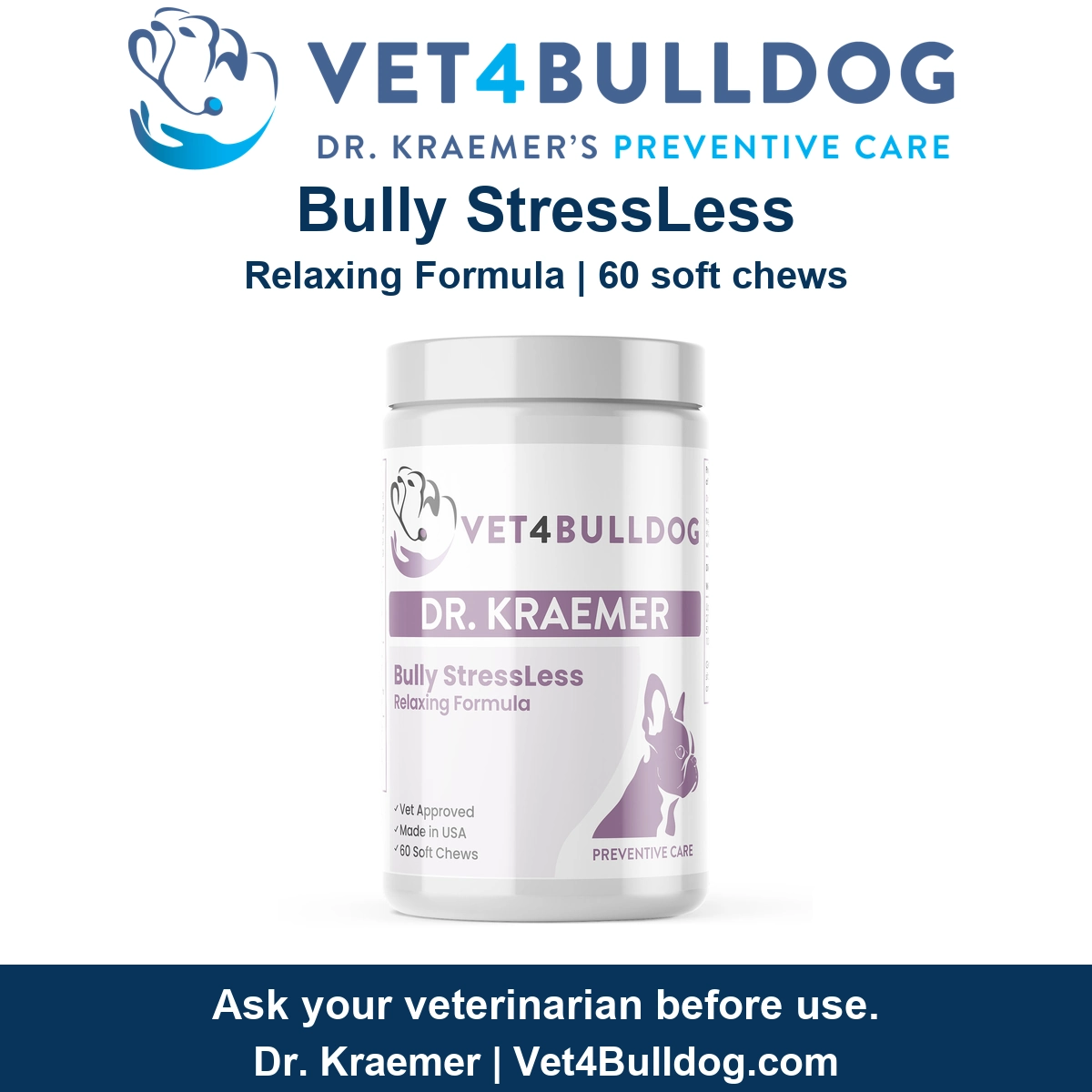
- Natural Calming Supplements: Some bulldogs may benefit from natural calming supplements or products designed to support relaxation and reduce anxiety.
By implementing these preventive measures, owners may help create a supportive and enriching environment that promotes the overall well-being and mental health of their Bulldogs and French Bulldogs, reducing the likelihood of anxiety-related issues.
Anxiety shows up in the gut and the skin
Owners come in with three appointments over two months. Loose stools in one, an itchy flare in the next, and somewhere in the conversation, almost as an aside, the fact that she screams the house down when they go to work.
That aside is usually the diagnosis.
Sustained stress is not only a state of mind. It changes how the gut moves and what lives in it, which is why anxious dogs get episodes of diarrhea that nobody can pin on a food. It dampens the immune response, which is why the skin flares and why infections that would normally be shrugged off take hold. In a breed that already has a difficult gut and difficult skin, it does not take much of a push.
It is like running an engine in the red. Nothing is broken, everything wears faster, and the first thing to fail is whatever was already the weakest part.
The practical consequence is that treating each episode on its own will always feel like firefighting. The gut gets a bland diet, the skin gets a shampoo, and in six weeks you are back, because neither appointment touched the thing driving it.
So if your dog has recurring gut or skin trouble and also hates being left, say both halves out loud in the same appointment. They are far more likely to be one problem than two, and the treatment for the one that matters is mostly training, routine and, where it is warranted, the right medication, rather than another bland diet.
Anxiety in Bulldogs and French Bulldog Treatment
Unfortunately, some owners resort to punishment and correction methods that exasperate the anxiety despite being well-intended
Bulldog anxiety and punishment warning
Punishment-based methods such as yelling, spraying water, physical corrections, or using devices like bark collars, shock collars, or vibrating collars can have detrimental effects on your emotional well-being, especially when dealing with anxiety-related behaviors like destructive chewing, house soiling, or excessive barking.
It’s crucial to understand that your bully puppy does not exhibit these behaviors out of spite or malicious intent but rather as a result of anxiety, fear, or distress. Punishment in these situations can exacerbate the underlying anxiety and fear, leading to further stress and potentially causing additional behavioral issues.
Moreover, punishment-based methods can damage the bond of trust between the dog and the owner, leading to increased fear and avoidance behaviors. Dogs may become more fearful of their owners or the environment, which can worsen separation anxiety and other anxiety-related problems.
Instead of punishment, it’s important to address the root causes of the dog’s anxiety and employ positive reinforcement-based training methods to encourage desirable behaviors.

1. Bulldog anxiety / safe environment
A safe and comfortable environment for the dog, providing mental and physical enrichment, gradually desensitizing the dog to anxiety triggers, and reinforcing calm and relaxed behaviors.
2. Bulldog anxiety / dog trainer
Seeking guidance from a certified professional dog trainer or animal behaviorist who uses force-free and positive reinforcement-based methods may help owners effectively manage and address anxiety-related behaviors in their dogs while maintaining a positive and trusting relationship.
3. Bulldog anxiety / calm environment
Creating a calm and soothing environment using methods such as essential oils, soft music, or classical music may help reduce anxiety
4. Bulldog anxiety / toys
Providing your puppy with stimulating toys may help distract them from their anxiety and redirect their focus. Interactive toys that dispense treats or require problem-solving skills, such as puzzle toys or snuffle mats, can be particularly effective in keeping bulldogs mentally engaged and reducing stress. Puzzle toys, such as Kongs or West Paw puzzle toys, can provide mental stimulation and enrichment.

5. Bulldog anxiety / exercise
Regular exercise is essential for bulldogs to maintain physical and mental health. Daily walks and play sessions help burn off excess energy, reduce stress hormones, and promote relaxation.
6. Bulldog anxiety / daily schedule
Establishing a consistent daily schedule for feeding, exercise, and rest can provide bulldogs with a sense of security and predictability, which may help alleviate anxiety.
7. Bulldog anxiety / dog sitter
Minimizing the time bulldogs spend alone may help prevent or reduce separation anxiety. Taking your dog to work, hiring a dog sitter, or arranging for your dog to stay with friends or family members can provide companionship and reduce feelings of loneliness and anxiety.
By implementing these strategies consistently, owners may help create a supportive and enriching environment for Bulldogs, promoting their overall well-being and reducing anxiety levels. However, it’s essential to remember that severe anxiety may require professional intervention from a veterinarian or certified animal behaviorist for effective management and treatment
8. Bulldog anxiety and separation prescription drugs
Medication can play a crucial role in reducing the immediate symptoms of anxiety, allowing for more effective behavior modification training. Here’s an overview of the strategy:
- Reconcile (fluoxetine) and Clomicalm (clomipramine) are both approved for the treatment of separation anxiety in dogs in the United States. These medications act on the brain’s neurotransmitters to help reduce anxiety and facilitate easier learning during behavior modification training.
It’s important to note the onset of their full effect can take 4 to 8 weeks.
- Shorter-acting medications like trazodone, gabapentin, clonidine, or alprazolam are used in conjunction with long-term anxiety medications to provide more immediate relief from acute anxiety symptoms. These can be especially helpful in the initial stages of treatment or in situations known to induce anxiety, such as when the owner leaves the house.
Medications are most effective when used in conjunction with behavior modification techniques. This dual approach addresses both the physiological and psychological aspects of separation anxiety.
Separation and Anxiety in Bulldogs and French Bulldog Tips and Warnings
Bulldog anxiety feeding tip
Anxiety and stress can indeed lead to overeating in some dogs, which, in turn, can lead to obesity and related health issues. Utilizing a food dispensing machine that schedules feeding times and controls the amount of food dispensed may help manage this issue by providing a consistent and measured feeding routine.
Stress & anxiety immune compromised warning
Long-term anxiety and stress can indeed weaken the immune system, making dogs more susceptible to diseases and illnesses. The physiological stress response can lead to an imbalance in immune function, highlighting the need for early intervention and management of anxiety to support overall health.
PREVNTION IS CURE

Bulldog anxiety and mental pain warning
Mental anguish, such as that caused by anxiety and stress, can be as debilitating as physical pain. Behavioral signs of distress should be taken seriously, as they indicate the dog’s suffering.
Delaying treatment can lead to a worsening of symptoms and the development of more severe behavioral issues.
Anxiety and punishment for unwanted behavior warning
Punishing anxiety-related behaviors can exacerbate anxiety and fear rather than alleviate them. Dogs do not understand punishment as related to their anxiety behaviors; instead, they may develop other undesirable behaviors as coping mechanisms or exhibit submissive postures in an attempt to appease their owners. These responses are often misunderstood as guilt, further complicating the issue.
Bulldog anxiety professional consultation tip
At the first signs of anxiety or stress-related behavior, consulting with a veterinarian or a certified animal behaviorist is crucial. They can provide a comprehensive approach that includes medical evaluation, behavior modification strategies, and, if necessary, medication.
- Positive Reinforcement: Focusing on positive reinforcement techniques to encourage desired behaviors helps build confidence and reduce anxiety.
- Environmental Enrichment: Providing a safe and enriching environment with plenty of physical and mental stimulation may help reduce stress and anxiety.
- Emotional Support: Offering consistent emotional support and building a strong, trusting relationship
If you take one thing from this page, make it the routine rather than the supplement. Nothing in a jar teaches a dog that you always come back, and I would rather you spent the money on a good trainer than on anything we sell.
Where a calming supplement may help is at the edges, taking a little tension out of a dog while the training does the actual work, or around the predictable flashpoints like boarding, travel and fireworks. For a dog who is truly suffering, that is a conversation with your own veterinarian about whether medication is appropriate, and a chew is not a substitute for it.
To be clear: supplements or topicals are not substitutes for prescribed treatment. If your dog is unwell, is being treated for a condition, or is already on medication, review any supplement or topical with your veterinarian so it fits the plan you are already following. This page is educational and is not a diagnosis or a treatment plan for your own dog.
He is fine when my wife is home but falls apart when I leave. Is that still separation anxiety?
He wrecked the kitchen while I was out. Should I tell him off when I get home?
Would getting a second dog fix it?
Does the flat face make stress harder on him than on other breeds?
He is going into boarding for the first time. What should we do beforehand?
He barks the entire time we are out and the neighbors have complained.
Do calming chews actually do anything, or do they just make me feel better?
Is asking about medication admitting defeat?
More Help from Dr. Kraemer
Anxiety rarely shows up on its own in this breed. These pages cover what it tends to drag along:
- Gut and GI disease in Bulldogs
- Gastroenteritis, vomiting and diarrhea
- Itchy skin and allergy in Bulldogs
- Paw licking and pododermatitis
- Subgingival hair, where the licking ends up
- Weight and exercise in Bulldogs
References
- Merck Veterinary Manual. Behavior Problems of Dogs
- Merck Veterinary Manual. Treatment of Behavior Problems in Animals
- Merck Veterinary Manual. Behavior Modification in Dogs
- AAHA. Canine and Feline Behavior Management Guidelines
Trusted by Vets ~ Recommended by Owners ~ Approved by Bulldogs