
Your bulldog’s anal glands are embedded in the anus muscles, thus not readily visible. Each one of the pairs has its own glandular sac and attached ducts that normally empty into the rectum during defecation.
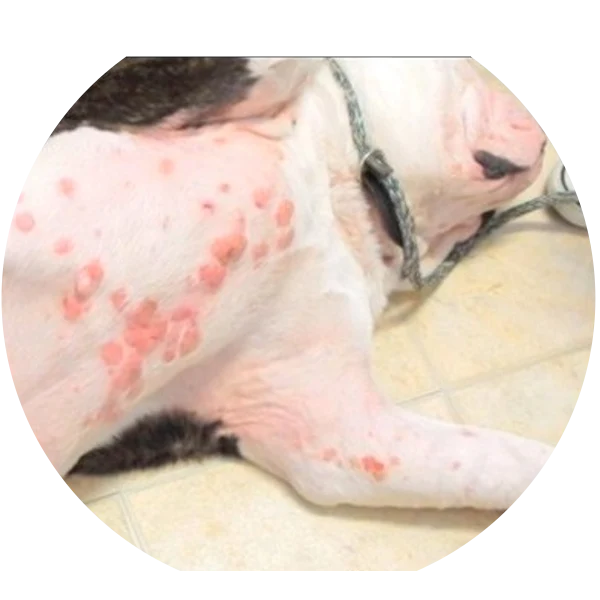
Walnut size red rosy, painful, itchy abscess. Your bulldog might scoot his/her butt. They have a very pungent smelly. When poop a discolored and at times bloody smelly discharge will be noted.
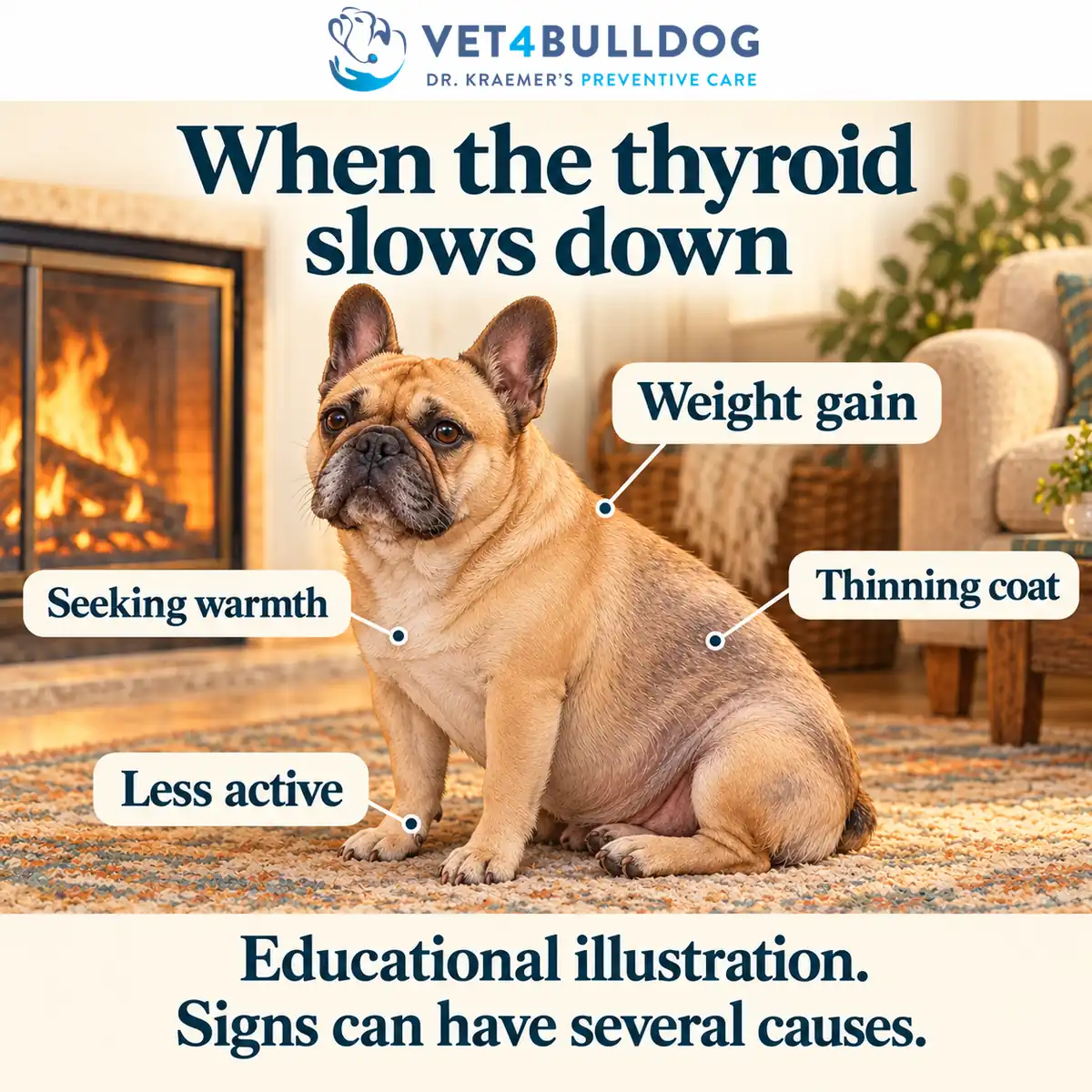
Bulldog hypothyroidism is caused by a deficiency of the thyroid hormone that regulates metabolism. This endocrine disease is more common to aging dogs and rarely seen in young bulldogs. It can be treated with synthetic oral thyroid Rx.
Bulldogs suffering from hypothyroidism are usually overweight, and less active, they often have thin hair, discoloration, and hyperpigmentation of the skin. Some will have a "rat tail" (bald tail), intolerance to low temp and hair that does not grow after clipping.
Bulldog Flank Alopecia is usually seasonal, the baldness is likely related to melatonin deficiency and lack of sunlight.
Bilateral, hyperpigmented skin darkening, non-itchy, patchy hair loss, and baldness of the flanks mostly the abdominal sides and top.
MRSP bacterial infection dermatitis is becoming a common finding in multidrug-resistant ear and skin bacterial infections. The bacteria is Staphylococcus bacterium that mutated and is often secondary to overzealous usage of antibiotics. The diagnosis of MRSP infection requires a culture.
An MRSP multidrug-resistant ear and skin bacterial infection can present as a pustulating deep pyoderma or look like the common mild bacterial skin infection with focal hair loss, dry or oily, flaky skin, erythema, and itching. Daily topical bully therapeutics are critical and often more effective than prescription drugs.
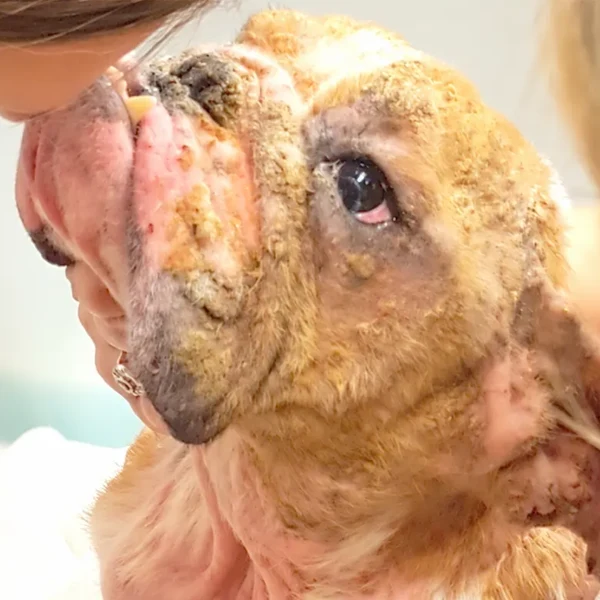
Pemphigus in bulldogs is an autoimmune disease that affects the skin epidermis. The treatment can be difficult and lengthy, the outcome might not be favorable.
Crusty, pus-filled lesions, that are often localized to the face and head, ears, and nose, in some cases they also involve the paws, or/and become generalized affecting the entire body.
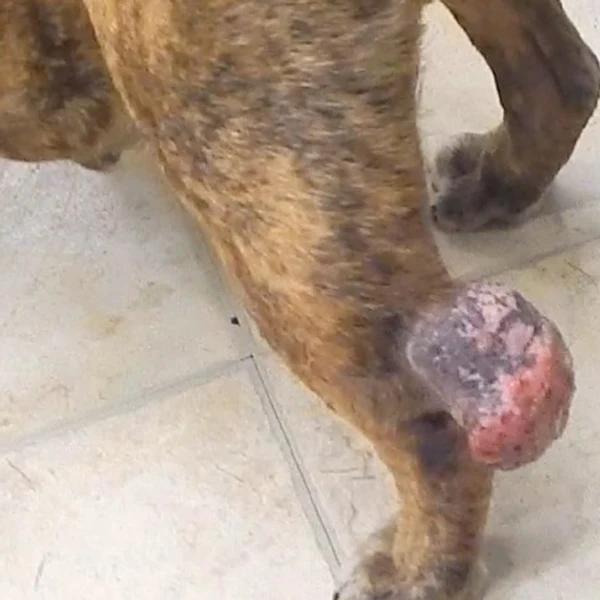
Mast cell tumors can come in various forms and sizes, they are the most common skin tumor. They store histamine and are classified as types 1 (see photo) to 3 (aggressive), so early removal is critical.
They can present as small bumps to diffuse large edematous hard ones. Mast cells store histamine when released an inflammatory reaction with edematous redness will ensue. Unattended they can transform into a deadly aggressive form.
Bulldog Cushing’s disease (hyperadrenocorticism) is an endocrine disease that causes excess secretion of the adrenal gland cortisone hormone. The common reasons are tumors, either the brain pituitary (common) or the adrenal (rare).
An excessive appetite leads to weight gain and excessive water intake leads to excessive urination. You might notice the classic “pot belly” appearance (see photo). Also, suppressed immune system that often leads to UTI and calcium skin deposits (calcinosis cutis)