


Dear Dr. Kraemer
My 8-month-old Frenchie, Bootz, has developed some odd circular hair-loss spots on his back. Coincidentally, my daughter has also recently developed some unusual skin issues 😟 Could these be related, and what would you recommend we do next?Thank you so much 🙏
Introduction to Ringworm Dermatitis
Contrary to what some bulldog owners think, ringworms are not worms. The term dates back to when the cause was poorly understood, and the circular worm-like red-rash appearance led people to believe that a real worm was under the skin mistakenly.
Some pets are silent carriers and do not exhibit clinical signs yet they can infect other pets and human house members who are in contact with them and their surroundings
Fortunately ringworm is not common to bulldogs and French bulldogs

The honest answer is that nobody knows yet, and I would want that settled before you turn your house upside down.
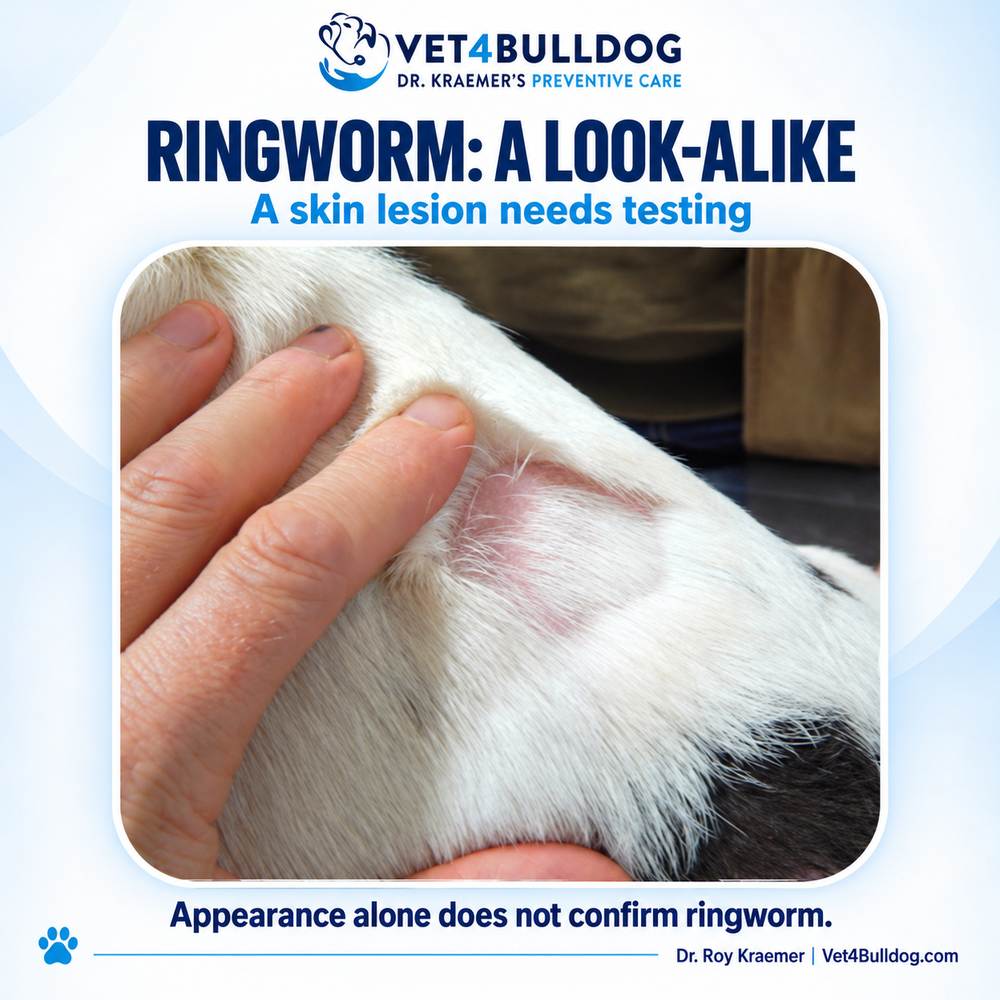
A round bald patch is not a diagnosis. It is a shape. In this breed the most common things that make a ring are a bacterial infection of the hair follicles and a yeast problem, both far more likely than fungus, and both treated differently. Ringworm itself is uncommon in Bulldogs.
The lamp is worth understanding, because it is the thing that most often misleads people in both directions. It only makes some species glow, and not all of them, so a patch that does not glow has not been cleared of anything. A patch that does glow still needs confirming. The tests that actually settle it are a fungal culture or a PCR sample, and they are simple to take.
So before the house: ask for the sample. If it comes back as ringworm, your veterinarian will set out proper treatment and the cleaning that goes with it, and it is a real job rather than a wipe round. If it comes back as something else, you have saved yourself weeks of work and you are treating the right thing.
On the children, since that is the part keeping you up. Ringworm does pass between animals and people, so it is a fair worry and the reason to confirm it rather than guess. Your own doctor is the right person to ask about anybody at home, not me. In the meantime, ordinary sense: wash hands after handling him, keep his bedding washed, and do not let the children handle the patch.
Our antiseptic topicals belong alongside whatever your veterinarian prescribes rather than instead of it, and they are useful for the bacterial and yeast problems that are more likely here. Supplements that support the skin barrier and the immune system may help over a good few weeks, though they do not treat an infection on their own.
What is Ringworm?
Ringworm is a skin infection caused by a group of fungi known as dermatophytes. These fungi feed on keratin, a protein found in the skin, hair, and nails, which explains why the infection most commonly affects these areas.
Common Bulldog Ringworms
- Microsporum canis: This is the most common dermatophyte found in dogs. It can also infect cats and humans.
- Microsporum gypseum: While this fungus is more typically associated with cats, it can also affect dogs and humans. It is often found in soil, making it a less common, but still possible, source of infection for pets and people who come into contact with contaminated ground.
How Bulldog and French Bulldog Ringworm is Transmitted?
- Transmission: Ringworm can spread through direct contact with an infected animal or person or with objects or surfaces contaminated with the fungus, such as bedding, grooming tools, or furniture.
- Survival: The spores of ringworm fungi are notably durable and can survive in the environment under harsh conditions for extended periods. This resilience contributes to the spread and difficulty in eradicating the fungus.
Bulldog to Owner Ringworm Transmission (Zoonosis)
Pet owners can contract ringworms from their pets.
Ringworm Direct Transmission:
Ringworm can be transmitted from animals to humans through direct contact with an infected animal’s skin or fur.
Bedding & Grooming Ringworm Transmission
The ringworm spores can also attach to pet bedding, grooming tools, furniture, and other surfaces.
When humans touch these contaminated surfaces and their skin, particularly if there is a break in the skin, they can become infected.
Certain groups of individuals have less robust immune systems, making them more vulnerable to contracting ringworm:
- Infants and Young Children: Young children, especially infants, have immune systems that are still developing.
- Elderly Individuals: As people age, their immune systems naturally weaken.
- People with Autoimmune Diseases: Autoimmune conditions can compromise the immune system’s effectiveness.
- Immunosuppressed Individuals: People who are undergoing treatments that suppress the immune system, such as chemotherapy for cancer, are at increased risk.
Ringworm in Bulldogs and French Bulldogs: Predisposition
- Compromised Skin Barrier: Although healthy pets and people with intact skin are generally resistant to ringworm, the fungus can enter through breaks in the skin, such as cuts, scratches, or other forms of damage. This makes the skin more susceptible to infection.
- Immune-Suppressed bulldogs: Individuals with weakened immune systems
- Puppies: bulldog puppies have undeveloped immune system
- Senior: aging bulldogs might have a less robust immune system
- Skin injury: bulldog with concurrent skin disease or skin trauma
- Immune suppressing drugs: such as cancer patients and bulldogs on immune suppressant drugs like prednisone
- Immune-suppressing diseases: like Cushing’s and hypothyroid
- Stressed pets: anxiety, trips, kenneling, and noise, all of which impact the immune system
- Pet crowded areas: shelters and kennels

The house is half the treatment
Start with the unglamorous truth: most circular bald patches on a Bulldog are not ringworm. In this breed it sits well down the list behind allergy, mites and the ordinary bacterial and yeast infections, and plenty of those produce a round patch too. That matters because the treatment for each is different, and an antifungal given on a guess is weeks of medicating a dog for the wrong thing while the real problem carries on.
The question owners really arrive with is whether their family can catch it, and the honest answer is yes, it does pass to people. That is not a reason to panic and it is a reason to confirm the diagnosis rather than assume it. Ordinary hygiene handles most of it: wash your hands after handling him or his bedding, keep your own broken skin covered, and if anyone in the house is very young, elderly or on treatment that suppresses their immune system, mention the dog to your own doctor rather than waiting to see what happens.
The part that decides whether this drags on is the house, not the dog. The spores are tough and they sit in bedding, brushes, rugs and the back of the sofa for a long time, so a dog who finishes treatment and walks back into an untreated room simply picks it up again. Wash bedding hot and often, keep him off soft furnishings while you are dealing with it, and clean hard surfaces properly. And both ends of this are settled by the culture rather than by how the skin looks. The culture is what makes the diagnosis definitive in the first place, and a follow up culture coming back negative is what tells you he is finished. Skin that looks clear is not the same as a dog who is clear.
Ringworm in Bulldogs and French Bulldogs: Presentation
Ringworm can often present with symptoms similar to those of other skin conditions.
Common findings are
- hair loss
- itching
- flaking
Only in certain cases, ringworm may manifest as its classic symptom: a raised, circular ring-shaped lesion on the skin.
How to Diagnose Ringworm in Bulldogs and French Bulldogs?
Ringworm can closely resemble other types of dermatitis in bulldogs, but it’s relatively rare.
Therefore, it’s important to consider and rule out more prevalent skin conditions such as allergies (flea, atopic, food), mite infestations (Demodex, mange), and infections (yeast, bacteria).
- Exam: Look for a ring-shaped patch of skin where hair is missing and the patch appears to expand outwards.
- Woods Lamp: Your veterinarian may use a Woods lamp, a type of ultraviolet light, to help identify ringworm infections. This test can make ringworm-infected areas fluoresce. It’s a preliminary tool and not definitive. The skin is often erroneously fluorescent when shined over topical medication and flakes.
- Fungal Culture: This is the definitive test for diagnosing ringworm but can take up to three weeks to yield final results.
- Microscopic Hair Exam: Hair samples can be examined under a microscope to detect the presence of ringworm spores or hyphae.
- PCR Test: PCR testing involves amplifying and analyzing DNA to detect the presence of specific pathogens, such as the fungus responsible for ringworm. This test provides highly accurate results and may help confirm the diagnosis of ringworms more quickly than traditional fungal cultures.

Most of what gets called ringworm is not ringworm
This is the one condition on the site where I spend more time talking owners out of a diagnosis than into one.
The word travels because the shape is memorable. A circular patch, a bit of scale, hair missing in the middle, and somebody says ringworm. But a ring is just what happens when something spreads outward from a point and heals behind itself, and plenty of things do that. Bacterial infection of the hair follicles does it constantly in this breed. So does yeast. Both are commoner than fungus in a Bulldog, by a distance.
The lamp deserves a word because it carries more authority than it has earned. It only lights up some species, and not even reliably those, so a patch that fails to glow has been ruled out of nothing at all. I have seen a negative lamp used to reassure an owner whose dog did have it, and a positive glow used to start months of treatment on a dog who did not.
Treating this on appearance is like deciding what is wrong with a car from the color of the smoke. You might be right. You are guessing.
It matters more here than on most pages, for two reasons. The treatment is different depending on which of the three it turns out to be, so a guess sends you down the wrong road for weeks. And ringworm, unlike the other two, passes to people, which means a confirmed diagnosis changes how the whole household behaves. That is not a conversation to have on the strength of a shape.
So ask for the sample. A culture or a PCR costs very little next to the weeks of cleaning that a presumed diagnosis commits you to.
How To Prevent Ringworm Skin Fungus in Bulldogs?
Below I listed some of the easiest, and cost effective means to prevent ringworm
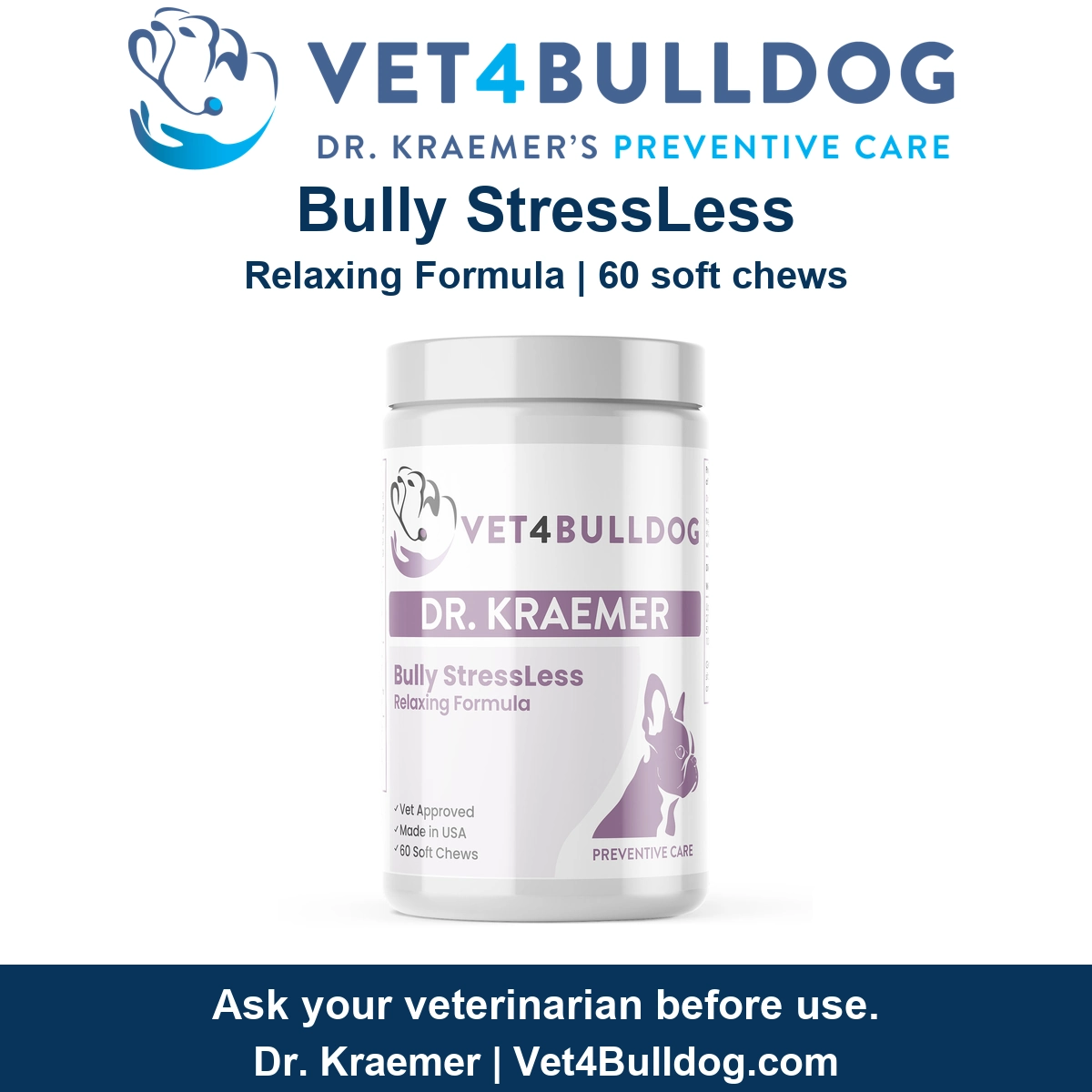
#1 Stress-free ringworm prevention
Maintain a relaxed environment to help bolster your bulldog’s immune system.
#2. Nutritious diet ringworm prevention
Ensure your bulldog receives a nutritious, well-balanced diet to support overall health.
#3. MINIMIZE IMMUNOSUPPRESSIVE DRUGS RINGWORM PREVENTION:
Avoid the unnecessary use of drugs like steroids that suppress the immune system, as this can make your pet more susceptible to infections like ringworm.
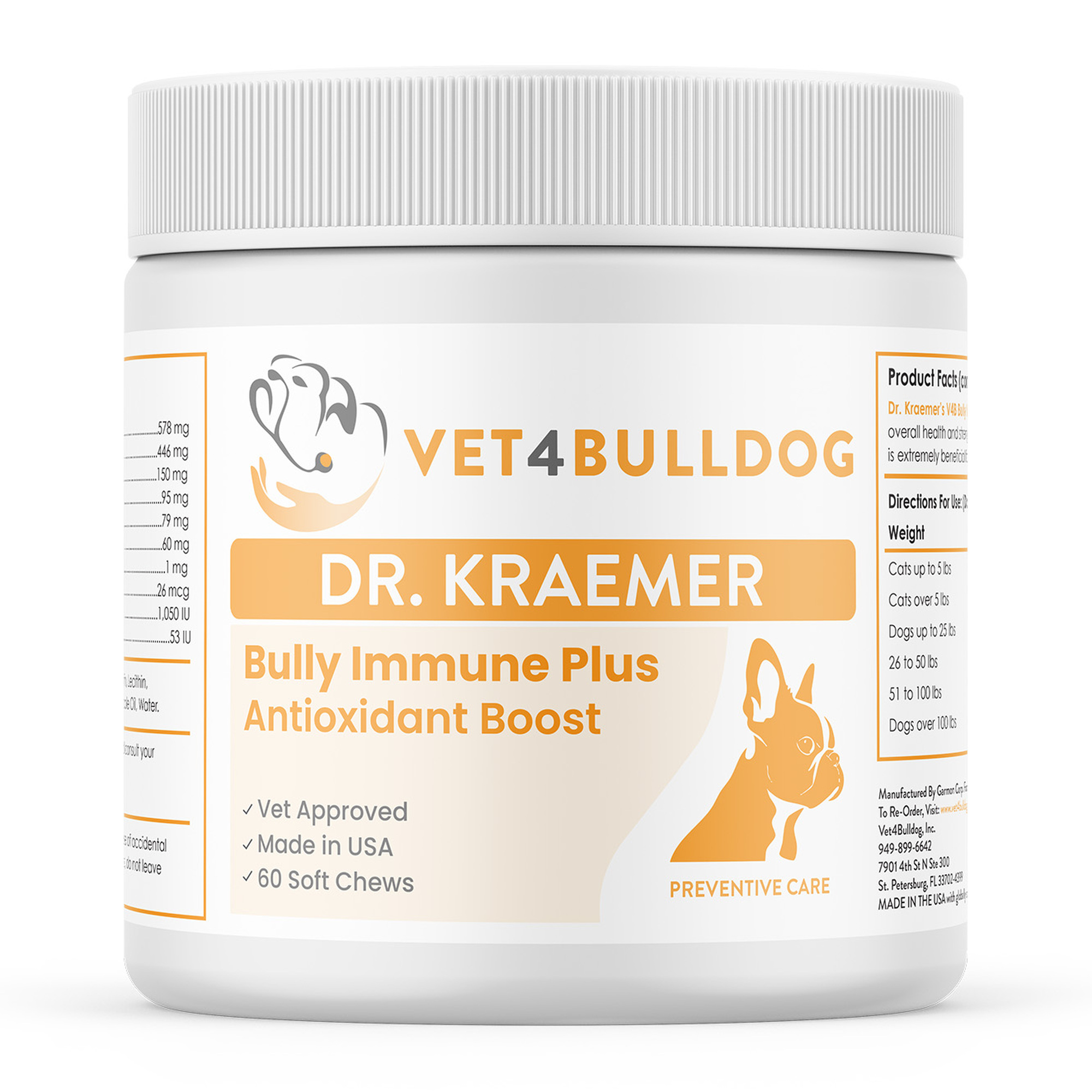
#4. IMMUNE BOOSTING THERAPEUTIC BULLY SUPPLEMENTS:
A sound, healthy immune system helps protect your bulldog from infectious disease
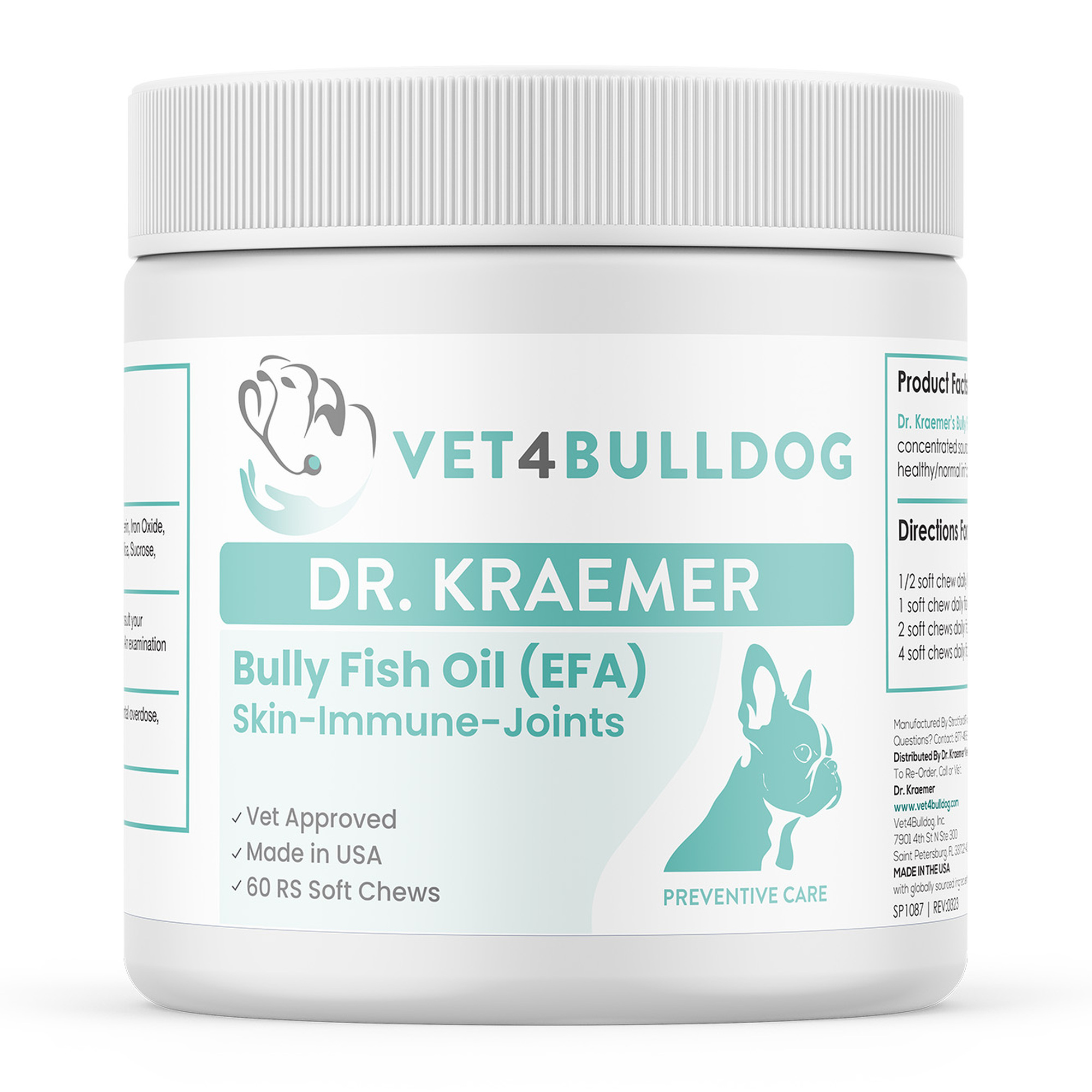
#5. SKIN HYGIENE & ITCH CONTROL BULLY THERAPEUTICS
By managing itching and allergies effectively, you can maintain a healthy and intact skin barrier, which is crucial for preventing ringworm infections
- Bully Itch & Allergy Chews
- Bully Skin & Coat Derma Care
- Medicated shampoos and conditioners
Additionally, promptly treat any skin diseases or cuts to prevent ringworm infection, and isolate infected household pets until their ringworm has been successfully treated and a follow-up culture confirms it is negative.
This helps prevent the spread of the infection to other pets and humans in the home.
How to Treat Ringworm Skin Fungus in Bulldogs?
- Environment: Ringworm fungal spores are resilient and can survive for a long time in your environment. Cleaning with diluted bleach is an effective way to eliminate these spores.
- Prescription Drugs: Treatment may require systemic antifungal medications such as ketoconazole, griseofulvin, itraconazole, and terbinafine. Most antifungal medications have potential side effects and typically necessitate preliminary screening tests and ongoing monitoring.
- Topical Treatments: In addition to systemic treatments, topical antifungal therapies can be applied directly to the affected areas. These might include:
- medicated shampoos
- creams
- ointments.
Ringworm bully topical therapeutics
While the systemic drugs help kill the fungus, they do little to kill the ringworm spore.
Topical bully antifungals will kill the sports and prevent the spread the infection
Topical bully therapeutics are an affordable and safe option that effectively contributes to ringworm treatment without associated side effects. These topical solutions should be included as part of your comprehensive approach to managing ringworm, helping to target the infection directly at the site and supporting overall skin health.
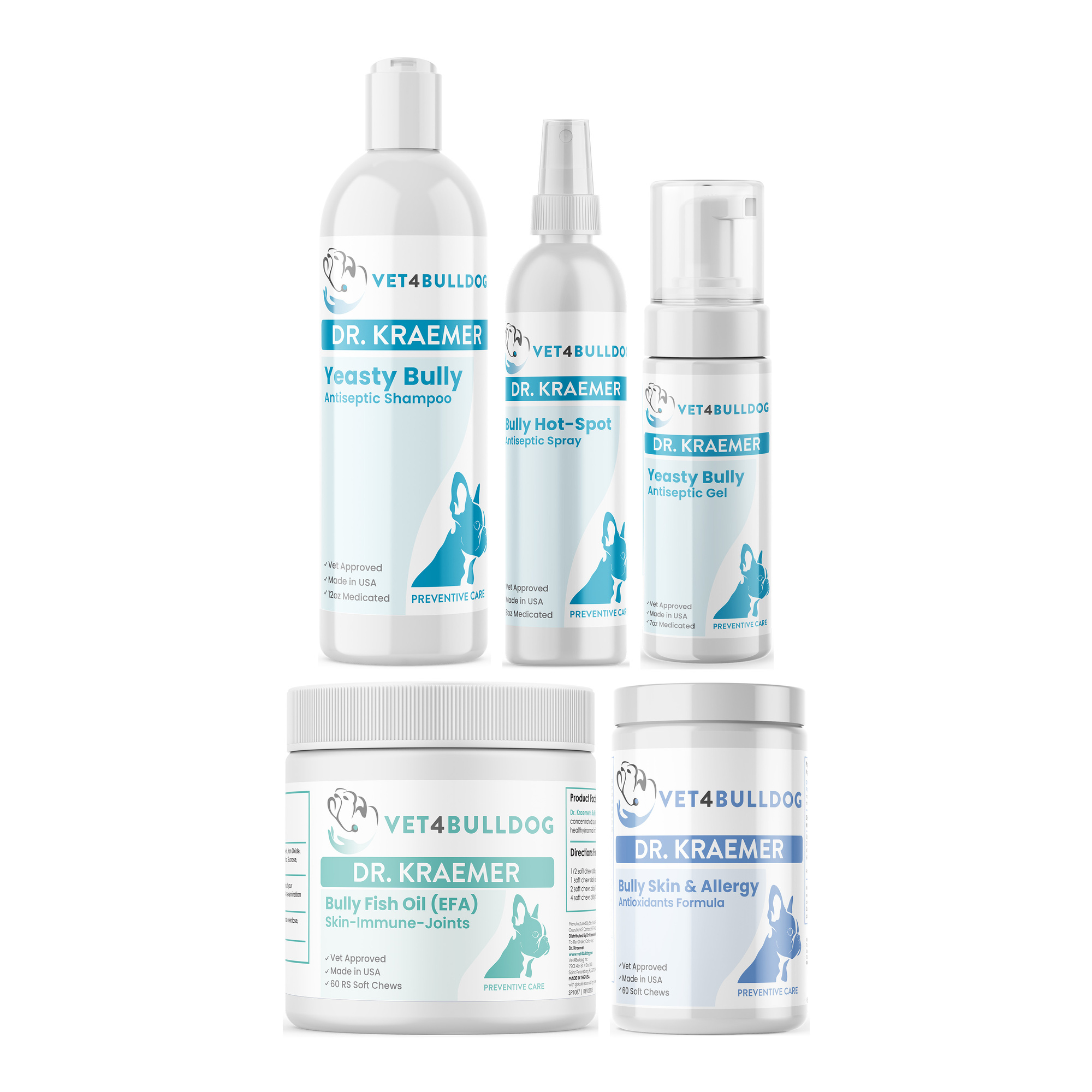
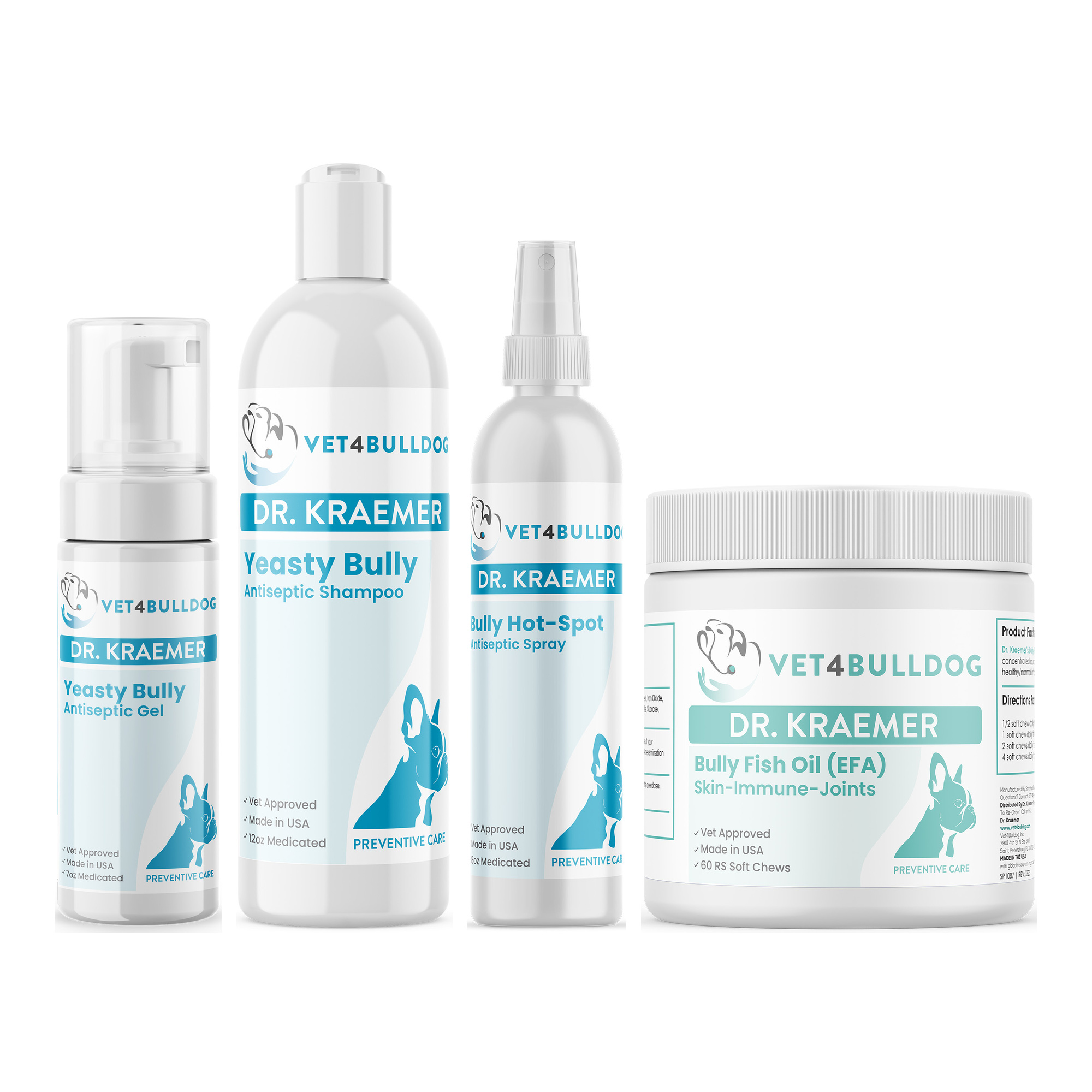
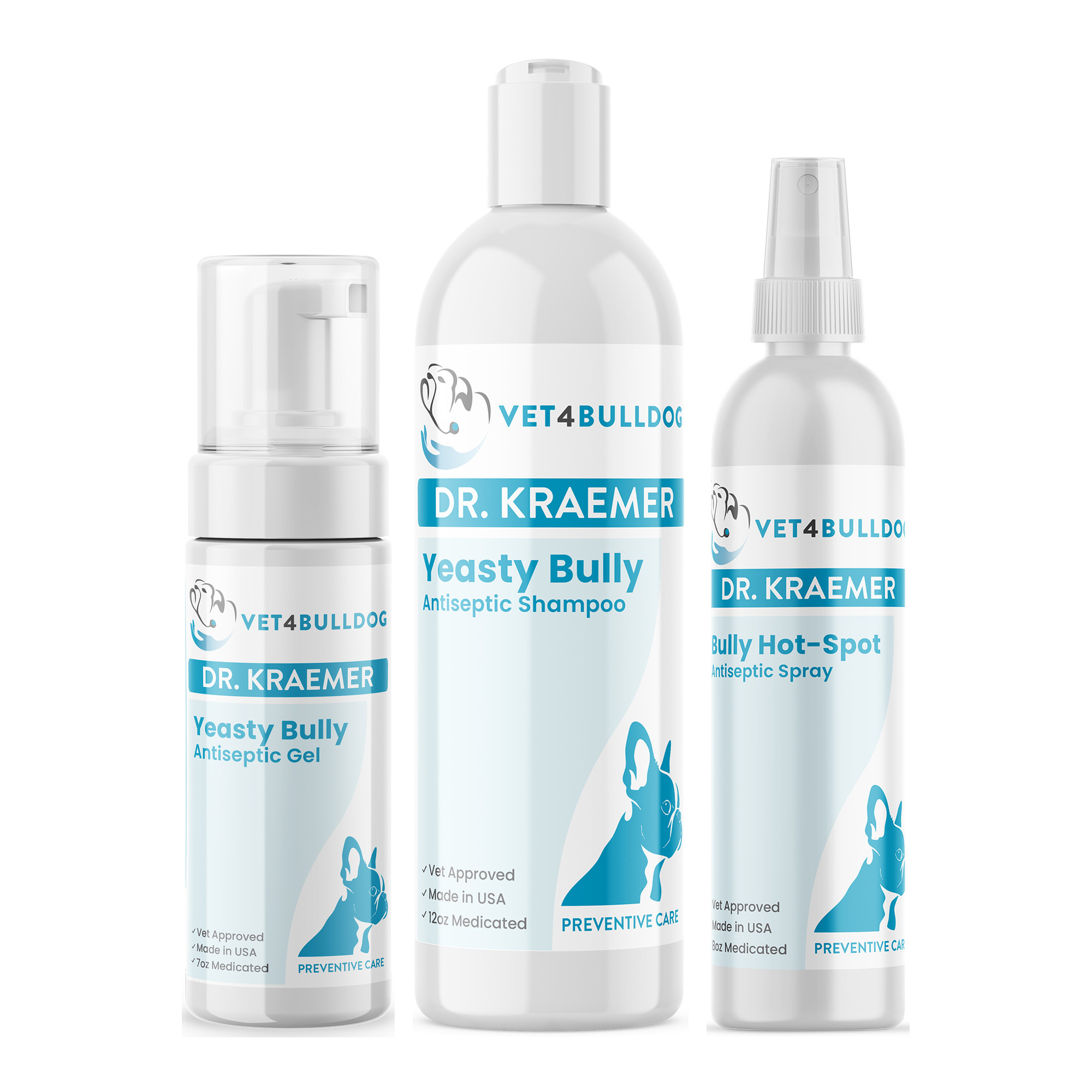
- Yeasty Bully Antiseptic Shampoo: combines both antibacterial and antifungal properties. It should be left on the skin for 10 minutes before rinsing
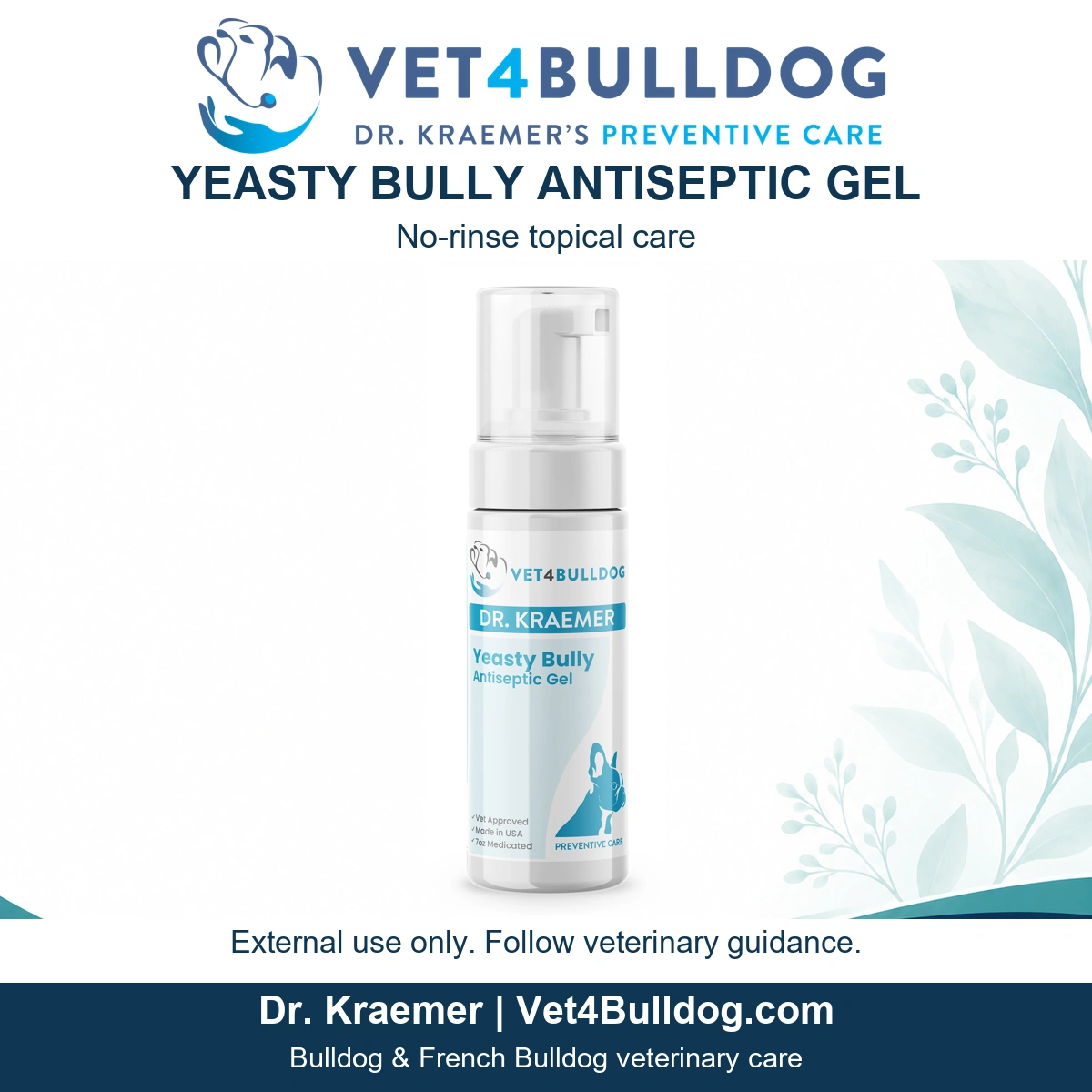
- Yeasty Bully Antiseptic Gel: like the shampoo, it is antibacterial and antifungal but does not require water. It can be left on the skin and coat like a mousse. It can replace the shampoo or supplement it on non-bath days
- Yeasty Bully Spray: same mix as the shampoo and gel
- Bully Conditioner: ItchLess, Hypoallergenic, or Soothing Aloe Oatmeal cream rinse conditioners are recommended as a follow-up to the shampoo
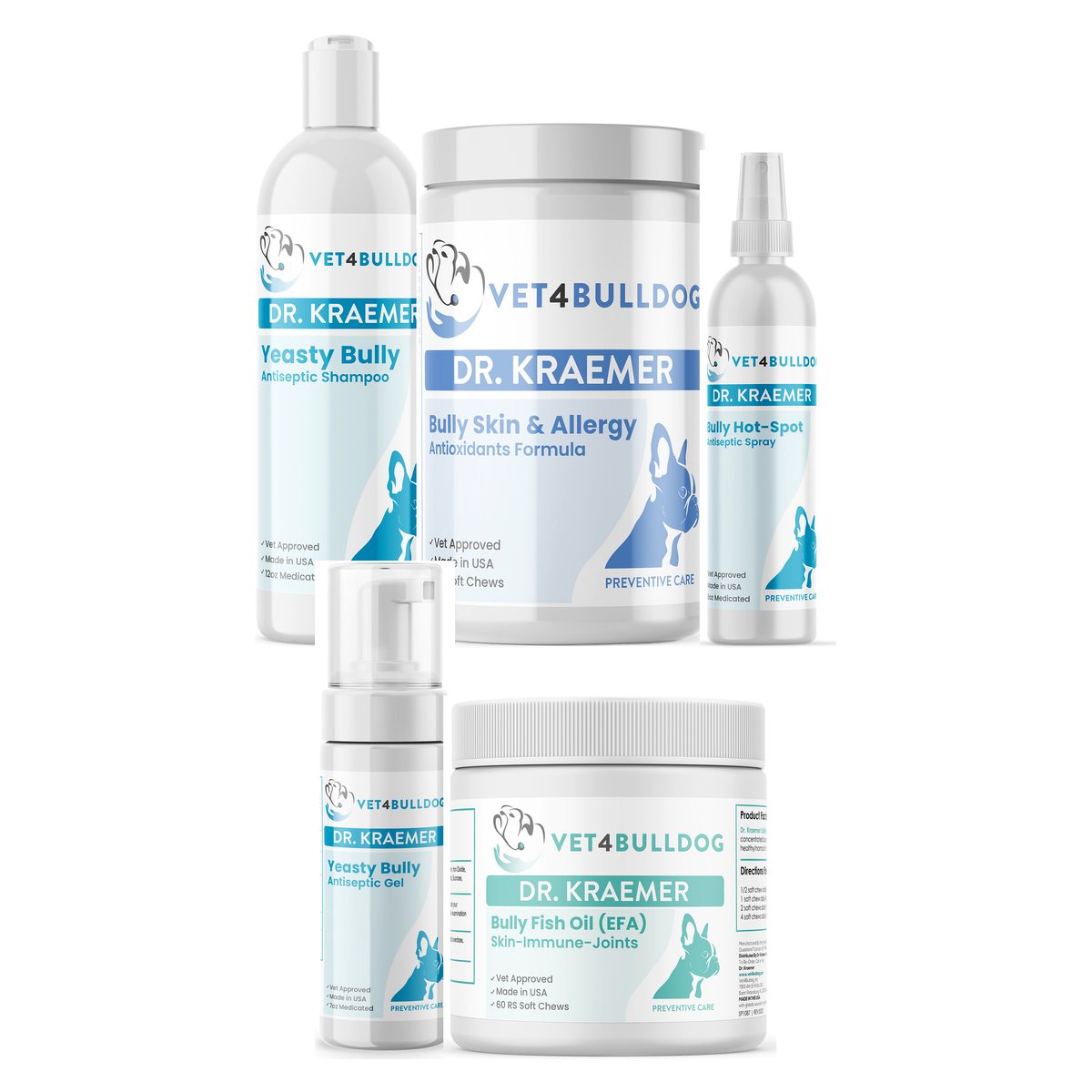
This is the part worth understanding, because it explains why your veterinarian will probably ask you to do both. Systemic antifungal medicine goes after the fungus in the skin and does very little to the spores sitting on the coat and shedding into the room. Topical antifungal treatment is what deals with those, which is what stops the spread and what stops you going round the loop a second time.

These are topicals, so they belong alongside whatever your veterinarian has prescribed rather than in place of it, with the treatment decision theirs. One practical point that decides whether the shampoo does anything: it has to stay on the skin for a good ten minutes before you rinse, and most people rinse far too soon and conclude it was useless. The Basic bundle covers a straightforward single dog household and the Ultimate suits a house with more than one animal, where the environment is doing most of the work against you. The immune and skin supplements on this page may help support the skin barrier from the inside over a good few weeks, and they are support rather than treatment.
To be clear: supplements or topicals are not substitutes for prescribed treatment. If your dog is unwell, is being treated for a condition, or is already on medication, review any supplement or topical with your veterinarian so it fits the plan you are already following. This page is educational and is not a diagnosis or a treatment plan for your own dog.
Ringworm Comprehensive Approach:
Treating ringworm can be challenging and costly, particularly in households with multiple pets.
It’s crucial to treat both the infected dog and the environment to effectively manage the spread and ensure a faster resolution of the infection.
While many pets may naturally overcome an infection over several months, active treatment can significantly speed up recovery and minimize environmental contamination.
Can my children or I catch it from him?
It is a perfect circle, so it must be ringworm?
How long until he is clear?
Do I really have to deal with the house as well?
Can I just use an antifungal cream from the pharmacy?
The culture takes three weeks. Can we start treating now?
Do I need to separate him from my other dog?
More Help from Dr. Kraemer
A ring on the skin is usually one of these instead. Worth reading before you treat for fungus:
- Pyoderma, the bacterial infection that makes rings
- Yeast infection in Bulldogs
- Demodex mites
- Dry, flaky skin and how to bathe properly
- Itchy skin and allergy in Bulldogs
- Hot spots
References
- Merck Veterinary Manual. Dermatophytosis in Dogs and Cats
- Merck Veterinary Manual. Ringworm in Dogs
- Merck Veterinary Manual. Pyoderma in Dogs and Cats
- Merck Veterinary Manual. Diagnosis of Skin Diseases in Small Animals
Trusted by Vets ~ Recommended by Owners ~ Approved by Bulldogs