


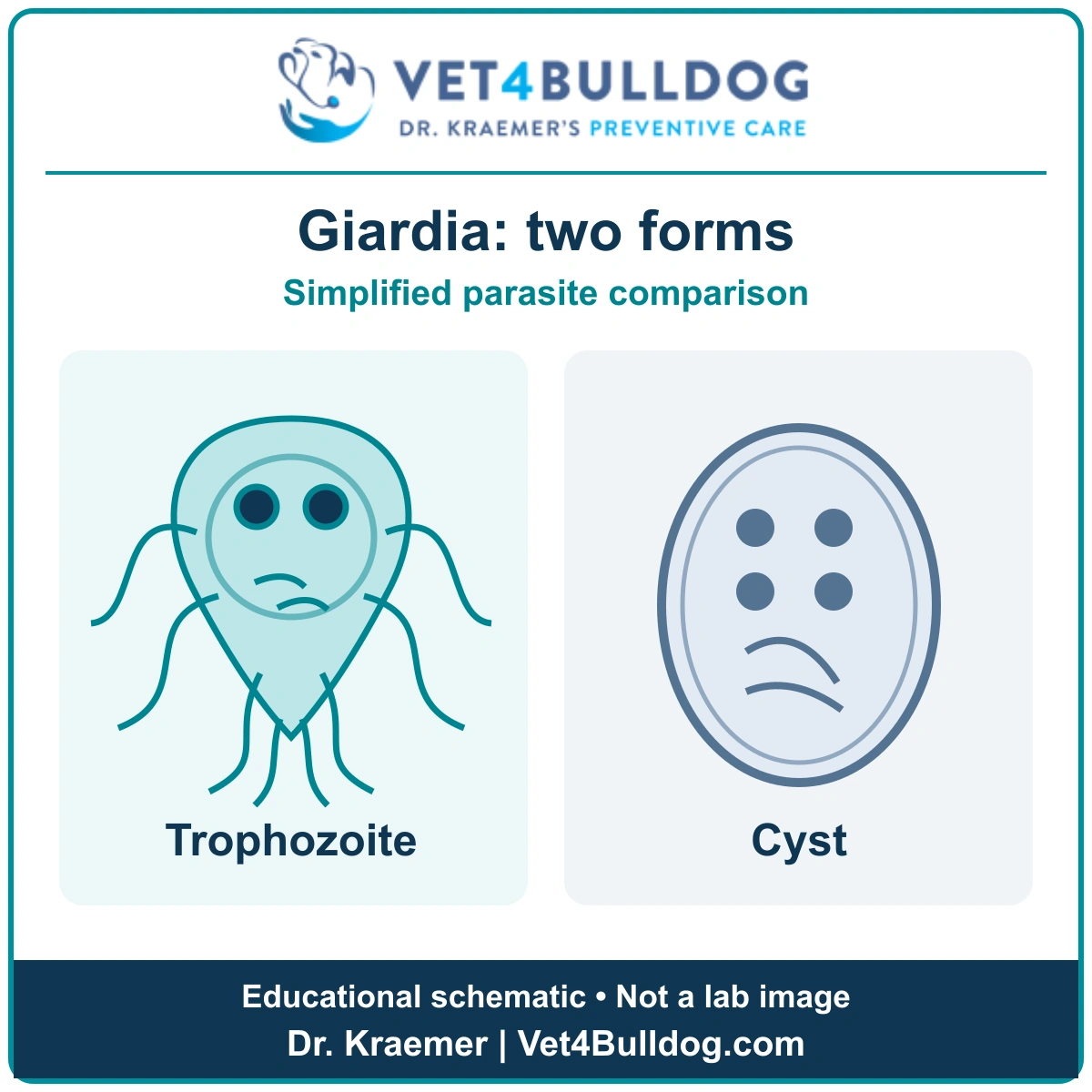
Giardia is a single celled parasite that settles in the small intestine and leaves the body in stool, not as eggs that need time to ripen but as cysts that are already able to infect the next dog the moment they land. That one detail explains most of what owners find maddening about it. There is no waiting period, and no stretch of time during which a contaminated spot quietly becomes safe again.
It is picked up from standing water, from damp ground another dog has used, from a shared bowl, and very often from a kennel run, a shelter, a grooming floor or a boarding facility where a great many dogs have passed through. Puppies and recently rehomed dogs make up a large share of the cases. A low slung, flat faced dog who puts his whole face into a puddle and then sits down in the same spot is not working in his own favor.
The prescription medication your veterinarian chooses is usually effective. What decides whether you are actually finished is everything happening around it: the coat, the yard, the bowls and bedding, and a recheck stool sample rather than a hopeful look at the stool itself.
Our Bulldog has had loose stools for weeks and giardia was found. He has been treated twice and it keeps coming back. We have two other dogs and a toddler. I have cleaned everything I can think of and I am starting to feel like the problem is me. What am I doing wrong?
Almost certainly nothing, and the fact that you have cleaned everything you can think of tells me you are doing more than most. Giardia that keeps returning is usually a reinfection problem rather than a treatment failure, and that distinction matters because they call for different responses.
The reason it recurs is unglamorous. It survives in the environment, it is passed in stool, and dogs are extremely good at reintroducing it to themselves. Damp ground, shared water bowls, and a coat that picks up what the dog has walked through. A Bulldog in particular has folds and a backside that are not easy to keep clean, which is why bathing around the time of treatment comes up so often and why it is worth doing properly rather than briefly.
With two other dogs, raise the household question explicitly with your veterinarian rather than assuming. A dog can carry this without obviously showing it, which means one of the others may be quietly restocking the yard. Whether to test or treat the others is their call, but they can only make it if they know the full picture.
On the toddler, speak to your own doctor as well as your vet, and do it as a question rather than a worry. There is straightforward advice about handwashing and about picking up promptly outside, and it is better delivered by someone who can ask you about your particular household.
The last thing, because owners in your position often stop early. Follow the treatment exactly as prescribed, including the part after the stools look normal, and ask whether a follow up test is worth doing rather than assuming it has gone. Looking better and being clear are not the same thing with this one.
Giardia infection in English bulldog puppies, French bulldog puppies and American bulldogs, is caused by a tiny protozoan parasite that typically affects the intestines of pets and humans. This infection can lead to digestive issues, particularly diarrhea, in puppies and mature bulldogs alike.
The organism thrives in wet and contaminated environments, making it a common concern for pet owners. Given the breed-specific sensitivities of bulldogs, they may exhibit symptoms ranging from mild to severe, depending on factors such as
- their age
- immune system health
- specific Giardia strain.
Giardia in Bulldog and French Bulldog INFECTION MODE:
Giardia has a robust capacity to survive in the environment for extended periods, posing a persistent risk to your pets.
The fecal-oral route and contaminated water sources are common modes of transmission for Giardia. This protozoan parasite is shed in the feces of infected animals. When another animal ingests cysts from contaminated feces or water, it can become infected.
This transmission can happen through:
- Direct ingestion of contaminated feces: This can occur when animals sniff, lick, or consume fecal matter from the ground, or when grooming themselves or others.
- Contaminated water: including drinking from puddles, lakes, rivers, or any standing water that may have been contaminated with feces from infected wildlife or domestic animals.
These transmission pathways underscore the importance of maintaining clean living environments for pets, as well as ensuring they have access to clean, fresh water
Fecal-oral route and contaminated water are common transmission modes of Giardia
WHICH BULLDOGS ARE MOST VULNERABLE
High-risk groups for Giardia infection include:
- Puppies: due to their immature immune systems and their non-discriminatory eating habits.
- Weakened immune systems: make them less able to fend off infections.
- Bulldogs treated with immune-suppressant drugs: which can lower the body’s defenses against infections like giardia.
- Chronically ill bulldogs: bulldog’s ongoing health issues can compromise the immune system and increase susceptibility to infections.
- Chronic stress can weaken the immune response and make your bulldog more susceptible to infections.
- Bulldogs with autoimmune diseases
- Residents of densely populated settings where close quarters and shared resources can facilitate the rapid spread of Giardia organisms among the inhabitants.
- animal shelters
- breeding facilities
- kennels
- catteries
Giardia Infection in Bulldogs / SYMPTOMS:
- Diarrhea is most common and bloody at times.
- Vomiting at times
- Weight loss
- Dehydration
Reinfection, not resistance
When a Giardia case will not close, owners almost always land on one of two conclusions: the medication failed, or the parasite is resistant. In my experience it is rarely either. The dog was treated, the dog cleared, and then the dog reinfected himself almost immediately, and the source was usually his own back end.
Cysts are sticky and they are infective the moment they leave him. A dog who has been shedding carries them on the hair around his rear, on his tail and on his feet, and in a Bulldog on whatever folds are down there to catch them. He grooms, and he is back at the beginning. So a bath, with real attention to the rear, timed to the END of the course rather than the start of it, is not a nicety. It is the single step that most often decides whether you end up repeating the whole thing.
The environment is the other half of the job, and it is worth knowing what actually works. Cysts do badly in dry conditions and in sunlight, and they are not much troubled by household bleach at the dilutions people really use. On hard surfaces, bowls, crate trays, tile and vinyl, a quaternary ammonium disinfectant of the sort sold for kennel use is the practical choice, used as the label directs and given its full contact time, which is the instruction most often skipped. Bedding goes through the hottest wash it will survive and then a hot dryer. Soil and grass cannot realistically be disinfected at all, so there you are relying on picking up promptly and letting the ground dry out and get some sun.
Something else worth being straight about: plenty of dogs test positive and have a perfectly normal stool. Whether such a dog should be treated at all is a judgment, and it belongs to your veterinarian rather than to a web page, because it turns on who else is in the house. I raise it because an owner handed a positive result sometimes arrives convinced something dreadful is underway, while the dog in front of me is thriving.
And you finish on a test, not on an impression. Shedding comes and goes, which cuts both ways. One negative sample is thinner evidence than it feels, and the stool looking normal is no evidence at all. If your veterinarian asks for another sample later rather than signing off on the first one, that is the reason, and it is worth doing instead of assuming.
The breed specific part of this is unglamorous. Bulldogs are close to the ground, they will drink out of anything, their faces are built to go into water rather than over it, and the back end has folds that hold onto whatever they sat in. And if you have more than one at home, treat the household as a single patient rather than treating the dog who happens to have the loose stool, because the quiet one is very often shedding too.
Giardia Infection in Bulldogs / DIAGNOSIS:
- Exam: history and clinical signs
- Microscopic Fecal Test
- Fecal Antigen Test
Giardia Infection PREVENTION
Preventing Giardia involves a combination of maintaining a clean environment, careful management of food and water sources, and supporting the animal’s overall health and immune system. Here are some strategies to help prevent Giardia infection:
- Clean Water: Always provide clean, fresh water for your pets. Change their water bowls frequently to prevent contamination.
- Separate Food and Water Bowls in Communal Areas: In places like parks, kennels, or boarding facilities, use separate bowls for your pets to avoid sharing with others who might be infected.
- Giardia Vaccine: Consult with your veterinarian about the Giardia vaccine. While it may not prevent infection entirely, it can reduce the risk of severe symptoms and lessen the shedding of Giardia cysts.
- Avoid Drinking from Natural Water Sources: Prevent your pets from drinking water from springs, lakes, puddles, or any standing water, as these can be contaminated with Giardia cysts.
- Avoid Stress: Minimize stress in your pet’s environment, as stress can weaken the immune system, making them more susceptible to infections like Giardia.
- Immune Boosters and Nutritious Diet: Feed your pets a balanced, nutritious diet to support their overall health and immune system.
- Immune Support, Multivitamins with Antioxidants, and Anti-Anxiety Supplements: Consider adding immune support supplements and multivitamins containing antioxidants. These may help bolster your pet’s immune system and improve their ability to fight off infections.
- V4B Bully Immune Support
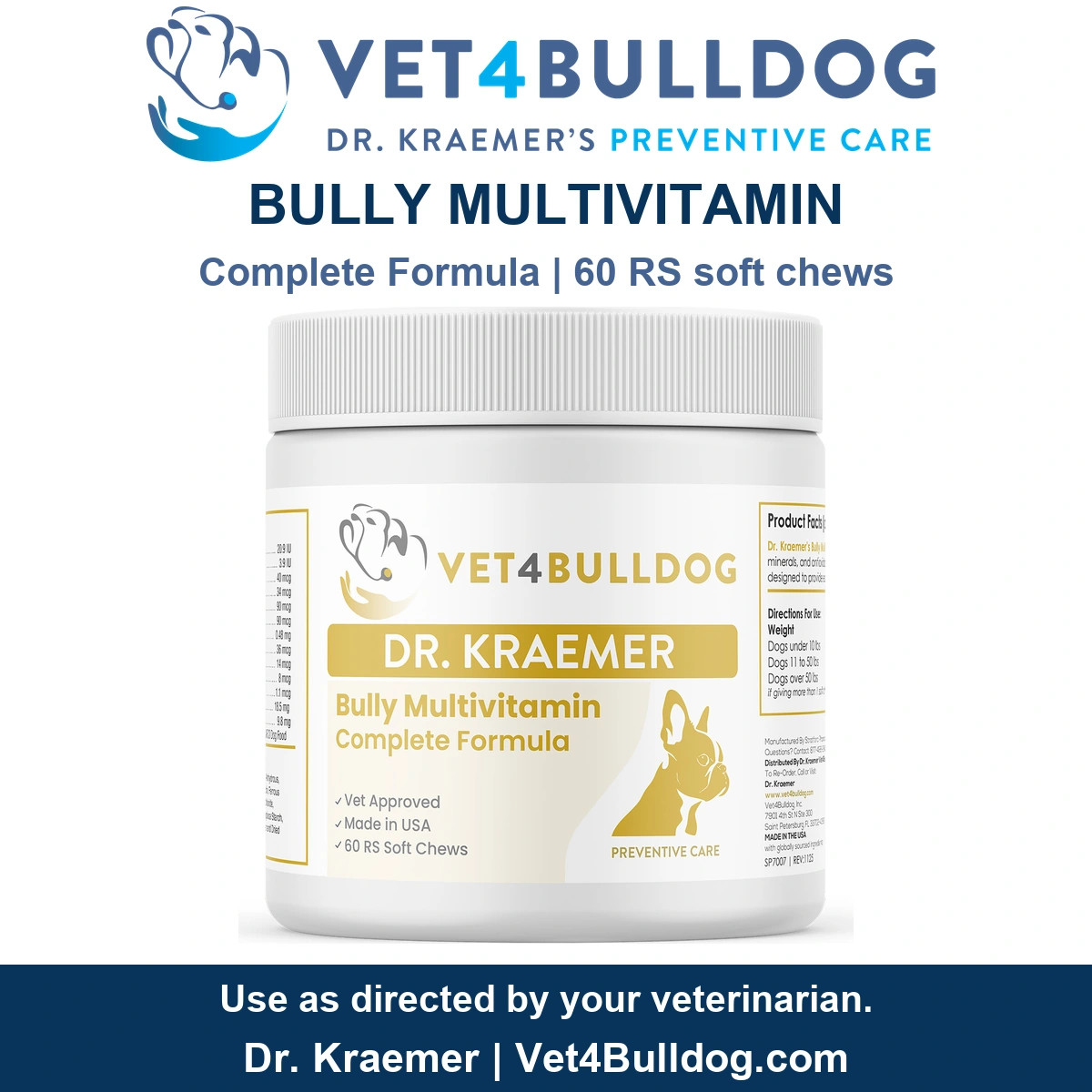
- V4B Bully Multivitamin Formula
- V4B Bully StressLess
- V4B HEMP Relax & Calm
By implementing these preventive measures, you can significantly reduce the risk of Giardia infection
Giardia Infection in Bulldogs and French Bulldogs TREATMENT:
Infected bulldog puppies may not always show signs of illness, acting as asymptomatic carriers of diseases like giardiasis or with just periodic flare-ups. What might start as occasional diarrhea can evolve into a chronic disease.
This ongoing digestive distress can interfere with the proper processing and absorption of nutrients (malabsorption), leading to reduced appetite, significant weight loss, and even stunted growth in your bulldog puppy.
Treating giardia involves a combination of medication and environmental management. Here are the steps commonly recommended:
PRESCRIPTION MEDICATION
- Fenbendazole (Panacur): A broad-spectrum antiparasitic medication that’s often the first choice for treating giardia. It’s usually administered over several days.
- Metronidazole (Flagyl): This antibiotic and antiprotozoal medication is also effective against Giardia
It’s important to note that while these drugs are effective, the persistence of Giardia in the environment can lead to reinfection. Therefore, a single course of treatment might not be sufficient, and your veterinarian might recommend repeating the treatment or combining medications.
CLEAN ENVIRONMENT
- Disinfect Water and Food Bowls: Regularly clean your dog’s bowls with a solution of 1 part bleach to 16 parts water to kill Giardia cysts.
- Dry the Environment: After cleaning, let the area dry thoroughly. Giardia cysts can be killed by drying out, so this step is crucial in the disinfection process.
Let me be plain about this one, because it would be easy to imply otherwise on a page like this. Nothing we sell treats Giardia. Clearing the parasite is a prescription job and it is your veterinarian’s decision, not a shopping decision.
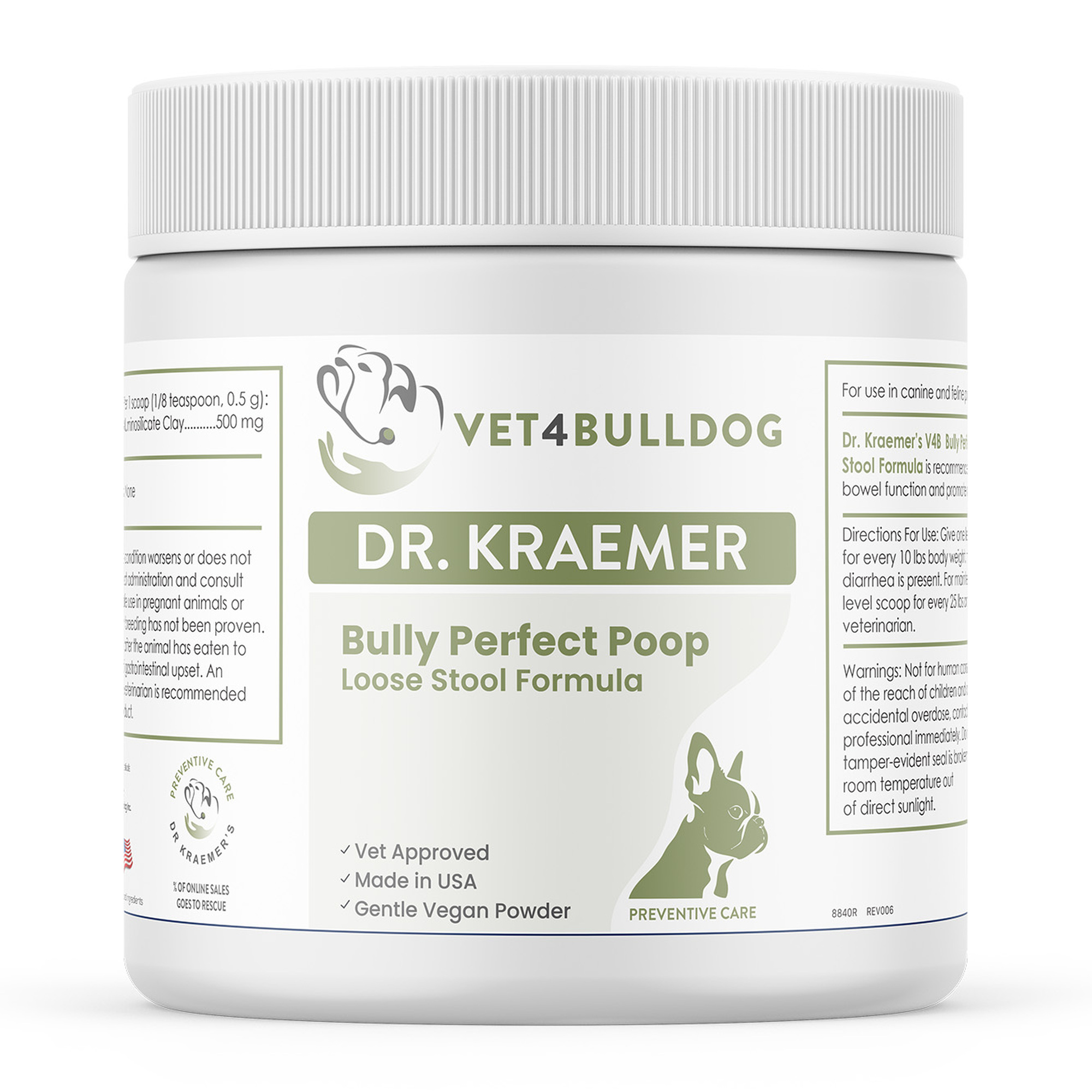
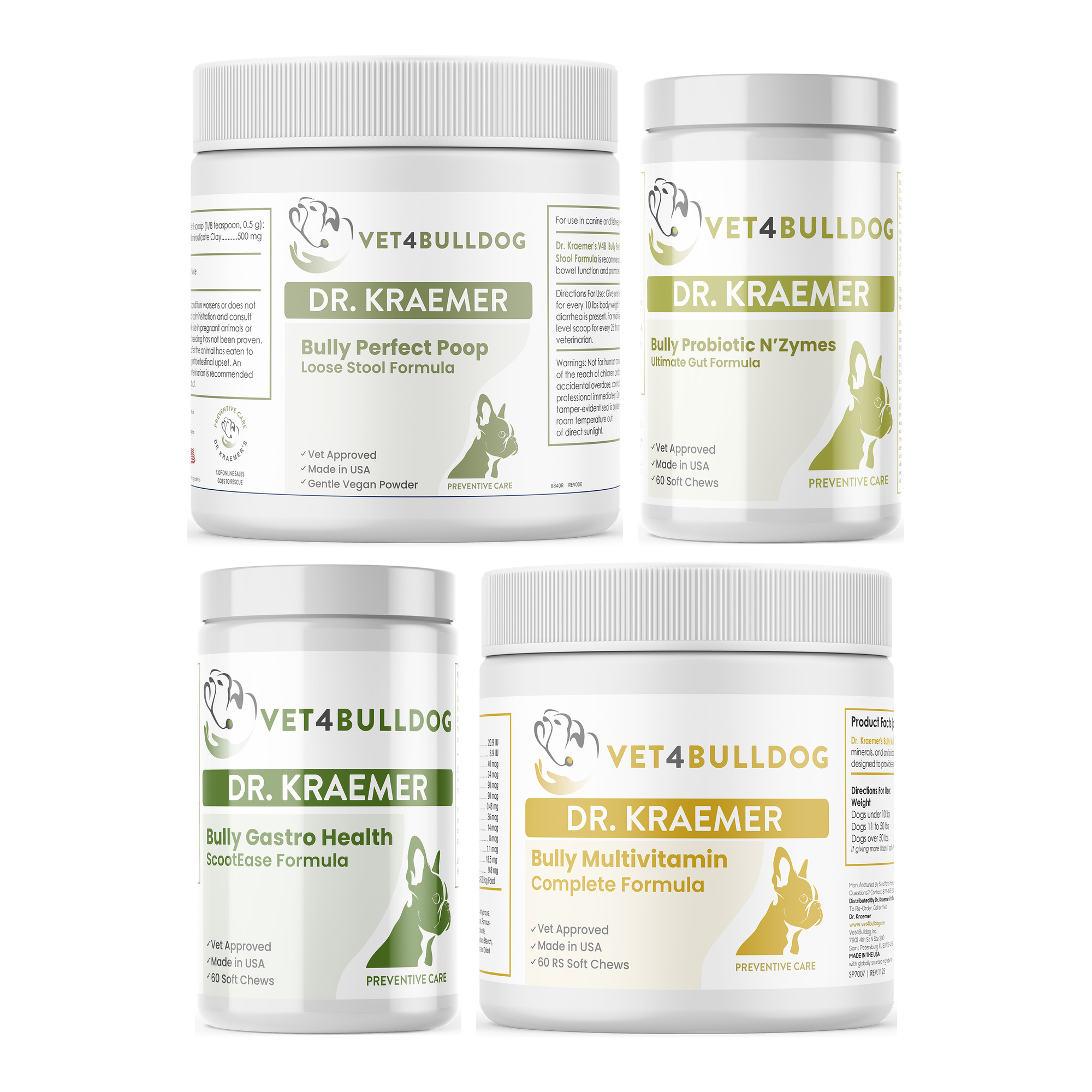
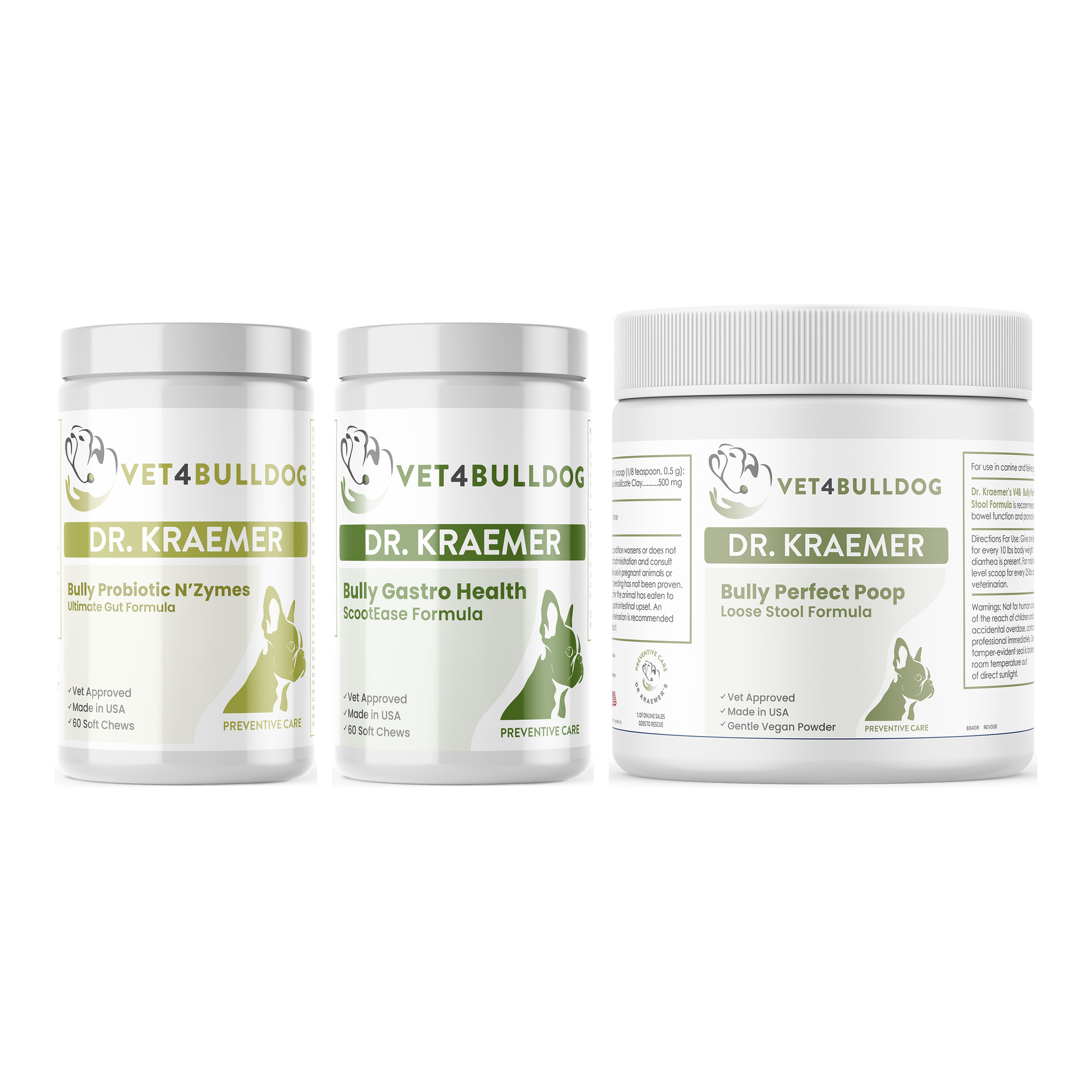
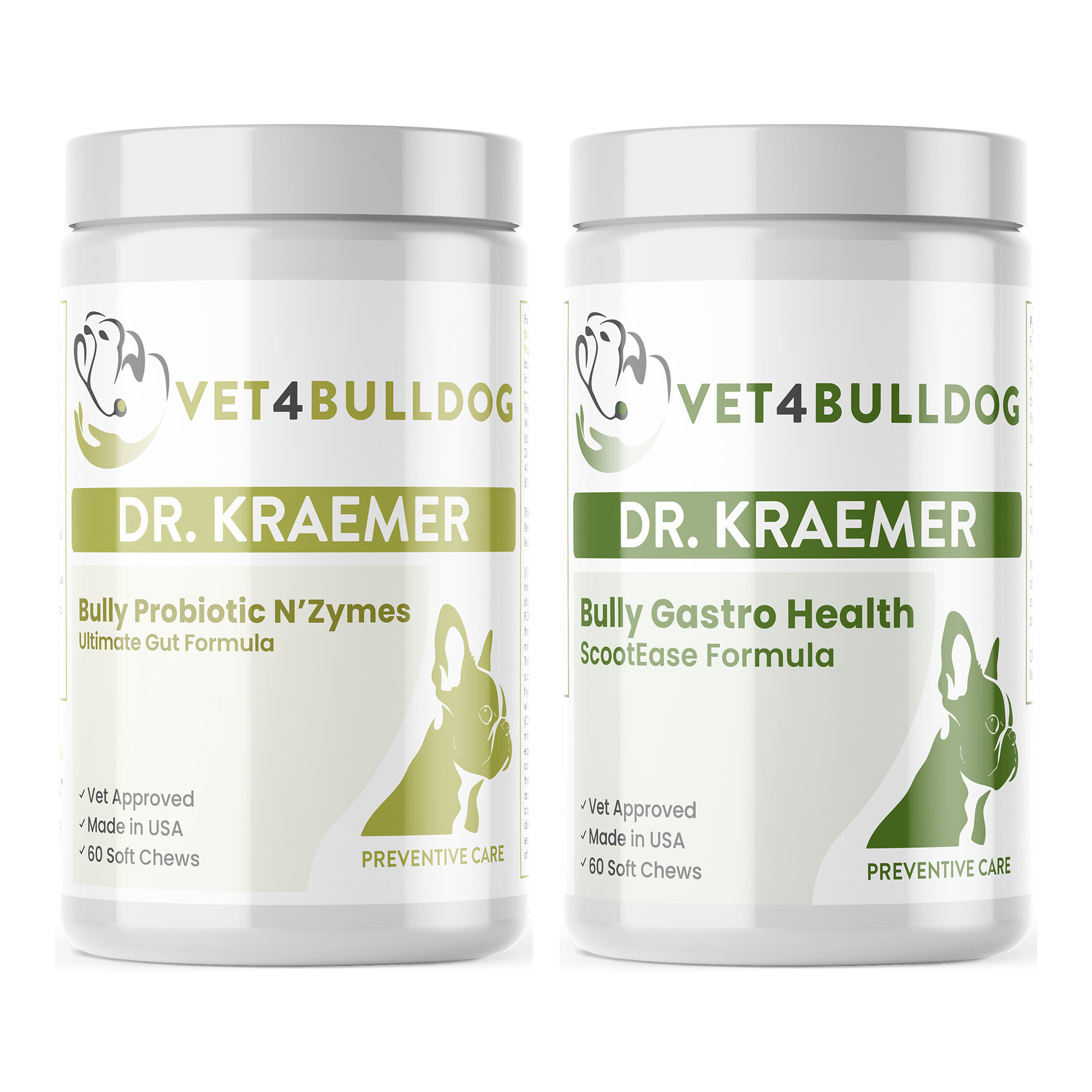
What is often left behind once the parasite is gone is a gut lining that has been inflamed and a stool that has not caught up with the rest of him. The Perfect Poop formula is a vegan hypoallergenic blend built for precisely that stretch, and it may help firm things up while the lining recovers over a good few weeks. If you would rather work on the gut flora more broadly, the probiotic and digestion range covers that side of it. Neither is a treatment for the infection, and neither replaces the recheck sample.
To be clear: supplements or topicals are not substitutes for prescribed treatment. If your dog is unwell, is being treated for a condition, or is already on medication, review any supplement or topical with your veterinarian so it fits the plan you are already following. This page is educational and is not a diagnosis or a treatment plan for your own dog.
BULLDOG THERAPEUTIC SUPPLEMENTS
- Prevent Reinfection: To prevent reinfection, avoid areas known to be contaminated and discourage your dog from drinking from stagnant or suspect water sources.
- Diet: For dogs experiencing diarrhea due to Giardia, feeding a bland, limited-ingredient diet may help. This should be easy to digest and help soothe their gastrointestinal system.
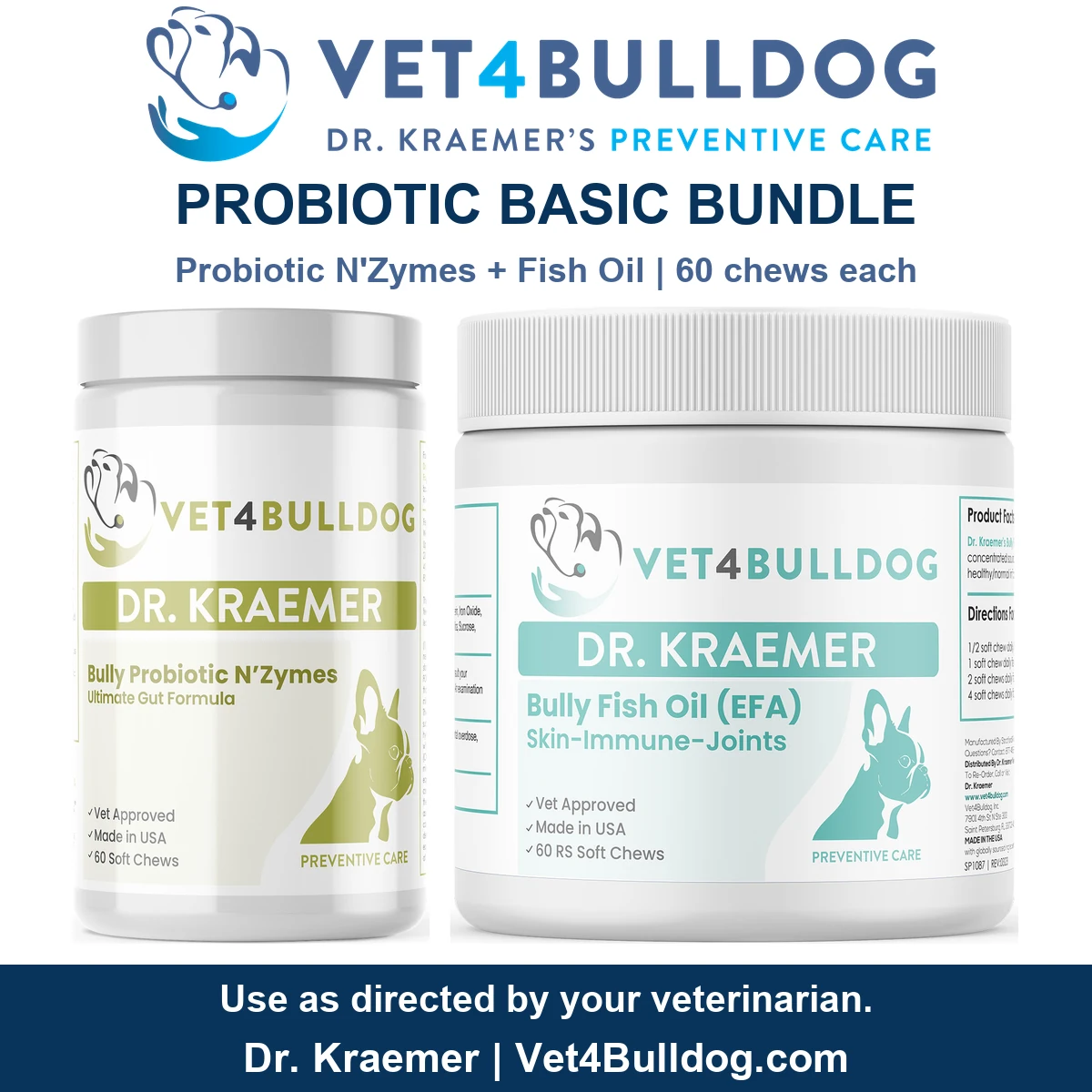
- Probiotics and Supplements: Adding a probiotic supplement can support gut health, while botanical fibers can aid in digestion. Multivitamins with antioxidants may support the immune system, making your dog less susceptible to infections.
- V4B Bully Probiotics KEEP UP
Giardia Infection in People (Zoonosis) WARNING
Giardia is a zoonotic parasite, meaning it can be transmitted from animals to humans. Humans can also become infected by drinking contaminated water or through direct contact with infected animals, including their feces. This is why practicing good hygiene and sanitation is crucial for both pet owners and those who come into contact with animals.
Here are some key points to consider:
- Drinking Contaminated Water: Drinking water from untreated or contaminated sources, such as streams, rivers, or lakes, can put both humans and animals at risk of Giardia infection.
- Direct Contact with Infected Animals: Handling infected animals, particularly their feces, can also lead to transmission of the parasite. This includes cleaning up after pets, especially in areas where they defecate.
- Environmental Contamination: Giardia cysts can survive in the environment for extended periods, so it’s essential to be cautious in areas where animals may have defecated, such as parks, hiking trails, or camping grounds.
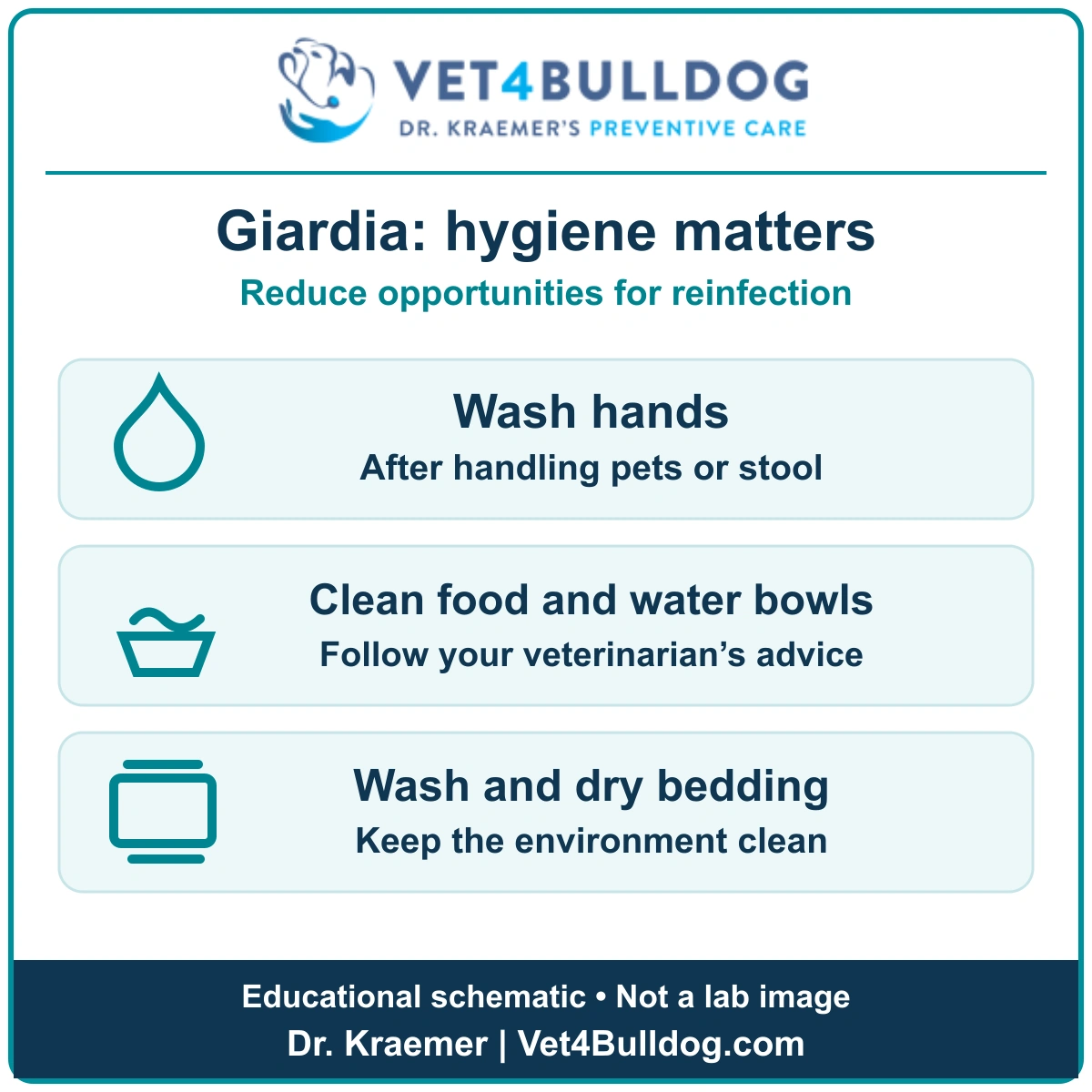
Practice good hygiene, including washing hands thoroughly with soap and water after handling animals or coming into contact with potentially contaminated areas.
Giardia Infection in Bulldogs and French Bulldogs Tips & Warning:
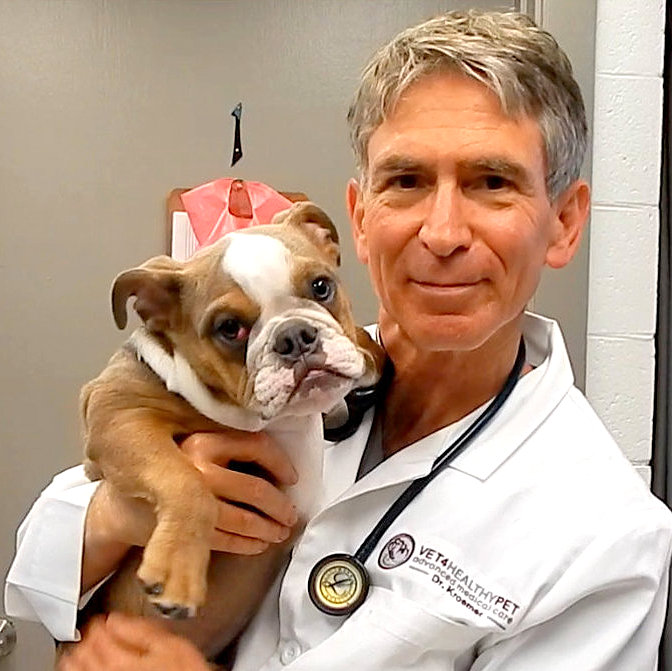
Below are selected Giardia tips and warnings, courtesy of Dr. Kraemer
BULLDOG GIARDIA TREATMENT TIP
Treating for giardia based on symptoms despite a negative test result is prudent because no single test is 100% reliable.
BULLDOG GIARDIA HYGIENE TIP
Use proper hygiene. Wear gloves and wash hands after handling infected pets or their feces
BULLDOG GIARDIA REINFECTION TIP
Remove your bulldog puppy’s feces and discard it as soon as possible to minimize contamination and reinfection.
GIARDIA BULLDOG ANTISEPTIC TIP
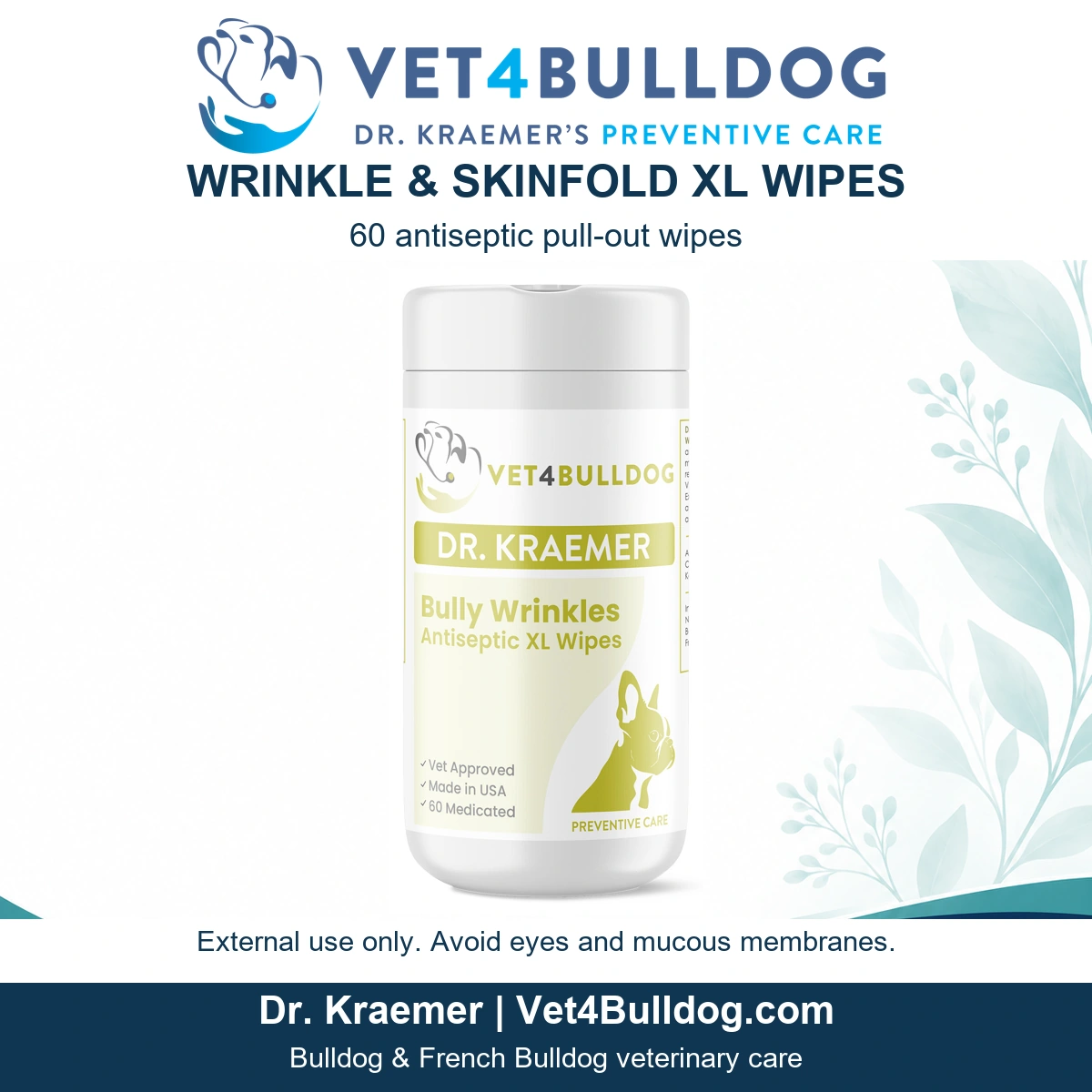
If there are feces around the anus and tail, treat your bulldog puppy with an antiseptic shampoo, waterless antiseptic gel, spray or wipe
- Bully Antiseptic XL Wipe
- Bully Antiseptic Spray
- Bulldog Antiseptic Waterless Gel
BULLDOG GIARDIA GROOMING TIP
Trim the hairs around the anal area
BULLDOG GIARDIA OTHER PETS TIP
If you have other pets, have them also examined by your veterinarian.
GIARDIA ANNUAL FECAL TEST
Bring a fecal sample to your veterinarian to be tested at least once a year, even if your bulldog puppy appears healthy.
GIARDIA NEGATIVE FECAL TEST WARNING
Negative stool test results for Giardia can be misleading due to the intermittent shedding of the organism in the feces. This intermittent shedding can result in false-negative results, especially if the sample is collected during a period when the parasite is not actively being shed.
In cases where a pet exhibits clinical signs consistent with Giardia infection despite initial negative test results, it’s advisable to repeat the test within a week. This helps increase the likelihood of detecting the parasite during a shedding period, improving the accuracy of the diagnosis.
GIARDIA AND PUBLIC HEALTH WARNING
Children and immunodeficient individuals (e.g., persons undergoing chemotherapy, HIV-positive individuals) are more susceptible to contracting giardia from your pets.
GIARDIA AND PUBLIC AREAS WARNING:
Do not let your Giardia-infected pet defecate or swim in public areas.
Where did my Bulldog catch Giardia?
He was treated and he is positive again. Did the medication fail?
Does he really need a bath as part of the treatment?
One stool test came back negative. Is he clear?
He tested positive but his stool is perfectly normal. Does he need treating?
Can my family catch it from him?
How do I clean the yard and the house so this actually stops?
More Help from Dr. Kraemer
Giardia sits alongside the other causes of a bad stomach, so these are the pages that cover the rest of it.
- Intestinal worms and parasites in Bulldogs and French Bulldogs
- Colitis in Bulldogs and French Bulldogs
- Vomiting and diarrhea, gastroenteritis in Bulldogs
- Inflammatory bowel disease in Bulldogs and French Bulldogs
- Prevention and wellness guide for the Bulldog puppy
- Skin fold dermatitis in Bulldogs and French Bulldogs
If you have a question about your own dog, the Exam Room Q and A is where owners send them.
References
- Giardiasis in Animals, Merck Veterinary Manual
- Giardia Guidelines, Companion Animal Parasite Council
- Gastrointestinal Parasites of Dogs, Merck Veterinary Manual
Trusted by Vets ~ Recommended by Owners ~ Approved by Bulldogs