


Introduction to Bulldog French Bulldog UTI
Some bulldog owners view cystitis and UTI as one of the same.
While bulldog and French bulldog UTIs could lead to cystitis, it’s important to note that not all instances of cystitis are a result of UTIs.
Bulldog Urinary Tract Anatomy & Function
Urine formation in your bulldog’s body is a result of the blood filtration process.
Blood circulation (step 1)
A network of blood vessels circulates throughout your bulldog’s body, delivering essential oxygen and nutrients while collecting waste products.
Bulldog kidney (step 2)
The paired organs, the kidneys, serve as filters. They efficiently remove waste products and excess fluids from the blood. These waste products and fluids then combine with water to form urine.
Bulldog ureter (step 4)
Two slender tubes, known as ureters, transport the newly formed urine from the kidneys to the bladder.
Bulldog bladder (step 5)
The bladder is a muscular sac responsible for storing urine until it reaches a specific volume and pressure. This triggers the urge to urinate.
Bulldog urethra (step 6)
The urethra, a tube, facilitates the exit of urine from the body during the act of urination. It serves as the final pathway for the expulsion of urine from the bulldog’s system.
Your instinct about antibiotic overuse is a good one and I would not want to talk you out of it. In this particular situation it worked against you, and it is worth understanding why, because it is the opposite of what people expect.
A dog with a bladder infection feels better long before the infection is gone. The inflammation settles first, which is what you were seeing on day two. The bacteria are still there, in smaller numbers, and a short partial course is close to ideal conditions for the hardiest of them. They are the ones left behind, and they are the ones that regrow. So stopping early does not reduce antibiotic use. It usually guarantees a second course, often a longer one with a different drug.
Think of putting out a campfire. Kick dirt over it and the flames disappear, and the embers underneath are perfectly happy to wait for a breeze.
What I would do now is take him back in rather than restart what is left in the packet. Ask for a urine test before anything else, and if this is becoming a pattern, ask for a culture so the drug is chosen rather than guessed. Say exactly what you told me about stopping at four days, because it changes how they read the result and nobody will think less of you for it.
The way to honor the instinct you had, and I mean this, is to ask the questions at the start rather than shortening the course at the end: does he need an antibiotic at all, which one, for how long, and should the urine be re-checked when it finishes. That is antibiotic stewardship done properly, and it is a conversation most veterinarians are glad to have.
What Causes Bulldog and French Bulldog UTI?
A urinary tract infection (UTI) usually results from bacteria entering the urethra and progressing into the bladder, causing infection.
Urinary tract infections (UTIs) can impact any segment of the urinary tract, encompassing the
- kidneys (pyelonephritis)
- ureters, bladder, and urethra
Typically initiated by bacteria traveling up the urethra and entering the bladder or kidneys, UTIs manifest with varying symptoms contingent on the infection’s location.
Urinary Tract Infection (UTI) in Bulldogs / Cause
Most UTIs are due to ascending bacteria infection vaginally and up the urinary tract
1. Bulldog kidney pyelonephritis
When a Bulldog develops a urinary tract infection (UTI), it can affect various parts of the urinary tract, including the kidneys, a condition known as Bulldog pyelonephritis. Pyelonephritis is an infection of the kidneys and can be a serious complication of a UTI.

2. UTI And Bulldog urinary stones
Urinary stones such as struvite (triple phosphate) stones often develop secondary to urinary tract infections (UTIs). Conversely, the presence of urinary stones can influence factors such as urine pH, disrupt normal urine voiding, and affect the integrity of the mucosa and bladder wall.

3. Obesity and Bulldog UTI
Poor diet and obesity are significant contributors to urinary tract infections (UTIs) in bulldogs. These factors can lead to a weakened immune system, making it easier for infections to take hold. Additionally, obesity can cause physical changes that affect the bladder and urinary system, further increasing the risk of UTIs

4. Bulldog neurological disorder and UTI
Both bulldogs and French bulldogs are prone to several neurological disorders that can impact their ability to urinate properly, potentially leading to recurrent urinary tract infections (UTIs). The most prevalent of these conditions include:
- Intervertebral Disc Disease (IVDD): This condition involves the bulging or herniation of discs between the vertebrae, which can press on the spinal cord and nerves, affecting the dog’s control over urination.
- Spondylosis: is a degenerative disorder that affects the spinal vertebrae and may lead to bone spurs that can press on nerves related to bladder control.
- Vertebral Malformation: Any congenital or acquired deformity in the spine, such as spinal Bifida can lead to nerve damage or compression, impacting a dog’s ability to urinate normally.

5. Congenital abnormalities and Bulldog UTI
Inborn abnormalities, such as ectopic ureters, where one or both ureters bypass the bladder and directly connect to the urethra or vagina, along with other conditions that cause urinary incontinence or urine pooling in the bladder, significantly increase the risk of persistent or chronic urinary tract infections (UTIs).

6. Bulldog UTI due to hormonal disease
Endocrine diseases play a significant role in predisposing pets to persistent urinary tract infections (UTIs) due to their systemic effects, particularly on the immune system and metabolism. The most common endocrine disorders associated with an increased risk of UTIs include:
- Cushing’s Syndrome: leads to immune suppression
- Hypothyroid
- Diabetes Mellitus: High blood sugar levels can lead to glucose in the urine, which provides a favorable environment for bacterial growth.
7. UTI Due to medication and drugs
Prescription medications, while essential for treating various conditions, can sometimes increase the risk of urinary tract infections (UTIs) if not used appropriately or due to their inherent side effects. Examples include:
- Antibiotic Misuse: The incorrect use of antibiotics, such as using the wrong type, administering the wrong dosage, or not following through the entire prescribed duration, can lead to several issues. It may not fully eradicate the infection, leading to a recurrence or development of antibiotic-resistant bacteria. Additionally, inappropriate antibiotic use can disrupt the natural microbiome balance, reducing the number of beneficial bacteria and making the urinary tract more susceptible to infection.
- Steroids and Chemotherapy: These treatments have immunosuppressive effects, meaning they can weaken the immune system’s ability to fight off infections, including UTIs. Steroids can reduce inflammation but at the cost of dampening the immune response. Chemotherapy, aimed at killing cancer cells, also affects rapidly dividing cells of the immune system, thereby decreasing the body’s defense mechanisms. Both treatments can alter the normal microbiome and affect the integrity of the bladder wall, further increasing the risk of urinary tract infections.
8. Bulldog UTI due to skin fold dermatitis
Ascending infection from bulldog vaginal folds infectious dermatitis and hood vulva that harbor pathogens is a common cause of persistent and recurrent urinary tract infection
The third one is never bad luck
A Bulldog gets one urinary infection and that is life. A Bulldog gets three in a year and something is causing them, and the job stops being about this infection and starts being about that cause. In this breed the list is short and the top of it is nearly always the same thing: a deep vulval fold in a female, sitting right beside the opening, holding moisture and bacteria. Clear the infection without dealing with that fold and you are simply waiting for the next one.
The other items on that list are worth knowing because owners rarely think of them. A dog who cannot fully empty his bladder, whether from a back or nerve problem, leaves a reservoir behind every time, and bacteria do well in a reservoir. Diabetes puts sugar in the urine. Cushing’s and long term steroids quieten the immune response. Obesity contributes in several ways at once. None of these are fixed by another course of tablets.
Which brings me to the one thing I would ask of you if your dog has had this more than once: ask for a urine culture rather than accepting another empirical antibiotic. A culture tells us which organism is actually there and what will work on it, and in a recurring case it is the difference between treating the infection and feeding resistance. It costs more up front and it is cheaper by the third round.
Urinary Tract Infection in Bulldogs / Symptoms
Symptoms might slightly vary based on the infection location. Infectious cystitis pertains to the bladder, while urinary tract infection (UTI) can affect the entire urinary tract, extending to the kidneys (bulldog pyelonephritis).
Bulldog kidney infection symptoms
Symptoms may include:
- fever and chills
- flank pain
- nausea and vomiting
- bloody urine
Bulldog bladder infection symptoms
Bulldogs suffering from this infection will often present with:
- PAIN & DISCOMFORT: Bulldog cystitis can exhibit various degrees of pain and discomfort, often while urinating.
- HEMATURIA (blood in urine): Your French or English bulldog puppy may present with discolored red urine due to injury to the kidney, bladder wall, or urethra.
- SMELLY URINE: Your bulldog might present with urine that has a strange odor, often due to a bacterial infection
- DISCOLORATION: dark, bloody, and cloudy appearance
- PAINFUL STRAINING: Your bulldog may be squatting and straining while attempting to urinate, failing to produce more than a small amount of urine
- FREQUENT SQUATTING: showing an increased frequency in their urge to urinate.
- VOLUME: small amounts with each void but usually frequent
- ACCIDENTS: inappropriate urination
Bulldog UTI-LIKE Symptoms Warning
Distinguishing between urinary tract infections (UTIs) and other medical conditions that mimic UTI symptoms is crucial for proper diagnosis and treatment in bulldogs.
Examples are
- BACTERIAL PROSTATITIS: An infection of the prostate. In male bulldogs, bacterial prostatitis can cause similar urinary symptoms as UTIs due to the proximity of the prostate gland to the urinary tract.
- PYOMETRA & METERITIS: Infection of the uterus, in female bulldogs, might resemble cystitis because of the uterus’ anatomical proximity to the bladder.
Both conditions can present similarly to recurrent cystitis and may exhibit symptoms like hematuria (bloody urination), straining to urinate, and frequent urination. Differentiating between those conditions requires proper diagnostic testing and evaluation.

UTI In Bulldogs Diagnostic Test
- Urine analysis:
- urine ph
- WBC
- RBC
- Crystals
- Proteins
- etc

- Blood test
- kidney function
- sugar
- blood count
- thyroid levels
- etc
- Imaging:
- Radiographs
- Ultrasound
- Excretory urography (with or without a pneumocystogram): this intravenous dye contrast study “lights up” the kidneys and ureters while the pneumocystogram adds air to the bladder. It is very helpful in documenting pyelonephritis and is also of benefit in some cases as it helps detect stones in the urinary tract, and may identify other abnormalities, such as ectopic ureters

- Urine culture and sensitivity testing: play a crucial role in identifying the precise pathogen causing a urinary tract infection (UTI) and determining which antibiotics are effective in eradicating it.
UTI In Bulldogs and French Bulldog Prevention
Outlined are some key strategies for preventing urinary tract infection
- Lean Weight: Maintain a healthy weight through a proper diet and exercise to alleviate pressure on the bladder, reducing the risk of bacterial growth.
- Proper Hydration: Encourage frequent urination by providing readily available, fresh water. Enhance appeal with ice cubes or broth.
- Quality Diet: Opt for a high-quality diet rich in moisture and essential nutrients. Consult your veterinarian for tailored recommendations.
- Regular veterinary checkups and urine tests are necessary for the early detection of UTIs and for monitoring bladder health.
- Avoid Harsh Detergents: Refrain from harsh detergents when cleaning the vaginal area, opting for gentle alternatives.
- Sufficient Urination Opportunities: Ensure convenient urination options such as doggy doors or regular pee walks to maintain bladder health.
- Boost the Immune System:
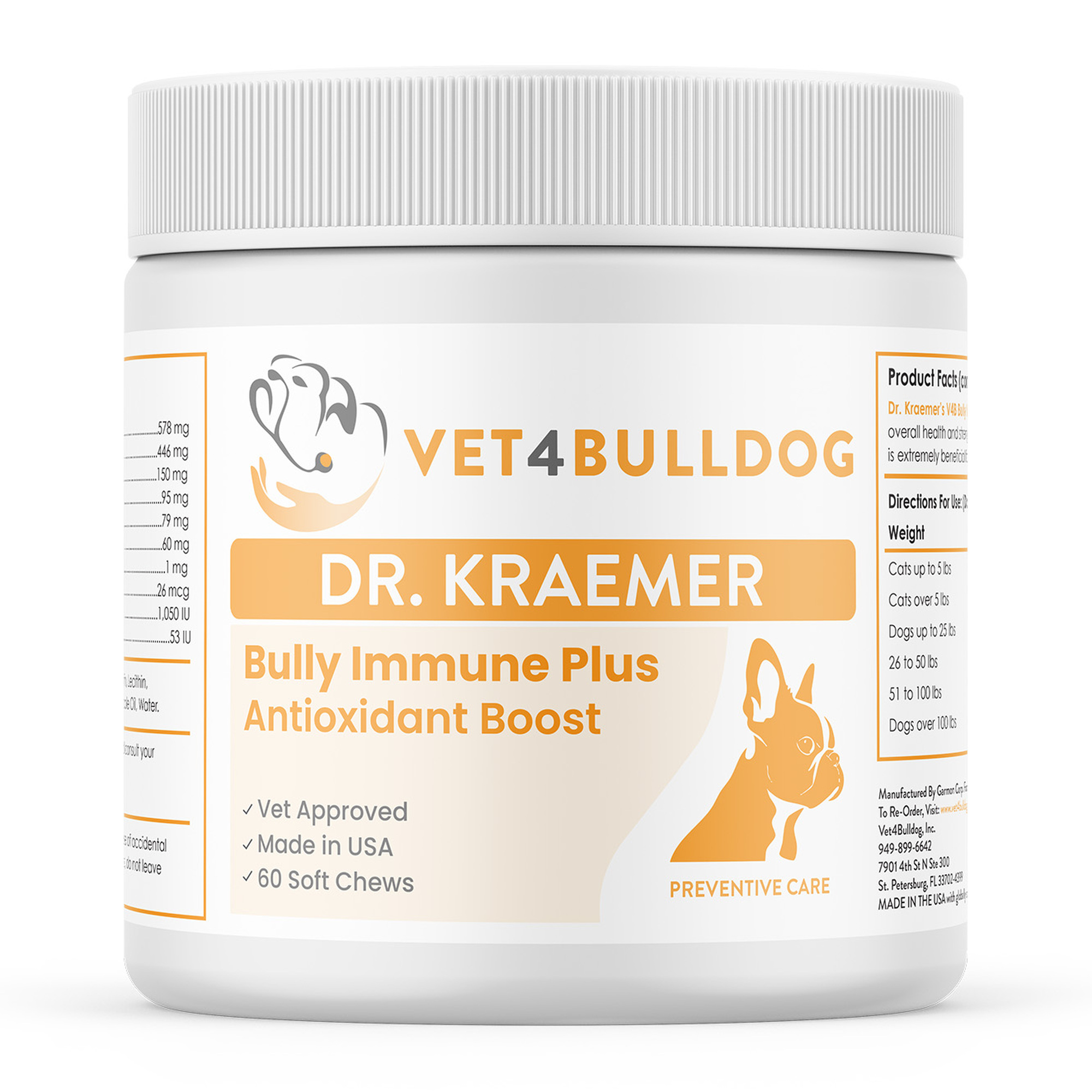
- V4B Bully Immune Support
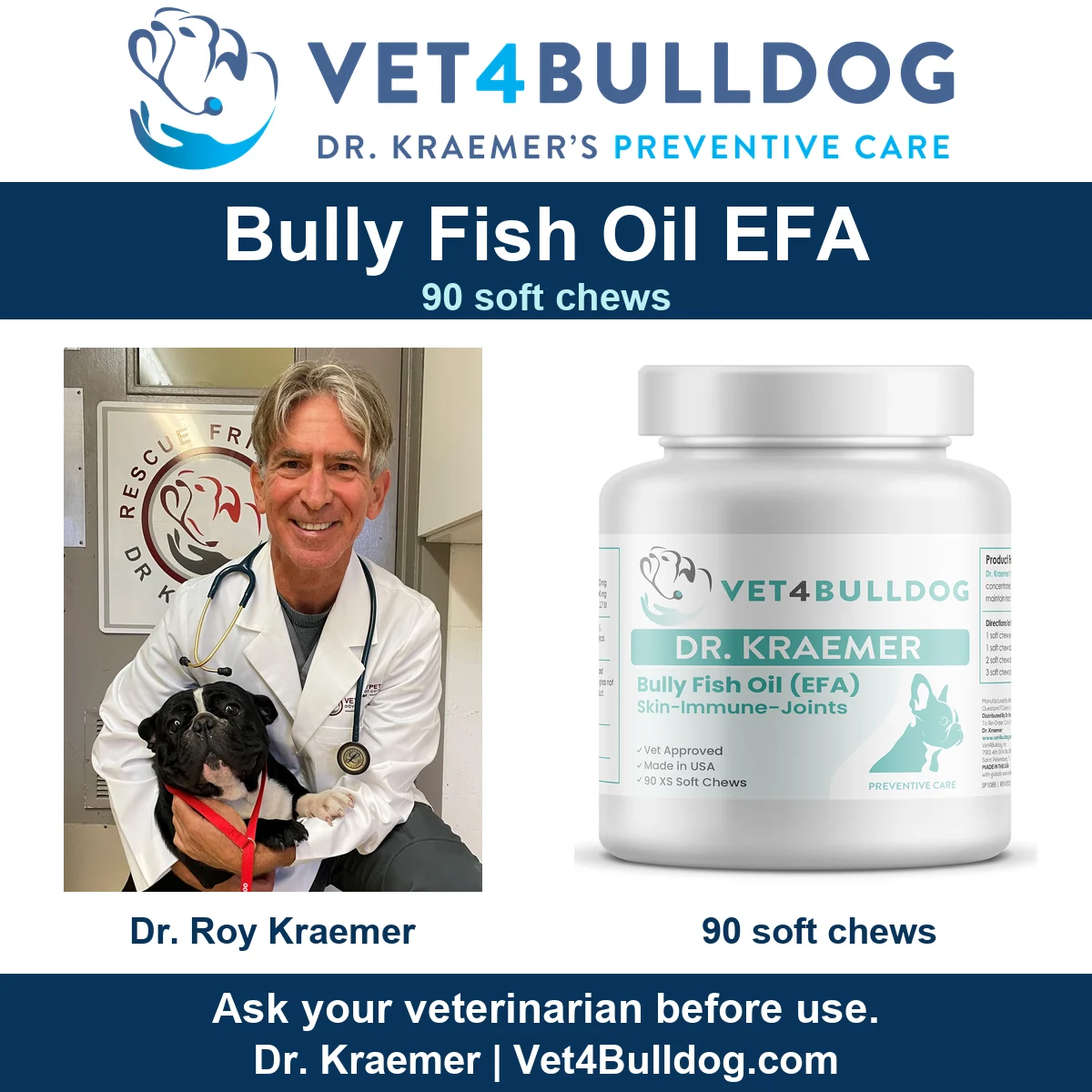
- V4B Bully Fish Oil EFA
- Stress-Free Environment and Playtime: Provide a stress-free environment with ample playtime and affection, promoting overall well-being.
- V4B Bully HEMP Calm & Relax
- V4B Bully StressLess Formula
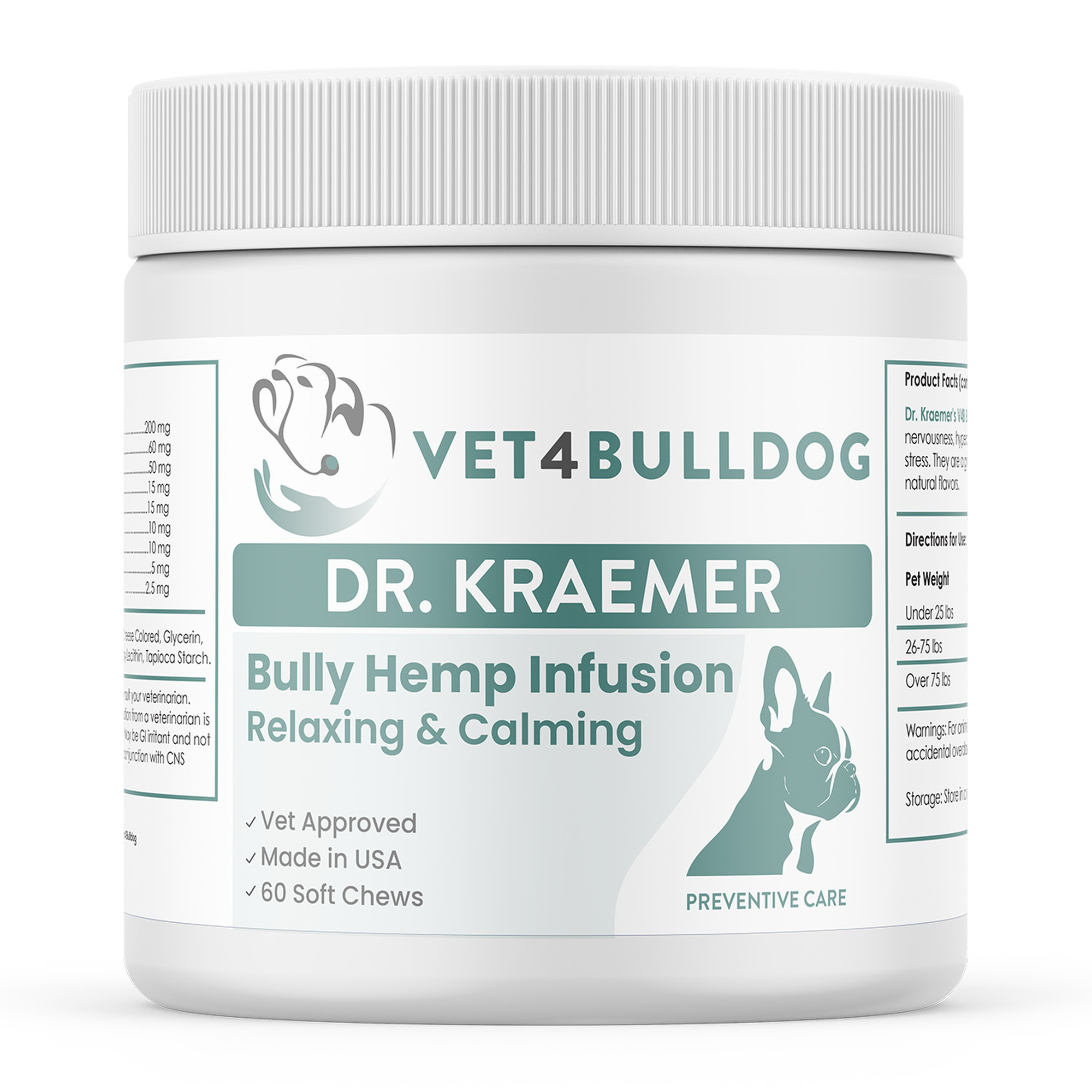
- Regularly clean and dry deep skin folds; maintain hygiene around the vulva to prevent moisture buildup and bacterial growth.
- V4B Bully Skin Fold Wipe
- V4B Bully Skin Fold Lotion

- Cranberry Urinary Therapeutic Supplements:
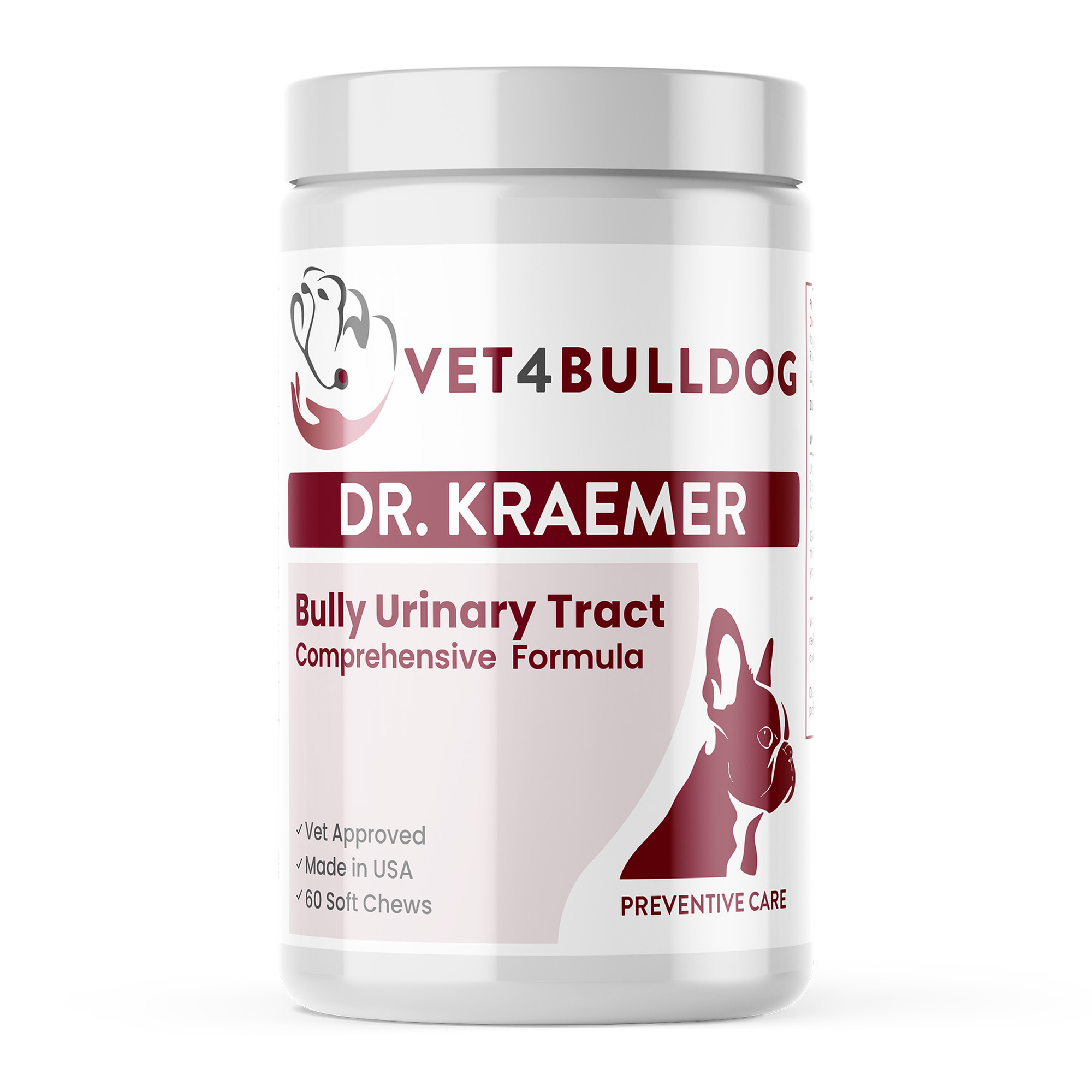
- V4B Bully Urinary Health Formula: may help prevent multidrug resistance bacteria biofilm
These strategies encompass a holistic approach to preventive care, promoting the well-being of bulldogs and minimizing the risk of urinary tract issues.
Comfortable is not cured
This is the quiet way a simple infection turns into a complicated one, and the owner almost never knows it happened.
The dog is treated, improves within a couple of days, and the remaining tablets go in the cupboard. The reasoning is kind and it is often environmentally minded: he is better, why keep medicating him. The trouble is that comfort returns when the inflammation settles, and the inflammation settles well before the bacteria are cleared. What is left behind at that point is not a random sample of what was there. It is the toughest part of it.
Do that two or three times and the organism you are dealing with is no longer the one you started with, and the list of drugs that still work is shorter. In this breed, where there is so often a reason infections keep happening, that matters more than in most.
So two things. Finish what is prescribed unless your veterinarian tells you to stop, and if the length of the course worries you, raise it at the start rather than acting on it halfway through.
The second thing is the one hardly anybody does. Have the urine re-checked after the course finishes, particularly in a dog who has had more than one. Feeling well is not a test result. A re-check is how you find out whether it is actually gone, and it is far cheaper than finding out the hard way in a month.
Bulldog Urinary Tract Infection (UTI) / Treatment
- ANTIBIOTICS: initiating antibiotic treatment based on urine culture results is essential for effectively treating urinary tract infections (UTIs) in bulldogs. The success of treatment largely depends on selecting an antibiotic to which the infecting bacteria are sensitive, administering it at the appropriate dosage, and adhering to the recommended duration of treatment without interruption. Performing a follow-up urine culture at the end of antibiotic treatment is often recommended to confirm the complete eradication of the urinary tract infection (UTI). This follow-up culture helps ensure that the antibiotic therapy has been successful in eliminating the bacteria causing the infection.
- PAIN CONTROL RX: NSAID and other analgesics
- SURGERY: in some cases, surgery will be required, examples are
- urinary stone removal
- ectopic urethra repair
- polyp or tumor removal
- vaginal skin fold dermatitis repair (vaginoplasty)

- SUPPLEMENTS:
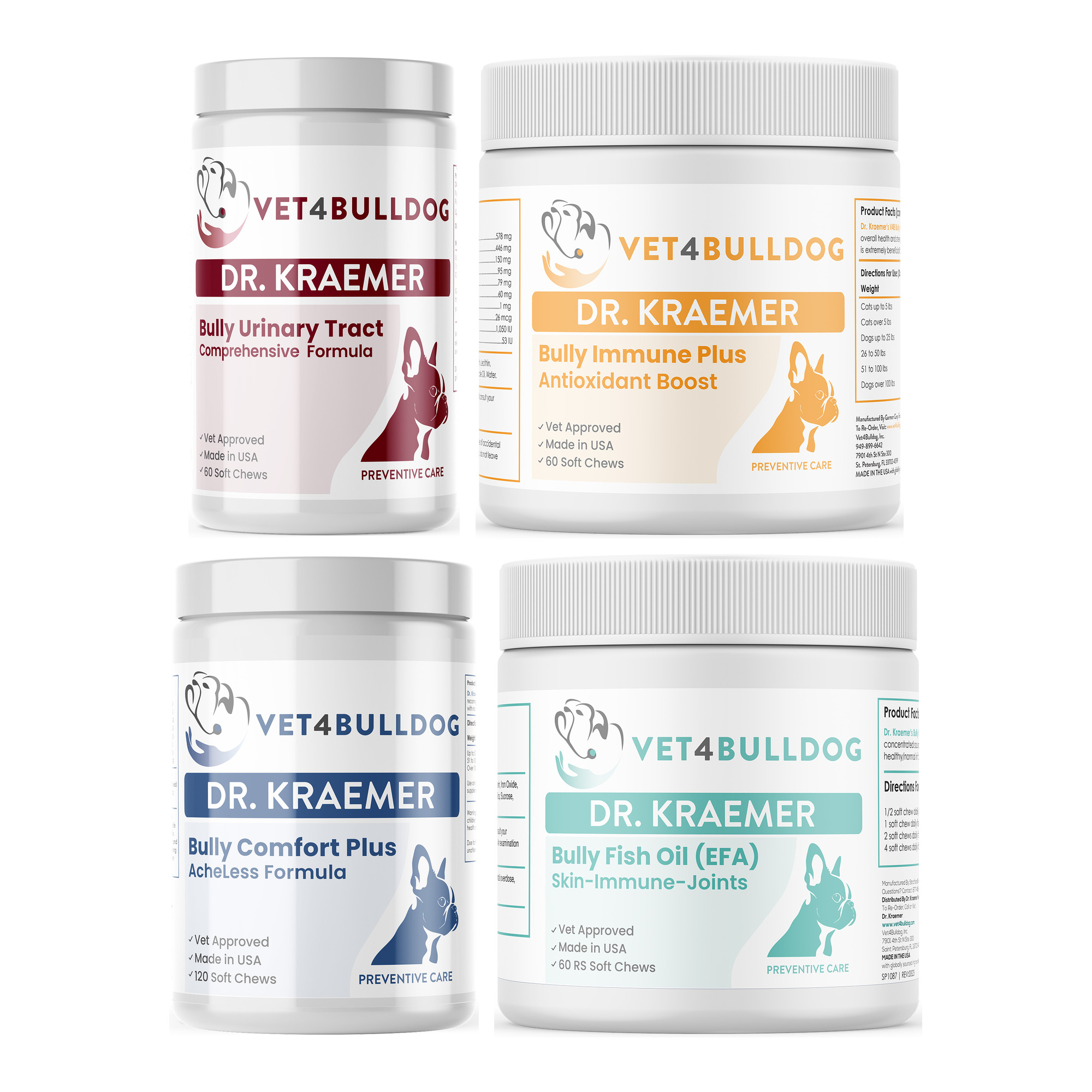
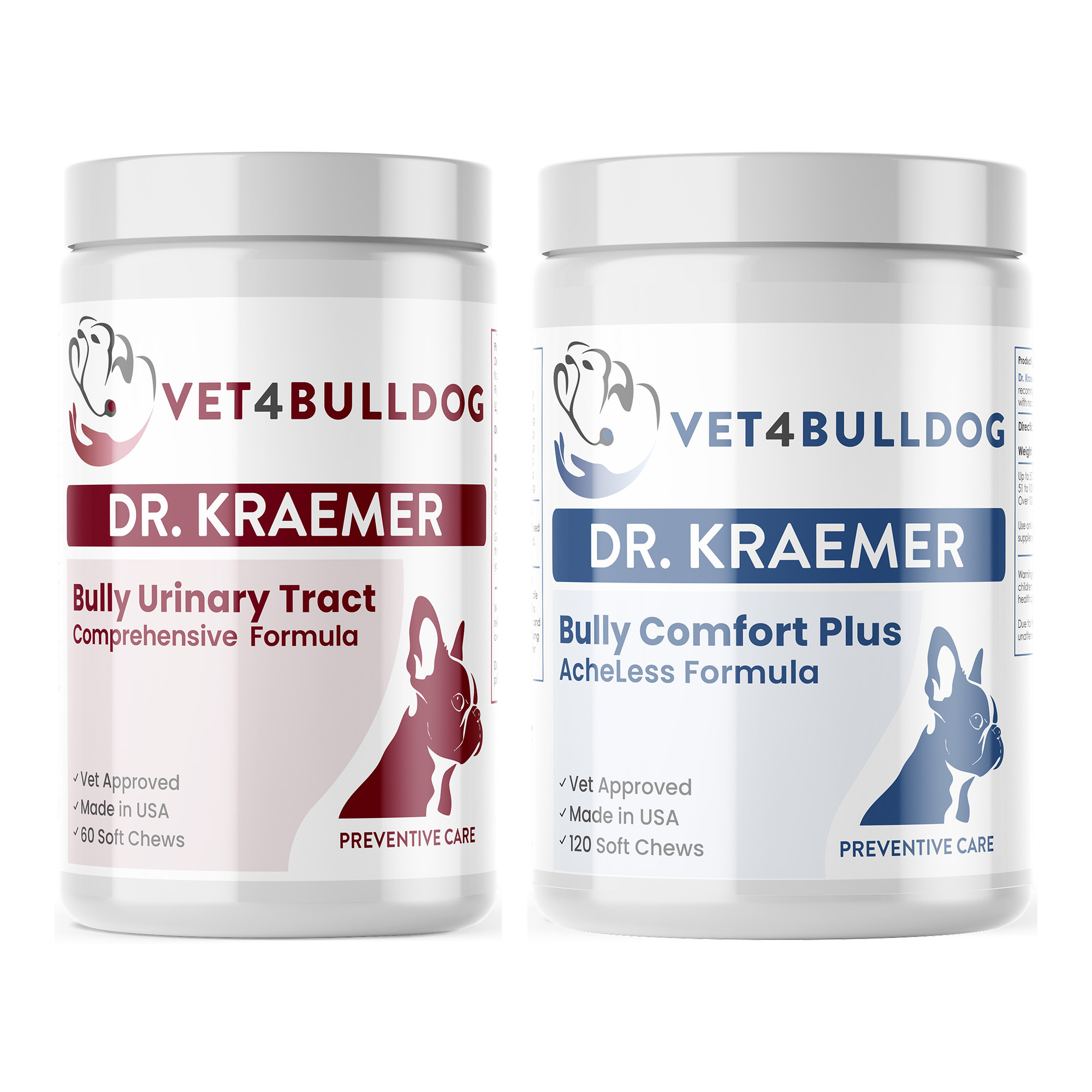
- Dr. Kraemer’s V4B Bully Urinary Support Forumla: help prevent biofilm (resistant bacteria)
- Dr. Kraemer’s V4B Bully AchLess & Comfort: helps to manage pain and discomfort
- Dr. Kraemer’s V4B Bully Fish Oil Chews: help reduce inflammation
- Dr. Kraemer’s V4B Bully Immune Support: helps boost the immune system
4. TOPICALS: Keep your female English bulldog or French bulldog puppy’s vaginal folds dry and clean.
- “V4B Bulldog Skin Fold Antiseptic Wipes” once or twice daily.
I want to be plain, because this is a page where the wrong impression could do harm. If your Bulldog is straining, passing blood, or producing nothing, that is a veterinary appointment and in some cases an urgent one. A diagnosed infection is usually treated with a prescription, chosen properly, and nothing on our shelves replaces it or should delay it.
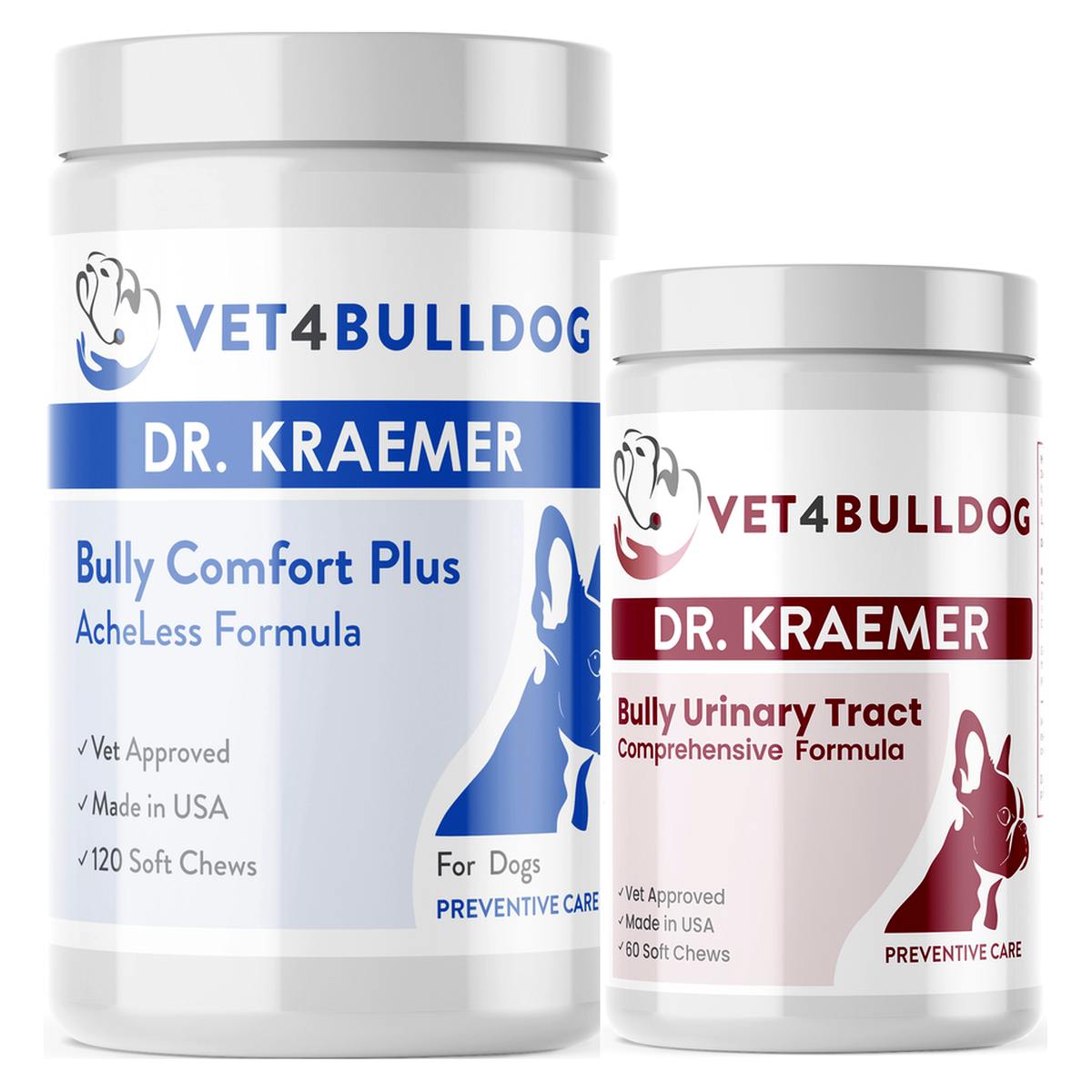
Where our urinary range earns its place is the other half of the problem: the Bulldog who keeps getting them. The chews are supplements, so they may help support urinary tract health alongside the plan your veterinarian has set rather than instead of it, and the antiseptic care in the bundles is aimed at the vulval fold, which is the most common reason a Bulldog bitch keeps reinfecting herself. The Ultimate bundle is built for exactly that recurring case, and the chews on their own suit a dog who simply needs ongoing support. Review any of it with your veterinarian first so it fits what they are already doing, and give it a good few weeks before judging whether it has changed anything.
To be clear: supplements or topicals are not substitutes for prescribed treatment. If your dog is unwell, is being treated for a condition, or is already on medication, review any supplement or topical with your veterinarian so it fits the plan you are already following. This page is educational and is not a diagnosis or a treatment plan for your own dog.
UTI in Bulldogs and French Bulldogs : Tips & Warnings
Here are a few recommendations and cautions curated by Dr. Kraemer regarding this medical condition:
Bulldog UTI treatment tip
The treatment approach for urinary tract infections in bulldogs typically involves antibiotics. On the other hand, UTIs resulting from bladder stones will also require a
- specialized prescription custom diet
- proper hydration
- incorporating bully therapeutic supplements
Bulldog UTI surgical tip
In some cases, surgical intervention may be necessary to remove the bladder stones and alleviate the condition. Regular veterinary consultation is crucial to determining the most appropriate course of action based on the specific diagnosis and needs of your bulldog.
Bulldog UTI hydration tip
Increasing the water intake of your bulldog and French bulldog is recommended to prevent crystallization and the formation of new stones. This can be achieved by offering additional drinking water and incorporating moist food into their diet. Adequate hydration is essential to dilute the urine and discourage the development of crystals or stones in the urinary tract. Regular access to fresh water and moisture-rich food can contribute to the overall urinary health of your pets.
Bulldog UTI therapeutic supplements tip
Supplements containing polyphenols found in cranberry marshmallow root, echinacea, astragalus, and Oregon grape root extracts have been shown to help reduce the adhesion of pathogenic-resistant bacteria to the cell surface (biofilm).
Another helpful bulldog therapeutic supplement is:
- Immune boosters
- Ache relief
- Live probiotics, and digestive enzymes
- Stress relief

UTI Testing & diagnosis warning
If your bulldog exhibits any signs of urinary distress, it is crucial to seek veterinary attention promptly for testing. Urinary issues can be painful for your pet, and delayed intervention may lead to additional complications. Early diagnosis and appropriate treatment are essential to address the underlying cause and alleviate discomfort, ensuring the overall well-being of your bulldog.
Bulldog urinary blockage warning
Male bulldogs possess a long and narrow urethra, whereas female bulldogs have a short and wide urethra. Consequently, male bulldogs face a significantly higher risk of urinary urethral blockage, where even small stones can obstruct normal urination.
Such cases are considered emergencies, as the obstructing stones should be removed as quickly as possible to relieve the blockage and prevent further complications. Timely veterinary intervention is crucial to addressing this potentially serious condition in male Bulldogs
Can I just try cranberry supplements and see if it clears up?
She has had four of these in a year. Why does it keep happening?
What is a urine culture and do we need one?
He is straining and nothing is coming out. Is that just a bad infection?
There is blood in her urine. Does that mean it is serious?
How do I collect a urine sample from a Bulldog?
What does cleaning her skin folds have to do with her bladder?
More Help from Dr. Kraemer
Infections in this breed usually have a reason behind them. These pages cover the usual ones:
- Cystitis and bladder inflammation
- Bladder and urinary stones
- Vaginal fold dermatitis and the infections that follow it
- Urinary incontinence
- Cushing’s syndrome, a hormonal reason infections keep returning
- Are vets overprescribing antibiotics?
References
- Merck Veterinary Manual. Infectious Diseases of the Urinary System in Small Animals
- Merck Veterinary Manual. Disorders of Micturition in Dogs and Cats
- Merck Veterinary Manual. Urethral Obstruction in Small Animals
- Merck Veterinary Manual. Antibacterials for Integumentary Disease in Animals
Trusted by Vets ~ Recommended by Owners ~ Approved by Bulldogs