


Let’s be honest…If you share your home with a Bulldog or Frenchie, you’ve probably accepted that drool is simply part of the décor. It somehow ends up [👇…]:
Why Is My Bulldog Drooling… and Is That Blood?
Drooling somehow ends up on the windows, the couch, your favorite black shirt, and occasionally your face.
Living with a bully means learning to laugh about the slobber.
While drooling is perfectly normal for many bulldogs and French bulldogs, excessive drooling and bleeding from the mouth or gums should never be ignored.
Let’s look at the five most common causes and what you can do about them.
#1 Gingivitis: The Most Common Cause of Bulldog Drooling and Bleeding Gums
Think of gingivitis as your Bulldog’s car dashboard panel blinking red. Nothing has completely broken yet, but it’s asking for attention before a small problem turns into a painful and expensive one.
What Is Bulldog Gingivitis?
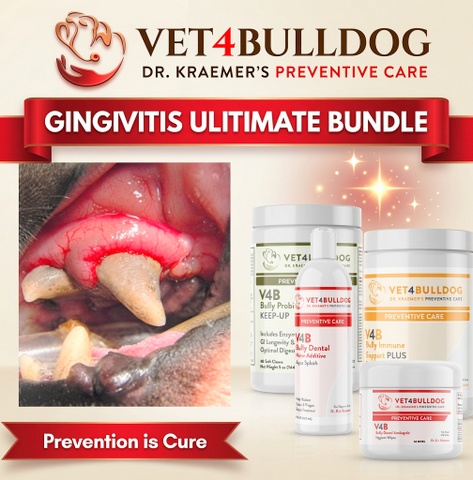
Gingivitis is simply inflammation of the gums.
Healthy gums should be firm and pink. When they become bright red, swollen, puffy, or begin bleeding its time to see your vet.
Can Gingivitis be Reversed?
The good news is that gingivitis is one of the few dental problems that can often be reversed if caught early.
Can Gingivitis be Prevented?
Daily prevention doesn’t have to involve wrestling your bulldog with a toothbrush…although if yours cooperates, consider yourself one of the lucky few!
Excellent oral care can also include an
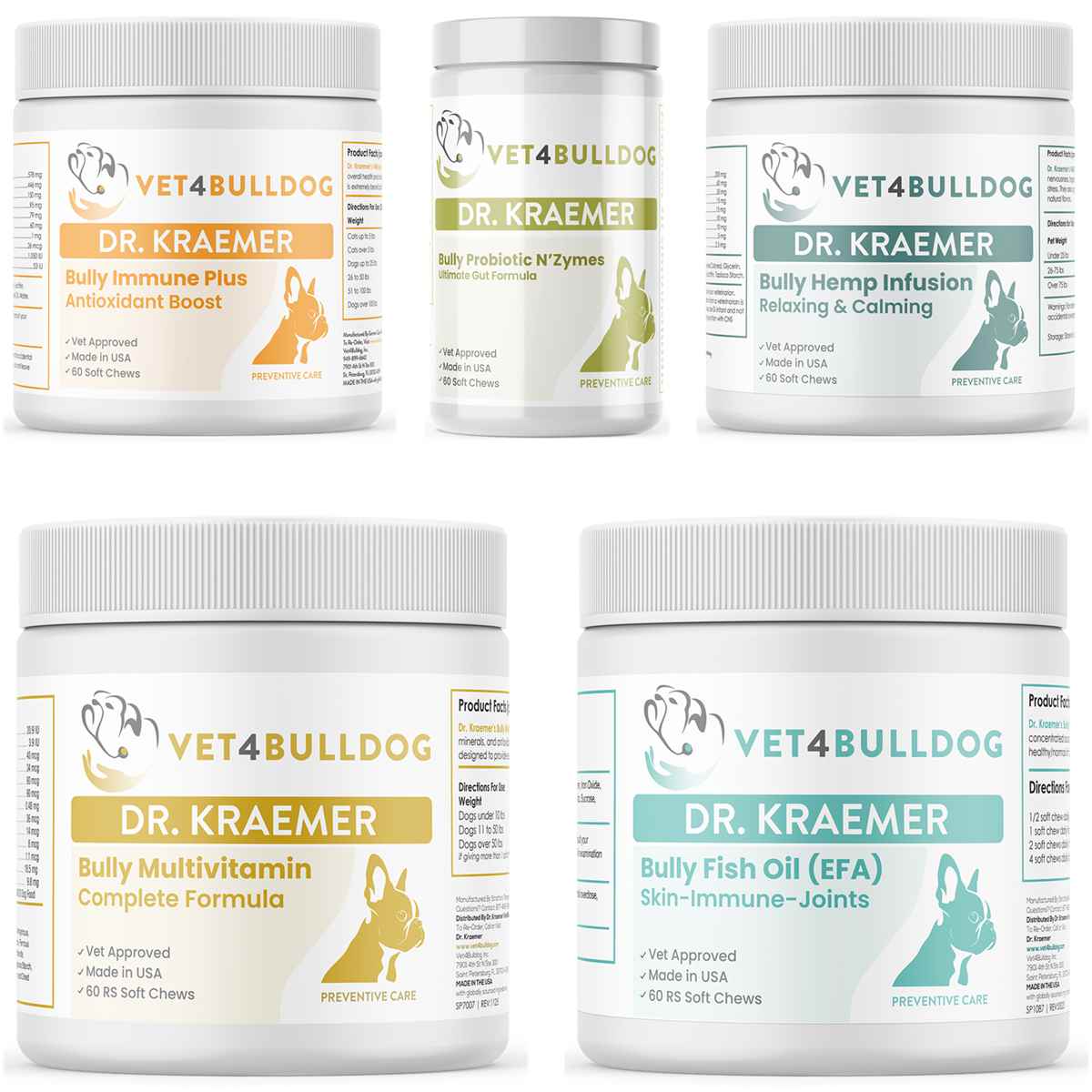
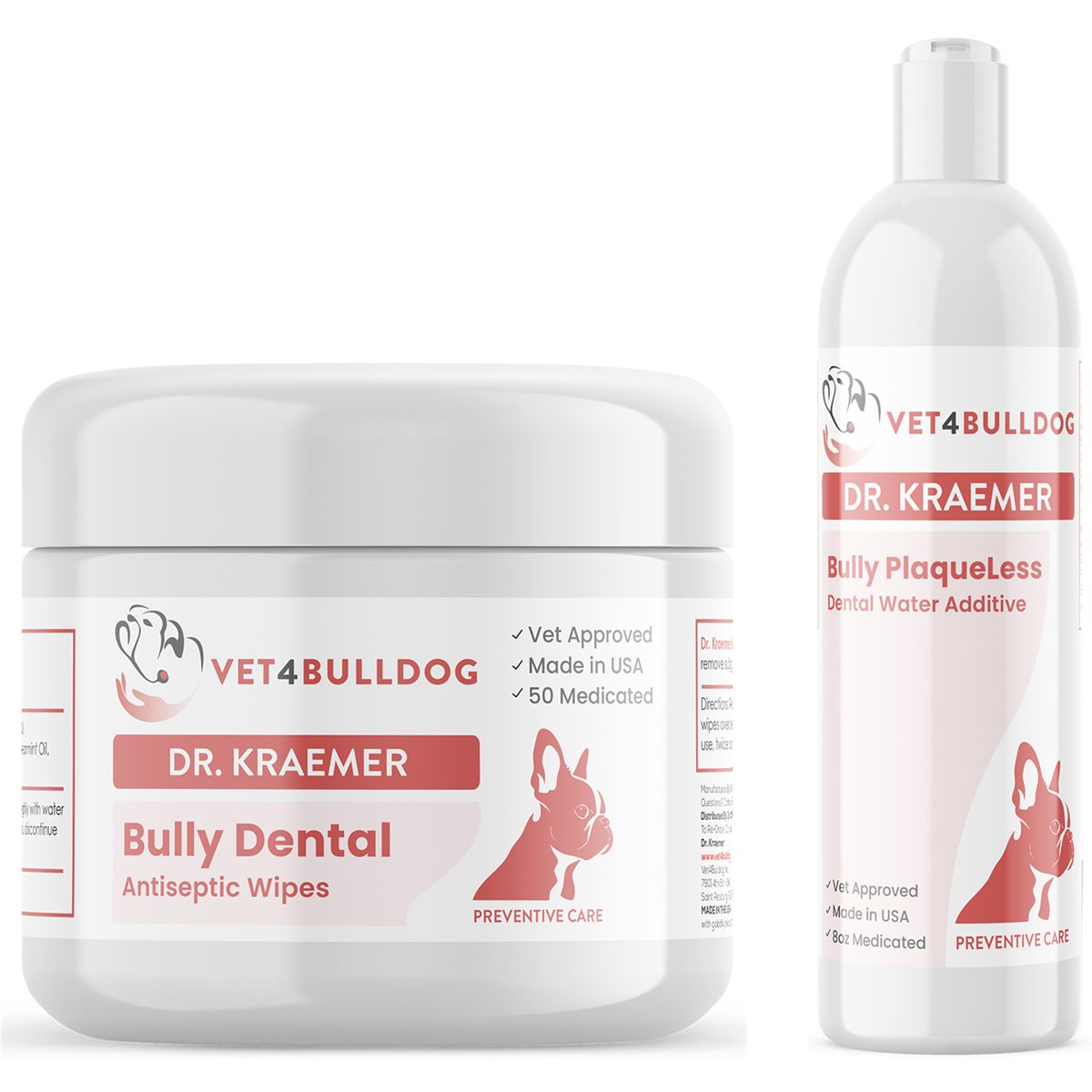
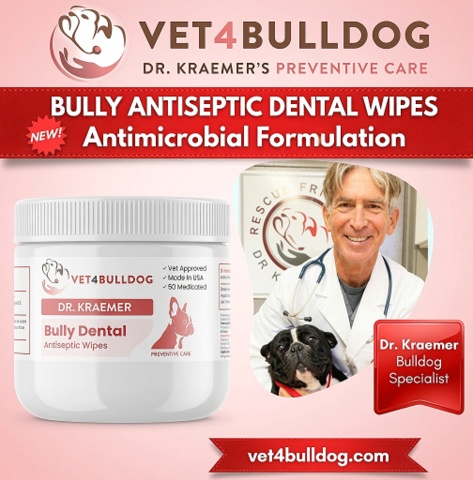
- Bully PlaqueLess antimicrobial water additive
- Bully antiseptic dental wipes
- Quality nutrition
- Immune support
- and a quick weekly look inside your bully’s mouth.
Preventing plaque & tartar will help prevent gingivitis
Should I Schedule A Dental Clean For Gingivitis?
If plaque and tartar have already developed, your veterinarian may recommend a professional dental cleaning with dental X-rays under
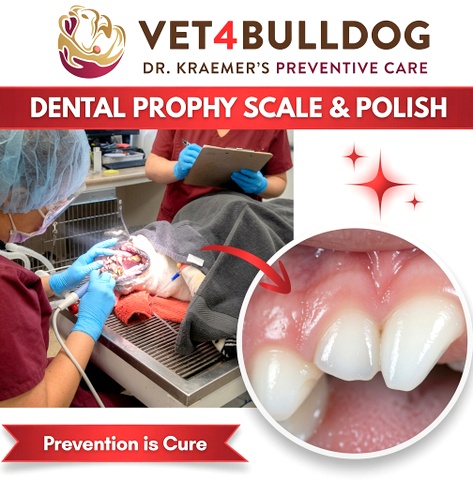
The earlier the problem is addressed, the simpler, safer, and less expensive treatment usually becomes.
#2 Periodontal Disease Leading To Drool and Mouth Bleeding
If gingivitis is the check engine light, periodontal disease is the smoke alarm, flashing lights, and the fire department all arriving at once.
When the Warning Light Becomes a Fire Alarm
What is Bulldog Periodontal Disease?
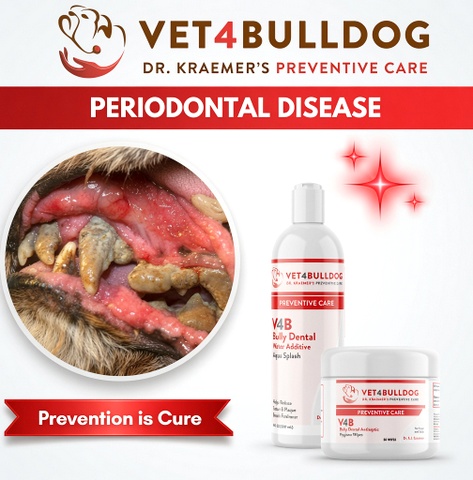
Periodontal disease is no longer just inflamed gums, but rather damaged tissues, ligaments, and bone that hold the teeth in place compounded by bacteria infection.
How Can I Tell If My Bulldog Has Periodontal Disease?
Dogs with periodontal disease often develop
- persistent bad breath
- increased drooling
- bleeding gums
- loose teeth
- and at times pain when eating.
Is Bulldog Periodontal Disease a Serious Health Issue?
Yes and the concern goes well beyond the mouth.
Chronic dental infections may allow bacteria to enter the bloodstream, potentially affecting the heart valves, kidneys, and even the balance of bacteria within the digestive tract.
A healthy mouth truly contributes to a healthier body.
Can Periodontal Disease be Prevented?
The best treatment for periodontal disease is preventing it from developing in the first place.
Once it is present, most dogs require a thorough dental examination, dental radiographs, and treatment under anesthesia.
How Bulldog Periodontal Disease is Treated?
Severely damaged teeth may need to be extracted, while less severe cases may benefit from advanced dental procedures.
Depending on the severity, antibiotics, pain medication, and supportive immune care may also be recommended.
#3 Subgingival Hair: A Hidden Cause of Bulldog Drooling and Oral Bleeding
Here’s one that surprises almost every Bulldog parent…Your Bulldog can literally get hair stuck inside the gums….Yes, really.
What is Subgingival Hair?
Subgingival Hair is A Bulldog Problem Most Veterinarians Rarely Talk About. In fact, subgingival hair is a dental problem I see almost exclusively in bulldogs and French bulldogs because of their
- unique anatomy
- short faces
- deep facial folds
- coarse hair
- and constant licking
Combined they create the perfect storm for loose hairs to become trapped around the gums and teeth.
How Trapped Hair Causes Gingivitis and Periodontal Disease?
Unfortunately, those little hairs become magnets for bacteria.
Over time, packed hair can trigger gingivitis, progress to periodontal disease, and in severe cases even create painful oronasal fistulas (a small openings between the mouth and nasal cavity).
Where in The Mouth Should I Look For Subgingival Hair?
Loose hairs become packed between the gums and teeth, behind the upper lips, and sometimes even into the hard palate (roof of the mouth).
At first they may seem harmless, but once bacteria settle in, they become tiny infection factories.
It’s basically the unwanted houseguest that refuses to leave—and brings all its bacterial friends with it.
Can Subgingival Hair Be Prevented?
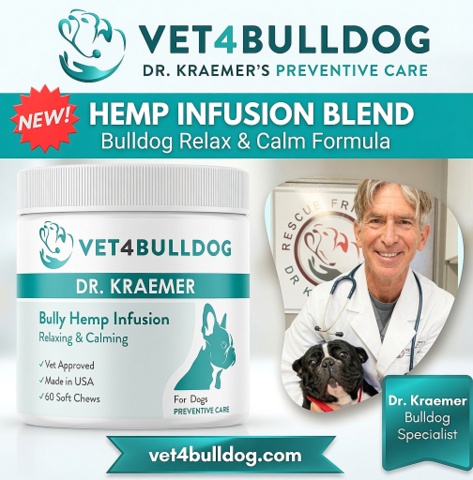
Fortunately, yes. Reducing excessive licking caused by allergies, itchy skin, stress, or anxiety can dramatically decrease hair accumulation.
Many Bulldog owners find that natural calming supplements, allergy support, or hemp CBD-based products help reduce constant licking and grooming.
What Home Tips Help Prevent Subgingival Hair?
One of the best habits you can develop is becoming your bulldog’s “mouth detective.”
Every week, gently lift the lips and look along the gums, especially where the upper lip meets the teeth.
If you notice trapped hair, gently remove it and wipe the area with an antiseptic dental wipe before bacteria have a chance to settle in.
Those thirty seconds each week can save your Bulldog from months of discomfort and disease.
How Best To Treat Subgingival Hair?
Once infection develops, home care alone usually isn’t enough.
A thorough oral examination under anesthesia is often required, along with dental radiographs, probing, and flushing of the affected areas.
In many cases, the packed hair has to be removed one strand at a time using delicate instruments.
How To Treat Oronasal Fistula?
If an oronasal fistula has formed, it is carefully cleaned and flushed until all debris and infection are eliminated.
Fortunately, many fistulas will heal once the trapped hair and infection are completely removed.
Depending on the amount of damage to the gums, ligaments, bone, and teeth, some teeth may also need to be extracted.
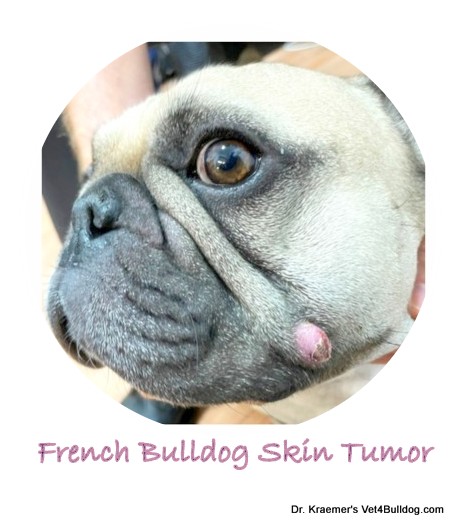
#4 Oral Tumors: Another Cause of Bulldog Drooling and Oral Bleeding
Oral Tumors, Don’t Panic… Most Aren’t Cancer
Finding a lump inside your bulldog’s mouth is enough to make any dog mom’s heart skip a beat. The good news? Many oral growths in bulldogs are completely benign
What Types of Oral Tumors Do Bulldogs Develop?
Most common oral tumors are not cancerous and can be observed by the owner on the gum surface.
Benign Non Cancerous Oral Tumors:
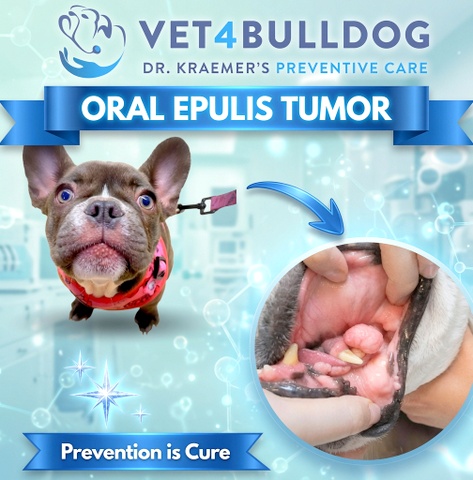
One of the most common is called an Epulis, a pink or reddish gum growth that often resembles a small polyp.
Some are firm, some are soft, and they may appear as a single lump or several small ones.
Fortunately, most Epulis tumors have an excellent prognosis.
What Are Cancerous Oral Tumors?
Unfortunately, not every growth is so friendly.
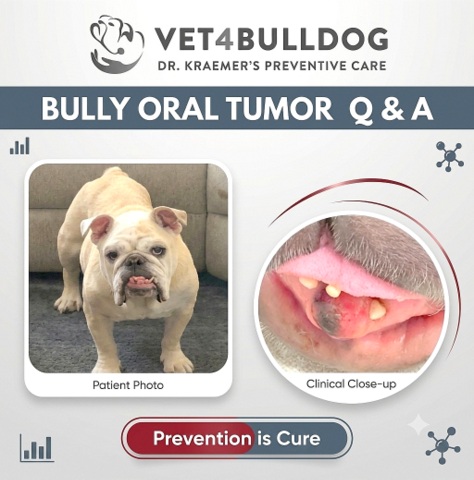
More aggressive oral cancers such as Squamous Cell Carcinoma and Fibrosarcoma can invade surrounding tissues and often cause
- excessive drooling & bleeding mixed with pus
- foul odor
- painful ulcerated areas
- difficulty eating
- and loss of appetite.
How Are Oral Tumors Diagnosed?
Experienced veterinarians can often recognize the appearance of many oral tumors during an examination.
However, the only way to know exactly what you’re dealing with is through a biopsy and histopathology, which allows the tissue to be examined under the microscope.
Can Oral Tumors Be Prevented?
Unfortunately, there is no guaranteed way to prevent oral tumors.
Like many cancers, genetics probably play a role, but lifestyle, chronic inflammation, nutrition, immune health, and long-term irritation of the gums may also contribute.
Keeping your Bulldog’s mouth healthy through routine oral care, a quality diet, immune support, and regular veterinary examinations gives you the best chance of catching problems while they’re still small.
Treatment For Bulldogs Non-Cancerous, Benign Oral Tumors:
Treatment depends entirely on the diagnosis.
Many benign Epulis tumors can simply be monitored if they are small and not causing problems.
Others are easily removed surgically, especially the softer growths.
Treatment For Bulldog Cancerous Oral Tumors:
Cancerous tumors require a more aggressive approach.
Depending on the individual case, treatment may include surgery, antibiotics for secondary infections, pain management, antiseptic mouth rinses, nutritional support, chemotherapy, and radiation therapy.
In many cases owners will prefer palliative care designed to keep your bulldog comfortable and maintain a good quality of life.
#5 BOAS and GERD: A Common Cause of Bulldog Drooling
BOAS and GERD … Sometimes the Drooling Starts in the Airway, Not the Mouth
Here’s a cause of drooling that surprises many bulldog owners.
Sometimes the mouth is perfectly healthy. The real problem begins with breathing.
What is BOAS?
Bulldogs and French Bulldogs are born with unique facial anatomy that makes them adorable…but it can also make breathing much more difficult.
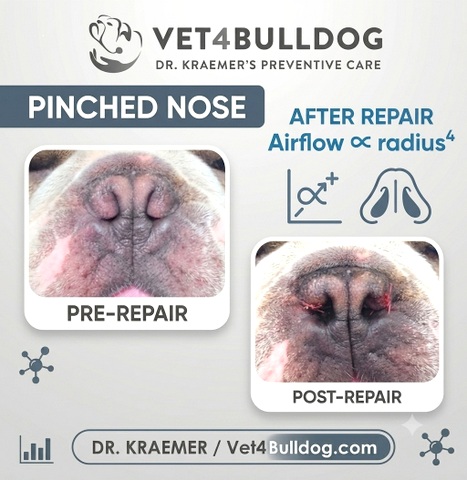
This condition is called BOAS (Brachycephalic Obstructive Airway Syndrome). It includes problems such as elongated soft palates, narrowed pinched nostrils, and other airway abnormalities that make every breath require extra effort.
What is GERD?
That increased pressure inside the chest doesn’t just affect breathing, it also increases the likelihood of developing GERD (Gastroesophageal Reflux Disease.)
Those bulldogs can experience acid reflux. Over time, stomach acid repeatedly splashes into the esophagus, causing inflammation called esophagitis.
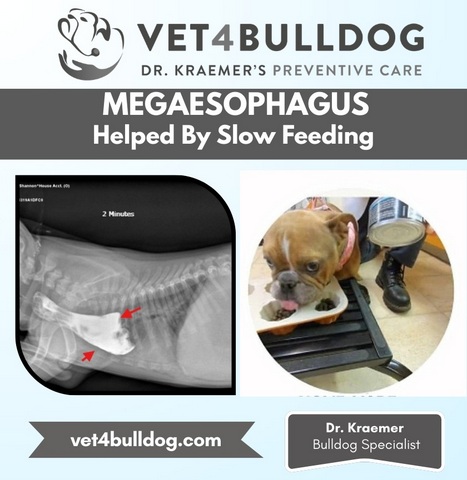
Left untreated, severe reflux may contribute to megaesophagus and even life-threatening aspiration pneumonia.
What Kind of Behavior Will My GERD Bulldog Exhibit ?
Many Bulldogs often exhibit GERD and drool excessively, swallow repeatedly, lick their lips, regurgitate food, or seem uncomfortable after meals.
Can BOAS and GERD Be Prevented?
The most effective prevention is correcting the underlying airway obstruction before permanent damage develops.
How Is BOAS Surgically Treated?
Early surgery to repair elongated soft palates and narrowed nostrils often dramatically reduces the development of GERD and improves quality of life.
Can a Hiatal Hernia Cause GERD in Bulldogs?
In more rare cases GERD is due to conditions such as a hiatal hernia it also may require surgical correction.
How Do I Manage BOAS & GERD Before Surgery?
While waiting for surgery, helping your Bulldog stay calm, cool, well-ventilated, and at a healthy weight can significantly reduce symptoms.
Treatment For BOAS & GERD
Beside surgery, treatment focuses on reducing reflux while making swallowing easier.
Most Bulldogs benefit from
- smaller meals
- soft food
- slow feeding
- elevated feeding
- and avoiding overeating.
Depending on the individual patient, your veterinarian may also recommend prescription medications to reduce stomach acid and reflux, drugs that improve stomach emptying and prevents vomiting.
Other Causes of Bulldog Drooling and Oral Bleeding:
While these are the five most common reasons bulldogs and French bulldogs drool or bleed from the mouth, they certainly aren’t the only ones.
Other possible causes include
- foreign objects such as foxtails or bone fragments stuck in the mouth or larynx
- toxins and poison
- oral injuries & trauma
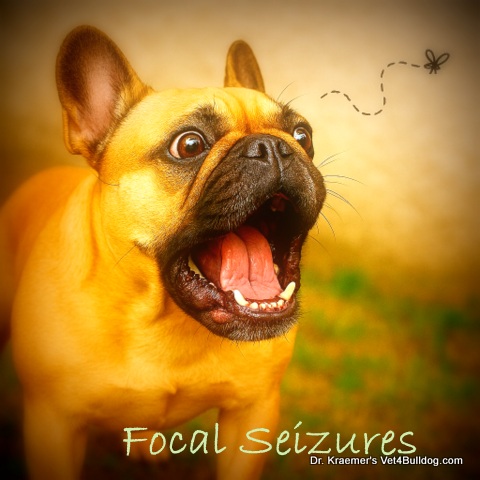
- seizures & other neurological disorders
- anxiety
When Should You Call Your Veterinarian?
The important thing to remember is this: The sooner the underlying cause is identified, the easier and often less expensive it is to treat.
Final Thoughts: Prevention Is Always Better Than Treatment
At Vet4Bulldog, we believe that a
quick weekly look inside your Bulldog’s mouth at home, bully Plaqueless water additive, and wiping with bully dental antiseptic wipe can prevent many of these problems. After all, our mission has always been simple:❤️ Prevention Over RX
Trusted by Vets ~ Recommended by Owners ~ Loved by Bulldogs


The information provided on this platform is for general informational purposes only. It is not intended as a substitute for professional medical advice, diagnosis, or treatment. Always seek the advice of your veterinarian regarding any medical condition. It's important to always consider professional medical advice promptly and not to delay seeking it based on information you've read on this platform. Any reliance on the information provided here is entirely at your discretion.