
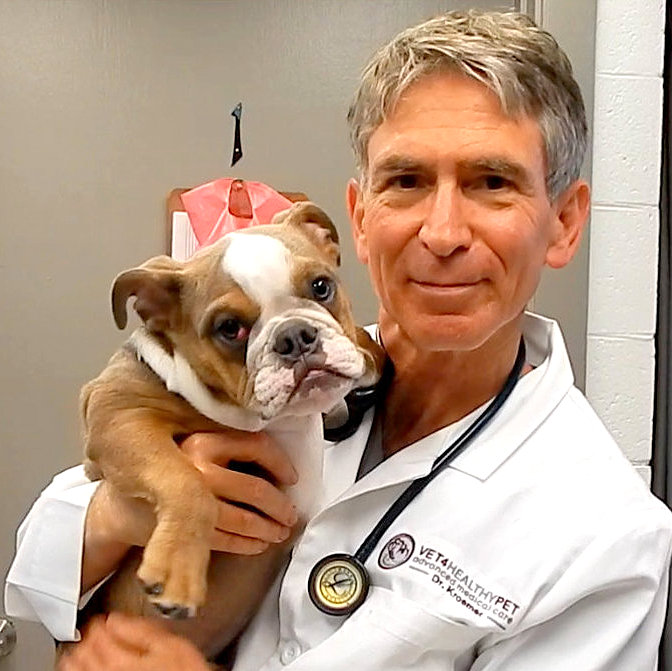


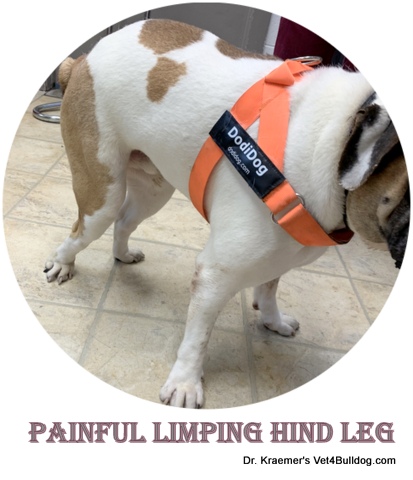
Why is your Bulldog limping? Learn about cruciate injuries, a slipping kneecap and hip dysplasia, and when a limp needs prompt veterinary attention.
When to call your veterinarian
Contact your veterinarian promptly if your Bulldog cannot bear weight, has sudden severe pain, or shows weakness or dragging of a limb. Keep activity restricted while you arrange an examination.
A limp is a sign, not a diagnosis. A knee, hip, paw or back problem can look similar at home. This guide covers three common orthopedic causes and the questions to take to your appointment.
Hind leg limping is more common than front leg limping and can stem from various causes, including
- trauma
- neurological issues
- orthopedic conditions
- and back problems.
Supporting Your Bulldog’s Mobility
An examination comes first when your Bulldog is limping. Everyday care includes
- ➡️ Maintaining a healthy weight
- ➡️ Ethical breeding practices
- ➡️Proper nutrition
- ➡️ Regular veterinary assessment and a discussion of any joint supplements.
Three Common Causes of Limping in Bulldogs and French Bulldogs
Three common orthopedic causes of hind-leg limping involve the knee or hip. Other causes, including paw injuries and neurological problems, also need consideration.
#1. BULLDOG ACL TEAR
Owners often call it an ACL tear. In dogs, the ligament is the cranial cruciate ligament (CrCL), a key stabilizer of the knee.
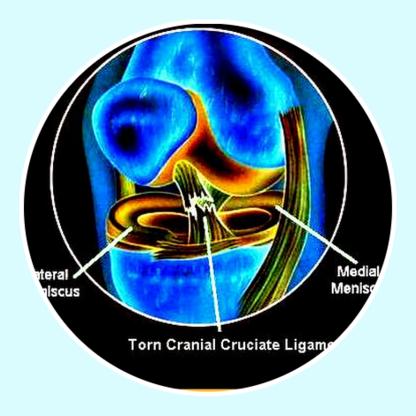
WHAT CAUSES BULLDOG ACL TEAR❓
ACL injuries are especially prevalent in Bulldogs due to their
- short legs relative to their body size
- predisposition to medial patella luxation (dislocated kneecap)
- Occasional hip dysplasia
Other contributing factors include:
- excessive inward rotation of the tibia
- a steep tibial slope
- compressed space between the femur and tibia.
PARTIAL TEAR vs. RUPTURED ACL 🚨
ACL injuries may be partial or complete. However, even partial tears cause inflammation, leading to the accumulation of synovial fluid and toxic byproducts.
Bulldog Knee Arthritis

Over time, these changes result in irreversible arthritis, chronic pain, and an increased likelihood of tears in both the injured and opposite knees due to overcompensation.
HOW TO DIAGNOSE ACL TEAR❓
Diagnosis starts with an orthopedic examination. Radiographs can help assess the joint and plan treatment; the ligament injury is not diagnosed from a limp alone.
- Limping
- non-weight-bearing
- Toe touching
- Pain and reluctance to move
WHAT IS THE IDEAL ACL TREATMENT❓
TPLO (tibial plateau leveling osteotomy) is one commonly used surgical option. Your veterinarian or surgeon will recommend a plan based on knee stability, size, activity and overall health.

WHAT SUPPORTS ACL RECOVERY❓
Ask your veterinarian about a recovery plan built around weight control, appropriate activity and rehabilitation. Additional treatments below are case-specific options; none should be presented as guaranteed prevention of another tear:
- Weight control
- Laser therapy
- Physiotherapy
- Regenerative treatments like stem cell therapy or PRP (Platelet-Rich Plasma)
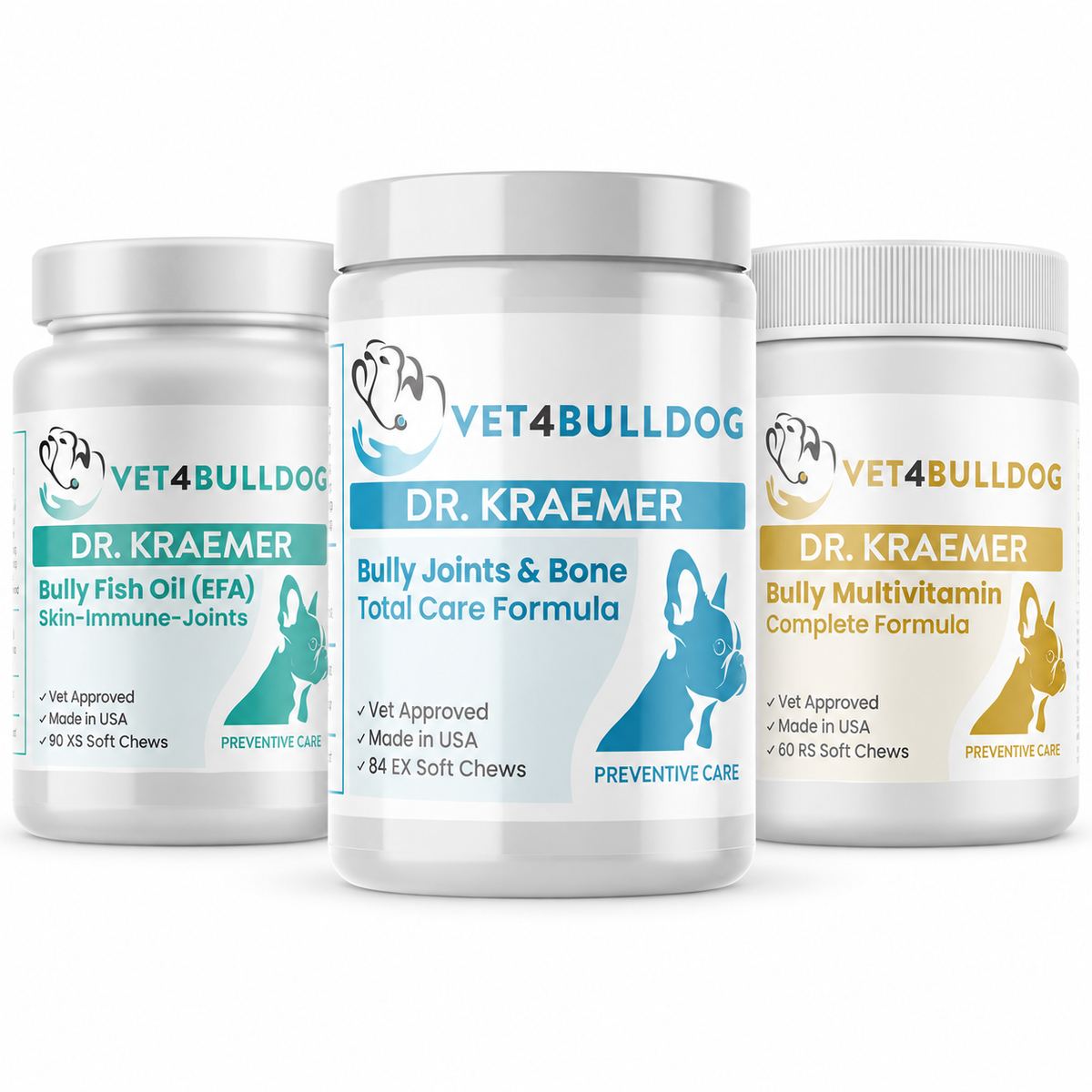
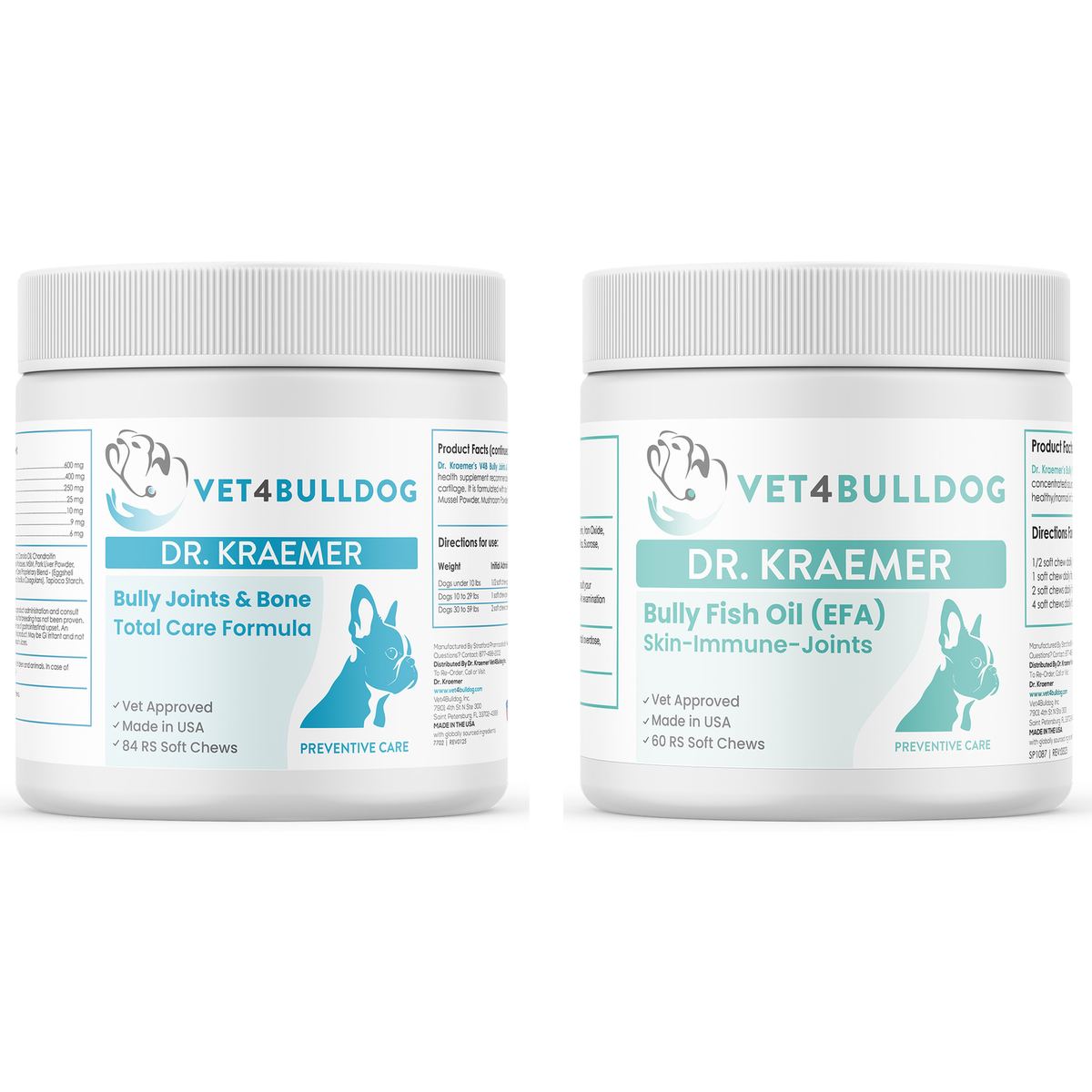
- Therapeutic Bully supplements
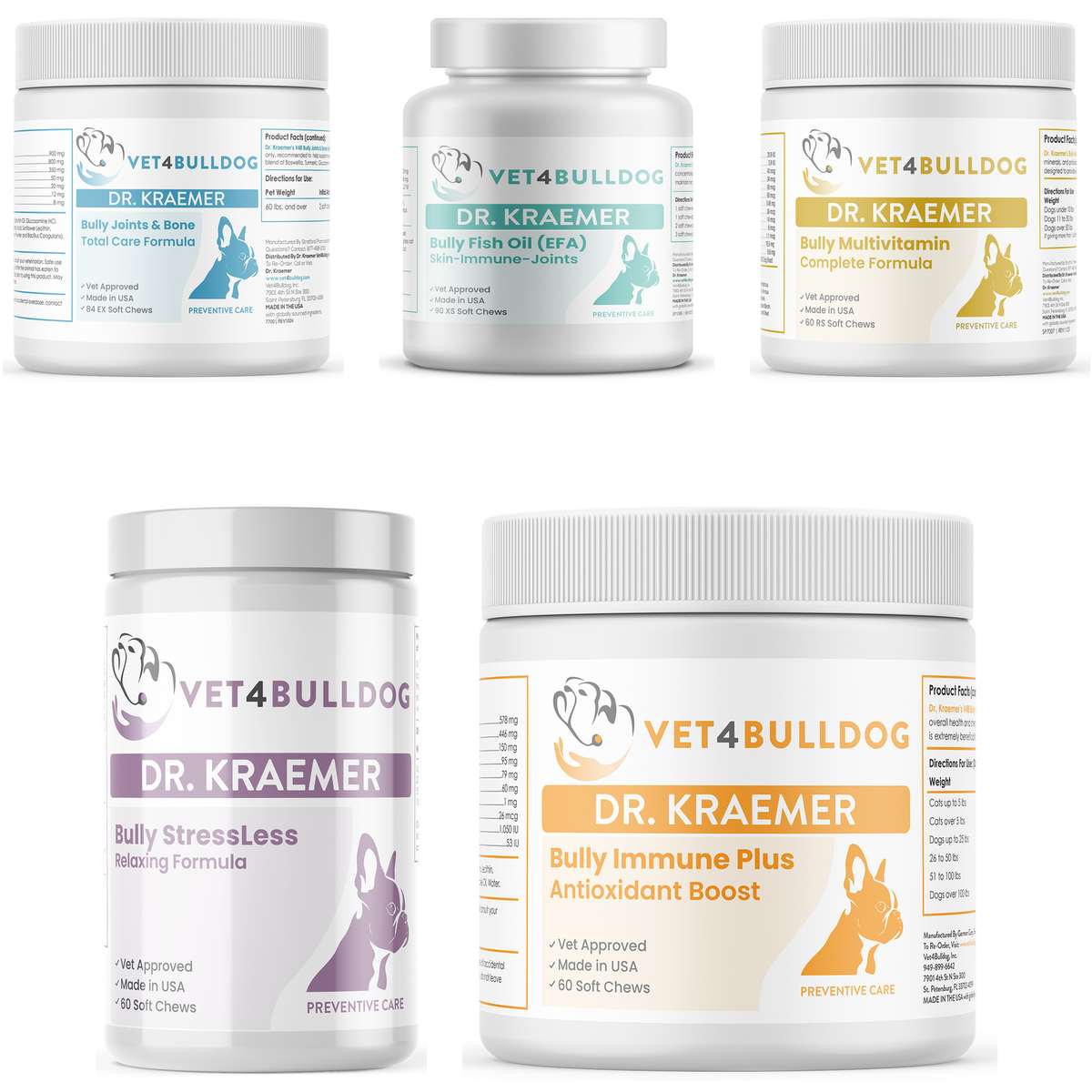
DISCUSS SUPPORTIVE PRODUCTS WITH YOUR VETERINARIAN
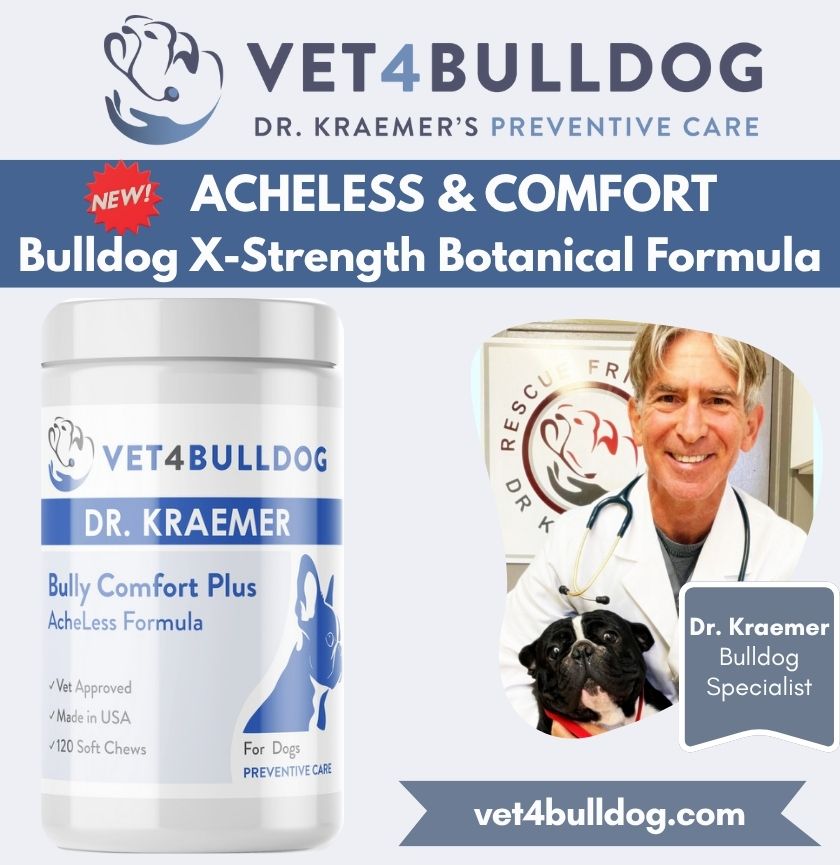
These products do not repair a torn ligament. Review the current labels, weight range and suitability before adding them to the care plan.
Delaying treatment often exacerbates arthritis and increases the risk of injury to the opposite leg.
🩺To learn more about Bulldog ACL, click HERE
#2 Bulldog Medial Patella Luxation (MPL)
The patella, or kneecap, is a small, dome-shaped bone that aids smooth knee joint movement and enhances the function of the quadriceps muscle group.
In Bulldogs, medial patella luxation (MPL) occurs when the kneecap slips out of its groove, typically toward the inner side of the knee.
WHAT ARE MPL SYMPTOMS❓
- Joint instability
- Pain
- A “skipping” gait
- Clicking sounds during movement
- Lameness and abnormal posture
- Increased risk of arthritis and ACL injuries.
BULLDOG MPL DIAGNOSIS:
MPL is diagnosed and graded during a physical exam and with radiographs.

MPL TREATMENT
There are four grades of MPL, with Grade 4 being the most severe.
Higher-grade MPL often warrants a surgical consultation. The recommendation depends on symptoms, limb alignment, age and examination findings.
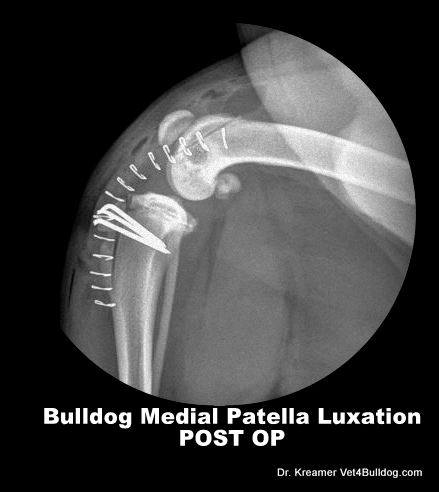
HOW CAN I HELP A BULLDOG WITH MPL❓
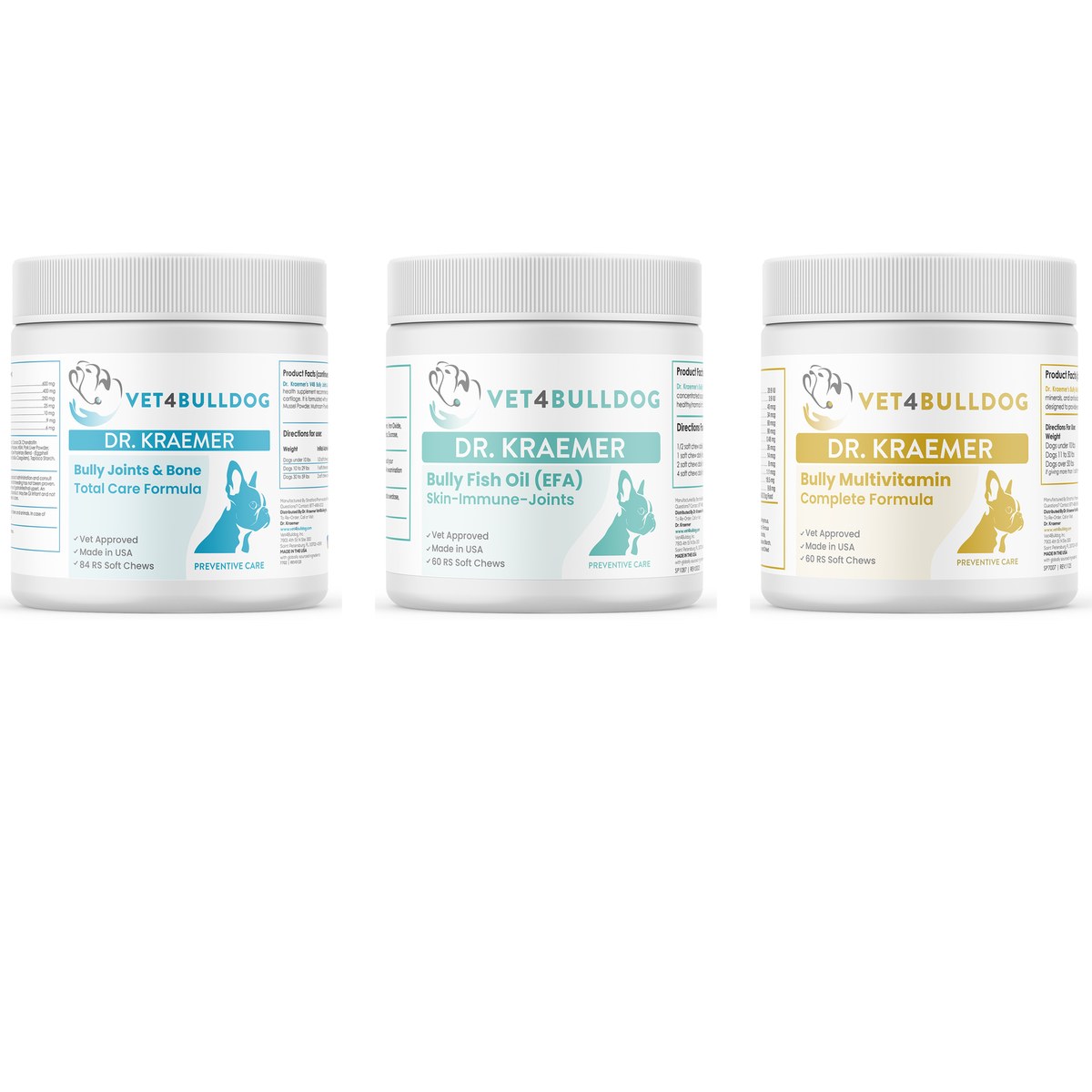
Discuss weight, activity and comfort with your veterinarian. Supplements do not put a displaced kneecap back into its groove. Depending on the individual dog, the care plan may include:
- weight management
- limiting jumping and stair use
- Bully therapeutic Joint supplements
🩺To learn more about Bulldog MPL, click HERE
#3 Bulldog and French Bulldog Hip Dysplasia
Hip dysplasia is a common orthopedic condition in Bulldogs and French Bulldogs, often without obvious clinical signs. It is frequently diagnosed incidentally during radiographs.
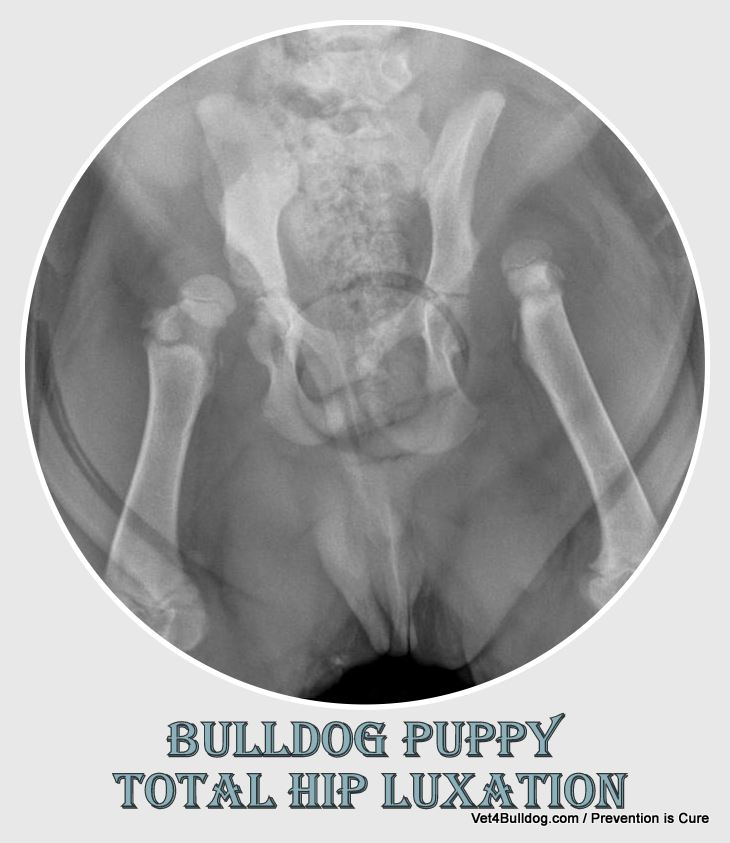
BULLDOG HIP DYSPLASIA SYMPTOMS
- Hip joint laxity
- A “belly dancer” gait with swaying hip motion. 🕺
- “Frog sitting” with the legs spread outward. 🐸
HOW TO PREVENT & TREAT BULLDOG HIP DYSPLASIA❓
Hip dysplasia treatment depends on pain, function, age and the joint findings. Your veterinarian may discuss medical management or surgery. Daily care can include:
- Weight control
- Controlled exercise
- A balanced diet
- Joint & Bone Therapeutic Bully Supplements
🩺To learn more about Bulldog HIP DYSPLASIA, click HERE
Other Causes of Limping in Bulldogs
- ➡️ Front Leg lameness: elbow dysplasia
- ➡️ Back, disc, and vertebral lameness: Issues such as
- ➡️ Osteoarthritis: Typically seen in older Bulldogs.
Lameness in Bulldogs and French Bulldogs: Summary
🩺For Bulldogs exhibiting limping or mobility issues, early diagnosis and appropriate preventive treatment are crucial for ensuring a better quality of life.

Trusted by Vets ~ Recommended by Owners ~ Loved by Bulldogs
The information provided on this platform is for general informational purposes only. It is not intended as a substitute for professional medical advice, diagnosis, or treatment. Always seek the advice of your veterinarian regarding any medical condition. It's important to always consider professional medical advice promptly and not to delay seeking it based on information you've read on this platform. Any reliance on the information provided here is entirely at your discretion.