
Ear Infection in Bulldogs and Otitis In French Bulldogs

By: Dr. Roy Kraemer |
DVM, Bulldog Specialist Veterinarian
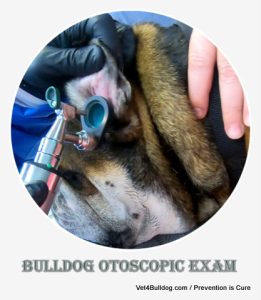
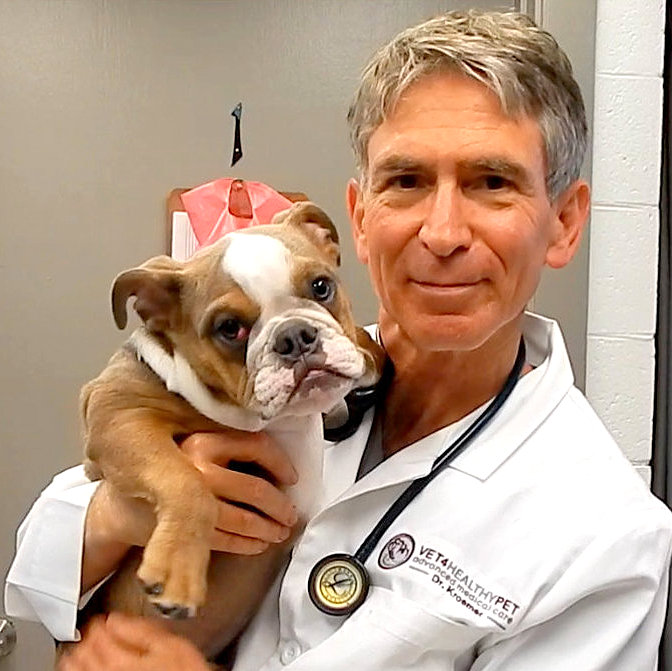
Dr. Kraemer performing an otoscopic ear exam on a Bulldog
Head shaking, scratching, and that unmistakable smell.
Bulldogs and French Bulldogs get ear infections more than almost any other breed because a narrow ear canal that cannot clean itself is warm, damp, and perfect for yeast and bacteria.
Most cases are driven by allergic otitis, and, if untreated, they can end in irreversible end-stage disease. Here is how to catch it early and keep it away.

Shop Ear Care →

Dr. K’s Quick Answer
Bulldog and French Bulldog ear infections commonly result from narrow ear canals, poor natural wax removal, and underlying allergies.
Early signs include odor, scratching, head shaking, redness, and discharge.
Early diagnosis, routine ear care, and treatment of the underlying cause can help prevent chronic, irreversible ear disease.

Bulldog Ear Infection Introduction:

Ear infections in bulldogs and French bulldogs are common in these breeds. This is primarily attributed to their genetically narrow ear canals and propensity for allergies. This condition has been exacerbated by selective breeding practices, making these beloved breeds particularly susceptible to ear-related problems. Common manifestations include:

  • itching (ears and, at times, skin)
  • pain
  • redness
  • smell
  • swelling

EARLY PREVENTION IS CRITICAL BULLDOG EAR DISEASE

What Is a Bulldog Ear Infection?

Ear diseases in bulldogs and French bulldogs often involve inflammation and infection.
These conditions are frequently associated with skin allergies and skin diseases (dermatitis).
Infections are usually secondary and often involve a mix of bacteria and yeast, though parasites such as mites are also possible.

Bulldog Ear Infection 5 X MUST KNOW

  1. Bulldogs are prone to ear infections due to their inherently narrow ear canals and propensity for allergies.
  2. They also suffer from poor upward cell migration and wax transport.
  3. Without early prevention and treatment, the ear narrowing can become irreversible (end-stage disease).
  4. Routine ear care and early treatment can help reduce the risk of recurrent infection and progression to end-stage disease.
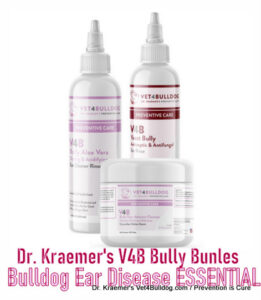
  5. Prevention and care include Dr. Kraemer’s Bulldog Ear Infection Otitis Bundles.

Members of this bulldog community prefer prevention over RX Bulldog Ear infection Bundle - Ultimate

BULLDOG EAR ANATOMY:

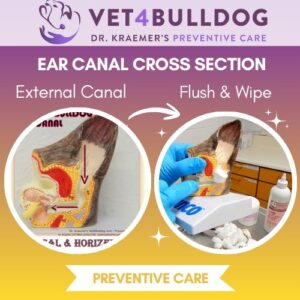
Your bulldog’s external ear canal starts vertically at the top and then takes a sharp 90-degree turn, becoming the horizontal external ear canal, ending at the eardrum (tympanic membrane). Bulldog normal External Ear canal

What Causes Bulldog and French Bulldog Ear Infections?

Here is a short list of the three most common causes of ear disease in bulldogs and French bulldogs:

1. BULLDOG ABNORMAL EAR CANAL 

Due to their brachycephalic, smooshed faces, bulldogs are born with abnormally narrowed external ear canals that hinder ventilation and the movement of ear wax.

2. BULLDOG ABNORMAL EAR CELL MIGRATION

In humans and most dog breeds, the ear canal’s mucosal cell migration and wax movement work upwards, functioning like a conveyor belt that gradually transports earwax outward over days and weeks. This natural process helps maintain a clean, acidic environment in the external ear canal, preventing infections. Unfortunately, bulldogs and French bulldogs often experience a disruption in this upward movement, with some even showing a reverse, downward migration of earwax and cells. This abnormality compounds the breed’s inherently narrow ear canals and significantly increases their risk of ear infections.

3. BULLDOG ALLERGIC OTITIS

Adding to these challenges is the breed’s tendency towards allergies. Environmental allergy (atopic dermatitis) is a common underlying cause of allergic otitis. Food allergy can also contribute in some dogs. This combination of a narrow ear canal and allergic predispositions makes ear infections a common and recurrent issue. Ear infections in bulldogs can start very early, sometimes within just a few weeks of age, highlighting the importance of vigilant ear care and monitoring for owners of these breeds.

ALLERGY IS A COMMON CAUSE OF EAR DISEASE bulldog allergic otitis

Bulldog Ear Infection Main Cause Summary:

  • Allergies:
  • Narrow Ear Canal
  • Poor Cell Migration
  • Lack of Upward Wax Movement

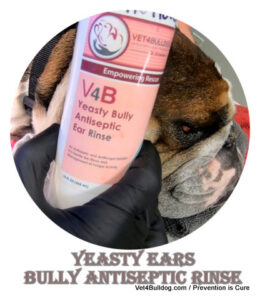
Yeast Bulldog ears Antiseptic Rinse

Bulldog Ear Disease Other Causes:

Ear infections can also be due to less common causes, such as:

  • Hormonal imbalances, like
  • Tumors & polyps
  • Foreign bodies like foxtails
  • Ear Mites

Types of Bulldog Ear Disease

Not every ear problem is a simple infection. The common types I see are:

  • Infectious otitis — yeast and bacteria, the subject of this article
  • Allergic otitis — the underlying driver in most chronic cases
  • Yeasty otitis — Malassezia overgrowth
  • End-stage stenotic ear disease — irreversible, and the reason early care matters
  • Ear mites — less common in adults, more so in puppies
  • Otitis media and interna — middle and inner ear involvement
  • Polyps and tumors — uncommon, but always ruled out in a one-sided case

Bulldog and French Bulldog Ear Infection Symptoms

  • Exudative or purulent discharge
  • Excessive wax buildup
  • Swollen Ear
  • Ulcerative and crusty
  • Smelly
  • Painful to touch
  • Itchy

Complications of Untreated Bulldog Ear Infection

The most common complications of untreated bulldog ear infection include:

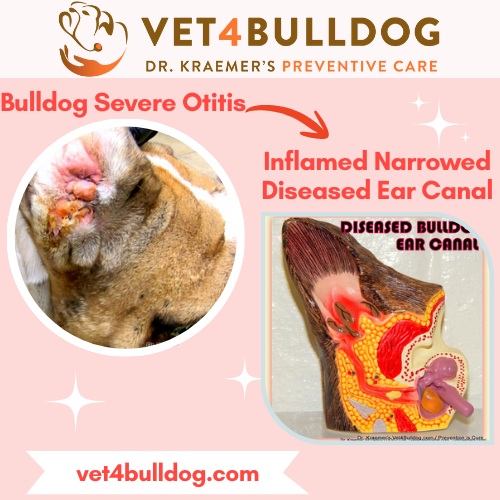
  • a stenotic, closed-down, narrowed ear canal
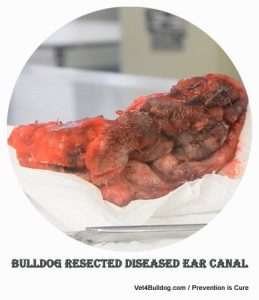
  • a hypertrophic, irreversible end-stage ear canal

END-STAGE IRREVERSIBLE EAR DISEASE Infected end-stage bulldog ear

How Bulldog Ear Infections Are Diagnosed

  • Veterinary otoscopic exam: rule out polyps and masses, and examine the tympanic membrane
  • Cytology: bacteria, yeast, inflammatory cells, abnormal cells
  • Culture: to identify the bacteria and the best antibiotic to treat the infection
  • Imaging: Less common (radiographs, endoscopes, MRI, CT)

Bulldog Otoscopic Ear Exam

Bulldog Ear Infection Preventive Care

Early and frequent cleaning, wiping, and flushing can help prevent:

  • Ear infections
  • Ear disease
  • Ear pain
  • Needless discomfort
  • $$$ Dr. exam
  • $$$ Treatment
  • $$$ RX
  • $$$$$ Surgery

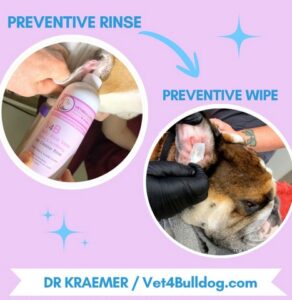
Because bulldog ears do not self-clean, we must do it for them. Bulldog ear infection flushed with a bully therapeutic rinse

DR. KRAEMER’S BULLY EAR TOPICAL THERAPEUTICS

  1. Early: Preventing ear infections must start early.
  2. Regular: frequent preventive cleansing, wiping, flushing, and rinsing are critical.
  3. Preventive: Remove wax, maintain ideal pH, and dry the ears to prevent swelling and infection.

v4b-bulldog-waxless-aloe-vera-ear-rinse-001.jpg

DR. KRAEMER’S BULLY EAR THERAPEUTIC SUPPLEMENTS

Dr. Kraemer’s Bully supplements are designed to support healthy skin, coat, immune function, and the skin barrier as part of a comprehensive ear-care program.

WELCOME TO THE PREVENTION OVER RX BULLY COMMUNITY

skin ears and acne best supplement Remember,

  1. There is a learning curve to becoming an expert.
  2. Repetition will help you recognize even minor changes from the norm.

Dr. Kraemer’s free “Bully Ear Maintenance Toolbox” includes:

  • articles
  • photos
  • diagrams
  • videos

v4b-yeasty-bulldog-antiseptic-ear-rinse

How to Clean Your Bulldog’s Ears

  1. WIPING: Use the bully cleansing wipes to remove debris from the ear flap.
  2. APPLICATION: Fill your bully’s ear canal and coat the entire canal.
  3. CLEANING: Take a cotton ball and gently insert it as far as it will go using your fingers. There’s no need to be scared; you can’t go past the curve of the canal and damage the eardrum with a finger or a cotton ball.
  4. TWISTING: Twist the cotton ball around and bring it up for inspection.
  5. INSPECTION: Don’t forget to survey the texture and color of the inner pinna (the inner part leading to the canal).
  6. WARNING: Q-tips should only be used for the top part and ear-flap folds (pinna).
Dr. Roy Kraemer, DVM

From Dr. Kraemer’s exam room
A bulldog-focused vet, hands-on for decades

Insider tip

Repetition equals expertise. Becoming an expert on your Bulldog’s ears takes a short learning curve and then it is automatic.
Check them on a schedule, look at what comes out on the cotton ball every time, and within a month you will spot the slightest deviation from that dog’s normal, days before it becomes an infection. That early catch is the whole game.
Dr. Roy Kraemer, DVM

Are Bulldog Ear Infections Painful?

Ear infection is painful. Remember, your pet feels pain just as you do. Treating chronic and severe otitis should always include:

1. EAR INFECTION PAIN MANAGEMENT

Bulldog ear infection pain management often includes a mix of bully topical therapeutics and supplements. More severe pain might require prescription analgesics.

bulldog painless and Comfort plus supplement


2. NON-RX PAIN RELIEF:

bulldog stenotic ear leading to hearing loss

3. EAR INFECTION ANTI-INFLAMMATORIES

Bulldog ear infection pain management is usually combined with anti-inflammatories to reduce swelling and itching. They often include topical and supplement bully therapeutics. More severe pain might require prescription medication. RX:

  • Steroid: usually in the form of topical drops or ointments
  • NSAID: nonsteroidal anti-inflammatories

BULLY THERAPEUTIC

Bulldog Fish Oil (EFA) Formula

Bulldog and French Bulldog Ear Infection Treatment

Most of the time, topical bully therapeutics and topical prescription medication are sufficient.

 1. BULLY TOPICAL NON-PRESCRIPTION THERAPEUTICS

2. EAR INFECTION RX:

  • Topical Ear Medication usually combines:
    • antibacterial
    • Antifungal
    • anti-inflammatory (steroid)

Systemic antibiotic or antifungal treatment is only required for otitis media (middle-ear infection).

Bulldog ear infections: quick answers
How often should I clean my Bulldog’s ears?
Start twice weekly. After a few weeks, look at how much wax and discharge you are collecting on the wipe or cotton ball and adjust up or down from there. Every Bulldog is different, and the wipe tells you what that dog needs.
Can I push a cotton ball too deep and rupture the eardrum?
No. Your Bulldog’s external ear canal turns 90 degrees before it reaches the eardrum. You cannot get past that turn with a cotton ball or a finger. A Q-tip can, which is exactly why Q-tips are only for the ear flap and the top of the canal.
Why does the infection keep coming back?
Because something underneath is keeping the canal inflamed, and in Bulldogs that is usually allergy. Treating the yeast or bacteria without treating the allergy just resets the clock. Recurring infections need the cause addressed, not another round of drops.
Is it yeast or bacteria?
You cannot tell by looking, and it changes the treatment. Cytology, a quick look at a swab under the microscope, answers it in minutes. Ask for it at every recheck rather than only at the first visit.
Should my vet prescribe oral antibiotics?
Usually not for a simple outer ear infection. Otitis externa responds better to topical treatment, which delivers far higher drug levels right where the infection is, without the systemic side effects. Oral antibiotics are for middle ear involvement and deep infection.
When does an ear infection become permanent?
When repeated inflammation replaces the canal lining with scar tissue, then calcification and eventually bone. At that point the canal is closed and no medication reaches the disease. That is end-stage ear disease, and surgery becomes the only option. Early, consistent ear care and treatment of the underlying cause can help reduce the risk of progression to end-stage disease.
Why does my Bulldog’s ear smell?
A strong or unpleasant ear odor often indicates excessive wax, yeast, bacteria, or inflammation. Bulldogs and French Bulldogs are especially prone to ear problems because their narrow ear canals can trap moisture and debris. Persistent odor, especially with redness, discharge, scratching, or head shaking, should be evaluated by your veterinarian.
Why does my Bulldog keep getting an ear infection in only one ear?
Recurring infection in only one ear deserves closer investigation. In addition to allergy and infection, your veterinarian may look for a foreign body, abnormal ear canal anatomy, growth, polyp, or other localized problem. Chronic inflammation can also progressively narrow the ear canal and make recurrent infections more difficult to control.
Does brown ear discharge mean my Bulldog has a yeast infection?
Not necessarily. Brown or dark discharge is commonly seen with yeast, but appearance alone cannot reliably identify the cause. Yeast, bacteria, excessive wax, ear mites, or a combination of problems can look similar. Ear cytology allows your veterinarian to identify what is present and select the appropriate treatment.
When should my Bulldog or French Bulldog with an ear problem see a veterinarian?
Schedule a veterinary exam when you notice persistent head shaking, scratching, redness, swelling, odor, discharge, pain, or recurrent ear problems. More severe signs such as a head tilt, loss of balance, marked pain, or sudden hearing changes warrant prompt veterinary attention. Early diagnosis can help prevent chronic inflammation and irreversible narrowing of the ear canal.

bulldog ear clean step by step

From Dr. Kraemer’s inbox
“Despite several rounds of treatment, Max’s ear infection keeps coming back. He scratches, shakes his head, and there is a noticeable odor. What are we missing?”

A typical message from a Bulldog owner, shortened, with the name changed.
Dr. Roy Kraemer, DVM

Dr. Kraemer’s reply

An infection that returns after every course of treatment is almost never a treatment failure. It is an untreated cause. In Bulldogs, that cause is usually allergy. The antibiotic or antifungal clears the organism, the allergy keeps the canal inflamed and damp, and the organism comes straight back. Until the allergy is managed, you will keep repeating this cycle. Ask your vet for cytology on each recheck so you know whether you are fighting yeast, bacteria, or both, and get the underlying allergy addressed. In between, consistent at-home rinsing and drying does more to prevent the next flare than any prescription does.

Dr. Roy Kraemer, DVM
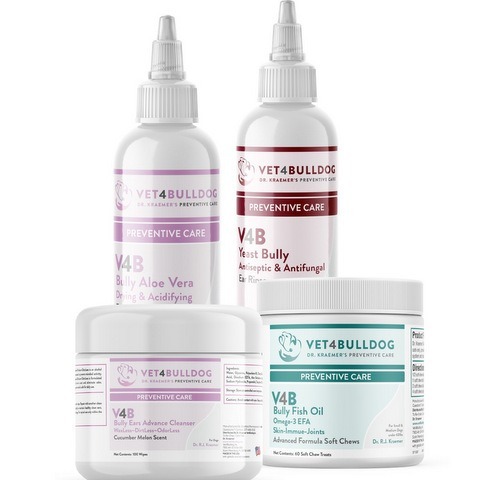
Dr. Kraemer’s Bulldog Ear Care Bundle

🐾 Dr. Kraemer’s ear care kit
Clean, dry ears — and far fewer vet visits
WaxLess aloe rinse, antiseptic ear rinse and cleansing wipes: the routine that keeps a narrow Bulldog ear canal from turning into a chronic problem. Bundle & save
✔ Vet-formulated · ✔ Owner-favored · ✔ Ships fast

Bulldog Ear Infection Tips & Warnings

Below are selected ear disease tips & warnings, courtesy of Dr. Kraemer:

1. BULLY FISH OIL FOR BULLDOGS TIP:

Omega-3 EFA fish oil has good anti-inflammatory properties and might help reduce otitis (inflammation).

2. BULLDOG FOOD ALLERGY TIP:

For chronic cases, consider an 8–12-week trial of a strict hypoallergenic diet (hydrolyzed or novel) to rule out underlying bulldog food allergy.

3. BULLDOG ATOPIC ALLERGY TIP:

Atopic dermatitis is diagnosed primarily from the history, clinical signs, and exclusion of other causes. Allergy testing may then help identify allergens for immunotherapy.

4. BULLDOG EAR INFECTION ANXIETY TIP:

For bulldogs that are non-cooperative and suffer from high anxiety, it’s advisable to discuss with your veterinarian the possibility of prescribing a “calming prescription” in the form of a mild tranquilizer. This approach can help prevent injuries to both the pet and the owner, significantly reduce stress, and minimize discomfort during treatment procedures. You can also try a natural non-RX stress-relief supplement like Dr. Kraemer’s

Bulldog Hemp Infusion anti anxietyy supplement

5. EAR INFECTION ITCHING TIP:

Otitis in bulldogs due to allergies might require allergy itch control medication.

  • Cortisone
  • Antihistamines
  • Cytopoint
  • Protective Head Gear (E-Cone, Buster Collar)

Bulldog Ear Mite Buster Collar

6. BULLDOG EAR INFECTION LASER THERAPY:

I highly recommend Class 4 cold laser therapy, which I use daily in my practice as part of the short- and long-term treatment and control of ear disease in bulldogs. Laser therapy is inexpensive, has no adverse effects, helps reduce swelling and pain, and enhances healing.

7. EAR INFECTION SKIN TIP:

Bulldogs’ ears are an extension of their skin; thus, skin allergies can extend to the ears.

8.  SINGLE EAR INFECTION TIP:

Atopic dermatitis in bulldogs and French bulldogs is rooted in these breeds’ genes. It’s a common misconception that if only one ear is affected, it cannot be triggered by an allergy. However, your bulldog can suffer from allergy-related otitis externa in just one ear.

1. ORAL ANTIBIOTICS FOR EAR INFECTION WARNING:

Oral antibiotics are not recommended for otitis externa; they are costly, not very effective, and can lead to resistance.

Systemic antibiotics should be avoided in most cases of otitis externa in bulldogs.

2. BULLDOG OTITIS MEDIA WARNING:

Otitis Media in bulldogs (middle ear infection) can occur in chronic cases or with ear polyps and tumors. In those cases, we also might see neurological problems like head tilt, twitchy eyeballs, circling, ataxia (wobbliness), and nausea. Your vet might recommend diagnostic imaging like X-ray, CT, or MRI.

3. SURGERY FOR EAR INFECTION WARNING:

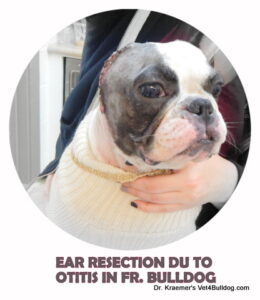
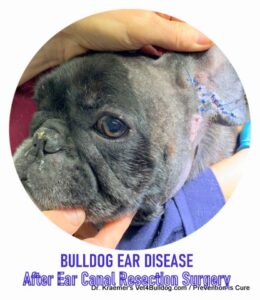
If your veterinarian suggests a partial ear resection for what appears to be end-stage stenotic (narrowed) ears, it might be wise to seek a second opinion. In situations where surgery emerges as the sole viable option, your Bulldog may require a more comprehensive procedure, specifically a total ear canal ablation with bulla osteotomy (TECA w/BO). This procedure addresses severe ear canal disease more effectively by removing the entire ear canal and addressing the middle ear, which is often necessary in advanced cases to alleviate pain and prevent further complications. bulldog end stage ear disease TECA surgery

4. BULLDOG EAR DISEASE SURGEON WARNING:

Total Ear Canal Ablation (TECA) for bulldogs is a highly specialized surgery, and it is crucial to seek out a surgeon with extensive experience in performing this procedure. In bulldogs suffering from end-stage ear disease, the ear’s anatomy is often severely altered, complicating the surgery. The procedure involves navigating close to essential nerves and blood vessels, and meticulous cleaning of the bulla to eliminate all bacteria is imperative. If not performed correctly, there’s a risk your bulldog could suffer from neurological issues or develop a chronic draining tract, leading to ongoing problems. However, when TECA is successfully carried out by a qualified and experienced surgeon, the outcome can be life-changing for your bulldog. This surgery can relieve your pet of the relentless pain associated with end-stage ear disease, significantly improving their quality of life.

Your bulldog will undoubtedly be much happier and more comfortable, grateful for the relief from what was once a constant source of discomfort. Bulldog TECA Surgery

5. EAR INFECTION ITCH WARNING:

If your bulldog rubs and scratches its ears, address the itchiness promptly with appropriate medication and put a protective Elizabethan collar (buster collar) on your bulldog.
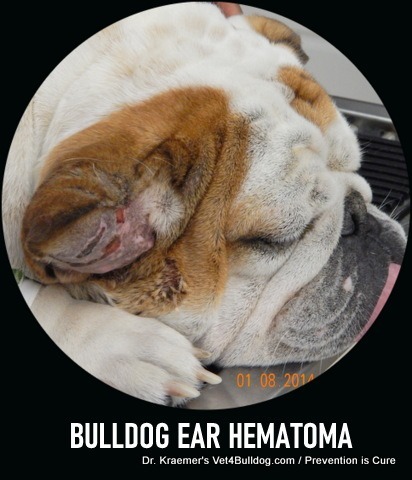
This preventive measure is crucial because scratching can severely traumatize the blood vessels in the ear flap (pinna), leading to an “aural hematoma,” a significant accumulation of blood within the pinna that typically requires surgical intervention to repair.
Additionally, scratching can irritate and inflame the ear canal’s lining, causing swelling, ulcers, and further discomfort for your bulldog. Taking immediate action can help prevent these complications and ensure your pet’s comfort and health. Bulldog Ear Hematoma Before and After
Dr. Roy Kraemer, DVM

From Dr. Kraemer’s exam room
A bulldog-focused vet, hands-on for decades

Insider tip

The single most common mistake I see is stopping treatment the day the ear looks better.
The visible redness clears long before the canal has actually settled, and an ear that is treated for five days instead of fourteen is an ear that relapses in three weeks.
Finish the course, then move straight onto a maintenance routine rather than waiting for the next flare.
Dr. Roy Kraemer, DVM

Dr. Kraemer’s Final Advice on Bulldog Ear Infections

  1. Prevention: practice preventive cleaning to avoid bulldog ear disease, otitis, and infection
  2. Early Start & Frequent: Start preventive cleaning early, do it frequently, and continue for the life of your bully.
  3. Topical Bully Therapeutics: use bully ear waxLess rinse and cleansing wipes
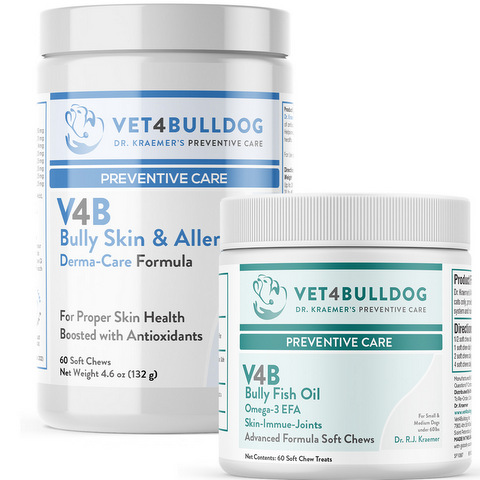
  4. Bully therapeutic Supplements: should be combined with topical care:
    • bully fish oil
    • bully itchLess & allergy
    • and bully skin & coat chew formulation

By practicing these simple, low-cost preventive measures, you can help reduce the risk of painful ear disease, expensive treatment, and potentially irreversible ear canal damage.

END-STAGE IRREVERSIBLE BULLDOG EAR DISEASE

The relentless cycle of chronic infection, involving both yeast and bacteria, coupled with inflammation can lead to an irreversible condition where the cells lining the ear canal undergo:

  1. fibrosis
  2. followed by calcification
  3. mineralization
  4. and eventually, ossification (bone)

In situations where the bone has replaced the normal epithelial lining of the ear canal, undergoing a Total Ear Canal Ablation (TECA) with Lateral Bulla Osteotomy (LBO) emerges as the sole effective treatment option. This surgical intervention is designed to remove the diseased ear canal entirely, thereby eliminating the source of infection and discomfort, and significantly alleviating your bulldog’s pain and suffering.

About the Author

Roy Kraemer, DVM, is a veterinarian with extensive clinical experience caring for Bulldogs and French Bulldogs. His educational work emphasizes prevention, early recognition, appropriate at-home care, responsible medication use, and veterinary evaluation when disease is persistent or severe.

Trusted by Vets ~ Recommended by Owners ~ Loved by Bulldogs

Shop the Ear Care Bundle →

Our Bulldog Community Prefers
“PREVENTION OVER RX”
Unlock The Benefits

Visit Our Shop

The information provided on this platform is for general informational purposes only. It is not intended as a substitute for professional medical advice, diagnosis, or treatment. Always seek the advice of your veterinarian regarding any medical condition. It's important to always consider professional medical advice promptly and not to delay seeking it based on information you've read on this platform. Any reliance on the information provided here is entirely at your discretion.