


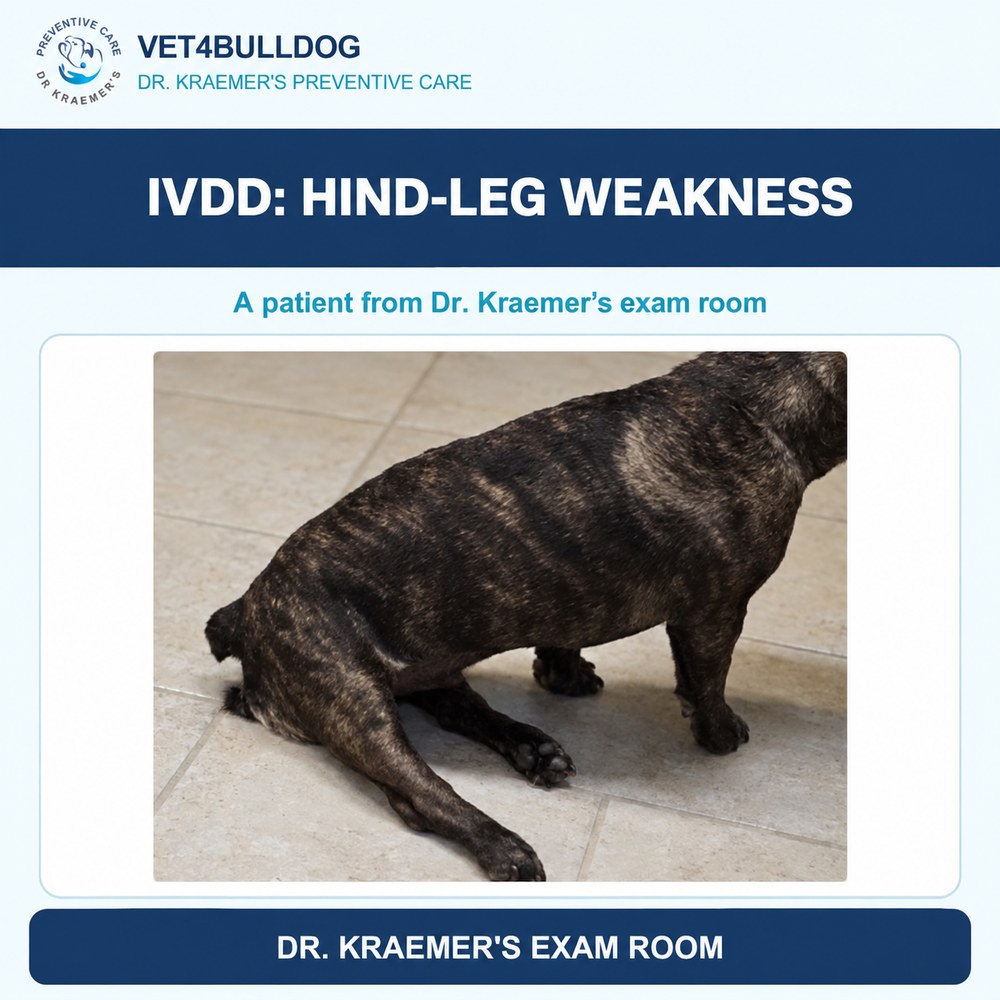
Sudden weakness, dragging paws, inability to walk, severe back pain, or difficulty passing urine? Contact a veterinarian promptly; inability to walk or rapidly worsening signs needs emergency care. Keep your Bulldog confined and avoid stairs and jumping while getting instructions.
Yes, that could be IVDD, and I want you to treat it as urgent rather than as something to watch. Everything you describe fits: hind leg weakness, an unsteady gait, reluctance to jump or take stairs, and pain on being handled. Prompt care matters, but outcome also depends on the severity of the spinal injury and response to treatment. A mild bulge with superficial compression is typically managed with strict cage rest, pain relief and anti inflammatories, with progress checked at follow-up examinations. The same disc left alone can progress to deep compression, and then you are in emergency surgery with a real chance of permanent neurological damage. If she cannot walk, becomes weaker, or has severe pain, seek emergency veterinary care. Do not pinch her toes or try to test deep pain yourself; this is part of a professional neurological examination. Also watch her bladder. After a spinal injury she may not empty properly, which sets up a urinary infection, so tell your vet if you see dribbling, wetness around the back legs or straining. Diagnosis is a neurological exam first, and MRI is the gold standard if imaging is needed.
Introduction to Bulldog IVDD
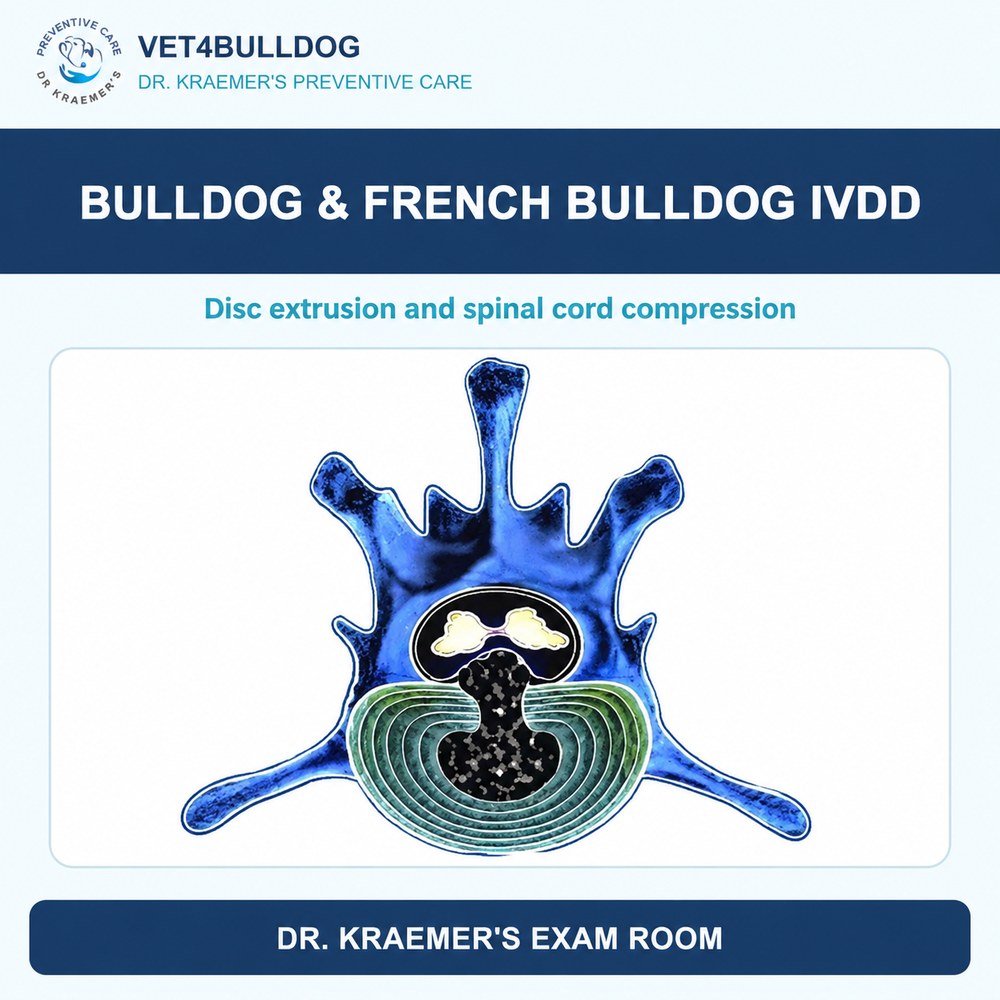
Intervertebral Disc Disease (IVDD) in bulldogs and French bulldogs develops when the gel-like material between the spinal vertebrae deteriorates, herniates, protrudes, and compresses. 🚨This protruding compression can injure the spinal cord, resulting in
- pain
- mobility difficulties
- incontinence
- and, in severe cases, paralysis.
EARLY DETECTION IS CRITICAL
French Bulldog IVDD Predisposition:
French bulldogs are genetically predisposed to IVDD due to their chondrodystrophic skeletal bone growth disorder features. These anatomical attributes put additional strain on their intervertebral discs, increasing the risk of herniation.
IVDD IN YOUNG French Bulldogs
Unlike other breeds where IVDD is typically seen in older dogs, French bulldogs can experience this condition as early as young adulthood. The two most common locations of the bulldog and French bulldog IVDD are the
- ➡️ CERVICAL (neck )
- ➡️ THORACOLUMBAR (mid-section).
The Importance of Bulldog IVDD Early Detection
Early detection and prevention are critical. A minor disc bulge with mild superficial spinal compression can often be treated with
- cage rest
- analgesics
- anti-inflammatories
- IVDD Supplements
-with recovery assessed through veterinary rechecks; a full recovery is not guaranteed. ⚠️ In contrast, ignoring the early signs could rapidly progress and lead to acute severe deep spinal compression that requires expensive emergency decompressive surgery that could result in irreversible neurological damage.
Bulldog IVDD 5 MUST KNOW
- IVDD is more common in French bulldogs than in English bulldogs.
- Bulldogs with IVDD can present with a degree of mild to intense pain.
- Bulldogs with IVDD can exhibit mild motor, proprioception, and sensory deficits to severe surgical emergency ones.
- Treatment depends on examination findings and imaging. Some dogs receive medical care and strict activity restriction; others need urgent surgical assessment.
- Supplements are not proven to prevent disc extrusion and do not replace examination, activity restriction, or prescribed treatment.
Members of this bulldog community prefer prevention over RX
Bulldog IVDD Spinal Cord Function
Your bulldog’s spine is the body’s neuro-superhighway, stretching from head to tail and carrying a constant stream of messages between their brain and body. Think about it as a two-way street, handling everything from playful jumps to the tiniest skin twitch. The spinal cord travels from your bulldog’s head and brain to its pelvis and serves as the main neuro-highway for the upstream and downstream of neurological input and output that includes three major systems:
#1. WHAT ARE THE MOTOR NERVES?
The motor system acts as the conductor, sending electrical signals like sparks through nerves to muscles about how to move, when to contract, and when to relax, flex, and extend. The motor system powers everything from the powerful strides of a walk to chewing food and blinking.
#2. WHAT ARE THE PROPRIOCEPTION NERVES?
The proprioception neuro system tells your bulldog its body position at all times through sensors in muscles and joints; it’s like their body’s GPS. Imagine catching a ball, your bulldog will need to judge the distance, time the jump, and adjust mid-air, all thanks to the proprioception system.
#3. WHAT ARE THE PAIN AND SENSORY NERVES?
The pain sensory neurons alert your bulldog to potential harm. From a hot surface paw to a prick, the pain guides them away from danger, acting as a vigilant guard and ensuring their adventures stay fun and safe.
Bulldog IVDD Vertebral Column Function
The spinal vertebral column encompasses and protects the spinal cord. The bony vertebral bodies of the vertebrae shield the spinal cord as it passes through the spinal canal.
A. BULLDOG SPINE
The spine serves as a crucial part of the bulldog’s skeleton, protecting the spinal cord as it runs from the head to the tail.
B. SPINAL COLUMN:
The spinal column consists of four main sections:
- Cervical (neck)
- Thoracic (chest)
- Lumbar (lower back)
- Sacral (pelvis)
Each spinal section contains several pairs of vertebrae, connected by intervertebral discs
Bulldog IVDD Intervertebral Discs Function
These discs have a fibrous outer ring and a gel-like inner core, providing flexibility and stability.
- A shock absorber
- Allows for some movement of the spine.
The discs help hold the vertebrae together and act as shock absorber
IVDD in Bulldogs and French Bulldogs: From Bad to Worse
Herniation of the intervertebral disc’s inner core (nucleus pulposus) through its outer fibrous ring (annulus fibrosus) can have several detrimental effects on the spinal cord and consequently inflict:
1. SPINAL CORD COMPRESSION :
The protruding disc material can directly compress and damage delicate nerve fibers in the spinal cord, leading to functional impairment and potentially permanent damage.
2. SPINAL CORD INFLAMMATION :
The body’s natural response to the disc herniation triggers an inflammatory reaction in the surrounding tissues, further impacting nerve function and causing additional pain.
3. SPINAL CORD SWELLING :
The inflammation contributes to swelling within the spinal canal, creating even more pressure on the vulnerable spinal cord and exacerbating pain and neurological deficits.
4. BULLDOG IVDD PAIN:
Ultimately, the combination of compression, inflammation, and swelling culminates in significant pain for the animal.
This pain can manifest in various ways, depending on the location and severity of the herniation, ranging from acute, sharp pain to localized discomfort.
🚨Clinical presentation depends on the severity of the injury and the trauma location (cervical, thoracic, abdominal, sacral).
How Do I Recognize a Bulldog IVDD Event?
Your bulldog might exhibit a wide range of conditions, from mild discomfort to severe pain, depending on the location, degree of bulging, and spinal cord injury. Listed below are some of the most common manifestations:
IVDD SYMPTOMS:
- Stiff Neck: Stiff, sensitive neck
- Crying: Crying out when touched around the neck or head movements
- Shaking
- Abnormal Posture: An arched back, hunched posture
- Abnormal Stance: A praying position with the head in a low stance
- Tense: Tense abdomen
- Weakness: Front and/or hind leg weakness, paw abnormal placement, lameness, and/or motor problems (paraplegia, paralysis)
- Abnormal Movement: Distress, reluctance to move, jump or walk upstairs
- Incontinent:
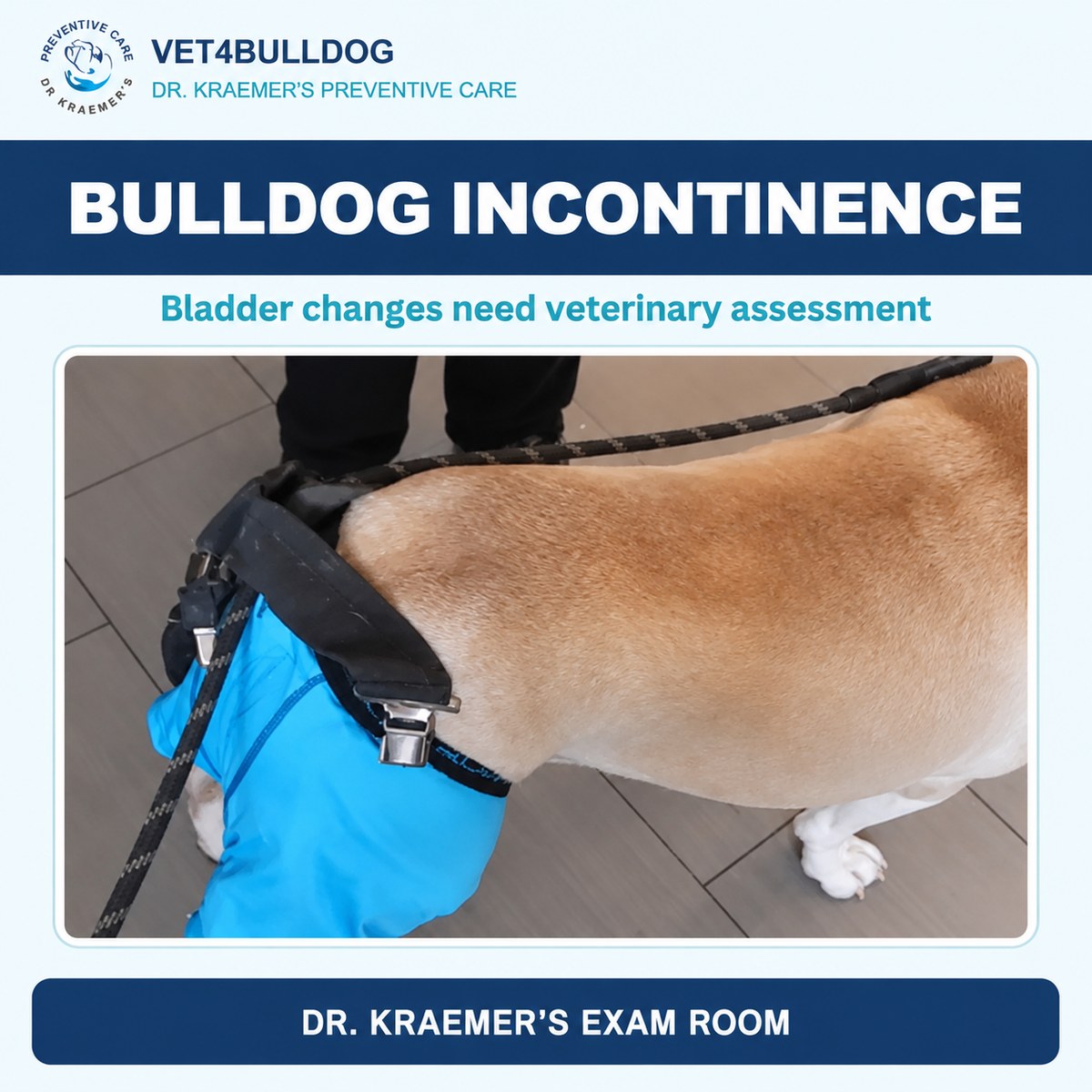
- URINATION: Difficulties in evacuating the bladder (larger than normal bladder), urine incontinence
- DEFECATION: Fecal incontinence
- Dragging & Knuckling: Dragging and knuckling the legs and paws
- Pain & Pain Loss: Lack of pain or oversensitivity to pain
- Wobbling: Wobbly, Ataxic gait
Bulldog Intervertebral Disk Back Disease Diagnosis
Your veterinarian will ask you leading questions about past and most recent events and proceed with observing, examining, and performing a few simple tests. 1. EXAM: Neurological Examination includes evaluation of mobility, muscle tone, pain, loss of pain, reflexes, and toe placement
- Sensory Assessment: sensory nerve damage, including response to stimuli and pain perception.
- Proprioception Evaluation: the ability to sense body position and movements.
- Motor Function Assessment: motor nerve function, including strength, coordination, and ability to move.
2. IMAGING: allows pinpointing the herniated disc location and degree. Anesthesia is often required 3. X-RAYS: Radiographs may be attempted depending on the degree of pain. 4. MRI and CT: MRI is usually necessary for a final diagnosis and is the gold standard 5. MYELOGRAM: using a dye 6. LAB: Screening tests like blood and urine might be added 7. SPINAL TAP: for cytology and fluid analysis, culture is usually not required for IVDD but might be suggested if other neurological and back diseases are suspected
MRI is IVDD ultimate diagnostic tool and considered the gold standard
Back Care and Risk Reduction for Bulldogs
Discuss these care measures with your veterinarian. They do not guarantee prevention of IVDD.
- Breeder: Buy from a reputable breeder.
- Weight: maintain lean body weight
- Activity: Keep your bulldog active, but avoid high-impact exercise (stairs, jumping)
- Emerging therapies: Stem-cell banking is not an established way to prevent IVDD. Discuss the evidence, limitations, and costs separately from the urgent treatment plan.
- Therapeutic Bully Supplements
How are Bulldog and French Bulldog IVDD Treated?
A treatment plan would be proposed based on your veterinarian’s assessment.
1. TREATING A MILD IVDD
A mild case with no serious neurological deficits might only require short-term medication and strict cage rest. 🌿It can include therapeutic supplements such as
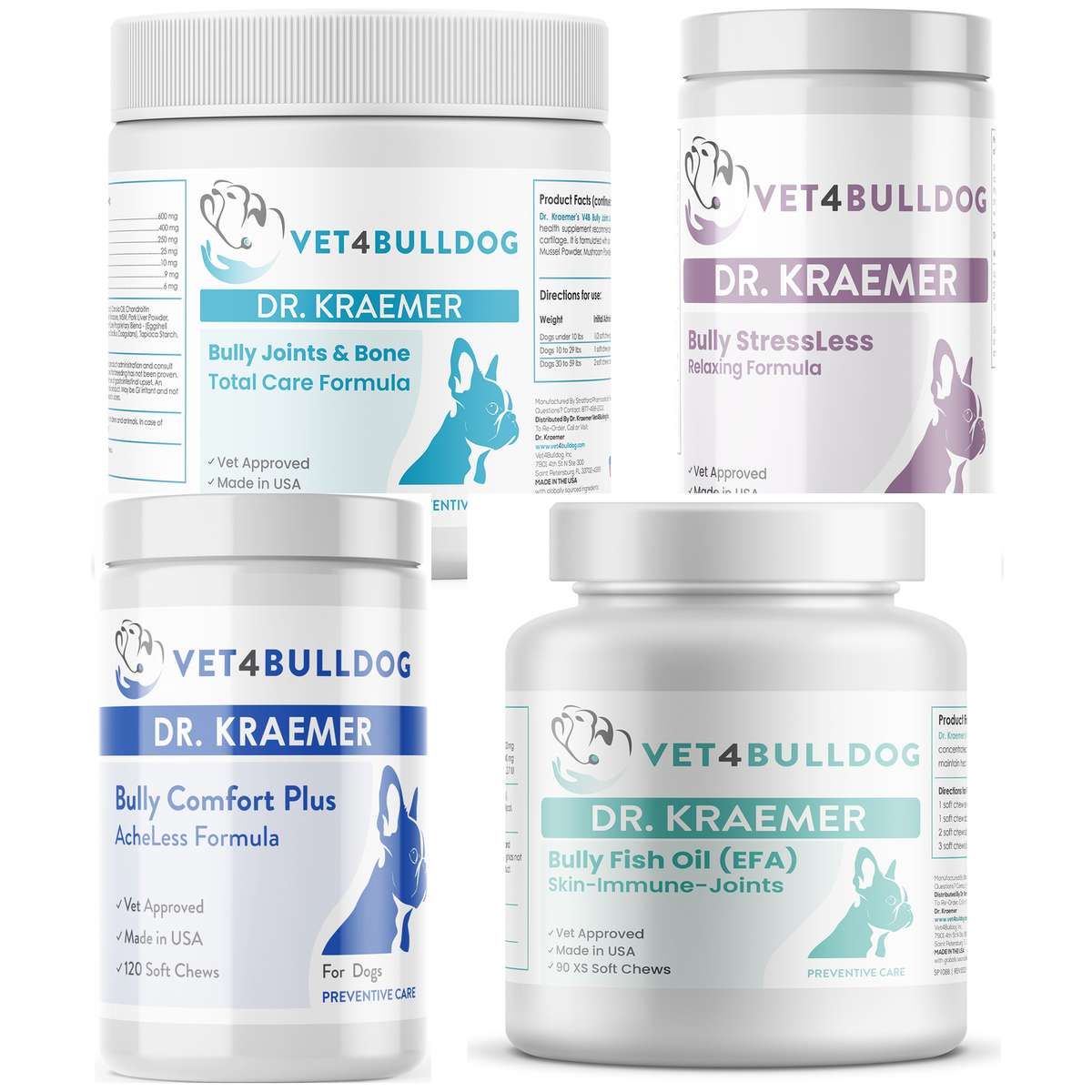
- V4B Bully Total Joint Advanced Formula
- V4B Bully Comfort Plus AcheLess Chews
- V4B Bully Fish Oil EFA
- V4B HEMP Calm & Relax
- V4B Bully StressLess
Some cases might require
- pain medication
- anti-inflammatories
- and muscle relaxant prescription
Other non-RX therapeutics include:
- Cold Laser Therapy
- Pulse Electromagnetic Therapy
- Stem Cell Therapy
2. TREATING SEVERE BULLDOG IVDD
Loss of motor function, proprioception, and deep pain sensation are significant indicators of severe neurological damage. This situation warrants immediate attention and usually necessitates referral to a neurologist for thorough evaluation and management. In many cases, surgical intervention is required to address the underlying cause and prevent further damage.
WHEN AN IVDD SHOULD BE REFERRED TO A NEUROLOGIST?
Your vet should be able to decide if your bulldog should be referred to the neurologist based on the neurological examination and imaging results and will discuss medical and surgical options with you.
WHEN BULLDOG IVDD SHOULD HAVE SURGERY?
The severity of the symptoms often determines the urgency of the surgery.
- Inability to Walk/Paralysis: Indicates severe nerve damage and often necessitates immediate surgical intervention.
- Loss of Deep Pain Sensation: A critical sign of severe spinal cord injury, making prompt surgery imperative to maximize the chances of recovery
Timely IVDD intervention is crucial for pets experiencing severe neurological symptoms.
Bulldog and French Bulldog IVDD Surgery
Surgery alleviates pressure on the spinal cord caused by herniated disk material or other compressive forces. The procedure involves removing the source of compression to restore normal spinal cord function and relieve pain.
Early surgical intervention often improves outcomes
BULLDOG IVDD SURGERY AFTER-CARE:
Post-surgery care is critical for a bulldog’s recovery and overall well-being, particularly after decompression surgery. Proper postoperative care involves several key components, including effective pain management and strict confinement. Your bulldog will require varying levels of nursing and attention to ensure a smooth and successful recovery.
- Nursing and Care:
- Pain Control: Administer prescribed pain medications to manage discomfort.
- Confinement: Restrict movement to allow healing and prevent further injury. Use a crate or a confined space with minimal activity.
- Managing Incontinence:
- Diapers: Use diapers to manage urinary and fecal incontinence. Ensure frequent changes to maintain hygiene.
- Hygiene: Regularly clean the perianal and peri-vulvar areas to prevent scalding and infections.
- Antiseptic Wipes: Utilize products like
- 🌿 Dr. Kraemer’s Extra Large Antiseptic Wipes
- 🌿 Bully Antiseptic Lotion to help clean moisture, urine, and fecal material.
- Preventing Infections:
- Urinary monitoring: A supplement does not replace checking bladder emptying or testing for infection. Ask your veterinarian about dribbling, straining, urine changes, or difficulty passing urine.
- Probiotics: Use probiotics to support gut health, especially if antibiotics and steroids are used during treatment
- Botanical Fiber: Provides fiber to help soften stool and ease bowel movements.
- Mobility Support:
- Wheels with Lower Section Support: In cases of significant mobility impairment, consider using a wheelchair designed for dogs to aid movement and improve quality of life.
- Physiotherapy & Rehab: hydrotherapy, etc
Intervertebral Disk Back Disease (IVDD) in Bulldogs: PROGNOSIS
IVDD prognosis depends on the
- LOCATION: location of the injury
- SEVERITY: the severity of the hernia
- TIMING: how soon treatment was initiated
The longer the damage has been present, the worse the prognosis.
IVDD in Bulldogs and French Bulldogs TIPS & WARNINGS
Below is a short list of IVDD tips and warnings courtesy of Dr. Kraemer
#1 IVDD CAGE REST TIP:
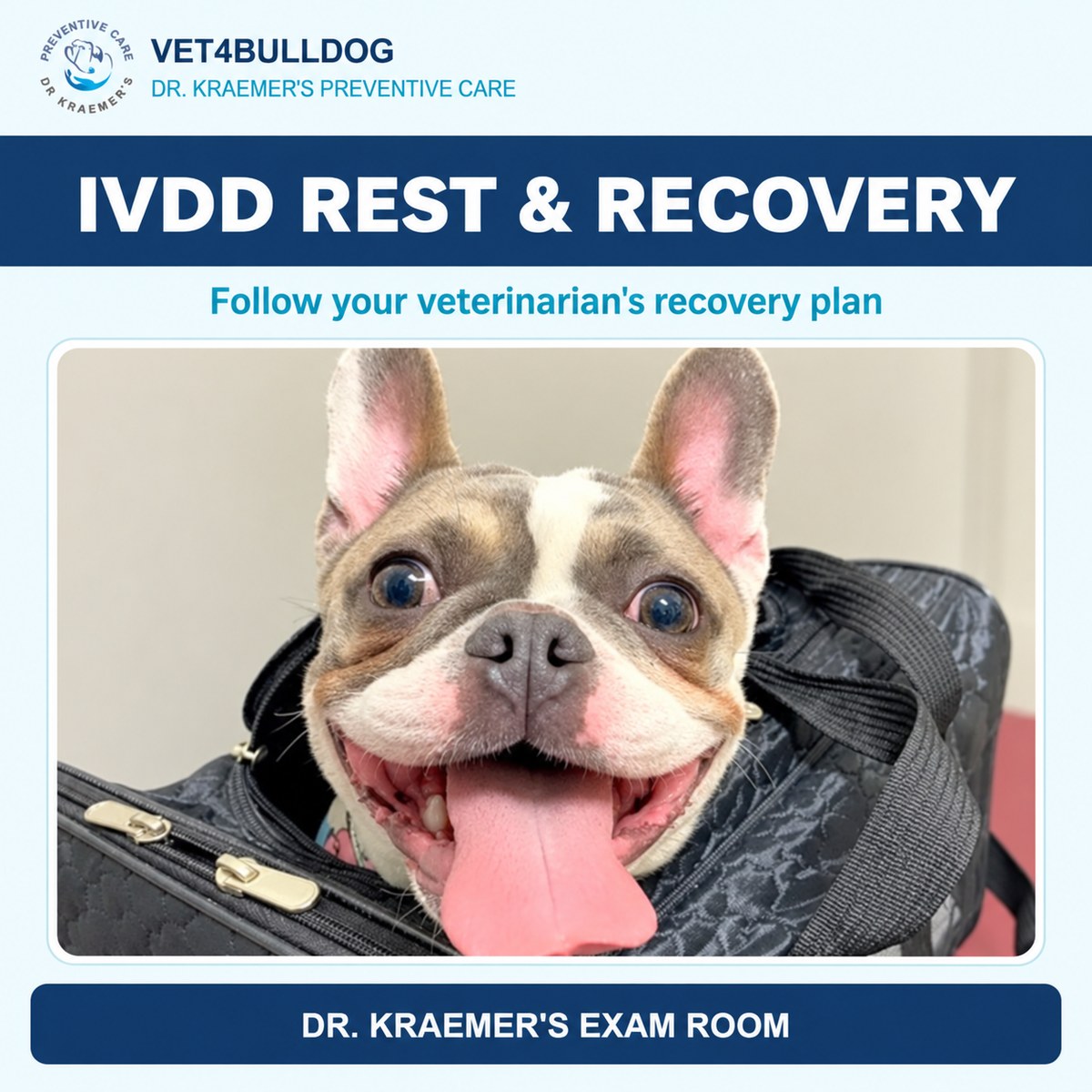
Medical management requires strict activity restriction for the duration prescribed by your veterinarian, with rechecks before activity increases. Feeling better does not mean the disc has healed. Avoid stairs, jumping, and rough play until your veterinarian clears them.
#1 BULLDOG IVDD URINATION PROBLEM WARNING:
Bladder Function After Spinal Injury After a spinal injury, your bulldog’s bladder function might be compromised due to interference with nerve signals that control bladder muscle contractions and relaxation. This can result in several issues:
- Incomplete Bladder Emptying: The bladder may not expel urine entirely, increasing the risk of infection.
- Overflow Incontinence: Due to ineffective contractions, the bladder may overflow, leading to uncontrollable dribbling.
Signs to Watch For
- Frequent Dribbling or Leaking
- Noticeable Wetness: Around the vaginal folds and hind legs
- Straining to Urinate
- Urinary Tract Infections (UTIs): Resulting from urine stasis and incomplete emptying
Monitoring these signs and seeking veterinary advice promptly may help manage bladder issues effectively and prevent further complications.
#2 BULLDOG IVDD DEFECATION PROBLEMS WARNING
Just as spinal injuries can impact bladder function, they can also disrupt your bulldog or French bulldog’s bowel movements due to damage to nerves governing bowel function. This can impede the ability to initiate and complete defecation, leading to:
Common Bowel Issues
- Constipation: Difficulty passing stool due to slowed intestinal movement and weakened straining muscles.
- Fecal Incontinence: Loss of control over bowel movements, resulting in accidental leakage of stool.
- Impaction: An accumulation of hardened stool in the rectum, causing discomfort and further blockage.
Signs to Monitor
- Strain: Straining to defecate, with your dog pushing and grunting but unable to pass stool.
- Frequency: Reduced stool frequency, passing stool less than once daily, or experiencing prolonged intervals between bowel movements.
Regular monitoring and timely intervention may help manage these issues effectively and improve your dog’s comfort and quality of life.
Other Bulldog and French Bulldog Back Problems
Your veterinarian needs to rule out other common bulldog back problems that could clinically present with symptoms similar to IVDD. Here is a short list:
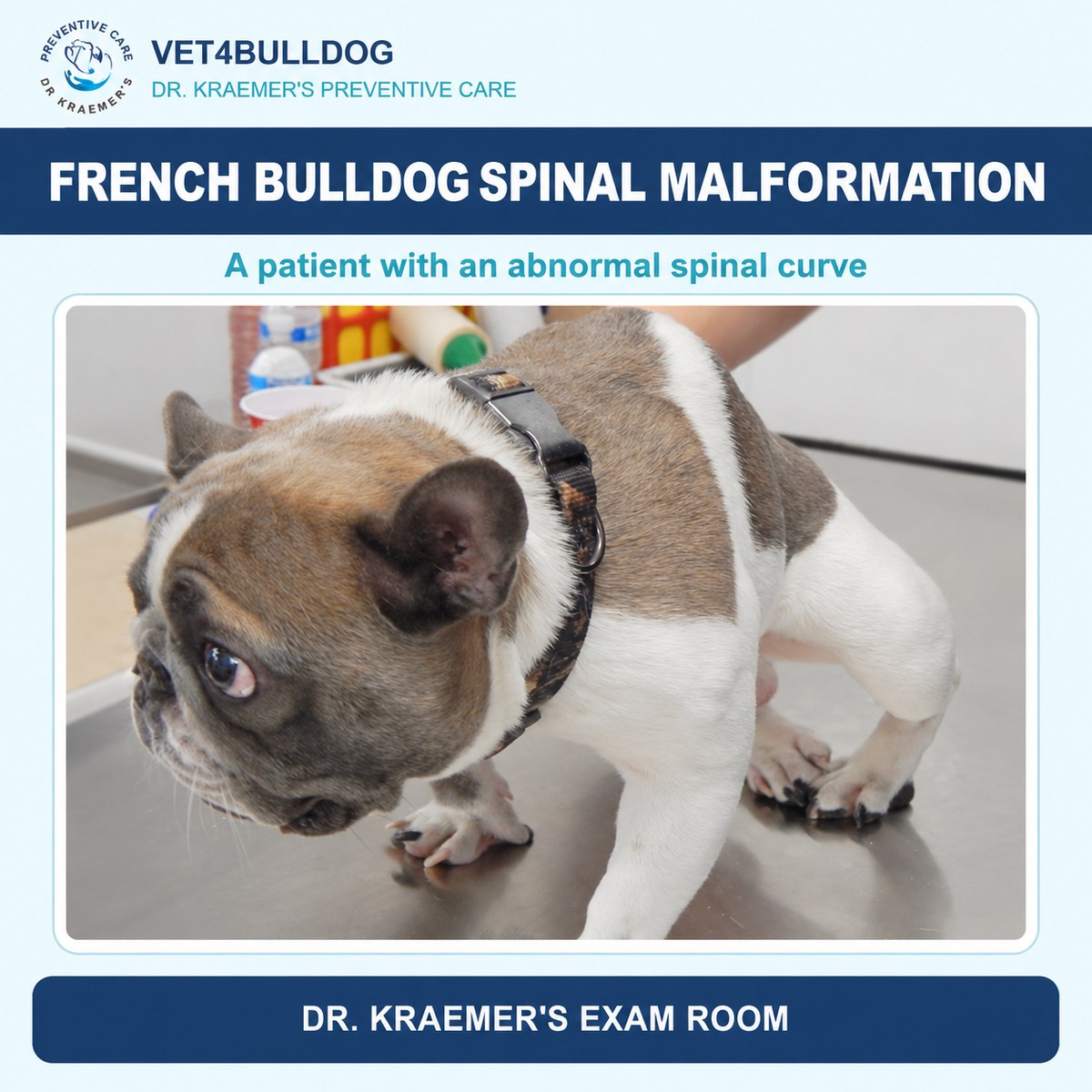
- Vertebral Malformation:
- Vertebral Fracture: A spinal fracture, or dislocation of the spine, is most commonly associated with trauma.
- Vertebral Osteomyelitis: Spinal infections.
- Spinal and Vertebral Cancer: Spinal tumors of the spinal bone or cord
- Spinal Spondylosis: Arthritis of the spine most common in the lumbar and sacral vertebrae
- Spinal Fibrocartilaginous emboli: an acute “stroke-like” disorder of the spinal cord. In contrast to other spinal conditions, such as Bulldog IVDD, Bulldog FCE is a painless spinal condition except for an initial sharp pain that soon subsides.
Insider tip
What is actually happening in the spine?
Why are French Bulldogs so prone to it?
What are the warning signs?
When is it an emergency?
How is it diagnosed?
Does mild IVDD really recover without surgery?
What does the prognosis depend on?

Veterinary Care and Supportive Products
IVDD is time sensitive in a way most bulldog conditions are not. If your bulldog cannot walk, or has lost deep pain sensation, that is an emergency referral to a neurologist tonight. Anything milder still earns a neurological examination rather than a wait and see, because the prognosis turns on how soon treatment started. No supplement decompresses a spinal cord. What these do is support the tissue, ease the pain, and make strict confinement survivable for both of you.
The Disc, Back and Nerve bundles, 59lb and under

- Disc, Back and Nerves Basic Care Bundle
- Disc, Back and Nerve Essential Bundle
- Disc, Back and Nerve ULTIMATE Bundle
The Disc, Back and Nerve bundles, 60lb and over
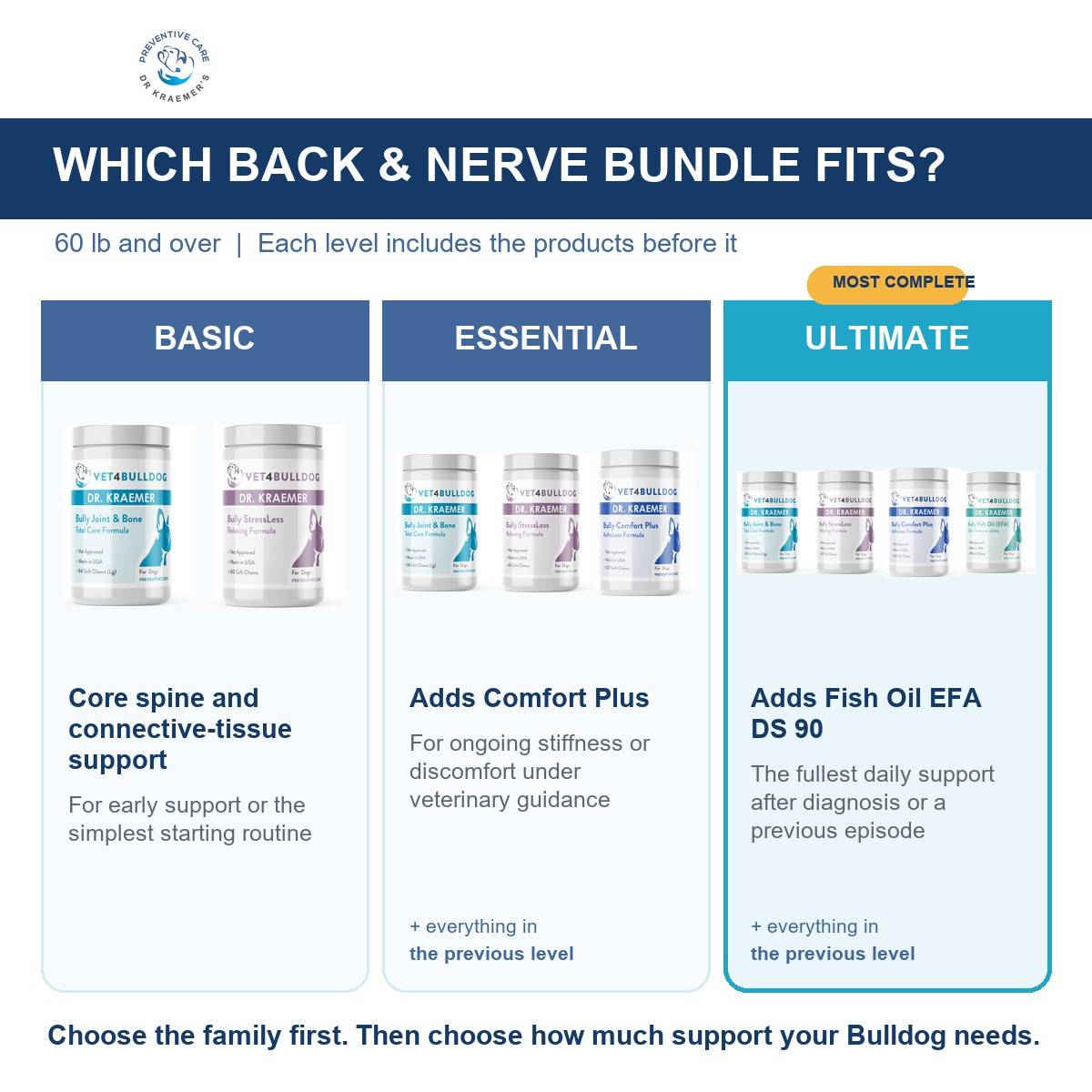
- Disc, Back and Nerves Basic Care Bundle
- Disc, Back and Nerve Essential Bundle
- Disc, Back and Nerves ULTIMATE Bundle
More Help from Dr. Kraemer
Several bulldog back problems look like IVDD from across the room. These are the ones I rule out:
- Spondylosis, arthritis of the spine
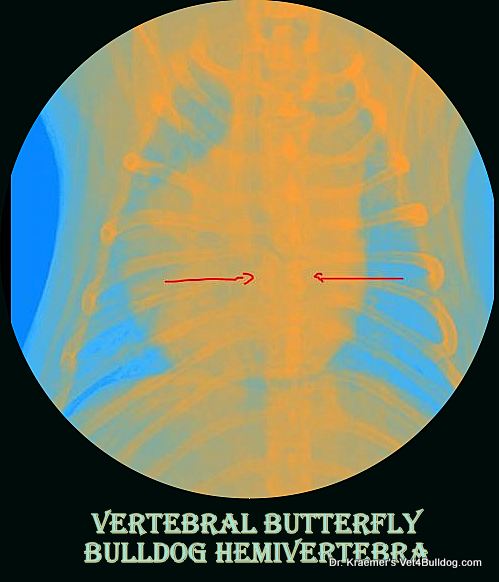
- Hemivertebrae and spinal vertebral abnormalities
- Vertebral malformation back problems
- Spina bifida in Bulldogs and French Bulldogs
- ACL tear, which is sometimes mistaken for back disease
- Stem cell cryobanking for pets
About the Author
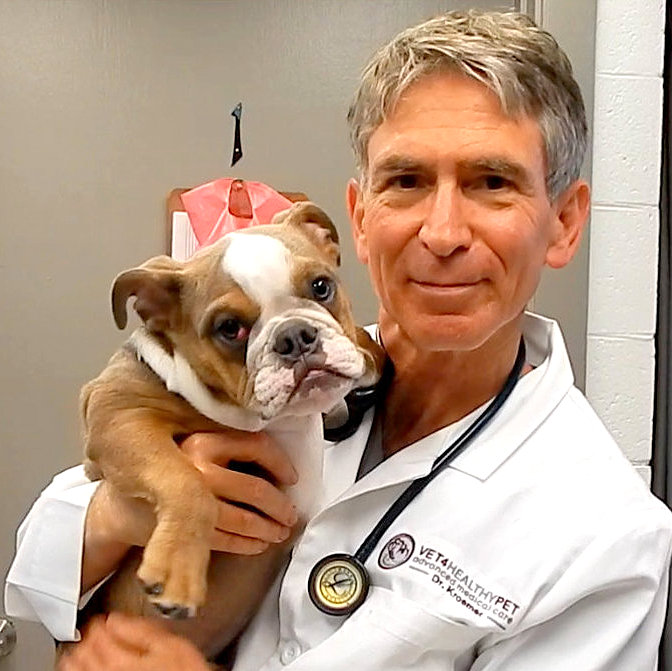
Roy Kraemer, DVM, is a veterinarian with extensive clinical experience caring for Bulldogs and French Bulldogs. His educational work emphasizes early detection, neurological assessment before imaging, strict adherence to cage rest, and knowing which signs make a back problem an emergency.
Trusted by Vets ~ Recommended by Owners ~ Approved by Bulldogs
Shop Disc, Back & Nerve Support →
References
- American College of Veterinary Surgeons. Intervertebral Disc Disease
- Merck Veterinary Manual. Intervertebral Disk Disease in Small Animals
- American Animal Hospital Association. 2022 AAHA Pain Management Guidelines for Dogs and Cats