



Medically reviewed and updated: September 1, 2026 If your Bulldog or French Bulldog keeps scratching, licking their paws raw, or rubbing their face on the carpet, you are not alone. I have spent decades caring for these dogs, and I know how frustrating the itch can be for the whole household. It is rarely something an owner caused. The useful question is what is driving it. Red skin, sore ears, inflamed folds, hair loss, and bumps can have several causes, and more than one problem may be present at the same time. Let’s work through the clues before choosing a treatment.
- Environmental allergens (atopic dermatitis)
- food reactions
- fleas
- contact irritants
- mites (demodex, sarcoptic mange)
- ringworm
- and secondary bacterial or yeast infections
can all produce similar signs. In other words, your bully’s skin may be waving a red flag but it cannot tell us the cause without a little detective work.
A correct diagnosis matters because care and treatment that helps one condition may delay care for another.
Dr. Kraemer’s Five Takeaways for an Itchy Bulldog
- Itching is a symptom, not a diagnosis.
- Environmental, food, flea, and contact allergies can overlap and can be complicated by bacterial or yeast infection.
- Atopic dermatitis is a common cause and is diagnosed after other causes are addressed or excluded.
- Food allergy is confirmed with a strict elimination trial followed by a controlled challenge.
- Long-term success usually begins with prevention, a personalized, multimodal management plan and periodic reassessment.
Why Is My Bulldog or French Bulldog So Itchy?
Itching is a symptom rather than a cause. Your bulldog might be scratching with a hind foot, while your friend’s bulldog is licking their paws, chewing their legs, rubbing their face, scooting, or repeatedly shaking their head and going after their ears or wrinkles. The location, seasonality, age of onset, parasite prevention, diet, and response to previous treatment are all valuable clues and may help us narrow the cause. Four allergy categories to consider are
- Environmental atopic dermatitis
- Flea allergy
- Food Allergy
- and less commonly contact allergy
 Many itchy pets also have more than one problem at the same time. Secondary bacterial or Malassezia yeast overgrowth can intensify the itch even when allergy began the cycle.
Insider tip
Let’s visit, investigate, and offer solutions to some of those common ones.
1. Environmental Allergy and Canine Atopic Dermatitis
Canine atopic dermatitis is a chronic inflammatory skin disease influenced by
- Genetics; Your bully genetics
- Skin Health: skin-barrier function
- Immunity: immune response
- Sensitivity: allergen sensitization
- Skin Microorganisms: the skin microbiome.
Common environmental triggers include
- pollens
- grasses
- weeds
- molds
- and house-dust mites
Signs may be seasonal at first and become year-round in some dogs.
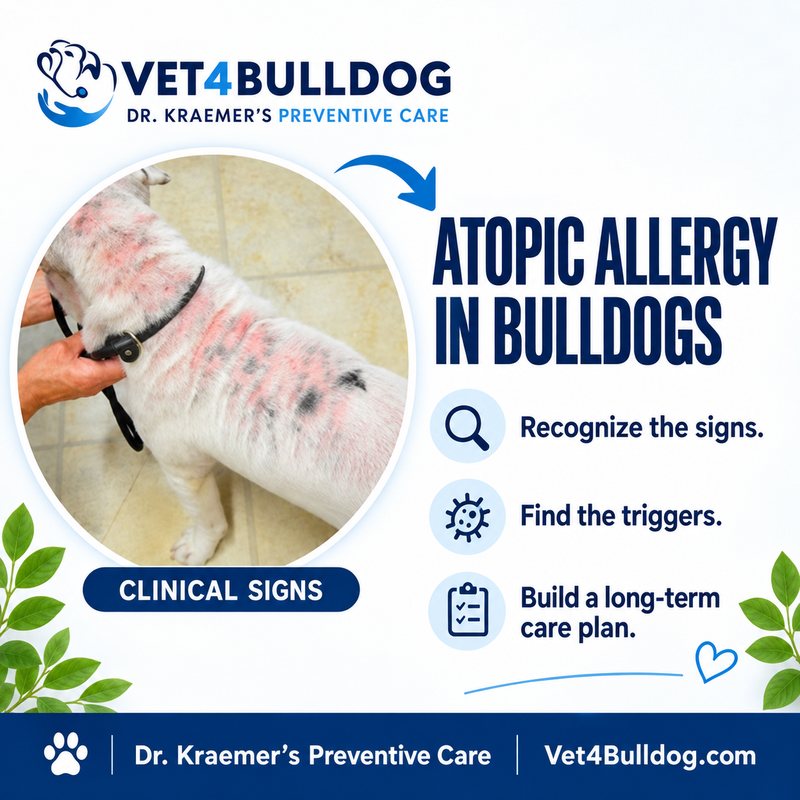
Atopic Allergy Distribution:
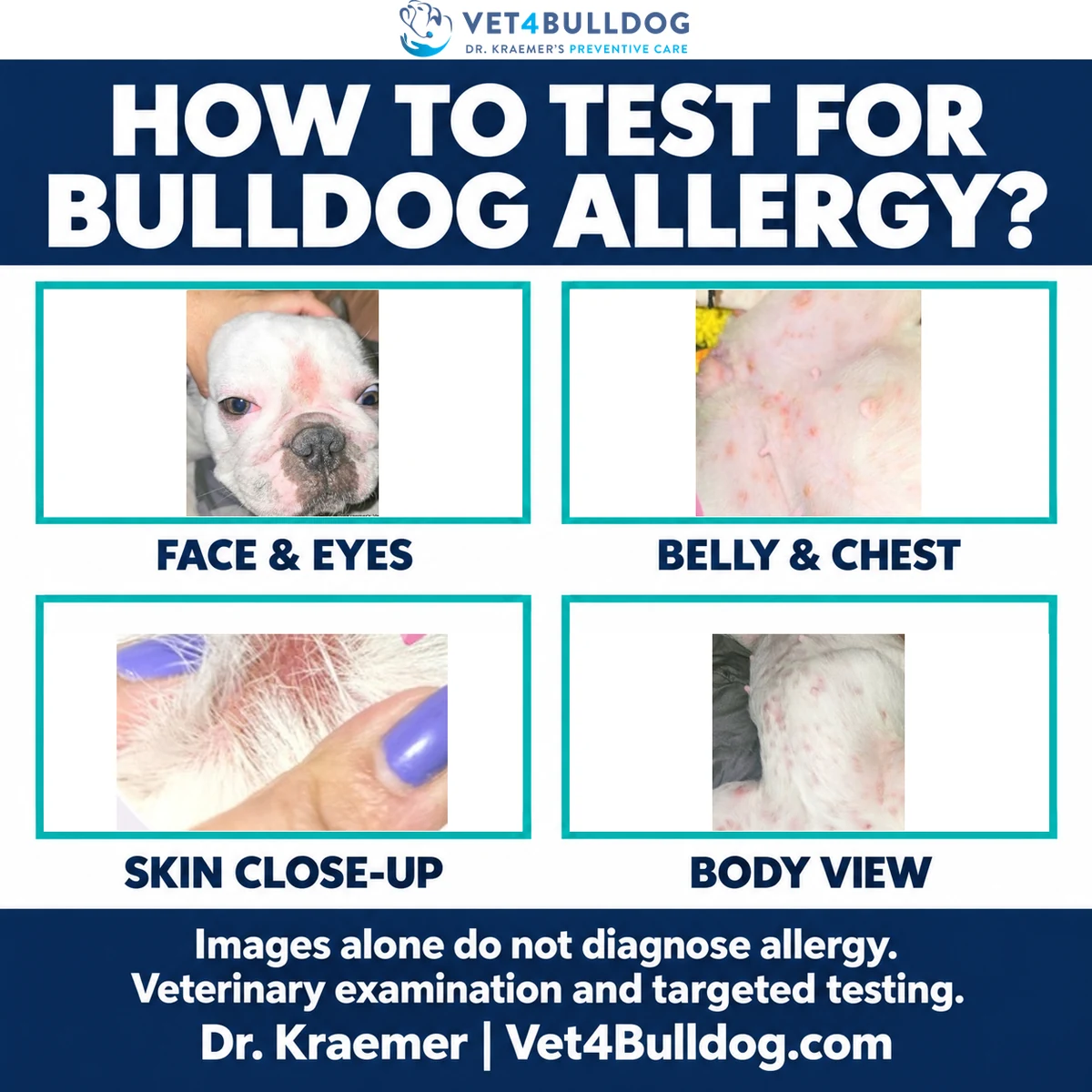
Commonly affected areas include the paws, face, ears, armpits, groin, abdomen, and flexural surfaces.
Allergic Otitis:
Recurring ear inflammation or infection may be part of the atopic allergy pattern. Remember, the ear canals are an extension of your Bulldog’s skin, so itchy skin and itchy ears often travel as an unwelcome pair.
Atopic Allergy Diagnosis:
Environmental allergy is diagnosed after other causes of itch are addressed or excluded; a blood or skin allergy test alone does not diagnose atopic dermatitis.
2. Food Allergy or Adverse Food Reaction
Food-related skin disease can closely resemble other types of allergy. It is important to note that food allergy often causes year-round itching, while atopic dermatitis, fleas and contact may begin seasonally. All can cause recurring ear disease, paw licking, facial irritation, and secondary infection. Some dogs with food allergy may also suffer from an upset tummy that may include vomiting, diarrhea, or excess gas. The trigger is usually dietary protein rather than the common belief of it being associated with grain. Food Allergy Diagnosis Warning: Guessing from an ingredient list is unreliable. The most dependable diagnostic method is a strict, veterinarian-directed elimination diet followed by a controlled challenge with the previous diet. Yes, your bully may give you the famous “But where are my treats?” heartbroken stare… nevertheless, the limited ingredient hypoallergenic diet trial must remain strict. Warning: Blood, saliva, and hair tests are not considered reliable ways to confirm food allergy in dogs.
3. Flea Allergy Dermatitis
Even if you did not spot a flea, do not rule fleas out, especially during warmer months or when other household pets are itching. One tiny hitchhiker can create a surprisingly large amount of drama.
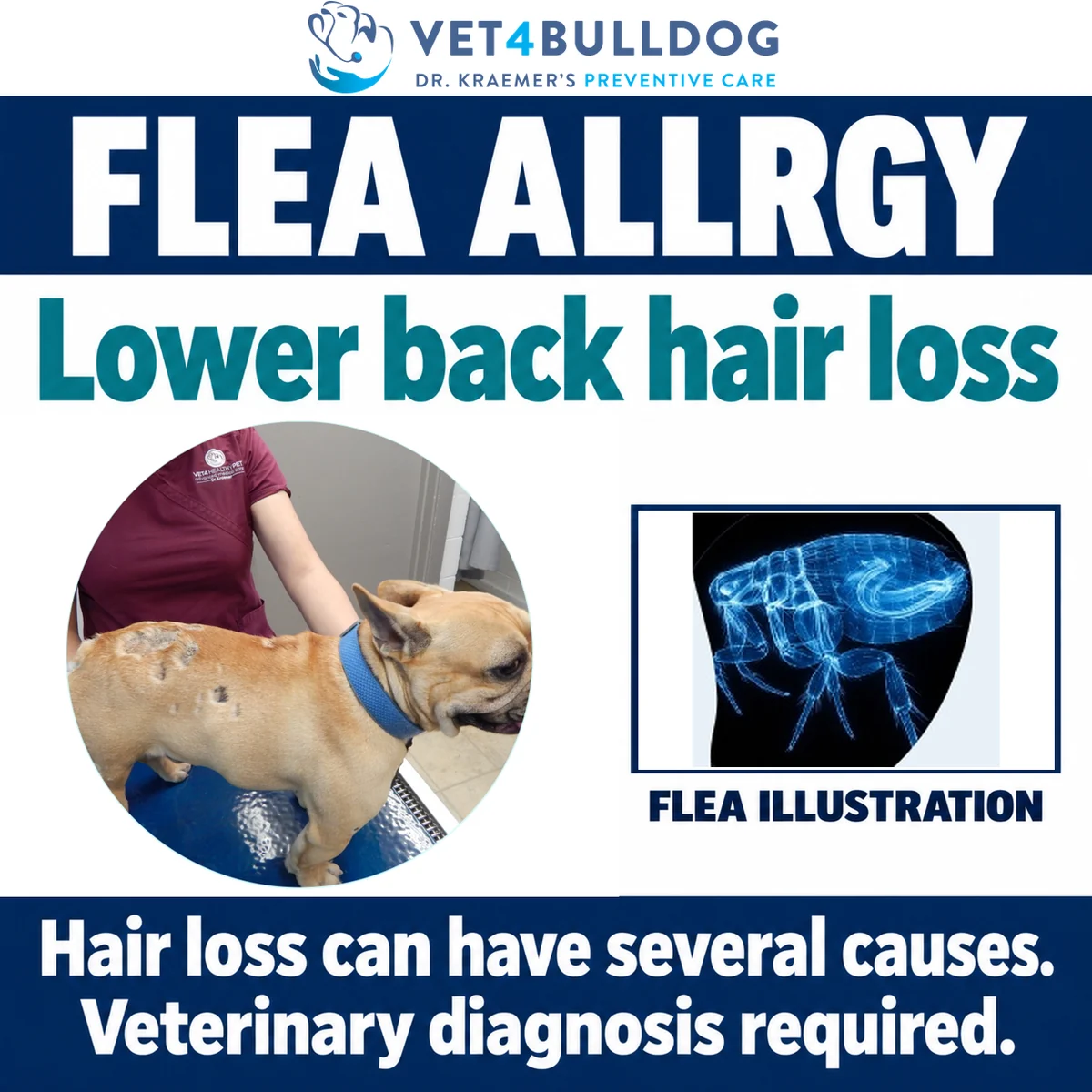
Flea Allergy Skin Distribution
Itching, red bumps, scabs, and hair loss often involve the lower back, rump, tail base, thighs, or abdomen. Consistent flea control for every pet in the household is both a treatment and an important diagnostic step.
I have seen owners switch foods for months when the real culprit was fleas they never spotted.
4. Contact Irritation or Contact Allergy
A reaction can occur where the skin touches an irritating or allergenic substance. Possible exposures include
- lawn chemicals
- cleaning products
- bedding materials
- topical medications
- collars, shampoos
- and even grooming products.
Lesions may be concentrated on the belly, paws, neck, or another contact surface. 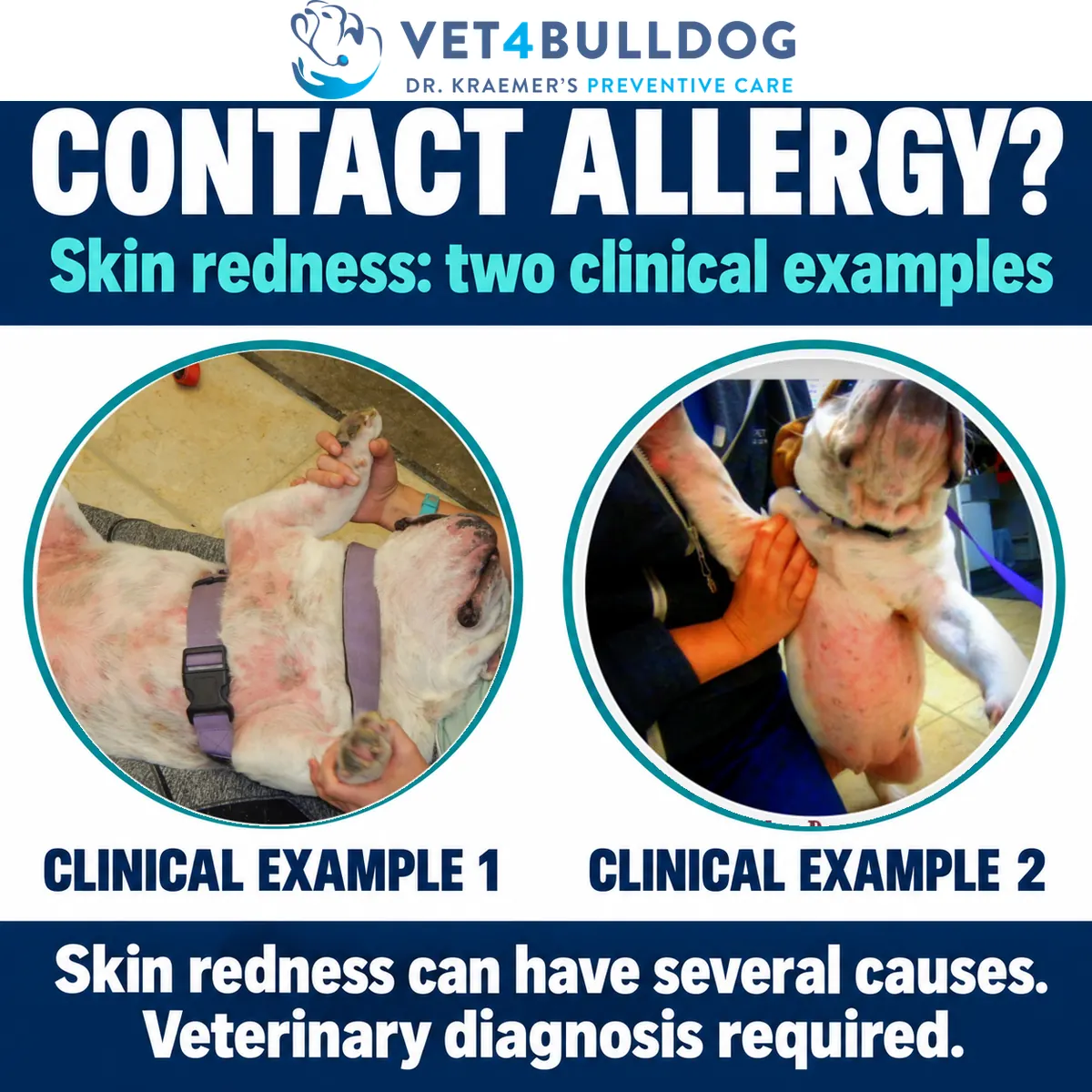 Removing the suspected exposure is more useful than randomly switching treatments and hoping that something good will happen.
5. What Other Skin Problems May Mimic Bulldog Allergy?
Not every itchy Bulldog has an allergy. Veterinarians also consider mites such as
- Demodex mites or sarcoptic mange mites
- ringworm
- bacterial pyoderma
- Malassezia yeast dermatitis
- MRSA multi-drug-resistant bacteria
- Hormonal imbalance and disease
- autoimmune skin disease like pemphigus
- and other inflammatory disorders.
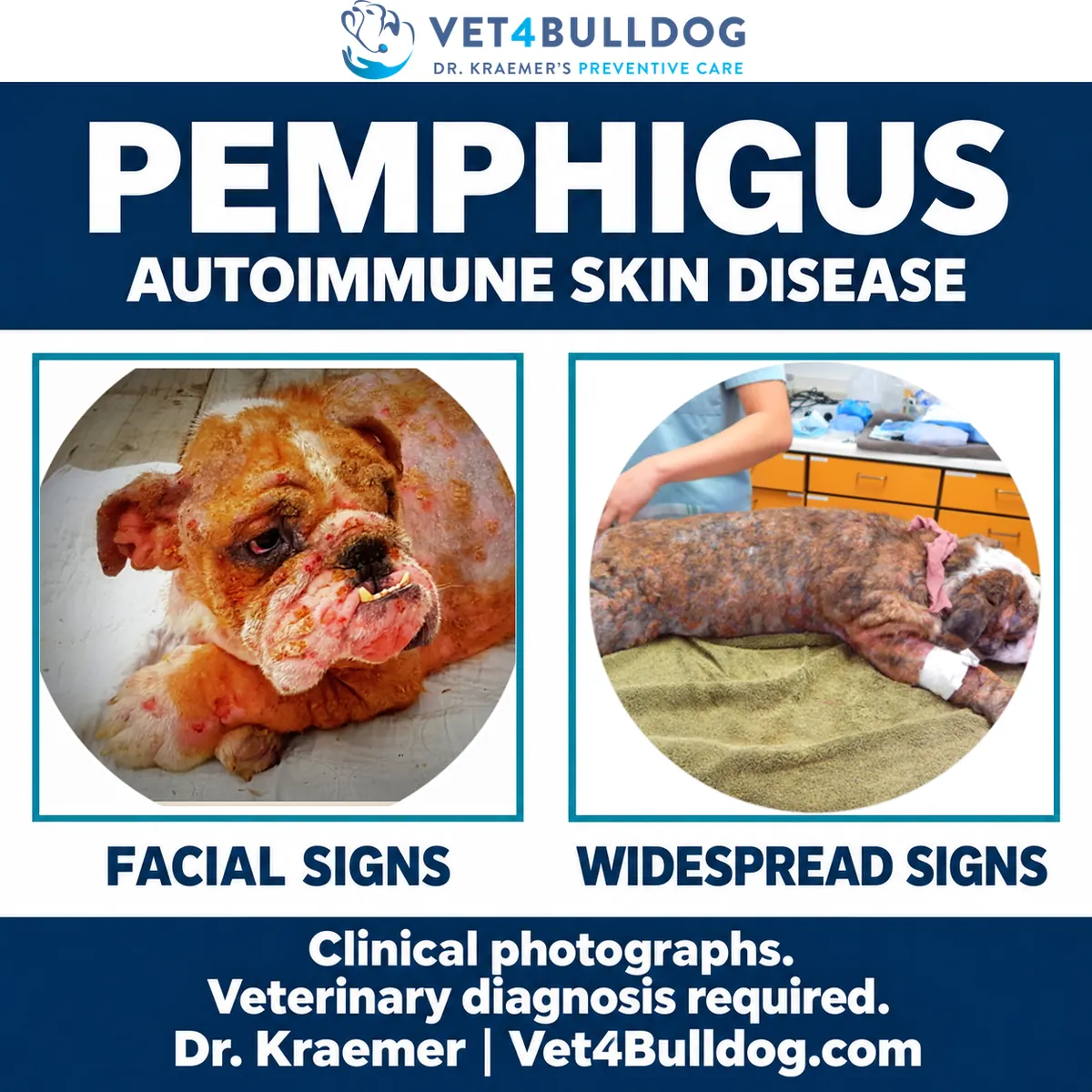
These possibilities are especially important to consider when itch is severe, boils and ulcers are noted, treatment stops working, lesions are unusual, or other animals or people are affected.
What Are Some Of the Signs of Skin Allergy in Bulldogs and French Bulldogs?
Allergic skin disease varies from mild paw licking to widespread inflammation and self-trauma. Common signs include:
- Scratching: licking, chewing, biting, rubbing, or excessive grooming
- Discoloration: Red, warm, bumpy, raw, thickened, or darkened skin
- Balding: Hair thinning, bald patches, broken hairs, scabs, or hot spots
- Odor: Musty or unpleasant odor, greasy skin, dandruff, or flakes and seborrhea
- Otitis: Recurring ear redness, discharge, odor, head shaking, or ear scratching
- Pododermatitis: Paw redness, saliva staining, interdigital inflammation, or recurrent cyst-like lesions
- Irritability: Poor sleep, restlessness, or reduced quality of life
The Location of Itching Provides Clues
| Pattern | Possible considerations |
|---|---|
| Paws, face, ears, belly, armpits | Environmental atopic dermatitis, food reaction, secondary infection |
| Lower back, rump, tail base | Flea allergy dermatitis |
| Belly or paws after outdoor exposure | Environmental allergy, contact irritation, parasites |
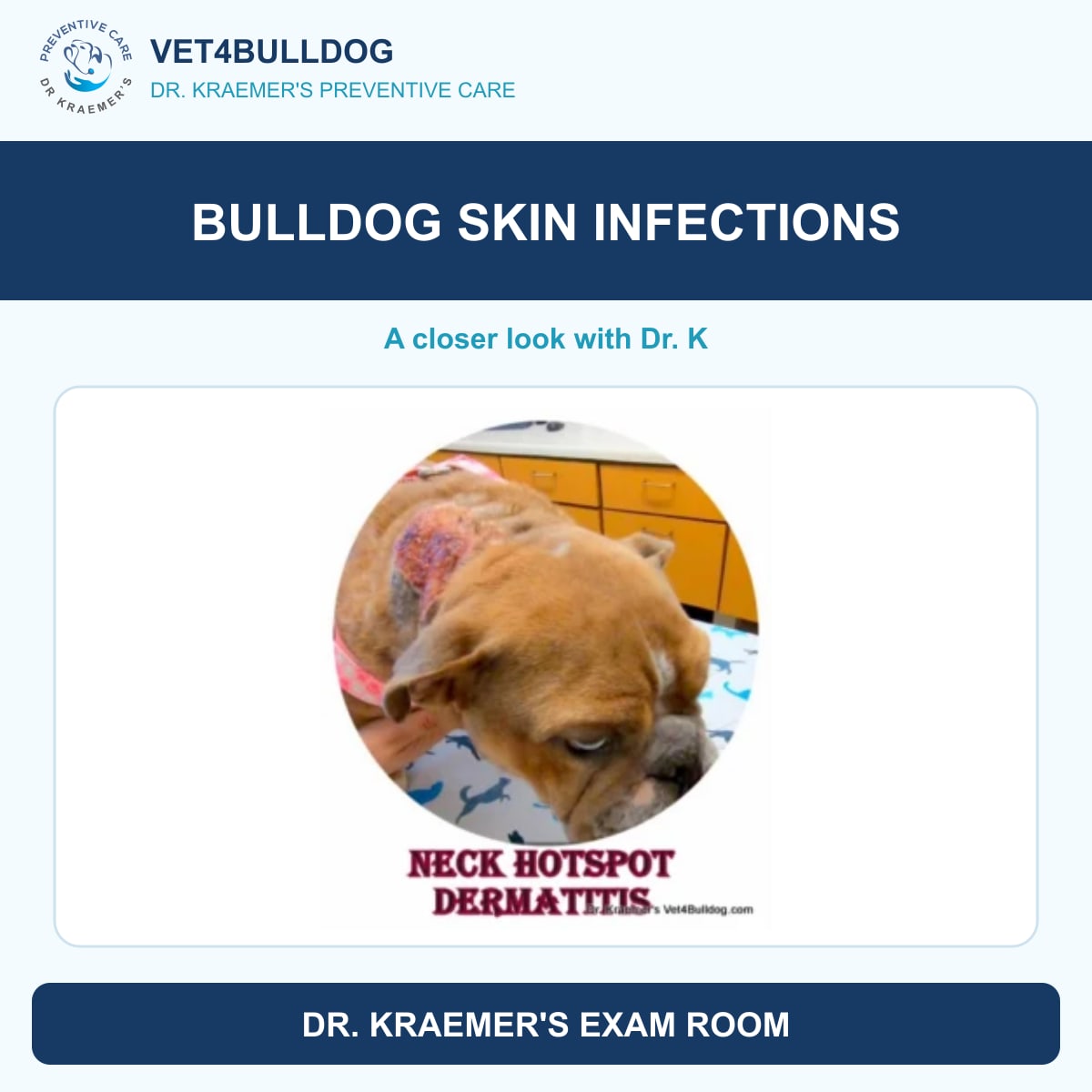
| Neck beneath a collar | Contact reaction, friction, moisture, infection |
| Recurring ears with or without skin disease | Environmental or food allergy, infection, other ear disease |
Allergy Diagnosis Tip
Reminding you that those are general guidelines and should only serve as clues. Your bulldog can have overlapping diseases, and infection can alter the original distribution.
When Should an Itchy Bulldog See the Vet?
If your Bulldog won’t stop scratching, licking their paws raw, or rubbing their face into the carpet ….you’re not alone. Itchy skin is the #1 reason our bulldogs land in my exam room, and many cases can be managed with a plan matched to the cause. Topicals and selected supplements can support care, but parasites, infection, and significant inflammation may need specific treatment. Arrange prompt veterinary care for intense self-trauma, bleeding, pus, painful skin, rapidly spreading redness, marked odor, fever, severe ear pain, eye injury, or inability to sleep.
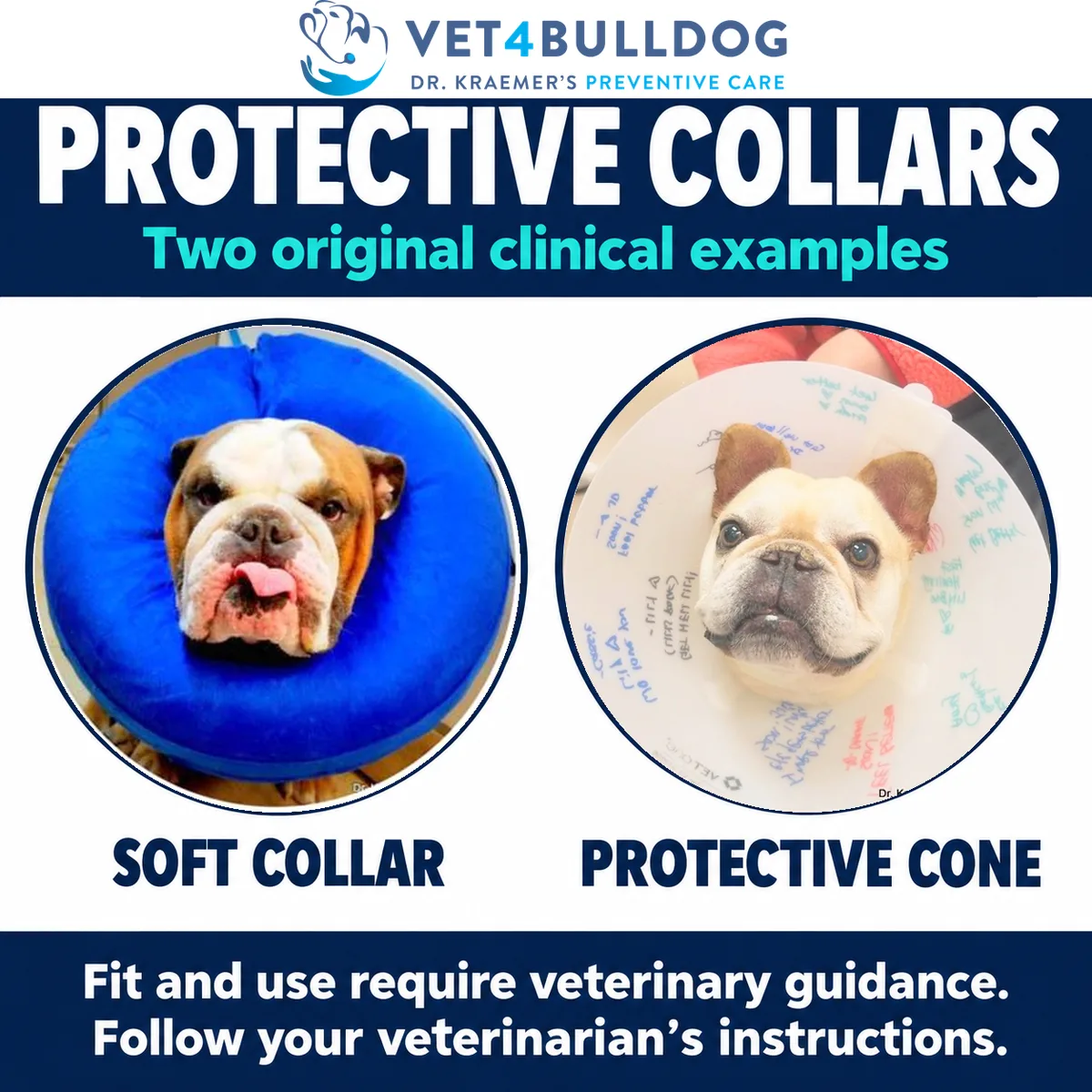
An Elizabethan collar can reduce self-trauma while you are arranging care, but it does not treat the underlying cause.
When Is Bulldog Itching an Emergency?
If your bully has difficulty breathing, blue or pale gums, collapse, rapidly worsening facial swelling, or widespread hives with weakness or vomiting you should seek immediate emergency care.
How Do Veterinarians Diagnose Bulldog Allergies?
There is no single test that identifies every cause of allergic skin disease. I recommend detailed history, complete examination, and a minimum dermatologic database. The diagnostic sequence helps identify parasites and infection and assess the response to treatment.
History and Physical Examination
- Age when itching began and whether signs are seasonal or year-round
- Body areas affected and whether ear or digestive signs occur
- Current flea/parasite prevention and exposure to other animals
- Diet, treats, flavored medications, supplements, and table food
- Previous treatments, response, duration, and adverse effects
First Tier Minimum Dermatologic Tests
- Skin and ear cytology to identify bacterial or yeast overgrowth
- Flea combing and an effective parasite-control trial when indicated
- Superficial or deep skin scraping for mites
Second Tier Allergy Dermatological Testing
- Fungal testing when dermatophytosis (ringworm) is possible
- Bacterial culture for recurrent, deep, unusual, or poorly responsive infection
- Fungal culture
- Environmental allergen blood test
- Food Trials: When food allergy is suspected, the veterinarian may prescribe a hydrolyzed or carefully selected novel-protein diet.
- Biopsy & Histopathology
How Long Should The Food Allergy Trial Last?
The trial must be strict: no unapproved treats, chews, flavored medications, or access to another pet’s food.
- For skin signs, a strict diet trial often takes several weeks; your veterinarian should set the duration and challenge plan
- Digestive symptoms may improve sooner, but the timing and challenge plan should be set with your veterinarian.
What Is a Food Allergy Challenge?
Improvement on the trial should be followed by a controlled challenge with the previous diet; recurrence after challenge supports the diagnosis. 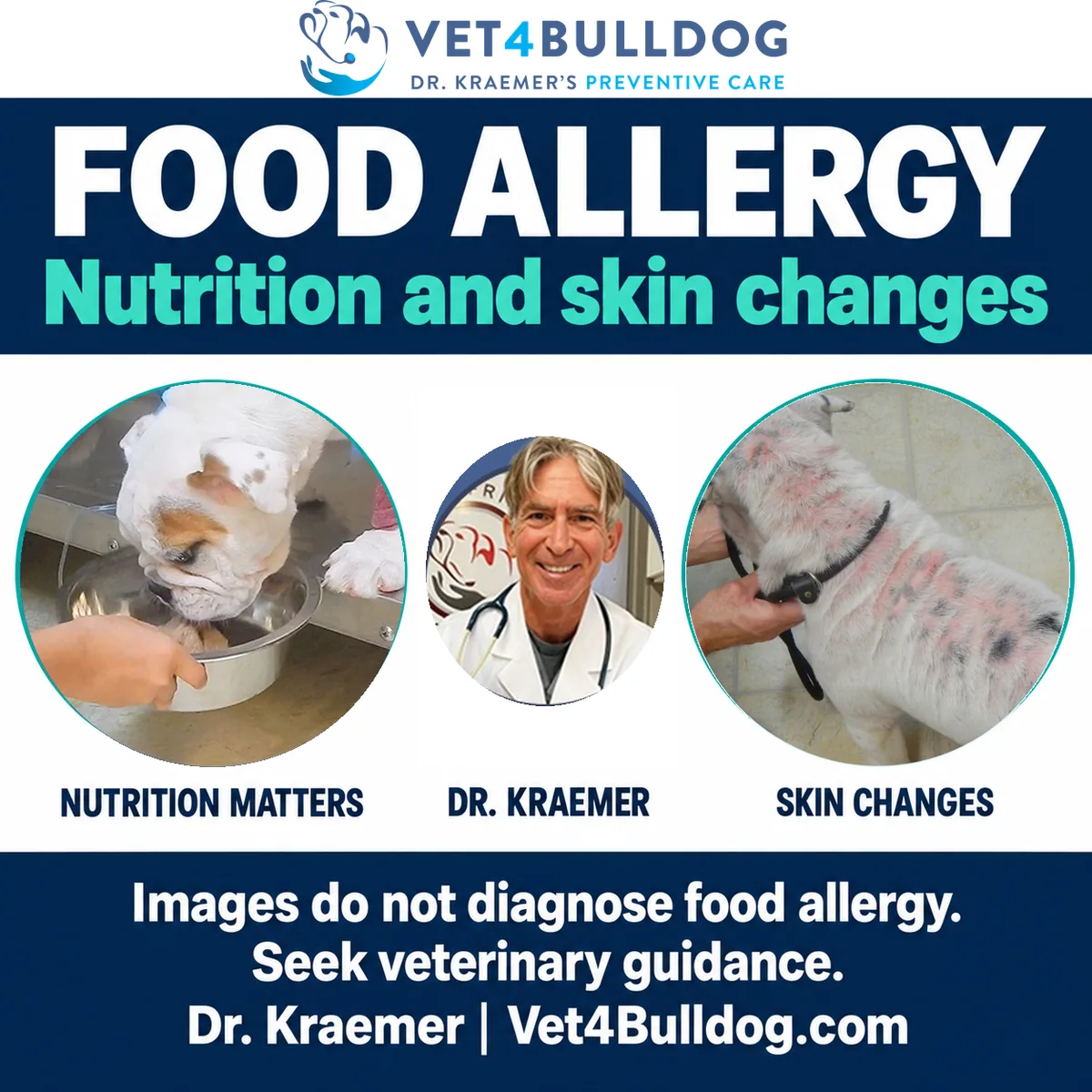
Environmental Allergy Testing
For atopic environmental allergy, intradermal skin testing or allergen-specific blood testing is primarily used to select allergens for immunotherapy after atopic dermatitis has been diagnosed.
Treatment for Itchy Skin and Allergies in Bulldogs
Allergic skin disease is usually managed rather than permanently cured. The best plan is prevention and individualized multimodal care that includes bully topical and supplements therapeutics. Prevent and control the immediate itch, treat infection or parasites, reduce relevant exposures, repair the skin barrier, and establish a safe long-term strategy. Medication choices depend on the dog’s age, health, infection status, severity, and previous response.
1. Treat Secondary Bacterial and Yeast Infection
Cytology helps determine whether bacterial or yeast overgrowth is contributing to the itch.
Topical Skin Care
Topical care may help cleanse the skin and support its barrier. Some localized superficial infections may respond to an appropriate antiseptic shampoo, wipe, spray, or gel, but the choice depends on the examination and cytology. Deep, painful, widespread, or persistent infections need veterinary care. For itchy skin, select a shampoo or conditioner that fits the diagnosis and stop using it if the skin worsens.
Prescription Medication
Extensive, deep, painful, or recurrent disease may require systemic treatment. Antibiotics should be used judiciously, and culture is appropriate when infection is recurrent or fails to respond as expected. Repeated or prolonged steroid use can cause adverse effects. Intense itching may require a veterinarian-directed medication plan, which can include short-term steroids, cyclosporine, antihistamines, or other therapies selected for the individual dog.
2. Control Fleas and Other Parasites
Use a veterinarian-recommended product appropriate for the dog’s age, weight, health, geography, and household. Flea control must be consistent and generally should include every susceptible pet in the home.
3. Support the Skin Barrier with Appropriate Bathing
Bathing can remove surface allergens, debris, and excess microbes while hydrating or medicating the skin. Product selection and frequency should match the diagnosis. Use lukewarm water, follow contact-time instructions, rinse thoroughly, and dry skin folds carefully. Stop any product that appears to worsen redness, pain, or swelling.
Insider tip
When Should I Include Dr. Kraemer’s Vet4Bulldog Topicals and Supplements?
Dr. Kraemer’s selected shampoos, rinses, wipes, sprays, gels, or moisturizers may support cleansing, hydration, and skin-barrier care. They should be matched to the dog’s problem and used as directed. They can complement a veterinary plan, but infection, parasites, severe inflammation, and other diseases may still need prescription treatment. For your convenience, Dr. Kraemer also offers discounted customized bundles for bulldogs and French bulldogs itch and allergies.
“Rocco licks his paws raw and the vet keeps giving us antibiotics. They help for a couple of weeks and then it comes right back. Are we missing something?”
A recurring flare means it is time to reassess the underlying cause as well as the infection. An antibiotic may clear a secondary bacterial infection, which could explain his improvement. If an underlying allergy or another trigger remains, the skin may flare again. That cycle is the single most common story I hear. Breaking it means treating the infection and controlling the allergy at the same time, then keeping up the skin care once he looks better rather than stopping the day he does. Paw licking can reflect contact irritation, but it can also signal allergy, infection, pain, or an interdigital lesion. Ask your vet about cytology to check for bacteria or yeast, and which paw-cleaning or bathing routine fits the findings.
4. Veterinary Medication for Itch and Inflammation
Your vet may consider glucocorticoids, oclacitinib, lokivetmab, cyclosporine, allergen-specific immunotherapy, antihistamines, or other therapies. Some are used for short-term relief; others are part of ongoing management. Each has different onset, duration, indications, contraindications, monitoring needs, and potential adverse effects. Do not start, stop, taper, or combine prescription medication without the prescribing veterinarian.
What Are the Benefits and Risks of Steroids for Allergies?
Glucocorticoids can reduce inflammation and itch quickly, but repeated or prolonged exposure increases the risk of adverse effects. Your vet should select the dose and duration and monitor dogs receiving ongoing therapy. Warning: Steroids can also complicate bacteria, yeast and fungal infection or mite disease, so diagnosis and follow-up matter.
Nonsteroidal Prescription Options
Oclacitinib (Apoquel), lokivetmab (Cytopoint injection for atopic allergies), cyclosporine, and allergen-specific immunotherapy are among the options used in appropriate patients. No single treatment is best for every Bulldog. The choice should reflect the
- dog’s age
- cost
- side effects
- concurrent disease
- infection status
- severity
- and long-term plan.
5. Nutrition and Supportive Supplements
A complete, balanced diet is foundational. Bully essential fatty acids fish oil, bully probiotic, bully immunity, bully allergy& skin supplements and other nutritional support may complement prevention and medical care.
6. Allergen-Specific Immunotherapy
For dogs with diagnosed atopic dermatitis, allergen-specific immunotherapy may be formulated from intradermal or serum testing. It is a long-term treatment intended to modify the allergic response, and improvement can take time and might require lifelong management.
What Can I Safely Do at Home While My Bulldog Is Itchy?
- Buster Collar: Prevent self-trauma. Use an Elizabethan collar when needed and keep nails short.
- Monitor: Check for urgent signs. Breathing difficulty, collapse, blue/pale gums, or rapid facial swelling require emergency care.
- Record: Photograph the affected areas and note the location, season, food, treats, medications, parasite prevention, and recent exposures.
- Do not: Do not give human allergy medication, leftover antibiotics, steroids, essential oils, or multiple topical products without veterinary guidance.
- Follow the plan: Ask your veterinarian which bathing, skin-care, and nutritional steps fit your dog’s diagnosis.
Common Bulldog Allergy Myths
Below are a few bully allergy tips and facts selected by Dr. Kraemer
Myth: A Blood Test Can Diagnose Every Allergy
Fact: Atopic dermatitis is a clinical diagnosis of exclusion. Environmental allergy testing is mainly used to select allergens for immunotherapy.
Food allergy requires a strict elimination diet and challenge.
Myth: Indoor Dogs Cannot Have Environmental Allergies
Fact: Indoor environments contain dust mites, molds, and allergens carried inside on clothing, pets, and air. Staying indoors does not eliminate exposure.
Myth: If I Do Not See Fleas, Fleas Cannot Be the Cause
Fact: Flea-allergic dogs may react to limited exposure, and grooming can remove evidence.
Effective flea control remains part of the diagnostic and preventive process.
Myth: A Supplement Can Replace Allergy Diagnosis
Fact: Nutritional support may complement care, but it cannot identify parasites, infection, ringworm, food allergy, or another disease.
Persistent itch needs a diagnostic plan.
Myth: Bulldog Food Allergy is Usually Associated with Grain
Fact: Food allergies more often involve proteins than grains. A grain-free diet is not automatically a better choice. Discuss major diet changes with your veterinarian.
Frequently Asked Questions
Why does my French Bulldog keep licking its paws?
Paw licking can reflect environmental allergy, food-related disease, contact irritation, parasites, infection, pain, interdigital cysts or a foreign body (foxtail).
Insider tip
Learn more about interdigital cysts in bulldogs and French bulldogs and review Dr. Kraemer’s interdigital cyst dos and don’ts.
How do I know whether my Bulldog has food or environmental allergies?
The patterns overlap. Seasonality may suggest environmental allergy, while year-round signs can occur with either condition.
A strict elimination diet and controlled challenge are used to confirm food allergy.
Can Bulldogs be allergic to chicken?

How often should I bathe an itchy Bulldog?
Frequency depends on the diagnosis, product, infection status, and skin-barrier needs. Follow your veterinarian’s schedule and the product’s contact-time instructions. Some dogs need more frequent bathing during a flare and less often for maintenance.
Waterless gels and lotions can be used on non-bathing days
Can I give my Bulldog Benadryl for itching?
Are Bulldog allergies curable?
When should my Bulldog see a veterinary dermatologist?
Veterinary Care and Supportive Skin Products
If your Bulldog has persistent or severe itching, recurring ear disease, infection, pain, hair loss, or open skin, a veterinary examination is likely needed. For supportive skin care alongside that plan, explore Vet4Bulldog options selected for Bulldogs and French Bulldogs.
More Help from Dr. Kraemer
Every itchy bully has a slightly different story. These real-world guides and answered questions may help you connect the dots:
- Frenchie licking paws: what should a bulldog parent do?
- How to conduct a Bulldog hypoallergenic diet trial
- Flea treatment and allergy medicine Q&A
- Itching, hives, and painful skin bumps Q&A
- Cytopoint itch-control injection guide
- Five Bulldog allergy myths that can waste money and prolong itching
References
- American Animal Hospital Association. 2023 AAHA Management of Allergic Skin Diseases in Dogs and Cats Guidelines. AAHA allergic skin disease guidelines
- Merck Veterinary Manual. Atopic Dermatitis in Dogs. Merck Veterinary Manual: Atopic Dermatitis in Dogs
- Merck Veterinary Manual. Cutaneous Food Allergy in Animals. Merck Veterinary Manual: Cutaneous Food Allergy
- Merck Veterinary Manual. Flea Allergy Dermatitis in Dogs and Cats. Merck Veterinary Manual: Flea Allergy Dermatitis
Trusted by Vets ~ Recommended by Owners ~ Approved by Bulldogs
To be clear: supplements or topicals are not substitutes for prescribed treatment. If your dog is unwell, is being treated for a condition, or is already on medication, review any supplement or topical with your veterinarian so it fits the plan you are already following. This page is educational and is not a diagnosis or a treatment plan for your own dog.