


Think of the webbing between your Bulldog’s toes as a hinge that never gets a day off. Every step presses two surfaces of skin together, and in a broad flat bulldog paw they press harder than nature intended. Add a stiff hair growing the wrong way, a bit of damp, and a dog carrying more weight on one foot than the others, and the hair gets driven into the tissue like a splinter you cannot pull out. What you see on top is the lump. What matters is underneath it, which is why squeezing it or cutting it out so often makes the next one worse. This page is what is actually happening in that paw, what helps, and the one operation worth saying no to.
“My Bulldog keeps getting those red lumps between his toes, and lately he is limping on that same foot. The vet offered to lance it, which I am nervous about. What would you do?”
I would not lance it, and your instinct is sound. On a true interdigital cyst the lesion is the paw reacting to a hair shaft that has been driven into the tissue, plus the friction that put it there, so cutting into it adds more trauma to the same follicle and tends to leave scar tissue that makes the next one likelier. The one clear exception is removing a foxtail. What does help is unglamorous: a daily soak in lukewarm water with Epsom salts, then an antiseptic across the whole webbing rather than dabbed on the lump, kept up for a good few weeks rather than a few days. The limping is the part I would not ignore, though, and not because of the paw. A sore hip, an old knee or extra weight changes which toes carry the load, and the toes under load are the ones that rub. That is usually why these keep coming back on the same foot.
Introduction to Interdigital Cyst in Bulldogs and French Bulldogs:
Interdigital cysts in bulldogs and French bulldogs are common to the breed and are often a lifelong challenge. Other names for interdigital cysts, however, are not always accurate descriptions of true interdigital cysts.
- Bulldog Interdigital Furuncles
- Bulldog Follicular Pododermatitis
- Bulldog Podofurunculosis
WHAT IS A CYST?
A cyst is a closed sac structure filled with liquid.
WHAT IS A BULLDOG INTERDIGITAL CYST?
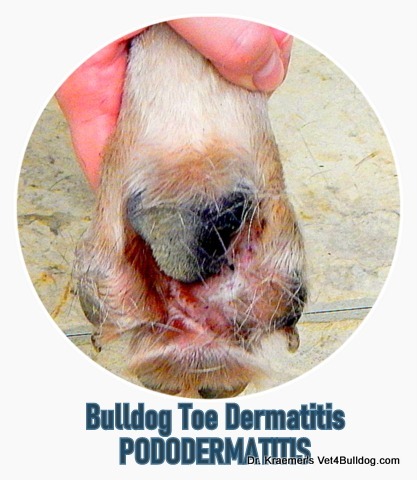
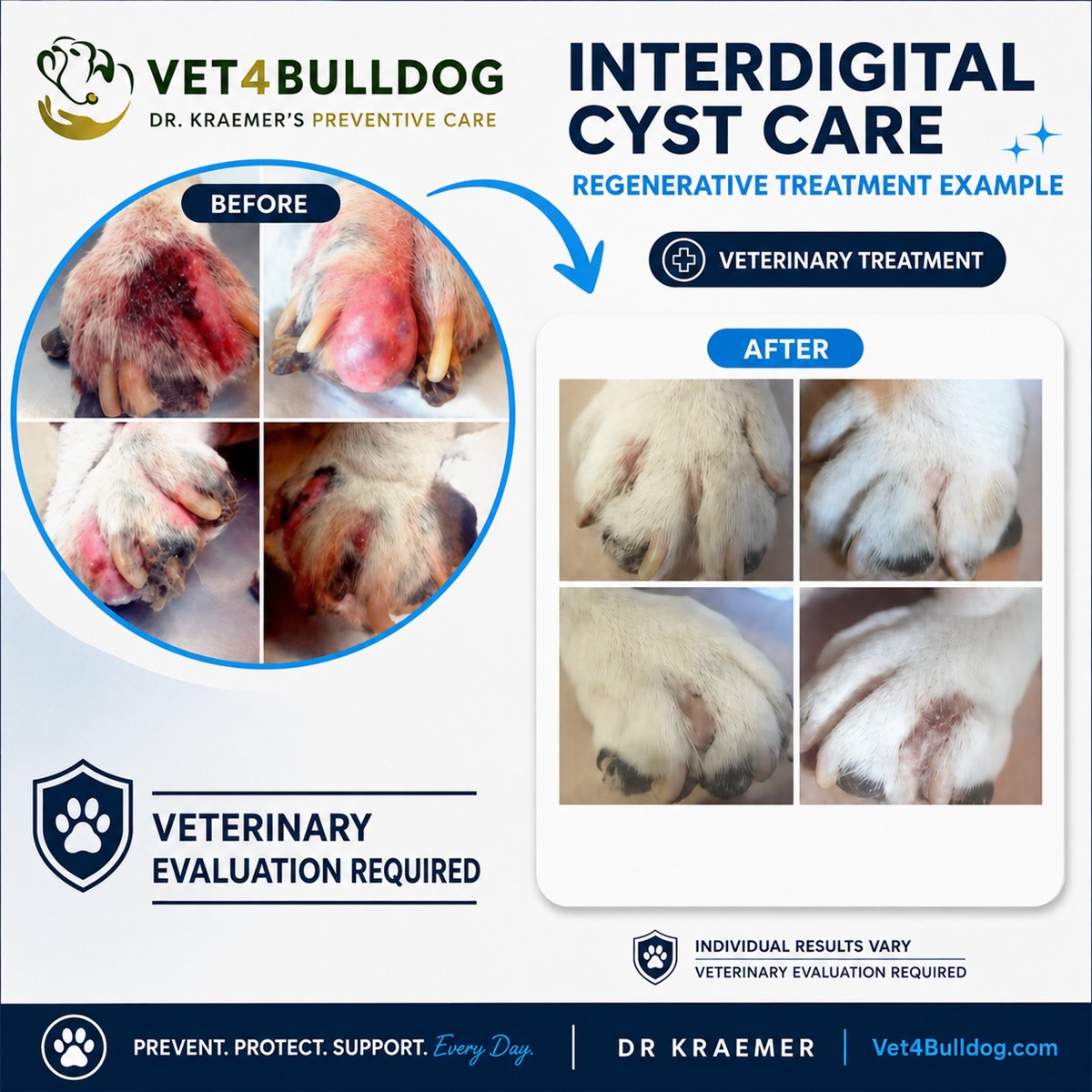
Genuine interdigital cysts are visible beneath the toes and usually stem from paw injuries, particularly trauma to the hair follicles within the paw.
HOW DO BULLDOG INTERDIGITAL CYSTS HAPPEN?
Interdigital follicular cysts usually result from trauma to the hairy skin of the paws, which causes irritation and plugging of the hair follicles that become dilated and eventually rupture.
ARE ALL BULLDOG INTERDIGITAL CYSTS INFECTED?
The body reacts to the irritation caused by ingrown hair with an inflammatory response, characterized by redness, swelling, pain, and the formation of a pus-filled blister.
In bulldogs, this is often triggered by a bent hair shaft embedded in the webbing between the toes, resulting in a classic, bloody, inflamed cyst.
If the dilated cyst ruptures, it can result in further inflammation and open the door for secondary bacterial and yeast infections, making the condition more difficult to treat and more painful for your dog.
WHERE ON THE PAW CAN I FIND AN INTERDIGITAL CYST?
Although lesions usually originate from the bottom of the paw, the cysts tend to progress to the dorsal interdigital surface, where owners usually notice them.
Bulldog Interdigital Cyst 5 MUST KNOW
- Commonly seen between the toes as a raised, rosy, inflamed cystic, ulcerative lesion.
- It’s mostly due to injuries to the hair shaft and follicles due to webbing and traumatic implantation.
- It can be blistery and infected, painful, and difficult to walk on.
- Treatment includes antiseptic therapeutics (wipes, rinse, spray, lotion) and soaking.
- Prevention includes Dr. Kraemer’s Interdigital Cyst Care Bundles
Members of this bulldog community prefer prevention over RX
Nobody should be digging it out
Here is the conversation I had more often than any other about this paw, and it usually starts with an owner who has already been offered surgery. Somebody proposes to lance the lump, dig it out, probe around and send you home. I want to be plain about this: on a true interdigital cyst that is the wrong operation, and I have spent years undoing it. The lesion is not a foreign body sitting in a pocket waiting to be removed. It is the paw reacting to a hair shaft that has been driven the wrong way into the tissue, and to the friction that put it there. Cutting into that adds more trauma to the same follicle, carries bacteria deeper, and leaves scar tissue that makes the next one more likely. The one exception is a foxtail, which genuinely does need to come out.
What does work is unglamorous, which is why it gets skipped. A daily soak in lukewarm water with Epsom salts, then an antiseptic that covers both bacteria and yeast, used on the whole webbing and not dabbed on the lump. You are managing a follicle and a friction point, not removing a growth, so progress is measured over a good few weeks rather than days. Owners who stop at the end of the first week nearly always see it come straight back, then conclude the approach failed when what failed was the length of the course.
Now the part most people never get told, and it is the reason these keep returning on the same foot. Look at how the dog is standing. A sore hip, a bad back, an old knee or simply too much weight all change which toes take the load, and the toes that take the load are the ones that rub. An allergic paw makes it worse again, because an itchy foot gets licked and chewed and the skin between the toes stays damp. So when a cyst keeps coming back in one spot, I stop staring at the spot. Treat the foot, and at the same time ask why that foot is carrying more than its share.
What Are The Symptoms of Bulldog and French Bulldog Interdigital Cyst?
Interdigital cysts manifest as bright, red, puffy, and sometimes erupting lesions in the web. They can be itchy and painful, leading to constant itching and limping.
- COLOR: Red, Swollen
- BLISTER: Blood-filled blister
- PAIN: Limping & Pain
- ITCH: Itching, Licking & Biting
- INFECTION: Rupture of the “cyst” leading to an infection
Interdigital Cyst in Bulldogs RULE OF THUMB:
Interdigital cysts are often a lifelong cyclical problem that requires lifelong prevention and care

What Causes Bulldog and French Bulldog Interdigital Cysts?
Several factors contribute to follicular trauma and cyst development. Bulldogs are predisposed to interdigital cysts due to:
#1. BULLDOG PAW & BODY ANATOMY:
- Confirmation problems: Inherent stocky body types and short legs
- Excessive prominent webbing
- Thick, thorny hairs: stubby hair shafts can easily injure the skin and tissue
- Skin Folds: causing bulldog skin fold moist dermatitis
- Wide paw, Distance pads: bulldogs have wider paws and a greater distance between digital pads, therefore bearing more weight on the haired skin between their toe pads.
- Overweight: Overweight dogs are at higher risk
#2. INTERDIGITAL CYST INGROWN HAIR SHAFT & WEBBING
- HAIR & COAT: Compared to other breeds, bulldogs and French bulldogs have a predisposition to thicker, coarser hair that is more likely to grow in the wrong direction, especially within the warm, moist environment between their toes.
- HAIR & WEBBING: This thick, coarse hair, often described as “thorny” or “bristly,” tends to grow incorrectly within the warm, moist spaces between their toes, folds, and webbing.
- BACTERIA: These ingrown hairs can irritate and puncture the delicate skin, sparking inflammation and providing an ideal environment for bacterial growth

#3. INTERDIGITAL CYST TRAUMATIC IMPLANTATION:
The bristly hair itself acts like a miniature harpoon, pushing dirt, debris, and even broken hair shafts deeper into the skin. This penetration heightens inflammation and fosters the formation of blister-like cysts around the foreign material.
Interdigital cysts develop as a result of ingrown hair shafts and trauma from bristly hair. Traumatic implantation can further push the hair backward into the follicle, exacerbating the issue.
Exercise and walking will exacerbate and even reverse the movement of the prickly, stubby hair shaft

#4. INFECTION LEADING TO INTERDIGITAL CYST:
Secondary skin infections, typically a mix of bacteria and yeast, can exacerbate or lead to interdigital cysts
- Bulldog bacterial dermatitis
- Bulldog yeast dermatitis
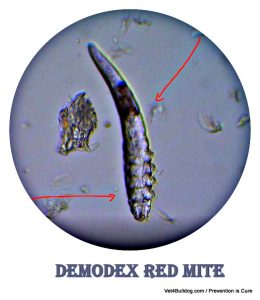
#5. INTERDIGITAL CYSTS AND BULLDOG SKIN MITES:
Skin mites can trigger and exacerbate itching and licking.
- Bulldog Demodex Red Mite
- Bulldog Sarcoptic Mange
#6. BULLDOG ORTHOPEDIC PROBLEMS AND LIMPING:
Bulldogs with orthopedic or back problems often bear extra weight on the least painful leg, applying more pressure on the toes.
Common examples are
- Bulldog hip dysplasia
- IVDD
- Bulldog Arthritis
- Bulldog Vertebral Arthritis
- Bulldog and French Bulldog MPL
- ACL injures

#7. INTERDIGITAL CYSTS AND BULLDOG ALLERGIES:
Allergies are usually associated with itching and licking that cause additional trauma to the hair follicles.
Bulldogs and French bulldogs have a high propensity for common allergies
- Bulldog itch atopic dermatitis
- Bulldog food allergy
- Bulldog pododermatitis
- Bulldog contact allergy
#8. ENVIRONMENTAL TRAUMA LEADING TO INTERDIGITAL CYSTS
Environmental trauma include
- cage and kennel injuries
- surface injuries
- thermal injuries from hot asphalt
- foreign body like grass and foxtail
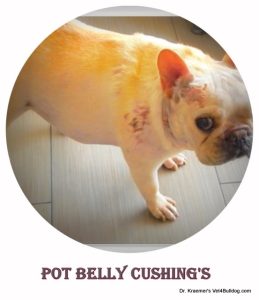
#9. BULLDOG HORMONAL DISEASES
Endocrine conditions like Cushing’s and hypothyroidism can lead to obesity and a suppressed immune system, increasing the risk of yeast and bacterial infections.
#10. INTERDIGITAL CYST BACKWARD PENETRATION:
The bristly hair, exacerbated by scratching or licking, can push the ingrown hair shaft and any trapped debris further into the follicle. This deeper penetration leads to a more chronic and potentially more painful cyst, elevating the risk of infection, pain, and other complications.
Interdigital Cyst in Bulldogs DIAGNOSTIC TESTS:
- Skin scrape: checking for mites like demodicosis
- Cytology: testing for Bacteria and Yeast organisms
- Skin cultures: bacterial types
- Needle Aspirate:
- Skin biopsies: Histopathology
How To Prevent and Treat Interdigital Cyst?
Left untreated, interdigital cysts can become chronic and painful, significantly impacting your bulldog’s quality of life. They can also worsen due to secondary bacterial infections, leading to further complications. Therefore, early intervention is crucial.
🌿Interdigital cysts require long-term therapy, which ideally combines
- Bully Therapeutic supplements
- Bully Therapeutic antiseptic topicals

#1. INTERDIGITAL CYST COMPRESS & SOAKING:
An inexpensive, safe, and effective bulldog interdigital cyst care and maintenance method is a daily soak with lukewarm water mixed with
#2. ANTISEPTIC BULLY THERAPEUTICS:
Daily prevention and care with anti-yeast and antibacterial medicated products:
- V4B Bully Antiseptic XL Skin Fold Wipes
- V4B Bully Antiseptic Skin Fold Rinse
- V4B Antiseptic Skin Fold Spray
- V4B Antiseptic Lotion

#3. BULLDOG THERAPEUTIC SUPPLEMENTS
Ideally, the therapeutic antiseptic topicals are combined with therapeutic supplements
A. PAIN RELIEF:
V4B Bully Comfort AcheLess Formula Chews
B. ANTI-INFLAMMATORIES:
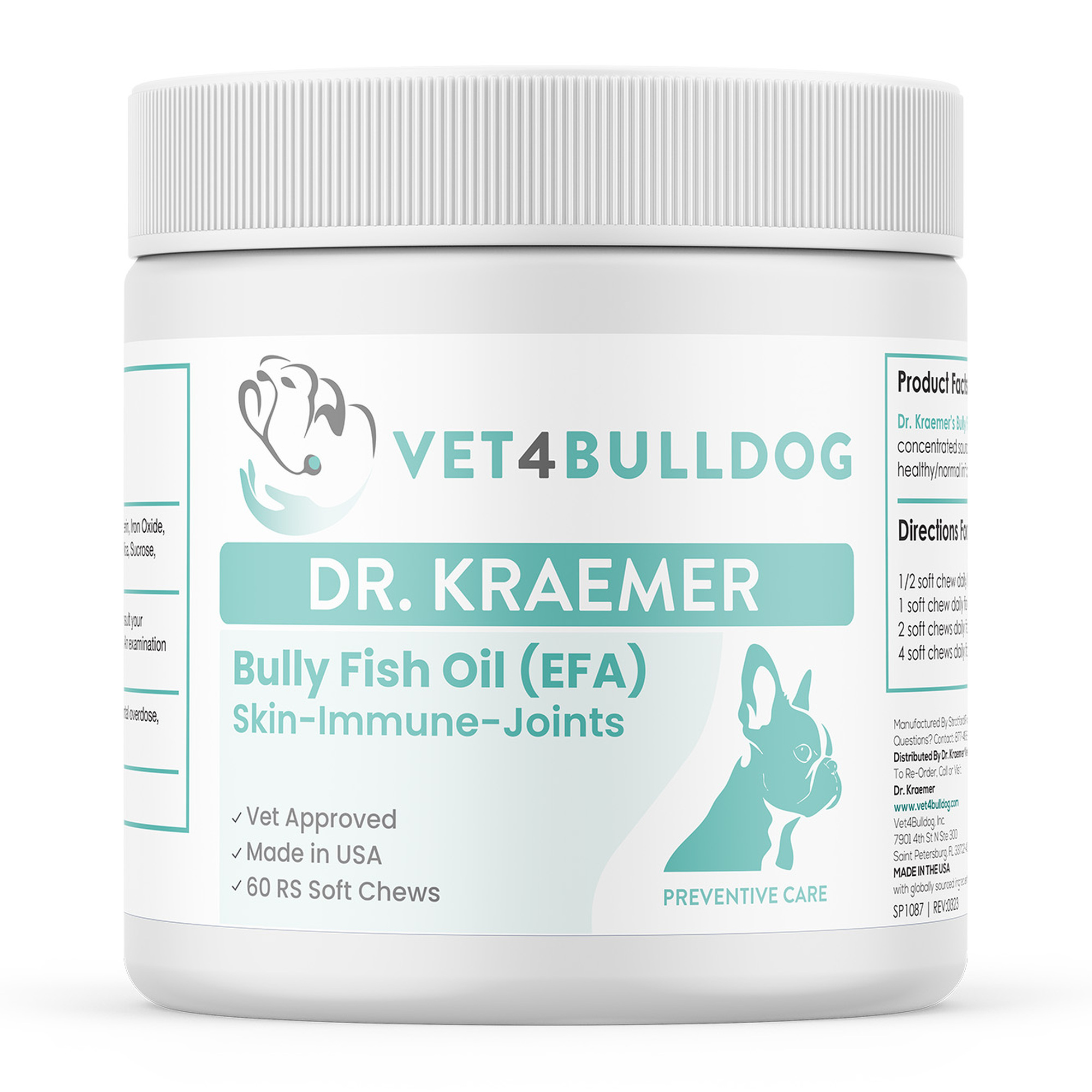
V4B Bully Fish Oil EFA Immune-Skin-Joints Chews
C. IMMUNE BOOSTER:
V4B Bully Immune Support Chews
D. ARTHRITIS RELIEF
V4B Bully Total Joints Formula Chews

#4. PRESCRIPTION MEDICATION
There is a wide range of medications that are often prescribed, including topical and systemic
- pain relief
- anti-inflammatories
- antibiotics
- antifungal
- itch control
A. PAIN RELIEF (RX):
- NSAID
- Gabapentin
- Tramadol
- Steroid
B. TOPICAL OINTMENTS (RX):
Topical antibacterial with cortisone ointments like mupirocin and paralog are sometimes necessary.
C. SYSTEMIC ANTISEPTICS (RX):
In instances of a severe bulldog interdigital cyst, systemic prescription medications may be necessary.
- systemic antibiotics
- systemic antifungal
D. SYSTEMIC ANTI-INFLAMMATORY AND ITCH CONTROL (RX):
- anti-inflammatory
- anti-itching medication
- Cortisone(prednisone). The prescription will usually be in the form of cortisone or, preferably, a nonsteroidal drug like
- Apoquel
- Cytopoint
- Cyclosporine.
E. NON-RX MODALITIES:
I often recommend nonpharmaceutical, anti-inflammatory healing modalities.
Those bulldogs either reacted adversely to the traditional oral and injectable medications or failed to improve on those drugs.
- Pulse Electromagnetic Therapy (PEMT)
- Class 4 Cold laser therapy
- Laser Therapy

F. STEM CELL THERAPY:
I have successfully treated non-responsive, severe cases of interdigital cysts in bulldogs with Stem Cell Therapy and Cryobanking
Stem cell therapy is a cutting-edge regenerative medicine technology.
The operation does not change the loading
Before you read the surgery section, here is the thing that prevents more of these operations than any technique does. Most of the feet that end up in surgery were never given the unglamorous version properly: a soak, an antiseptic that covers both the bacteria and the yeast, and a foot dried afterwards, every day, for a good few weeks. Owners stop at a week because the lump looks smaller, and then conclude the approach does not work. What failed was the length of the course, not the approach.
The second thing is harder to hear. Fusion podoplasty removes the webbing, and the webbing was never the reason. The reason was the load going through those toes and the damp sitting between them. Take the webbing away and leave the stance, the weight and the wet foot exactly as they were, and you have performed a big operation on the symptom. That is why I would want a dog’s weight, the way he stands and any sore joint looked at before anyone books the surgery, not afterwards.
None of this means never operate. A foot that has been scarred and fused by years of recurrence is a different problem, and for that one surgery is a reasonable answer. It means the operation belongs at the end of the list, once the daily work has genuinely been done and has genuinely not held, rather than at the point where everyone has run out of patience.
Interdigital Cyst Fusion Podoplasty Surgery:
When managing interdigital cysts in bulldogs, it’s essential to consult a veterinarian with experience in treating this breed-specific condition. A knowledgeable vet can accurately diagnose the underlying cause, evaluate the severity, and develop a targeted treatment plan tailored to your bulldog’s unique needs.
INTERDIGITAL CYST SURGERY WARNING:
Many bulldog owners are offered surgery options by an inexperienced veterinarian who just digs, cuts, and probes the blister as a quick fix; those types of surgeries are useless and should never be done except for foxtail removal
It could ultimately cause more harm than good and only exacerbate the condition
- Tissue trauma
- Introducing infectious microorganisms
- Further trauma to the hair follicle
- Exacerbate itching
- Impede healing due to post-operative inflammation
It goes without saying that any surgery includes the inherent anesthetic risks
A comprehensive and tailored approach focused on addressing the underlying causes and minimizing additional trauma is key to effectively managing interdigital cysts and ensuring your bulldog’s comfort and well-being.
What Is Fusion Podoplasty Surgery?
Fusion podoplasty is a reconstructive salvage procedure involving the removal of diseased interdigital skin tissues. The phalanges and digital metacarpal/metatarsal pads are then sutured together in apposition to close the resulting skin wound defects.
- LAST RESORT: Fusion podoplasty surgery should only be done as a last resort; it is a salvage procedure
- EXPERIENCE SURGEON: Fusion podoplasty should only be done by an experienced surgeon who has already performed the procedure successfully.
INTERDIGITAL CYST CO2 LASER ABLATION
CO2 laser ablation is a minimally invasive surgical procedure used to treat interdigital cysts that involves using a carbon dioxide laser to precisely target and remove interdigital cysts.
Post-Operative Management for Interdigital Cysts: Must-Do!
Post-operative surgical management demands careful attention, proving to be a time-consuming process.
Interdigital Cyst Post-Op Initial Phase:
- Daily Wound Management: Regular cleaning and monitoring of the surgical site are crucial to prevent infection and ensure proper healing.
- Bandage Changes: Daily bandage changes help keep the wound clean and protected, promoting a sterile environment for recovery.
- Use of Splint: A splint may be necessary to alleviate tension in the wound, providing stability and support to the affected area.
Interdigital Cyst Post-Op Hospitalization Phase:
- Confinement and Care: A few days of hospitalization are recommended to ensure proper confinement, nursing care, and oversight by an experienced veterinary team.
- Monitoring: Continuous monitoring by veterinary professionals helps manage any complications that may arise and ensures the best care during the critical initial recovery phase.
Interdigital Cyst Post-Op Home Care Phase:
- Protective Boot: Following discharge, it is advisable to wear a protective boot on the foot for approximately six weeks. This protects the wound from external factors and reduces the risk of re-injury.
- Home Care Instructions: Follow all post-operative care instructions provided by the veterinarian, including medication administration, activity restriction, and any additional wound care procedures.
Bulldog fusion podoplasty surgery is the last resort option and should be considered if all medical avenues have failed!

Start with the honest order of importance. The daily soak costs almost nothing and matters more than anything you can buy from me. What the topicals add is the part plain water cannot do, which is covering both the bacteria and the yeast that settle in damp webbing between the toes. Those are used alongside what your veterinarian prescribes, not instead of it, and on an angry infected paw the prescription comes first.
The topicals are built on a chlorhexidine and ketoconazole combination, which is why they cover both sides of the problem. The Skinfold and Cyst Antiseptic Rinse has a pointed tip so it reaches right into the webbing, which is the bit that gets missed. The XL Antiseptic Wipes are the quick daily pass after a walk, the Antiseptic Spray suits a paw that will not tolerate handling, and the Antiseptic Lotion stays put longest on skin that keeps breaking down.
If you would rather not assemble it yourself, the bundles are the same products in a sensible combination: Basic, Essential and Ultimate.
Then the part that follows from the exam room note above, because the paw is often carrying more than its share. Where weight and an old joint are in the picture, the Comfort AcheLess chews may help with the aches and discomfort that change how a dog stands. Where the paw is itchy as well as sore, the Skin and Ears Allergy chews and Fish Oil EFA may help support the skin barrier from the inside over a good few weeks. Neither is a substitute for sorting out the allergy itself.
See the interdigital cyst range
MANUFACTURING STANDARDS: V4B products are manufactured to the highest quality specifications in FDA-registered facilities under strict CGMP (“Current Good Manufacturing Practices”) standards.
This page is educational and is not a substitute for veterinary examination, diagnosis or treatment. If your dog is unwell, is being treated for a condition, or is already on medication, talk to your veterinarian before adding anything, including mine.
Interdigital Cysts TIPS & WARNINGS:
Below are a few must-know tips & warnings listed by Dr. Kraemer
#1 BULLDOG INTERDIGITAL CYST ALLERGY TIP:
If your Bulldog or French Bulldog suffers from interdigital cysts and itching in the belly, ears, and other areas, allergies should be suspected as an underlying cause or contributing factor.
- FOOD ALLERGY: When, in addition to interdigital cysts, your Bulldog is also suffering from gastrointestinal problems like indigestion and gas, you should consider food allergies as a contributing condition. I recommend a 3 to 4 month trial prescription hypoallergenic elimination diet with a novel protein or hydrolyzed protein.
- ATOPIC ALLERGY: should be controlled with itch-control medication.
Regardless of the allergies and type of allergies you should always implement preventive & care by combing therapeutic topicals and supplements

#2 INTERDIGITAL CYST TREATMENT TIP:
Treating interdigital cysts might require systemic medication for
- Inflammation
- Pain
- Yeast
- Bacteria
The treatment should continue for a few weeks and often requires a much longer treatment duration.

#3 INTERDIGITAL CYST WEIGHT LOSS TIP:
Overweight Bulldogs face an increased risk of interdigital cysts due to abnormal weight-bearing distribution leading to heightened friction between the skin and footpads. Initiating a weight loss plan for overweight Bulldogs can be beneficial in mitigating this risk.
#4 BULLDOG IMMUNOTHERAPY TIP:
If atopic dermatitis is suspected, a Cytopoint injection should be given as it is safe and effective for treating atopic dermatitis.
A VARL test is recommended to help identify the environmental allergen, followed by immunotherapy. Immunotherapy can save the owner money by reducing their dependency on anti-itch and antibiotic drugs.
Immunotherapy is a safe, cost-effective, and medically effective treatment option for the long-term control of bulldog atopic dermatitis.
#1 INTERDIGITAL CYST DURATION WARNING:
A recurrent chronic interdigital cyst could be attributed to inappropriate antibiotic therapy, which may include a course that is too short, an incorrect dosage, or the use of the wrong drug.
#2 MULTI-DRUG RESISTANCE WARNING:
Given the growing prevalence of multidrug-resistant bacterial infections, such as MRSP, conduct cultures for non-resolving interdigital cyst cases. This is particularly important for cases currently undergoing empirical antibiotic treatment.
#3 INTERDIGITAL BLISTER FRICTION WARNING:
Any chronic friction between the opposing surfaces of your bulldog’s toes can cause an interdigital cyst.
#4 BULLDOG STEROID WARNING:
Dependency and excessive use of steroids can lead to serious adverse effects. There are new, nonsteroidal anti-itch medications and injections on the market, as well as nonpharmaceutical, anti-inflammatory, healing modalities like stem cell therapy, PRP, PEMT, and cold laser therapy.
#5 ARTHRITIS WARNING:
Like obesity, arthritic pain will often cause an uneven weight distribution, exacerbating the cyst condition
#6 FOXTAIL WARNING:
Interdigital cysts in bulldogs can be confused with a foreign body, like a foxtail.
#7 INTERDIGITAL BLISTER SCARRING WARNING:
Ongoing chronic bulldog interdigital infections can lead to secondary scarring.
Can I just squeeze it or pop it?
My vet offered surgery. Should I say yes?
How long should the soaking and antiseptic take to show anything?
Why does it keep coming back on the same foot?
He has been on antibiotics several times and it keeps returning. Why?
Is an Epsom salt soak really worth the bother?
More Help from Dr. Kraemer
- Paw dermatitis and itchy paws in Bulldogs
- Bacterial skin infection and pyoderma in Bulldogs
- Demodex and red mange in Bulldogs
- Arthritis and joint discomfort in Bulldogs
- Weight and exercise in Bulldogs and French Bulldogs
About the Author
Roy Kraemer, DVM, is a veterinarian with extensive clinical experience caring for Bulldogs and French Bulldogs. His educational work emphasizes prevention, early recognition, appropriate at-home care, responsible medication use, and veterinary evaluation when disease is persistent or severe.
Trusted by Vets ~ Recommended by Owners ~ Approved by Bulldogs
Shop the Skinfold and Cyst Antiseptic Rinse →
References
- Merck Veterinary Manual. Pyoderma in Dogs
- Duclos D. Canine Pododermatitis. Veterinary Clinics of North America: Small Animal Practice
- Miller WH, Griffin CE, Campbell KL. Muller and Kirk’s Small Animal Dermatology