

 91 asked 3 years ago
Why Is My French Bulldog Drooling So Much?
Question from Theresa and Pippa’s family:
My 7½-year-old spayed French Bulldog, Pippa, began drooling excessively about a year ago. The thick, sticky drool is most noticeable when she eats or when her humans are eating. She occasionally develops a frothier drool on walks.

Dental treatment did not stop the drooling
Pippa’s veterinarian examined her mouth and found two infected tooth roots. Those teeth were removed and the infections were cleaned, but the drooling returned immediately. A second exam included another thorough look at her mouth, throat, tongue, gums, and teeth, along with head and abdominal radiographs. One additional loose tooth was removed.
Her appetite, bathroom habits, playfulness, and temperament have remained normal. Omeprazole was tried in case reflux or stomach irritation was contributing, but it did not help.
Could a foreign body or another hidden problem cause this?
Could a toy fragment or another foreign object be lodged in her stomach even though abdominal radiographs were taken? A CT scan, seizure medication, and an anti-drooling medication have also been suggested, but she has not shown obvious seizure activity.
In a follow-up, I shared that Pippa sometimes coughs or gags while managing the extra saliva and has lost 4½ pounds. She currently weighs 23½ pounds. She has no known ear, nasal, or breathing problems and takes Heartgard and GlycoFlex.
What would you investigate next?
Thank you,
Theresa and Pippa 🐾
 Dr. Roy Kraemer Staff answered 3 years ago
French Bulldog Drooling: The Quick Answer
Dear Theresa and Pippa’s family—some drooling around food can be a normal “dinner is coming!” response. Persistent ropes of saliva, coughing or gagging, and a 4½-pound weight loss are different. Those signs deserve a focused veterinary recheck even when Pippa still acts happy and eats well.
Excessive drooling is called ptyalism. Sometimes a dog truly produces too much saliva. In other cases, she produces a normal amount but cannot hold or swallow it comfortably. The goal is to identify which problem is happening and then find the cause.
When Drooling Is an Emergency
Seek urgent veterinary care if drooling appears suddenly with any of the following:
- Difficulty breathing, noisy distress, blue or pale gums, weakness, or collapse
- Choking, inability to swallow, or repeated unproductive retching
- A swollen or painful abdomen
- Seizures, disorientation, or a sudden behavior change
- Possible exposure to a toxin, cleaner, medication, plant, or caustic substance
- Repeated vomiting, blood, severe mouth pain, or rapid worsening
What Can Cause Excessive Drooling in a French Bulldog?
1. Mouth and dental pain
Loose or infected teeth, periodontal disease, an oral foreign body, an ulcer, a fractured tooth, an oronasal fistula, or an oral mass can all trigger drooling. Because Pippa already had infected and loose teeth, dental radiographs and careful inspection under the tongue and along the gumline are especially important.
2. Difficulty swallowing
A problem in the throat or esophagus can allow saliva to pool. Watch for repeated swallowing, neck extension, food dropping, coughing or gagging with meals, regurgitation, or food and water coming from the nose.
3. Brachycephalic airway disease
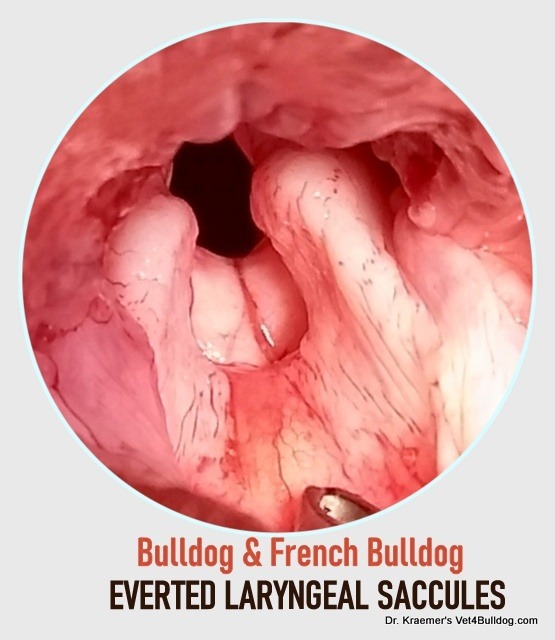
French Bulldogs may have an elongated or thick soft palate, stenotic nares, enlarged tonsils, everted laryngeal saccules, or other components of brachycephalic obstructive airway syndrome. These changes can contribute to gagging, reflux, and trouble clearing saliva—even when the dog does not seem dramatically short of breath.
4. Nausea, reflux, or esophageal disease
Nausea commonly increases saliva. Reflux, esophagitis, a hiatal hernia, megaesophagus, or another swallowing disorder may be involved. A lack of response to omeprazole does not prove that the problem is—or is not—gastrointestinal.
5. Salivary-gland disease
Inflammation, obstruction, leakage, enlargement, or a mass affecting a salivary gland can cause drooling, gulping, gagging, swelling near the jaw, or pain.
6. Medication, toxin, metabolic, neurologic, or behavioral causes
Some medications and toxins increase saliva. Kidney or liver disease, neurologic disorders, and uncommon salivary-gland conditions can do the same. Excitement or anxiety may explain food-triggered or walk-triggered drooling, but it should not be assumed to be behavioral when weight loss, gagging, or other medical signs are present.
Could a Stomach Foreign Body Be Missed on X-rays?
Yes. Metal, bone, and some dense materials are usually easier to see, while cloth, rubber, plastic, and other soft materials may be difficult to identify on routine radiographs. Ultrasound, contrast imaging, or endoscopy may be more useful when the history and examination keep a foreign body high on the list.
A year-long, mostly food-triggered pattern without persistent vomiting or appetite loss makes a stomach foreign body less typical, but Pippa’s veterinarian should interpret that possibility alongside her weight loss and gagging.
A Practical Diagnostic Plan for Pippa
- Map the pattern: record when drooling begins, what it looks like, whether it occurs during sleep, and whether eating, exercise, excitement, or medication changes trigger it. A short phone video is very helpful.
- Repeat the physical exam: include the mouth, teeth, tongue, throat, jaw, salivary glands, ears, cranial nerves, abdomen, and hydration status.
- Review the dental work: confirm that full-mouth dental radiographs were obtained and that healing is complete.
- Screen for systemic disease: a CBC, chemistry panel, and urinalysis are reasonable because of the weight loss. Additional tests should follow the examination.
- Assess swallowing and the airway: depending on her signs, this may include chest or neck radiographs, a contrast swallow study, endoscopy, or a sedated upper-airway examination by a veterinarian experienced with brachycephalic dogs.
- Escalate imaging strategically: ultrasound or CT can be valuable when the earlier steps identify a specific concern. Neurologic testing is most useful when episodes, examination findings, or videos suggest a neurologic cause.
Medication Safety
Do not stop Pippa’s current medication or begin steroids, seizure medication, motility drugs, or anti-nausea medication without her veterinarian’s direction. A monitored therapeutic trial can sometimes help test a well-supported diagnosis, but the drug, dose, duration, interactions, and follow-up plan must fit the individual dog.
Dr. Kraemer’s Exam Room Takeaway
The food-triggered portion of Pippa’s drooling may include a normal anticipatory response, but the amount of saliva, coughing or gagging, and weight loss make this more than a messy habit. I would prioritize a careful dental/oral review, salivary-gland and airway assessment, basic laboratory screening, and a swallowing or gastrointestinal workup guided by those findings.
Until she is rechecked, use a soft absorbent bandana, gently clean and dry her lip folds and chin, keep a video diary, and do not place your fingers deep in her mouth if choking or a foreign body is possible.
Daily Wellness Support
Supplements do not diagnose or treat persistent drooling. If Pippa’s veterinarian identifies digestive sensitivity or anxiety as part of the problem, Bulldog-focused daily support may complement—not replace—her diagnostic plan:
Good luck, Pippa. Please send us an update.
Dr. Kraemer, Vet4Bulldog
Trusted by Owners, Loved by Bulldogs
91 answered 3 years ago
Thank you so much for getting back to me, Dr. Kraemer. Below is some additional information and I have attached a photo.
Pippa has a short palate, and no breathing, nasal, or ear issues. Before the hypersalivation, she did not have any issues swallowing but with the excess salvia, she sometimes coughs and gags. The only medication she takes is Heartgard and Glycoflex. She has hip dysplasia but you would never know it and she recently started receiving laser treatments 1x/every 2-3 weeks. The only other symptom that she has is that she lost 4.5 lbs. since the onset of the drooling. Weight is steady at 23.5 lbs. Please let me know if you need any additional images or information. Not sure how to attach a photo; please advise.
Thank you,
Theresa