


What Is Aspiration Pneumonia in Bulldogs?
Bulldogs, French Bulldogs, and other brachycephalic breeds are more prone to aspiration pneumonia than other dog breeds.
Aspiration occurs when they inhale foreign substances, often as a result of:
- Vomiting ingesta
- Regurgitated food
- Gastric acid reflux
The aspiration leads to lung damage due to an immediate inflammatory response to the inhaled material. The situation can worsen due to infection from bacteria in the aspirated content.
The resulting acute inflammation and infection are life-threatening and require prompt veterinary attention.

5 Must-Know Facts About Bulldog Aspiration Pneumonia
- The most common cause of bulldog aspiration pneumonia is BOAS
- Therefore, early repair of bulldog stenotic nares and an elongated palate is critical.
- Inhaled vomit, regurgitated food, and gastric acid can inflame the lungs and introduce infection.
- Treatment includes oxygen, rest, antiemetics, anti-reflux, and antibiotics
- Prevention includes Dr. Kraemer’s Aspiration Pneumonia Bundles
What Are The Symptoms of Inhalation Pneumonia in Bulldogs?
The symptoms of aspiration pneumonia often include:
- Breathing difficulties: Breathing may be rapid, shallow, or noisy
- Swallowing difficulties
- Coughing: Often persistent and may be wet or dry.
- Fever: An elevated temperature is common due to infection.
- Discharge from the nasal passages: Mucus or pus-like discharge may be present.
- Rapid breathing: abnormal shallow rapid breathing
- Bluish-purplish tongue (cyanosis): A sign of oxygen deprivation, known as cyanosis.
- General weakness and intolerance to exercise due to oxygen deprivation.
- Loss of energy and reduced appetite: A noticeable decrease in energy or activity levels.
What Are The Leading Causes Of Bulldog Aspiration Pneumonia?
The leading cause of bulldog aspiration pneumonia is untreated bulldog brachycephalic syndrome (BCS)
1. BOAS AND BULLDOG PNEUMONIA
There’s a strong connection between BOAS (Brachycephalic Obstructive Airway Syndrome) and aspiration pneumonia.
BOAS conditions include:
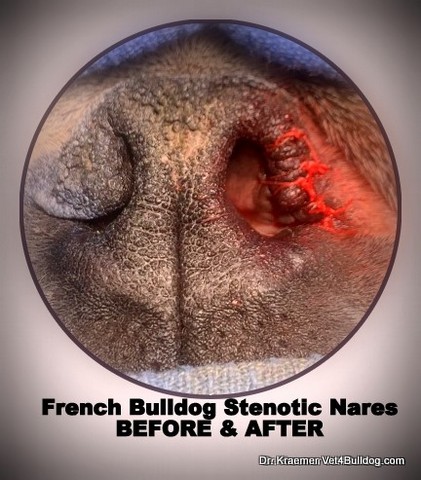
- Stenotic nares
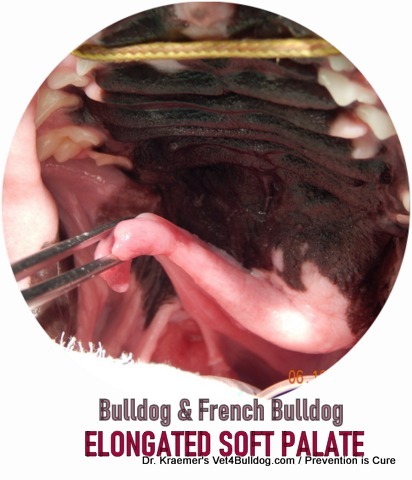
- Elongated soft palate
- Everted Laryngeal Saccules
- Hypoplastic Trachea
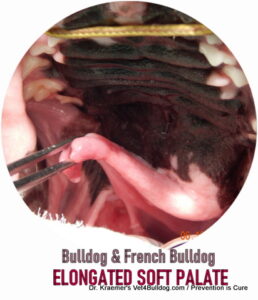
Those airway obstructions create negative pressure in the airways, potentially pulling stomach contents into the esophagus and throat.
🚨This can lead to the aspiration of these contents into the lungs, increasing the risk of aspiration pneumonia.
2. VASOVAGAL REFLEX CAUSING PNEUMONIA
Among its many functions, the vagus nerve is vital in regulating
- heart rate
- gastrointestinal activity
- reflex actions like coughing and sneezing.
In the context of BOAS, the stress and physical strain of struggling to breathe can trigger a vasovagal response. This response may cause the lower esophageal sphincter to suddenly relax, leading to gastric contents refluxing into the esophagus and often aspirated into the lungs.
- Gastric reflux: stomach acid flowing back up into the esophagus.
- Retching: the forceful attempt to vomit without expelling anything.
- Vomiting: forcing stomach contents out of the mouth.
Gastric reflux, retching, and vomiting are caused by a high vagal tone (vasovagal reflux) associated with BOAS.
3. BULLDOG MEGAESOPHAGUS LEADING TO ASPIRATION PNEUMONIA:
Megaesophagus is dilation and poor movement of the esophagus. Regurgitation from megaesophagus increases the risk of aspiration pneumonia.

4. BULLDOG ASPIRATION PNEUMONIA / OTHER:
Less common are oral, laryngeal, and pharyngeal problems, such as
- GERD
- Hiatal Hernia
- Hypoplastic trachea
- Laryngeal nerve paralysis: (BOAS)
- Laryngeal collapse: (BOAS)
- Myasthenia gravis: neuromuscular disease
- Oropharyngeal and Laryngeal Tumors

Inhalation Pneumonia in Bulldogs and French Bulldog DIAGNOSIS:
Diagnosing aspiration pneumonia in bulldogs involves a combination of clinical evaluation, diagnostic tests, and imaging.
Here’s an overview of the common steps:
- Veterinary examination: Physical examination and breathing assessment
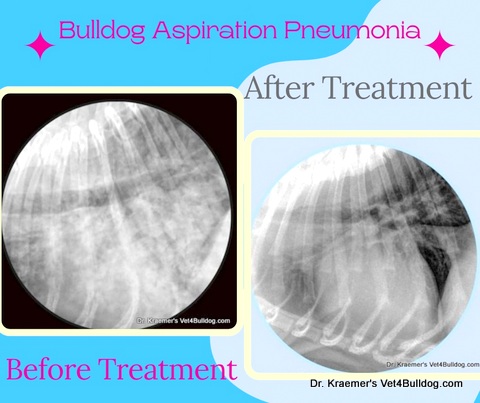
- Imaging: Chest radiographs are essential for diagnosing pneumonia, showing areas of lung consolidation or infiltrates typical of aspiration pneumonia.
- Bronchoscopy:
- Blood Test: Complete blood count (CBC) and biochemistry profiles can help identify infection, inflammation, or other systemic issues contributing to the dog’s condition.
- Pulse Oximetry and Blood Gas Analysis: These tests measure oxygen levels in the blood, assessing how well the dog’s lungs are functioning.
- Airway Cytology and Culture: These procedures collect samples from the lower airways to identify bacteria, fungi, or other pathogens responsible for the infection. This also helps guide targeted antibiotic therapy.
- bronchoalveolar lavage
- transtracheal wash
Sedation Warning:
Tests that require sedation or anesthesia, like radiographs, endoscopy, BAL, or TTW (a wash or lavage), should be modified or placed on hold until the patient’s status is improved.
Stress Warning:
Diagnostic tests for aspiration pneumonia should be conducted cautiously, as even minor stress can exacerbate your bulldog’s condition. Bulldogs are susceptible to stress due to their compromised respiratory systems, and any added pressure can worsen breathing difficulties or trigger complications.
🚨 Diagnostics should be performed by professionals experienced with brachycephalic breeds in a calm, low-stress environment.

Aspiration Pneumonia Prevention in Bulldogs and French Bulldogs
Given that BOAS (Brachycephalic Obstructive Airway Syndrome) is the leading cause of inhalation pneumonia in bulldogs, addressing this issue promptly is crucial.
1. BOAS SURGICAL REPAIR
Interventions like widening a pinched nose or trimming an elongated palate can significantly reduce the risk.
2. GERD AND HIATAL HERNIA REPAIR:
Similarly, GERD resulting from a hiatal hernia can be managed by surgical repair, while ongoing management of the megaesophagus will help control associated vomiting and regurgitation.
3. PNEUMONIA PREVENTION WITH DIET AND FEEDING
If your bulldog is already displaying symptoms like vomiting, retching, and regurgitation, preventing aspiration pneumonia involves carefully managing these symptoms through:
- Diet modification
- Using a slow feeder
- Smaller, more frequent meals
- Elevating the feeding station

4. PNEUMONIA PREVENTION WITH DRUGS:
Additionally, medications can play a key role in prevention, including:
- Anti-nausea drugs
- Antiemetics: To control vomiting
- H2 blockers and proton pump inhibitors: To reduce acid reflux
Effective management of these symptoms can help protect your bulldog from the serious risks of aspiration pneumonia.
How To Treat Pneumonia in Bulldogs and French Bulldogs?
Short-term management of bulldog aspiration pneumonia often involves
- antibiotics
- regurgitation and vomiting control
- dietary adjustments
- maintaining a calm, stress-free environment for recovery.
SEVERE PNEUMONIA CRITICAL CARE TREATMENT:
In more severe or critical cases, hospitalization for advanced care, including intravenous fluids and more intensive monitoring, may be necessary.
1. PNEUMONIA OXYGEN THERAPY
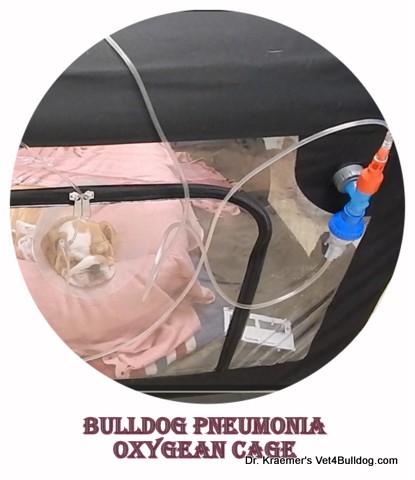
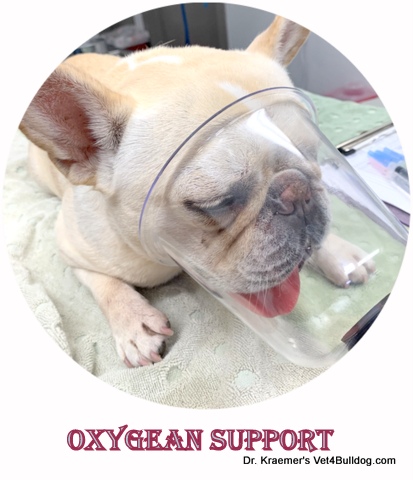
Oxygen therapy is often a vital component of the initial treatment to stabilize your bulldog, especially in severe cases.
This can include an oxygen cage, nasal cannula, or other oxygen supplementation methods to support breathing while reducing stress on the respiratory system.
2. BULLDOG PNEUMONIA IV FLUID THERAPY:
In critical cases when a bulldog is unable or unwilling to drink sufficient water, intravenous (IV) fluid administration becomes essential.
This approach not only helps maintain proper hydration but also serves as a means to effectively deliver medications, ensuring that your pet receives the necessary treatment during their recovery process.
3. PNEUMONIA AND STRESS-FREE REST:
Rest is essential for your bulldog puppy’s quick recovery. Keep your puppy calm, in a confined area away from other pets or active children.
Physical exertion or stress can worsen lung function, interfering with proper oxygen delivery to tissues and potentially causing hypoxia or ventilation-perfusion imbalance.
4. PNEUMONIA NEBULIZER & COUPAGE:
Hospital Nebulization Benefits: It delivers a fine mist of saline solution or medication directly to the airways. This helps to:
- Loosen mucus and secretions, making them easier to cough up.
- Hydrate the irritated airways.
- Deliver medication directly to the lungs (depending on the prescribed medication).
Home Steam Room as an Alternative: While a steam room can be helpful in a pinch, it has limitations compared to nebulization:
- Less Controlled: The humidity level and medication delivery are less precise with steam.
- Potential Irritation: Hot, uncontrolled steam could irritate the puppy’s airways further.
- Safety Risk: Leaving a puppy unattended in a bathroom with hot water is a safety hazard.
5. BULLDOG PNEUMONIA / RX:
- Broad-spectrum antibiotics
- Anti-nausea
- Anti-vomit
- Anti-reflux
6. QUALITY NUTRITION FOR PNEUMONIA:
Quality food and quality nutritional support are critical
7. SUPPORTIVE NUTRITION AND SUPPLEMENTS
Supplements do not replace diagnosis, oxygen, antibiotics, or other treatment prescribed by your veterinarian. If you use supportive nutrition, review the ingredients and dosing with your veterinarian.
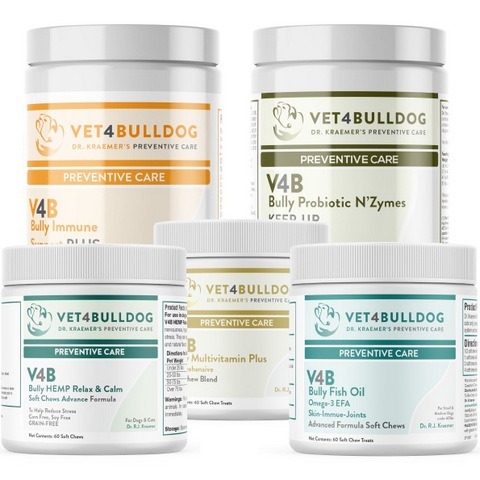
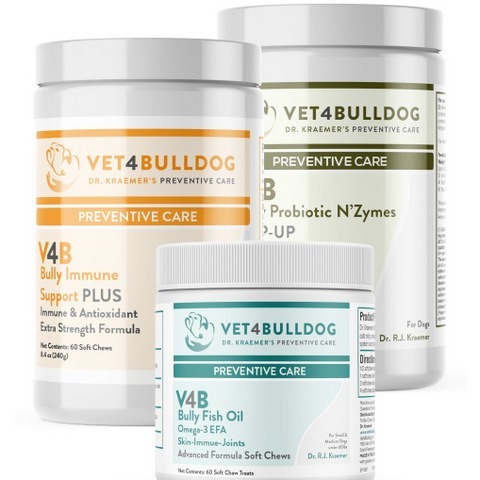
A. BULLDOG IMMUNE SUPPORT SUPPLEMENT:
B. BULLDOG GASTROINTESTINAL SUPPORT FOR PNEUMONIA:
C. BULLDOG MULTIVITAMINS:
4. RELAX and CALM THERAPEUTICS FOR BULLDOG PNEUMONIA:
Aspiration Pneumonia in Bulldogs / BOAS SURGERY:
If your Bulldog is diagnosed with brachycephalic obstructive airway syndrome, discuss surgical options and timing with a veterinarian experienced with brachycephalic breeds.
Without timely intervention, these conditions can worsen, potentially leading to serious complications like megaesophagus and aspiration pneumonia.
Early correction helps prevent the progression of these issues, enhancing your bulldog’s overall health and quality of life.
Dr. Kraemer’s Bulldog Aspiration Pneumonia RULE of Thumb:
Pneumonia in bulldog puppies is a serious condition that may necessitate hospitalization in a critical care unit, often requiring weeks of intensive and costly treatment.
Medical teams will monitor tissue oxygenation levels with tools like a pulse oximeter to ensure effective management and recovery.
Inhalation Pneumonia in Bulldogs TIPS & WARNINGS:
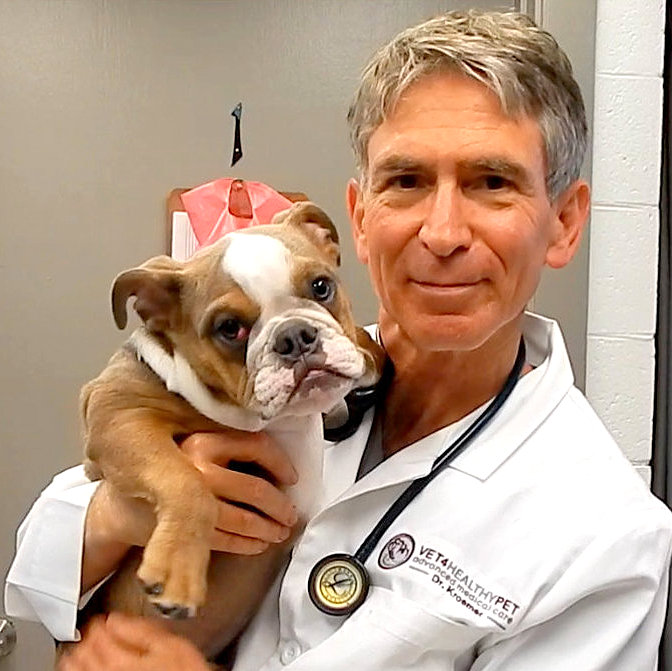
Below are aspiration pneumonia essential tips and warnings courtesy of Dr. Kraemer
#1 BULLDOG PNEUMONIA CALM & RELAXED TIP:
While recovering, you should keep your bulldog primarily indoors, rested, and stress-free.
#2 BULLDOG AND FR. BULLDOG PNEUMONIA NEBULIZER TIP:
Use a nebulizer only as directed by your veterinarian. Perform coupage only after your veterinary team has shown you the correct technique.
#3 ASPIRATION PNEUMONIA COUPAGE TIP:
Coupage involves cupping your hands against your bulldog’s chest and tapping rhythmically to help dislodge secretions from the lungs, creating a sound similar to a galloping horse.
You must apply enough pressure to effectively break up the mucus but at the same time be gentle to avoid causing any discomfort or harm to your French bulldog puppy.
#4 PNEUMONIA LAB WORK PRE-OP PREP TIP:
Follow the fasting and water instructions provided by your anesthesia team. The safest timing depends on your Bulldog’s age, medical status, and planned procedure.
#1 BULLDOG PNEUMONIA OTC RX WARNING:
Do not give over-the-counter cough medicine unless your veterinarian specifically instructs you to do so.
#2 ASPIRATION PNEUMONIA ANTIBIOTICS WARNING:
Give antibiotics exactly as prescribed and do not stop early. The drug and duration should reflect your Bulldog’s response and, when available, culture results.
#3 PNEUMONIA RE-CHECK EXAM WARNING:
Keep the recheck schedule recommended by your veterinarian. The timing of repeat chest radiographs depends on your Bulldog’s clinical progress.
#4 FRENCH BULLDOG PNEUMONIA BODY ROTATION WARNING:
Ask the veterinary team how often your Bulldog should be repositioned. Hospitalized or weak dogs may need regular position changes and close monitoring.