


Bulldogs & French Bulldogs
PREVENT & TREAT
Bulldogs and French Bulldogs are prone to a wide range of painful and debilitating breed-related medical conditions. Most can be prevented and safely treated at your home, at a minimal cost.
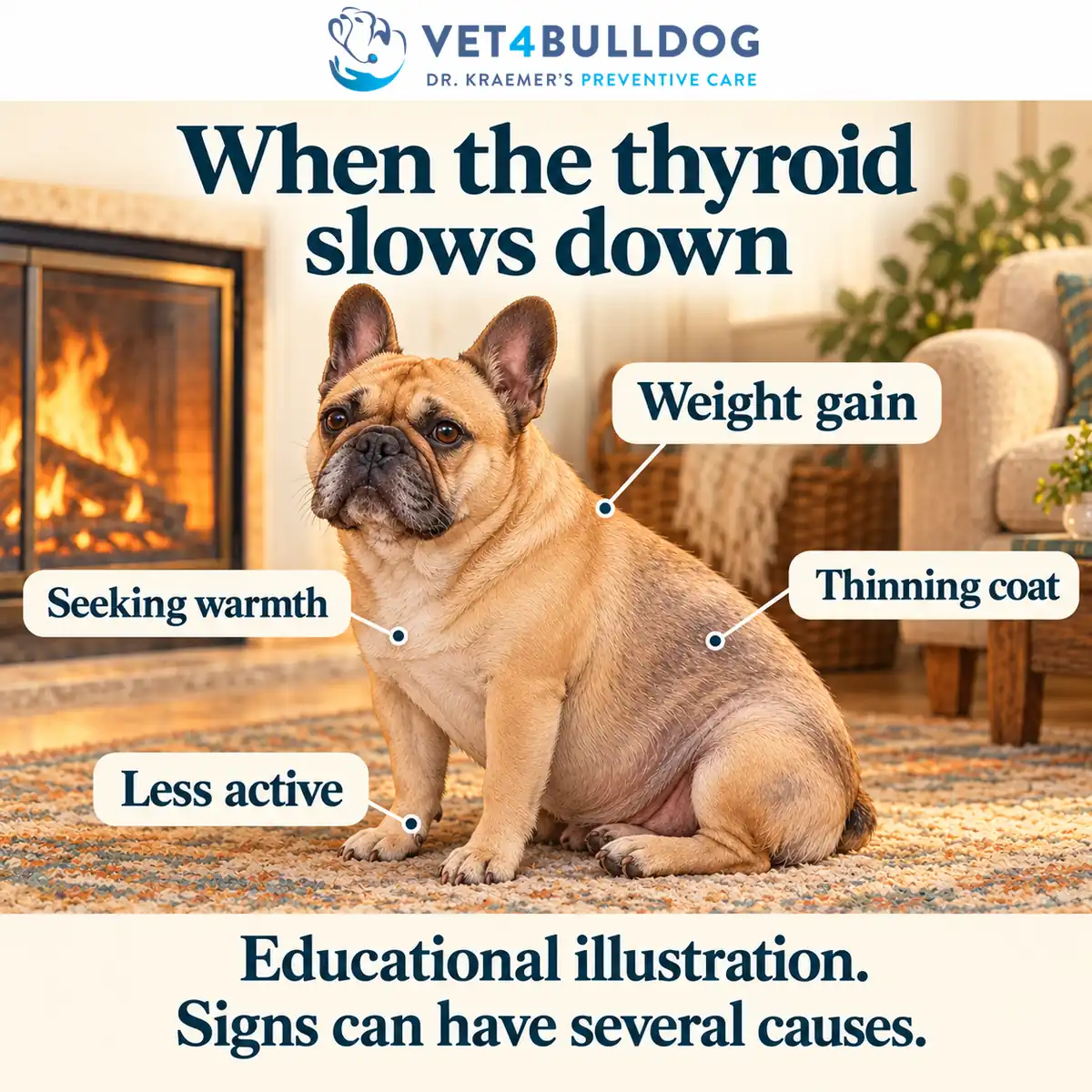
Bulldog hypothyroidism is caused by a deficiency of the thyroid hormone that regulates metabolism. This endocrine disease is more common to aging dogs and rarely seen in young bulldogs. It can be treated with synthetic oral thyroid Rx.
Bulldogs suffering from hypothyroidism are usually overweight, and less active, they often have thin hair, discoloration, and hyperpigmentation of the skin. Some will have a "rat tail" (bald tail), intolerance to low temp and hair that does not grow after clipping.
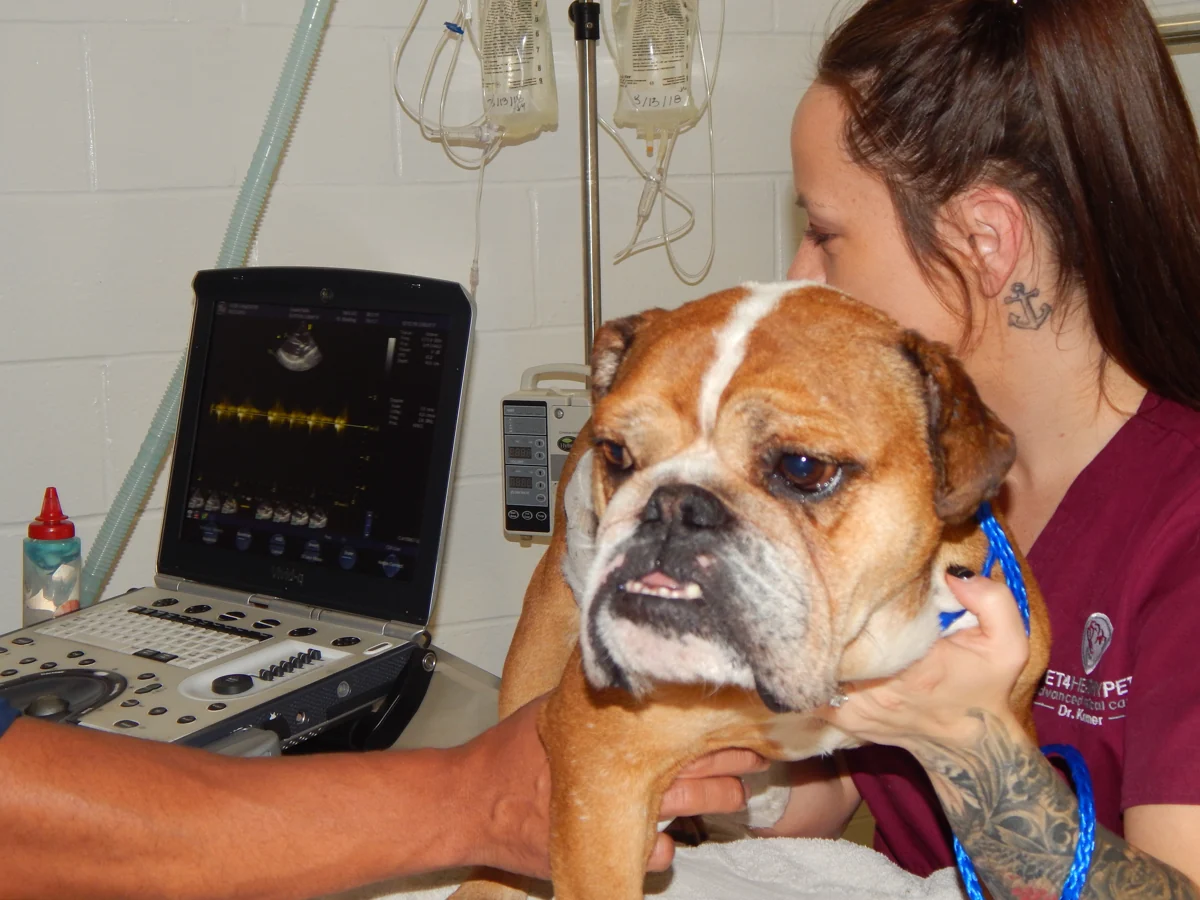
Dilated cardiomyopathy, or DCM, is a disease that weakens the heart muscle. The pumping chambers enlarge but their squeeze becomes less effective, so a bigger heart does not mean a stronger one. It is better recognized in other breeds than in Bulldogs, which is exactly why it gets missed here: the tiring and the breathing effort look like an airway problem.
Falling behind on familiar walks, tiring quickly or seeming unusually weak, faster or harder breathing, coughing, eating less, fainting or collapsing, and a gradually swollen belly. In Bulldogs these overlap with airway disease, so the actual cause has to be identified rather than assumed.

Bulldogs and French Bulldogs Intervertebral Disc Disease (IVDD) happens when the intervertebral disc herniates compressing the spinal cord. The disk is a soft toothpaste-like gel that separates each vertebra.
Disc compression can lead to a wide range of neurological problems such as pain, loss of sensory as well as motor deficits, incontinence, and foot-dragging. The range and intensity of the symptoms depend on the injury location and degree of compression.

A condition that in most breed is "idiopathic" but in bulldogs often associated with BOAS (Brachycephalic Obstructive Airway Syndrome)
Series of rapid scary sounding honking and snorting sound like something might have got stuck in the nose that often resolve within a few seconds

Seizures are episodes of disturbed brain activity that manifest in various forms, such as convulsions, sensory disturbances, or loss of consciousness. The most common seizure in young bulldogs is epilepsy, while older bulldogs, seizures is usually due to pathology and disease
Generalized seizures are usually recumbent, with leg peddling and teeth chattering, accompanied by other facial muscle spasms, and they might be unconscious. Focal seizures can present with fly biting and twitching behaviors.

Grain Free Diets are very popular among bulldog owners. Some owners choose to feed their pets a grain-free diet due to an erroneous notion that grains are bad for them and the cause of bulldog food allergy.
Grain should count for less than one-third of your bulldog’s whole diet. Grain-free diets are found to be associated with heart disease. Choose a known manufacturer and ignore buzzwords and hype. The diet might be deficient considering adding bully therapeutic supplements.
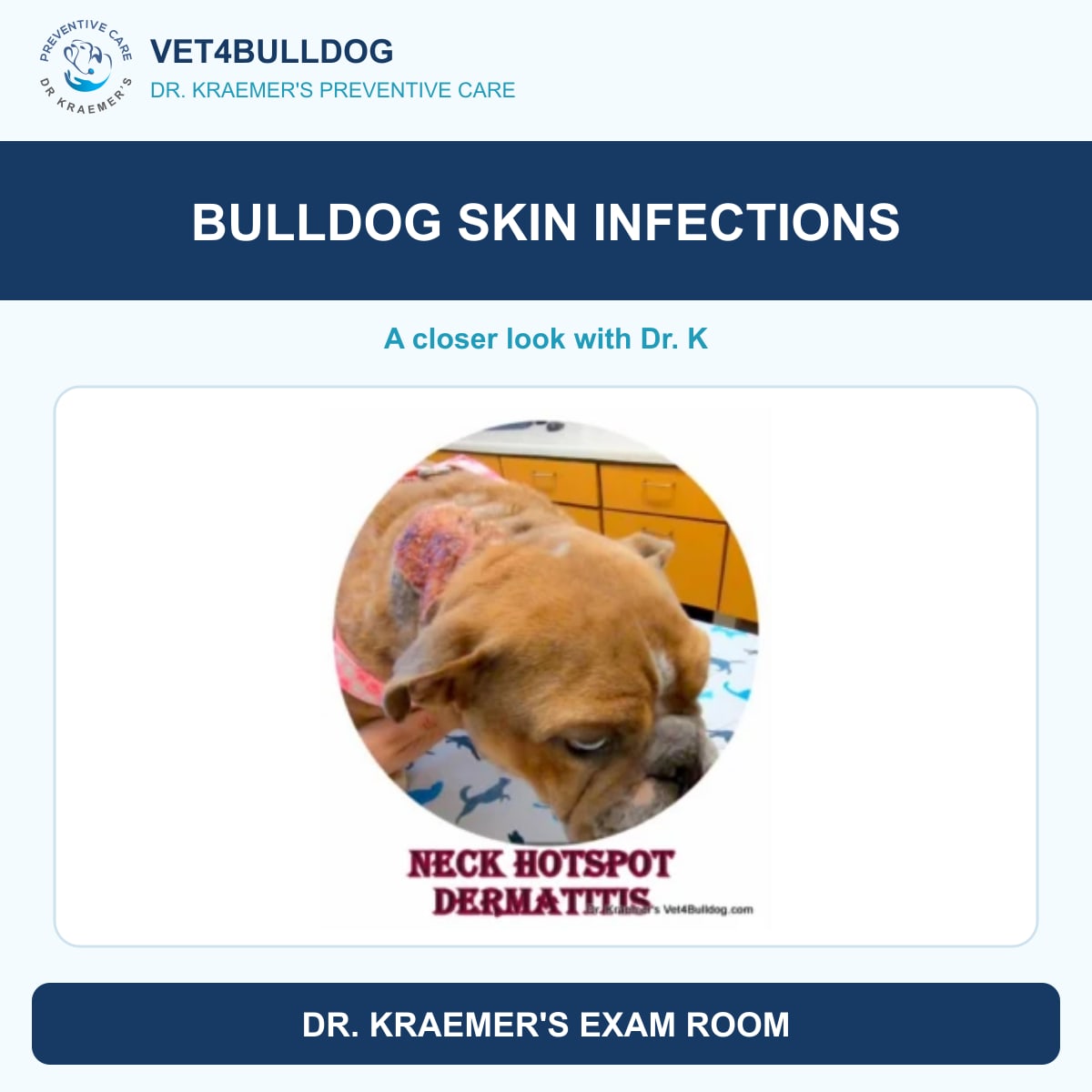
Most times, an infection is secondary to an allergy or immune suppression due to drugs like cortisone, a chronic disease such as parasitic infection, or an endocrine disease like hypothyroidism or Cushing's. Topical bully therapeutics are generally required and, at times, the most effective.
Often, itching that could be intense, hair loss, skin lesions, erythema, and bumpy papules. It could look like a "hot spot" or, in severe cases, oozy, deep draining tracks, fever, and illness.