


Clean at home or call your vet?
If the pocket is comfortable and reachable without force, ask your veterinarian to demonstrate gentle cleaning. Stop and book an examination if your Bulldog flinches, bleeds, has pus or a draining tract, or smells bad despite appropriate care. Do not push into a painful or inaccessible fold.
Introduction to Bulldog and French Bulldog Tail Pocket Dermatitis
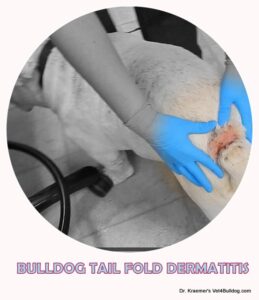
Tail pocket dermatitis specifically refers to inflammation and infection in the skin fold around the base of the tail and deep inside the folded tail pocket. This condition is more common in breeds with screw or corkscrew tails, such as bulldogs, where the tail is tucked against the body, creating a pocket. The corkscrew tail of a bulldog, characterized by its twisted and ingrown nature, can manifest in diverse variations, shapes, and forms, each exhibiting varying degrees of severity and discomfort or pain intensity.
WHY DO BULLDOG TAIL POCKETS GET INFECTED?
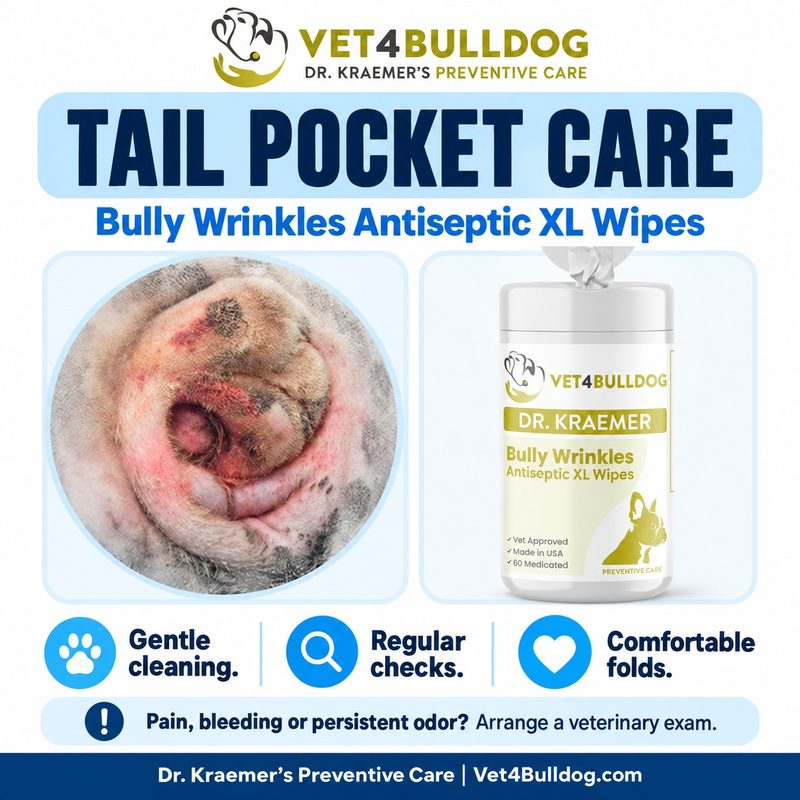
The corkscrew, or tightly curled tail, creates a deep pocket that traps moisture, heat, and debris. This environment is ideal for the growth of bacteria and yeast, leading to infection and inflammation. Regular cleaning and maintenance are crucial in preventing and managing this condition.
Unlike many other breeds, bulldog tail bones often exhibit a distinctive backward turn and occasional twisting resembling a pretzel, pulling along the skin and hair. In numerous instances, the tail is deeply embedded and tucked, concealing the folded parts from the owner’s view.
🚨Patients with tail pocket rely on topical antiseptic care therapeutic products specifically designed for bulldog skin folds.
Bulldog Tail Pocket Infected Dermatitis: 5 MUST KNOW
- The tail pocket is due to vertebral malformation of the tail bones
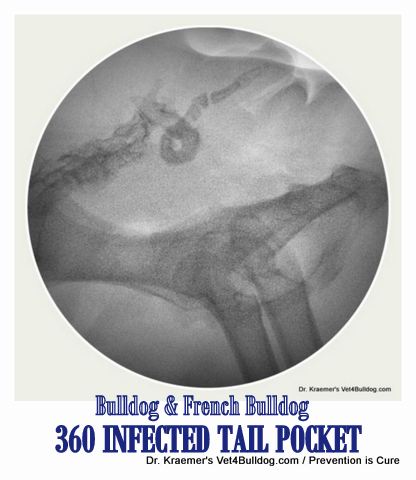
- The tail curls inward to varying degrees, sometimes a full 360, creating deep hidden folds
- The pocket traps moisture, leading to inflammation and infection, swelling, itchiness, and severe PAIN
- Care may include appropriate topical antiseptics and, when needed, veterinary treatment. Supplements provide supportive care.
- Prevention includes Dr. Kraemer’s Tail Pocket Care Bundles
Members of our bulldog community prefer prevention over RX
What Are the Symptoms of a Bulldog Tail Pocket Infection?
Most owners will notice the diseased tail when it is advanced or severe. It is recommended to use bully wipes for preventive measures and to monitor any disease or infection that is slowly progressing. Changes in the debris on a wipe can alert you to irritation or possible infection, but color alone cannot diagnose the cause. Persistent changes, bleeding, or pain warrant veterinary evaluation. Regular checks and maintenance may help catch issues early and keep your bulldog healthy. Here are some of the clinical and visible symptoms:
- DISCOLORATION AND HAIR LOSS
- REDNESS & ULCERATION
- MOISTURE: Excessive moisture and dampness
- SMELL & DISCHARGE: purulent discharge
- INFLAMMATION: Severe Inflammation and Swelling
- FRICTION: Frictional trauma, bone on skin
- ITCH & PAIN: constant discomfort
- DRAINING TRACT: an opening that repeatedly leaks fluid or pus
- YEAST & BACTERIA: Yeast & Bacteria Overgrowth/Infections (Pyoderma)
🚨Bulldog skin fold diseases such as tail folds moist dermatitis are compounded by selective breeding. 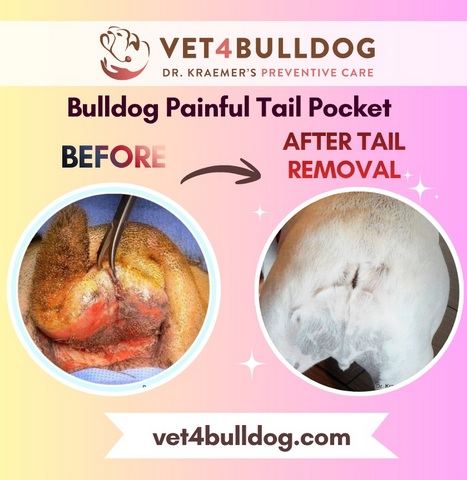
When Should My Bulldog See a Veterinarian?
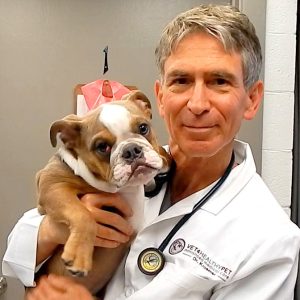
Arrange an examination for pain, bleeding, ulceration, pus, a draining tract, persistent odor despite care, or a pocket you cannot clean comfortably. Stop cleaning if your dog flinches or resists. Severe pain or a dog who seems unwell warrants prompt veterinary attention.
Insider tip
How Is Bulldog Tail Pocket Dermatitis Diagnosed?
The severity of tail problems and the therapeutic urgency might not be obvious to new bulldog owners. Your veterinarian can gently examine the tail pocket, including areas hidden beneath the tail. A painful or tightly recessed pocket should not be forcibly probed at home. Many inflamed, ulcerative, and infected areas are deeply embedded and may not be readily visible. When indicated, cytology helps identify bacteria or yeast, and culture may guide treatment in persistent or complicated infections.
How To Prevent Infection of Bulldogs and French Bulldog Tail Pockets?
Early preventive care, an attentive owner, and ongoing conscientious wiping and care are crucial for maintaining the health and well-being of your bulldog.
1. BULLY ANTISEPTIC TAIL WIPES:
For the best outcome, your bulldog’s tail folds should be maintained with antiseptic bully wipes. Daily cleaning may suit some dogs; frequency and product choice should follow your veterinarian’s advice and the product directions. Active infection needs assessment rather than simply more frequent wiping.
DR. KRAEMER’S V4B BULLY SKIN FOLD ANTISEPTIC XL WIPES:
- EFFECTIVE
- INEXPENSIVE
- EASY TO IMPLEMENT
- CONVENIENT
How Should I Wipe My Bulldog’s Tail Pocket?
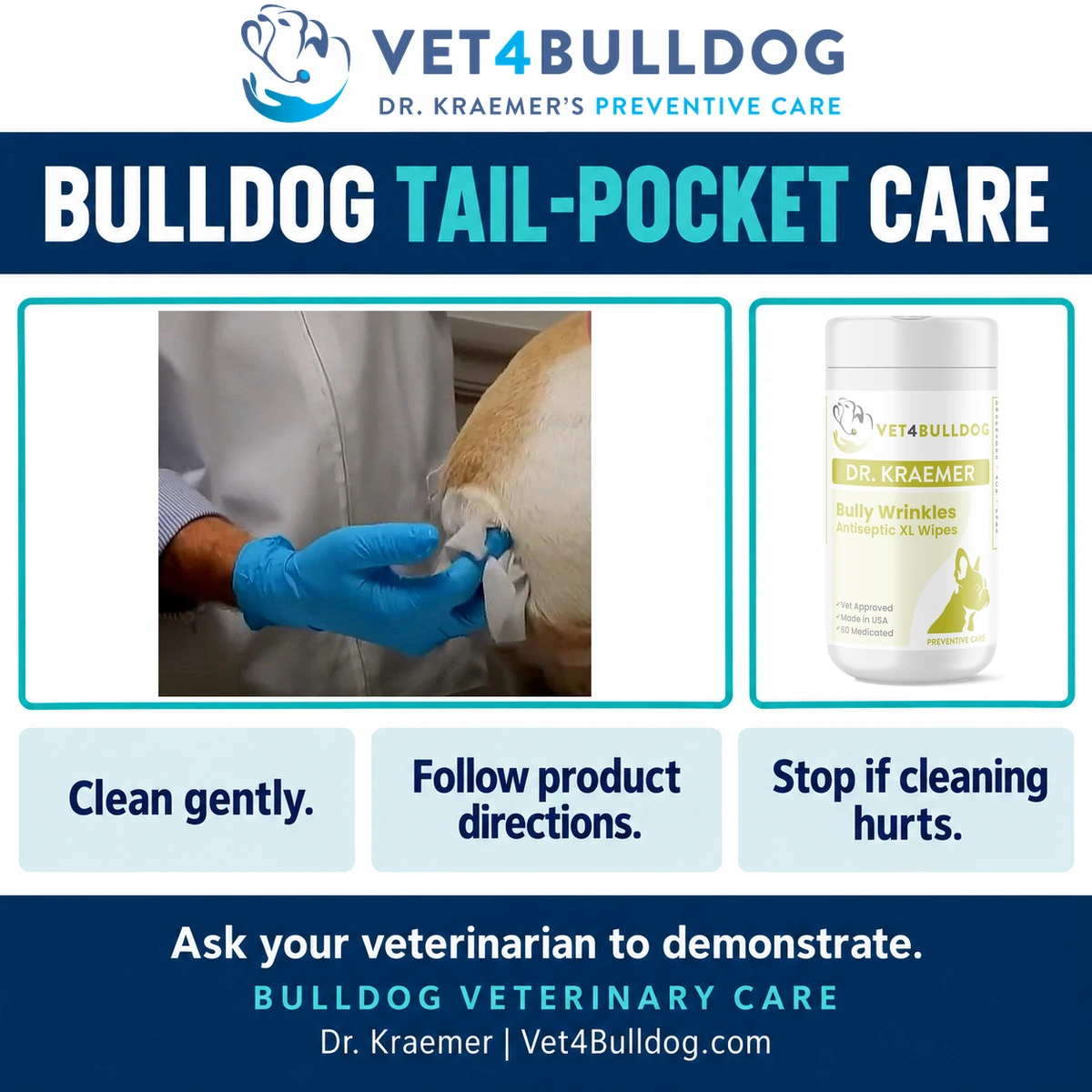
- CLEAN GENTLY: Use a suitable wipe to gently clean the accessible folds as demonstrated by your veterinarian. Never force your finger or a wipe into a tight or painful pocket. Stop if your dog flinches, resists, or bleeds.
- CHECK AROUND THE TAIL: Folds may extend around the tail. Clean only where you can comfortably reach; ask your veterinarian to demonstrate care for deeper folds.
- TOP PART: Check above the tail as well as below it. Follow the product’s contact-time and drying directions, and gently remove excess moisture when instructed.
How to Treat a Bulldog Tail Pocket Infection
Appropriate topical antiseptics often help manage mild skin fold disease. Painful, persistent, or deeper infections require veterinary assessment and may need prescription treatment.
🚨Severe pain needs prompt veterinary assessment and pain relief. Surgery may be appropriate when anatomy and persistent disease prevent effective medical management.
#1 TOPICAL ANTISEPTIC BULLDOG WIPES:
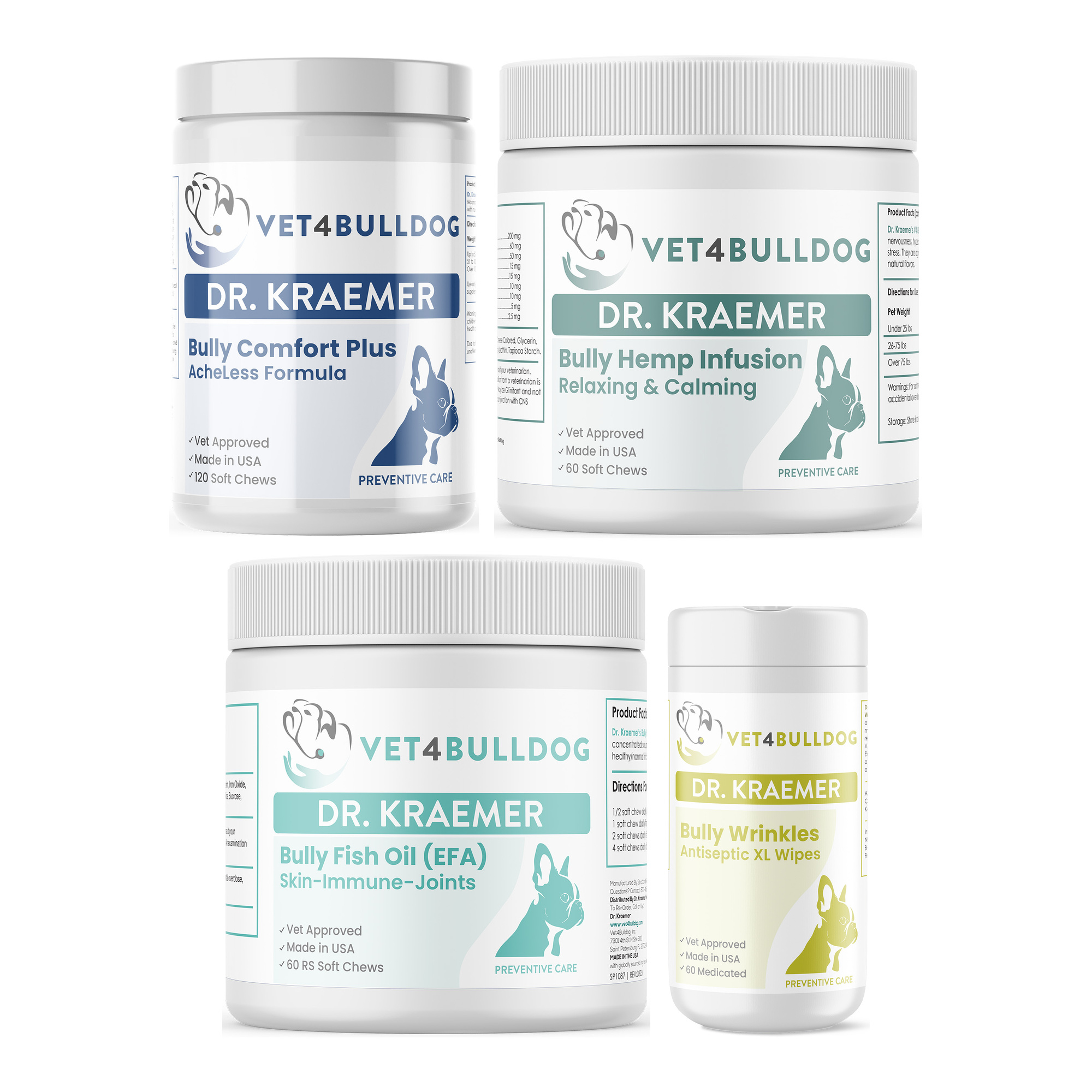
Dr. Kraemer’s daily V4B Bully Skin Fold Antiseptic XL Wipes are best for most daily bully tail maintenance.
#2 SUPPORTIVE CARE TO DISCUSS WITH YOUR VETERINARIAN:
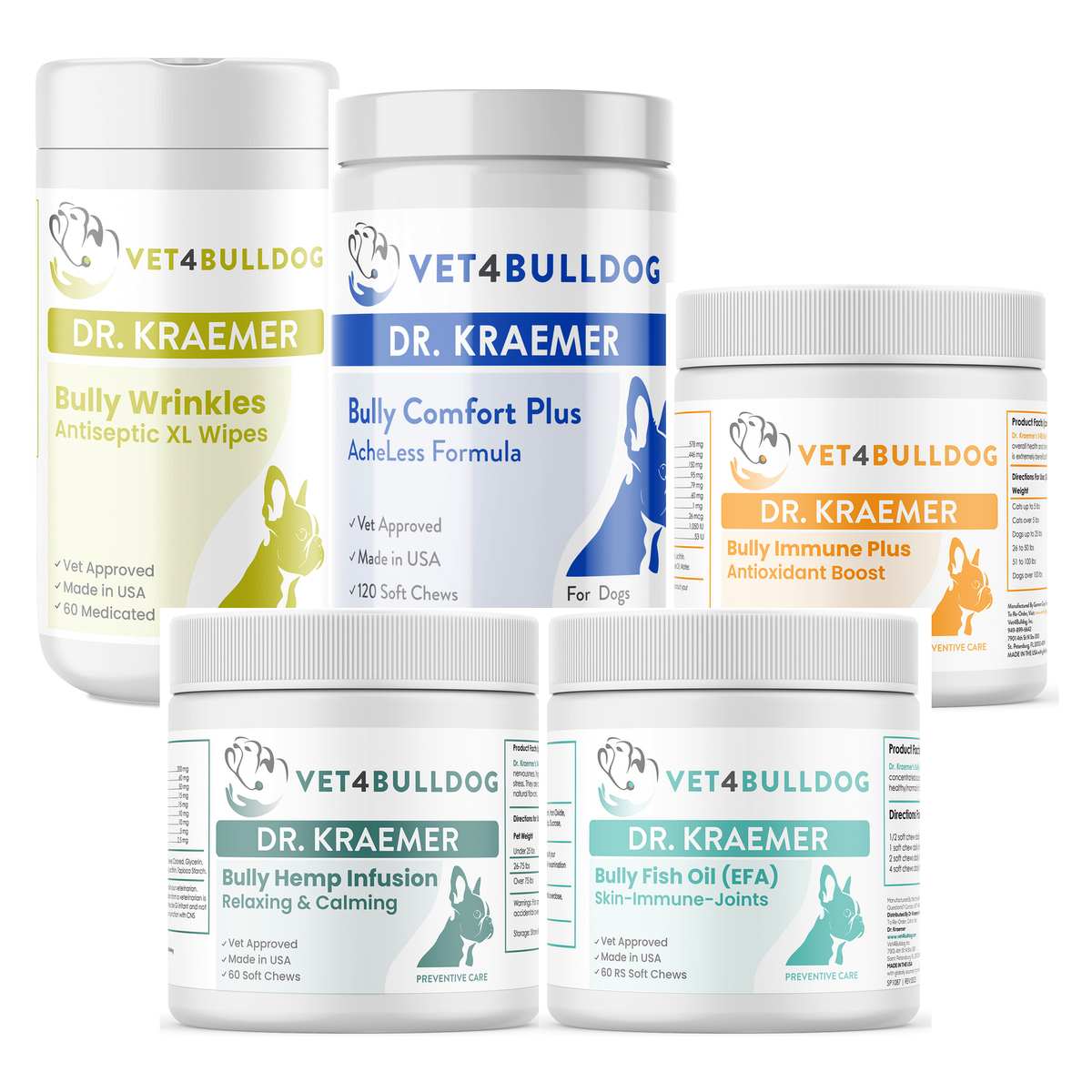
Supplements may support skin health and comfort as part of a broader care plan; they do not replace treatment for an active infection.
1. COMFORT SUPPORT:
- Dr. Kraemer’s V4B Bully Comfort & AcheLess chew
- V4B Skin & Coat Derma Care Tab
2. IMMUNE SUPPORT:
3. CALM AND RELAX:
- V4B Bully StressLess & Calm chews
- V4B Bully Hemp Relax & Calm chews
#3 BULLDOG TAIL INFECTION RX:
In cases of more severe bulldog skin fold infections, it is advisable to consult with your veterinarian regarding prescription medication options. This may include discussions about topical anti-inflammatory powder or ointment. In an acute severe case, systemic medication might be required:
- pain medication
- anti-inflammatory itch control
- antibiotics
- antifungals
If Bruno is flinching, stop and get him examined. Do not push through pain to reach a deeper fold. Hidden inflammation or infection can make cleaning uncomfortable, and the pocket may need treatment and pain relief before home care is manageable. Ask your veterinarian to demonstrate gentle cleaning of Bruno’s particular folds, including above the tail. Use the recommended product and follow its directions. The treatment and its duration should be guided by the examination and response to care.
Should My Bulldog Have Tail Pocket Surgery?
If therapeutic preventive measures and medical treatment are inadequate, tail removal should be discussed.
BULLDOG TAIL AMPUTATION SURGERY WARNING:
Tail amputation in Bulldogs and French Bulldogs is distinct from the simple tail shortening performed in some other breeds. The procedure is highly technical and poses significant challenges, with a much higher risk of potential harm due to unintended surgical errors. It is highly advised that this surgery be performed only by a skilled surgeon with prior expertise in these amputations.
Surgery requires careful dissection near the rectum and surrounding structures. An experienced surgeon can explain the risks for your dog’s anatomy.
Bulldogs and French Bulldogs Infected Tail Pocket SURGICAL MERITS:
Surgery can be a valuable option for selected severe cases. Recovery requires pain management and wound care, and complications are possible. Potential benefits include:
- RELIEF: Removing diseased folds can provide lasting relief from recurrent irritation and infection after healing.
- REDUCED MAINTENANCE: Surgery may reduce ongoing fold care when medical management is inadequate.
- IMPROVED COMFORT: Surgery may help dogs whose persistent disease makes necessary cleaning painful or impractical.
For bulldogs experiencing chronic, painful, ulcerative, bleeding tails that are difficult to manage, or those with draining tracts, surgery is often considered the best quality-of-life option. Discuss the expected appearance, recovery and possible complications with the surgeon. Results and ongoing care needs vary by dog.
Bulldogs Tail Pocket TIPS & WARNINGS:
Below is Dr. Kraemer’s selection of tips and warnings:
#1 TAIL POCKET ANTISEPTIC WIPE TIP:
The tail’s snug and deep structure may lead hesitant owners to overlook crucial areas. Ask your veterinarian to show you how to clean hidden folds gently. Do not force cleaning into a painful or inaccessible pocket.
#2 BULLDOG-INFECTED TAIL PERINEAL IRRITATION TIP:
Other reasons for your bulldog to be irritated in his or her backend are:
- BULLDOG ANAL GLAND: anal gland impaction and infection can be very irritating to the perineal area
- BULLDOG INTESTINAL WORMS: Whipworms are known to irritate the perineal area
- BULLDOG ALLERGY: allergies such as bulldog flea allergy
- VULVAR SKIN FOLD DERMATITIS: in female bulldogs, moist dermatitis in the vaginal skin folds
#3 BULLY ANTISEPTIC XL TAIL POCKET WIPE TIP:
Extra-large bully wipes will cover your entire hand or finger, protecting you from the “stinky stuff.”
- PULLOUT: Extra-large antiseptic bully wipes are pullout style, making them easy and convenient.
- LOW COST: Extra-large antiseptic bully wipes are inexpensive
- EASY: The XL wipes are large, durable surfaces that can do the job well, even in a very folded, protected tail.
#1 VAGINAL AND UTI INFECTION WARNING:
The bacteria present on the tail can be harmful to the urinary tract. Therefore, if wipes have been used on the tail, it is advisable to discard them and use a fresh one for cleaning the vaginal area.
#2 BULLDOG BUTT CLEANING WARNING:
It’s important not to confuse the “butthole” with the bulldog tail pocket and folds. Ensure you clean both areas separately, as fecal material and anal gland secretions can accumulate in the folds and pockets. Thorough hygiene in both regions is essential to prevent infections and maintain your bulldog’s health.
#3 BULLDOG TAIL FOLDS SURGERY WARNING:
For bulldog tail removal surgery, I recommend seeking a veterinarian who is experienced with the procedure.
#4 BULLDOG TAIL INFECTION PAIN WARNING:
Bulldogs with severe skin fold dermatitis awaiting surgery should be placed on a pain management plan. Bulldog tail fold dermatitis is inherently a painful condition, and providing pain relief is crucial for the well-being of the affected dogs.
Insider tip
#5 TAIL POCKET INFECTION STEROIDS WARNING:
Long-term management should address the folds, moisture, and any underlying disease. Your veterinarian may prescribe systemic medication when indicated by the severity and type of infection or inflammation. Choice and duration depend on examination findings and reassessment; do not stop prescribed medication early or extend it without advice.
Repeated medication alone does not correct a deeply recessed tail or eliminate the need for an appropriate long-term care plan.
#6 TAIL POCKET ALLERGIES WARNING:
Bulldog allergies often compound the tail fold problems; therefore, make sure that your bulldog is effectively treated for those. Common examples are:
Does my Bulldog even have a tail pocket?
How often should I clean it?
Why does it smell even after I clean it?
Can I just use steroids or antibiotics?
Is tail amputation safe?
When is surgery the right call?
What should I do if the tail pocket bleeds or hurts during cleaning?
Can I use baby wipes or household disinfectants?
Recommended by Owners · Approved by Bulldogs
Related Bulldog spine and skin fold problems
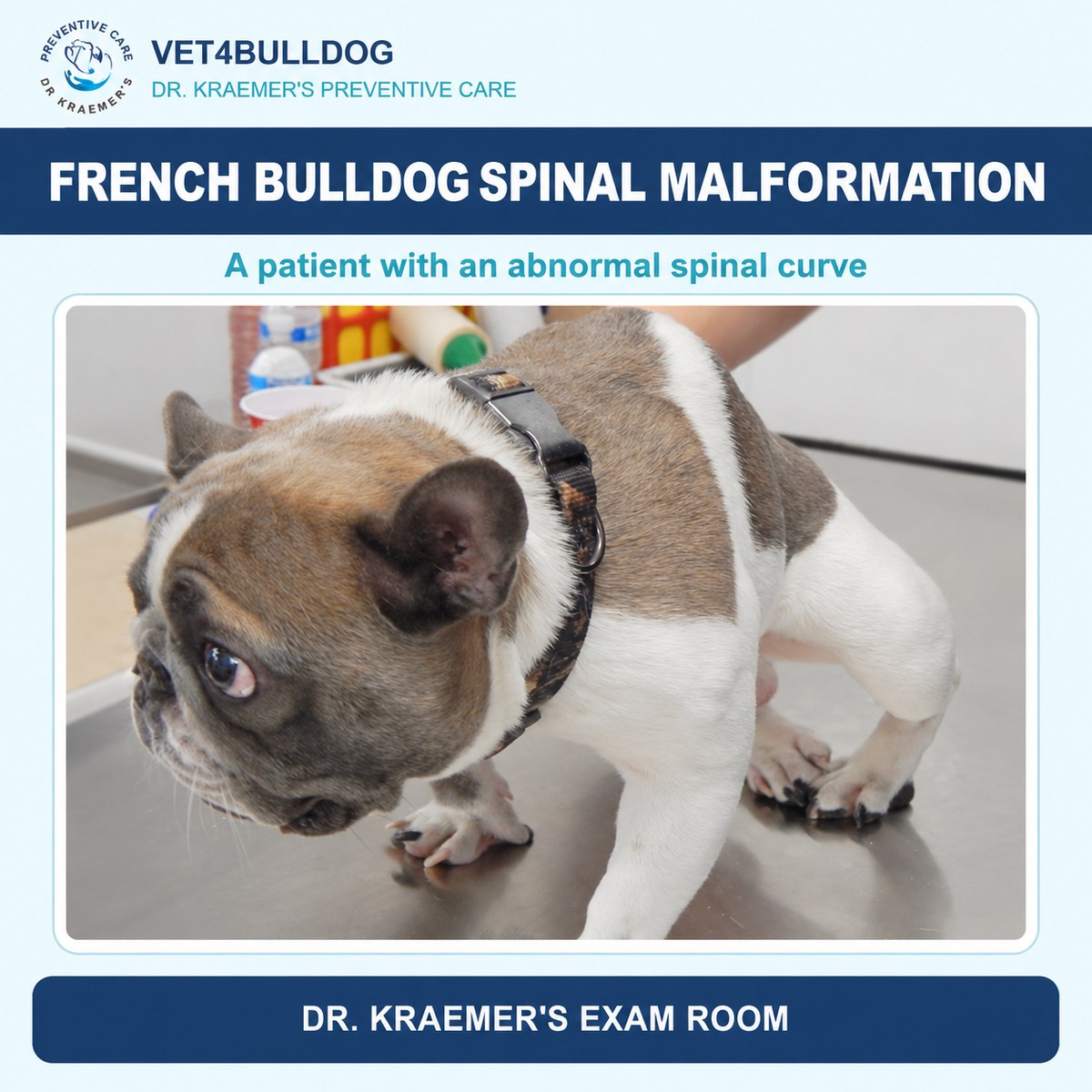
Common Bulldog Vertebral Malformations
Other bulldog vertebral malformations are:
Common Bulldog Wrinkle and Skin Fold Infections
Besides the tail, Bulldogs and French Bulldogs have several skin folds that are prone to disease.
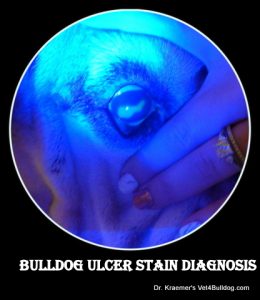
1. NASAL SKIN FOLD-INFECTED DERMATITIS:
Similar to the tail, the juxtaposition of nasal skin and friction can result in excess moisture, further compounded by tears and mucus from the eyes.
Itching of the area can lead to injury to the eye and acute corneal ulcers.
2. VULVAR SKIN FOLD DERMATITIS:
Similar to the tail, the opposing skin and friction in the genital area can result in excessive moisture, compounded by urine and other vaginal secretions. This environment can contribute to the ascent of bacteria to the urinary tract, potentially leading to chronic urinary tract infections (UTI) in bulldogs. ➡️Vulvar fold dermatitis can contribute to urinary tract infections
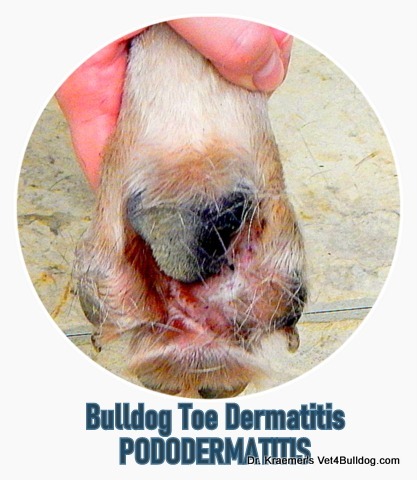
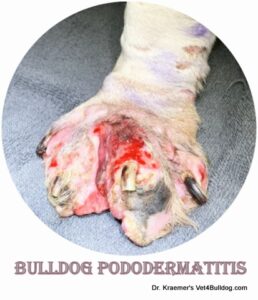
3. BULLDOG TOES & PAWS SKIN FOLD DERMATITIS:
Similar to the tail, the opposing skin and friction in your bulldog’s paw, toe, and interdigital space can result in excessive moisture, further compounded by licking.
- Bulldog paw allergic dermatitis
- Bulldog interdigital cysts
- Bulldog Pododermatitis
4. BULLDOG CHIN SKIN FOLD ACNE DERMATITIS:
“Bulldog Acne” is often compounded by constant wetness and moisture due to the breed’s drooling and water bowl chin dripping. 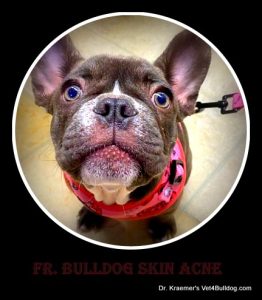
5. BULLDOG SKIN FOLD INFECTION OTHER LOCATIONS:
- Neck folds
- Face folds
- Armpit folds
- Inguinal area folds
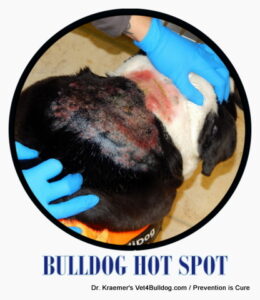
- As well as all other potential bulldogs’ moist skin fold dermatitis “hot spots”.
Veterinary Care and Supportive Products
If the tail pocket is painful, discharging, foul-smelling, or the tail itself is tightly screwed down against the skin, a veterinary examination is needed. For daily tail-pocket hygiene and infection prevention, explore Vet4Bulldog skin fold options selected for Bulldogs and French Bulldogs.
More Help from Dr. Kraemer
Every tail pocket is a little different. These real-world guides and answered questions may help you connect the dots:
- Bulldog tail pocket maintenance Q&A
- Five painful Bulldog tail facts and preventives
- How to treat infected Bulldog wrinkles (video guide)
- Wrinkle care: five must-knows
- Tear stains vs wrinkle dermatitis: what is the difference?
Trusted by Vets ~ Recommended by Owners ~ Approved by Bulldogs
References
- Merck Veterinary Manual. Skin Fold Dermatitis (Intertrigo) in Dogs
- Merck Veterinary Manual. Pyoderma in Dogs
- American Animal Hospital Association. 2023 AAHA Management of Allergic Skin Diseases in Dogs and Cats Guidelines